20 Things Florida Condo Owners Should Check Before Bringing Home A Dog

Thinking about adding a dog to your Florida condo life? That is a happy decision, and a little homework now makes it even happier.
Condo living comes with shared walls, shared halls, and shared rules. Local laws, insurance, and hurricane season add a few more layers.
Think of this guide as a friendly neighbor walking you through what to check first. With these steps handled, you and your new pup can settle in with confidence.
1. Start With the Declaration

Every condo community has a rulebook that sits above all the others. It is called the declaration of condominium, and it carries real legal weight.
Look for any section on animals or pets. Some declarations allow dogs freely, while others limit or even ban them.
A few older buildings have surprising language tucked away.
If the wording feels confusing, ask the manager or a condo attorney to explain it. Reading it first saves heartache later.
2. Count the Paws Allowed
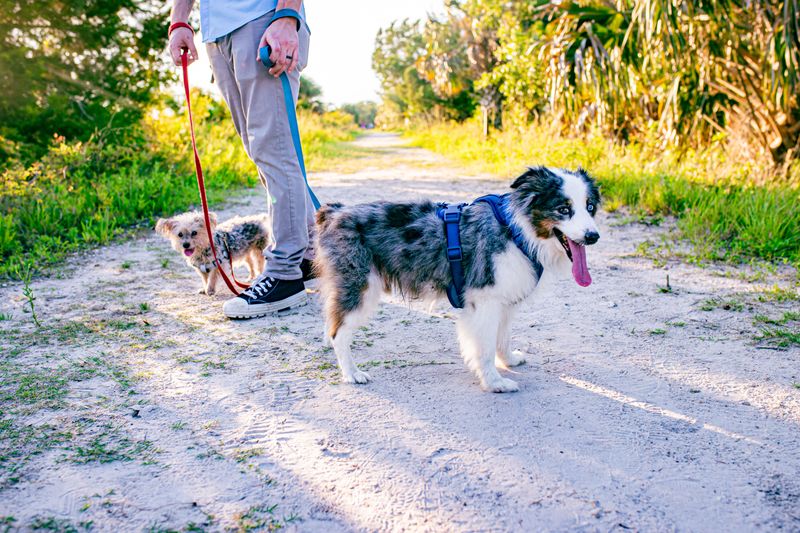
Dreaming of a pair of pups? Many Florida condos cap the number of pets per unit, often at one or two.
Associations usually set these limits to manage noise and keep shared spaces clean. Courts in Florida have generally upheld reasonable limits written into condo documents.
Check whether the cap covers all pets or just dogs. A cat or bird already living with you might count toward the total.
Knowing your number helps you plan wisely.
3. Look Closely at Breed and Weight Limits

Here is a detail that surprises many people. Since October 2023, Florida law stops local governments and public housing authorities from banning dogs based only on breed, size, or weight.
Private condo associations are different. They can still set breed lists and weight limits through their documents.
Weight caps often fall somewhere between 20 and 60 pounds, but they vary widely. Ask how the board measures weight, especially for a puppy who will keep growing.
4. Catch Up on Bylaws and New Rules

Rules can shift quietly. A board might update its pet policy at a meeting you missed last spring.
Ask management for the current bylaws, the written pet policy, and any recent amendments. Meeting minutes can also reveal changes that have not been widely shared yet.
Online listings and old welcome packets may be out of date. Always confirm directly with the association.
A quick email asking for the latest version gives you a clear, written answer.
5. Ask About Age Rules

Puppies are adorable, but they can also be loud, chewy, and accident-prone. For that reason, a small number of associations set rules tied to a dog’s age.
These rules are less common than breed or weight limits. Still, they can appear inside pet policies.
Some buildings may expect a puppy to be house-trained before using common areas. Others may ask for extra registration steps.
A simple question to management clears this up quickly.
6. Get the Green Light in Writing

Picture bringing your new dog home, only to learn approval was needed first. That awkward moment is easy to avoid.
Many Florida associations require written approval from the board or management before any dog moves in. The process helps confirm your pet fits the community rules.
Ask how long approval usually takes. Some boards only meet monthly.
Plan your adoption date around that timeline, and keep a copy of the signed approval somewhere safe.
7. Gather Your Registration Paperwork

A tidy folder can make registration painless. Most associations want a few standard items on file.
Expect requests for a clear photo of your dog, breed and weight details, and your contact information. Current vaccination records, especially rabies, are almost always required.
Some buildings also ask for microchip numbers or license tags. Gather everything before you apply.
Having copies ready means fewer back-and-forth emails and a faster welcome for your furry roommate.
8. Know the Costs Upfront

Budgeting for a dog goes beyond food and toys. Condo life can add its own line items.
Some associations charge a one-time pet fee or a refundable deposit. If you rent, your landlord may also add monthly pet rent.
Ask for every possible charge in writing. Find out what a deposit covers and how it gets returned.
Clear numbers now help you welcome your dog without any surprise bills down the road.
9. Review Your Insurance Coverage

Insurance is not exciting, but it matters. Florida holds dog owners responsible for injuries their dogs cause to others in many situations.
Call your condo insurance provider and ask about liability coverage for dog bites. Some insurers exclude certain breeds or charge more for them.
Your association may also require a minimum liability amount or proof of coverage. A short phone call gives you peace of mind.
Consider an umbrella policy if limits seem low.
10. Learn the Hallway and Elevator Etiquette

Elevators are tight spaces, and not every neighbor loves dogs. That is why many buildings set clear rules for shared indoor areas.
Some condos require dogs to be carried or kept on short leashes. Others assign a service elevator or a side entrance for pets.
Ask whether you should wait for an empty elevator. Small courtesies, like stepping aside for others, go a long way.
Friendly neighbors make building life much smoother.
11. Find the Approved Walking Spots

Not every patch of grass is fair game. Most associations mark specific areas where dogs can walk and take potty breaks.
Pools, clubhouses, playgrounds, and fitness rooms are often off limits to pets. Some lawns may be reserved for landscaping only.
Take a walk around the property before your dog arrives. Look for signs and waste stations.
Knowing the map ahead of time helps you avoid friction and keeps the grounds looking lovely.
12. Master Leash and Cleanup Rules
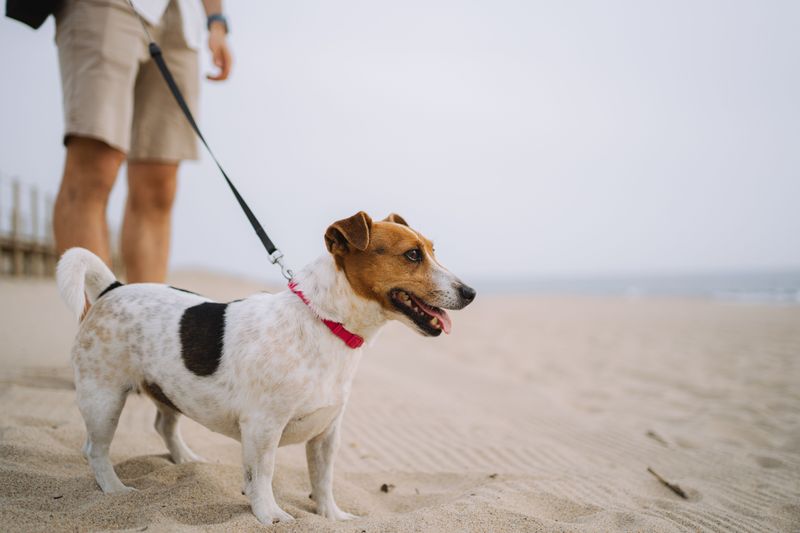
Few things upset neighbors faster than a forgotten mess. Cleanup rules are usually strict, and for good reason.
Most associations require leashes in all common areas. Many Florida cities and counties have leash laws too, and fines vary by location.
Always carry waste bags. Ask where bags should go, since some buildings prefer outdoor bins over indoor trash chutes.
A clip-on bag holder for your leash makes this habit almost effortless.
13. Plan for Peace and Quiet

Shared walls carry sound well. A dog barking at the door can echo through several units.
Most condo documents include noise and nuisance rules that apply to pets. Repeated complaints can lead to warnings, fines, or in rare cases a request to remove the pet.
Think about your schedule. A dog left alone for long hours may get vocal.
Training, puzzle toys, or a midday walker can keep things calm and neighbors happy.
14. Understand Fines and Enforcement

Nobody plans to break a rule, but mistakes happen. Knowing the process helps you stay calm if one does.
Florida law allows associations to levy fines, usually after notice and a chance for a hearing before a committee. Limits and steps are outlined in state law and your documents.
Ask how warnings work and what fines may apply. Understanding the process ahead of time means you can fix small issues quickly and respectfully.
15. Check Your County License Rules

Florida does not issue a statewide dog license. Instead, licensing is handled by counties and sometimes cities.
Miami-Dade, for example, requires an annual dog license. Hillsborough requires pet licensing tied to rabies vaccination.
Other counties have their own systems and fees.
Visit your county animal services website to see what applies. Many vets can sell the tag during the rabies visit.
It is a small step that keeps you compliant.
16. Keep Rabies Shots and Vet Care Current
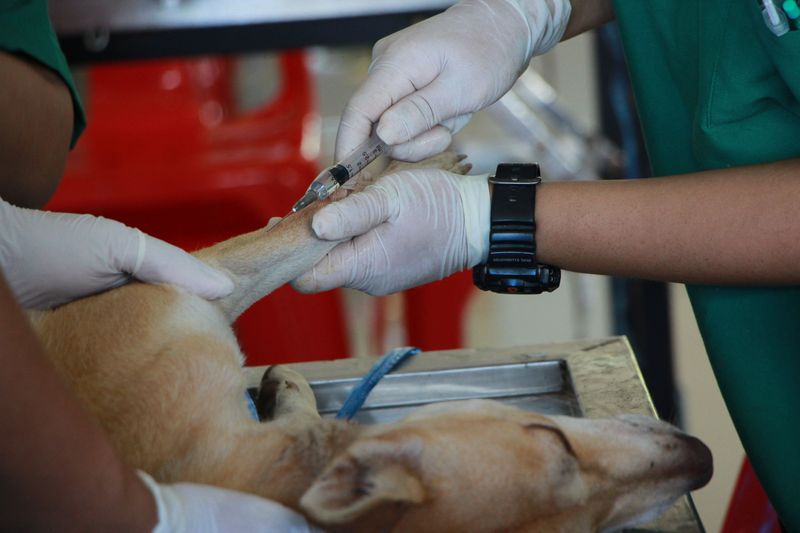
Florida Statute 828.30 requires dogs four months and older to receive rabies vaccination from a licensed veterinarian. Keep that certificate handy, since your association will likely ask for it.
Beyond rabies, schedule a full wellness exam soon after adoption. Your vet can recommend other vaccines suited to your dog.
Florida’s warm weather means fleas, ticks, and heartworm are active nearly all year. Ask your vet about year-round prevention that fits your pup.
17. Read Up on Local Animal Ordinances

Your condo rules are only one layer. Cities and counties also have animal control ordinances worth knowing.
These may cover leash laws, beach access, tethering, and rules for dogs labeled dangerous by local authorities. Many Florida beaches only allow dogs in certain zones or at certain times.
Requirements vary from place to place. Check your county animal services website or call them directly.
A few minutes of reading prevents confusion on your daily outings.
18. Match Your Space to Your Dog

A high-energy herding dog and a twelfth-floor studio can be a tricky pair. Size matters, but energy level matters even more.
Consider how quickly you can reach outdoor grass. Long elevator rides make frequent potty breaks harder, especially for puppies.
Think about Florida heat, too. Midday walks on hot pavement can be uncomfortable for paws.
Look for nearby parks and shady paths, then choose a dog whose needs fit your lifestyle.
19. Build a Hurricane Plan for Two

Hurricane season runs from June 1 through November 30. Your dog needs a place in your plan.
Pack a kit with several days of food and water, medications, a carrier, leash, and copies of vaccine records. Add a recent photo in case you get separated.
Many counties offer pet-friendly shelters, and some require pre-registration. Check your county emergency management site.
Also list pet-friendly hotels or friends inland, well before storms appear.
20. Know Assistance Animal Rights

Assistance animals follow different rules than pets. The federal Fair Housing Act and Florida Statute 760.27 protect people with disabilities who need them.
Associations must make reasonable accommodations, even in buildings with pet limits. Pet fees and deposits generally cannot be charged for these animals.
Boards may request reliable documentation when a disability is not obvious. Requests can be denied only in limited cases, like a direct safety threat.
A housing attorney can help with questions.