18 Things Arizona Dog Owners Keep In The Car That Would Look Strange Somewhere Else
Open the trunk of an Arizona dog owner’s car, and you might find pliers, booties, and enough water for a small camp. To a visitor, it can look a little odd.
To locals, it is simply smart planning for desert heat, cactus, and long stretches without cell service. Here is a friendly look at what experienced owners carry, and why each item earns its spot.
1. Extra Drinking Water for Desert Outings

Ask any Phoenix hiker what they never leave home without, and water tops the list. Dry desert air pulls moisture from dogs fast, especially during exercise.
A common guideline is roughly one ounce of water per pound of body weight each day. Heat and activity raise that need quite a bit.
Pack more than you expect to use. A spare gallon jug costs little and gives you real peace of mind on longer drives.
2. Collapsible Water Bowls
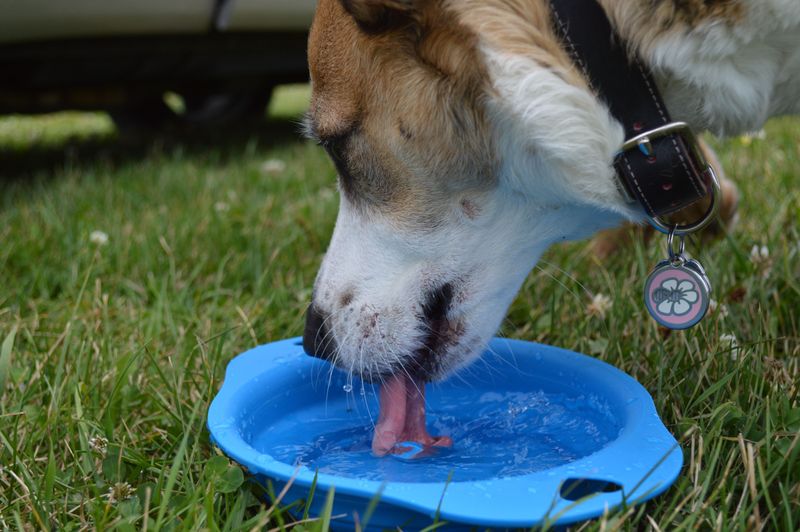
Picture a gas station stop near Gila Bend. Your pup is panting, and a folded silicone bowl pops open in two seconds.
Collapsible bowls weigh almost nothing and tuck into a door pocket or glove box. Many clip onto a leash or backpack, too.
Offering small drinks often works better than one big drink. Frequent sips keep your dog steady and comfortable throughout the day, whether you are hiking or simply running errands.
3. Insulated Water Jugs
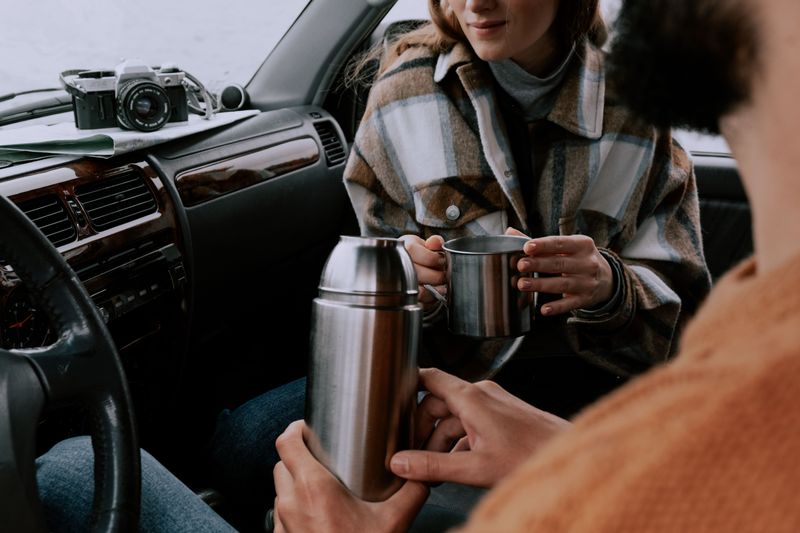
Water left in a hot car can turn warm surprisingly quickly. Many dogs lose interest in drinking when it tastes stale or lukewarm.
An insulated jug solves that problem neatly. Stainless steel or foam-lined containers hold cool water for hours, even in summer.
Here is a simple trick locals love: fill the jug halfway with ice before leaving home. By your first rest stop, the water is chilled and refreshing.
4. Dog Booties for Hot Pavement and Rocky Trails
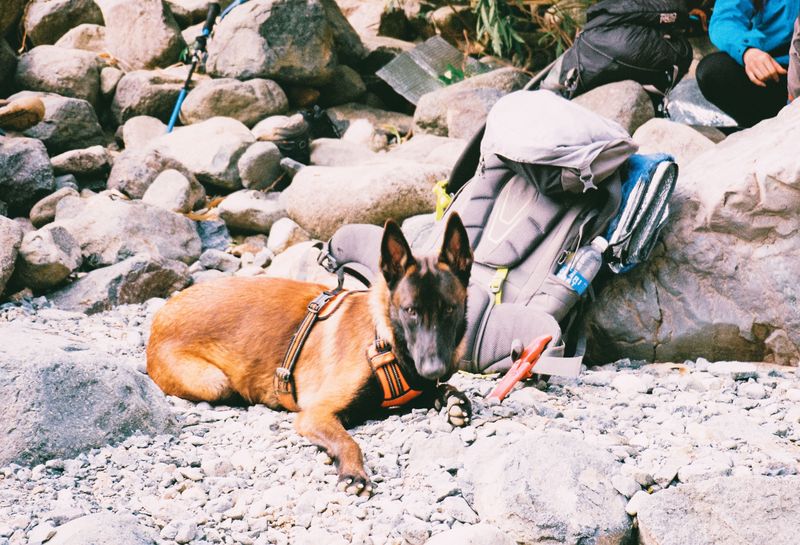
Try the seven-second test. Press the back of your hand to the pavement.
If you cannot hold it there comfortably, it is too hot for paws.
Summer asphalt in Arizona can climb well above 140 degrees Fahrenheit. Booties add a protective layer against burns and sharp rocks.
Most dogs walk a bit funny at first. Practice indoors with short sessions and treats, then slowly build up to outdoor walks.
5. Paw Balm for Dry, Rough Terrain
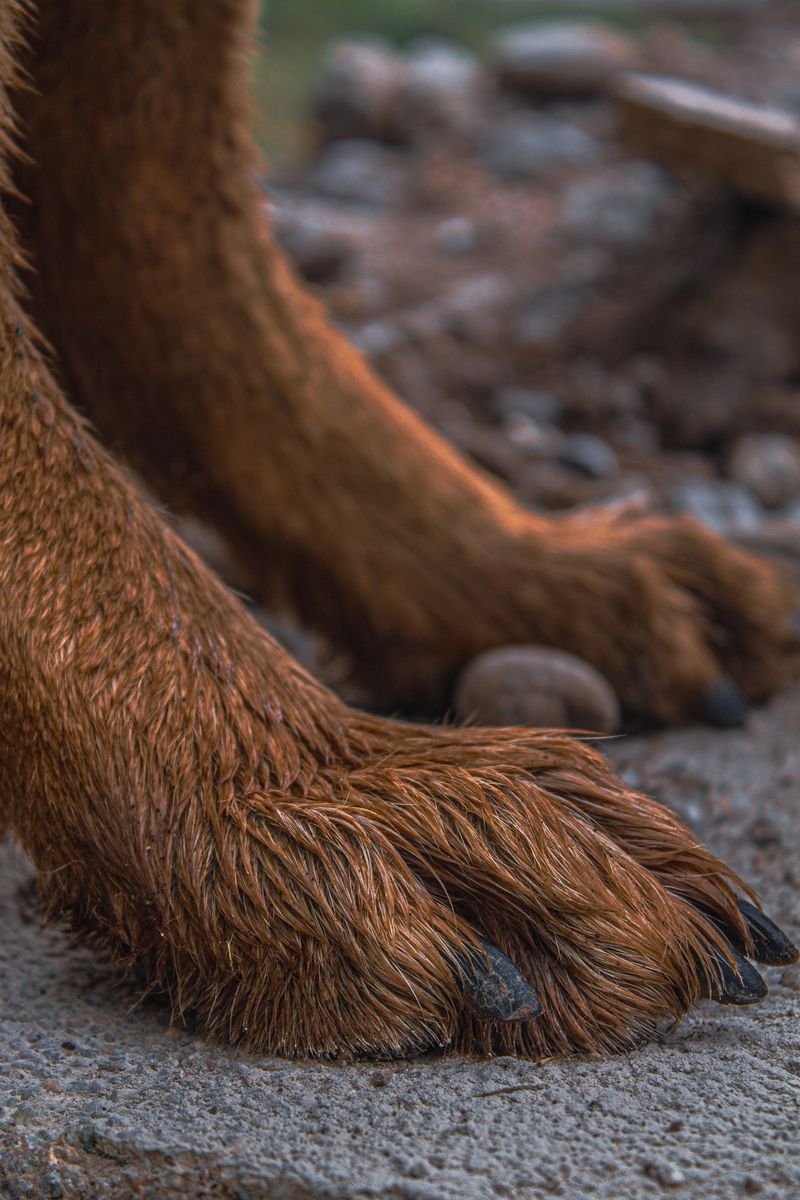
Low humidity is lovely for hair days, yet tough on paw pads. Desert air and gritty ground can leave pads dry and cracked.
A plant-based, pet-safe balm keeps them soft and flexible. Some formulas also add a light barrier against rough surfaces.
Rub a thin layer in after walks, not right before. That gives it time to soak in, so your dog is less likely to lick it all off.
6. Evaporative Cooling Vests
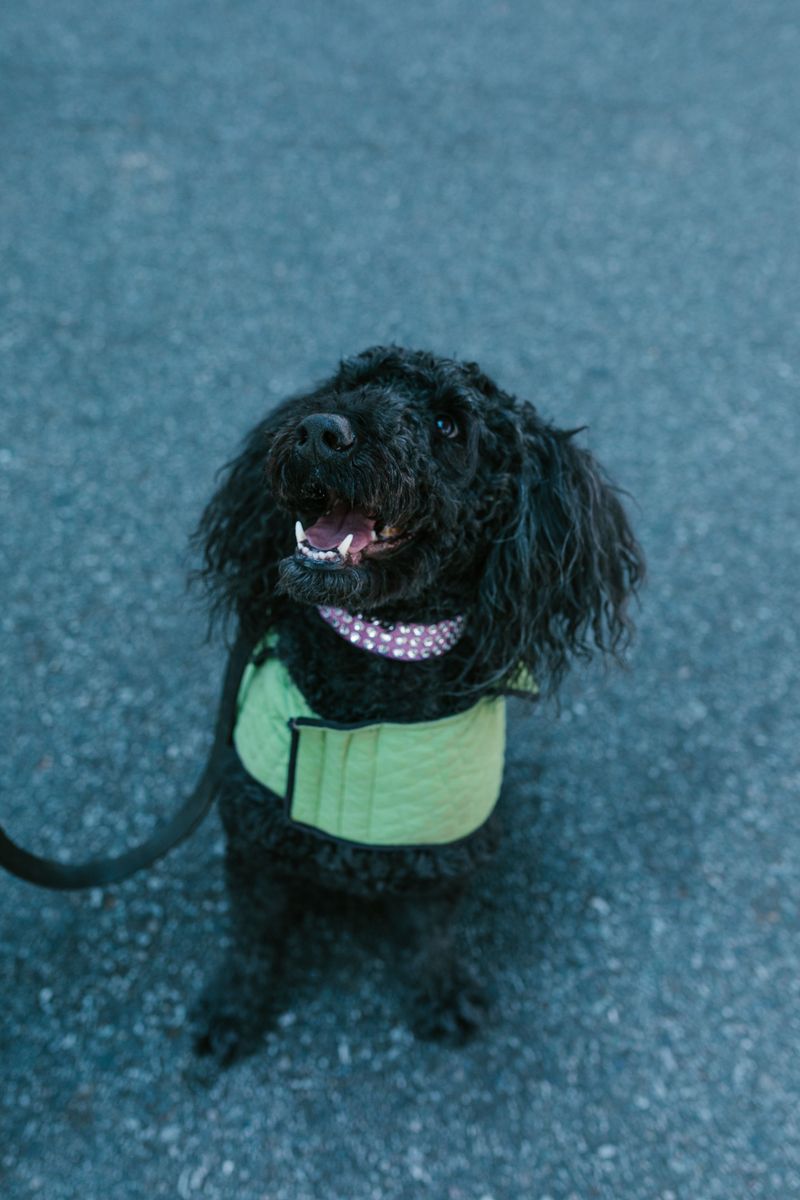
Active dogs love Arizona mornings, but the sun rises quickly. A cooling vest helps them stay comfortable a little longer.
You soak the vest, wring it out, and strap it on. As water evaporates, it draws heat away from the body without limiting movement.
Flat-faced breeds, thick-coated dogs, and seniors may benefit most. Still, a vest is a helper, not a shield.
Shade, water, and short outings matter more.
7. Portable Cooling Mats
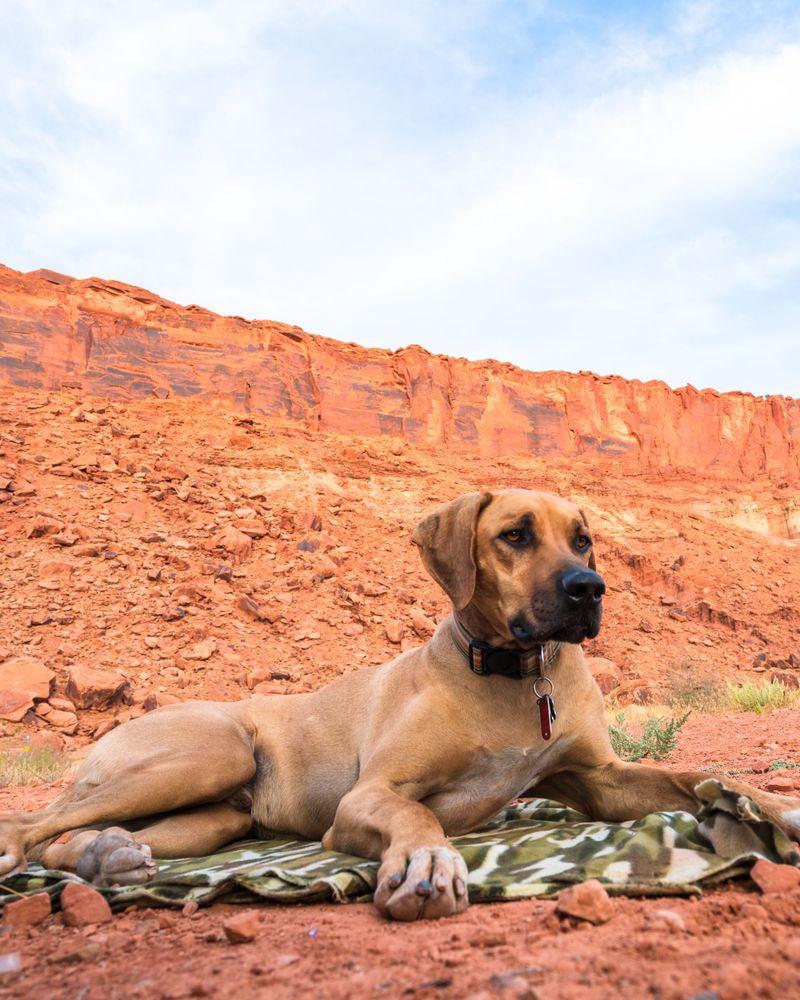
Some dogs flop down the moment they find something cool. A portable mat gives them a reliable spot during rest breaks.
Pressure-activated gel mats are the most common type. Others use water filling or special materials that absorb body heat.
Use them only while you are right there watching. A mat offers welcome relief, yet it never replaces shade, water, or air conditioning.
Never rely on one in a parked car.
8. Dog-Safe Sunscreen
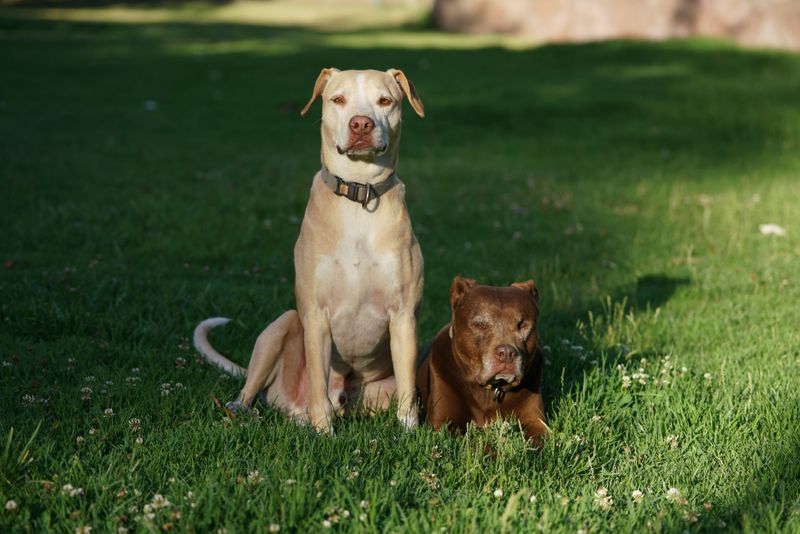
Did you know dogs can sunburn? Pink noses, thin ear tips, and lightly furred bellies are especially sensitive.
Arizona gets plenty of strong sunshine all year. A sunscreen made for dogs can protect those exposed spots during long outings.
Skip human sunscreen, since some ingredients, like zinc oxide, can upset a dog’s system if licked. Ask your veterinarian which product suits your pet best.
9. Tweezers for Cactus Spines
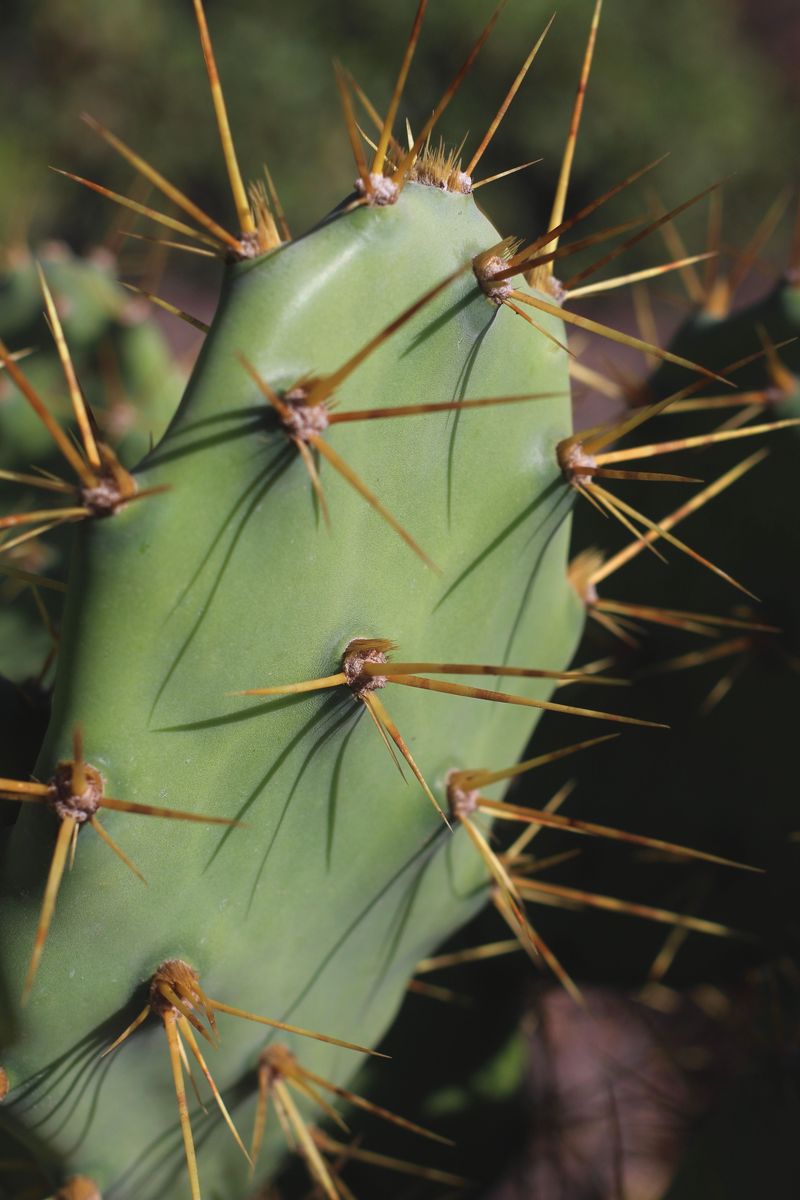
Sooner or later, many desert dogs meet a cactus up close. It is practically a rite of passage around here.
Fine-tipped tweezers handle small, single spines well. Clean them first, then pull each spine out smoothly in the direction it went in.
Stay calm and keep your dog still, perhaps with a helper. If spines sit deep, are near the eyes or mouth, or keep breaking, visit a veterinarian.
10. Needle-Nose Pliers for Stubborn Spines

Jumping cholla earns its name. Its spiny segments seem to leap onto passing legs and grab hold firmly.
Needle-nose pliers grip larger or tougher spines better than tweezers. A wide comb can also lift a whole cholla clump away from fur.
Pull straight and steady to avoid snapping spines. Never use your bare fingers.
If your dog seems very upset or spines are deep, let a veterinarian take over.
11. Extra Towels for Sandy or Muddy Paws
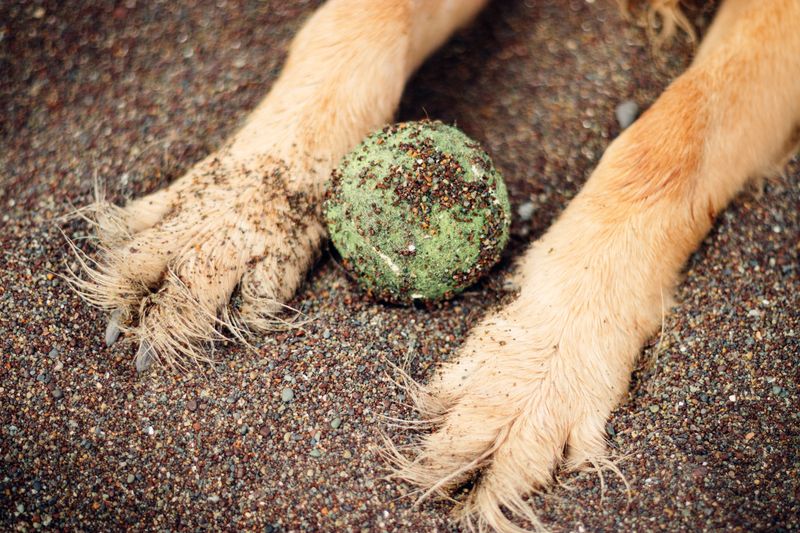
Monsoon puddles, sandy washes, and lake visits all leave their mark. One small towel rarely does the job.
Keep two or three old towels in a bin or bag. Use one for paws, one for the body, and one to cover the seat.
Drying thoroughly also matters for comfort. Damp, sandy fur can rub and irritate skin during the ride home, so take a few extra minutes.
12. Pet First-Aid Kit

A small kit turns a stressful moment into a manageable one. Desert trails can be far from help.
Good basics include gauze, self-adhering wrap, antiseptic wipes, tweezers, a comb for cholla, and a digital thermometer. Add any medicines your vet has prescribed.
Check the kit every few months and replace used items. Consider a pet first-aid class, which many local groups and shelters offer from time to time.
13. Backup Leash
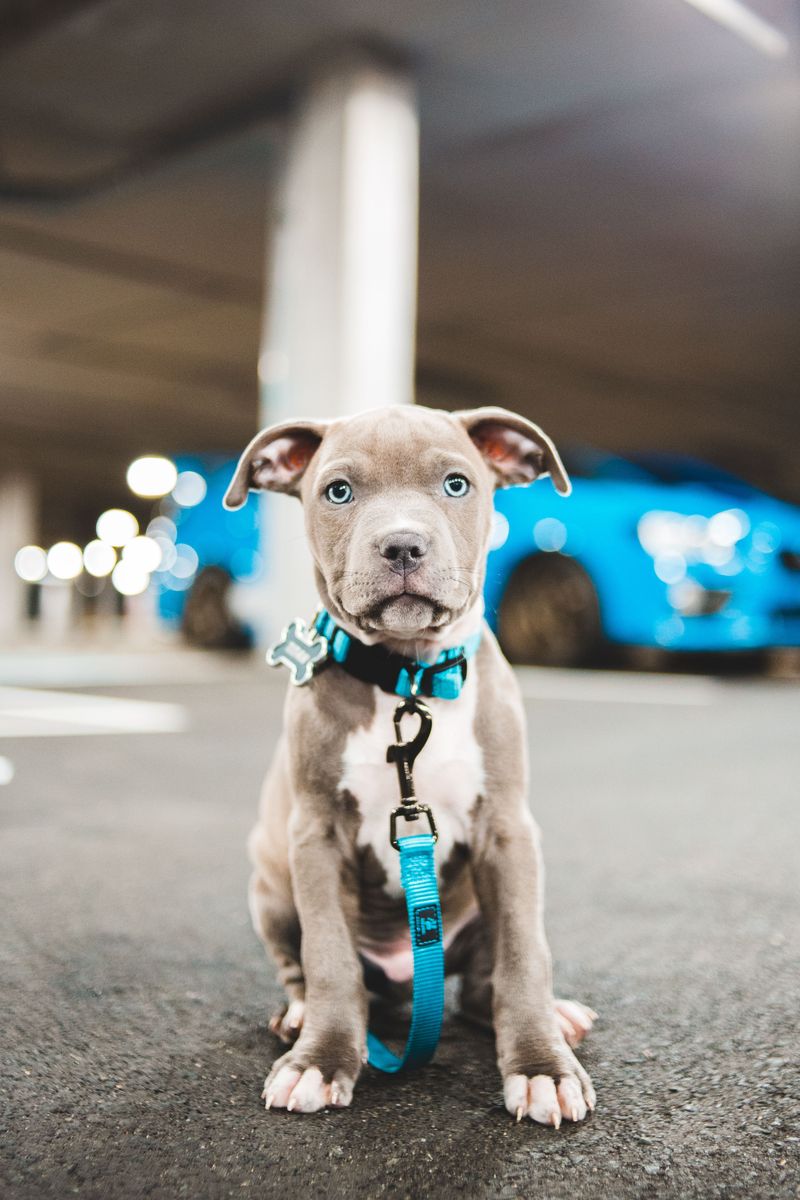
Leashes have a sneaky habit of fraying, snapping, or getting left at home. A spare one stays hidden in the car for those days.
Roadside stops near busy highways are no place for surprises. A backup leash keeps your dog safely by your side.
Many Arizona cities and parks require leashes in public areas. Rules vary by location, so check signs or local ordinances before letting your dog roam.
14. Reflective Harness
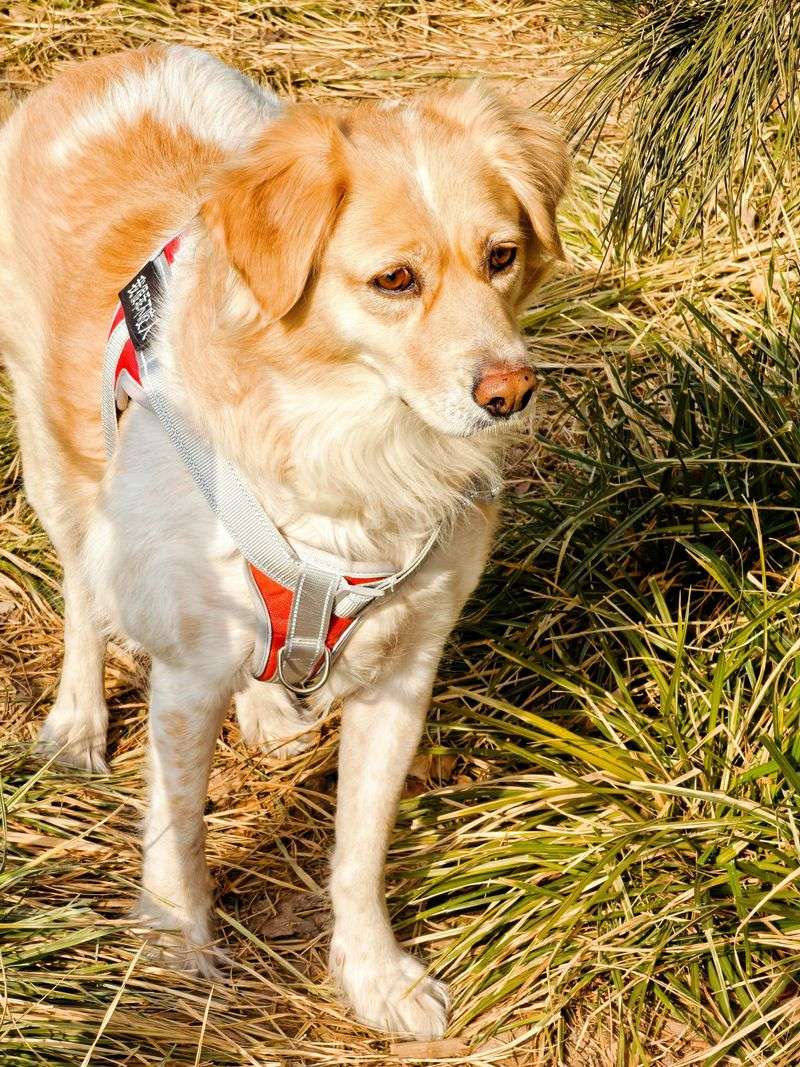
Summer walks in Arizona often happen before sunrise or after dark. Those cooler hours are easier on paws and bodies.
Low light makes dogs hard for drivers and cyclists to spot. A reflective harness catches headlights and keeps your pup visible.
Harnesses also spread pressure across the chest instead of the neck. For extra visibility, add a small clip-on light.
Many owners wear a reflective vest themselves, too.
15. Extra Waste Bags
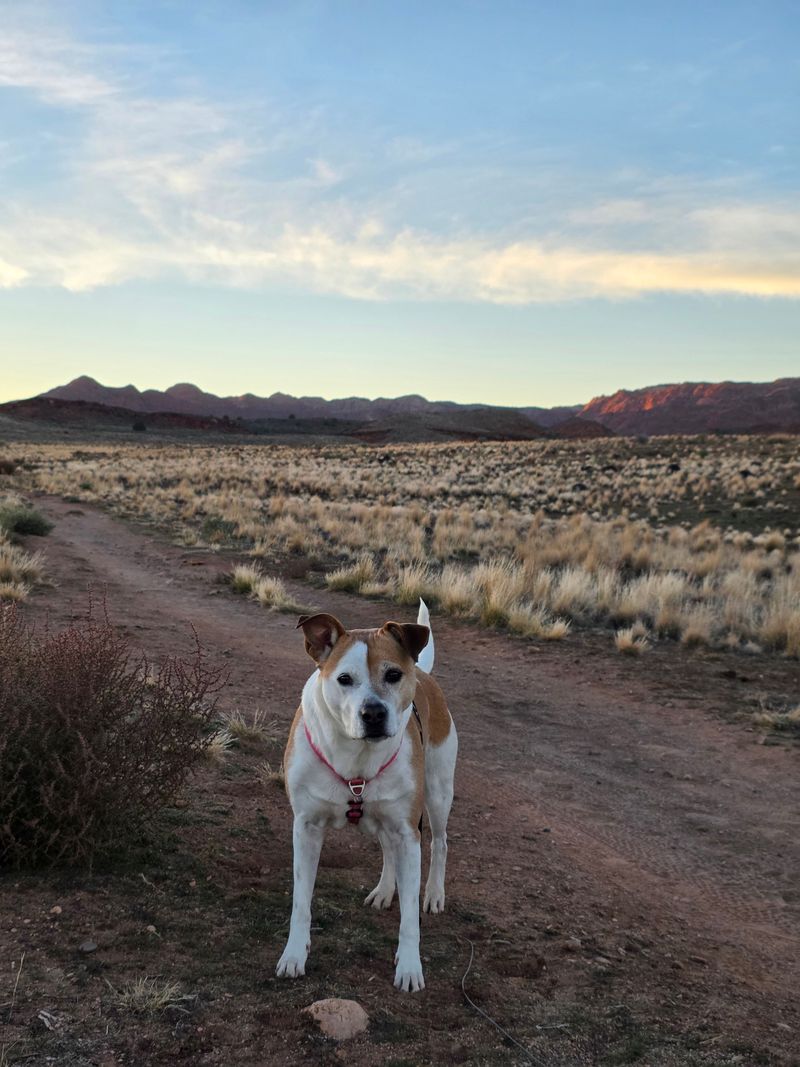
Remote trailheads rarely have trash cans or bag stations. What you bring in, you carry back out.
Stash several extra rolls in the glove box. A sealed container or odor-proof bag makes the ride home far more pleasant.
Fun fact: dry desert conditions slow natural breakdown, so waste can linger a long time. Packing it out protects wildlife, water sources, and the trails everyone enjoys.
16. Portable Shade Canopy
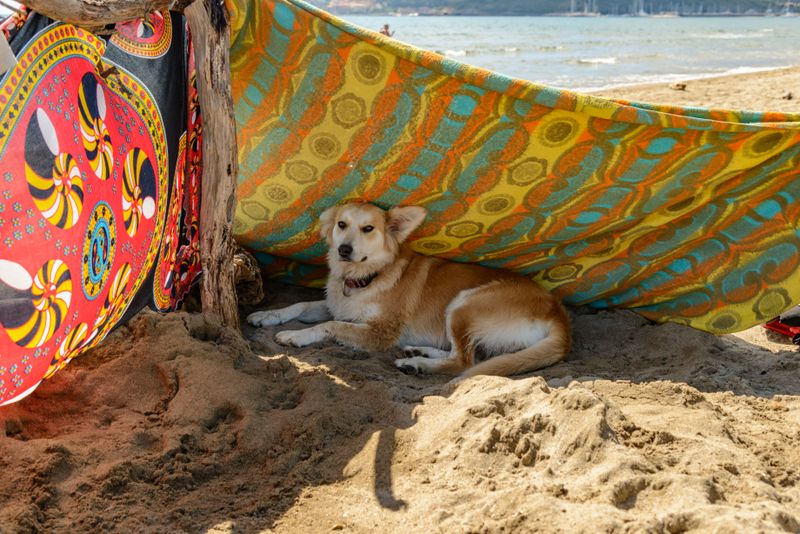
Natural shade can be scarce in the open desert. Sometimes the only tree around is a skinny palo verde.
A pop-up canopy or simple sun shade creates your own cool zone. It works well at picnic spots, dog events, and lakeside beaches.
Shade lowers surface temperatures and helps prevent overheating. Pair it with water and a mat, and stay close while your dog rests.
17. Spare Water for Rinsing Paws
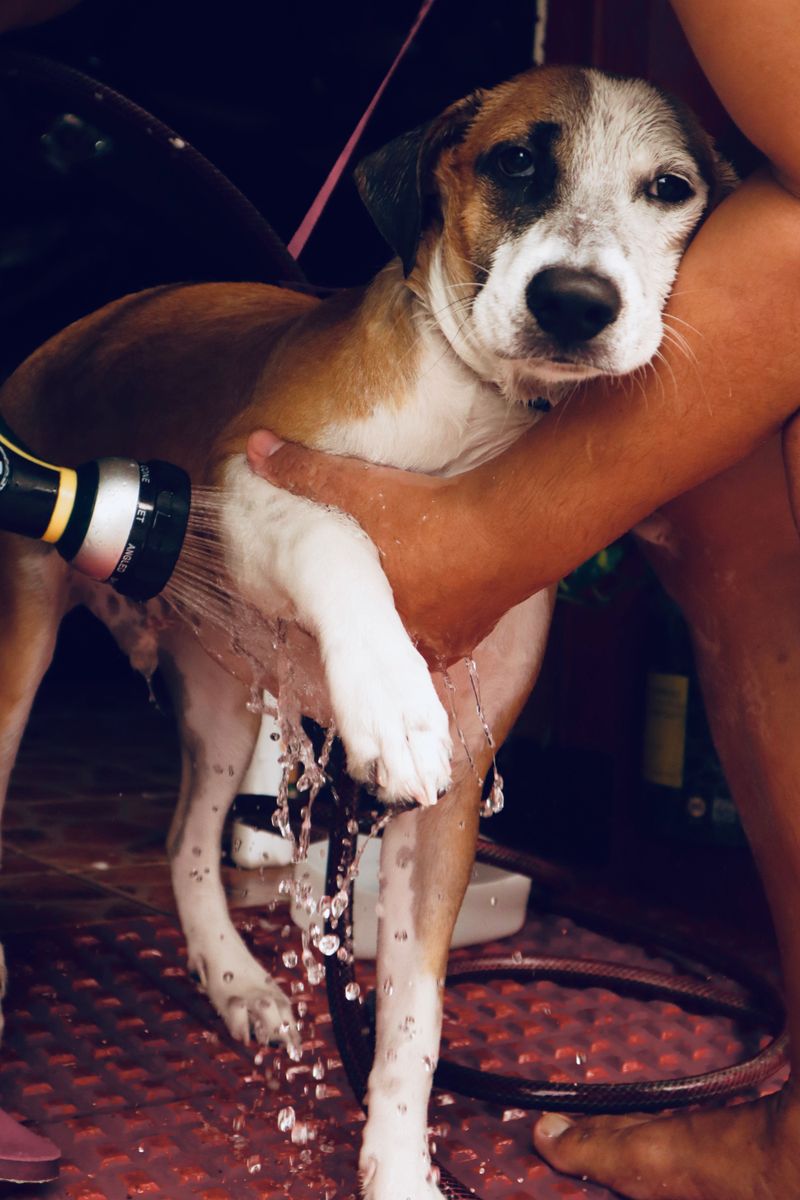
Drinking water and rinsing water deserve separate containers. That way, you never have to choose between them.
A squeeze bottle or small jug works perfectly. After dusty hikes, a quick rinse washes away fine grit that can dry and irritate pads.
Pat the paws dry afterward, then check for tiny spines or scrapes. On very hot days, a gentle splash of cool water feels nice, too.
18. Printed Emergency Vet Contacts
Cell bars often disappear on rural Arizona roads. A paper list still works when your phone cannot connect.
Write down your regular vet, nearby 24-hour animal hospitals, and the ASPCA Animal Poison Control number. Add clinics along routes you travel often.
Laminate the card or slip it in a plastic sleeve. Tuck it in the visor or glove box, and update it yearly, since clinic hours can change.