18 New York Dog Expenses That Hit Hardest In High-Cost Apartment Living
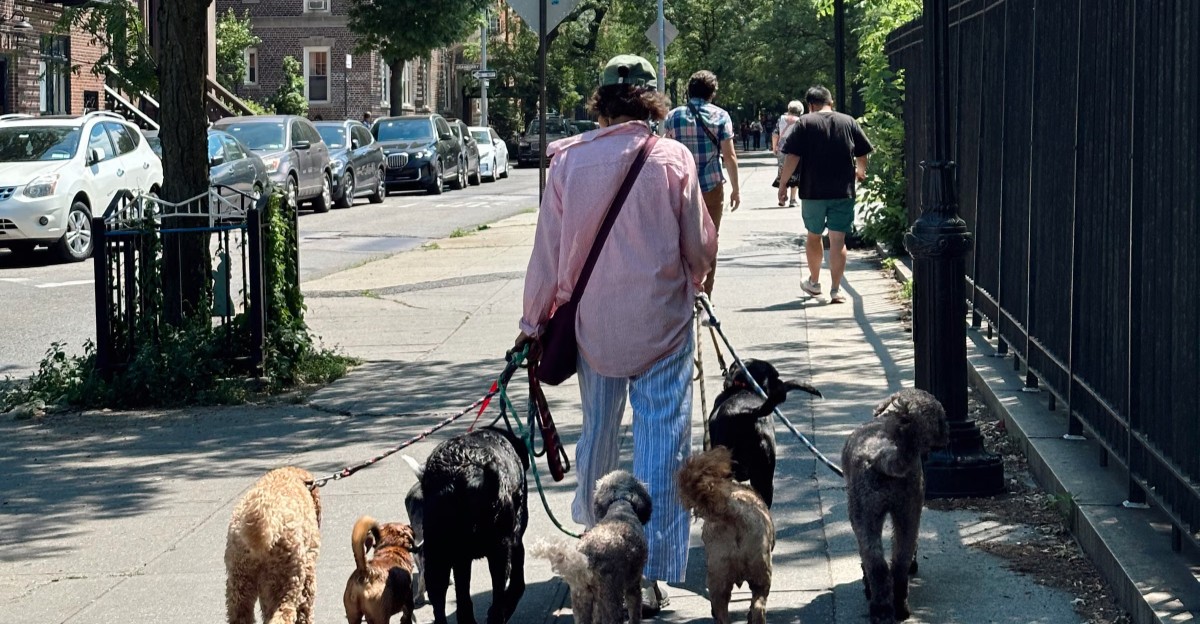
Raising a dog in a New York apartment is joyful, busy, and often pricier than new owners expect. Rent is only the beginning.
Between building fees, walkers, vet visits, and the small supplies that quietly add up, monthly costs can surprise even careful budgeters. The good news is that nearly every expense here can be planned for once you know it exists.
Consider this a friendly walkthrough from someone who has watched the receipts pile up.
1. Monthly Pet Rent

Many New York buildings charge a recurring fee simply for having a dog on the lease. Amounts vary widely by landlord and neighborhood, and there is no citywide cap.
Ask whether the charge is per dog or per household before signing. Get it written into the lease, not promised verbally.
Budgeting this alongside rent keeps it predictable. Renewal terms can change, so review the numbers each year.
2. Pet Deposits And One-Time Building Fees

Move-in costs can include a one-time pet-related fee or an application requirement, depending on the building. However, New York City housing providers generally cannot require a separate security deposit specifically for a pet; the total security deposit is limited to one month’s rent.
Refundable deposits should be documented clearly, including what counts as damage. Photograph floors and doors before unpacking.
Rules differ between rentals, co-ops, and condos across the five boroughs. Confirm specifics with your management company directly.
3. Dog Walking Costs
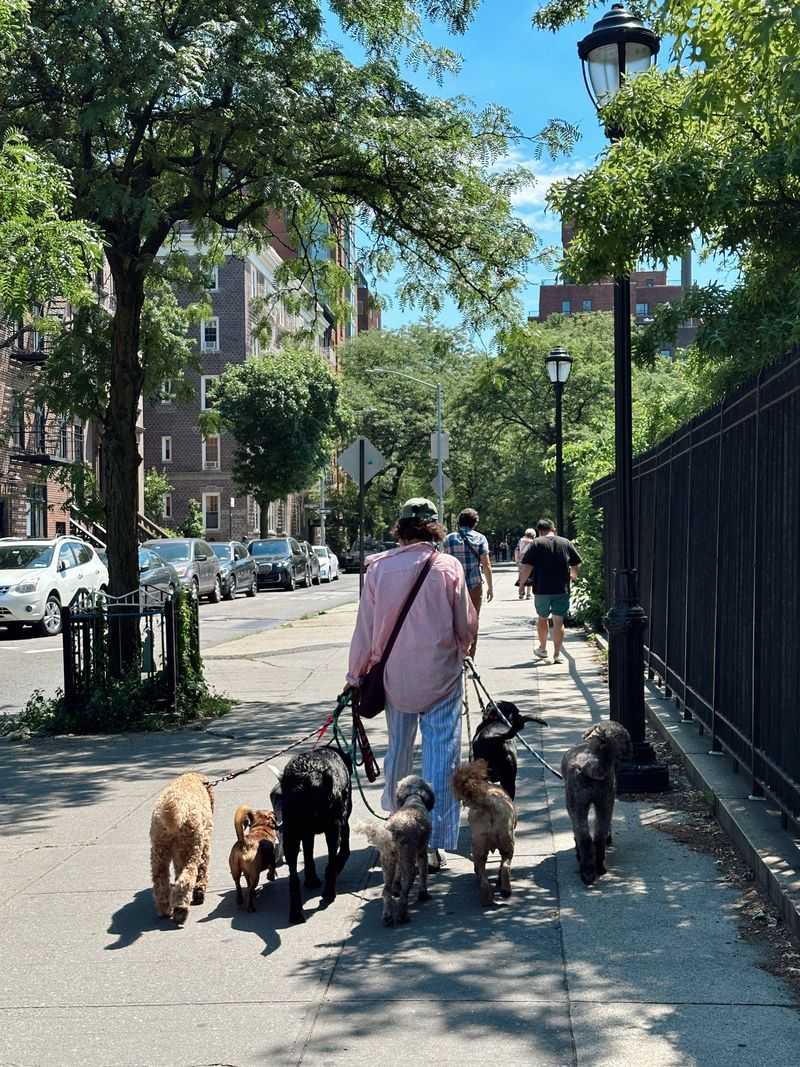
Long commutes make midday walks less of a luxury and more of a necessity. Rates in the city typically reflect walk length, dog count, and neighborhood.
Solo walks cost more than group walks, but suit shy or reactive dogs better.
Ask about insurance, bonding, and key handling before hiring. Consistency matters, so a reliable walker is worth paying fairly for.
4. Emergency Dog Walking

Late meetings, delayed trains, and weather shutdowns happen constantly here. Last-minute walk requests usually carry a premium above standard rates.
On-demand apps help, though availability tightens during storms and holidays.
Keeping a small backup fund prevents stress when plans collapse. It also helps to have a trusted neighbor with a spare key and simple instructions posted on the fridge.
5. Dog Daycare

Social dogs often thrive with a structured day of play instead of solo apartment hours. Full-day rates in the city are meaningful, especially several days weekly.
Packages and multi-day bundles usually lower the per-visit price.
Look for supervised group sizes, vaccination requirements, and calm rest periods. Not every dog enjoys daycare, so trial days protect both your budget and your dog’s comfort.
6. Boarding Costs

Travel plans reveal just how expensive overnight care becomes in a dense city. Holiday weekends book fast and often carry seasonal pricing.
In-home sitters sometimes cost less than boarding facilities, especially for multiple pets.
Reserve early for December and summer stretches. Bring familiar bedding and food to reduce digestive upset, and confirm medication handling policies in writing beforehand.
7. Professional Grooming

Curly and double-coated dogs need regular appointments, not occasional ones. City grooming prices reflect rent, skill, and coat condition.
Matted coats cost extra because they take longer and require careful work.
Brushing at home between visits stretches each appointment further. Nail trims and ear cleaning can sometimes be bundled, so ask about package pricing when you book your standing slot.
8. Routine Veterinary Care
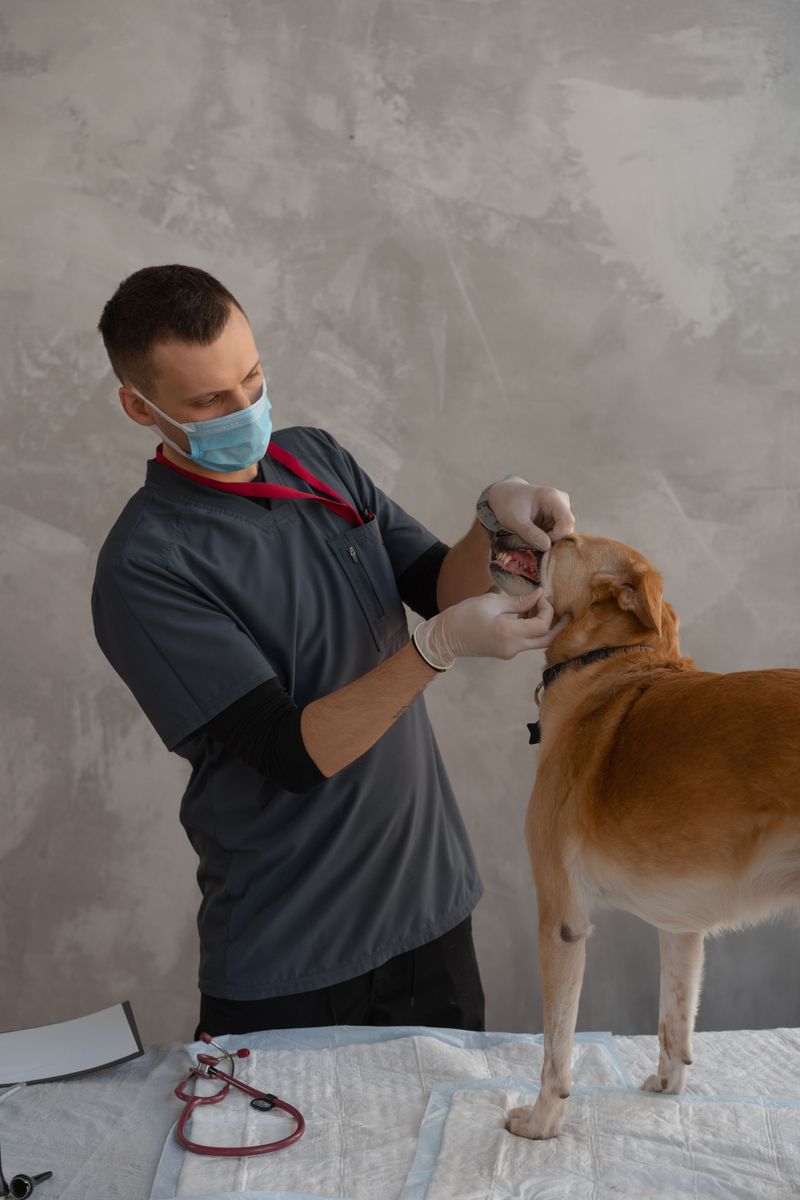
Annual exams, vaccines, and lab work form the backbone of your yearly pet budget. Manhattan clinic pricing often sits above national averages.
Puppies need multiple visits during their first year, which raises early costs.
Wellness plans spread payments across months for some practices. Keeping records organized also helps when buildings, groomers, or daycares request proof of vaccination.
9. Emergency Veterinary Bills
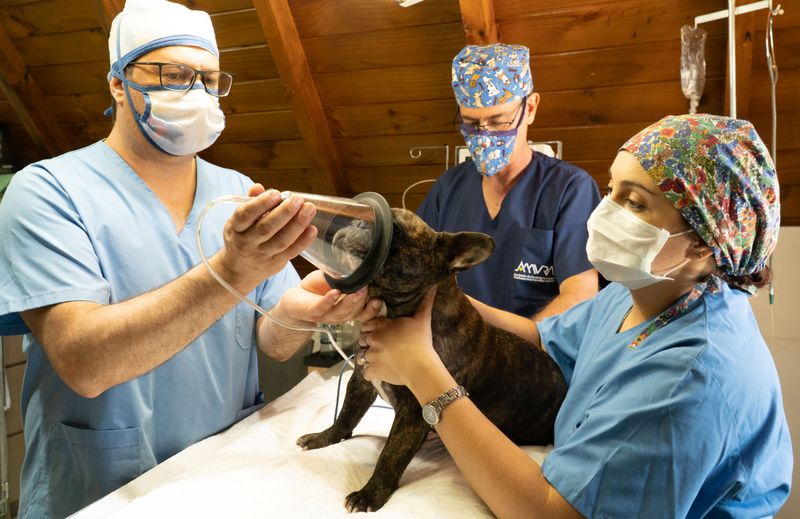
Unexpected visits are the expense that rattles budgets most. Overnight and holiday emergency hospitals charge intake fees before any treatment begins.
Diagnostics like imaging and bloodwork add up quickly.
Building a dedicated savings cushion softens the shock considerably. Save the address of your nearest 24-hour hospital in your phone now, along with your dog’s weight and medication list.
10. Pet Insurance

Premiums here tend to run higher because local veterinary costs are higher. Coverage varies by age, breed, and chosen deductible.
Pre-existing conditions are generally excluded, so enrolling early usually helps.
Read reimbursement percentages and annual limits closely before committing. Accident-only plans cost less if you mainly want protection against sudden, unplanned hospital visits rather than routine care.
11. Preventive Medications

Heartworm, flea, and tick prevention stays necessary year-round in this region. Parks, grassy medians, and travel all create exposure.
Costs scale with your dog’s weight, so larger dogs pay more.
Buying twelve-month supplies often unlocks manufacturer rebates. Always confirm the right product and schedule with your veterinarian, since recommendations differ by lifestyle and local parasite activity.
12. Prescription Medications

Chronic conditions turn into steady monthly line items. Allergy management, joint support, and thyroid medication are common examples among city dogs.
Refill prices differ between clinics and licensed online pharmacies.
Ask your veterinarian for a written prescription so you can compare. Generic versions may be available, and splitting larger tablets is sometimes appropriate when your vet specifically approves it.
13. Dog Food

Feeding costs climb fast in a city where storage space is scarce. Buying small bags repeatedly costs more per pound than bulk purchases.
Fresh and prescription diets sit at the higher end of the range.
Subscription delivery saves trips and often trims the price. Measure portions carefully, since overfeeding wastes money and strains joints over time.
14. Treats And Training Supplies

City dogs need constant rewards for ignoring pigeons, skateboards, and sidewalk food. Treats vanish faster than most owners expect.
Group classes cost less than private sessions, though reactive dogs often need one-on-one help.
Break treats into tiny pieces to stretch each bag. A licensed trainer using reward-based methods is a worthwhile investment for apartment manners and elevator etiquette.
15. Indoor Potty Supplies

Blizzards, heat waves, and high-rise elevators make indoor options genuinely useful. Pads, turf trays, and liners become recurring purchases.
Washable pads reduce long-term spending but require frequent laundering.
Place the station away from food and bedding for cleaner habits. Puppies and senior dogs benefit most, especially in buildings where reaching the street takes several minutes.
16. Cleaning And Accident Supplies
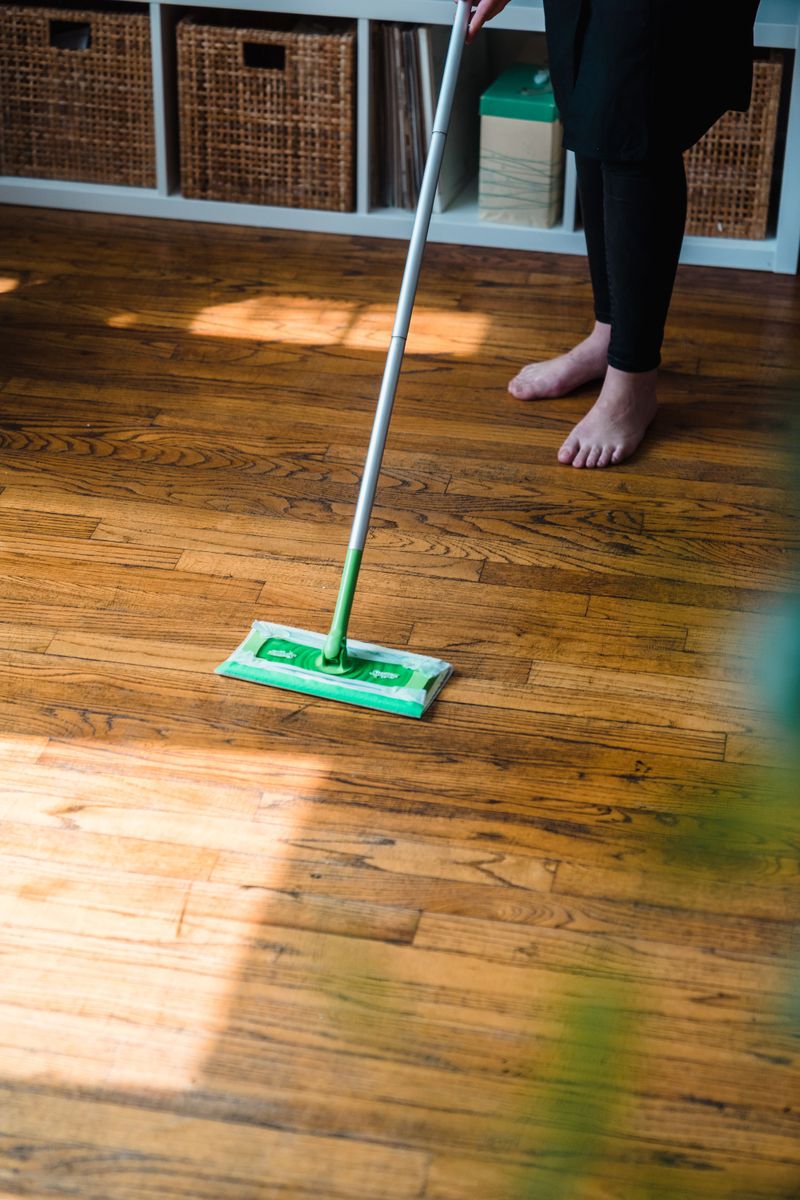
Small apartments show every muddy paw print and shedding season. Enzyme cleaners, lint rollers, and odor sprays restock constantly.
Hardwood floors in older buildings need gentle, pet-safe products.
Keeping a cleanup kit by the door saves both flooring and security deposits. Paw wipes after salted winter sidewalks protect sensitive pads and reduce tracked residue indoors.
17. Dog Beds And Crates

Furniture for dogs competes with your own square footage. Crates that fold flat or double as end tables earn their keep in tight layouts.
Chewers and growing puppies mean replacement beds within the first year.
Washable covers extend usable life considerably. Measure your space and your dog before ordering, since returns on bulky items can be inconvenient.
18. Leashes, Harnesses And Collars

Gear wears out faster when you walk several miles a day on concrete. Harnesses stretch, clips loosen, and reflective stitching fades.
Growing dogs often need two or three sizes before adulthood.
New York City requires licensing for dogs, so keep tags current and readable. A well-fitted harness improves control on crowded sidewalks and protects the neck during sudden stops.


