19 Skills Florida Condo Dogs Need For Elevators, Shared Hallways, And Stormy Days Indoors
Condo life in Florida comes with tight elevators, busy hallways, and sudden afternoon storms. Your dog has to handle all of it, often in the same day.
The good news is that calm condo manners can be taught, one small step at a time. Think of this as a friendly guide from a neighbor who has walked these hallways too.
With patience and a few treats, your pup can become the dog everyone in the building is happy to see.
1. Stepping Into Elevators With Ease
To a dog, an elevator is a small moving box full of odd sounds. Some pups freeze, while others try to rush out.
Start by letting your dog sniff the doorway and reward any choice to step inside. Skip pulling or luring.
Practice stepping in and out before taking a ride.
Keep the first trip to one floor. Place your dog in a back corner facing the doors, with your body between your pup and others.
2. Patience at the Elevator Door
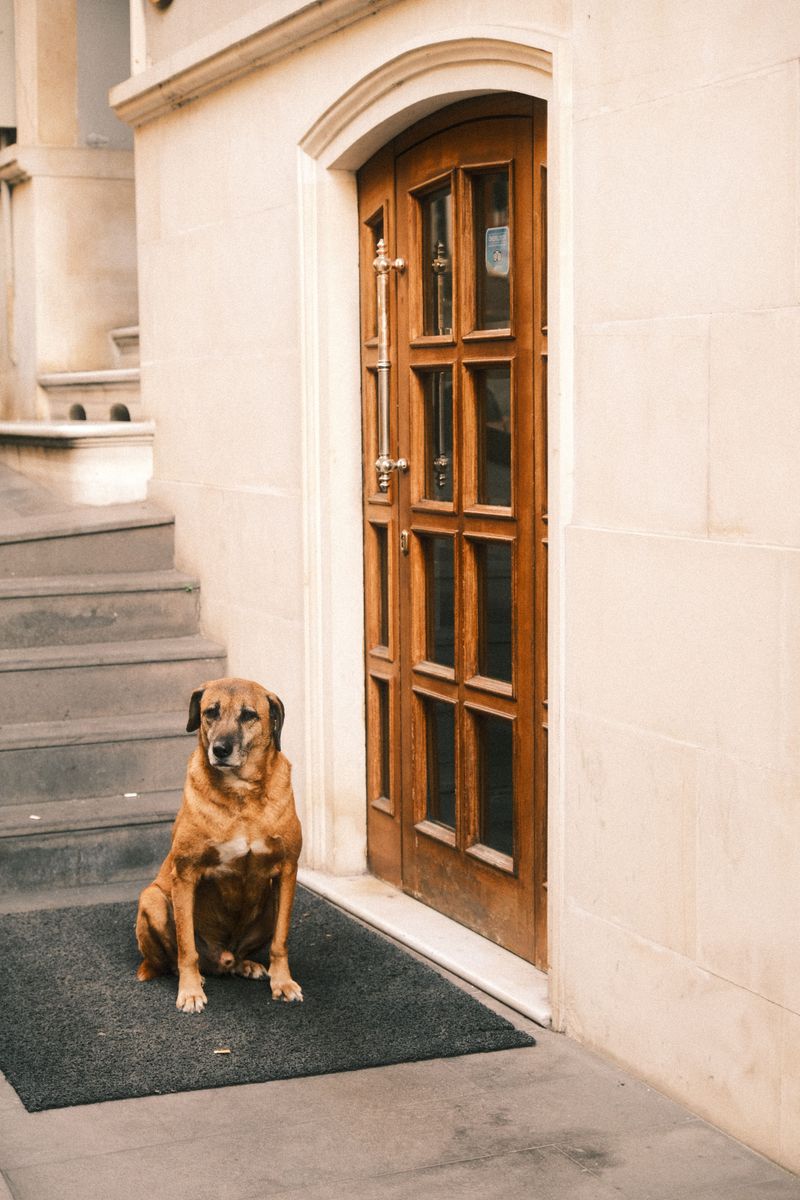
Picture the doors sliding open and your dog launching forward. Nobody inside enjoys that surprise.
Stand a few feet back and ask for a sit or a wait. Keep your dog between you and the wall.
Reward generously when your pup stays put and looks at you as the doors open.
Let riders exit first, then use a cue like “with me” to enter together. Consistent words help your dog understand the routine.
3. Passing Other Dogs Without Fuss
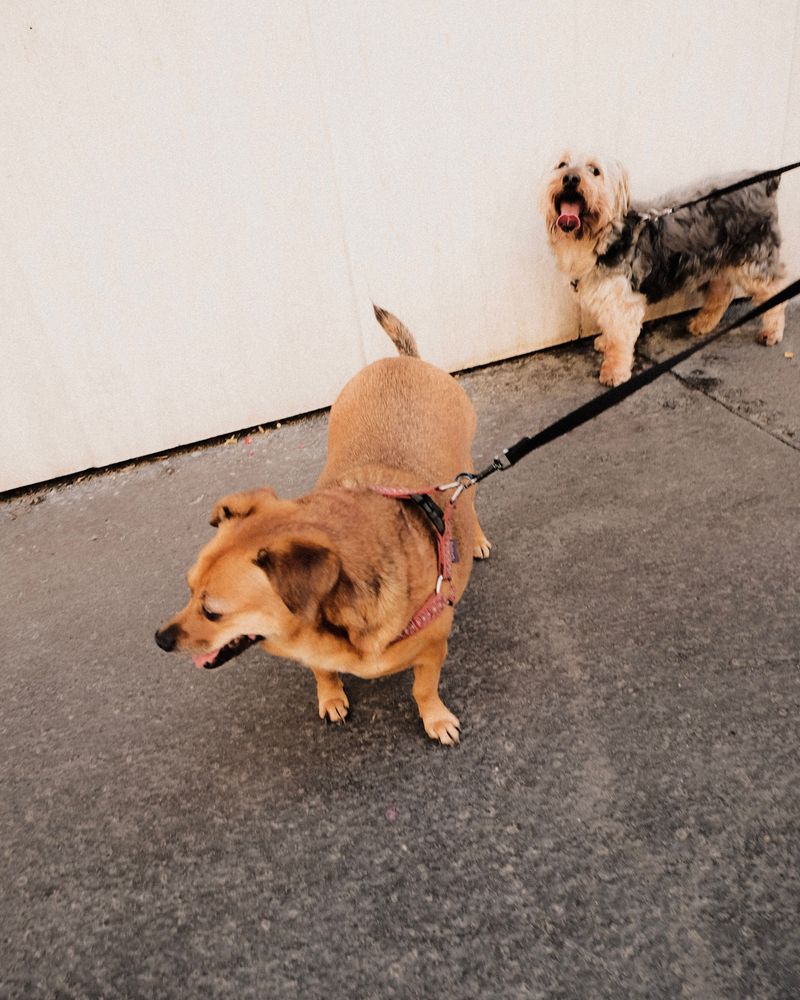
Not every dog wants a new friend, especially in a cramped lobby. Teaching your pup to ignore other dogs keeps everyone relaxed.
Begin at a distance where your dog notices another dog but stays calm. Reward each glance back at you.
Slowly shrink that distance over many sessions.
In shared spaces, keep the leash short and keep walking. Always ask before letting dogs greet.
A quick polite pass is often the kindest choice.
4. Loose Leash, Happy Neighbors
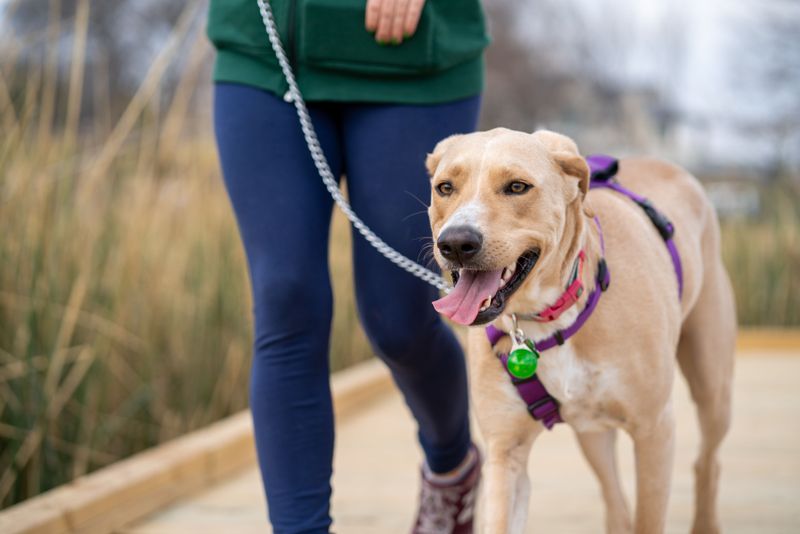
Florida has no single statewide leash law. Counties and cities set their own rules, and most require dogs to be leashed and controlled off your property.
That makes loose leash walking both polite and practical. Reward your dog whenever the leash hangs slack.
If your pup pulls, stop and wait, then move once the leash loosens.
Practice in quiet spots first. Add hallways and lobbies later.
Check your local ordinance and condo rules for specifics.
5. Pausing Before the Hallway
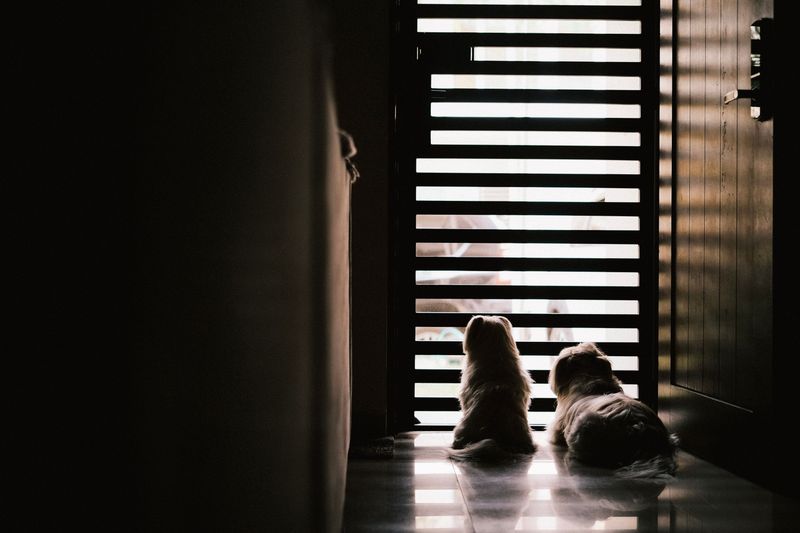
You never know who is right outside your door. A neighbor with groceries, a delivery person, or another dog could be passing.
Ask for a wait before you open the door. Release your dog only with a clear cue, like “okay.” Start with a second or two, then build the time slowly.
Short daily sessions work best. Soon your dog will pause on its own, which prevents surprise dashes into the hall.
6. Four Paws on the Floor
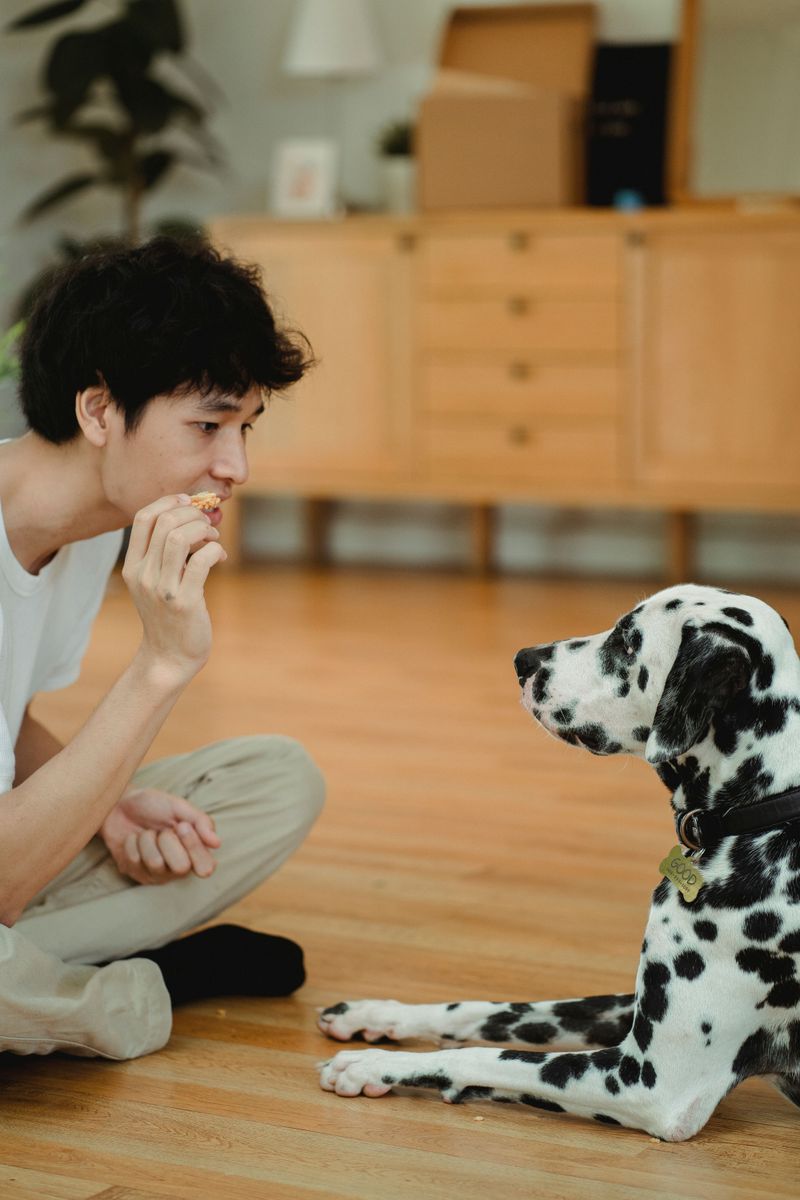
Jumping is usually just a dog saying hello too loudly. Still, it can knock over a neighbor or ruin nice clothes.
Give your pup a better greeting, like sitting. Ask for a sit as someone approaches, then reward it.
If your dog jumps, turn away until all paws touch the ground.
A baby gate helps when guests arrive. Plenty of exercise also makes calm hellos much easier for energetic dogs.
7. Quiet Through Footsteps and Doors
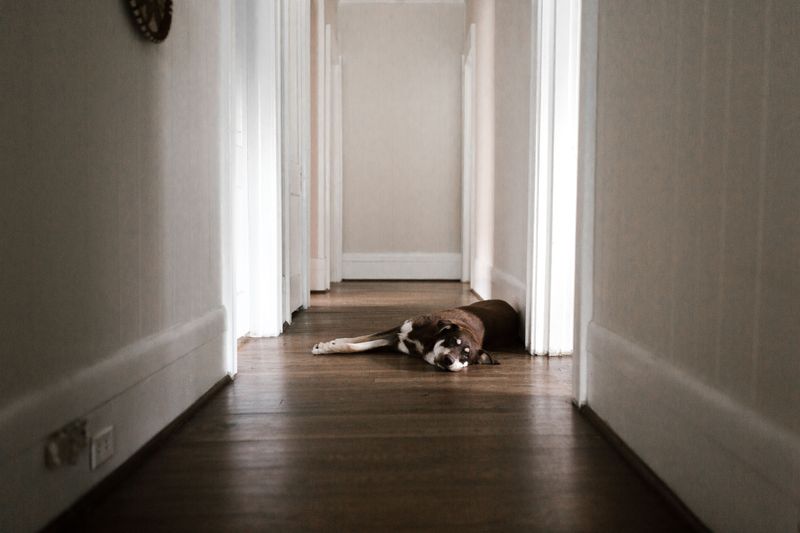
Condo walls carry sound. Footsteps, voices, and slamming doors can set off a chorus of barks.
Try playing recordings of hallway noises at a very low volume. Pair each sound with a tasty treat while your dog stays relaxed.
Raise the volume slowly over days or weeks.
If your dog seems tense, turn it down right away. Over time, those noises start to mean something good instead of something worth announcing.
8. Unbothered by Dings and Sliding Doors
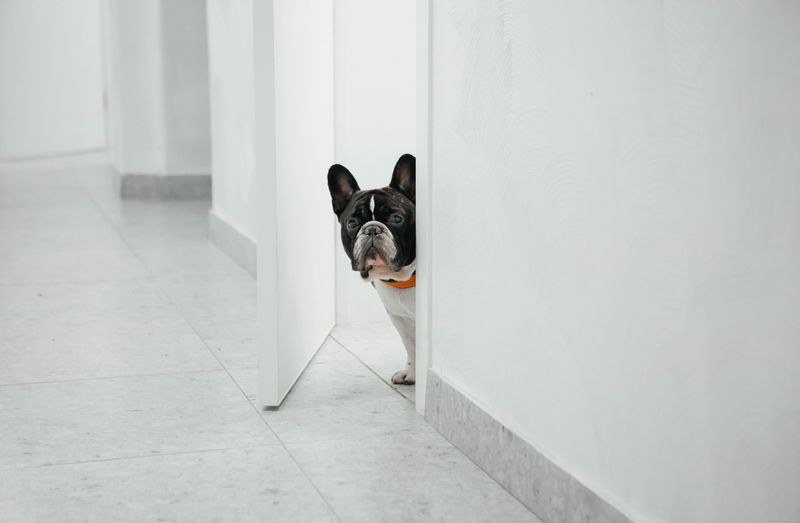
Ding. Whoosh.
Rumble. Elevators make sounds that many dogs find strange and a little unsettling.
Spend time in the lobby simply watching. Each time the bell chimes or the doors move, give a high-value treat.
Move closer only when your dog stays loose and curious.
If your pup backs away, add more distance and slow down. Patience here pays off, since every ride becomes easier once these sounds feel normal.
9. Sit, Stay, and Come That Truly Work
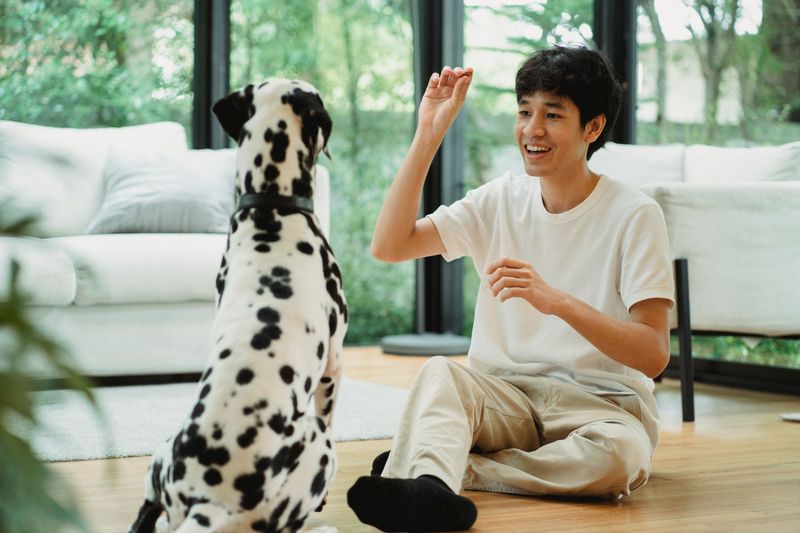
Basic cues are the backbone of condo life. A solid sit, stay, and come can smooth out almost any tricky moment.
Practice daily in a quiet room first. Reward correct answers with treats and praise.
Then slowly add distractions, distance, and time.
Even five to ten minutes a day helps. Practice recall in secure areas only.
Short, upbeat sessions also give your dog’s brain a satisfying workout.
10. Making Room for Passersby
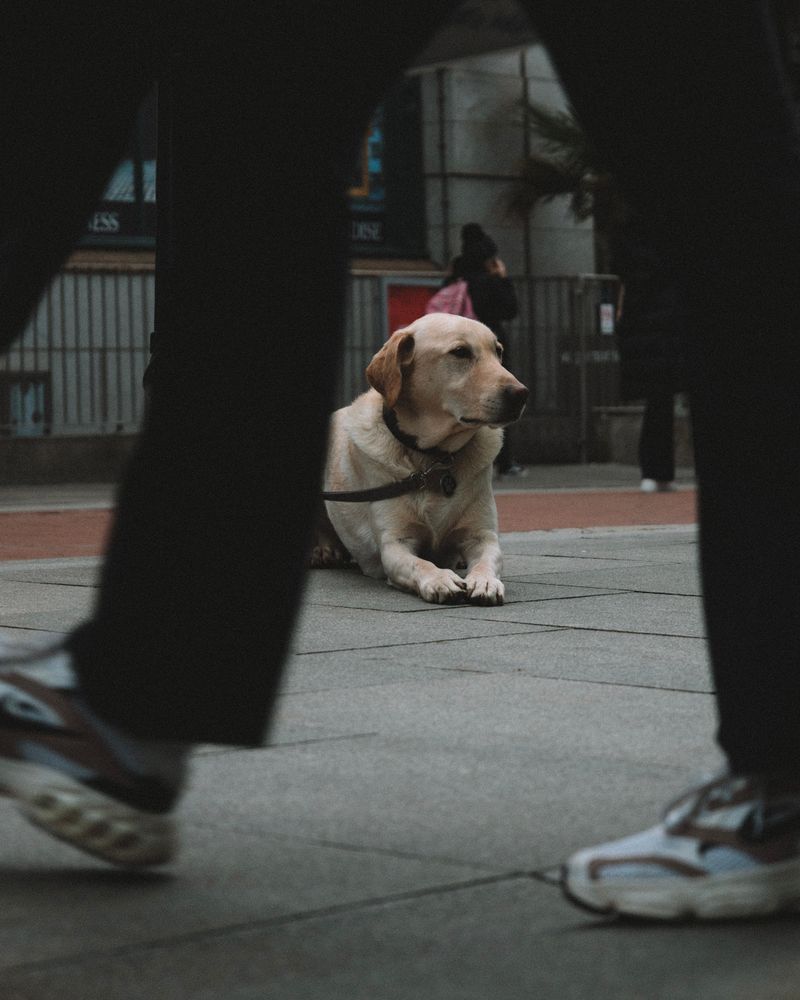
Narrow hallways can feel crowded fast. A dog who steps aside on cue shows real courtesy.
Choose a word like “side” and reward your dog for moving close to your leg or the wall. Practice during regular walks until the move feels automatic.
When a neighbor approaches, shorten the leash and guide your pup over. Strollers, wheelchairs, and nervous neighbors will all appreciate the extra space.
11. Calm Windows, Calm Hallways
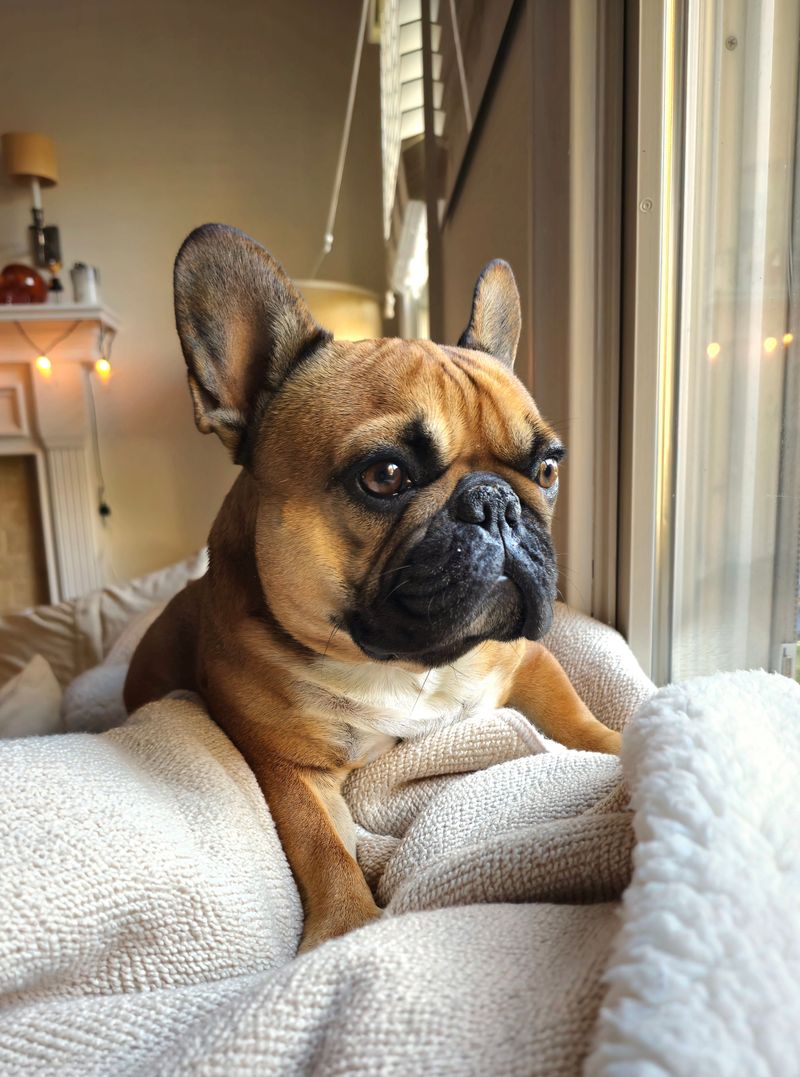
Some dogs act like the building’s personal security guard. Every passerby gets a loud report.
Reward silence when people or dogs walk by. If barking starts, redirect with a toy or a “quiet” cue, then reward the calm moment that follows.
Management helps too. Privacy film on windows can block tempting views.
Fewer triggers mean fewer chances to bark, which keeps the peace with neighbors.
12. Comfort When Storms Roll In
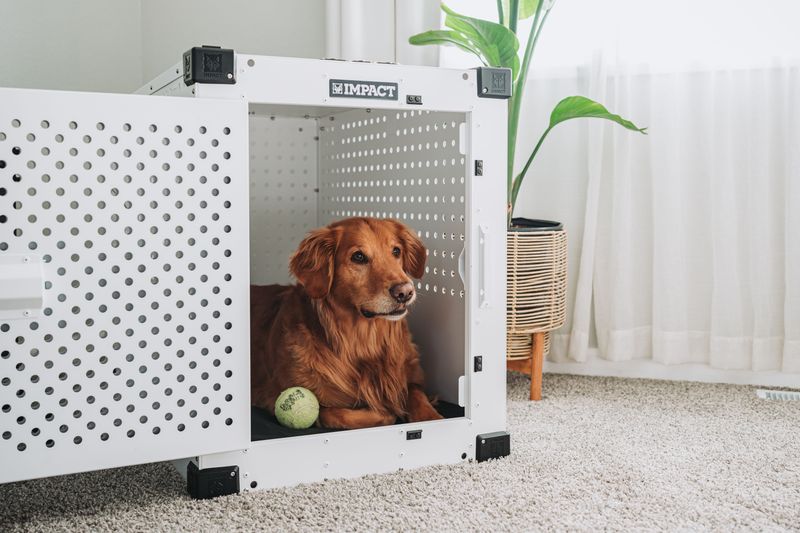
Florida summers bring frequent afternoon storms. Many dogs show worry by shaking, panting, pacing, or hiding.
Set up a cozy retreat before storm season. A covered crate, quiet room, or closet with familiar bedding works well.
White noise or soft music can soften the rumbles.
Close the curtains to hide flashes. Some dogs feel steadier in a snug anxiety wrap, though results vary from dog to dog.
13. Settling Down Through Wind and Rain
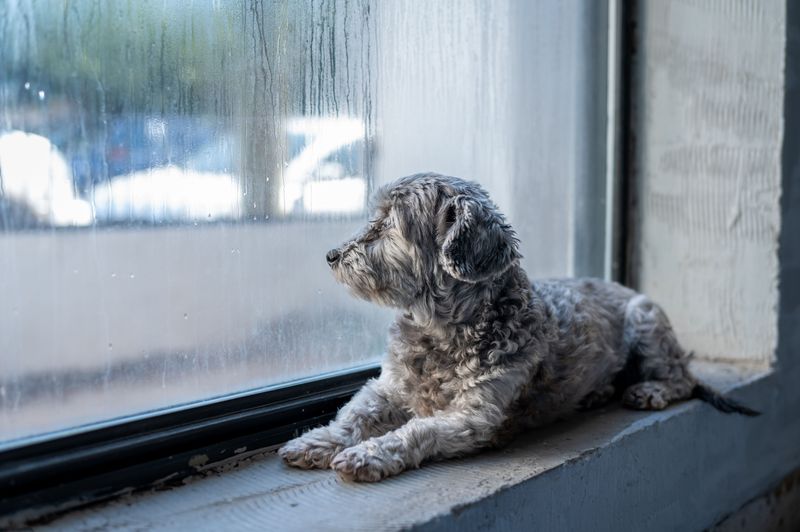
Wind rattling sliding doors and rain drumming on balconies can make a dog restless for hours.
Your own calm matters more than you might think. Dogs read our mood, so a relaxed voice helps.
Offer a chew or a gentle game as a pleasant distraction.
Before weather turns, make sure food, water, and an indoor potty spot are ready. Then settle in together and let the weather pass.
14. An Indoor Bathroom Backup
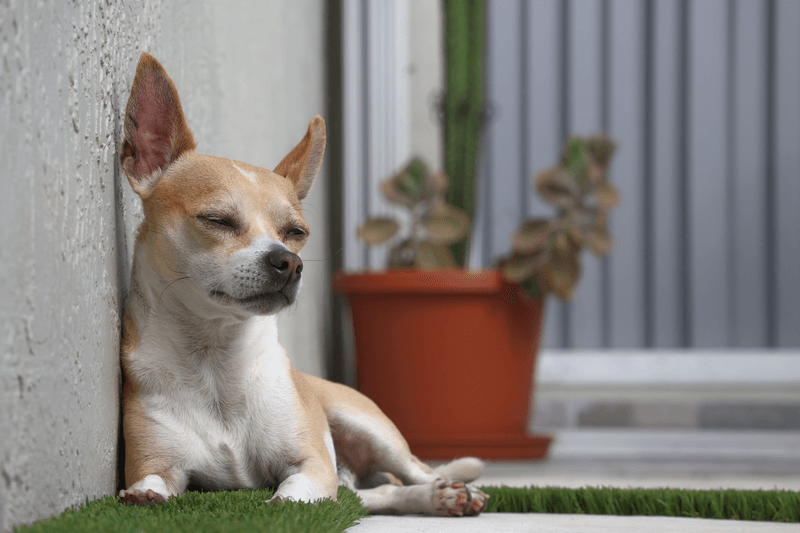
When lightning cracks overhead, a trip outside may not be safe. An indoor potty option saves stress for everyone.
Pee pads, a dog litter box, or a grass patch on a balcony can all work. Pick one steady spot and let your dog sniff and explore it.
Celebrate every success with treats and praise. Practice on calm days, so the setup feels familiar long before a big storm arrives.
15. Brain Games With Puzzle Toys
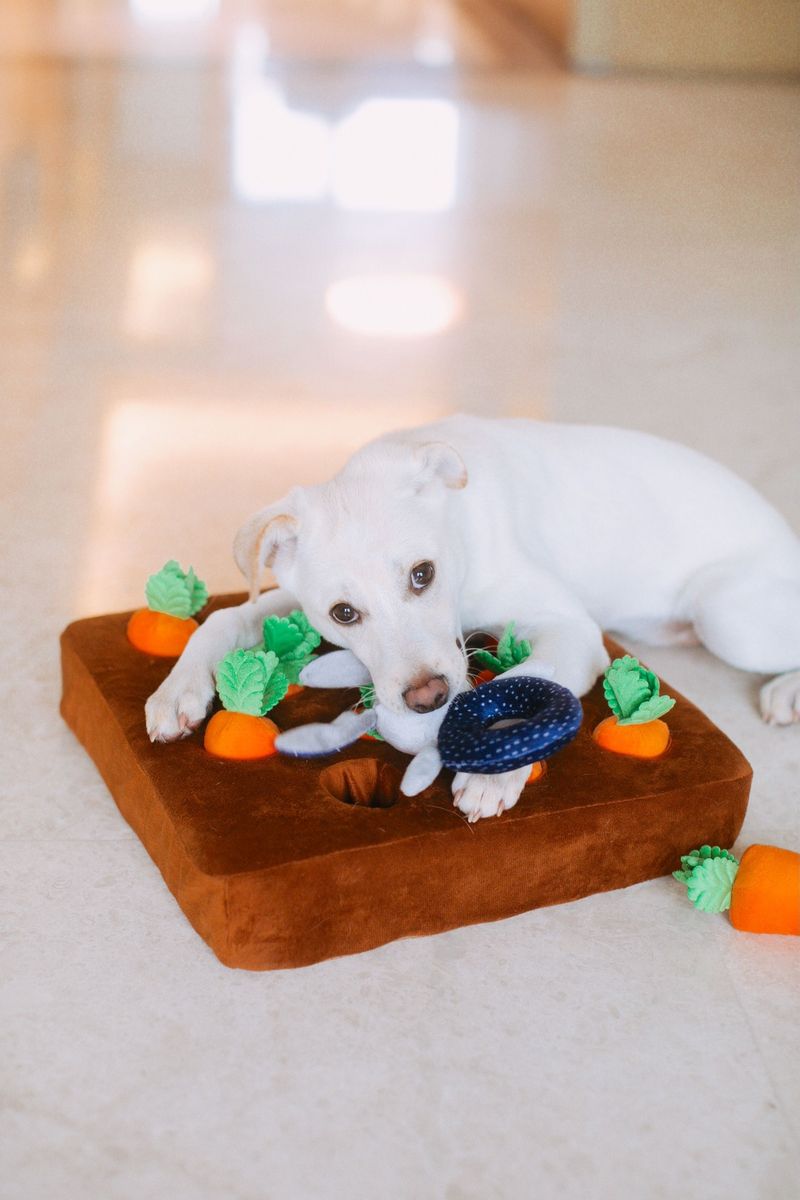
Here’s a fun surprise: thinking can tire a dog out as much as running. That makes puzzle toys perfect for small spaces.
Try treat-dispensing toys, snuffle mats, or kibble rolled in a towel. A muffin tin with tennis balls hiding treats works great too.
Begin with easy puzzles and level up slowly. Frozen stuffed toys or lick mats stretch the fun, which is handy on long rainy afternoons.
16. Gentle Games for Gray Days
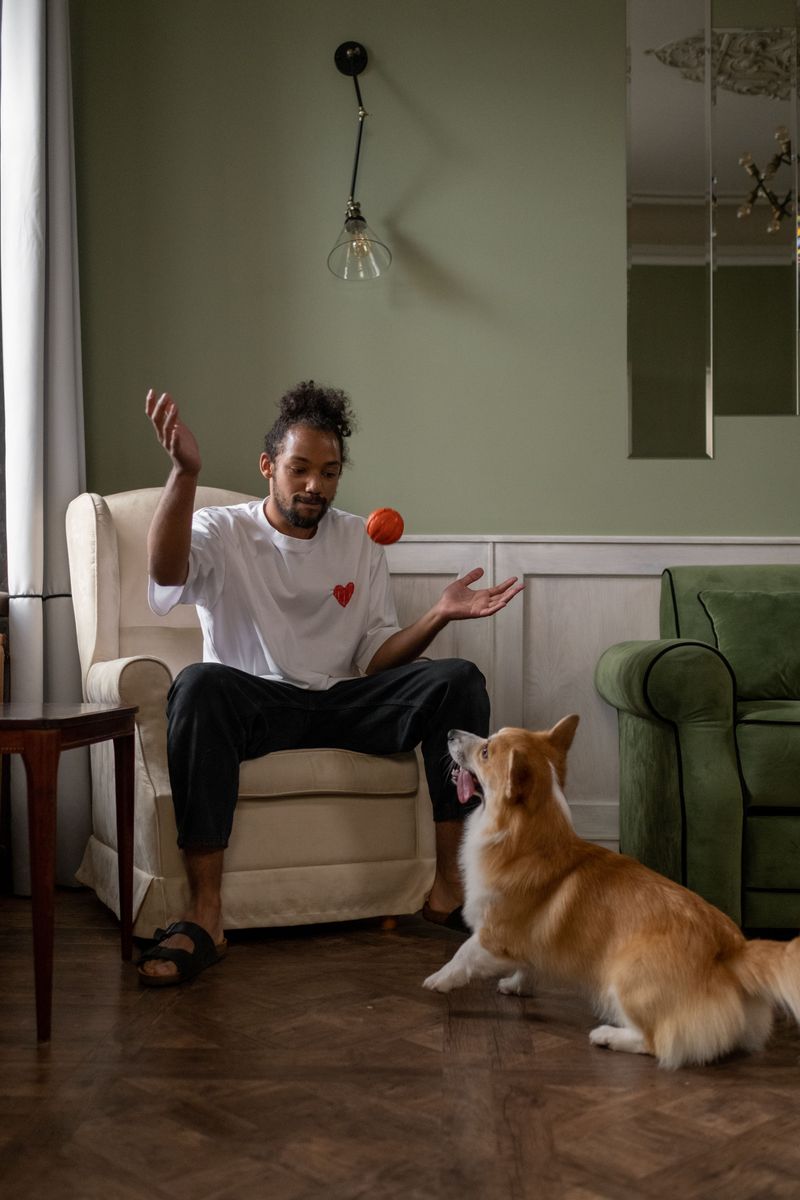
Stormy days don’t have to mean bouncing off the walls. Calm games burn energy without rattling the downstairs neighbors.
Toss a soft toy down a hallway. Play tug with clear rules, using “take it” and “drop it.” Hide treats around the room for a sniffing hunt.
Pillows and chairs make a simple obstacle course. Keep sessions short and frequent to balance energy without stirring up too much excitement.
17. A Cozy Den of Their Own
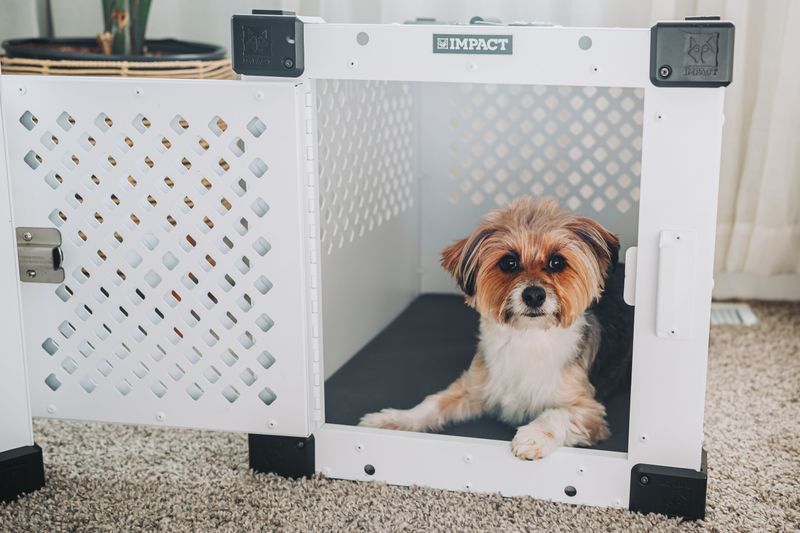
Dogs often love a snug den. A crate or quiet corner can become the calmest spot in your home.
Never use it as punishment. Fill it with soft bedding and favorite toys.
Serve meals inside or offer a long-lasting chew there.
Choose a size that lets your dog stand, turn, and stretch. A windowless spot works nicely during storms, giving your pup a peaceful retreat.
18. Rolling With Schedule Surprises
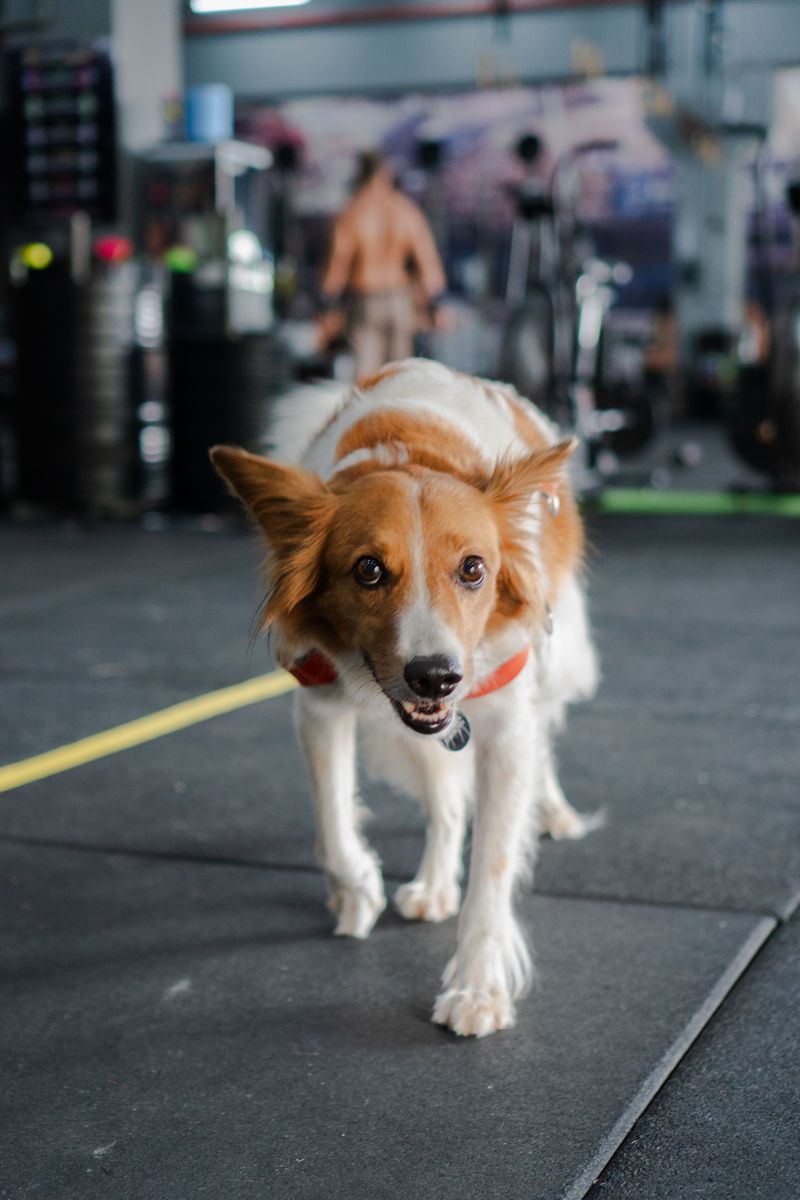
Florida weather loves to change plans. One minute it’s sunny, and the next the walk is canceled.
Missed walks can lead to extra energy and restless behavior. Fill the gap with scent games, obedience drills, or a brand new trick.
Puzzle feeders and indoor fetch help too. Once the skies clear, head out for a sniffy walk, which lets your dog catch up on neighborhood news.
19. Calm and Ready for Evacuation
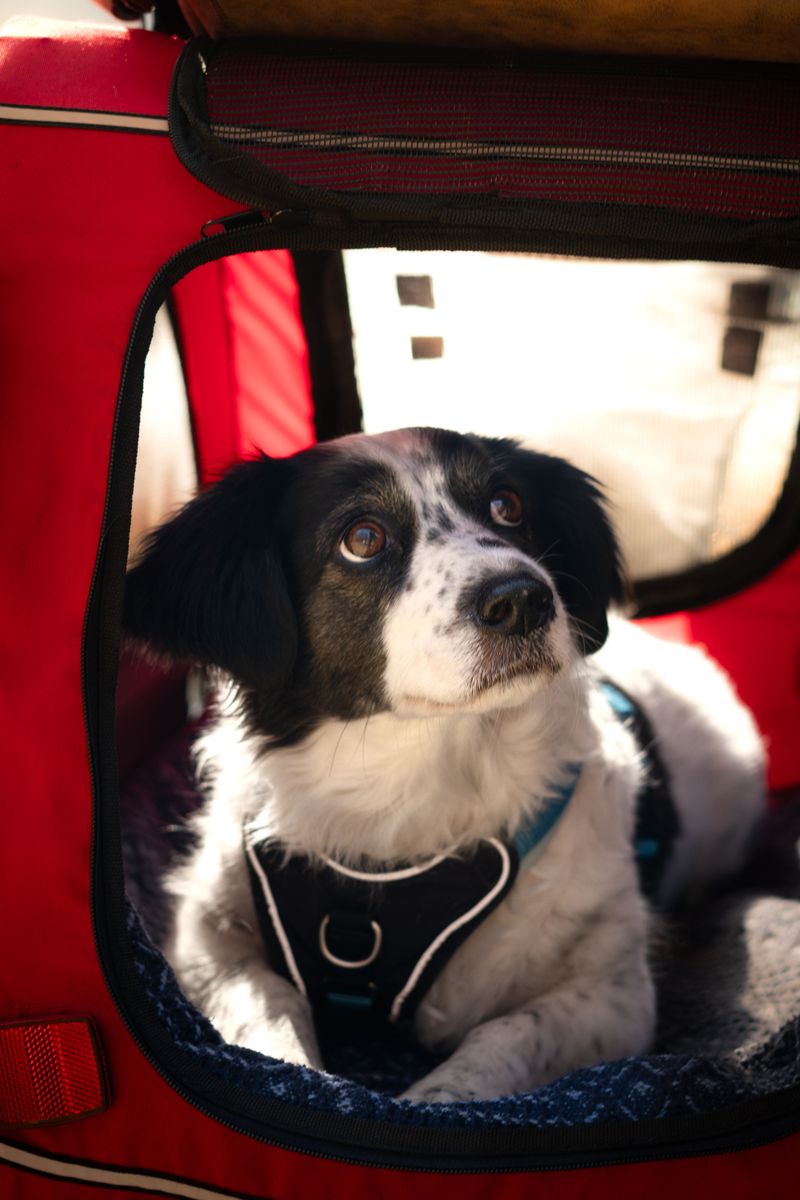
Hurricane season makes a pet plan essential. Practice now helps your dog stay steady later.
Build a kit with several days of food and water, medications, records, ID tags, a leash, and a sturdy carrier. Update microchip details.
Not every shelter accepts pets, so research pet-friendly options early. Check your county emergency office for details.
If told to evacuate, bring your pets along.