15 Texas Vet Questions Worth Asking Before Months Of Heat And Long Car Travel
Texas summers can turn a quick dog walk or a long drive into something that needs extra planning. Before your calendar fills with road trips, ask your veterinarian how heat and travel could affect your dog.
A few clear answers can help you choose safer walking times, plan comfortable stops, and pack useful supplies. You do not need a perfect travel plan, just one that fits your dog.
1. How Can I Tell If My Dog Is Overheating?
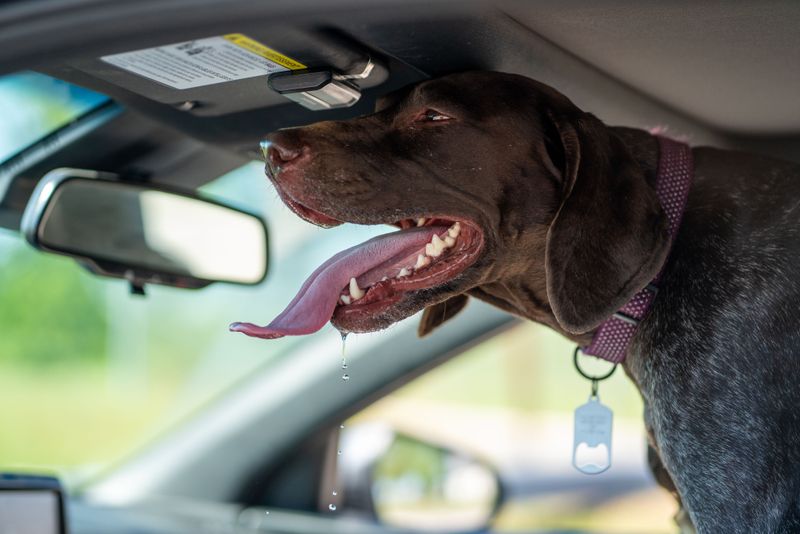
A wagging tail does not always mean your dog feels comfortable in the heat. Watch for heavy panting, extra drooling, weakness, vomiting, or trouble walking.
Ask your vet which changes need urgent care and how to recognize your dog’s early warning signs. If heatstroke seems possible, begin cooling with cool water and airflow while arranging immediate veterinary help.
Avoid ice baths and wrapping your dog in wet towels. Never wait for symptoms to pass first.
2. Does My Dog Need a Different Summer Exercise Routine?

Your usual afternoon walk may need a summer makeover. Early mornings often offer better conditions, but humidity and warm nights still matter.
Have your vet suggest activity limits based on fitness, age, breathing, and joint health. Replace long outings with shorter walks, indoor games, or simple training sessions.
Let your dog set a comfortable pace rather than chasing a distance goal. Stop when panting increases or enthusiasm fades, even if your route is unfinished today.
3. How Much Water Should My Dog Drink in Hot Weather?
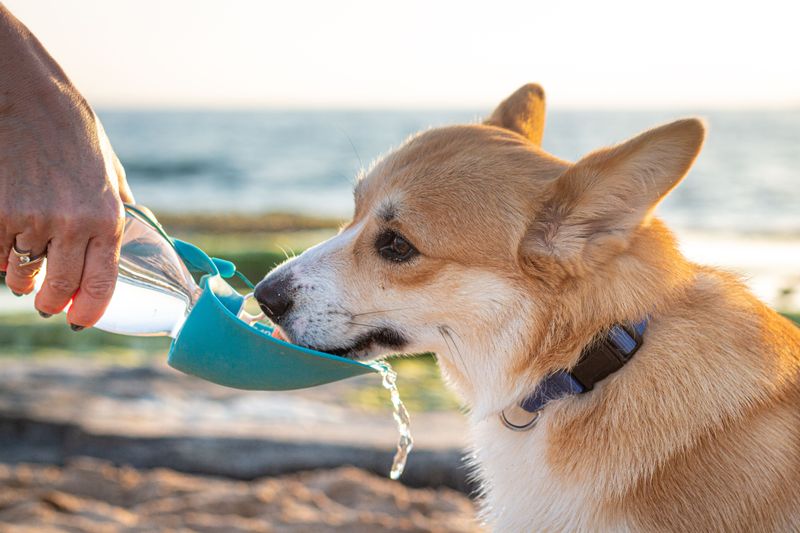
A travel bowl belongs beside your own water bottle, not buried under luggage. Dogs need regular access to fresh water, especially during warm weather.
Ask for a daily starting amount suited to your dog’s weight, food, activity, and medical needs. Offer water at stops without forcing large drinks.
Carry extra for delays and places without reliable supplies. Mention unusual thirst or changes in urination, since those can signal more than a hot afternoon outside alone.
4. Is My Dog Healthy Enough for Long Car Trips?
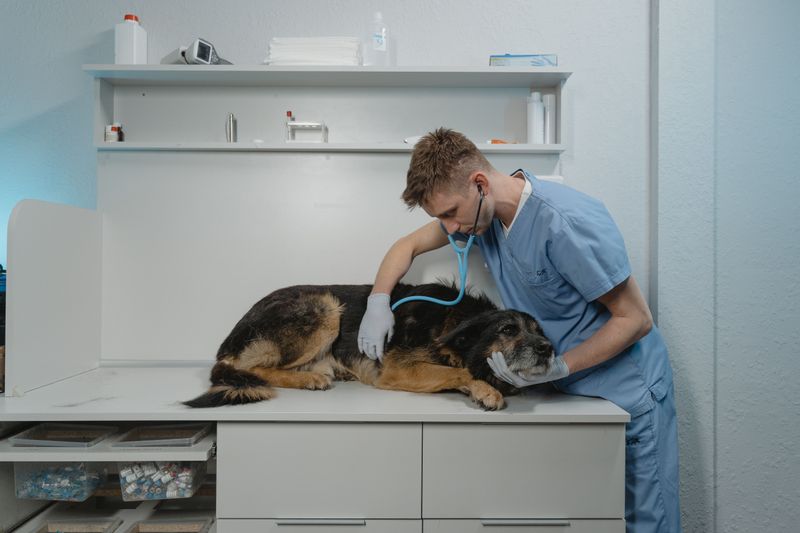
Long drives ask more of a dog than sitting still. Unfamiliar places, warm stops, and disrupted routines can challenge existing health problems.
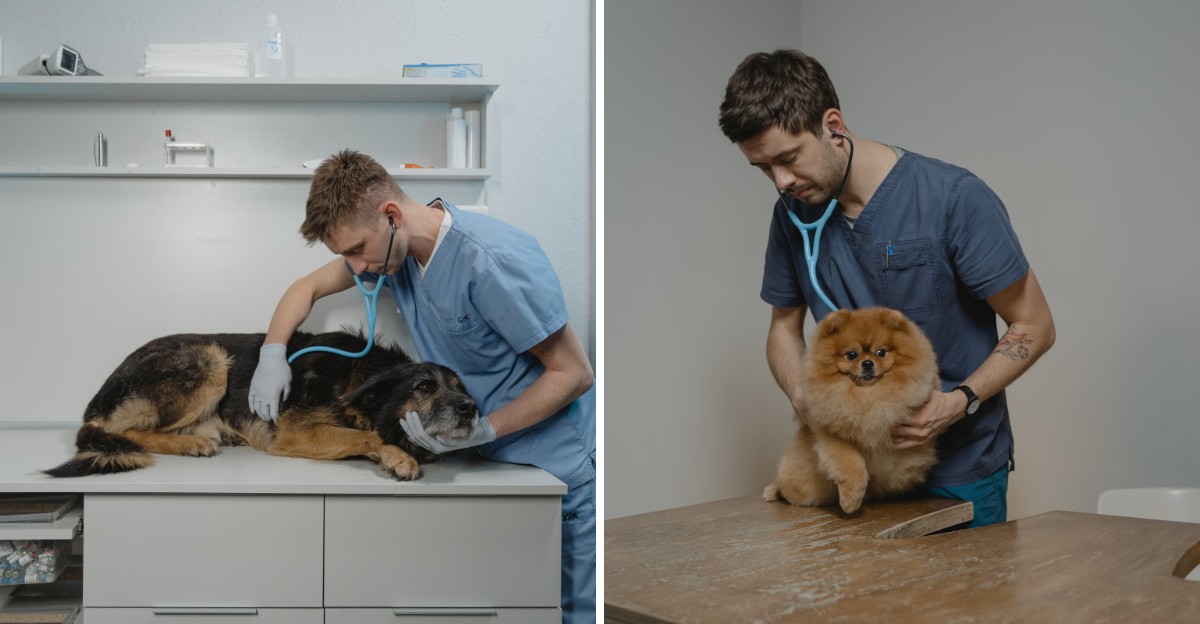
Schedule an exam before departure, especially for older dogs or those taking medicine. Discuss breathing, heart health, pain, and bathroom needs.
Flat faced breeds deserve extra heat precautions because cooling through panting can be harder. Ask whether your dog’s breed, weight, or condition calls for shorter travel days or postponing the trip until conditions improve.
5. What Should I Know About Leaving My Dog in a Parked Car?
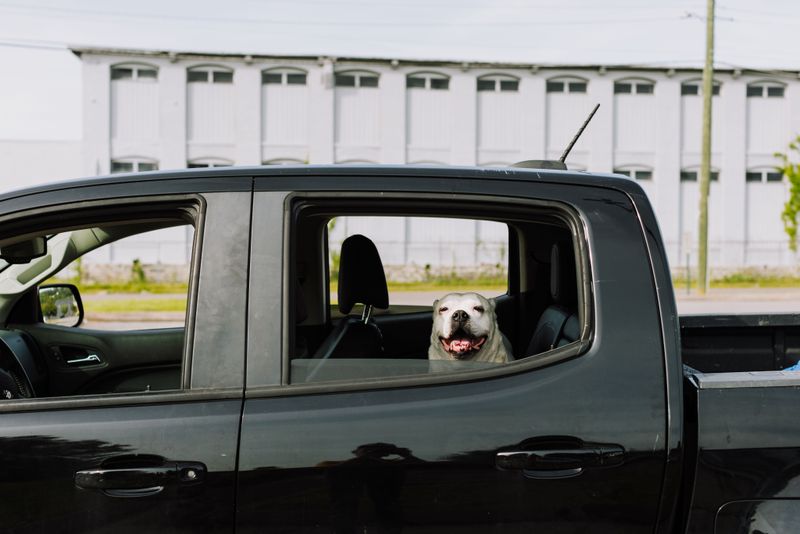
A quick errand can outlast your best guess. Parked vehicles heat rapidly, and cracked windows do not make them safe.
Plan stops where someone stays with your dog in a reliably cooled space. Never depend on an unattended running vehicle.
For overnight stays, confirm working room cooling and pet rules before booking. Ask your vet about comfortable sleeping conditions.
Local rules vary, so confirm legal questions with local authorities rather than assuming statewide protections apply everywhere.
6. Should My Dog Have a Heartworm Test Before Summer?
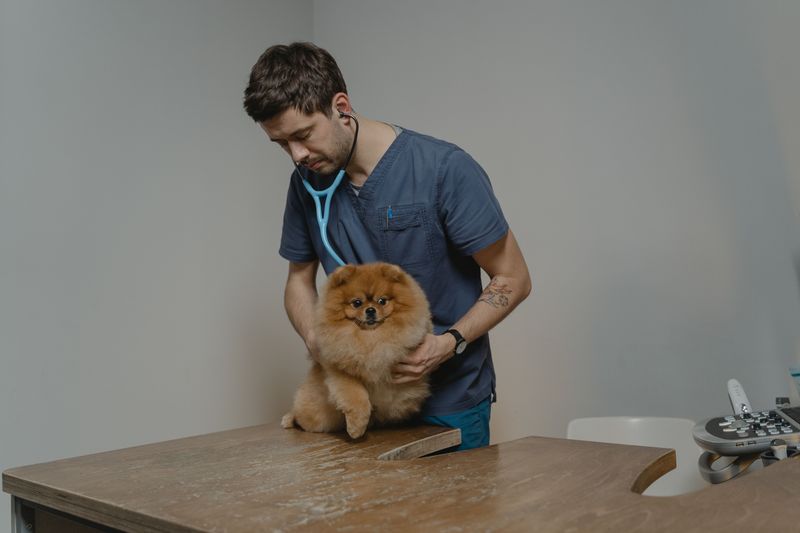
Mosquito season does not follow your vacation calendar. Texas dogs generally need heartworm prevention throughout the year, not only during summer.
Check when your dog’s next test is due and whether any missed doses change the plan. Annual testing is generally recommended, even with regular prevention.
Your vet may recommend additional testing after gaps because infections take time to show. Bring the product name and dosing history instead of guessing when the last dose happened.
7. Are My Dog’s Flea and Tick Preventives Still Appropriate?
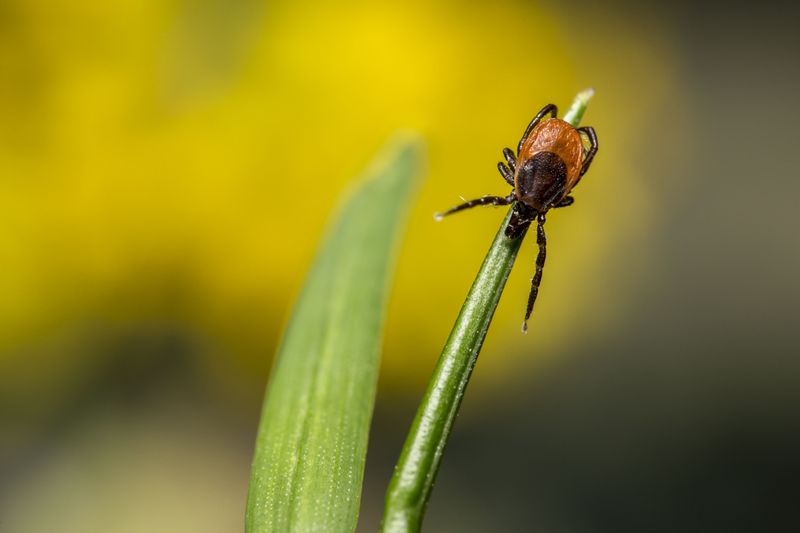
Roadside grass and wooded rest areas bring different hitchhikers than your backyard. Fleas and ticks can remain active during much of a Texas year.
Review your current preventive, travel destinations, and your dog’s health history with the vet. Products differ in coverage and suitability.
Never combine treatments without guidance or use a dog product on a cat. After outdoor stops, check your dog’s skin carefully.
Ask how to remove attached ticks safely and monitor bites.
8. Does My Dog Need Updated Vaccinations Before Traveling?
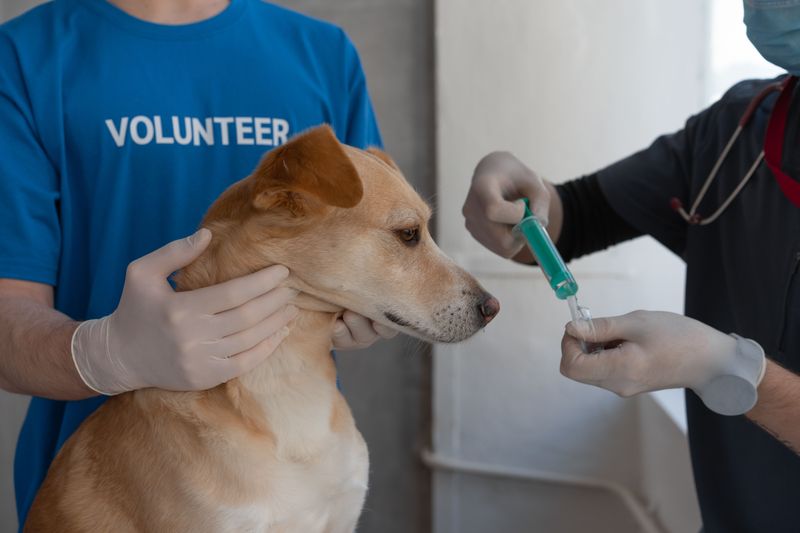
Paperwork is easier to handle before the suitcases come out. Bring your route and lodging plans when reviewing vaccines with your vet.
Rabies vaccination must meet applicable legal requirements, while other recommendations depend on exposure and health. Boarding facilities may require specific vaccines and waiting periods.
Interstate or international travel can involve additional documents. Confirm current rules with your destination and relevant authorities.
Keep accessible copies of vaccine records, prescriptions, and your veterinarian’s contact information.
9. What Can I Do About Motion Sickness During Long Drives?
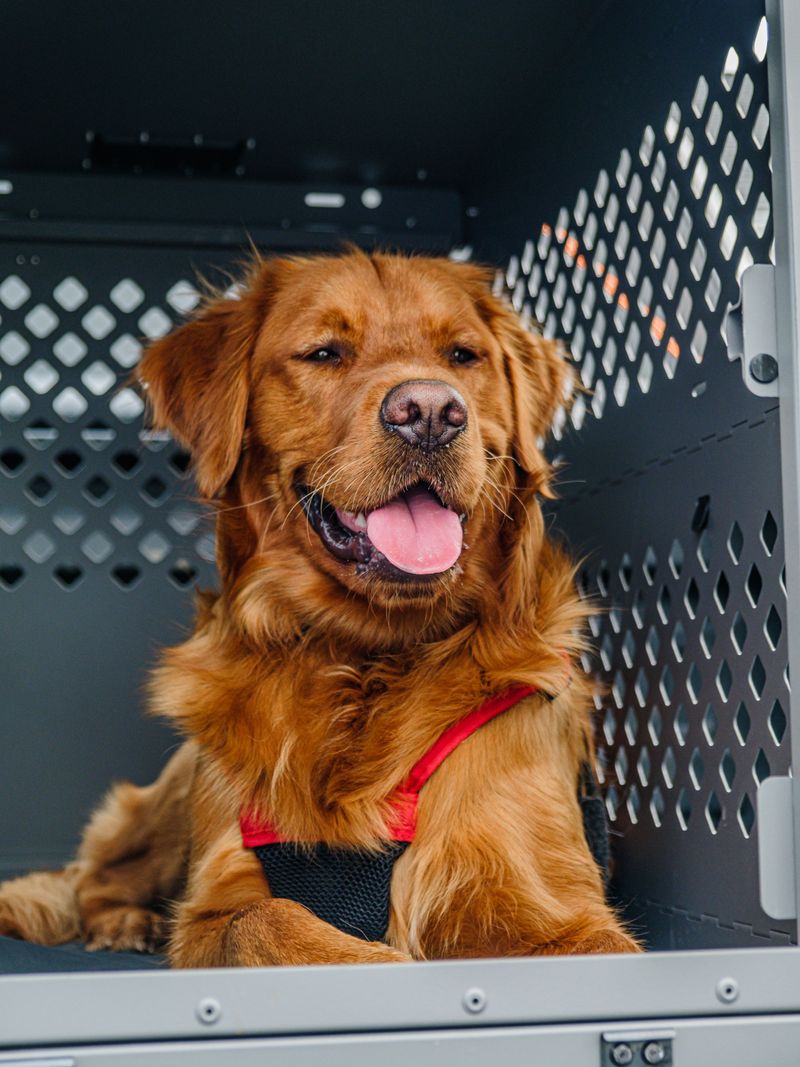
Lip licking, drooling, and restless shifting can mean the ride feels unpleasant. Motion sickness sometimes starts before vomiting appears.
Tell your vet when symptoms begin and whether short trips cause the same trouble. Ask about prescription options and when to give them.
Never borrow human medicines or guess a dose. Discuss meal timing rather than withholding food automatically.
Practice brief rides beforehand, keep the cabin cool, and secure your dog in appropriate crash tested equipment.
10. Is My Dog’s Anxiety Likely to Get Worse on a Long Trip?
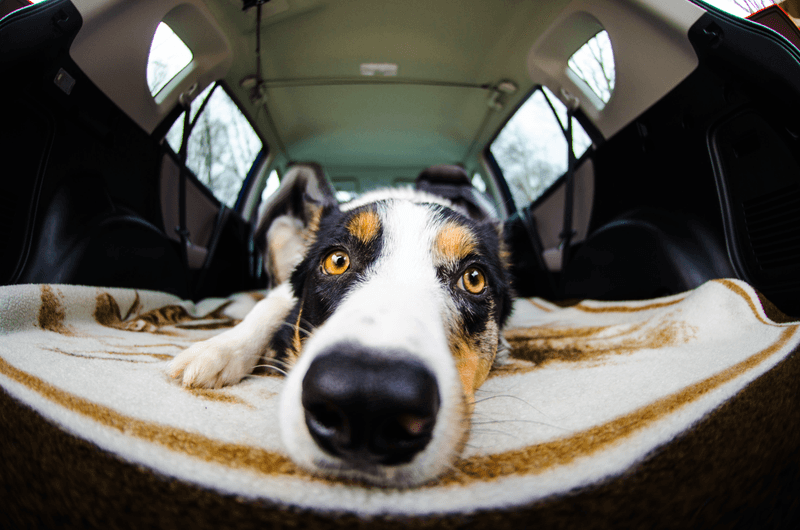
Some dogs worry when the car keys appear. Others settle during driving but struggle with hotel noises or unfamiliar rooms.
Describe your dog’s behavior honestly, including pacing, whining, shaking, or escape attempts. Your vet can separate anxiety from nausea and suggest training or treatment.
Practice calm car visits and short outings before departure. If medicine is prescribed, ask about a trial before travel.
Familiar bedding helps, but it cannot replace a plan for ongoing distress.
11. How Often Should We Stop for Bathroom Breaks and Movement?
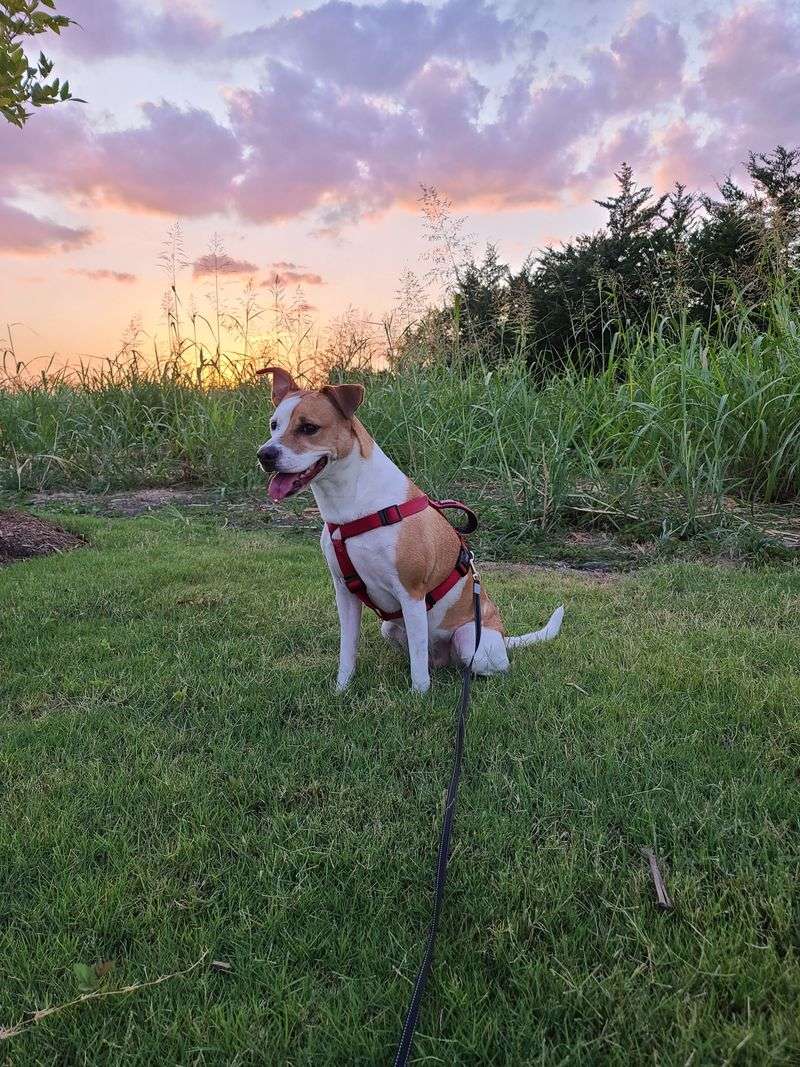
Your fuel tank should not decide every break. Many adult dogs benefit from stops about every two to three hours.
Puppies, older dogs, and dogs with medical needs may require more frequent breaks. Ask your vet for a schedule that fits your passenger.
Choose shaded areas away from traffic, check the ground, and leash your dog before opening doors. Offer water and a short sniffing walk.
Build extra time into the route for comfortable stops.
12. Are My Dog’s Paws at Risk on Hot Texas Pavement?
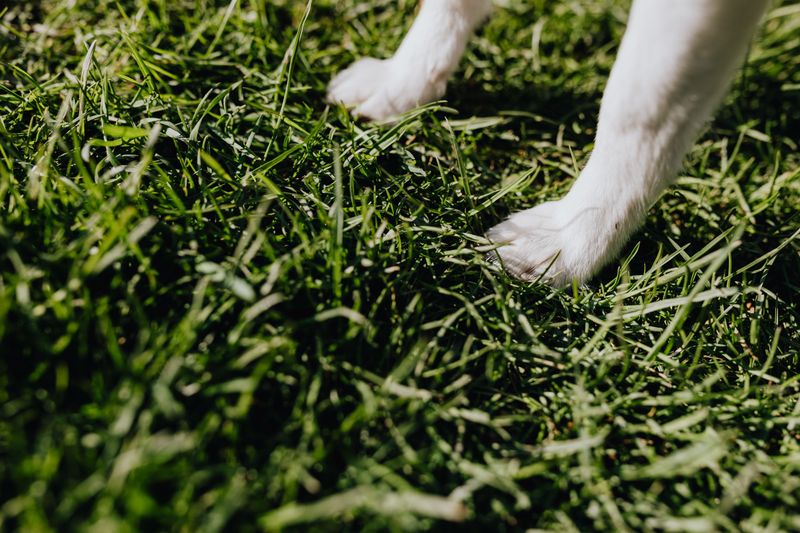
Sunny pavement can be much hotter than the air around it. Parking lots deserve attention even during a short bathroom stop.
Choose grass or shaded paths and avoid surfaces that feel hot to your hand. A hand check is only a rough warning, not proof of safety.
Ask whether fitted boots suit your dog, then practice indoors first. Limping, paw licking, or damaged pads need veterinary advice.
Carry small dogs across hot stretches when practical.
13. Does My Dog Need a Different Diet During the Hot Months?
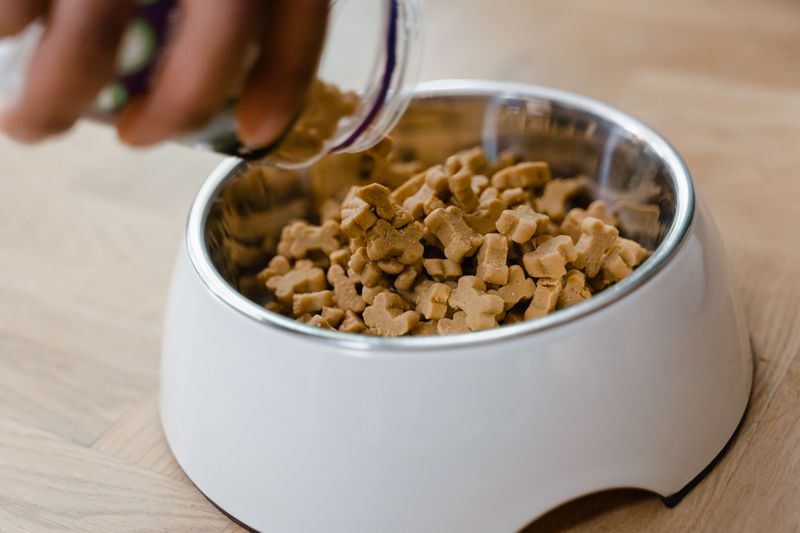
Summer does not automatically call for a new food. Your dog’s calorie needs may change if walks shorten or activity increases.
Review weight, appetite, treats, and exercise with your vet before adjusting portions. Sudden food changes can upset digestion during travel.
Pack familiar food in a sealed container, with enough for unexpected delays. Keep opened wet food properly chilled.
Ask about persistent appetite changes rather than blaming heat, especially when vomiting or low energy appears.
14. What Should I Pack in My Dog’s Travel First-Aid Kit?
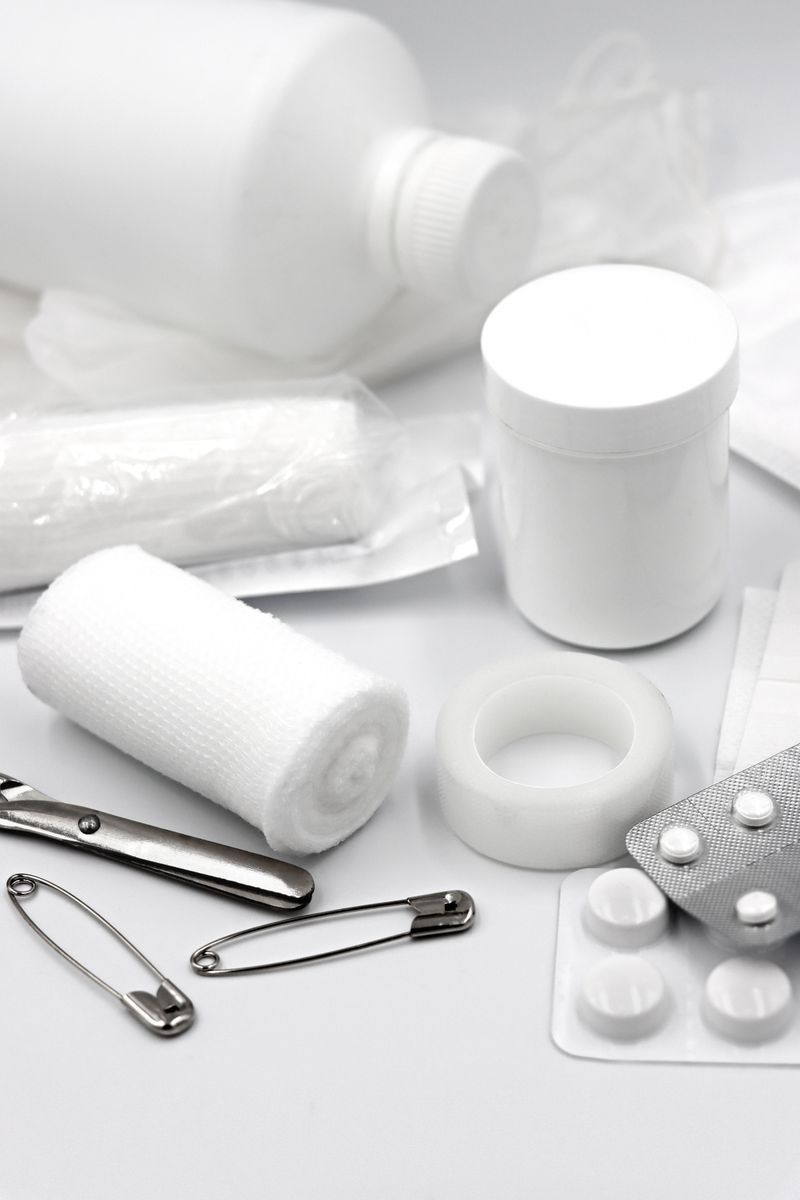
A useful kit solves small problems without encouraging guesswork. Ask your vet to tailor supplies to your dog’s health and route.
Common basics include gauze, nonstick dressings, saline, gloves, and a spare leash. Pack regular medicines, written instructions, and emergency clinic numbers.
Learn how supplies should be used before leaving. Do not include human pain relievers for casual use.
A kit supports care; it does not replace veterinary help when your dog seems unwell nearby.
15. Does My Dog Need a Checkup After a Long Road Trip?
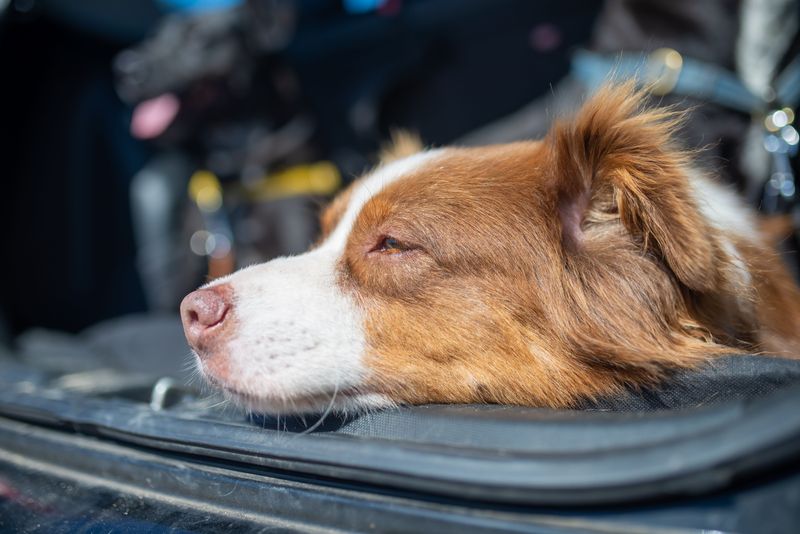
Home again, your dog may simply want familiar surroundings and rest. A routine visit is not always needed after uneventful travel.
Ask before departure which changes should prompt a call afterward. Report ongoing diarrhea, coughing, limping, poor appetite, unusual tiredness, or possible parasite exposure.
Share where you traveled and any missed preventive doses. Follow your vet’s advice about testing or an exam.
Familiar routines, fresh water, and thoughtful planning make the next journey easier too.