Rural Georgia Dog Owners Need A Different Plan When Specialty Vet Care Is Farther Away
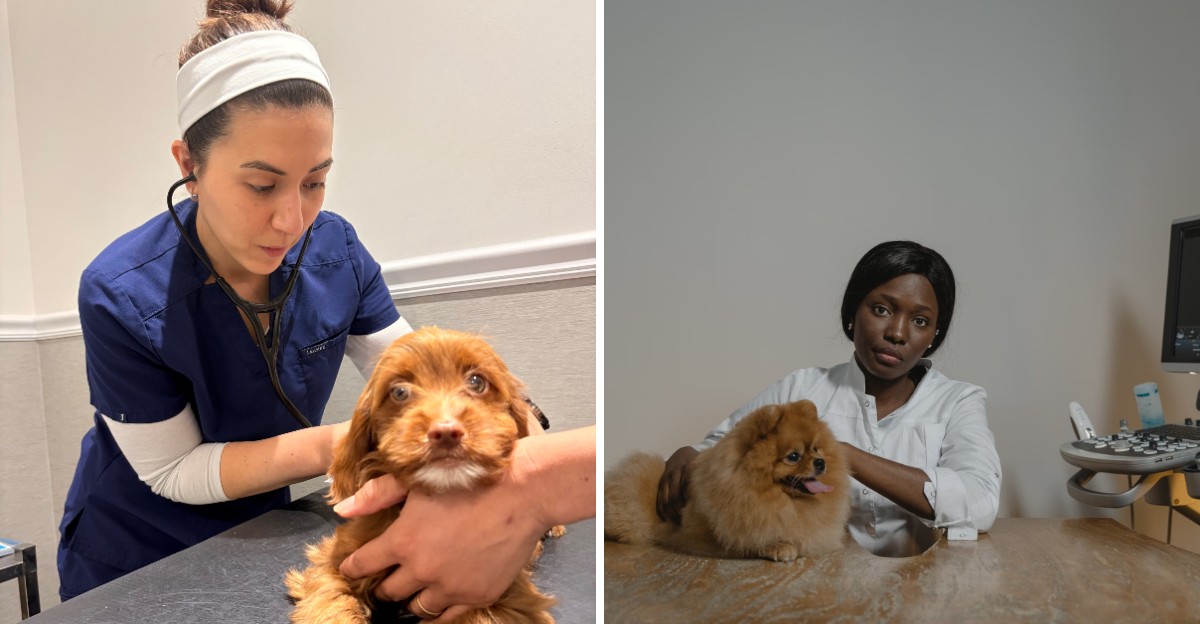
A specialist appointment can mean more than clearing your morning when home sits miles from a larger Georgia city. Between country roads, work schedules, and a dog who dislikes car rides, getting care takes planning.
A little homework now can make that long drive calmer and help your local vet guide the next step. The best plan starts before your dog needs it.
1. Why Rural Georgia Dog Owners Need a Different Veterinary Care Plan
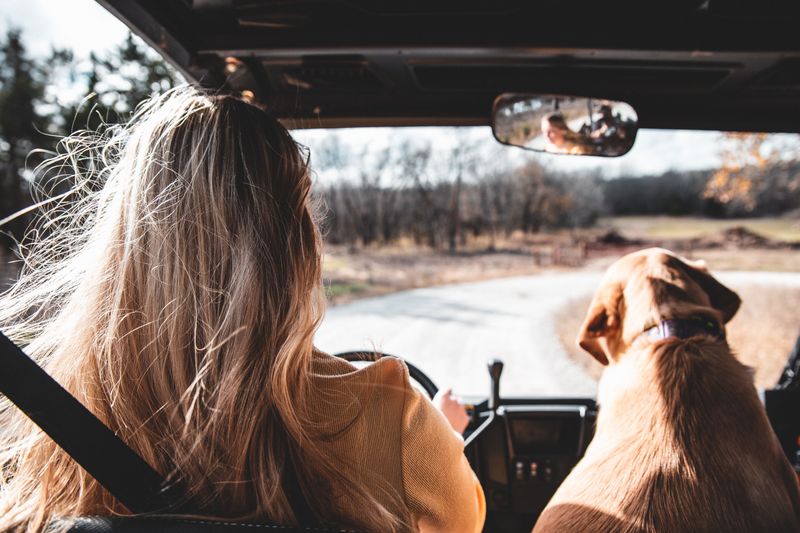
A country address can turn a routine referral into a full day away from home. Some advanced tests and treatments require equipment that smaller practices may not have.
Distance adds another layer when your dog needs help quickly.
Build your plan around travel time, clinic hours, and your local veterinarian’s advice. Keep everyday care nearby whenever possible.
Planning ahead gives your dog a smoother path between familiar care and specialized support when needs change unexpectedly.
2. Know Which Veterinary Services Are Available Nearby
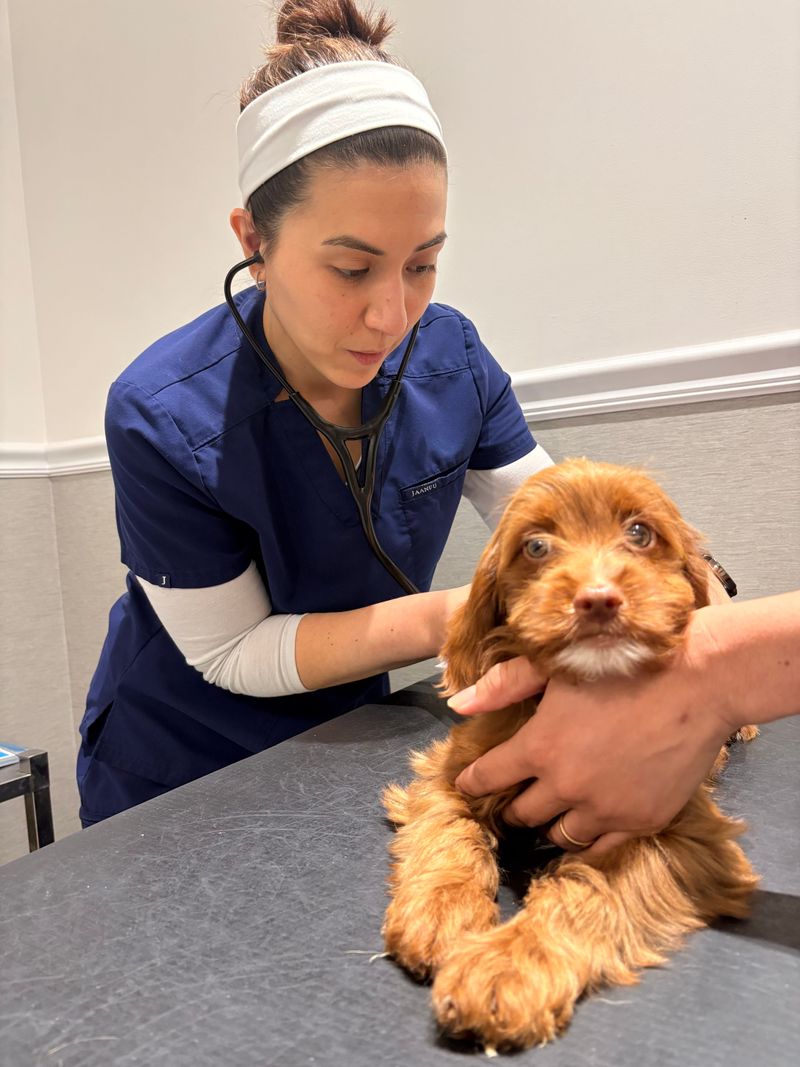
Your nearest clinic may offer more help than you realize, so start with a friendly call. Ask about blood tests, imaging, dental care, surgery, and urgent appointments.
Find out which services happen onsite and which require another location.
Write down office hours, phone numbers, and any limits on same day visits. Avoid assuming every clinic has overnight staff.
A simple service list helps you choose the right first call without wasting precious time on extra driving.
3. Identify Specialty Veterinary Clinics Before You Need One
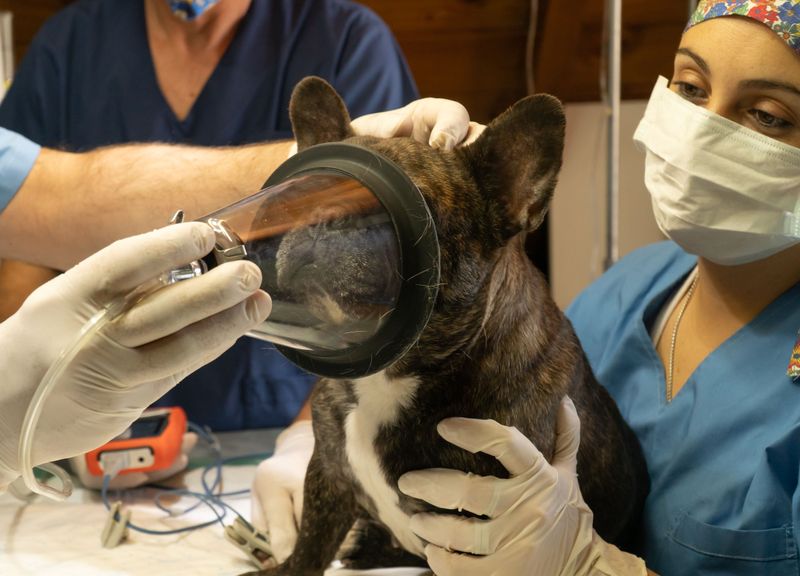
A saved hospital number beats a hurried search beside a worried pup. Ask your vet which referral hospitals serve your part of Georgia.
The University of Georgia Veterinary Teaching Hospital in Athens is one option to discuss.
Check each hospital’s current services, appointment rules, and emergency access directly. Not every location offers every specialty or round the clock care.
Save two suitable choices, including one backup, before a referral becomes part of your family’s busy week.
4. Understand When Your Dog Needs a Veterinary Specialist
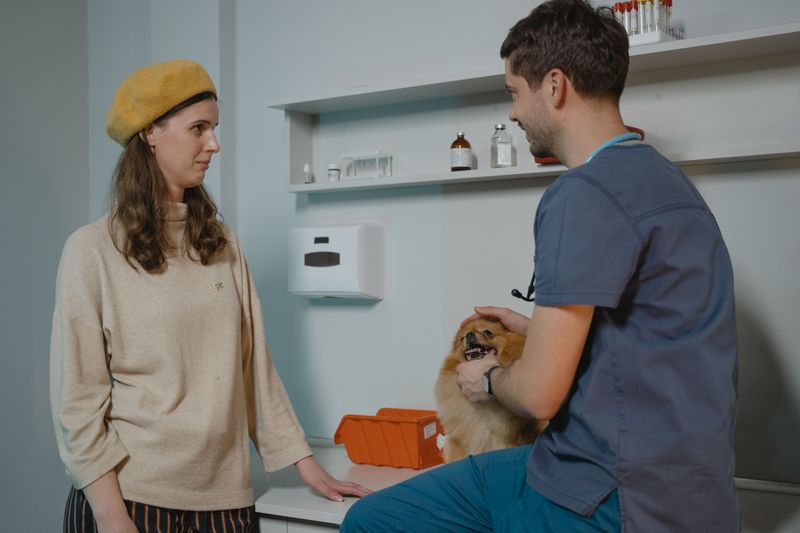
Repeated ear trouble or a stubborn limp can raise questions beyond a basic checkup. Your regular veterinarian can assess whether advanced testing or specialist skills would help.
Specialists focus on areas such as eyes, hearts, skin, nerves, or surgery.
Ask what a referral could change about your dog’s treatment or comfort. A specialist visit does not always mean surgery.
Avoid deciding urgency from internet searches alone, because similar signs can have very different causes in dogs.
5. Ask Your Local Vet About Referral Options
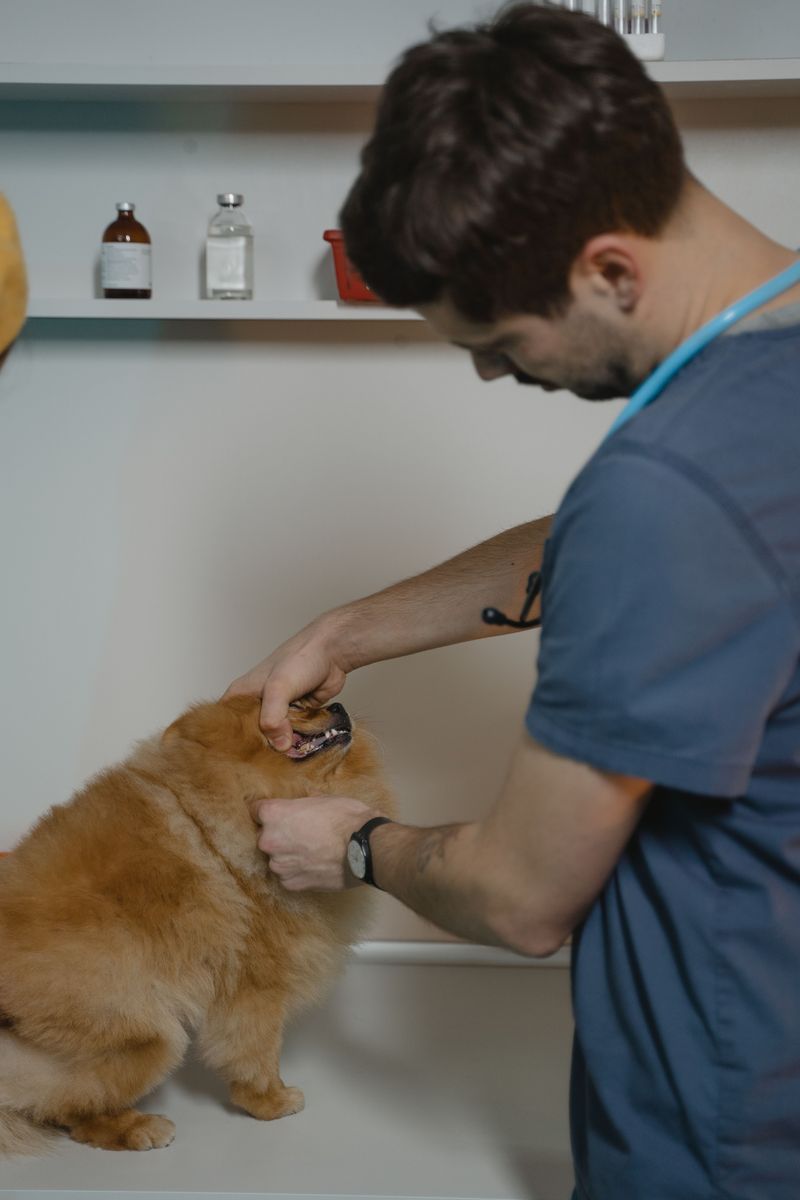
Think of your regular vet as the guide who knows your dog’s whole story. Ask which specialist fits the problem, rather than choosing only by distance.
Experience, equipment, and appointment timing can all shape that choice.
Find out who sends the referral and whether the receiving clinic needs specific tests first. Request a clear explanation of the visit’s goal.
Good questions now can prevent duplicate work and make that first conversation with the specialist more useful.
6. Keep Your Dog’s Medical Records Ready for Long Trips
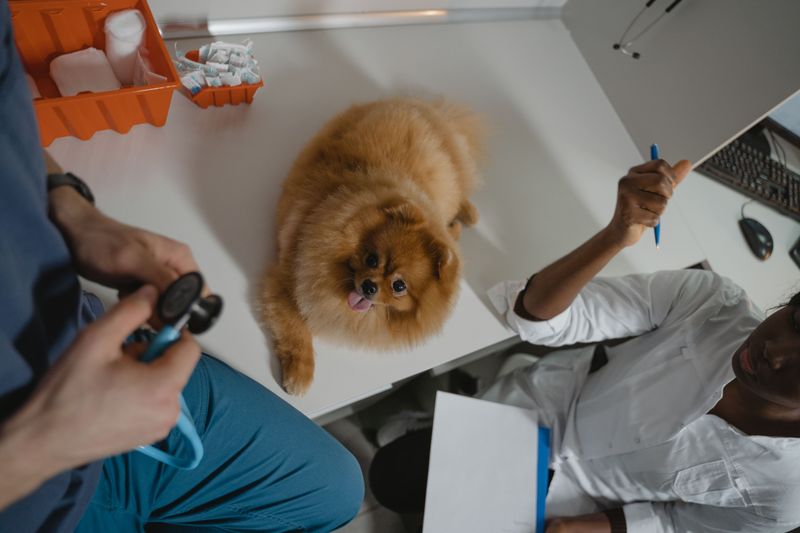
Paperwork deserves a spot beside the leash, especially when cell service gets patchy. Carry recent test results, vaccine records, medication details, and your local clinic’s contact information.
Ask whether imaging files must be sent separately before your appointment.
Keep a paper copy and a downloaded digital folder that opens without internet access. Add notes about allergies and past medicine reactions.
Update everything after major visits, so your dog’s traveling medical story stays clear, current, and useful.
7. Plan the Drive to the Nearest Specialty Hospital
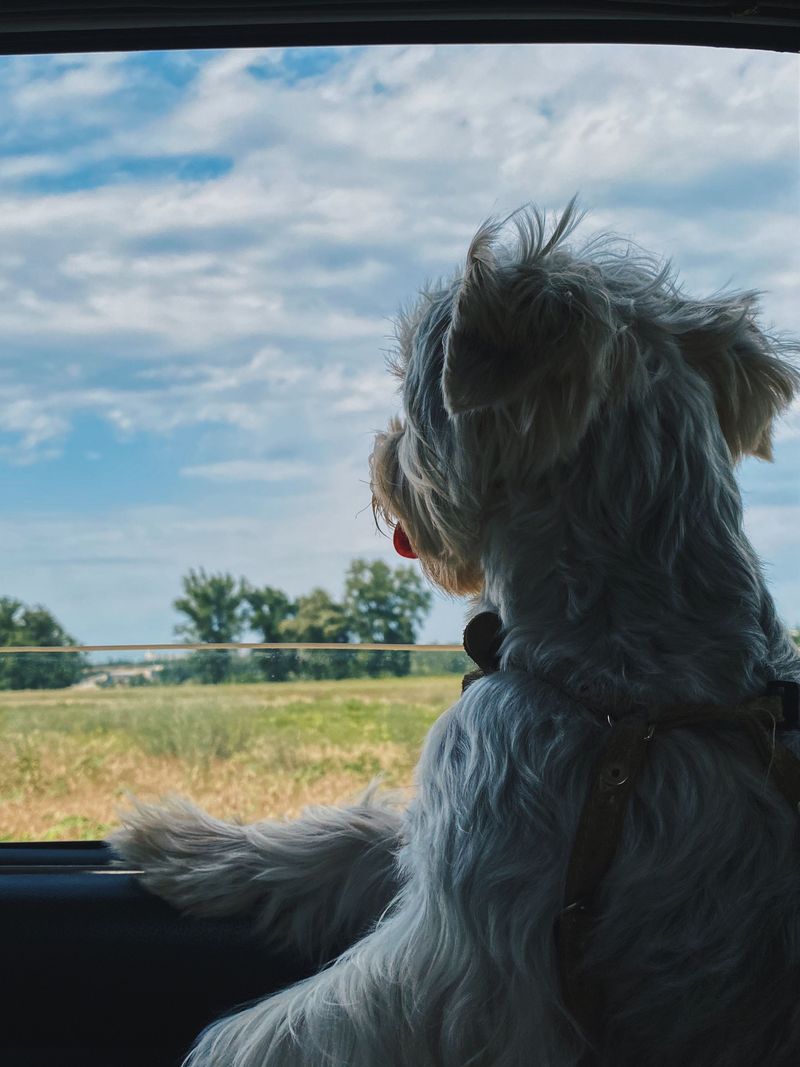
That familiar country highway may feel different when an appointment clock is ticking. Map the hospital entrance, parking area, and a backup route before leaving.
Allow extra time for traffic near Athens, Atlanta, or whichever city serves you.
Download directions for areas with weak phone coverage. Ask about arrival times and any fasting instructions before scheduling breaks.
Never leave your dog alone in a parked vehicle, even during a quick stop on a mild Georgia morning.
8. Have a Separate Plan for Veterinary Emergencies
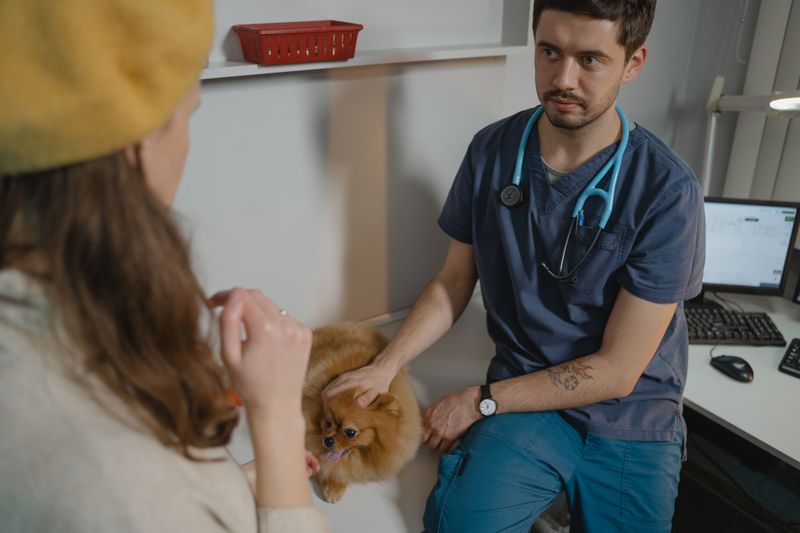
Scheduled care and urgent care need different road maps. Trouble breathing, collapse, or repeated attempts to vomit without producing anything need immediate veterinary guidance.
Call an emergency hospital promptly and describe what you see.
Confirm where to go and whether a closer clinic can provide initial stabilization. Do not wait for a preferred specialist’s next opening.
Keep emergency contacts visible at home, and share the plan with everyone who might care for your dog while away.
9. Know What to Do When Your Dog Gets Sick After Hours

Saturday evening is a poor time to discover your clinic’s phone message has changed. Save its after hours instructions before you need them.
Ask whether calls reach staff, an outside service, or a recorded referral.
When calling, share your dog’s symptoms, medications, age, and location. Follow the receiving team’s guidance about timing and travel.
Skip human medicines and leftover prescriptions unless a veterinarian directs you, since familiar household products can be unsafe for dogs at home.
10. Prepare Your Dog for Longer Veterinary Car Rides
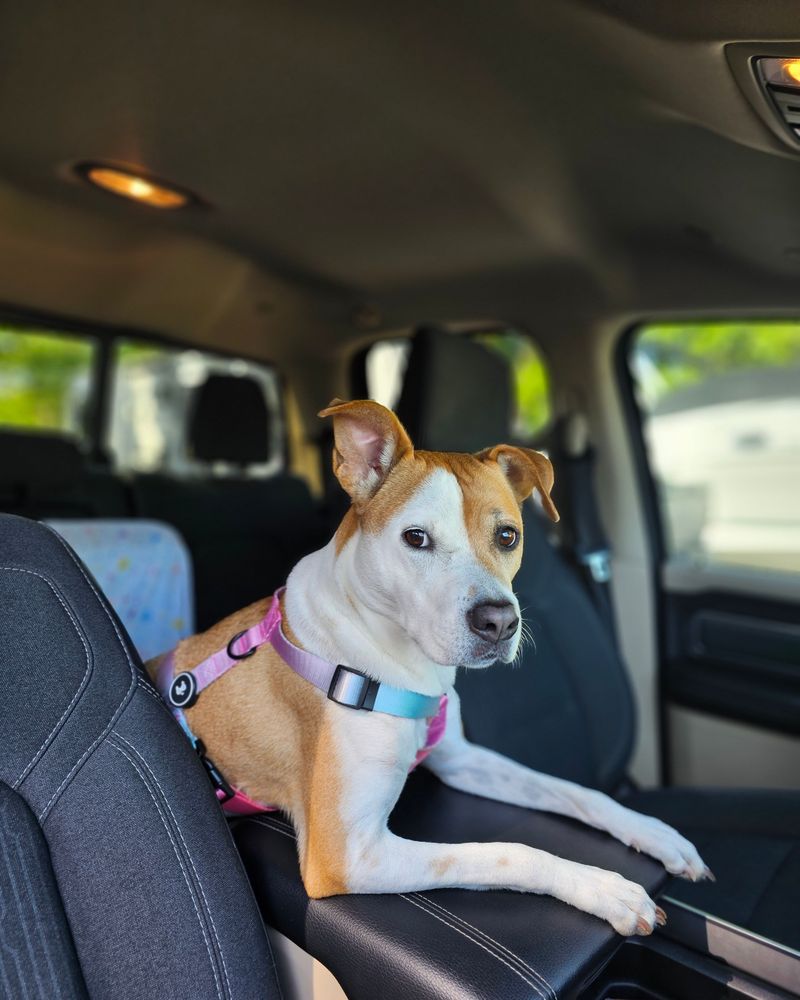
Car practice can begin with a short ride that ends somewhere pleasant. Use a secured crate or properly fitted vehicle harness, never a loose lap passenger.
Bring familiar bedding, cleanup supplies, water, and a spare leash.
Tell your veterinarian about drooling, nausea, or travel worry before the appointment day. They may recommend training steps or prescribed medicine.
Follow feeding instructions from the clinic, especially before procedures, rather than guessing what will keep your passenger most comfortable.
11. Budget for Specialist Visits and Additional Travel Costs

The appointment fee is only one piece of the travel biscuit. Fuel, meals, missed work, and possible lodging can stretch the total.
Request an estimate covering the consultation and likely tests, while allowing for changes.
Ask what payment methods are accepted and when payment is due. Check financing terms carefully instead of assuming monthly plans are available.
A small veterinary travel fund can soften surprises, especially when several return visits appear on the calendar close together.
12. Look Into Pet Insurance Before a Diagnosis
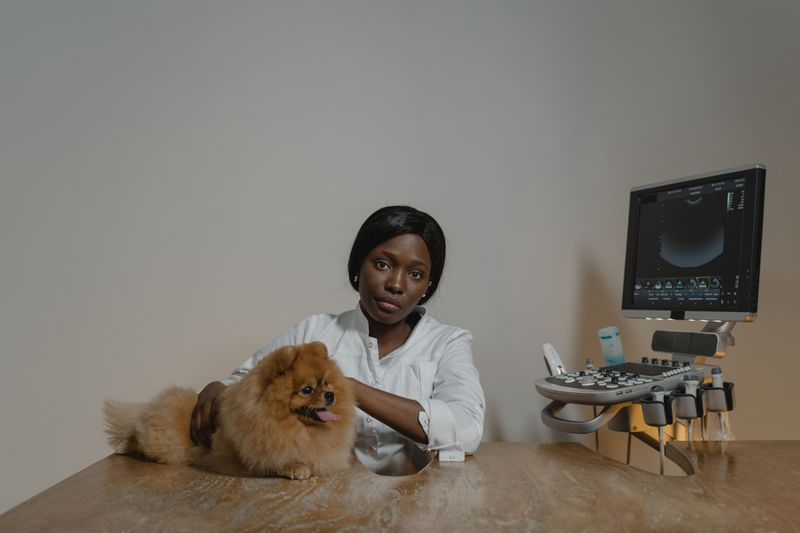
Insurance shopping works best before a new health concern enters the picture. Many pet policies exclude conditions that began before coverage, including some signs without a diagnosis.
Waiting periods and coverage limits also vary between plans.
Compare deductibles, reimbursement rules, specialist coverage, and any requirements for referrals. Ask whether travel expenses are excluded, rather than assuming coverage.
Most plans require owners to pay first, so keep a separate payment backup even when your dog is insured.
13. Ask About Telehealth for Follow-Up Care
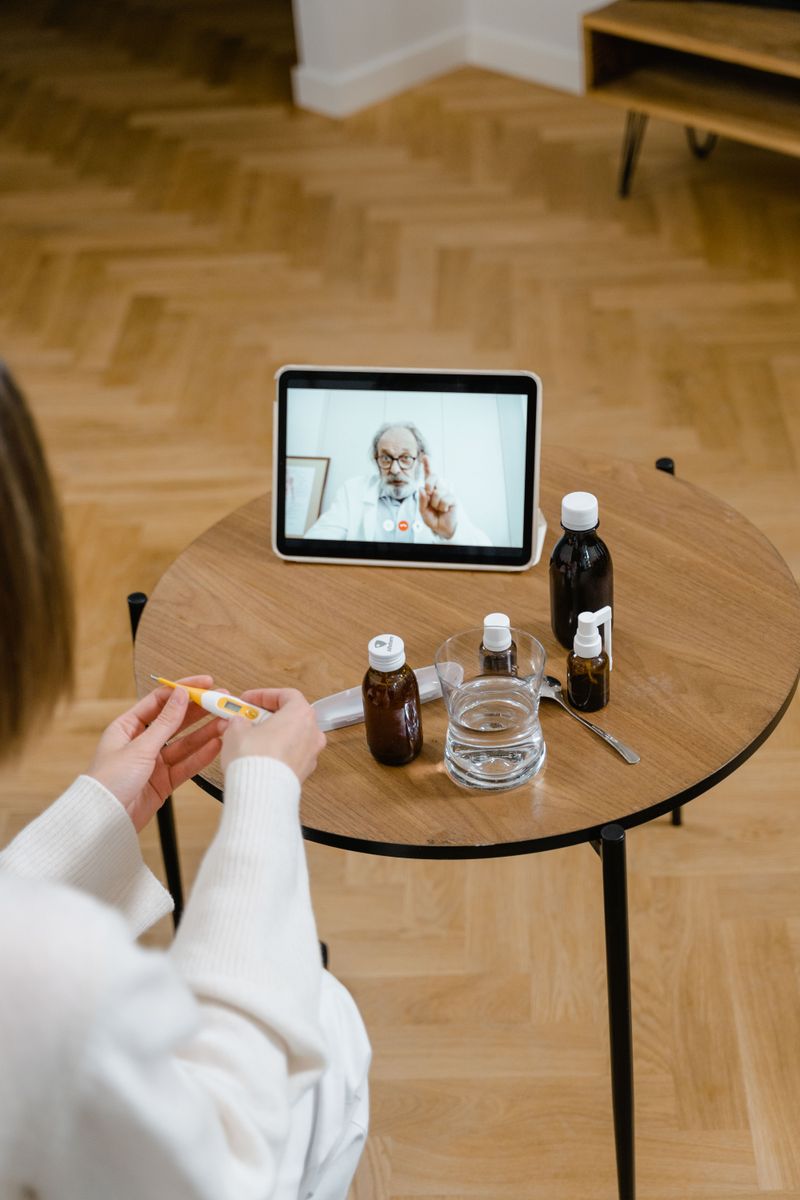
A video check can sometimes save hours behind the wheel. Ask whether your dog’s specialist offers remote updates after an initial examination.
Photos, symptom notes, and short videos may help the team review progress.
Remote care cannot replace every examination, test, or hands on treatment. Availability depends on your dog’s needs, clinic policies, and Georgia veterinary rules.
Confirm fees and technology requirements ahead of time, and ask which changes mean an in person visit is needed.
14. Keep Medications and Prescriptions Organized

Several bottles can turn breakfast into a tiny scheduling puzzle. Keep an updated list of each medicine, dose, timing, and prescribing clinic.
Include supplements, flea prevention, and anything purchased without a prescription.
Store products as directed and travel with their original labeled containers. Ask who handles refills and how much notice the clinic needs.
Never change doses or stop treatment without guidance, and flag conflicting instructions before giving the next dose to your dog at home.
15. Make a Backup Plan for Transportation
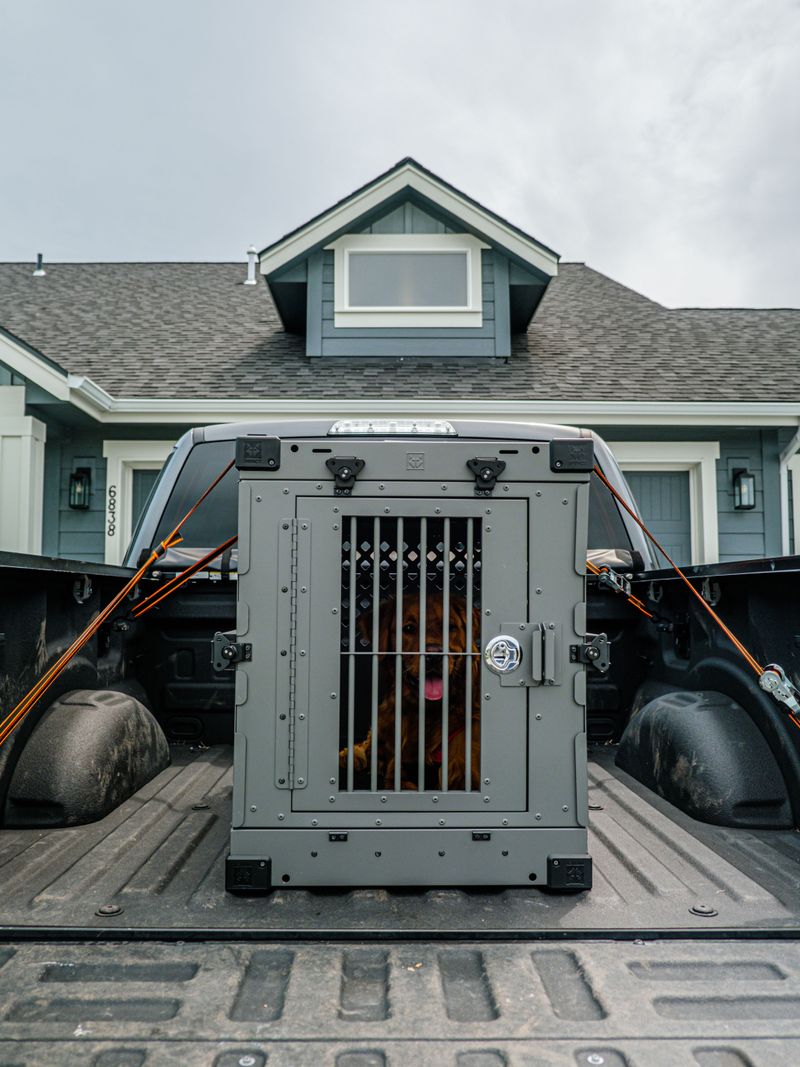
A flat tire should not be the only thing standing between your dog and care. Choose a trusted backup driver who can handle your dog’s size and needs.
Check that their vehicle fits the crate or restraint.
Share clinic details, travel instructions, and an agreed way to cover costs. Practice loading a large or less mobile dog safely before trouble arises.
Ask your veterinarian about suitable lifting aids, rather than improvising a risky carry during departure.
16. Find Out Which Specialists Accept New Patients
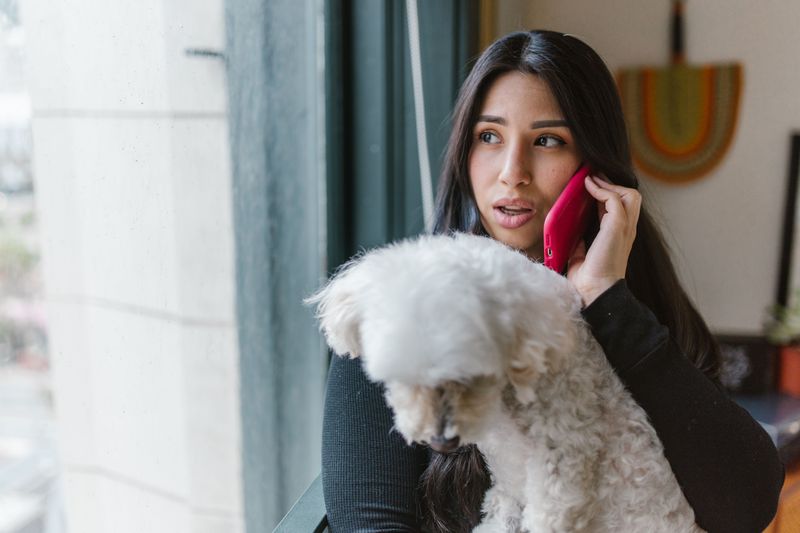
An impressive website does not guarantee an open appointment next week. Call to confirm that the needed specialty is accepting new patients.
Ask about referral requirements, scheduling delays, and whether a cancellation list is available.
Describe your dog’s current signs honestly so staff can guide scheduling appropriately. Your local vet may need to discuss urgency directly with the specialist.
If the wait is long, request safe interim care instructions and ask about other suitable referral options.
17. Prepare for Follow-Up Visits After Specialist Treatment
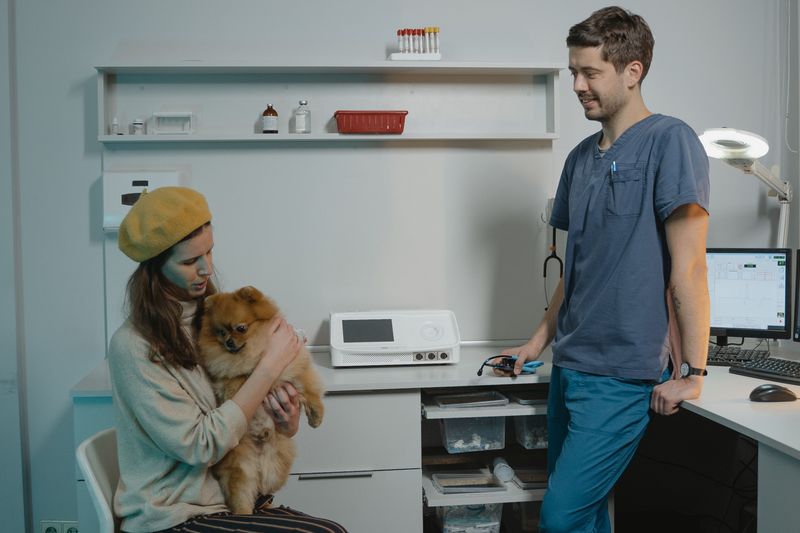
The ride home is often the beginning of the next care chapter. Before leaving, ask which rechecks require the specialist and which can happen locally.
Get written instructions for activity, meals, medicines, and signs needing another call.
Book essential appointments early, especially when work schedules or transportation need arranging. Ask both clinics how test results and progress notes will be shared.
Clear follow through keeps everyone working from the same plan as your dog settles home.
18. Build a Relationship With Your Local Veterinary Team
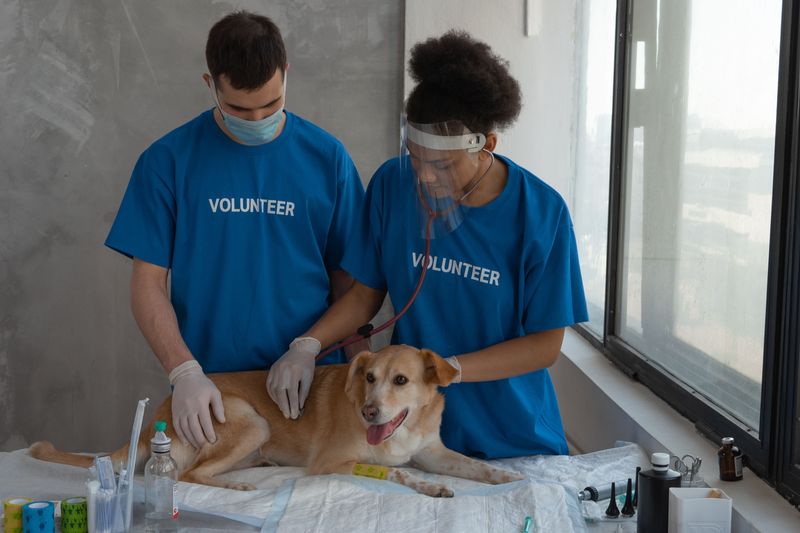
Familiar faces make a long distance care plan feel much less lonely. Keep routine visits current and share specialist updates with your regular veterinary team.
Mention small changes early, including shifts in appetite, energy, or movement.
Ask questions when instructions feel unclear, and keep contact details current. Your local clinic remains a valuable partner, even when advanced care happens elsewhere.
Pack the folder, grab the leash, and let preparation make the next trip a little easier.