15 Georgia Daycare Features That Matter To Owners With Long Atlanta Commutes
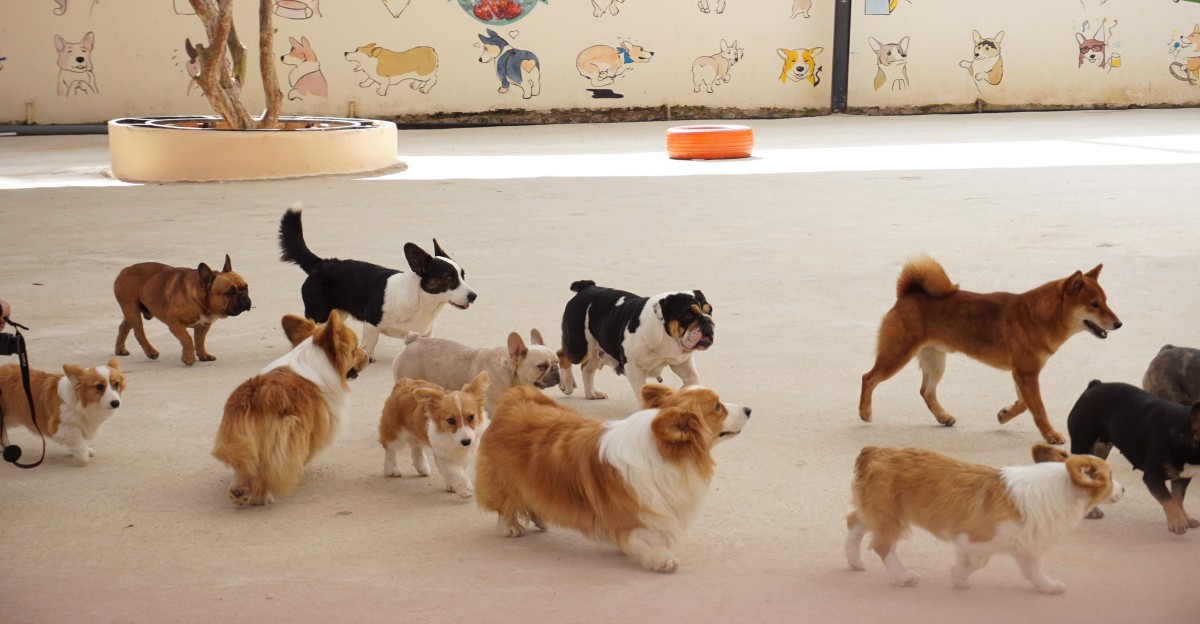
If your workday starts downtown and ends in bumper-to-bumper traffic, choosing dog daycare looks a little different. You need hours that match real Atlanta commutes, not ideal ones.
You also want confidence that your dog stays safe, rested, and well supervised for eight hours or more. Consider this a friendly rundown from someone who knows the local routine, covering the features that genuinely help commuting owners and the questions worth asking before you enroll.
1. Early Drop-Off Helps With Long Commutes
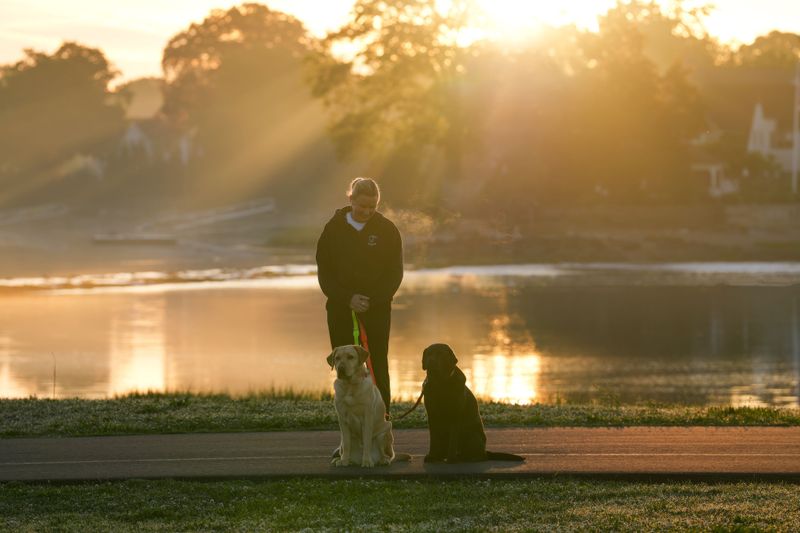
Beating I-285 can mean leaving home early. Some daycares open at 6:30 or 7:00 a.m., which can give commuters more flexibility when planning their morning.
Ask whether early arrivals are staffed or simply unlocked. Someone should greet each dog and record the drop-off.
Early hours also mean fewer dogs in the lobby, which helps shy pups settle. Confirm the exact opening time in writing, since posted hours sometimes change seasonally.
2. Extended Pickup Hours And Flexible Handoffs
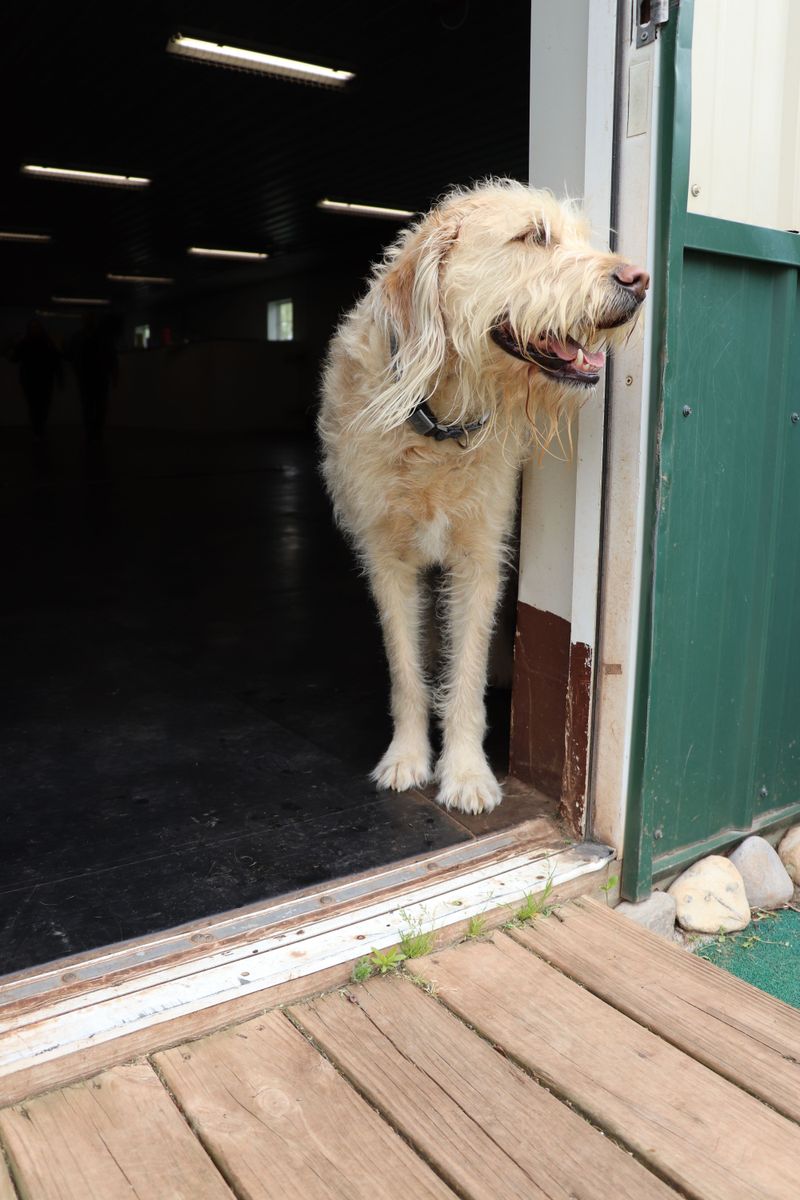
Evening traffic on GA 400 can make a short drive substantially longer. Centers with later pickup hours can give commuters more flexibility.
Flexibility matters too. Some daycares let a spouse, neighbor, or approved dog walker collect your pup.
Add those names to the authorized list ahead of time, with photo identification on file. Written permission prevents confusion at the door when your meeting runs long.
Ask how late fees are handled, since policies differ by location.
3. Convenient Access From Major Atlanta Routes

Location beats loyalty when the clock is tight. A daycare two minutes off I-75, I-85, or Peachtree Industrial saves you far more time than one across town.
Drive the route at your actual commute hour before enrolling. Morning gridlock can add fifteen minutes to a short hop.
Parking matters as well: a safe lot with room to leash up keeps drop-off smooth. MARTA riders should check sidewalk access too.
Nearby vet clinics are another quiet advantage worth noting.
4. Reliable Traffic-Day Communication
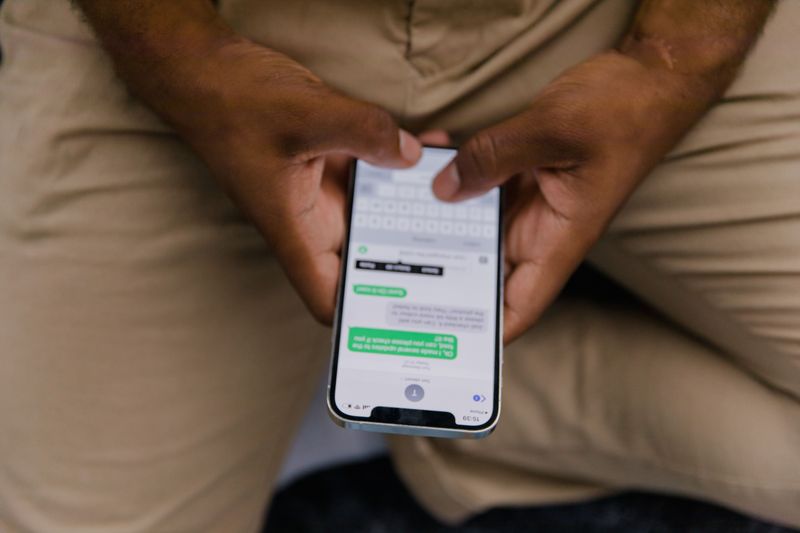
Wrecks happen, and so do surprise closures from storms or ice. A daycare that texts or posts updates quickly keeps you from guessing.
Ask how the staff reaches families during weather events. Phone trees, group texts, and app notifications all work when someone actually uses them.
You should also know the plan if you cannot arrive before closing. Clear communication turns a stressful afternoon into a manageable one.
Save the direct line in your phone, not just the website form.
5. Full-Day Care That Fits a Work Schedule
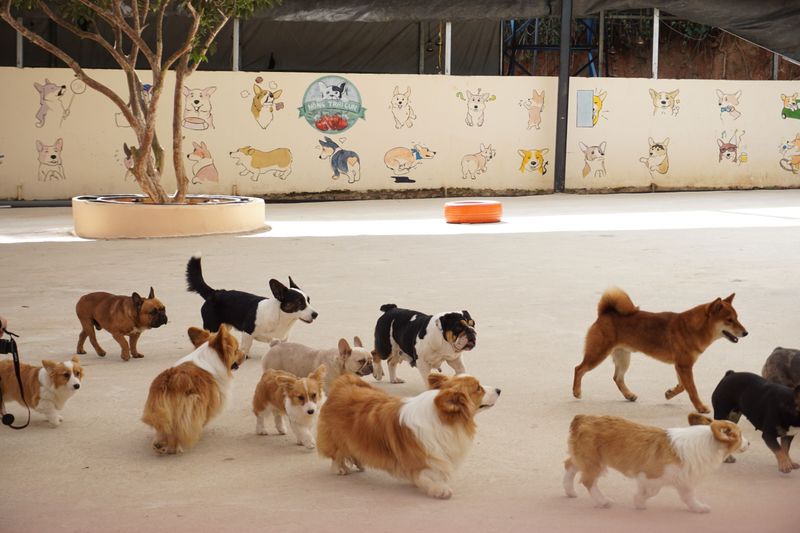
Long workdays can make half-day packages less practical for commuters. Look for full-day care that covers your expected absence and check whether additional hours carry extra charges.
Compare pricing structures carefully. Some centers bill hourly after a set window, while others offer flat daily or monthly rates.
Multi-day passes usually save money for regular users. Confirm what happens on holidays, since many Georgia facilities close or run shortened schedules.
Ask whether unused days roll over into the next month.
6. Secure Entry During Busy Pickup Times

Between 5:00 and 6:30 p.m., lobbies fill fast. Double-gated entries and one-door-at-a-time systems keep a loose dog from reaching the parking lot.
Watch how staff handle that rush during your tour. Leashes clipped before doors open, calm handoffs, and a single exit path are good signs.
Georgia licenses kennels through the Department of Agriculture, though requirements vary by service type. Ask which license the facility holds.
Posted paperwork near the front desk is reassuring.
7. Indoor Play Space for Rainy Commute Days
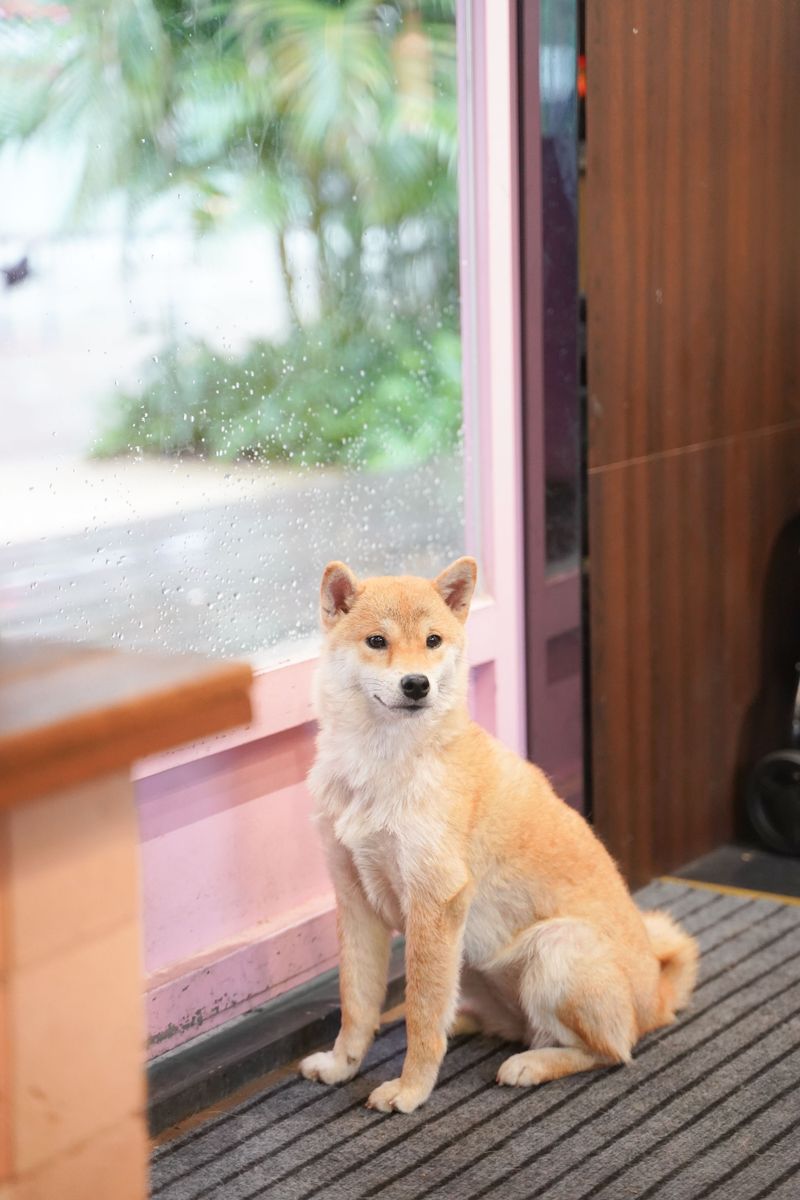
Georgia summers bring afternoon thunderstorms, and winter brings the occasional ice advisory. Indoor play areas mean your dog still burns energy when the weather turns.
Check the flooring first. Sealed, non-slip surfaces are easier to sanitize and gentler on joints.
Good ventilation and moderate noise levels matter during long stretches inside. Ask how many square feet each group gets, because crowded rooms raise stress for everyone, dogs and handlers alike.
Climate control should be steady, not just a fan.
8. Safe Outdoor Time During the Day
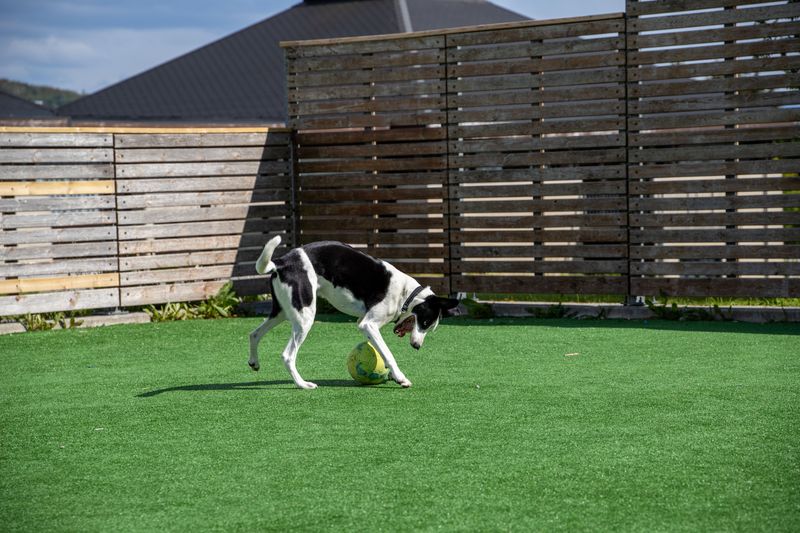
Fresh air does wonders, but Georgia heat deserves respect. Shade structures, water stations, and shortened midday sessions protect dogs when humidity climbs.
Fencing is the other half of the equation. Look for solid six-foot barriers, secure latches, and no gaps along the base.
Ask about summer scheduling: many facilities move outdoor play to early morning and late afternoon. Rubber or turf surfaces can heat up, so ask how staff test them.
A quick palm test on pavement tells you plenty.
9. Supervised Group Play
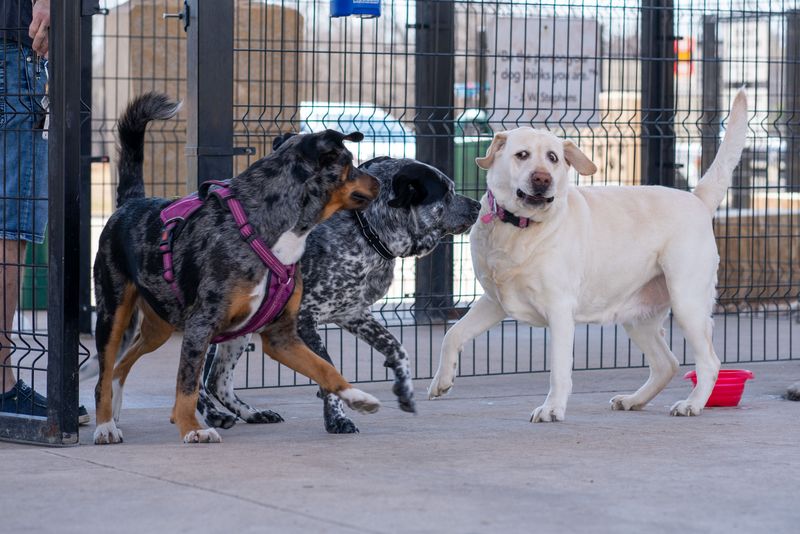
Not every dog belongs in the same room. Thoughtful daycares sort groups by size, age, energy, and play style before turning anyone loose.
Handlers should stay inside the play area, not watch from a window. Ask about their training in canine body language and how they interrupt rough play.
A written temperament evaluation shows the staff takes matching seriously. Ratios vary widely, so ask how many dogs each person supervises.
Smaller groups usually mean calmer afternoons.
10. Rest Periods Between Activities

Ten hours of nonstop play would exhaust anyone. Scheduled quiet time keeps dogs from arriving home wired, sore, or cranky.
Most well-run programs alternate play blocks with naps in crates, cots, or separate rooms. Puppies and seniors often need extra downtime.
Ask what the midday schedule looks like from start to finish. A dog who rests well at daycare usually sleeps soundly after your long drive home.
Overtired dogs also squabble more, which staff want to avoid.
11. Staff Coverage Throughout the Day
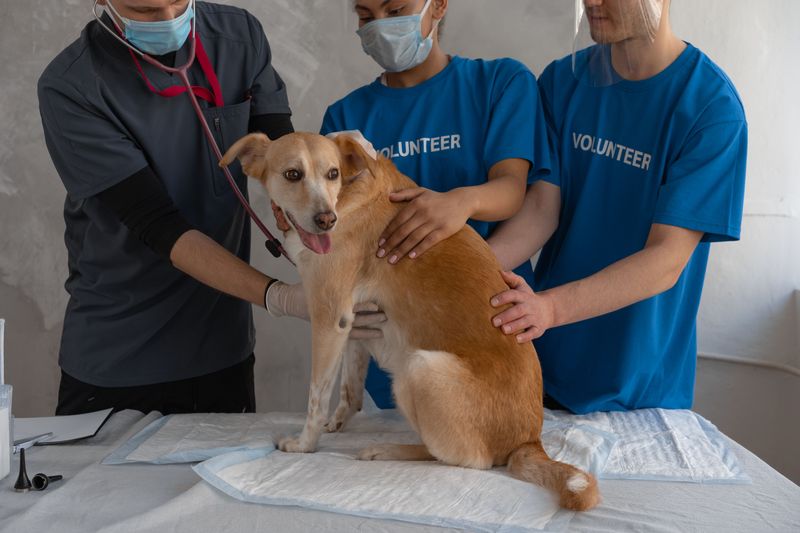
Coverage gaps usually show up at shift changes and lunch breaks. Ask directly how staffing looks at 7:00 a.m., noon, and 6:00 p.m.
Consistent handlers help nervous dogs relax, since familiar voices lower the pressure. Find out whether anyone stays on site during transport runs or supply errands.
Low turnover is a quiet sign of good management. Meeting the afternoon team matters most, because they hand your dog back.
Ask who holds pet first aid certification.
12. Clear Policies for Late Pickup
Sooner or later, traffic wins. Knowing the late policy before it happens saves you an awkward phone call at 6:45 p.m.
Fees are common and usually charged in fifteen minute blocks. More important is the backup plan: does your dog stay overnight, and at what cost?
Get the answer in writing during enrollment. A calm, predictable policy beats improvising while you sit stuck on the Connector.
Notify the staff early when you know you will be delayed.
13. Easy-to-Use Daily Updates

A quick photo at 2:00 p.m. can carry you through a rough afternoon. Report cards, app messages, and webcams all keep you connected while you work.
Simple beats fancy. If updates require three logins, nobody will use them consistently.
Ask what gets reported: appetite, bathroom breaks, energy, and any small scrapes. Written notes also create a record you can share with your veterinarian later.
Webcam access is a bonus, not a substitute for staffing.
14. Convenient Feeding and Medication Options
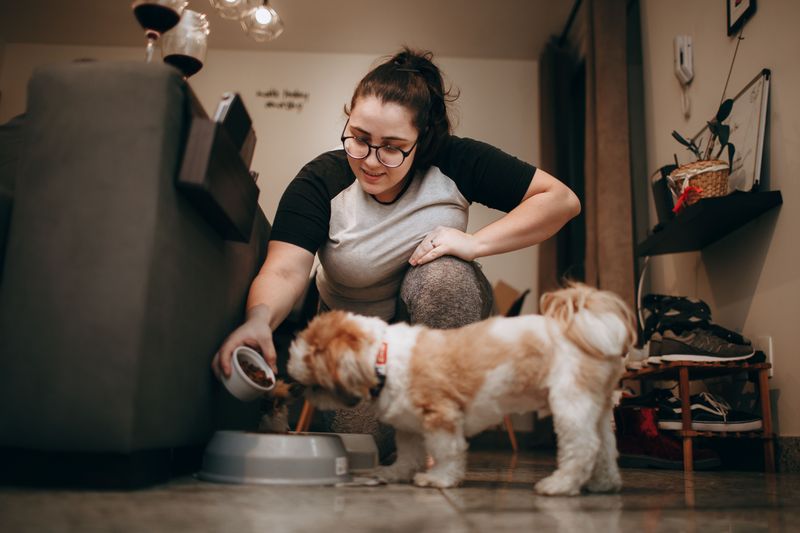
Long days mean your dog will likely eat lunch away from home. Facilities that serve owner-supplied meals keep the stomach on its usual schedule.
Labeling protects everyone. Pre-portioned bags with your dog’s name reduce mix-ups in a busy kitchen.
For medication, ask who administers doses and whether they log each one. Follow your veterinarian’s instructions exactly, and never adjust amounts to fit daycare timing without asking first.
Some centers decline injectables, so confirm before enrolling.
15. Trial Visits Before Regular Enrollment
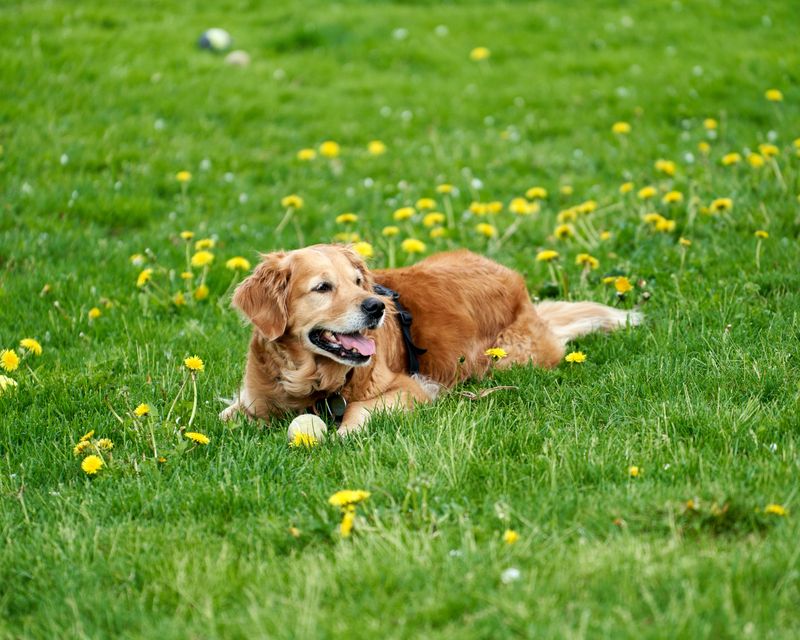
Think of a trial day as a test drive for both of you. Most Georgia facilities offer a half day evaluation before full enrollment.
Use it to test your commute too. Drive the route, note the timing, and see how your dog looks at pickup.
Vaccination records, usually rabies, distemper combination, and often Bordetella, are required first. Check with your veterinarian about what suits your dog’s age and health.
A relaxed dog at day’s end tells you plenty.