What New York Apartment Owners Should Prepare Before Bringing Home A Puppy
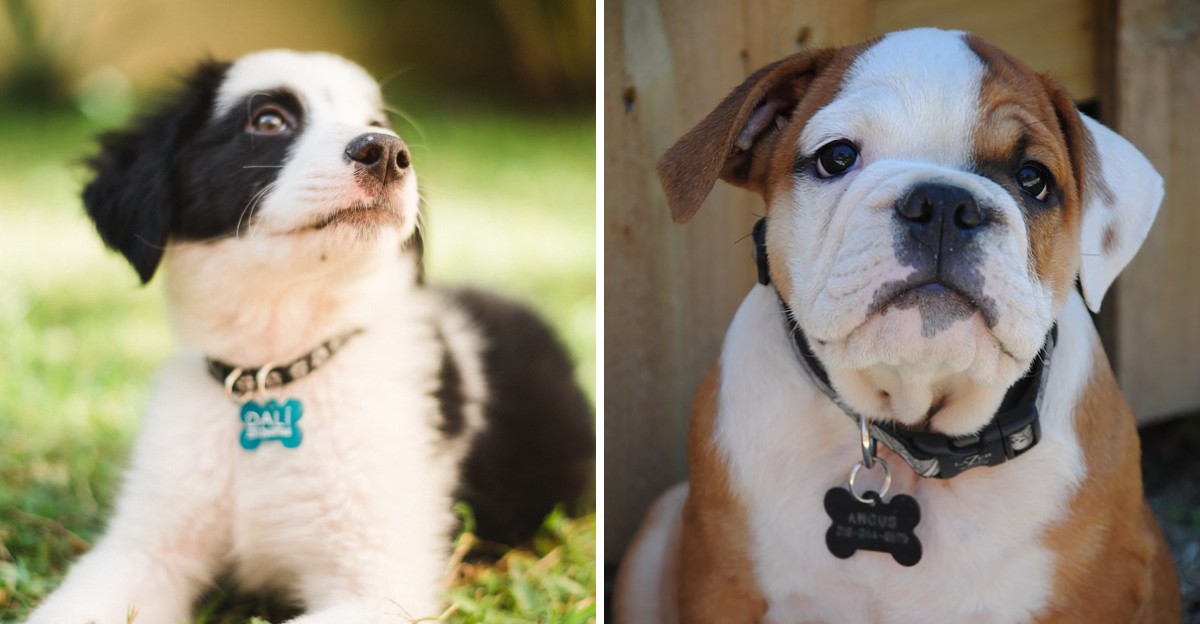
Bringing a puppy home to a New York apartment is a big, happy step. City living adds a few extra details, like building rules, small spaces, and busy sidewalks.
A little planning now makes the first weeks calmer for you and your new friend. Think of this as advice from a neighbor who has walked this path before.
1. Read Your Building’s Pet Rules First
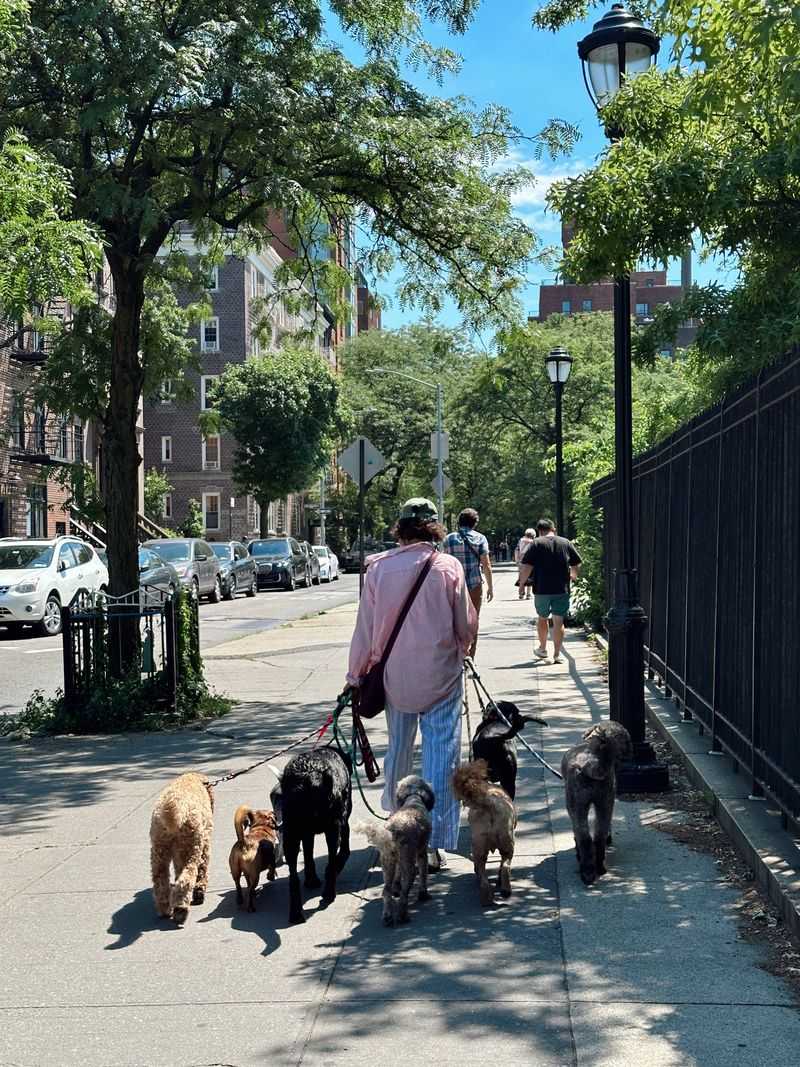
Before you fall in love with a fluffy face, grab your lease. Many New York buildings allow dogs, but rules differ from place to place.
Look for limits on breed, size, or adult weight. A tiny puppy may grow past a weight cap, so ask about the expected adult size.
Check house rules and bylaws too.
Knowing these details early saves you from stressful surprises later. When in doubt, ask your management office in writing.
2. Ask About Co-op or Condo Board Approval
Co-ops and condos often run their own approval process. You may need to fill out an application with your puppy’s breed and expected size.
Some boards even ask to meet the dog. Leave plenty of time, because meetings may only happen monthly.
Good to know: fair housing laws require reasonable accommodations for legitimate assistance animals. New York City also has a Pet Law with specific rules, so ask a housing attorney if questions arise.
3. Sort Out Registration, Fees, and Building Insurance
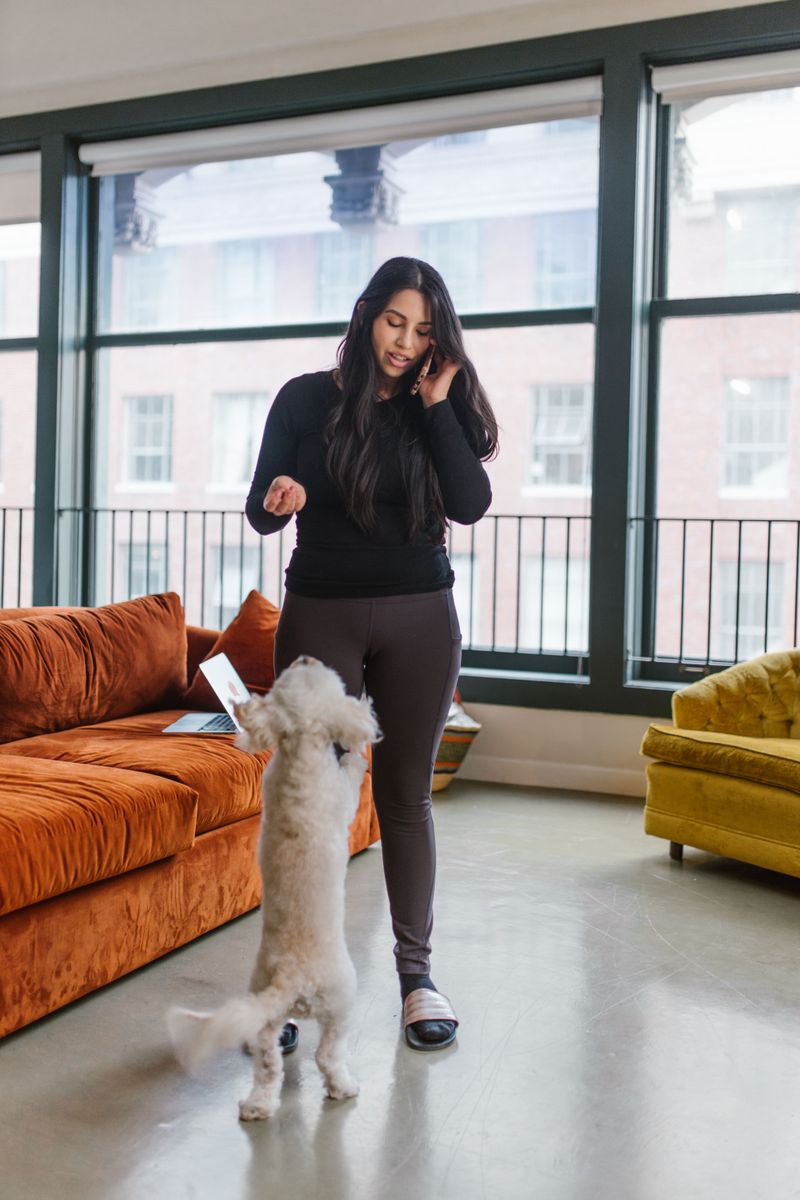
Paperwork is not the fun part, but it matters. Some buildings ask owners to register pets with management.
Others charge a pet fee, a monthly pet rent, or an extra deposit. A few co-ops require proof of liability insurance before a dog moves in.
Request a full list of requirements from your property manager. Keep copies of every form you sign.
A tidy folder makes renewals and questions much easier down the road.
4. Check Your Insurance for Pet Liability
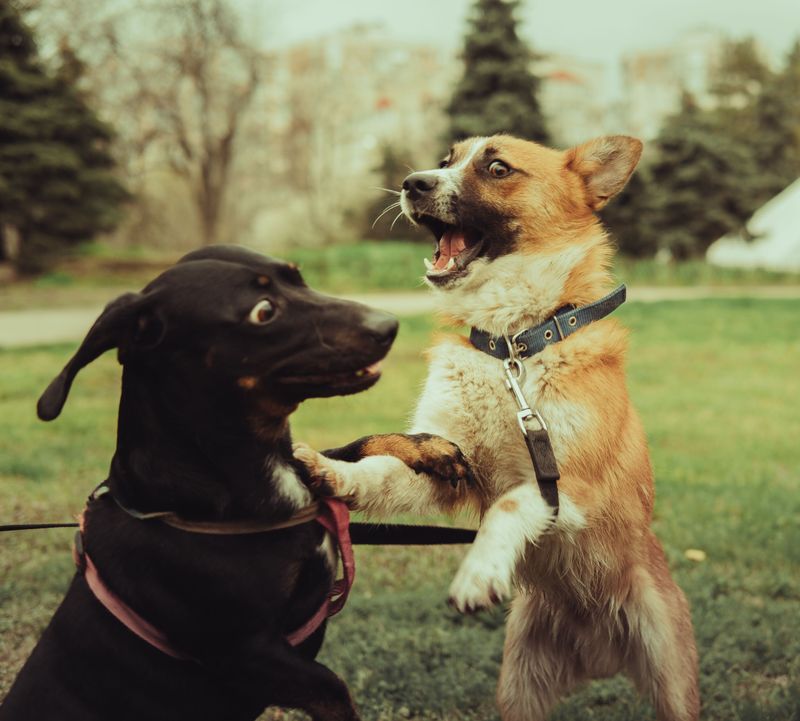
Here is a quiet task that brings real peace of mind. Many homeowners and renters policies include some pet liability coverage.
Coverage limits vary, though. Some insurers exclude certain breeds or cap what they will pay.
Read the fine print carefully.
Call your provider and ask direct questions about dogs. If your breed is excluded, ask about a separate canine liability policy.
Get any answers in writing for your records.
5. Book a Nearby Vet Before Day One
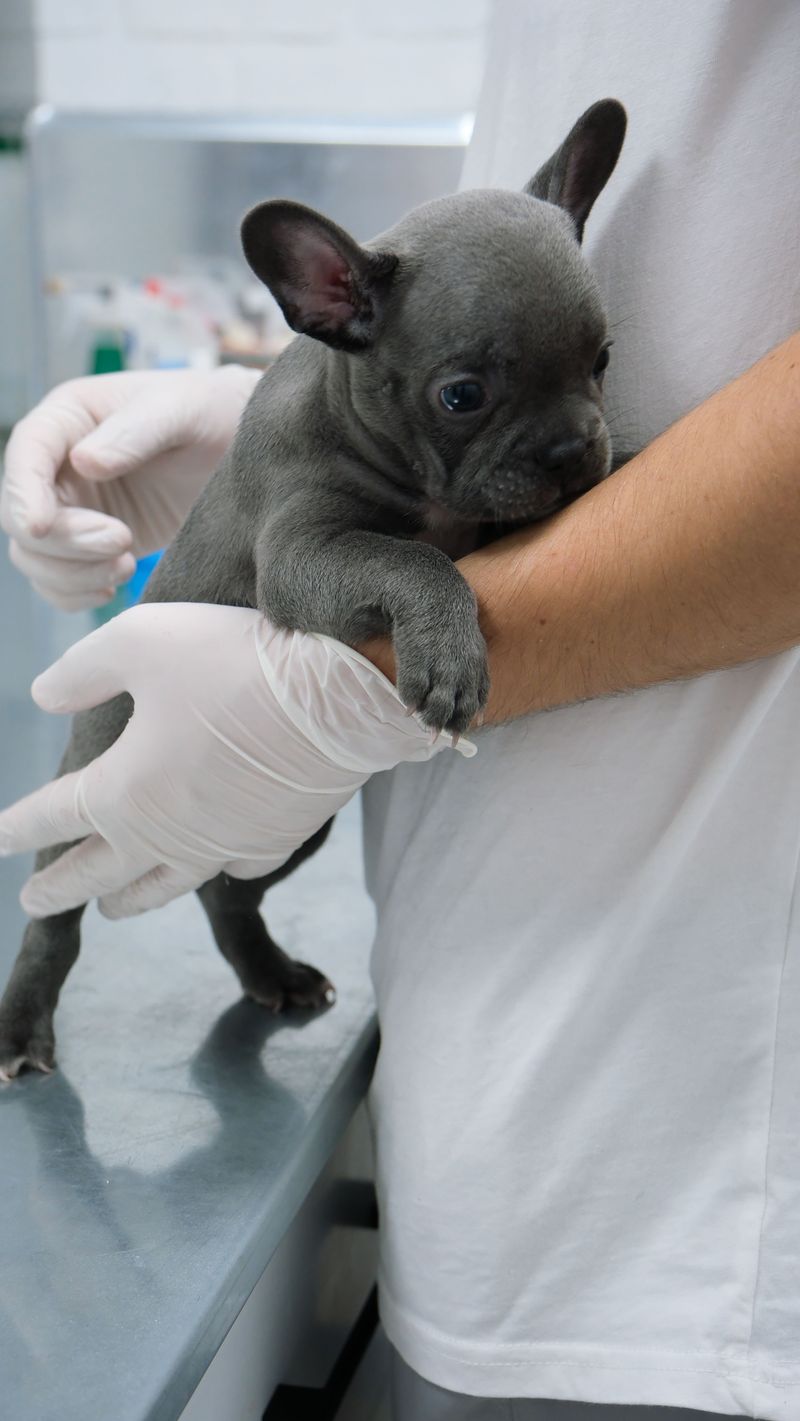
Picture this: your puppy sneezes at midnight, and you have no vet. Avoid that worry by choosing a clinic now.
Look for one within walking distance or a short cab ride. Many shelters and breeders suggest a checkup within the first few days at home.
That first visit checks growth, weight, and overall health. Bring any records you received.
Write down questions ahead of time so nothing slips your mind.
6. Plan the Vaccine Calendar
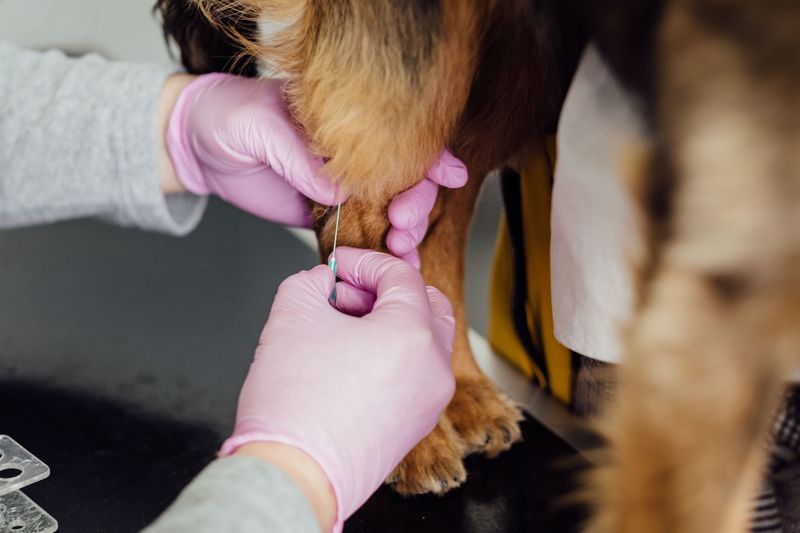
Shots come in a series, not all at once. Core puppy vaccines usually cover distemper, parvovirus, adenovirus, and parainfluenza.
Rabies vaccination is required by New York State law. Puppies typically receive it around three to four months old.
Your vet will set exact timing.
City dogs may also benefit from options like Bordetella or leptospirosis, depending on lifestyle. Until your vet says otherwise, skip busy dog runs to protect your growing pup.
7. Get Ready for a Dog License
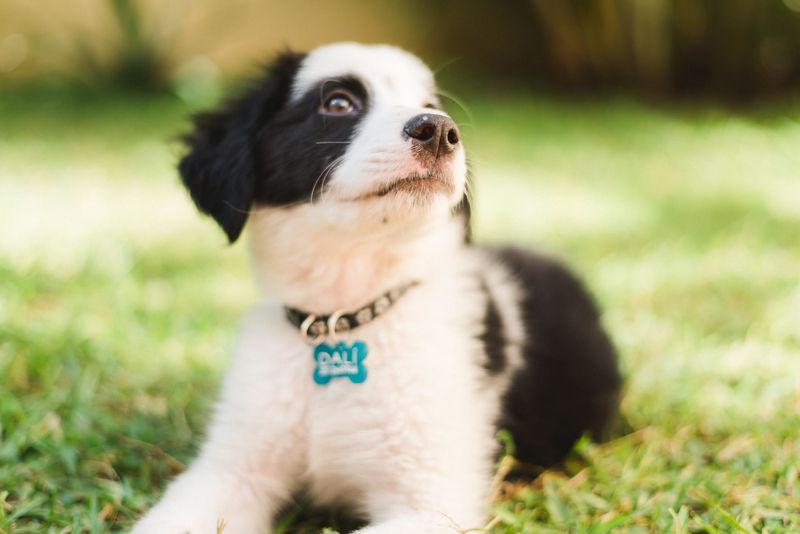
Licensing is the law across New York State for dogs four months and older. In New York City, the Health Department handles applications online or by mail.
You will need proof of rabies vaccination. Fees are lower for spayed or neutered dogs.
City rules say the license tag should be on your dog’s collar in public. Outside the city, your town or county clerk manages licensing, so check local details.
8. Add ID Tags and a Microchip
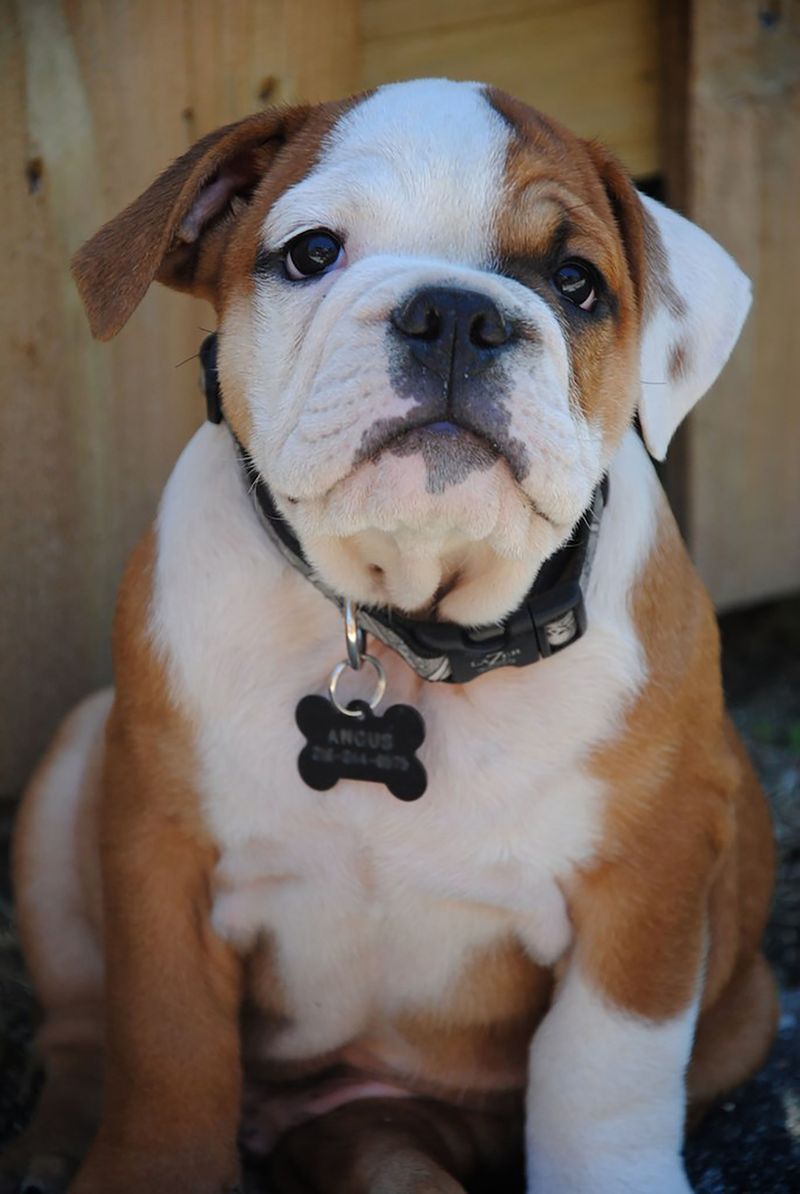
Dogs slip leashes in a flash, especially near noisy streets. An engraved tag with your phone number helps a kind stranger reach you fast.
A microchip adds a permanent backup. It is tiny, about the size of a rice grain, and placed under the skin by a vet.
Remember to register the chip with your current contact details. Update it whenever you move or change numbers.
An unregistered chip cannot help much.
9. Stock the Right Puppy Food
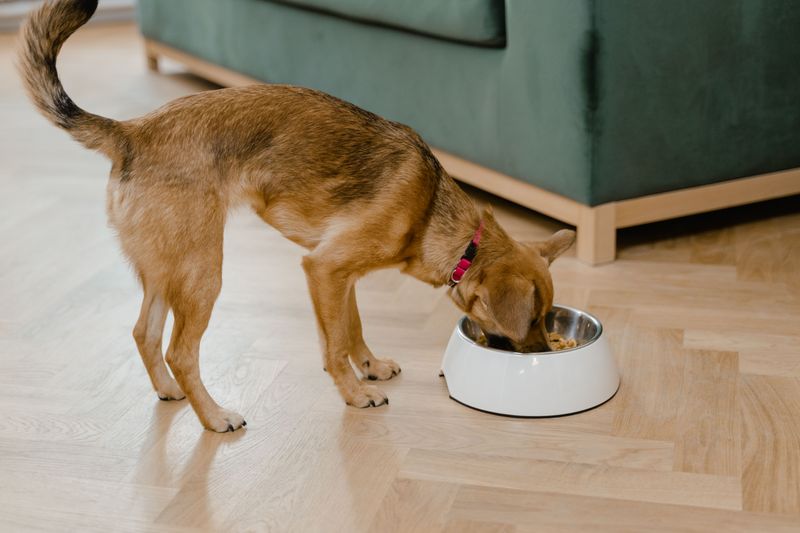
Growing bodies need special fuel. Choose a food labeled for puppy growth, ideally matched to your dog’s expected adult size.
Ask what your puppy ate before coming home. Switching slowly over about a week helps avoid tummy upset.
Grab sturdy bowls, a measuring cup, and small training treats. Treats should stay a small part of daily calories.
Your vet can suggest portions as your puppy grows.
10. Create a Cozy Sleep Spot
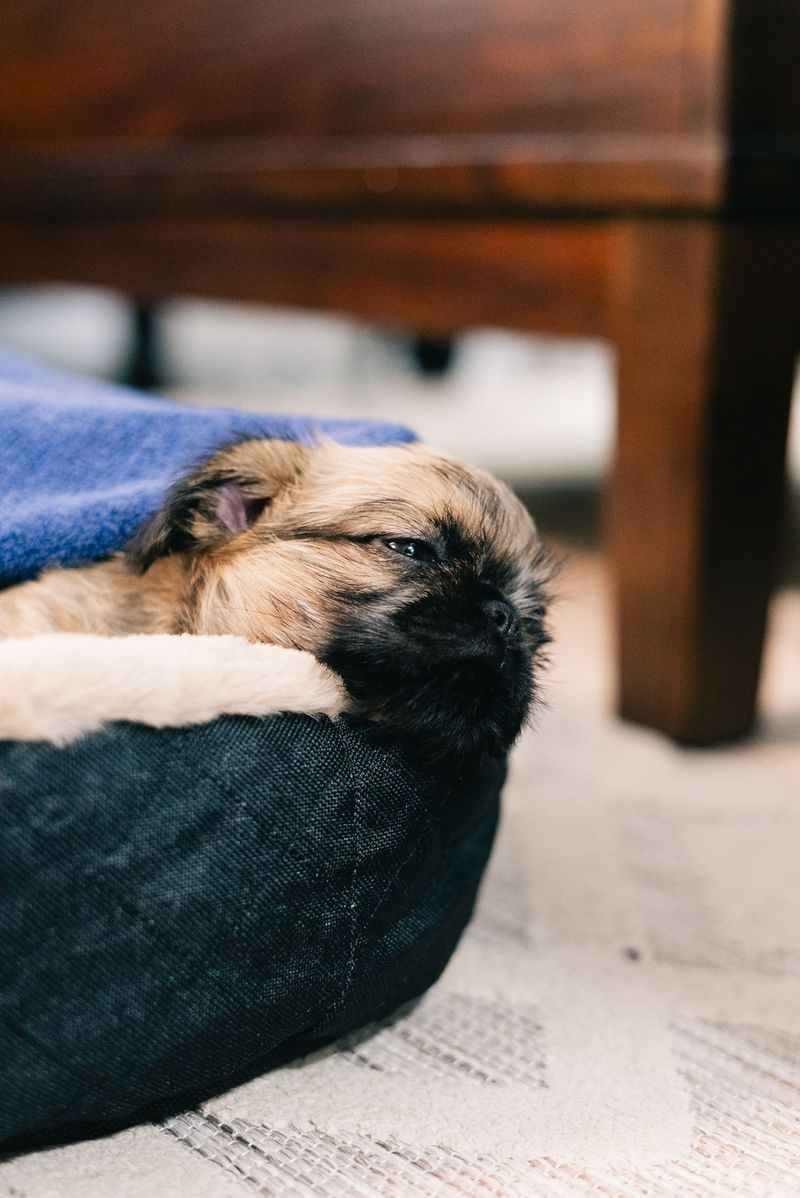
Puppies sleep a lot, often many hours each day. A calm resting place helps them settle in a new, noisy city.
A crate should let your puppy stand, turn, and lie down comfortably. Many crates include a divider so you can expand space as they grow.
Add a washable blanket and place it away from drafty windows. Introduce it with treats and praise, never as punishment.
11. Puppy-Proof Every Room
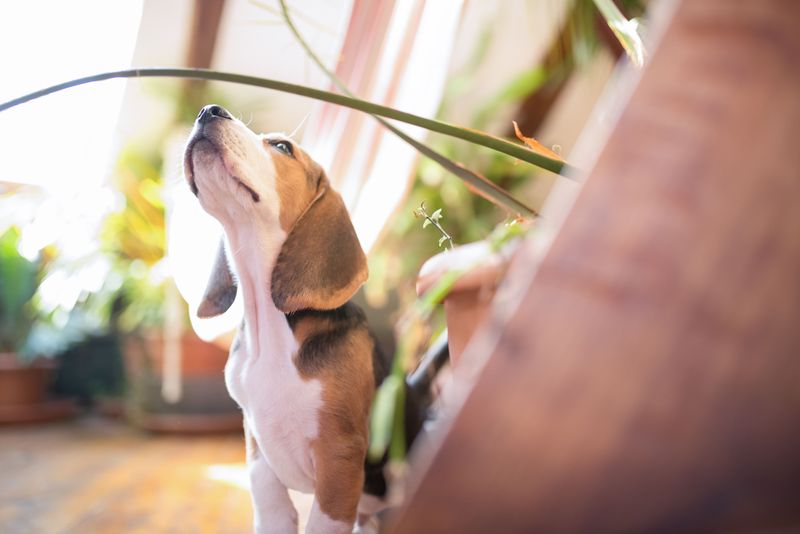
Get down on the floor and look around. That is your puppy’s view, full of tempting cords and dropped pills.
Cover or hide electrical cables. Store medications and cleaning products in high or latched cabinets.
Some houseplants, like lilies, pothos, and sago palms, can harm dogs. The ASPCA keeps a helpful plant list online.
Move risky plants out of reach or rehome them to a friend.
12. Set Up Gates and Barriers
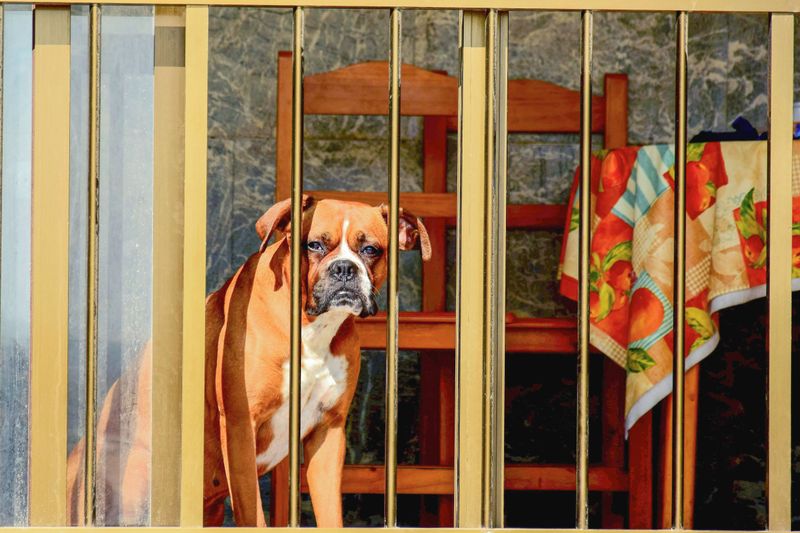
Small apartments still have tricky zones. Kitchens, bathrooms, and closets with shoes are all puppy magnets.
Pressure-mounted baby gates work well for renters, since they usually need no drilling. A playpen can also create a safe area while you cook or work.
Gates make supervision easier and help teach boundaries gently. Choose a height your puppy cannot hop over as they grow.
Check fit regularly.
13. Secure Windows and Balconies
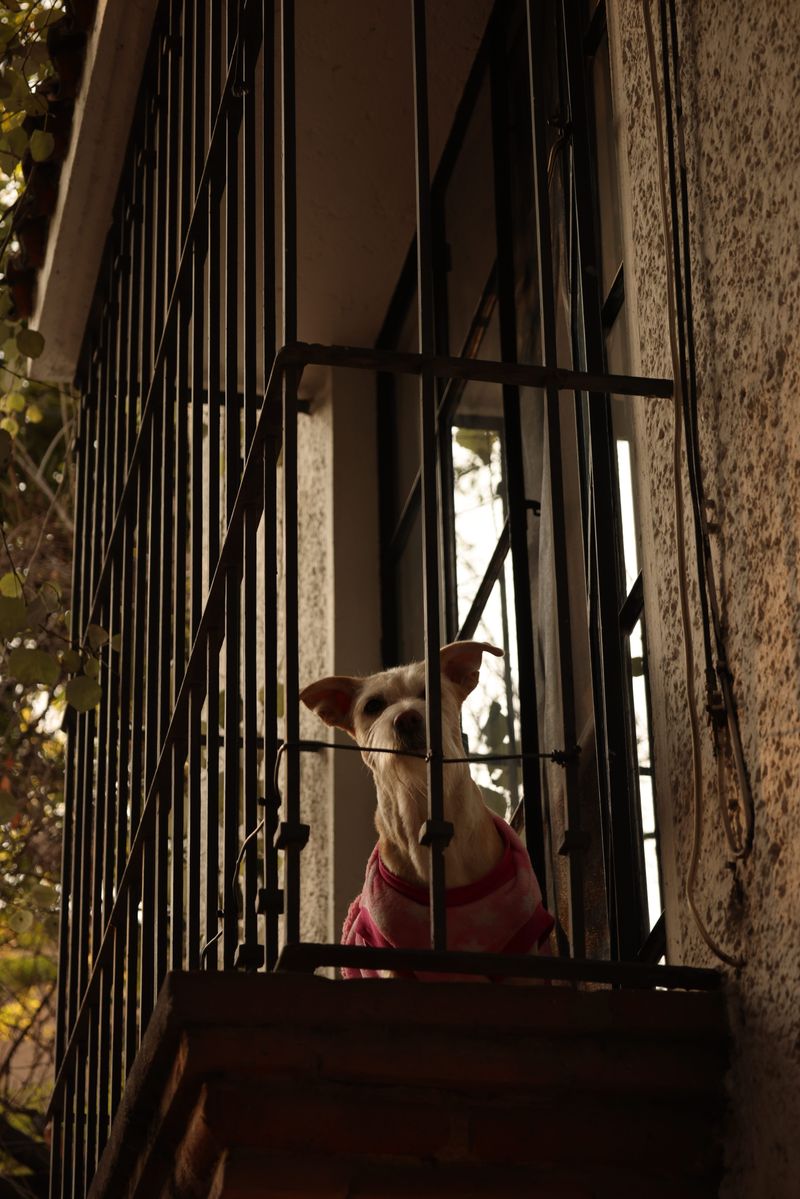
High-rise views are lovely, but curious paws do not understand height. Falls from windows and balconies happen more than many owners expect.
Make sure screens are sturdy and fully latched. Keep furniture away from open windows so puppies cannot climb up.
On balconies, check railing gaps. Small puppies can squeeze through surprising spaces.
Clear mesh panels help, and supervision is always the best rule outdoors.
14. Plan Your Potty Routine
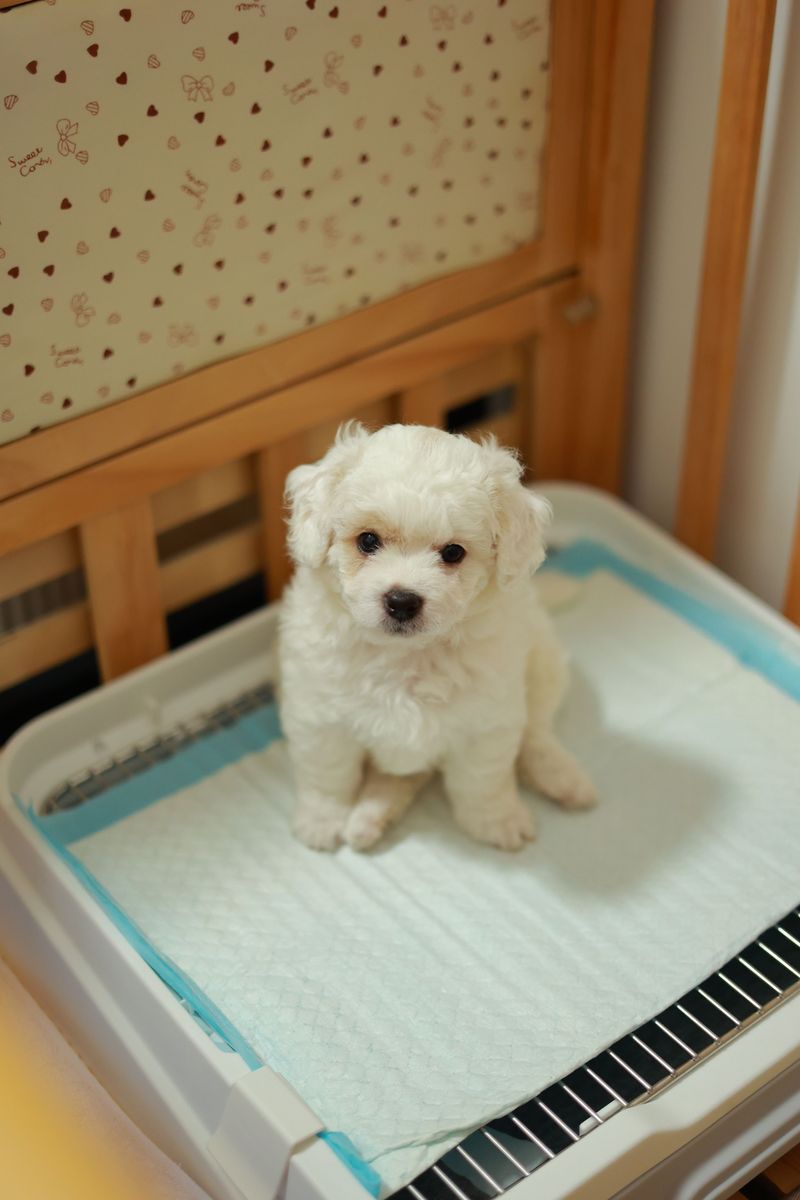
Elevators and long hallways make city potty training a little trickier. Planning ahead helps a lot.
Pick one spot, indoors with pads or a grass patch, or a nearby curb area outside. Take your puppy out after waking, eating, and playing.
Praise right away when they go in the right place. Young puppies need frequent breaks, so keep shoes and keys by the door for quick trips.
15. Pick Gear That Fits and Handles Weather
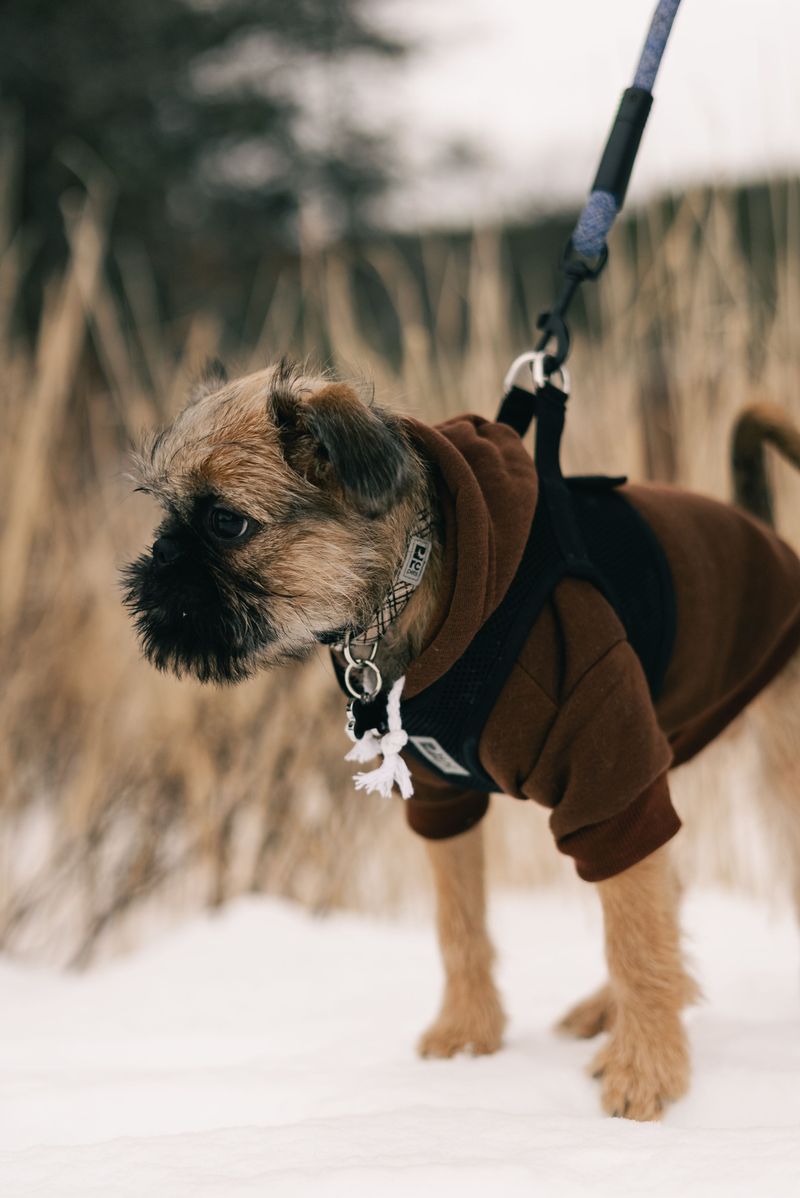
New York weather swings from icy sidewalks to steamy summer pavement. Your walking gear should handle both.
A properly fitted collar or harness should allow two fingers underneath. Many owners like harnesses for puppies who pull.
A standard six-foot leash offers good control on crowded streets.
Consider a coat for cold days and paw protection against salt. In summer, test pavement with your hand before walking.
16. Load Up on Bags and Cleaners
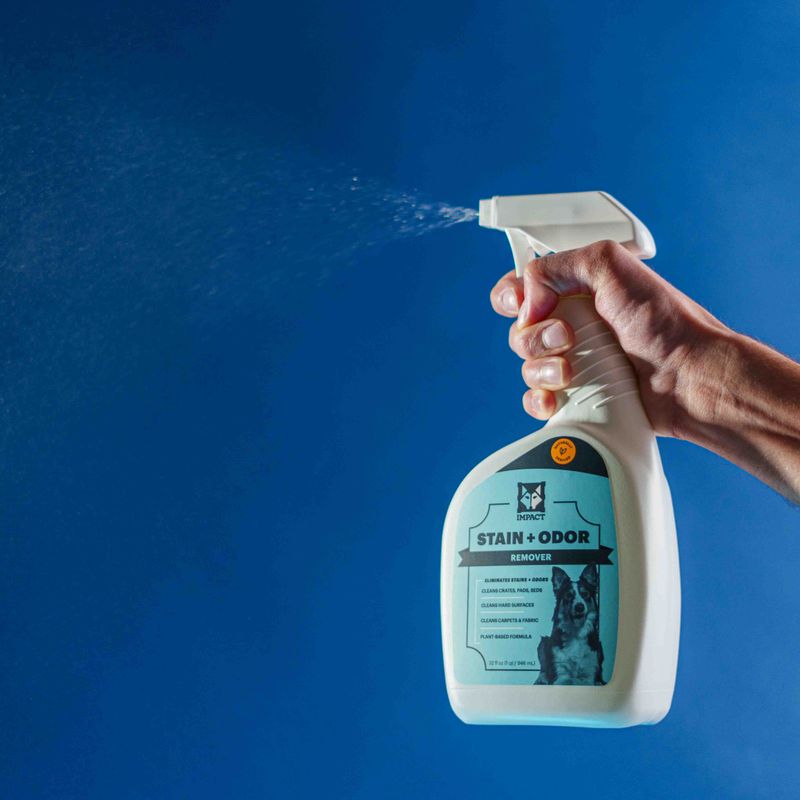
Accidents are part of the puppy package, so stock up now. New York City requires owners to pick up after their dogs.
Keep a roll of waste bags clipped to every leash. A spare roll in your coat pocket helps too.
Indoors, enzymatic cleaners break down odors instead of covering them. That matters, because lingering smells can invite repeat accidents.
Choose products labeled safe for pets.
17. Prepare for Barking and Alone Time
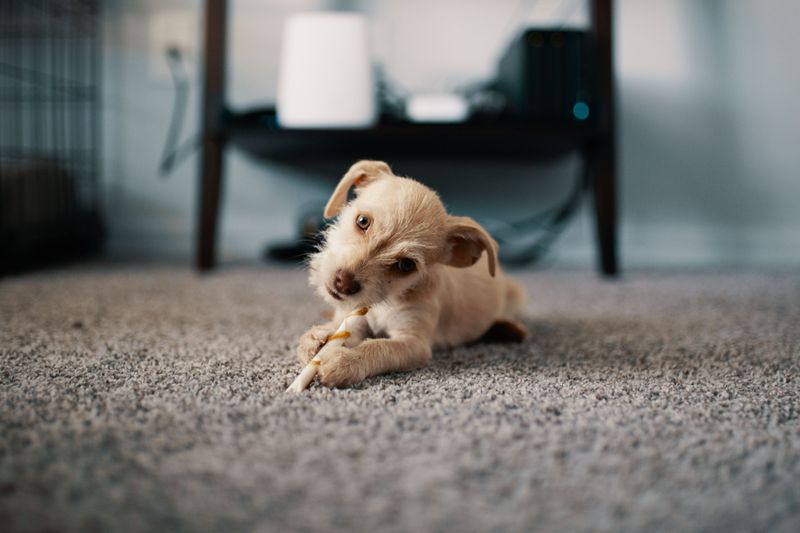
Thin walls mean neighbors may hear every whimper. A little practice keeps everyone happier.
Start with short absences, just a few minutes, then slowly build up. Puzzle feeders and safe chew toys give busy minds a job.
A calm goodbye and quiet return help puppies learn leaving is normal. If worry continues, a certified trainer or your vet can offer guidance tailored to your dog.
18. Scout Parks and Socialization Spots
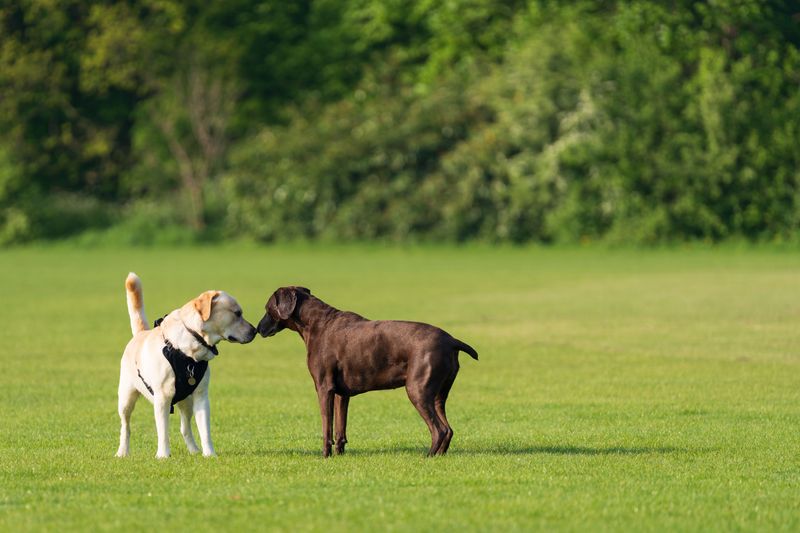
Fun fact: Central Park allows off-leash dogs in certain areas during early morning and late evening hours. Rules vary by park, so check NYC Parks guidance.
For young puppies, start small. Many vets advise waiting on busy dog runs until vaccines are complete.
Meanwhile, puppy classes and calm sidewalk outings build confidence. Gentle exposure to buses, sirens, and strangers helps during the early learning window.
19. Line Up Walkers, Sitters, or Daycare
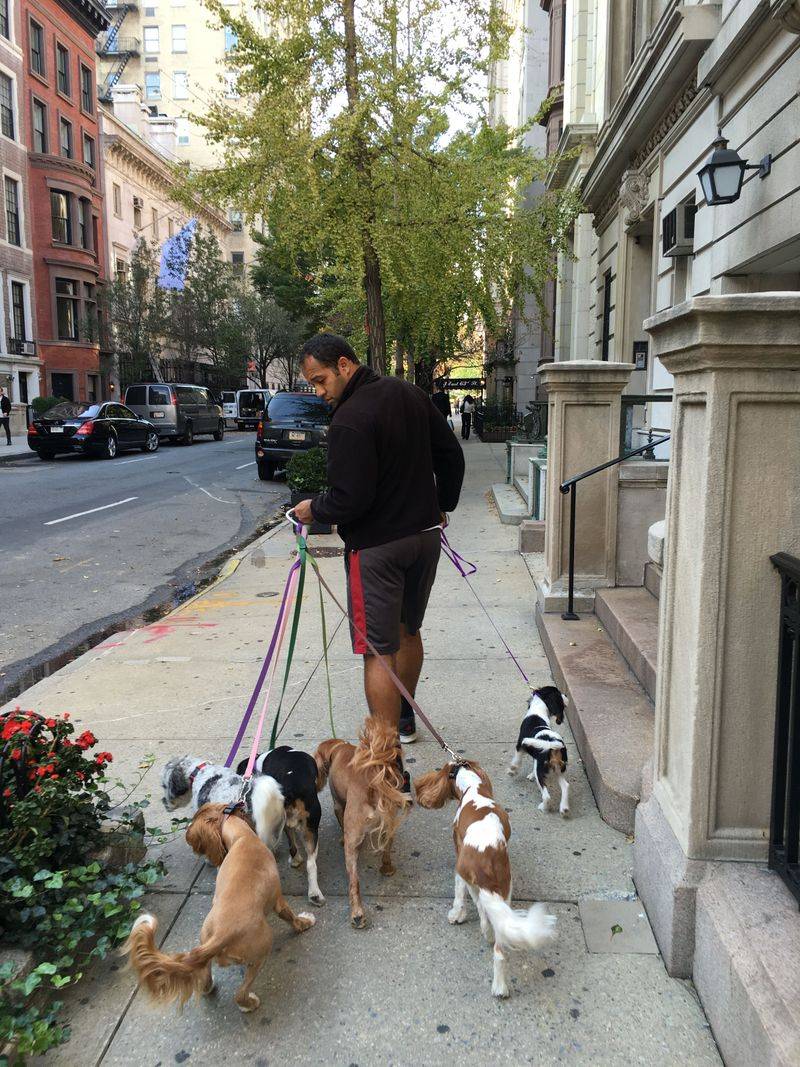
Long commutes and late meetings are part of city life. Your puppy still needs breaks during the day.
Look for walkers or sitters who are insured and have puppy experience. Ask for references and schedule a trial walk first.
Daycare can work once vaccines are complete, but confirm the center’s health rules. Book holiday care early, since popular services fill up fast in busy seasons.
20. Build a Simple Emergency Plan
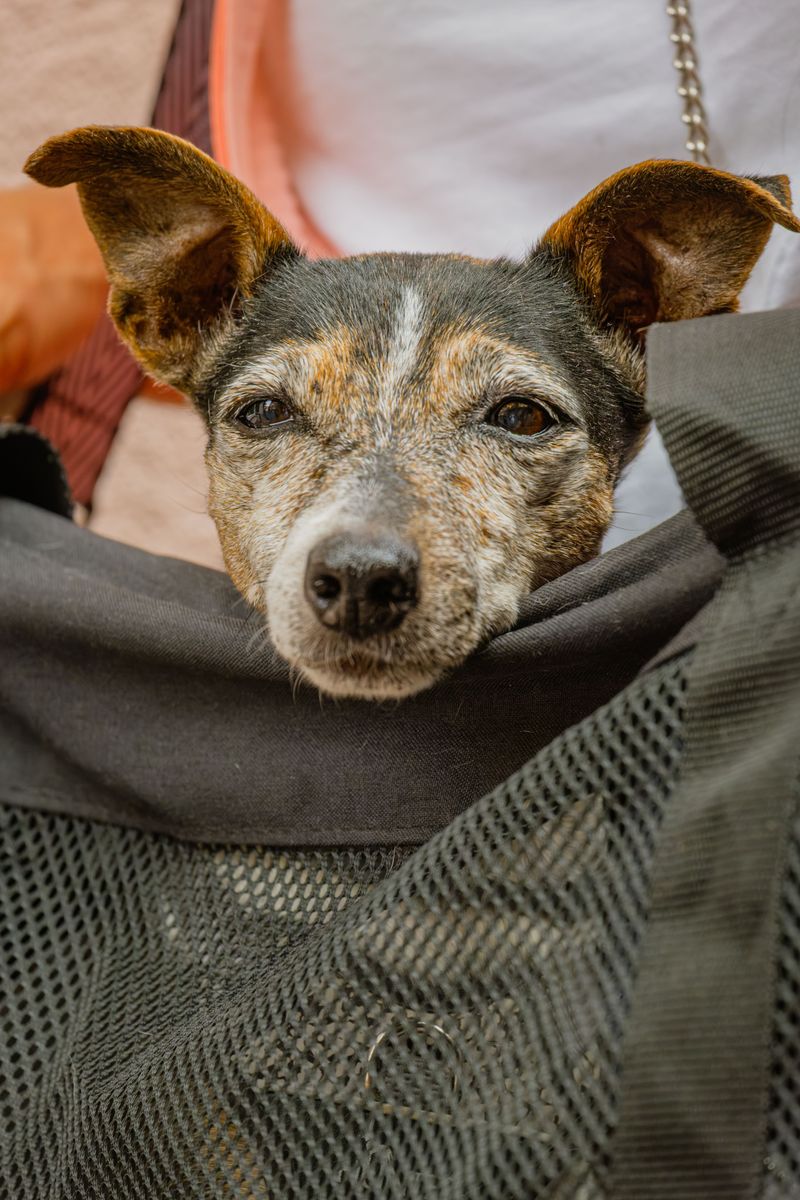
Nobody plans for a surprise vet trip, yet a basic plan brings real calm. Start with a list of contacts.
Include your regular vet and the nearest 24-hour animal hospital. Keep both numbers on your phone and fridge.
Know how you will travel, since some cabs and rideshares have pet rules. Set aside savings or explore pet insurance for unexpected costs.
Pack a carrier and basic supplies.
With these steps done, you are ready to welcome your puppy home with confidence.