How To Build A Wildfire Evacuation Plan Around Your Dog In California

Wildfire season in California asks dog owners to think ahead, not panic. A good evacuation plan helps you move faster, keep your dog safer, and avoid last-minute confusion.
Small steps, like choosing routes and packing supplies, make a big difference when alerts appear. Here is what every local dog owner should set up before smoke or road closures start changing the day.
Know Your Wildfire Risk Before You Need to Leave
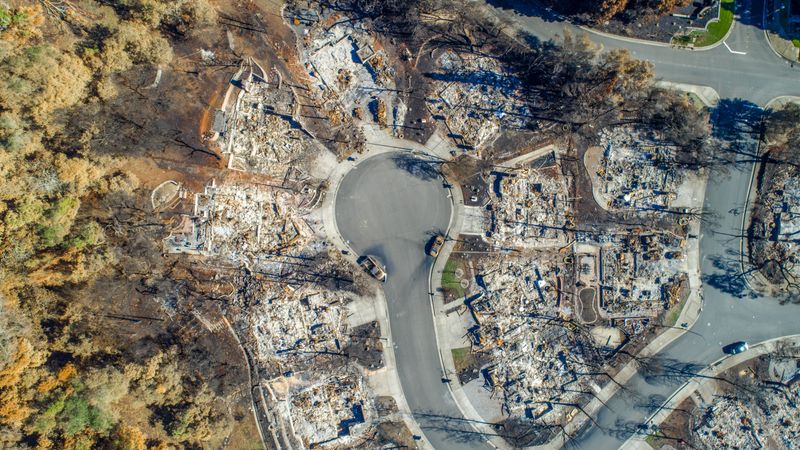
Fire maps can feel distant until smoke shows up nearby. Start by checking Cal Fire hazard maps, county alerts, and local evacuation zones for your address.
Save those links on your phone and print them too. If your neighborhood has only one main road, plan earlier, because traffic can trap families and pets.
Ask animal control or your county emergency office how warnings are sent. Knowing your risk helps you move calmly, not guess later.
Choose Where Your Dog Will Go
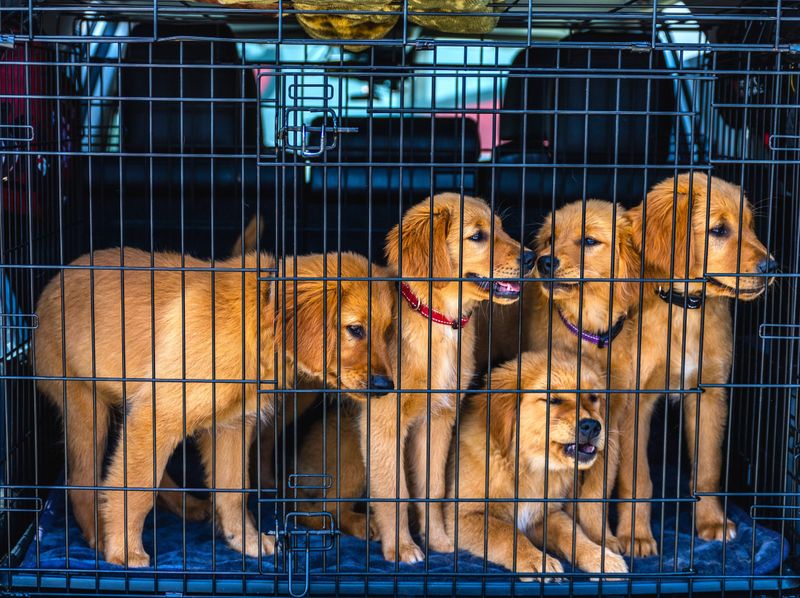
When roads close fast, your dog’s destination matters as much as yours. Pick at least two safe places, such as a friend’s home, a pet-friendly hotel, or a shelter that accepts animals.
Check each option before fire season, because rules can change by city or shelter operator. Ask about crate needs, vaccination records, and size limits.
Keep addresses, phone numbers, and contacts in one list. A destination saves time when evacuation orders arrive nearby.
Keep Your Dog’s Emergency Kit Ready
A packed dog kit turns a rushed exit into a smoother one. Store three to seven days of food, water, bowls, waste bags, medicines, and comfort items in one sturdy container.
Add booties or paw wipes for hot, dirty ground after a fire. Include a blanket and a favorite toy, because familiar smells can settle nerves.
Check expiration dates every few months. Ready supplies stop last-minute searching when minutes suddenly matter for your whole household.
Make Sure Identification Is Up to Date
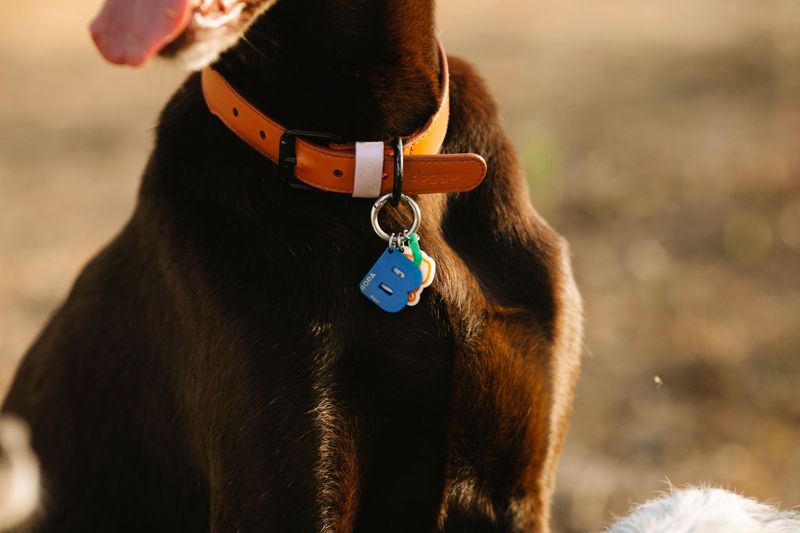
Collars and chips do quiet work before emergencies ever start. Make sure your dog wears an ID tag, and confirm microchip details, phone numbers, and email addresses are current.
Many shelters scan chips, but the database only helps if your contact information is right. Add an out-of-area contact too, because local lines may be busy.
If your dog hates collars at home, use one during fire season anyway. Good identification speeds reunions after confusing moves.
Keep a Recent Photo of Your Dog
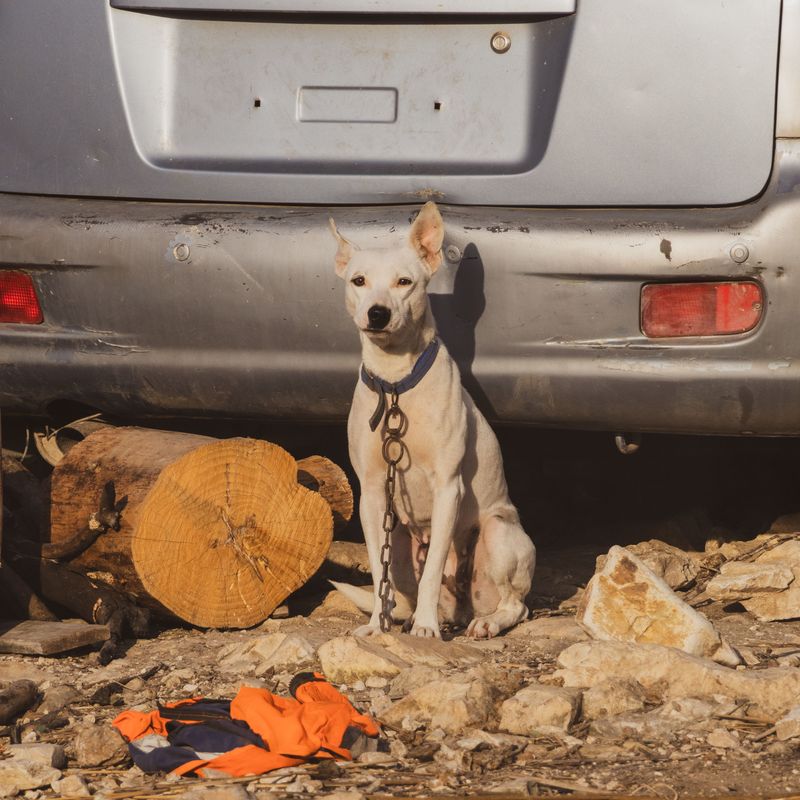
Phones fail at the worst times, so keep your dog’s face easy to prove. Save recent full-body and close-up photos on your phone, email, and a printed page inside your emergency folder.
Take pictures showing markings, scars, and coat color in good light. If your dog gets loose, shelters and neighbors can compare what they see quickly.
Update photos after grooming changes or weight shifts. A current picture can shorten a search and reduce mix-ups.
Practice Getting Your Dog Into the Car
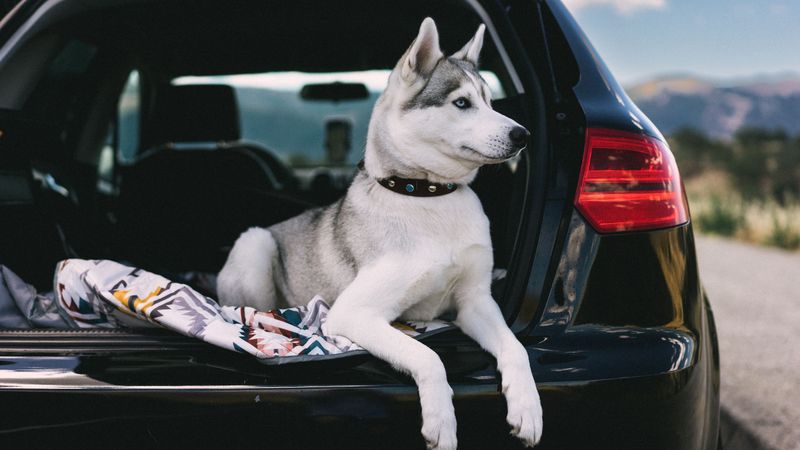
Some dogs leap into cars, while others plant their paws and refuse. Practice loading calmly during quiet weeks, using treats, praise, and short rides, so the car feels normal.
Work on entering from both sides if your parking setup changes. For large dogs, use a ramp early, not for the first time during smoke.
Keep sessions brief and cheerful. Repetition builds speed without panic.
That small routine can save minutes when officials say leave now.
Pick More Than One Evacuation Route
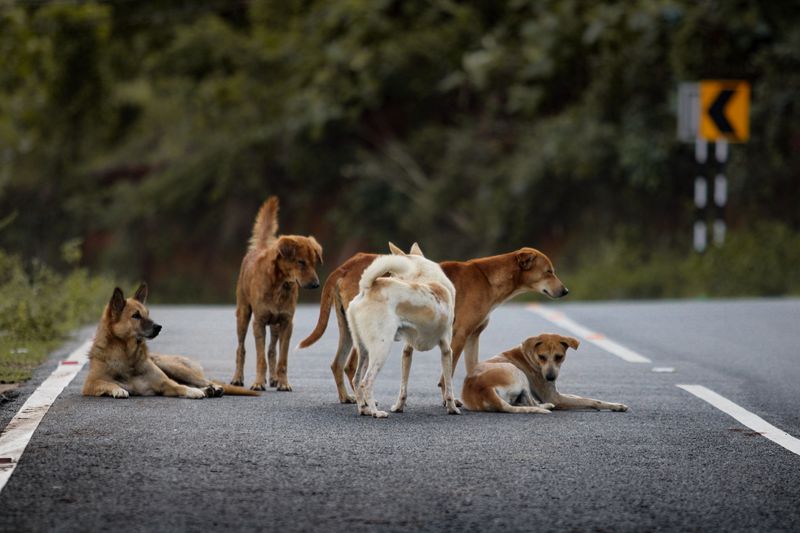
California traffic can turn a drive into a long standstill. Choose more than one evacuation route, and include options toward family, inland hotels, or official shelters outside your path.
Drive those roads once if you can, because maps look different under pressure. Watch for bridges, narrow canyon roads, and areas that often close first.
Keep a map in your glove box. If cell service drops, a backup route still gives your dog a ride out.
Decide Who Handles the Dog

In a rushed moment, people can assume someone else grabbed the dog. Decide now who clips the leash, who carries the kit, and who checks doors, medication, and car safety.
If you live alone, choose a trusted neighbor or nearby friend who has a key and knows your plan. Families with children should keep roles simple and practiced.
Write assignments down and post them near the exit. Clear jobs reduce confusion and help move together.
Plan for Dogs That Need Special Help
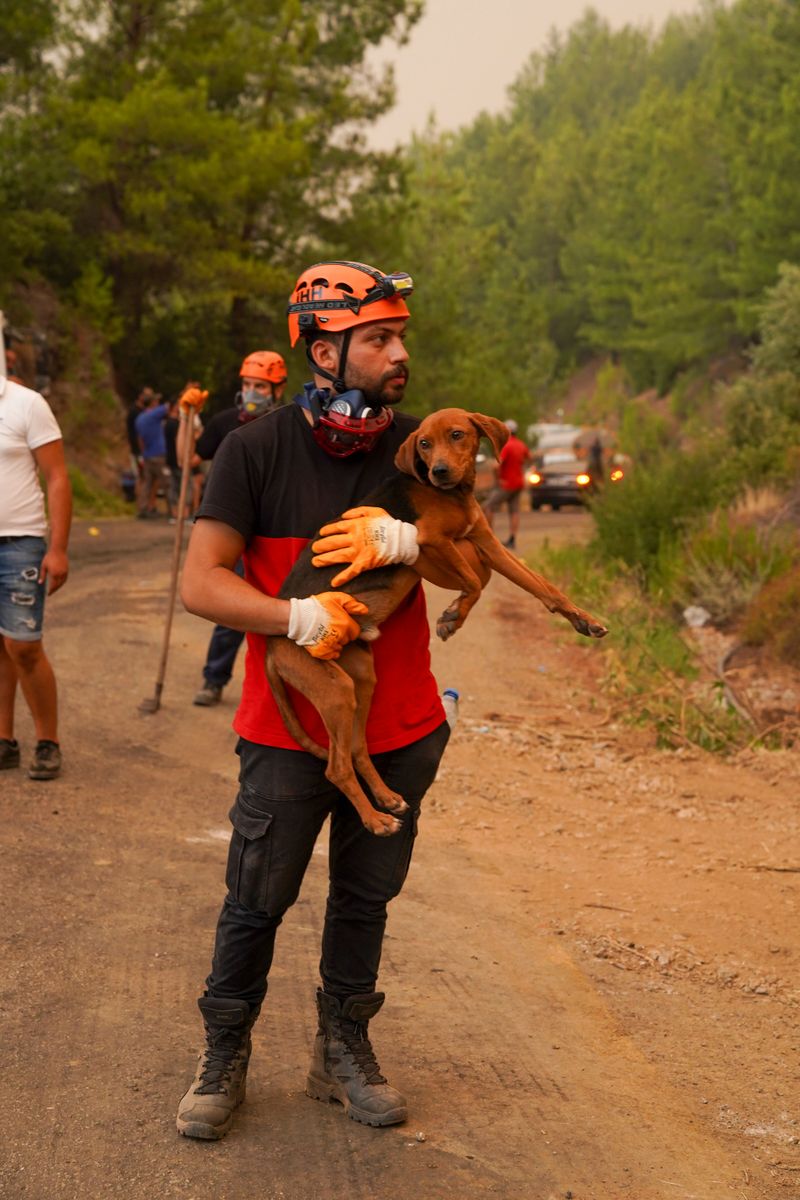
Older dogs, puppies, and pets with health issues need extra thought before fire season. Plan around mobility limits, medicine schedules, cooling needs, and feeding routines, then share those details with anyone helping.
Ask your veterinarian how to transport your dog safely if breathing, pain, or anxiety is a concern. Keep extra medications packed, plus written instructions.
For hearing or vision loss, practice touch cues and guided loading. Special needs planning makes a hard day manageable.
Keep a Leash and Carrier Easy to Grab

A leash buried in a closet is not much help during an alert. Keep a sturdy leash, harness, and carrier or crate where you can reach them in seconds.
Many emergency shelters and temporary housing arrangements work better when dogs arrive safely contained. If your dog uses a carrier, practice spending time in it at home.
For larger dogs, keep the harness fitted and labeled. Store one spare leash in the car too.
Easy-to-grab gear lowers stress when smoke, traffic, and time tighten once.
Prepare for Smoke and Poor Air Quality

Wildfire planning is not only about flames, because smoke travels far ahead. Watch air quality reports, limit outdoor exercise, and keep your dog indoors when conditions worsen.
Dogs with short noses, senior dogs, and pets with heart or lung problems may need earlier action. Ask your veterinarian what signs deserve attention and whether your dog should leave sooner.
Keep windows closed when possible. Cleaner indoor air and shorter potty breaks can make smoky days easier.
Know Which Emergency Alerts Matter
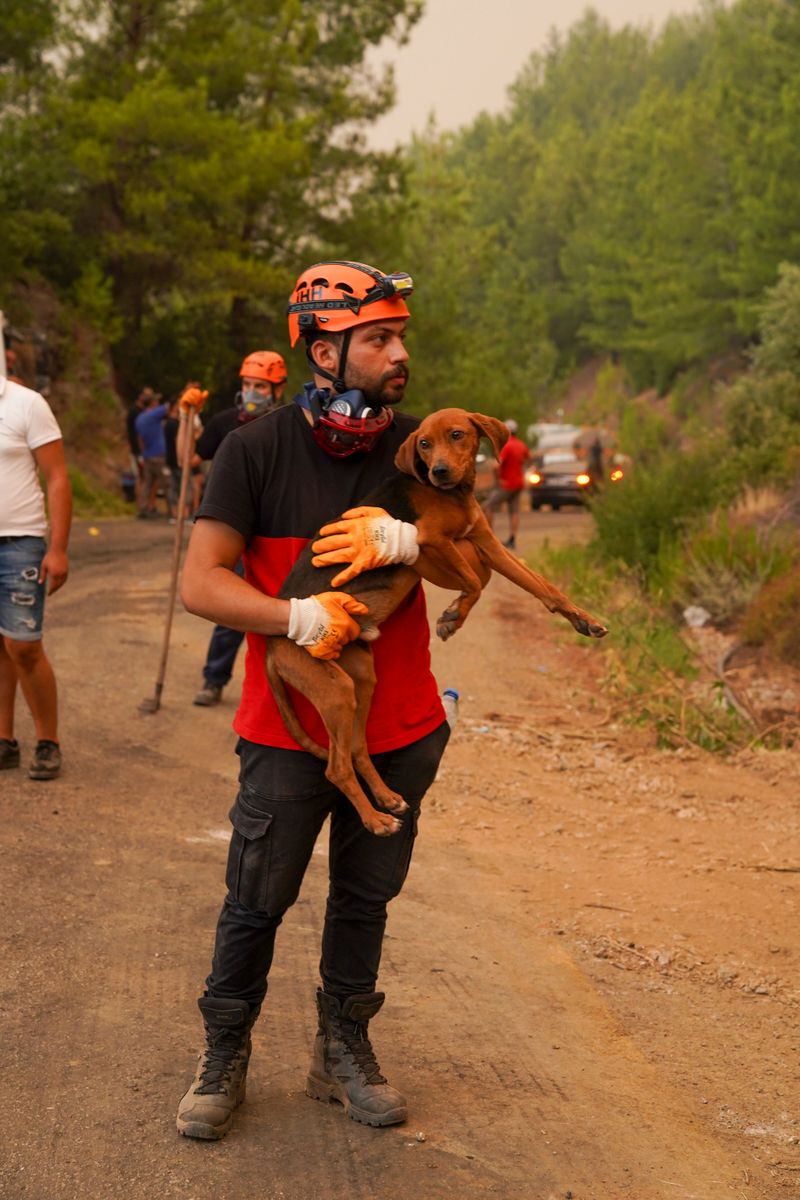
Alerts come from several places, and each one serves a job. Sign up for your county emergency notifications, enable Wireless Emergency Alerts, and follow local fire, sheriff, and city channels.
In California, evacuation language often includes warnings and orders, but wording can vary by county. Learn what your area uses before peak season.
Keep your phone charged and volume on overnight during high-risk weather. Alerts help you leave early, before roads and choices get tighter.
Do Not Wait Until the Last Minute
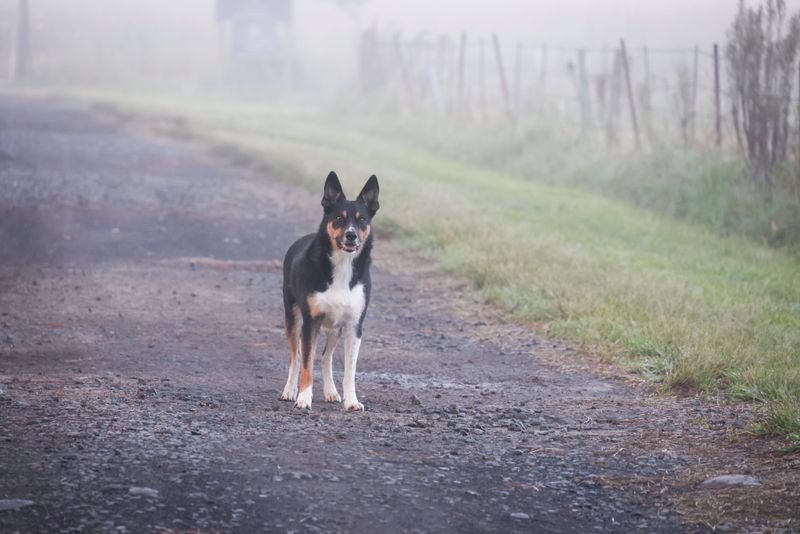
Evacuating early often feels inconvenient, yet waiting can close off good options. If officials issue an evacuation warning in your area, many pet owners choose to leave before an order.
That choice can mean lighter traffic, more hotel openings, and calmer loading for your dog. Conditions change quickly with wind, terrain, and road closures.
Follow local guidance closely, and do not count on extra time. Leaving sooner makes the trip easier on pets and people.
Keep Veterinary Records Accessible
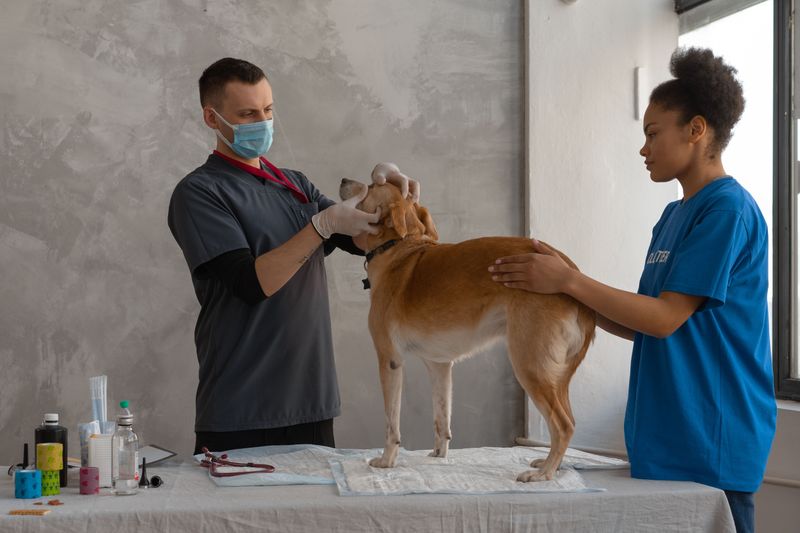
Paperwork is easier to find before your house fills with urgency. Keep veterinary records, vaccine history, prescriptions, and your clinic’s phone number in a waterproof folder and a digital backup.
Some boarding sites, shelters, or hotels may ask for proof of rabies vaccination or current medications. Rules vary, so check likely destinations ahead of time.
Email records to yourself and one contact. Fast access to medical information helps your dog receive care without extra delays.
Make a Backup Plan for When You Are Away

No one likes picturing an emergency while stuck at work, but it matters. Build a backup plan for times you are away, and make sure a person can reach your dog quickly.
Give that helper a key, alarm instructions, feeding notes, and vet contacts. Walk through your route choices and spots together.
If you use dog walkers or sitters, ask whether they have a plan for evacuating your dog during a wildfire. Planning keeps your dog from being left without help.
Prepare for Temporary Housing
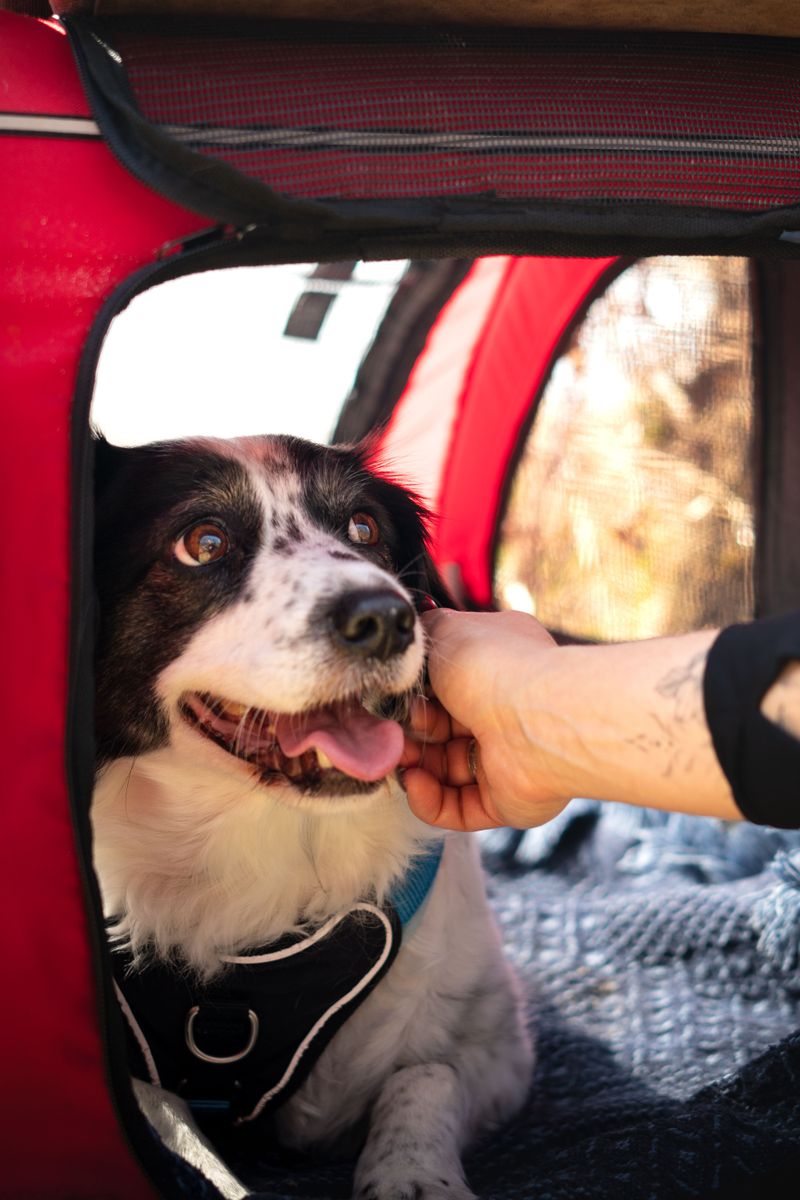
After leaving home, you may need a place that works for both of you. Research pet-friendly hotels, boarding kennels, fairgrounds, and animal shelters in nearby regions you might use.
Call ahead during planning, not during an emergency, to ask about fees, crate requirements, vaccination records, and exercise areas. Some shelters house people and pets nearby, rather than in the same area.
Knowing the setup helps you pack better. Temporary housing feels less stressful when you understand the rules and routines.
Keep Your Dog Calm During the Evacuation
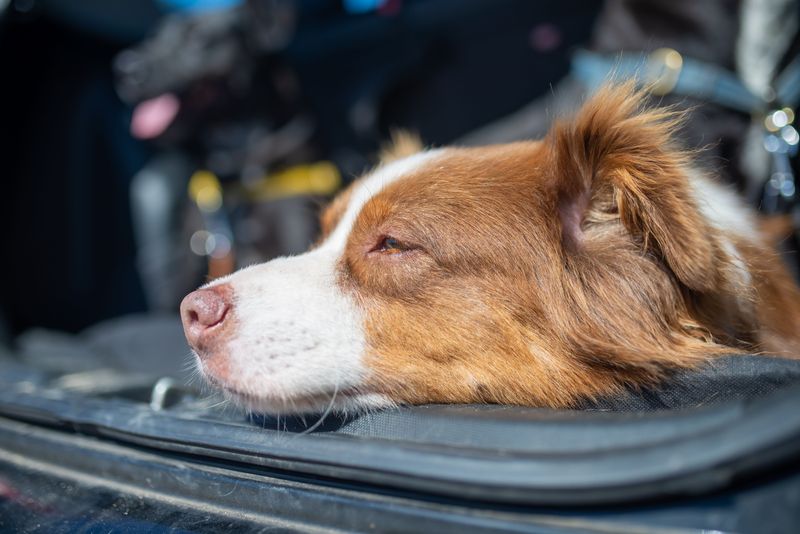
A calm dog is easier to guide, load, and shelter during a fast move. Pack familiar items, speak in a steady voice, and keep your own motions simple, because dogs read our tension.
Use the leash even for very reliable pets, since smoke and noise can confuse them. Offer water at stops and keep bathroom breaks short and secure.
If your dog struggles with travel anxiety, ask your veterinarian about safe options before fire season.
Rehearse Your Plan With Your Dog
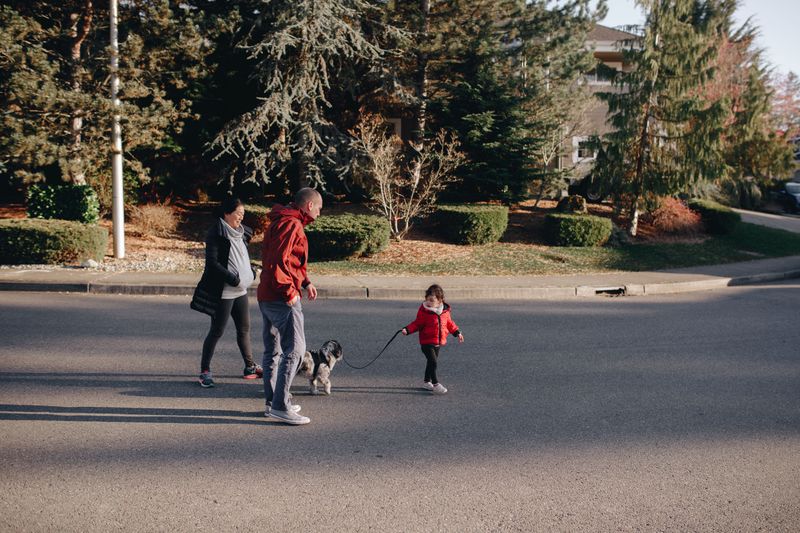
Practice changes a plan from paper into something your dog understands. Rehearse the full routine, grab the kit, leash up, load the car, and drive a short practice route.
Try it at different times of day, because nighttime, heat, or school pickup can change everything. Reward calm behavior, and note what slows you down.
Then adjust your supplies, roles, or routes. Rehearsal builds confidence for you, your dog, and helpers when a real warning comes.