What Arizona Dog Owners Should Discuss With A Vet Before Hiking Season
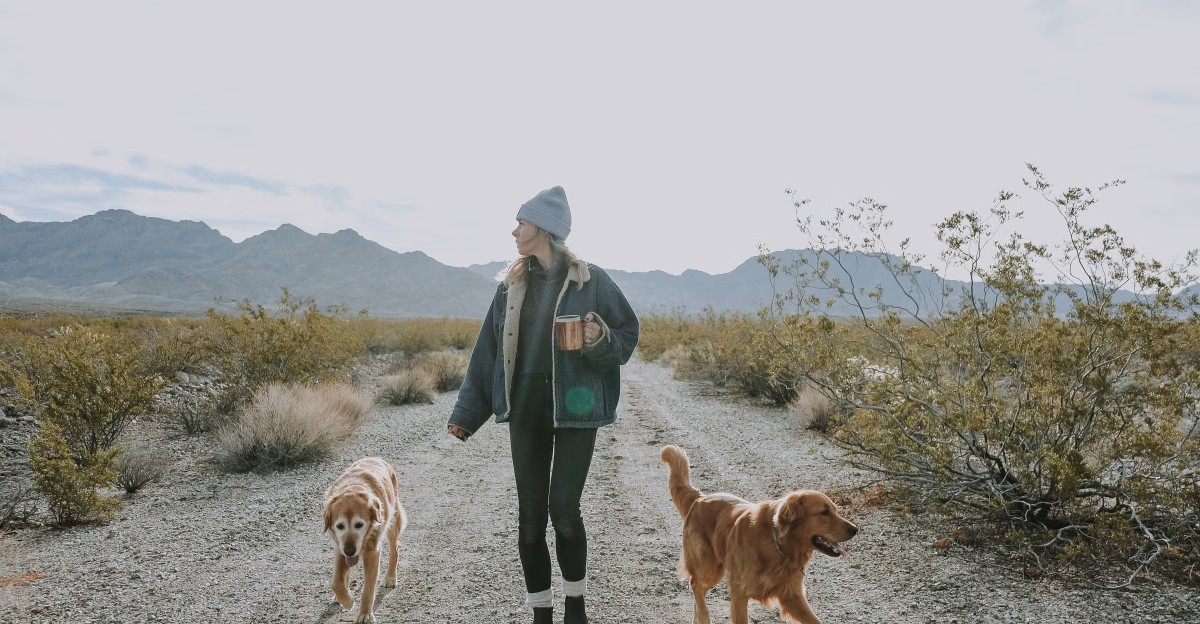
Arizona trails are some of the most beautiful places to explore with a dog. The desert also brings heat, snakes, spiny plants, and a few hidden health risks.
A quick talk with your vet before hiking season can make every outing safer and more fun. Here is what local owners should bring up at that visit, shared the way a friend who loves the trails would.
1. Start With a Full Wellness Exam

Think of a pre-season checkup as a trail map for your dog’s body. Your vet listens to the heart and lungs, checks joints, and looks at weight and muscle tone.
Those details show how much your dog can safely handle. A young athlete may be ready for rugged miles.
A dog with stiff hips might do better on short, flat loops.
Ask your vet to help match each planned hike to your dog’s real fitness level.
2. Bring Vaccines Up to Date
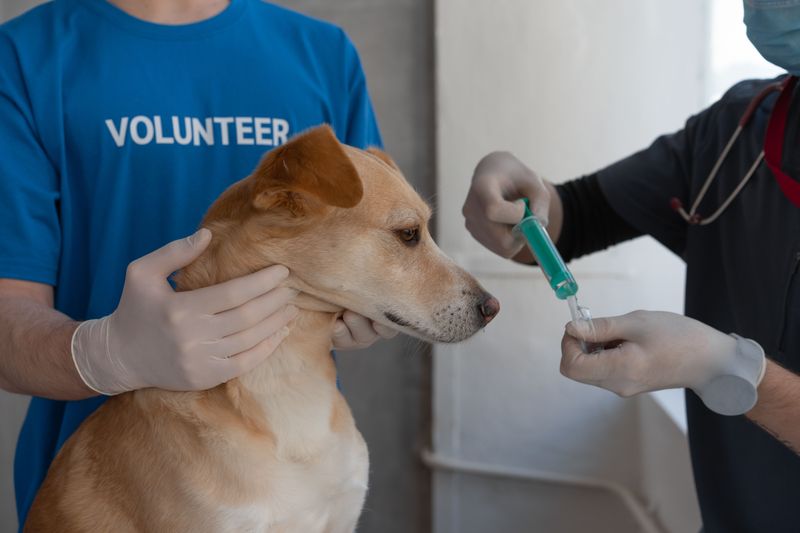
Shots may feel routine, yet they matter more once your dog starts exploring the backcountry. Rabies vaccination is required by law in Arizona, and local licensing rules vary by county.
Leptospirosis deserves a conversation too. The bacteria can spread through water or soil tainted by wildlife urine.
Your vet can review your dog’s records and suggest which vaccines fit your hiking plans. Keep a copy of the record in your trail bag.
3. Keep Heartworm Prevention Going Year Round
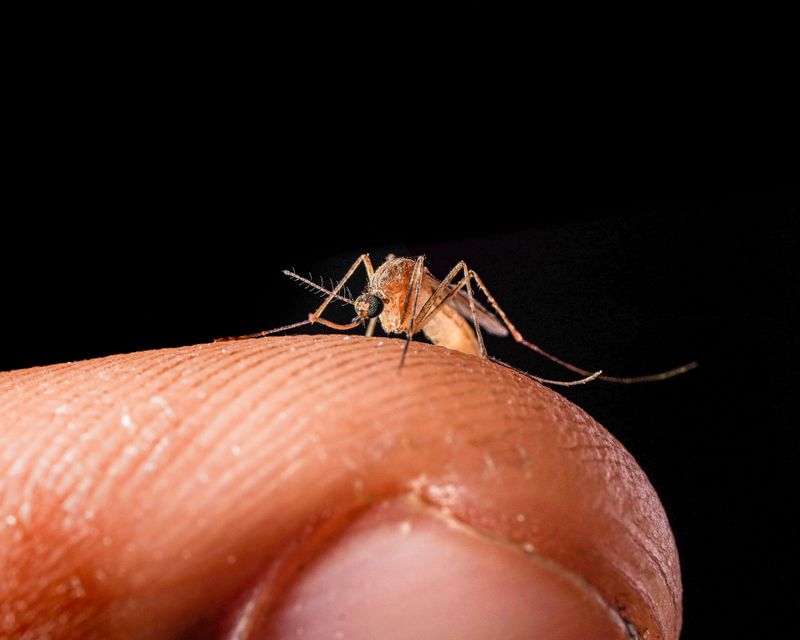
Many people picture mosquitoes in swampy places, not the desert. Arizona has them, though, especially near creeks, lakes, and after monsoon rains.
Heartworm disease spreads through mosquito bites. Prevention is far easier than treatment, which is long and hard on a dog.
Ask your vet whether year-round prevention makes sense for your area. They may also suggest a yearly heartworm test to confirm your dog stays protected.
4. Plan Ahead for Fleas and Ticks
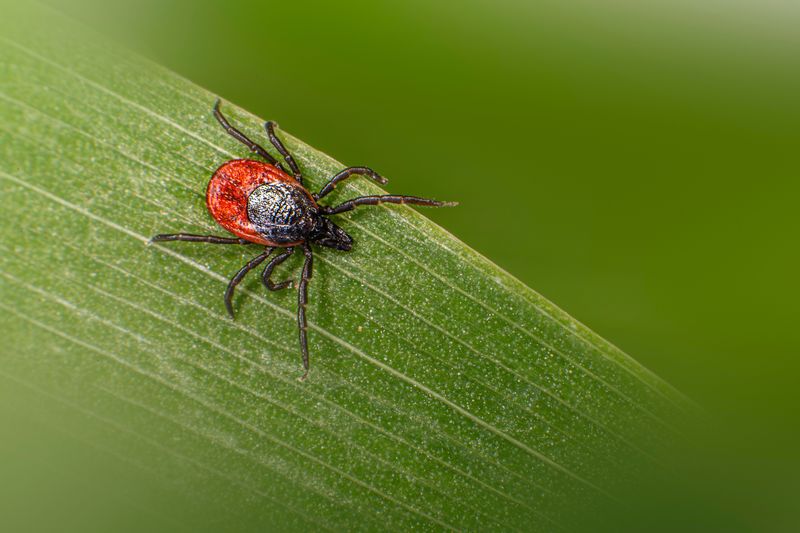
Brushy trails are perfect hiding spots for ticks waiting for a ride. In Arizona, the brown dog tick can carry diseases like ehrlichiosis and Rocky Mountain spotted fever.
Fleas also hitch along and can cause itching and skin trouble.
Your vet can recommend a broad-spectrum preventive that suits your dog’s age, size, and health. Ask how often to apply it and which tick-borne illnesses are common near you.
5. Know Your Rattlesnake Emergency Plan
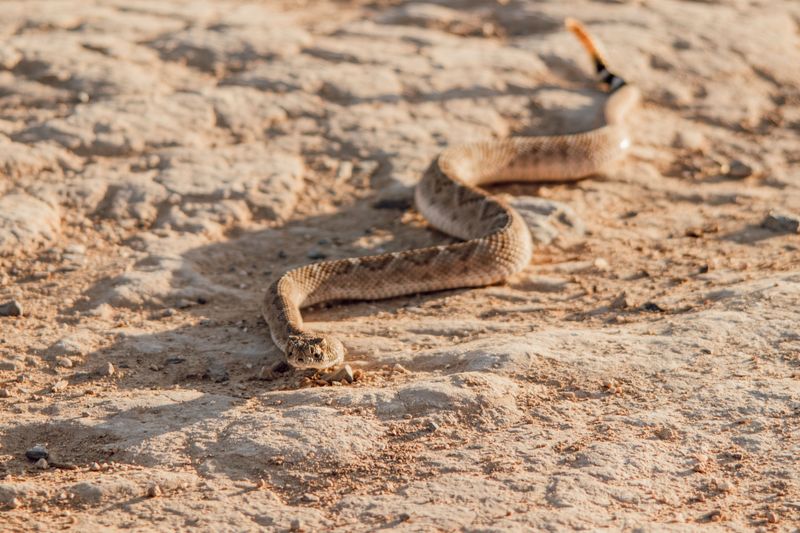
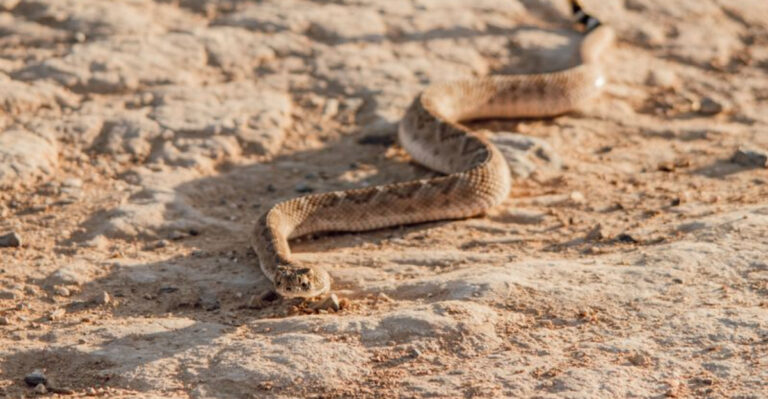
A calm plan beats panic every time. If a rattlesnake bites your dog, the goal is simple: get to a veterinary hospital quickly.
Keep your dog as still and quiet as you can. Skip old tricks like cutting the wound, sucking venom, or using ice.
Ask your vet which nearby emergency clinics keep antivenom on hand. Save that address and phone number before your first spring hike.
6. Ask Honest Questions About the Rattlesnake Vaccine
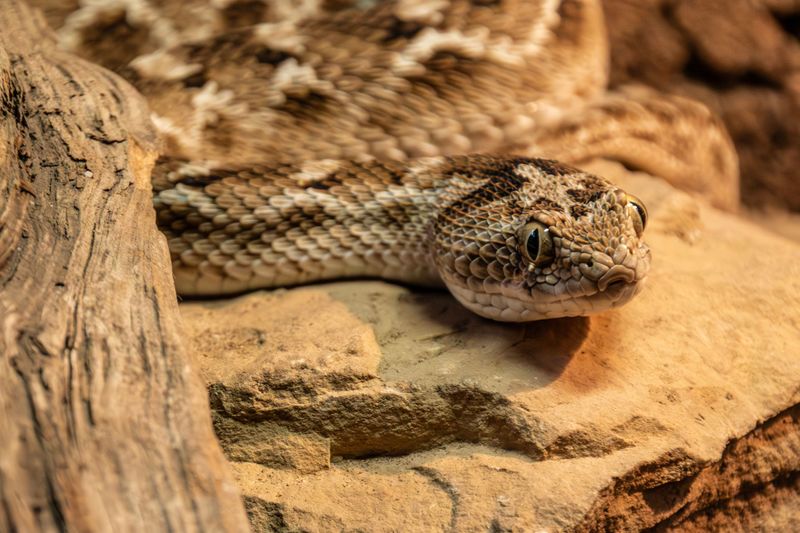
Here is one topic where vets truly disagree. The rattlesnake vaccine was designed mainly around Western diamondback venom.
It may offer little help against Mojave rattlesnakes, which live in parts of Arizona. Some vets feel published research is too limited to recommend it.
Even vaccinated dogs still need emergency care after any bite. Side effects are usually mild, like a small lump.
Talk through pros and cons together.
7. Look Into Snake Avoidance Training
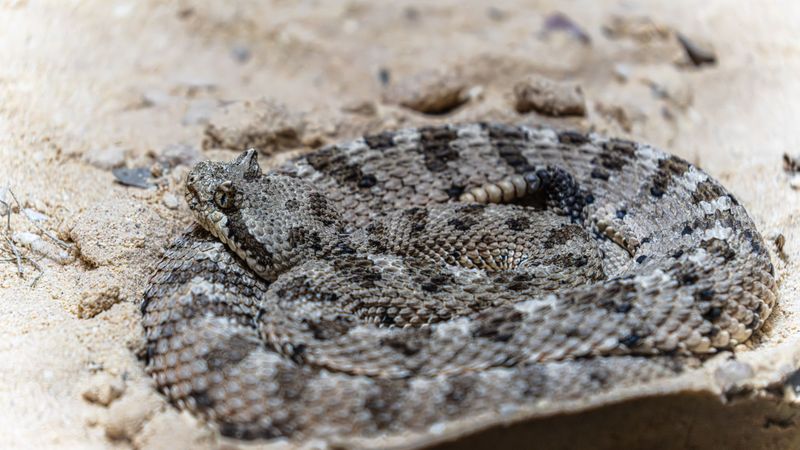
Teaching a dog to steer clear of snakes might be the best gift you give them. Avoidance training helps dogs recognize the sight, sound, and smell of rattlesnakes.
Many vets choose this training for their own dogs. Methods vary between trainers, so ask what techniques they use.
Your vet may know respected local programs. Refresher sessions each year help the lesson stick, especially before snakes become active in spring.
8. Learn the Signs of Heatstroke
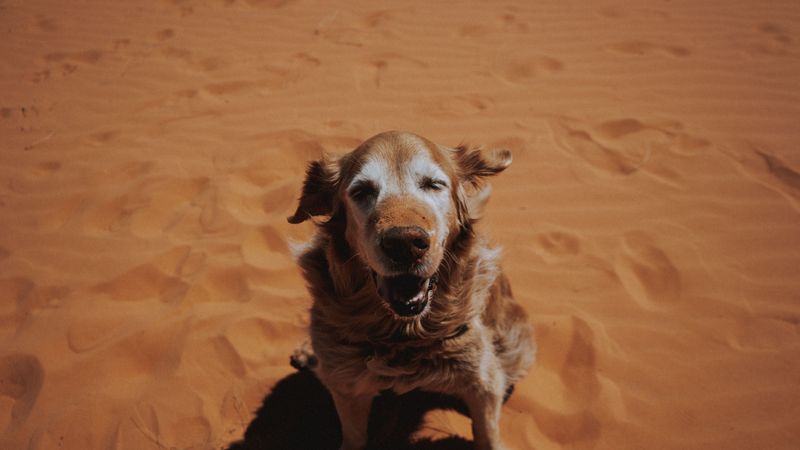
Dogs cannot sweat like we do. They cool off mostly by panting, so desert heat can overwhelm them fast.
Watch for heavy panting that will not ease, bright red gums, drooling, stumbling, vomiting, or confusion. If you notice these, move to shade right away.
Offer small sips of cool water and place damp towels on the belly and paws. Then head to a vet, even if your dog seems better.
9. Pick Safe Temperatures and Hours
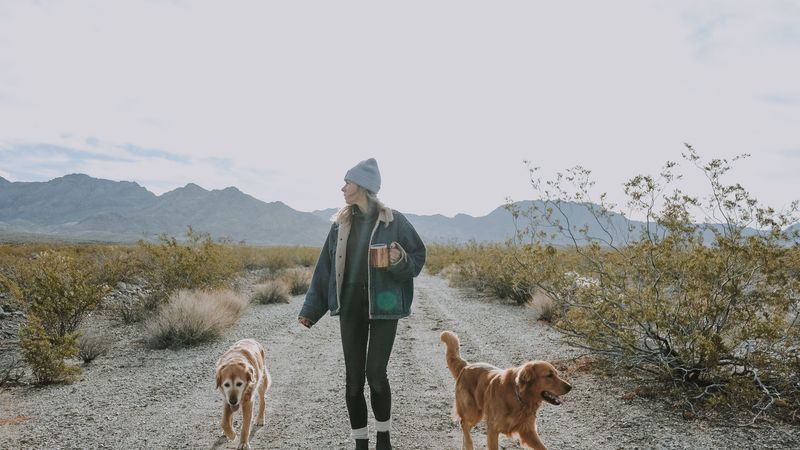
Timing is everything on Arizona trails. Spring, fall, and winter offer the friendliest weather in the low desert.
Summer hikes should start at sunrise and finish early, before the ground heats up. The City of Phoenix closes certain trails to dogs when temperatures reach 100 degrees.
Many experts suggest caution above 75 degrees and limits above 85. Check local rules where you hike, since policies vary by city and park.
10. Pack Plenty of Water
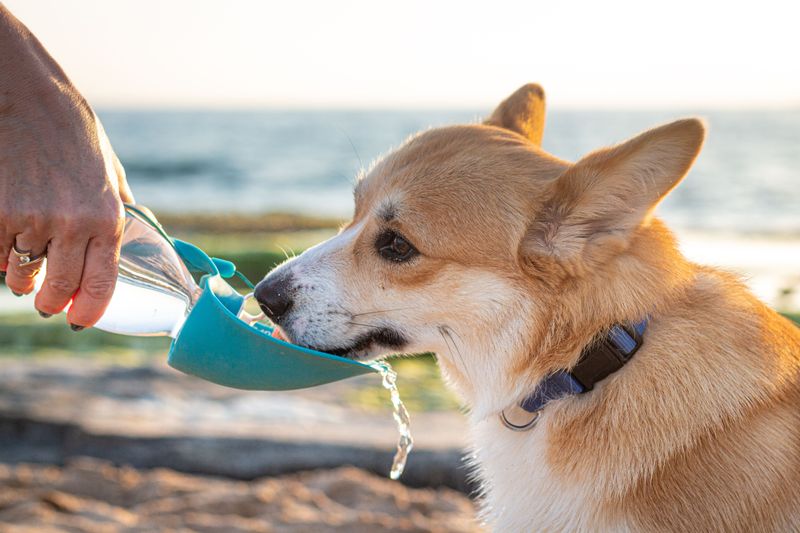
A resting dog needs about one ounce of water per pound each day. Hiking in warm weather can double or even triple that.
Offer drinks every 15 to 30 minutes, even before your dog acts thirsty. Always carry more than you expect to need.
Signs of dehydration include dry, sticky gums, thick drool, sunken eyes, and tiredness. Ask your vet to show you the skin tent test.
11. Guard Those Paw Pads
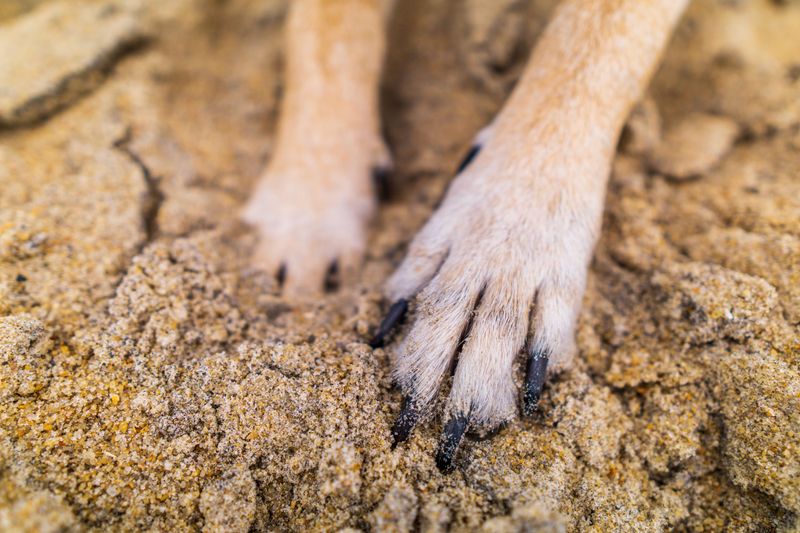
Try this quick check: place the back of your hand on the ground for seven seconds. If it feels too hot for you, it is too hot for paws.
Arizona rock, sand, and pavement can heat far above air temperature in summer.
Ask your vet whether booties suit your dog, and practice wearing them at home first. Shaded routes help too.
Look over pads after each outing for blisters or scrapes.
12. Prepare for Cactus and Foxtails
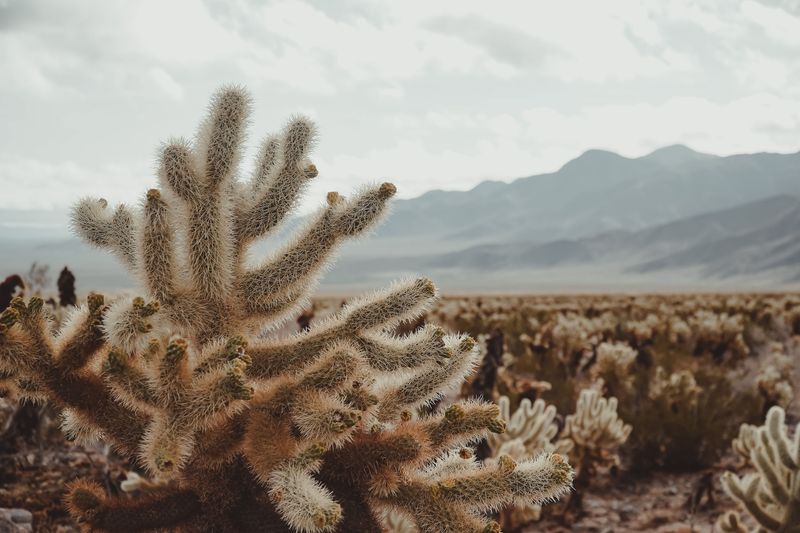
Anyone who has met a jumping cholla knows how quickly it grabs on. Segments cling to fur, paws, and noses with surprising grip.
Foxtails are sneaky grass seeds that can work into ears, toes, and nostrils.
Ask your vet how to safely remove spines. Many hikers carry a wide-tooth comb and tweezers for cholla.
If a foxtail seems lodged deep, let your vet handle removal.
13. Talk About Valley Fever
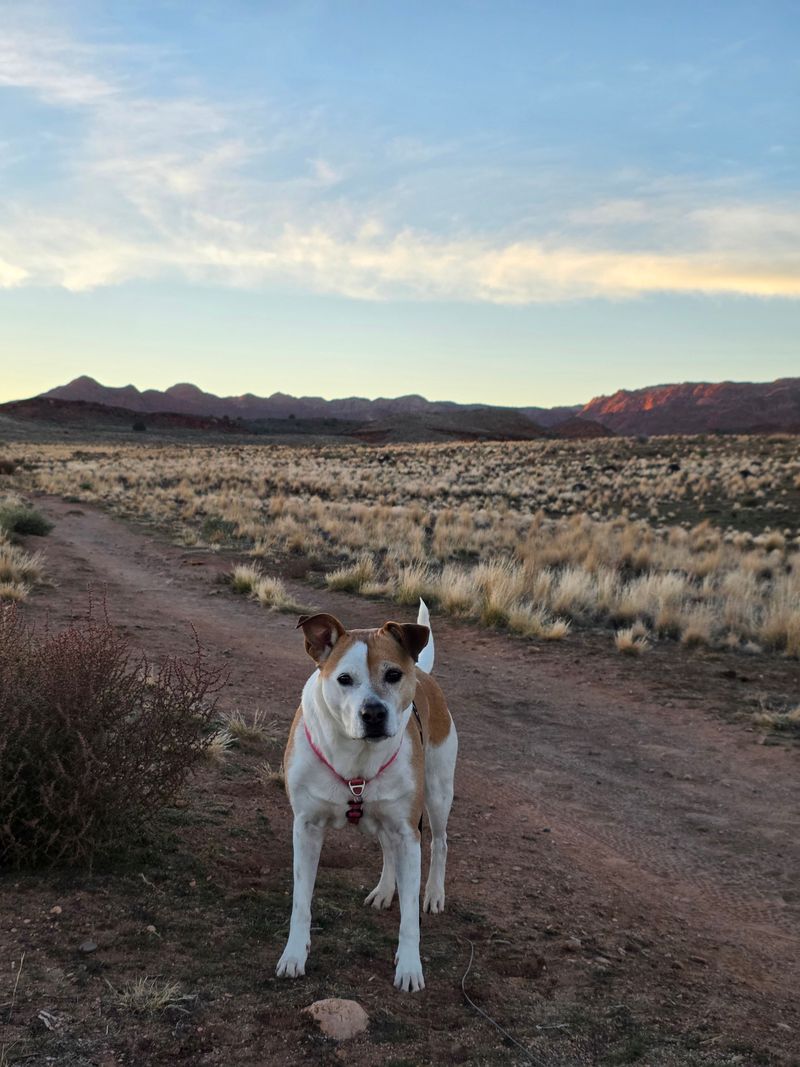
Valley fever comes from a fungus living in desert soil across central and southern Arizona. Dogs catch it by breathing in spores stirred up by dust or digging.
It does not spread between pets or people. Watch for a dry cough, fever, low energy, weight loss, or limping.
Signs can appear weeks after exposure. Stay on maintained paths and skip dusty, windy days.
Your vet can test if concerns arise.
14. Watch Out for Sonoran Desert Toads
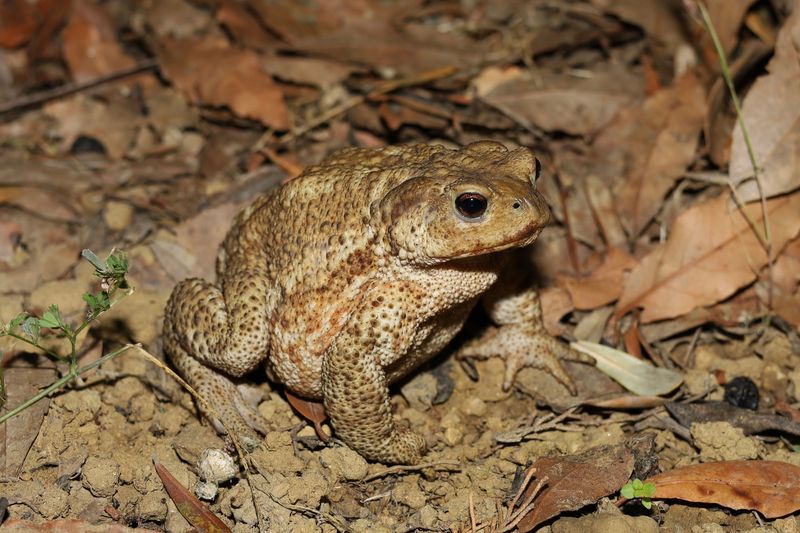
Monsoon nights bring out a big green-brown visitor: the Sonoran Desert toad. Its skin releases toxins that can make dogs very sick.
Signs include heavy drooling, pawing at the mouth, red gums, shaking, or wobbling. Rinse the mouth with water, pointing the flow out the front, not down the throat.
Then go straight to a vet. Bringing water bowls inside at night also helps keep toads away.
15. Respect Coyotes, Javelinas, and Other Wildlife
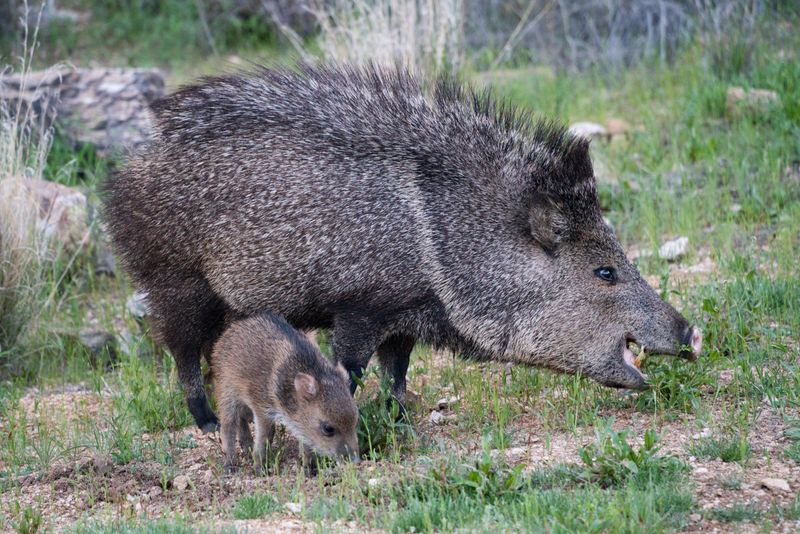
Sharing the trail with wildlife is part of the Arizona charm. Coyotes roam most often at dawn and dusk.
Javelinas may act defensive if they feel cornered, especially with young nearby.
A short leash keeps encounters calm and brief. Calmly back away and give animals plenty of space.
Ask your vet what to do if a scuffle happens, since wildlife bites need professional cleaning and a rabies review.
16. Build Endurance Slowly
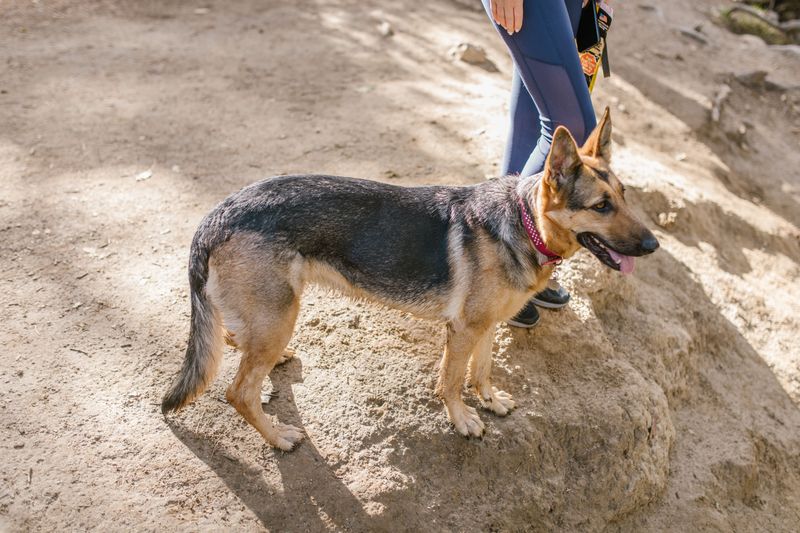
No one runs a marathon without training, and dogs are no different. Strong legs and lungs take weeks to build.
Begin with short walks on easy ground, then add distance and hills bit by bit. Let your dog practice on rocky terrain similar to your target trail.
Watch for lagging, limping, or lying down. Your vet can suggest a simple plan based on your dog’s current shape.
17. Factor in Age, Breed, and Health
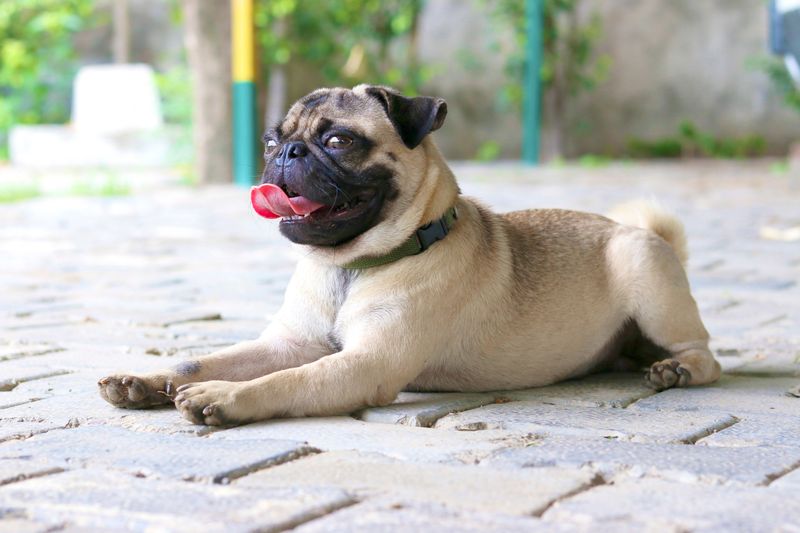
Every dog has its own limits, and knowing them is a kindness. Flat-faced breeds like pugs and bulldogs struggle to cool down.
Puppies, senior dogs, thick-coated breeds, and dogs carrying extra weight also handle heat poorly.
Heart, breathing, or joint problems can change what is safe. Share any health history with your vet.
Together you can choose fitting trails, distances, and seasons for your companion.
18. Skip Drinks From Streams and Ponds
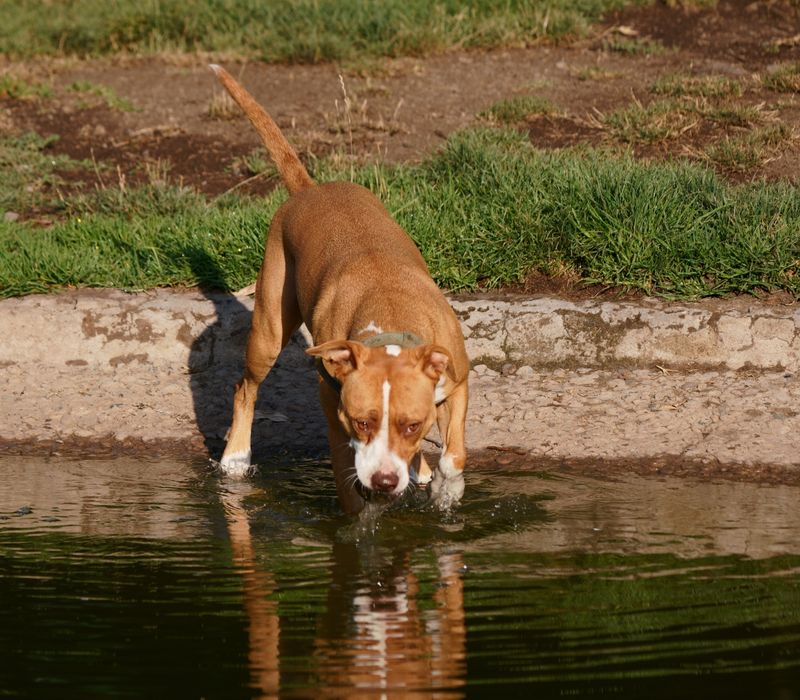
That sparkling creek may look refreshing, but natural water can carry hidden trouble. Giardia, a tiny parasite, often causes diarrhea.
Leptospirosis bacteria can lurk where wildlife gathers. Blue-green algae blooms can release toxins that are very harmful to dogs.
Steer clear of green, scummy, or still water. Bring fresh water instead.
Signs may appear days later, so mention any natural water exposure to your vet.
19. Stock a Dog First-Aid Kit

A small kit can turn a scary moment into a manageable one. Pack gauze, non-stick pads, tape, wound wash, tweezers, a tick remover, and spare booties.
Add your vet’s number and the nearest emergency clinic.
Never give medicine without asking your vet about dosing first. Seek urgent care for snakebites, collapse, trouble breathing, seizures, deep wounds, or a leg your dog will not use.
20. Check Your Dog After Every Hike
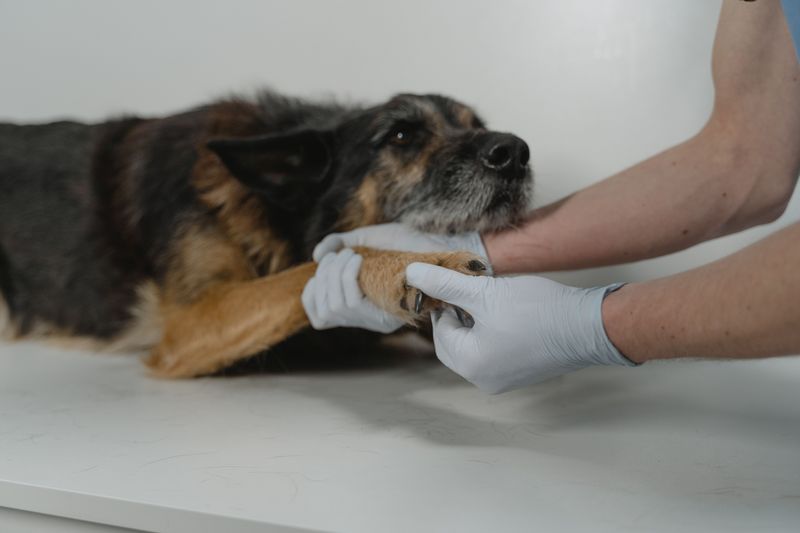
The trail ends, but your job is not quite done. Run your hands over your dog’s whole body, including ears, armpits, and between toes.
Look for ticks, spines, scrapes, and sore pads. Watch how your dog walks, eats, and rests that evening.
Mild stiffness that fades overnight is usually normal. Call your vet if soreness lasts over a day or new symptoms appear later.