20 North Carolina Dog Expenses Owners Underestimate Once Yard Care, Grooming, And Storm Plans Add Up
Owning a dog in North Carolina is a joy, but the true costs often show up slowly. Humid summers, red clay yards, busy pest seasons, and hurricane threats all add extra line items to the budget.
Think of this guide as a friendly chat with a neighbor who has been there. You will see where the money tends to go, so you can plan calmly and keep your pup safe and happy all year.
1. Fences That Hold Up Over Time
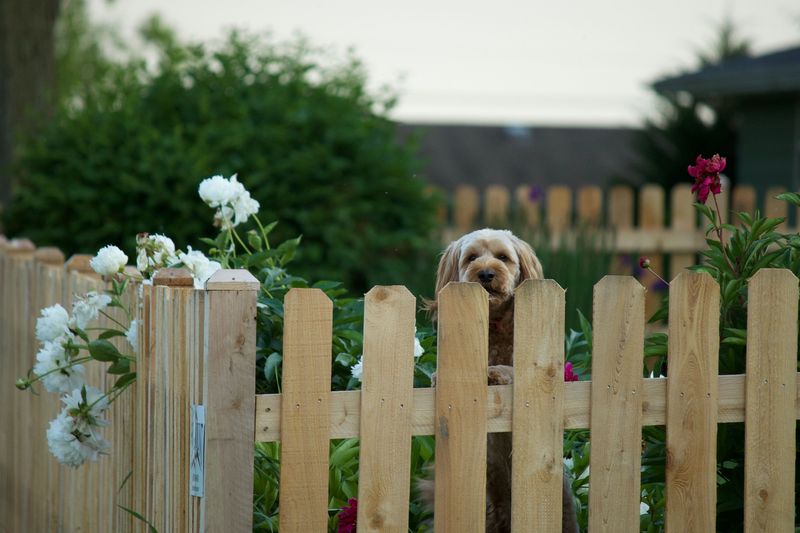
A fence feels like a one-time purchase, but gates sag and boards loosen. Determined diggers also find weak spots near the bottom.
In the Wilmington area, small repairs like fixing a panel or adjusting a gate often run about $150 to $400. Bigger jobs with new posts can climb past $1,000.
Walk your fence line every month. Catching a loose board early is far cheaper than replacing a whole section later.
2. Patching Up a Well-Loved Lawn
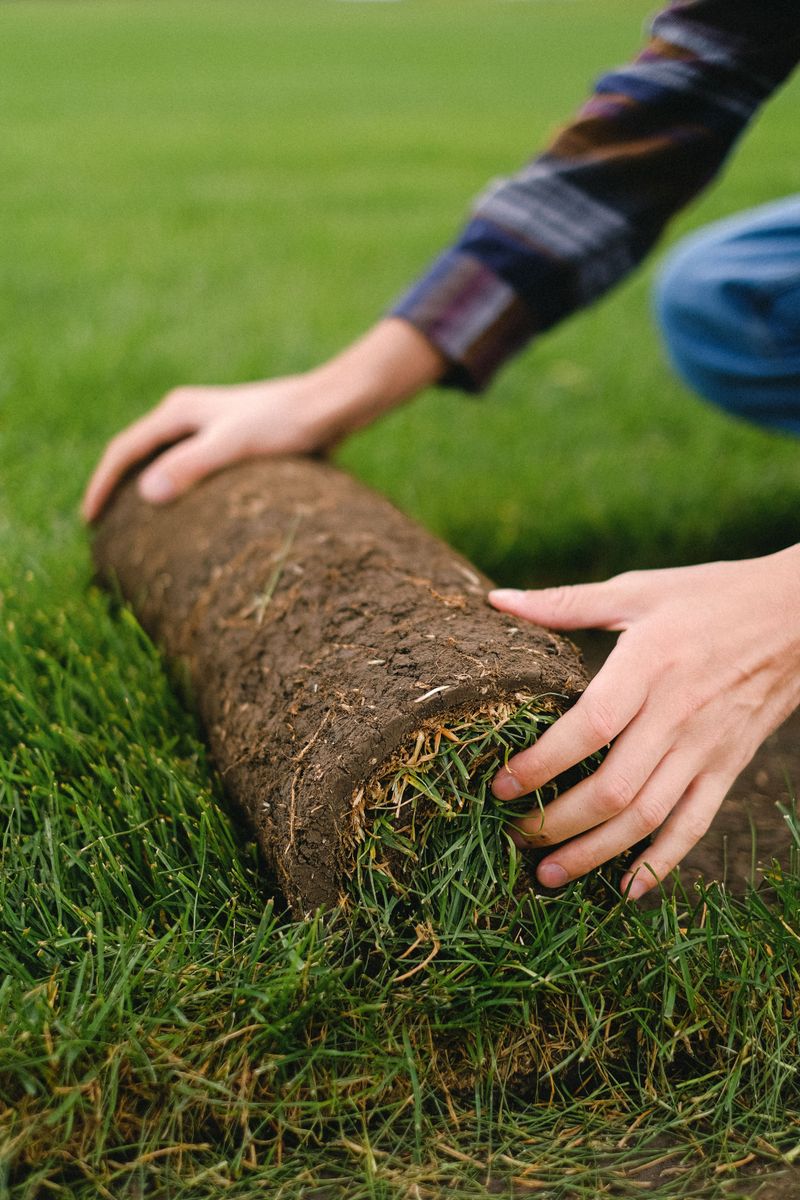
Brown circles, muddy paths, and surprise holes are the signature of a happy dog. Sadly, grass does not bounce back on its own.
Sod in North Carolina often costs around 45 to 56 cents per square foot before labor. Bermuda and zoysia are popular warm-season picks that handle traffic fairly well.
Watering urine spots soon after your dog goes can dilute them. A designated potty area also protects the rest of the yard.
3. Weed Control Without the Worry
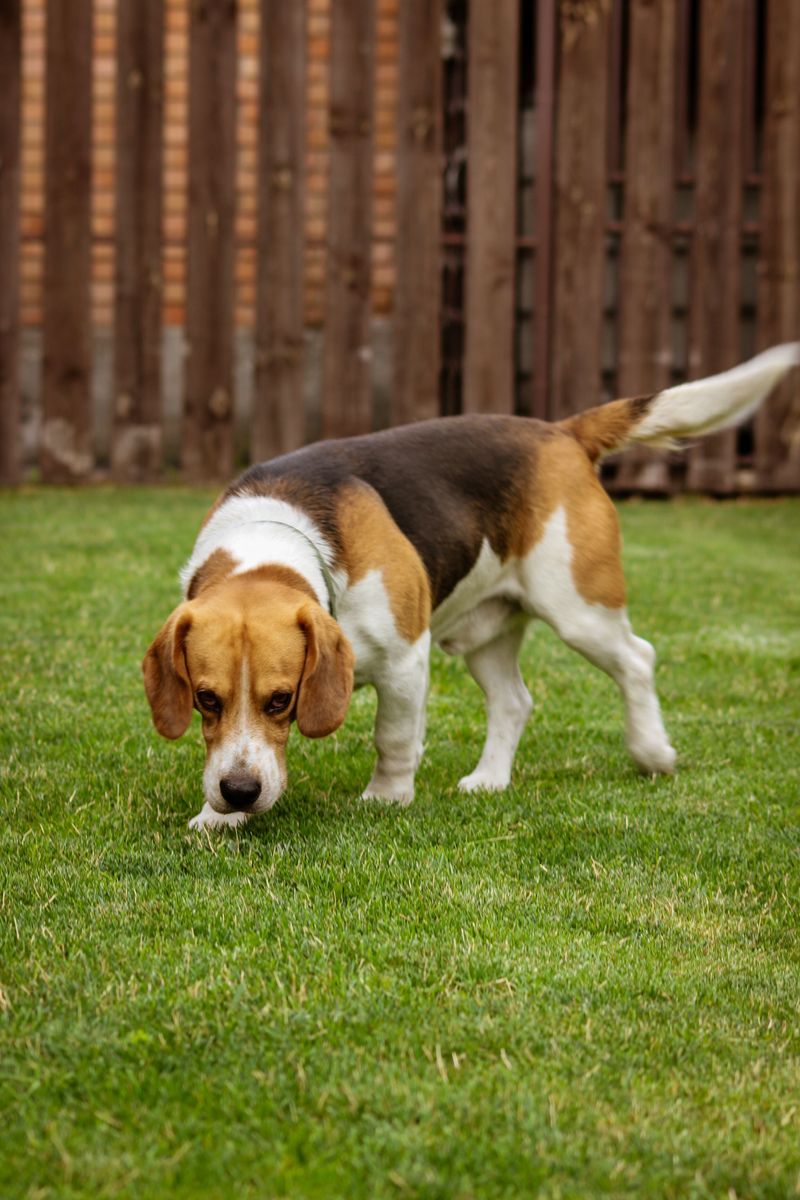
Nobody wants a yard full of weeds, yet many treatments call for keeping pets off the grass for a while. Safer choices can cost a bit more.
In Charlotte, basic fertilizer and weed programs may start around $51 a month. Pricing usually depends on lawn size.
Ask your provider which products they use and how long to wait before your dog returns. Always follow label directions, and check with your vet if unsure.
4. Battling Fleas, Ticks, and Mosquitoes
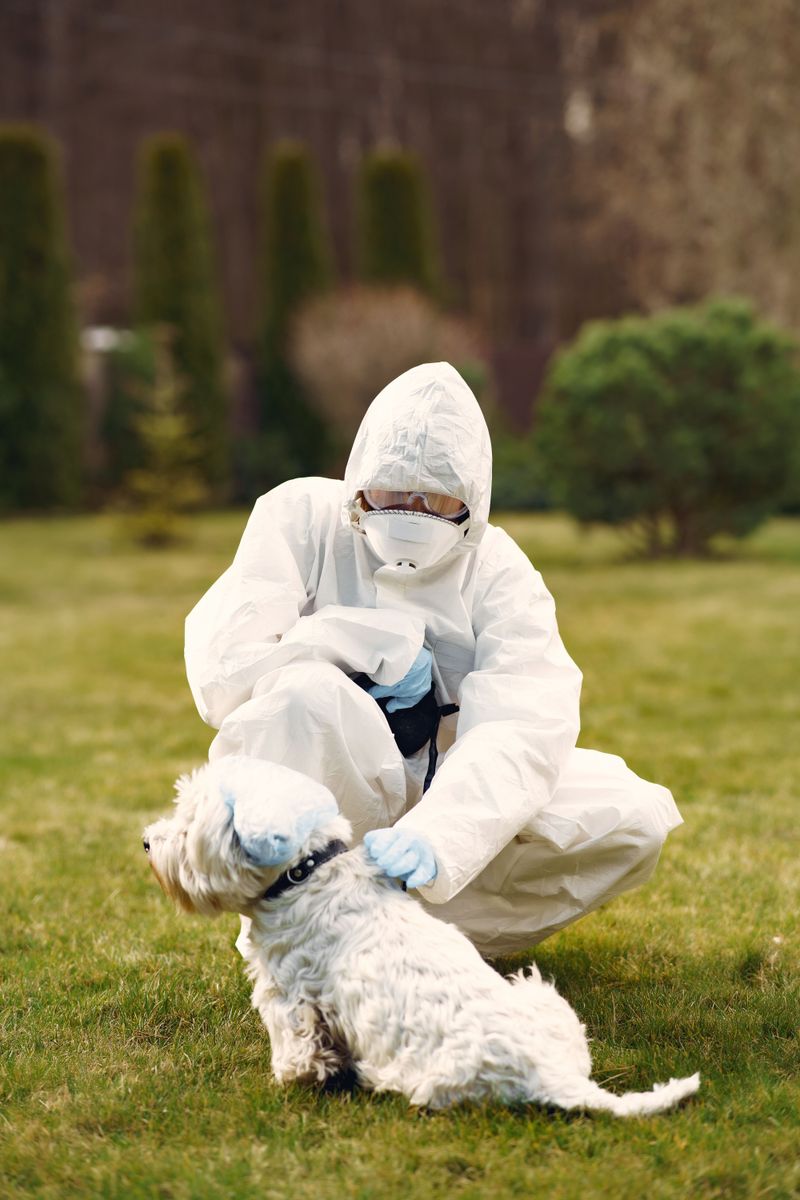
Warm, sticky months make North Carolina a paradise for biting bugs. Ticks lurk in tall grass, and mosquitoes can carry heartworm.
Yard sprays or granular treatments often need repeat applications through the season. That cost sits on top of monthly preventives from your veterinarian.
Get a few quotes in early spring. Pairing yard treatments with vet-recommended prevention gives your dog the steadiest protection.
5. Mowing and Trimming the Hiding Spots
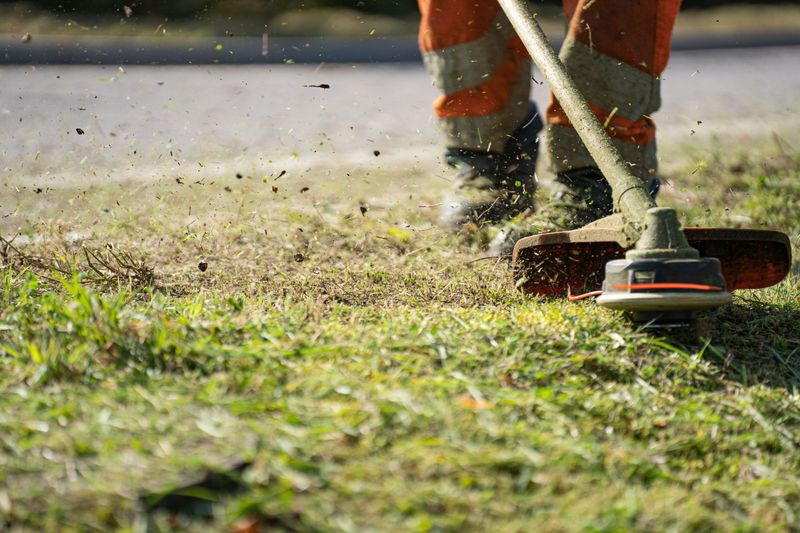
Tall grass and thick brush are cozy hideouts for ticks and other critters. Keeping things short makes your yard less inviting to them.
Basic mowing in North Carolina often costs $40 to $60 per visit. Brush clearing or seasonal cleanups can reach $250 to $450 or more.
Doing it yourself saves money, but count fuel, blades, and trimmer line. Those small costs quietly add up across a long growing season.
6. Fixing Soggy, Muddy Low Spots
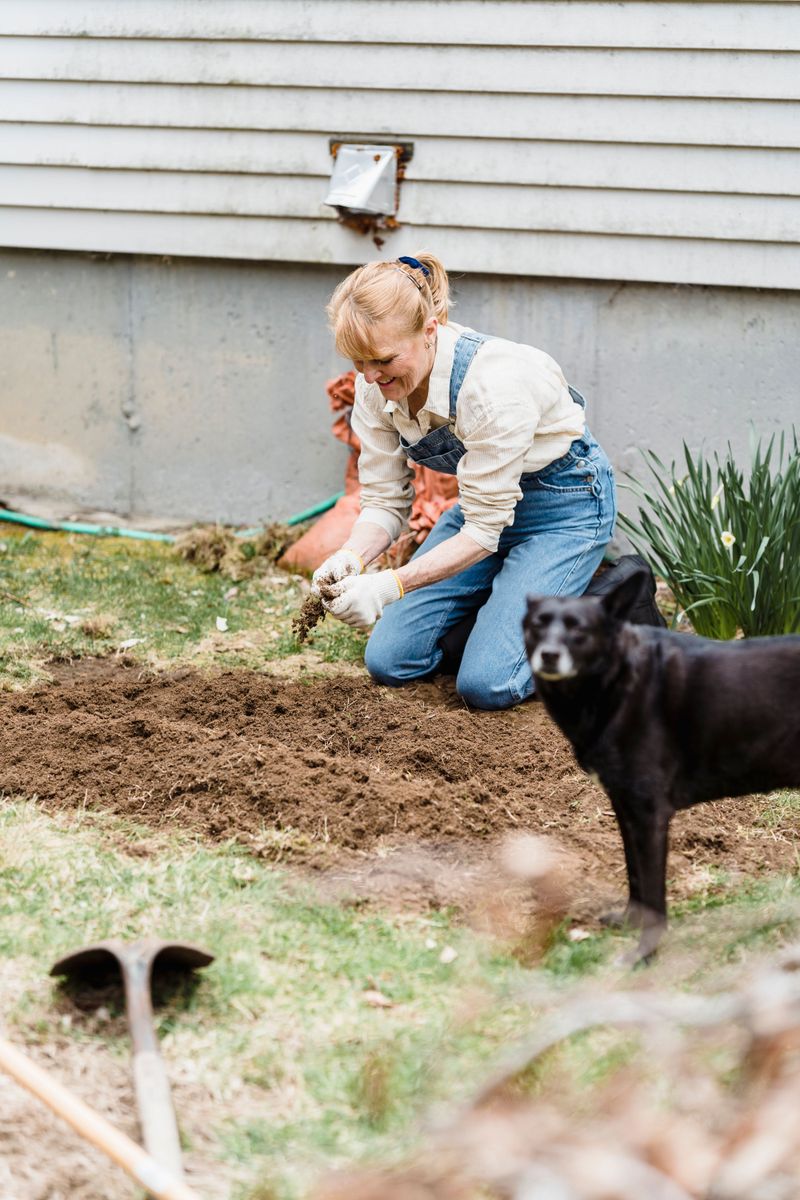
After a summer downpour, some yards turn into red clay swamps. Standing water also gives mosquitoes a perfect place to breed.
Many residential drainage projects in North Carolina land between $2,500 and $5,000. French drains in Raleigh often cost $20 to $50 per linear foot, and dense clay can raise labor costs.
Start with simple fixes like regrading or extending downspouts. Then call a pro if water still lingers.
7. Keeping Up With Waste Cleanup
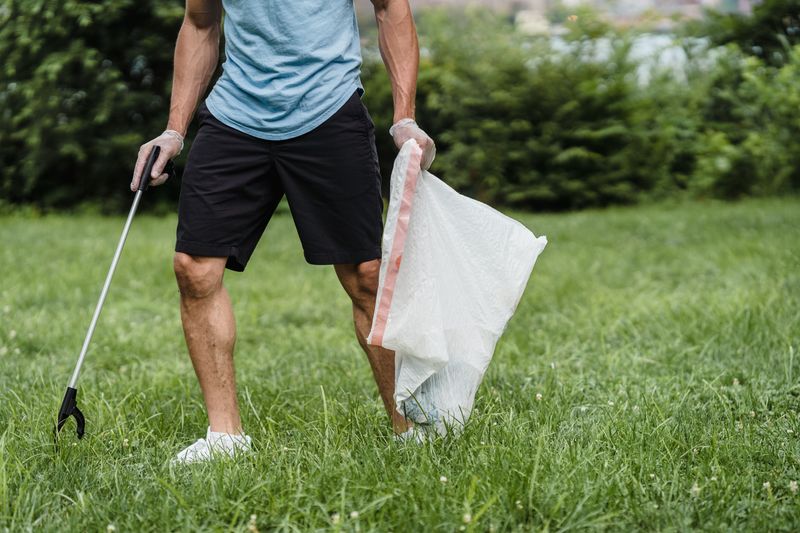
Here is a chore no one brags about, yet it matters for health. Waste left in the yard can spread parasites and attract flies.
Bags, scoopers, and bin liners are a steady expense. Some owners hire weekly scooping services, with prices based on yard size and number of dogs.
Buying bags in bulk lowers the cost per use. Check your local rules on proper disposal, since they vary by city.
8. Shade, Cooling, and Fresh Water
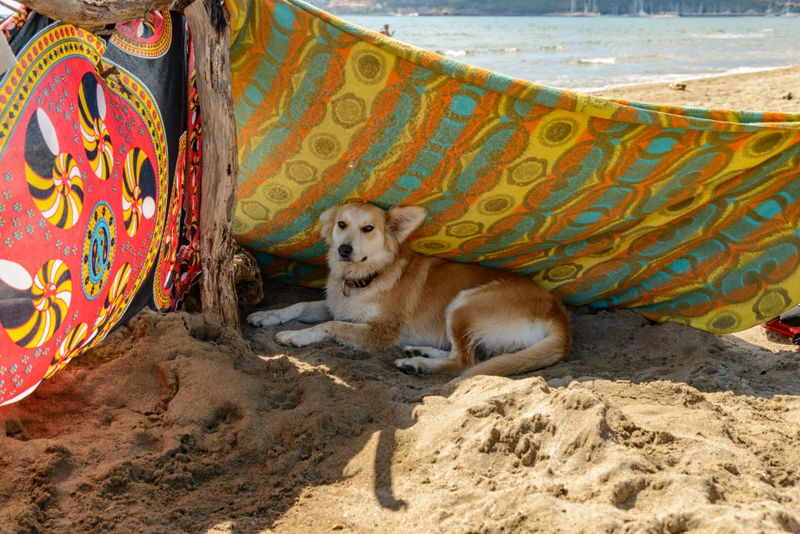
North Carolina humidity can make a July afternoon feel heavier than the thermometer says. Dogs cool off mostly by panting, which works poorly in muggy air.
Shade canopies, elevated cots, cooling mats, and extra water bowls each carry a price tag. Automatic water dispensers cost more but help on busy days.
Place water in shady spots and refill often. On the hottest days, short outdoor time is the kindest choice.
9. Professional Grooming for Fluffy Coats
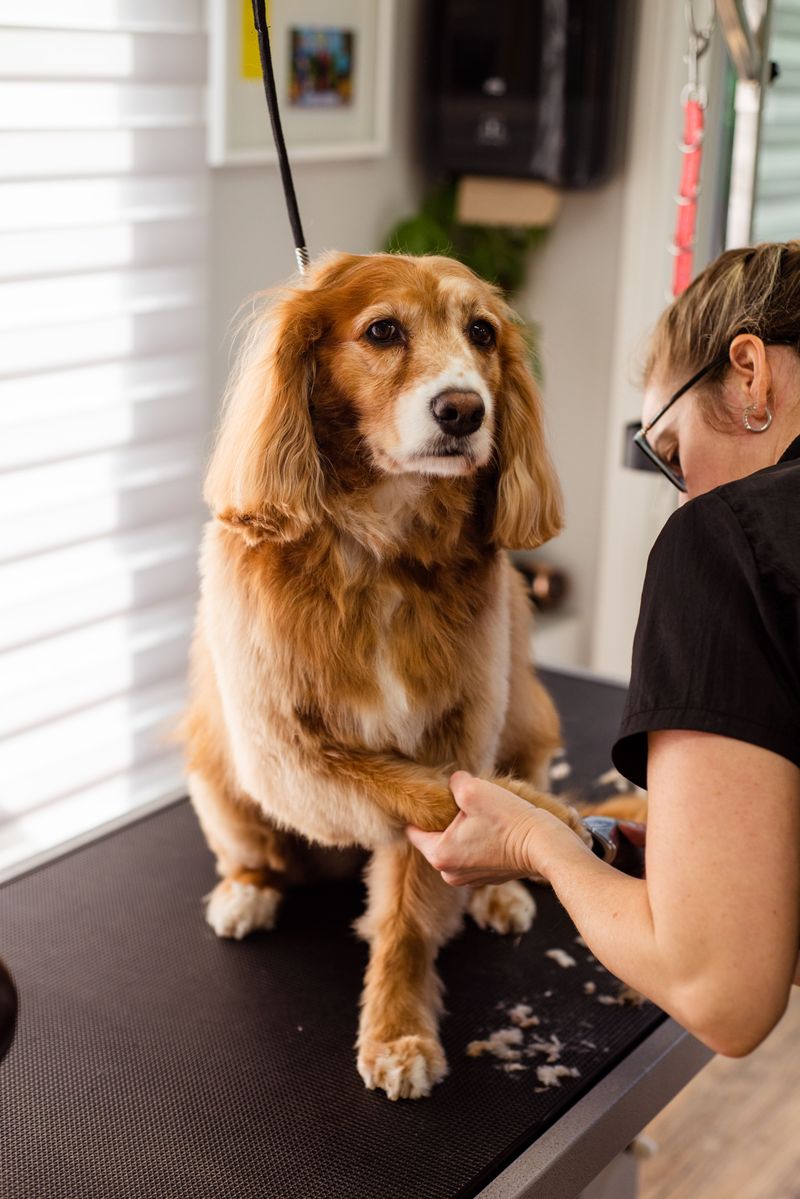
Double-coated breeds like huskies and goldens shed in clouds. Long-haired dogs can mat quickly in humid weather.
In Greensboro, full grooms may start around $85. Charlotte salons often charge about $80 to $90 for small and medium dogs, with extra fees for mats.
Regular brushing at home stretches the time between appointments. Ask your groomer about deshedding treatments before summer arrives.
10. Extra Shampoo, Towels, and Brushes
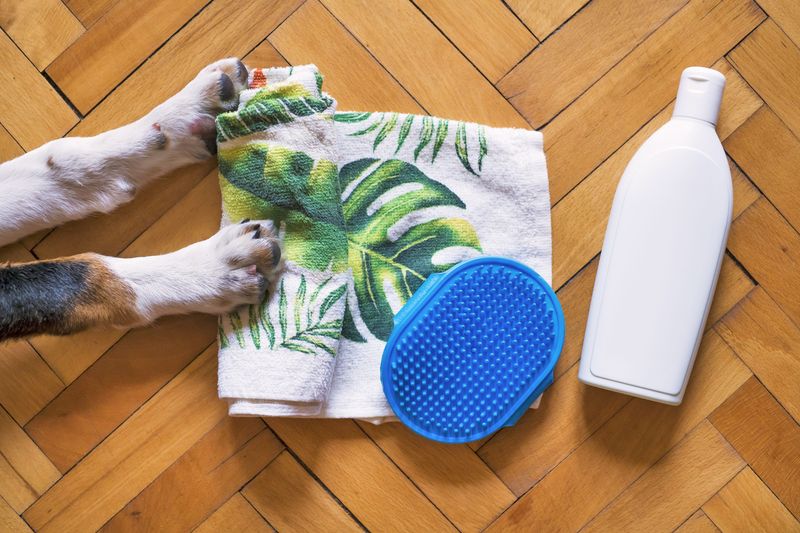
Rainy weeks mean muddy paws on every clean floor. Pollen season adds yellow dust to your dog’s coat, too.
Shampoos, paw wipes, old towels, and deshedding tools disappear faster than expected. A dog dryer is a bigger buy but saves time.
Keep a towel bin by the back door. A quick wipe after walks cuts down on full baths and helps limit allergens indoors.
11. Ears That Trap Moisture
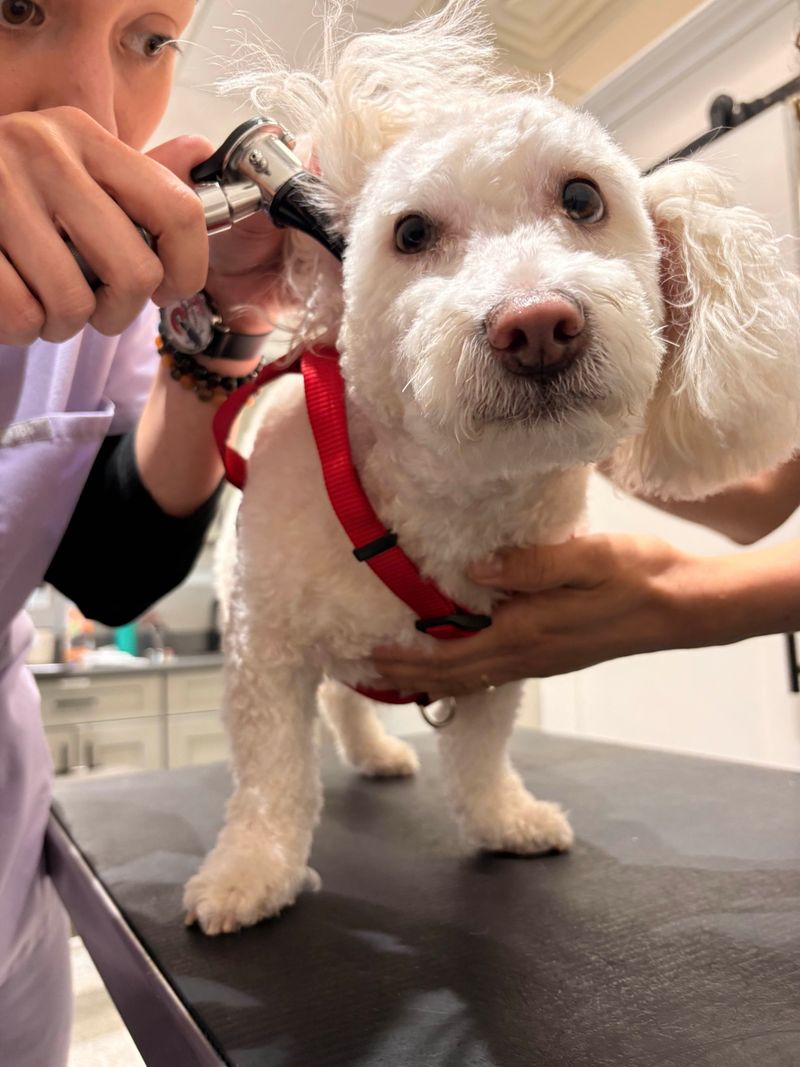
Floppy ears plus humid air create a warm, damp space. Dogs who swim in lakes or the ocean are especially prone to ear trouble.
A basic ear cleaning at some North Carolina clinics may cost around $35. An infection adds an exam fee, medicine, and possibly a recheck.
Dry ears well after swimming. Use a vet-approved cleaner, and book a visit if you notice odor, redness, or head shaking.
12. Nails and Paw Pads Need Attention
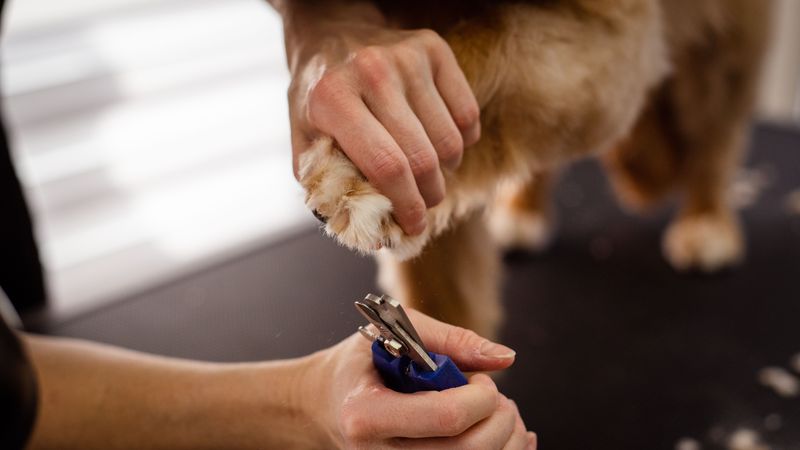
Hear clicking on the kitchen floor? That sound usually means nails are overdue.
Long nails can change how a dog walks.
Groomers in Charlotte and Greensboro often charge about $15 to $20 for nail trims. Hot pavement and rough trails can crack pads, which may need balms or vet care.
Test pavement with your hand before walks. Dog-safe balms with shea butter or beeswax help keep pads soft.
13. Itchy Skin and Allergy Care
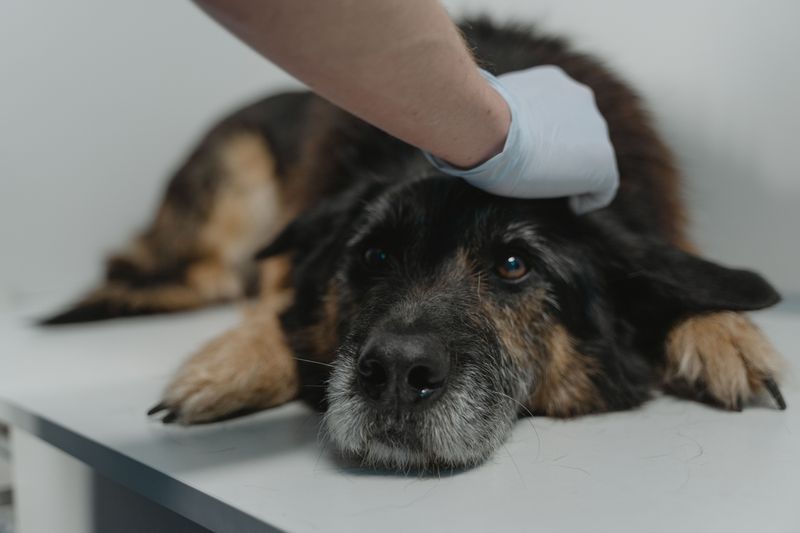
Spring pollen in North Carolina is famous for coating cars yellow. Many dogs react with scratching, licking, and red skin.
Allergy care often means an exam, then medicated shampoo, pills, or topical treatments. Because flare-ups return seasonally, costs repeat year after year.
Ask your veterinarian for a long-term plan. Knowing your dog’s patterns helps you budget and start treatment before itching gets out of hand.
14. Building a Storm Supply Kit
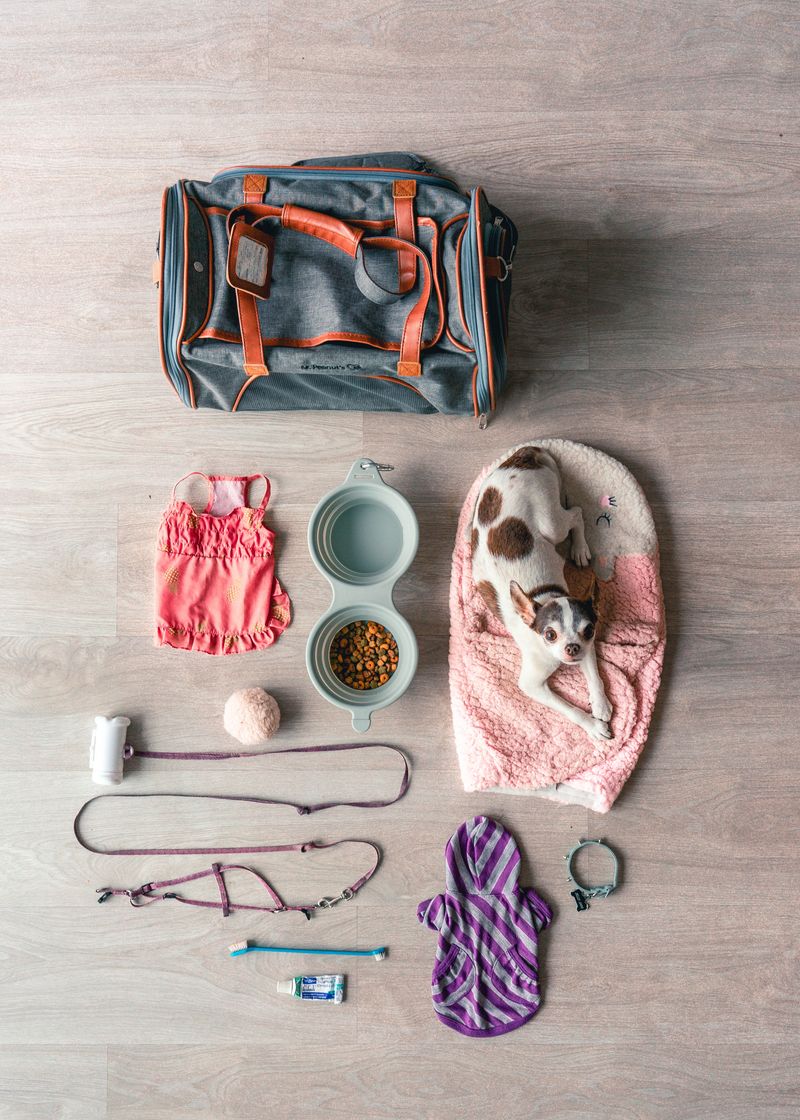
Hurricane season runs from June through November, and stores empty fast when a storm approaches. Planning early keeps things calm.
Many experts suggest at least two weeks of food, water, and medications. Add copies of vaccine records in a waterproof container.
Ask your vet about getting an extra medication refill. Rotate food and check dates every few months so nothing expires before you need it.
15. Hotels and Travel During Evacuations

Leaving home ahead of a storm already feels stressful. Finding a hotel that accepts dogs can add both worry and cost.
Many pet-friendly hotels charge nightly pet fees or cleaning fees. Gas, meals, and extra driving miles also add up quickly.
Make a list of pet-friendly lodging inland now. Some counties offer pet-friendly shelters, so check with local emergency management for details.
16. Last-Minute Boarding or Sitters
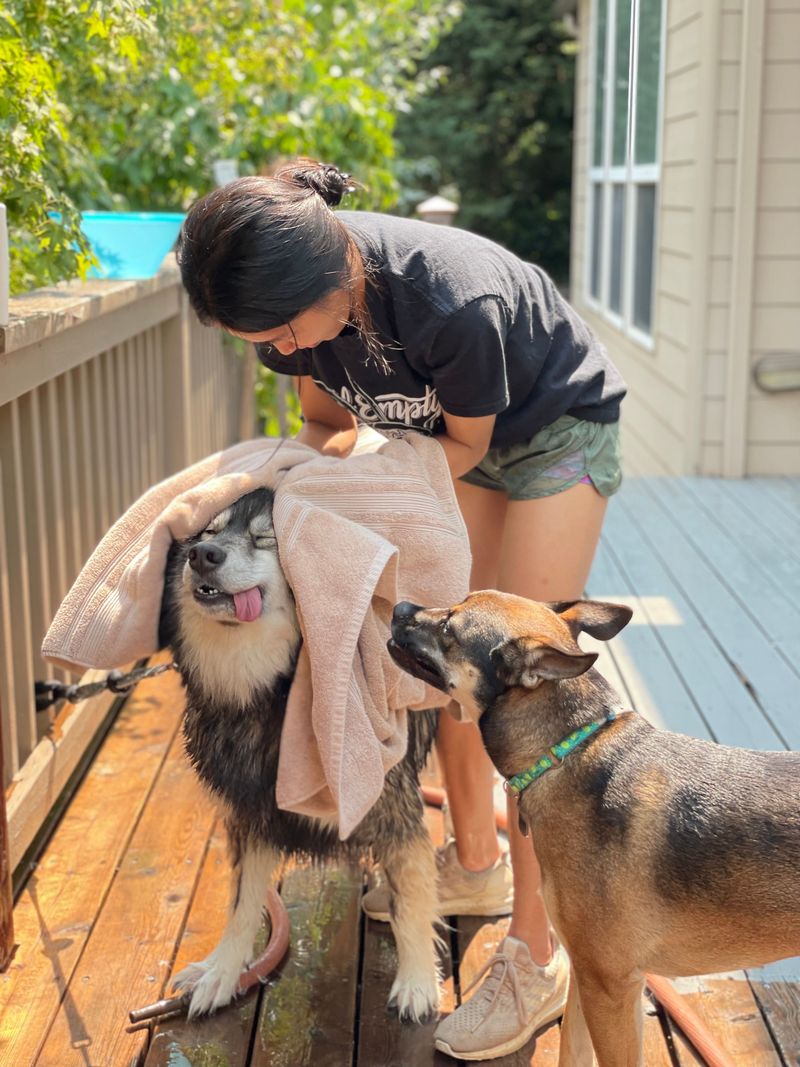
Sometimes plans change, and your dog cannot come along. Storms can also disrupt work schedules and daily routines.
Emergency boarding often fills quickly, and some places charge more during high demand. Most require proof of current vaccines.
Build relationships with a trusted sitter or kennel before you need them. Keep vaccine records handy, and ask about their storm policies ahead of time.
17. Crates, Leashes, and Tags That Last
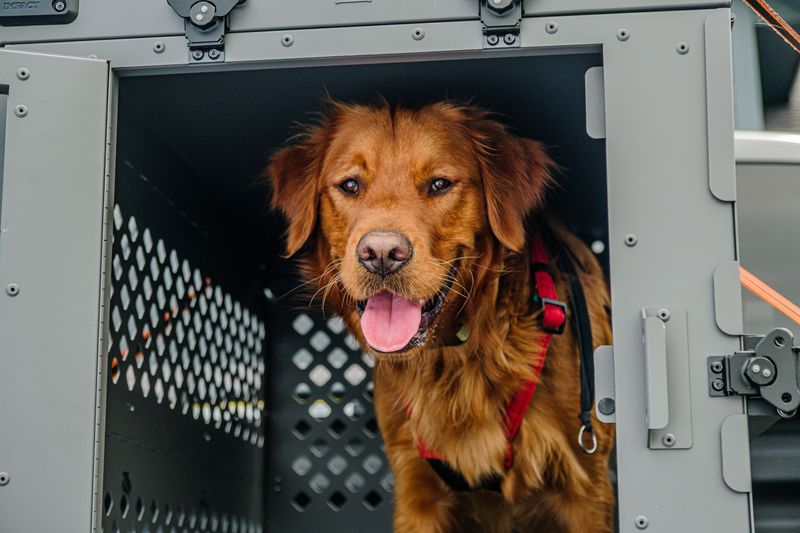
Gear wears out quietly. A cracked crate latch or frayed leash may go unnoticed until an evacuation day.
North Carolina law requires dogs to wear a current rabies tag. That tag does not list your phone number, so a separate ID tag helps a lot.
Licensing rules vary by county and city. Check your local ordinances, and inspect your gear each spring before storm season.
18. Microchips and Updated Records
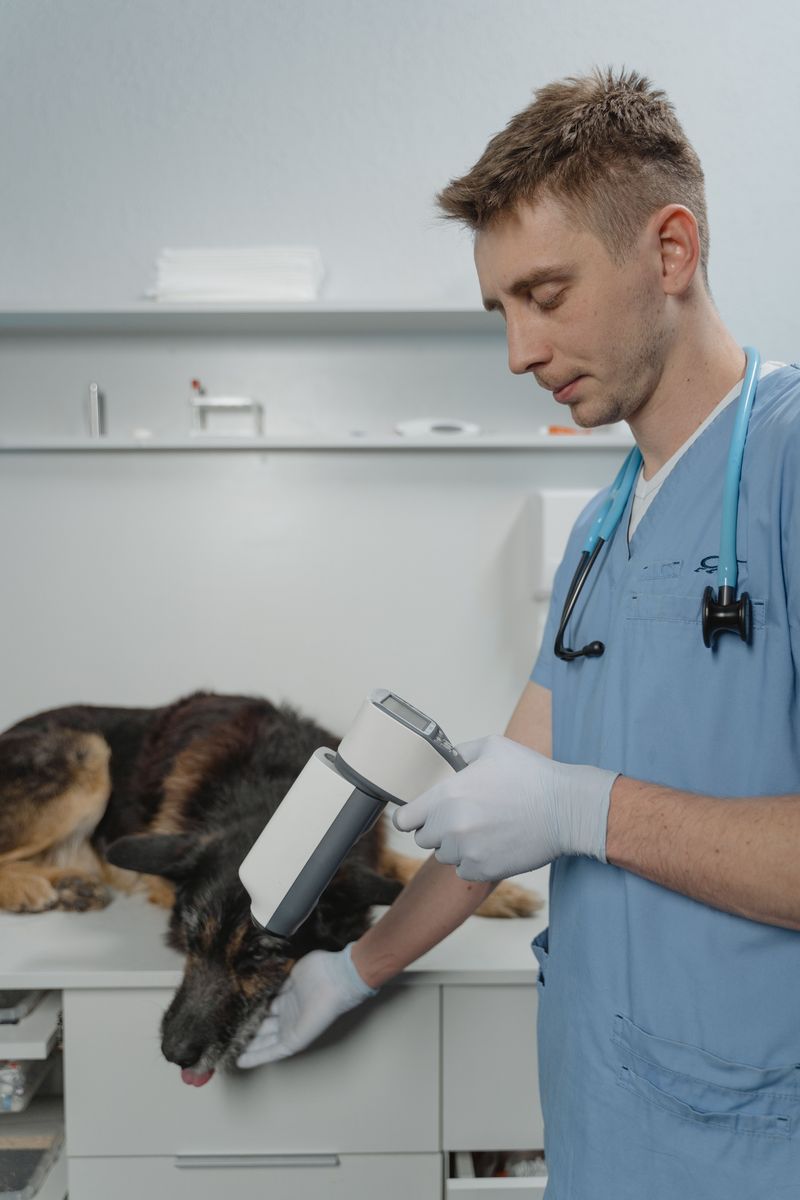
Collars can slip off in chaos, but a microchip stays put. It holds an ID number linked to your contact details.
Microchipping in North Carolina often costs roughly $25 to $70, depending on the clinic. Some shelters offer low-cost events.
A chip only helps if the registry has your current phone number. Moved recently?
Update your information today, since chips do not track location.
19. Staying Cool When the Power Fails
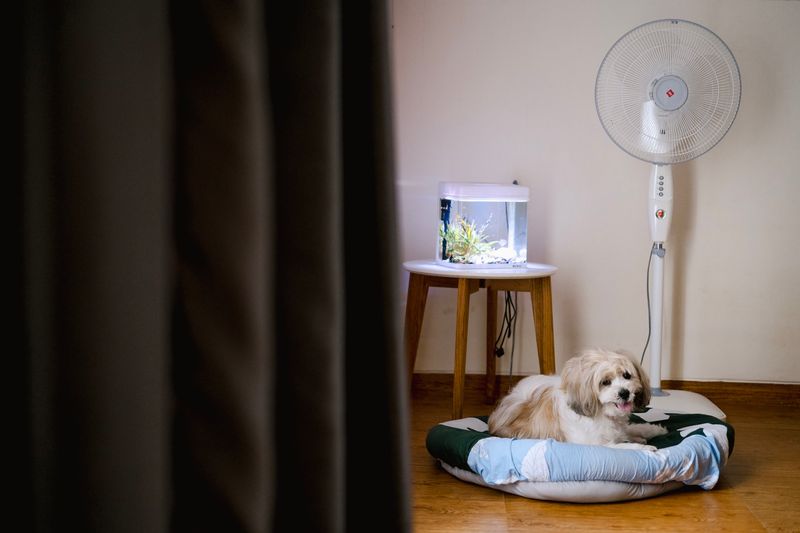
Summer storms can knock out power for days. Without air conditioning, a house can heat up quickly.
Battery fans, cooling mats, and portable power stations offer simple backup. Some families invest in a generator, which must always run outdoors and away from windows.
Charge devices before storms arrive. If your home gets too warm, plan to stay with friends or family who still have power.
20. Cleanup and Care After the Storm
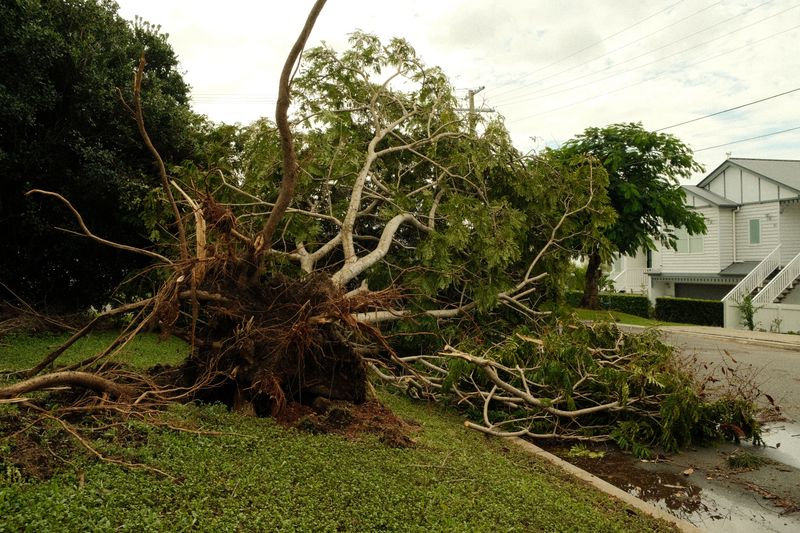
Once skies clear, the yard may hold surprises. Broken branches, loose nails, and fence gaps can all hurt a curious dog.
Cleanup work often runs $150 to $500 per job. Fence panel repairs can climb much higher after big storms.
Keep your dog leashed until the yard is safe. Floodwater can carry germs and chemicals, so call your vet if your dog wades through it.
A little planning goes a long way, so your dog stays happy every season.