What Louisiana Dog Owners Should Know After Flooding And Heavy Rain
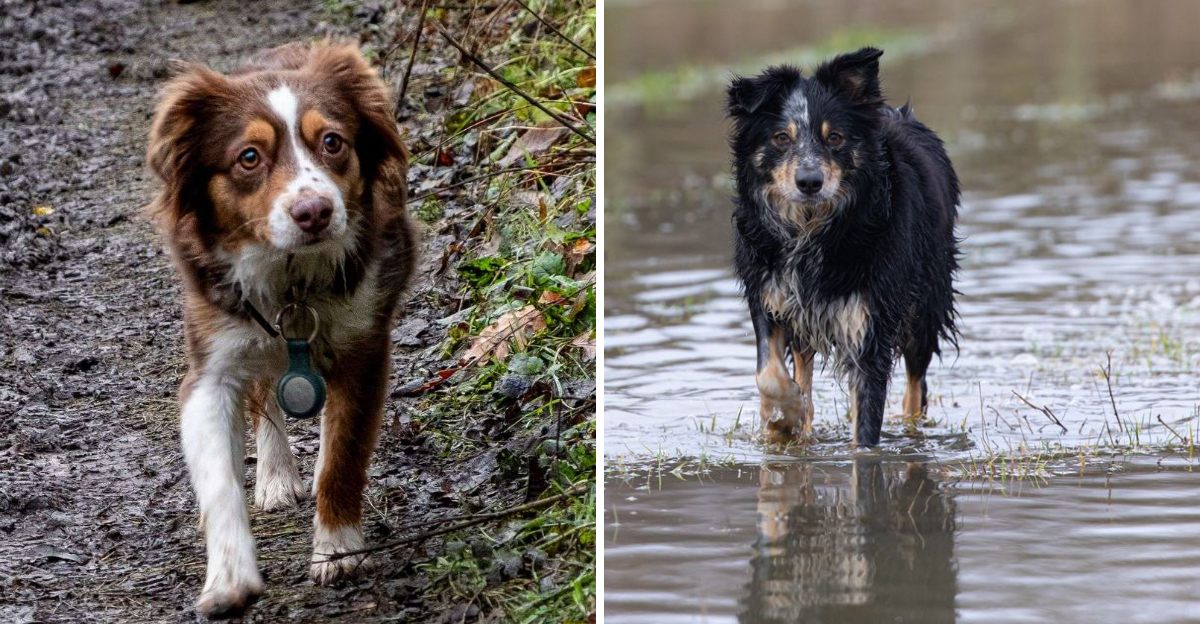
Heavy rain is part of life in Louisiana, and so is the cleanup that follows. When water rises in yards, ditches, and streets, our dogs face hazards they simply do not understand.
The good news is that most risks are easy to manage once you know what to look for. Here is a friendly, practical guide to keeping your dog healthy, comfortable, and safe in the days after a storm passes through your neighborhood.
Check Your Dog for Hidden Floodwater Hazards
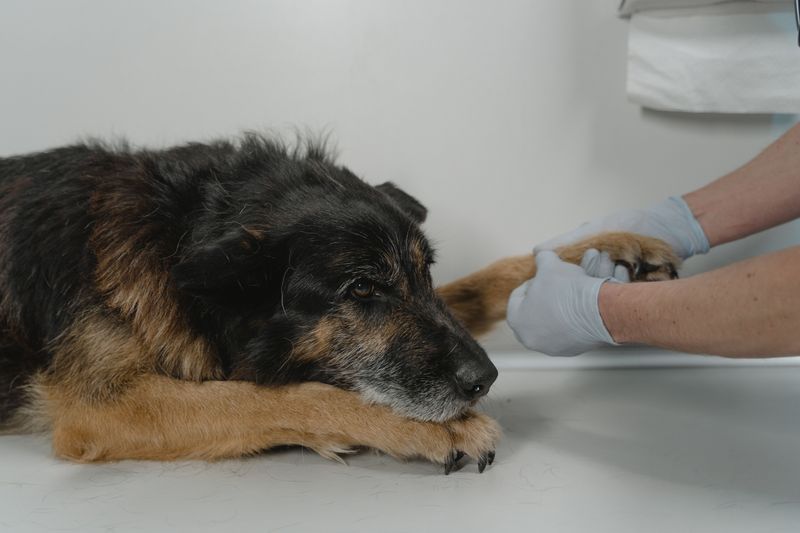
Storm water carries things you cannot see from the back door. Broken glass, nails, splinters, and sharp debris often settle right where dogs love to sniff.
Run your hands slowly over your dog’s legs, belly, and paw pads after every outdoor trip. Spread the toes and look between them.
Small cuts can hide under mud. Rinse, dry, and watch for limping or licking.
Call your vet if a wound looks deep or swollen.
Keep Dogs Away From Contaminated Standing Water
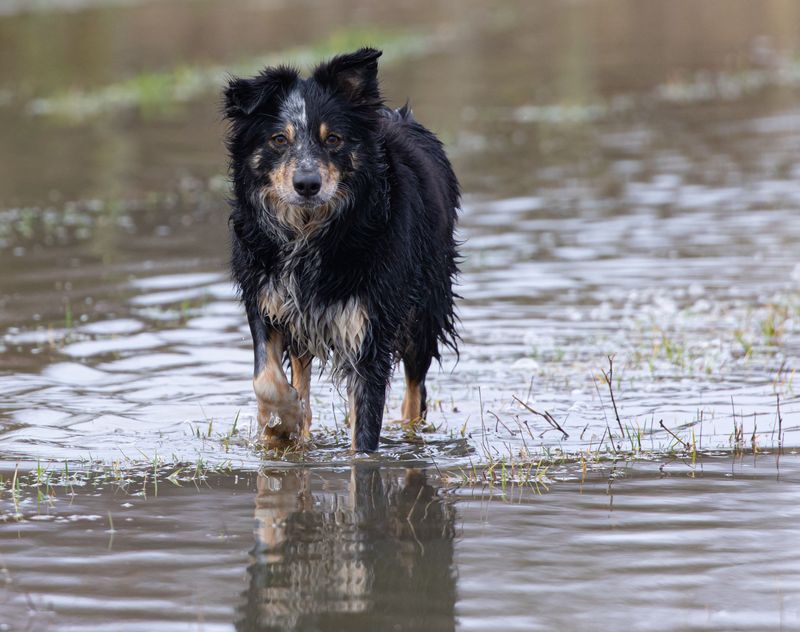
That puddle in the driveway may look harmless, but floodwater mixes with sewage, fuel, fertilizer, and yard chemicals.
Dogs drink from whatever is closest, especially on warm days. A few laps can lead to an upset stomach or worse.
Shorten your leash near low spots and gutters. Bring a travel bottle so your dog has something clean to drink.
If your dog does sip floodwater, note the time and call your veterinarian for advice.
Watch for Leptospirosis After Heavy Rain
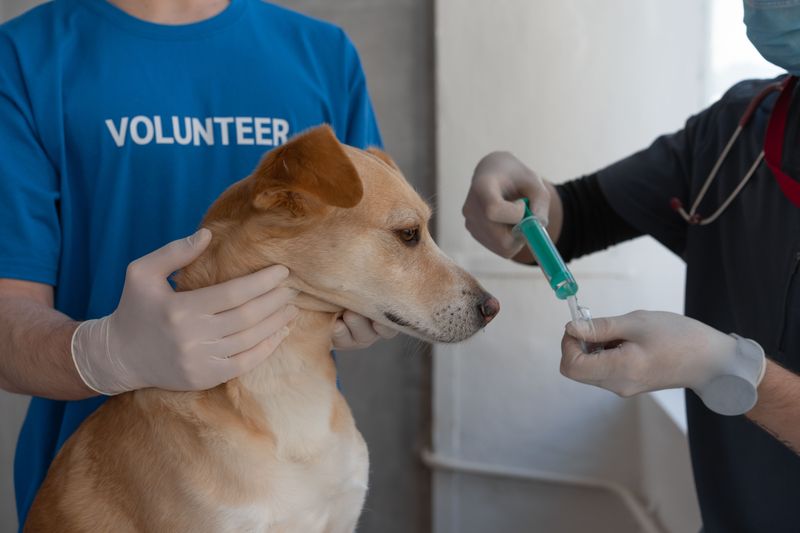
Leptospirosis is a bacterial illness spread through the urine of wildlife and rodents. Standing water helps it survive longer.
Louisiana’s warm, wet climate makes it a real concern for dogs who roam damp yards.
Signs can include fever, tiredness, vomiting, sore muscles, and drinking more than usual. Early treatment works best.
A vaccine exists, and many local vets recommend it. Ask whether your dog’s lifestyle and area make it a good fit.
Be Careful Around Muddy Areas
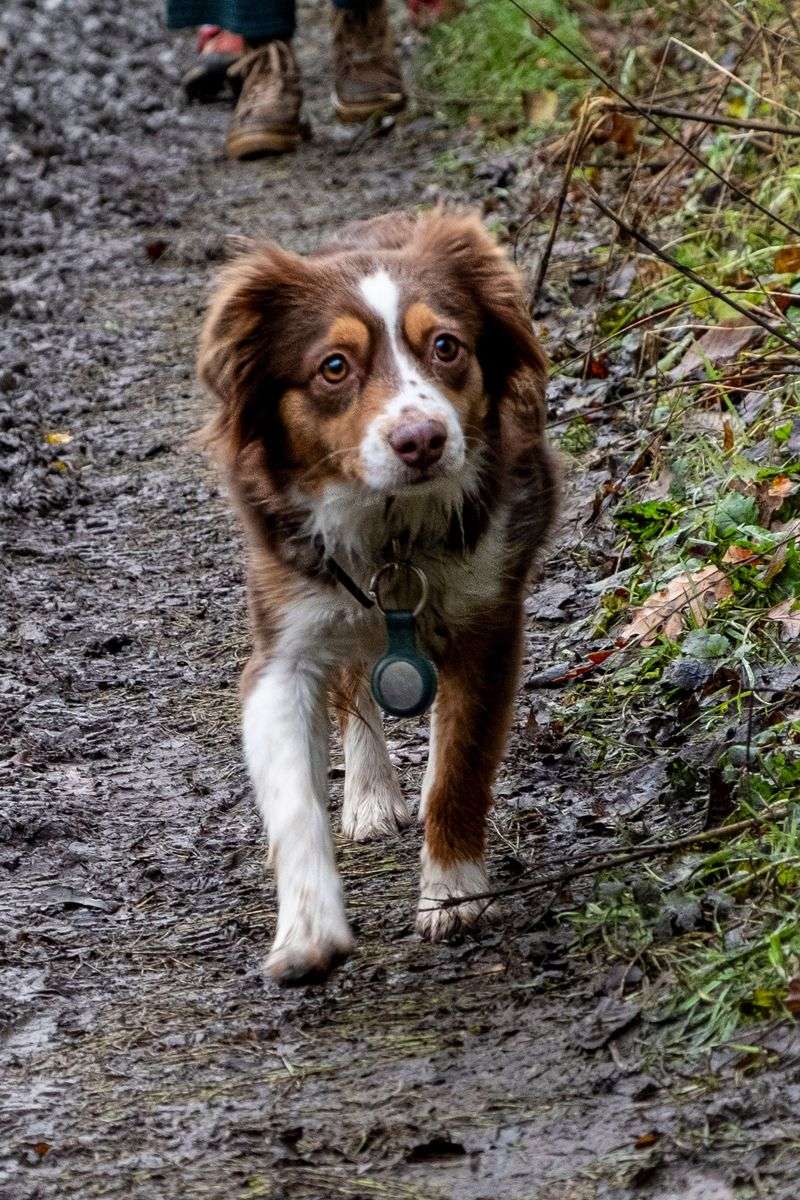
Soft ground hides more than it shows. Mud can conceal sinkholes, uncovered drains, and slick spots that twist a leg.
Older dogs and short-legged breeds struggle most when footing disappears beneath them.
Stick to sidewalks and higher ground during walks for the first day or two. Let saturated soil firm up naturally.
Fun note: thick mud also pulls off loose collars. Double-check that buckle before heading out the door.
Rinse Mud and Dirty Water From Paws
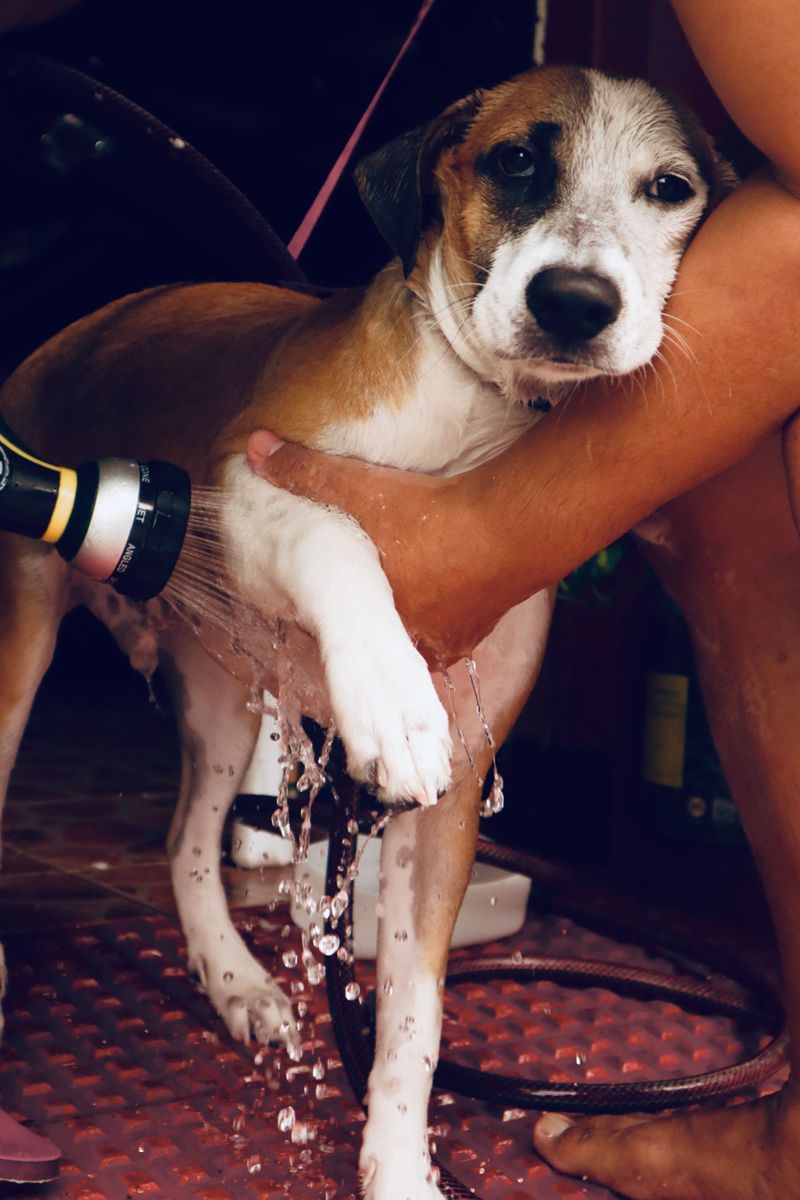
A quick rinse does more good than most owners realize. Bacteria and chemicals cling to fur between the toes.
Keep a bucket of clean water, mild soap, and an old towel near the door during storm season.
Wash the legs and belly too, since splashes travel higher than you think. Dry thoroughly to prevent skin irritation.
Dogs who lick their feet later will thank you for the extra two minutes.
Do Not Let Your Dog Swim in Floodwater
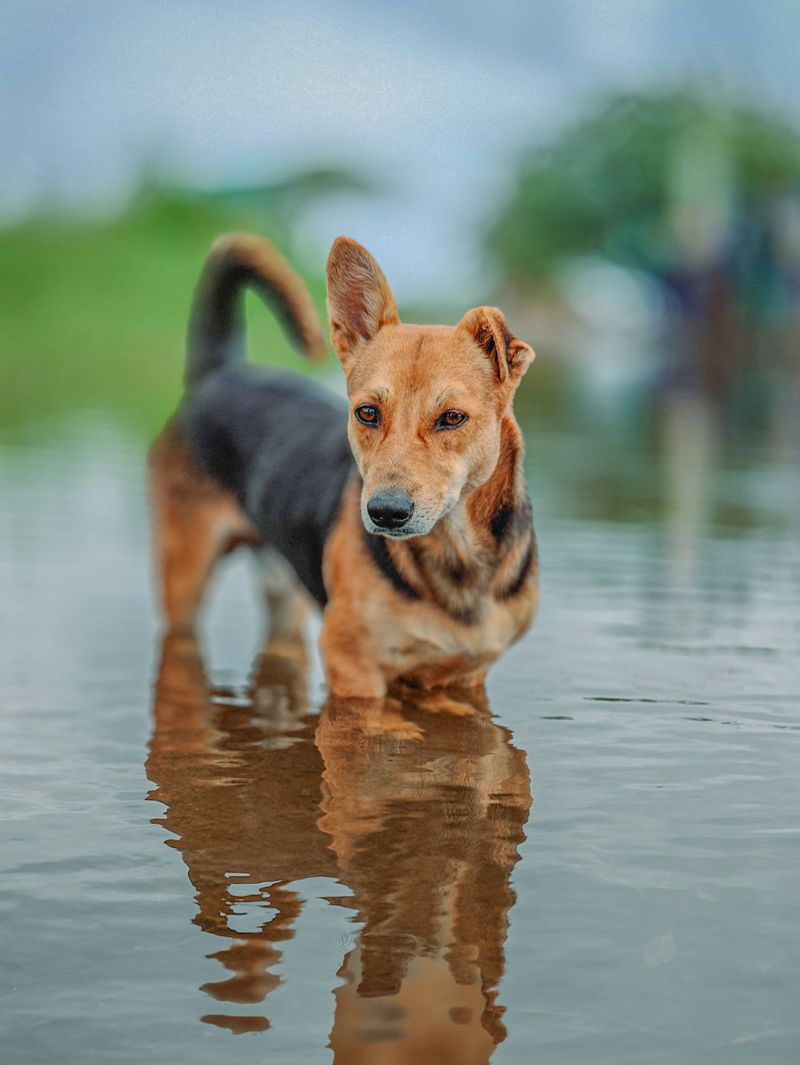
Strong swimmers still get into trouble when currents move fast and debris floats below the surface.
Flooded bayous, canals, and ditches change shape overnight. Banks give way without warning.
Water may also hide submerged fencing, wire, and downed limbs that trap a paw.
Save swimming for clear, familiar water once conditions settle. In the meantime, tire your dog out with indoor games, puzzle toys, or short leashed strolls on dry pavement.
Check Fences Before Letting Your Dog Outside
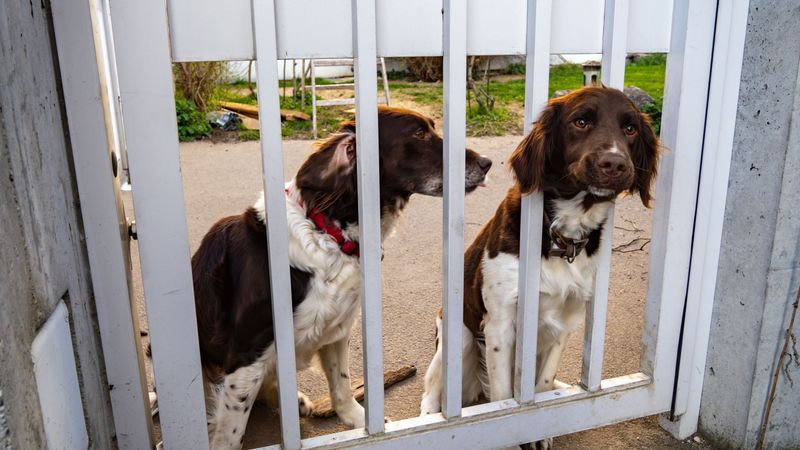
Water loosens soil fast, and fence posts lean or lift after a heavy soaking. Gates swing open on their own.
Walk the whole perimeter before your dog goes out unsupervised. Look for gaps at ground level where washouts formed.
Push on each panel to test for wobble. Temporary fixes like stakes or zip ties work until repairs happen.
Until then, keep your dog leashed even in the yard.
Look Out for Displaced Wildlife
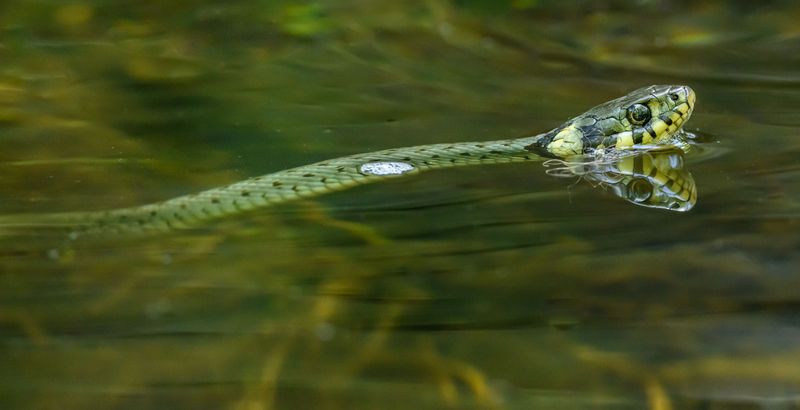
Rising water pushes snakes, fire ants, raccoons, and armadillos into places they normally avoid.
Louisiana yards can host displaced critters under porches, in woodpiles, and along fence lines for days.
Walk out ahead of your dog and scan the area first. Keep leashes short near brush and debris piles.
Floating fire ant clusters deserve special respect. If your dog gets stung or bitten, contact your veterinarian promptly.
Watch for Mosquitoes After the Rain
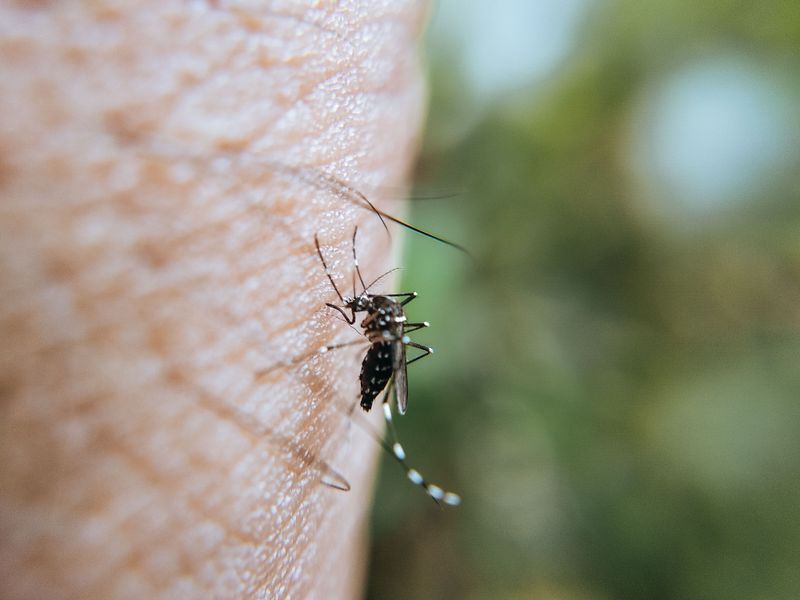
Mosquito activity can increase after periods of rain, and mosquitoes can transmit heartworm to dogs. Keep your dog on year-round heartworm prevention as recommended by your veterinarian.
Year-round prevention is the standard recommendation here, so refill that prescription before it runs out.
Dump water from buckets, tarps, saucers, and toys around the yard. Fewer breeding spots means fewer bites.
Only use repellents labeled safe for dogs. Products made for people can cause problems, so check with your vet first.
Keep Food and Pet Supplies Away From Floodwater
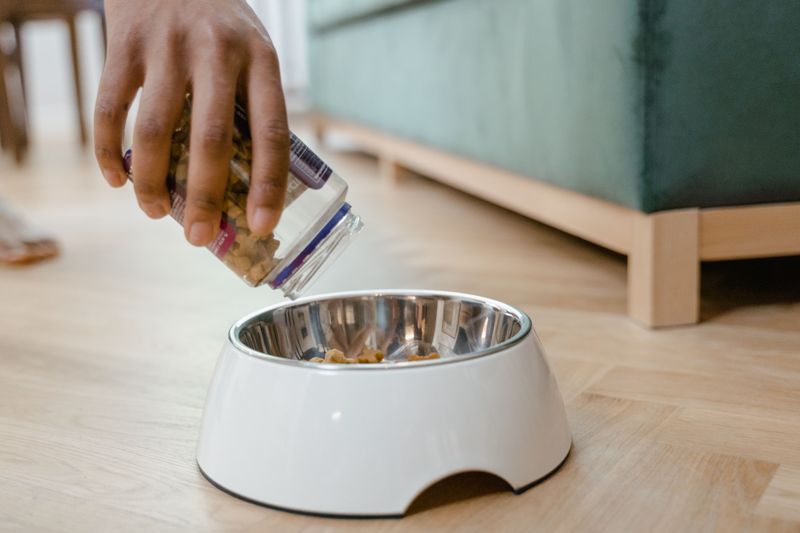
Kibble can become contaminated if floodwater reaches it. Discard pet food that has been exposed to floodwater rather than feeding it to your dog.
Store food in sealed containers placed on shelves or countertops, never directly on a garage floor.
Bowls, beds, and toys need washing with soap and hot water if water reached them.
Porous items like fabric beds are hard to fully clean. Replacing them is often the simpler, healthier choice.
Check Your Yard for Standing Water
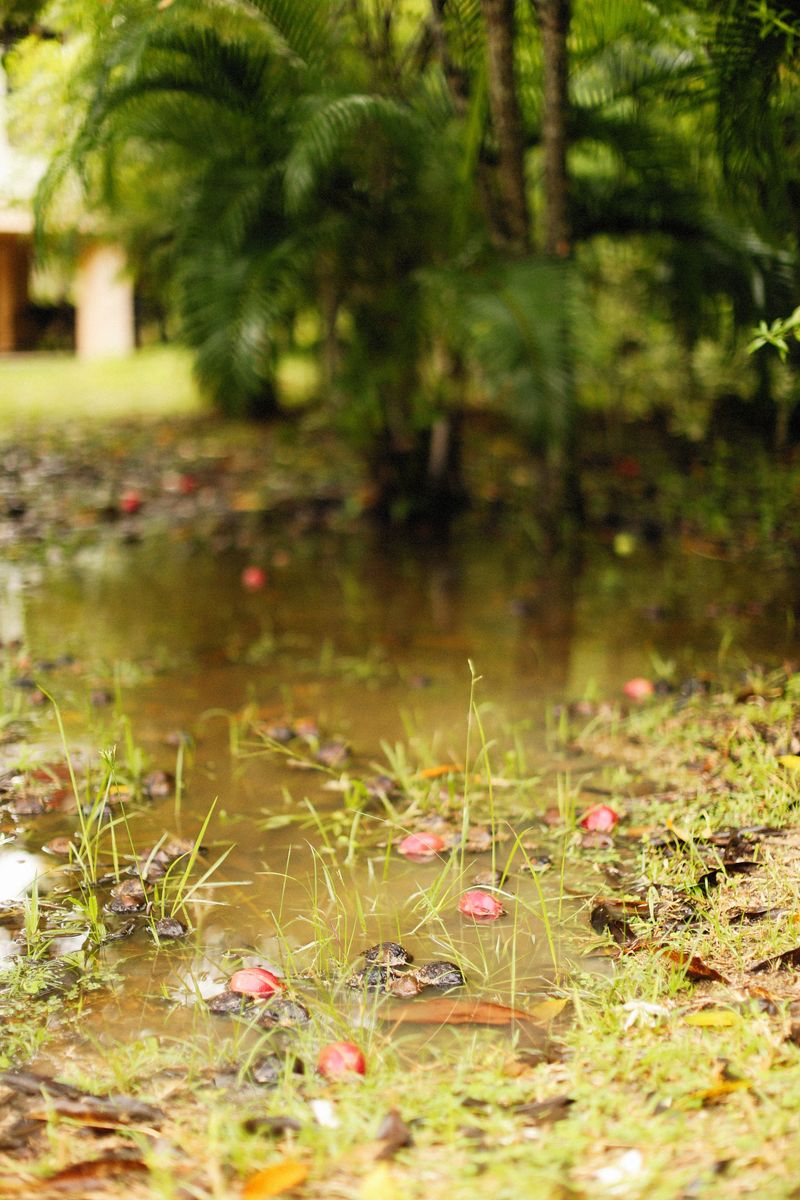
Puddles that linger become tiny ecosystems. Bacteria multiply, algae forms, and insects move in within days.
Walk the yard each morning and look for low spots that never seem to drain.
A rake, some fill dirt, or a simple trench can redirect water away from favorite play areas.
Block off soggy corners with temporary fencing until they dry. Your dog will find a new spot happily enough.
Clean Muddy Floors Before Your Dog Roams Inside
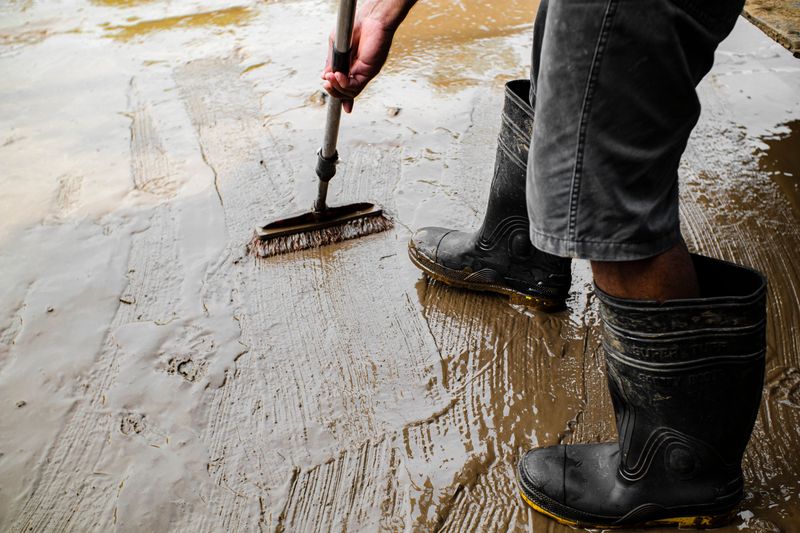
Tracked-in floodwater does not stay in the entryway. Paws spread it onto rugs, sofas, and sleeping spots.
Mop hard floors with a pet-safe cleaner, then let everything dry completely before your dog walks through.
Set a towel or washable mat right inside the door as a landing pad.
Avoid strong disinfectants around curious noses. Rinse surfaces well and ventilate the room while things dry.
Know the Signs of Illness After Flood Exposure
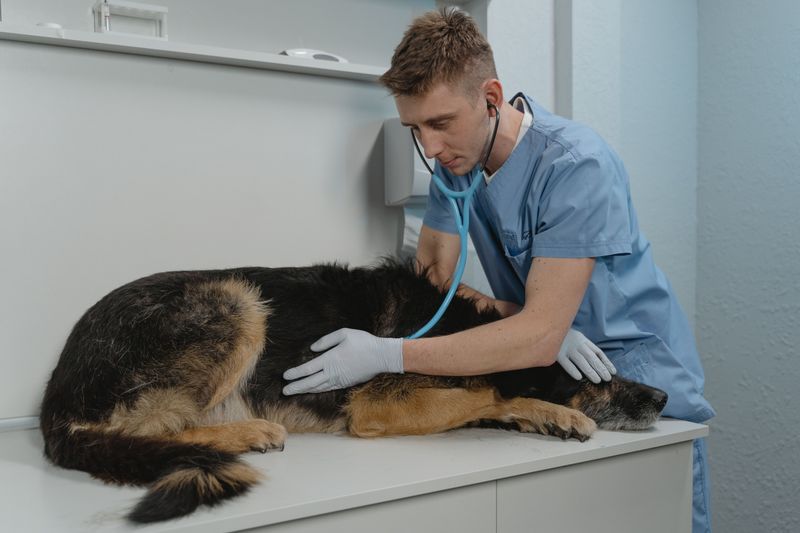
Some illnesses associated with floodwater exposure can cause signs within days, while others may take longer to appear.
Keep an eye out for vomiting, loose stools, low appetite, unusual tiredness, fever, or reluctance to move.
Skin rashes and ear infections also spike after wet weather in humid parishes.
Write down when the exposure happened. That detail helps your veterinarian narrow things down quickly during the visit.
Keep Fresh Drinking Water Available
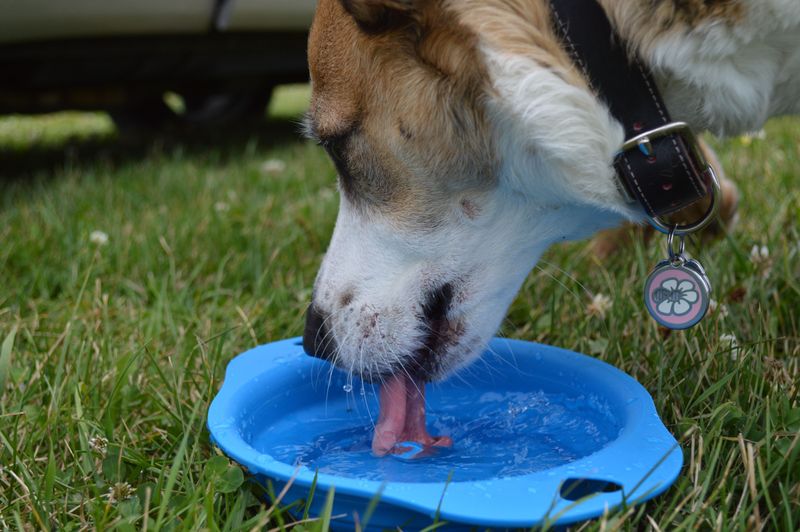
A well-hydrated dog is far less tempted by puddles outside. Simple as that.
Refill bowls often and wash them daily, since humidity encourages slime buildup.
If a boil advisory is issued for your area, follow the same guidance for pets that you follow for family.
Bottled or boiled and cooled water works fine. Keep a few extra gallons stored ahead of hurricane season.
Take Extra Care During Power Outages
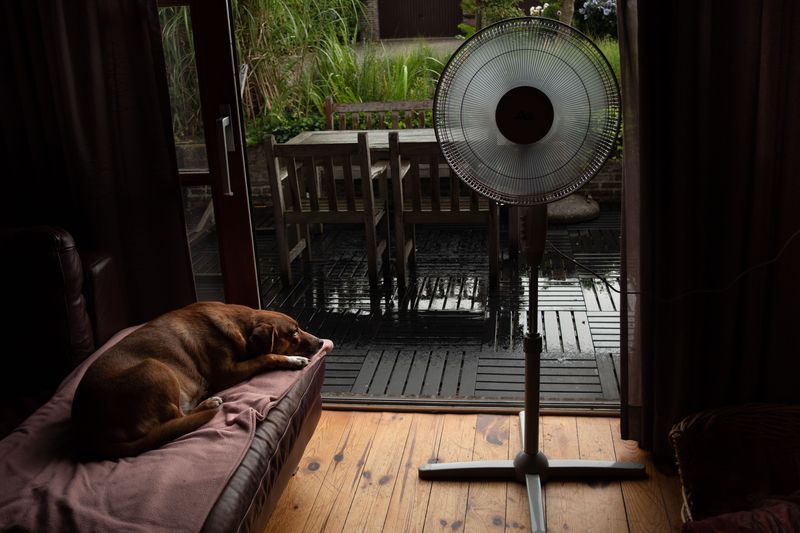
Louisiana heat becomes serious business once the air conditioning stops. Dogs feel it before we do.
Move your dog to the coolest available area, using shade, airflow, and other safe cooling measures to help keep them comfortable.
Watch for heavy panting, drooling, or wobbliness, and cool your dog gradually if you see them.
Never leave a dog in a parked vehicle while waiting for power to return, not even briefly.
Give Your Dog a Safe Place During Evacuations
The federal PETS Act requires eligible state and local emergency plans to account for household pets and service animals when preparing for and responding to disasters.
Still, shelter rules differ by parish. Confirm which locations accept animals before you need them.
Pack a go-bag with a crate, leash, food, bowls, medications, and vaccination records.
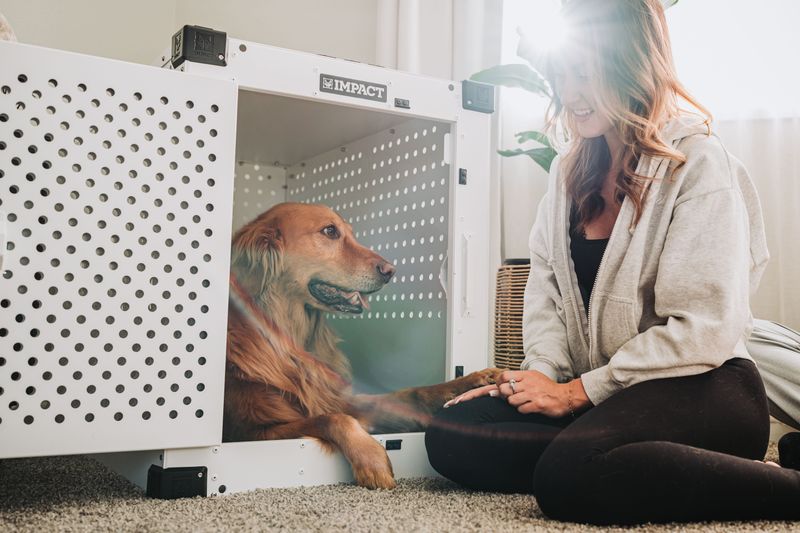
A crate doubles as a calm retreat in unfamiliar places. Familiar bedding inside makes a strange room feel manageable.
Update Your Dog’s Identification Information
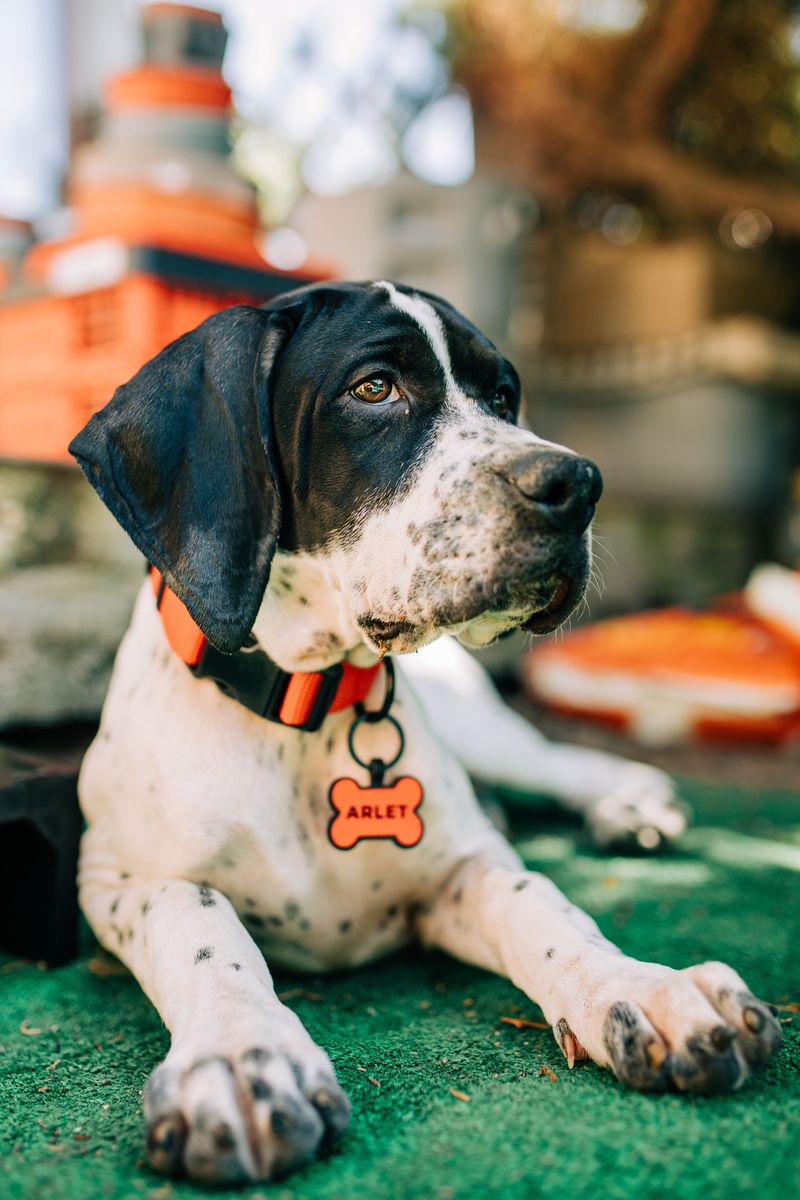
Storms separate more pets from owners than almost anything else. Identification brings them home.
Check that the phone number on the tag is current, and add a second contact from another town.
Microchips only work when registered, so log into the database and confirm your details.
Snap a few clear photos of your dog on your phone. Those pictures matter if you ever need to post flyers.
Wait for Areas to Be Declared Safe Before Returning
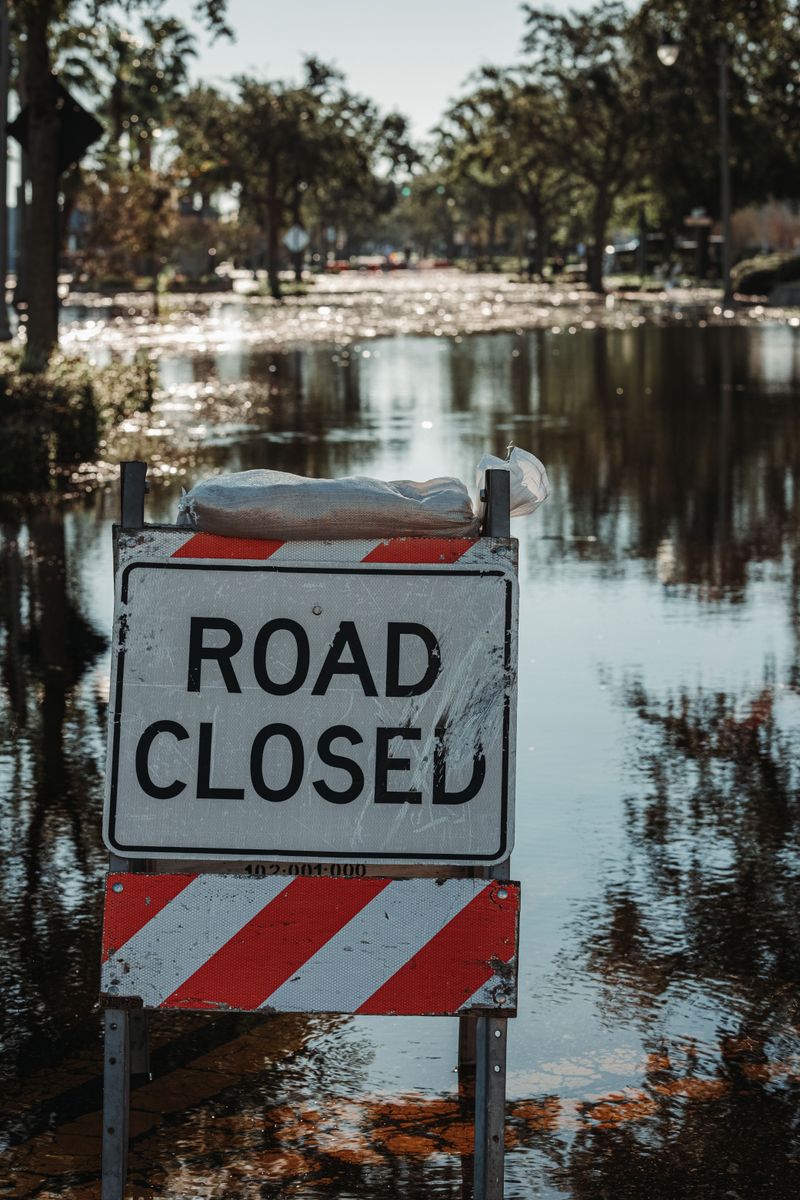
Returning home too soon puts everyone at risk, including four-legged family members.
Local officials and parish emergency management issue reentry guidance for a reason: downed lines, weak roads, and contamination.
Follow official channels rather than neighborhood rumors about which streets are open.
Once cleared, walk the property alone first. Check for hazards, then bring your dog out on a leash for a slow, supervised tour.