19 Tornado-Shelter Essentials For Missouri Households With Dogs
Spring storms are part of life in Missouri, and our dogs feel every rumble right alongside us. A little planning now can make a tornado warning feel calm instead of chaotic.
Think of this as advice from a neighbor who has packed a few shelter kits over the years. Here is what every local dog owner should have ready before the sirens sound.
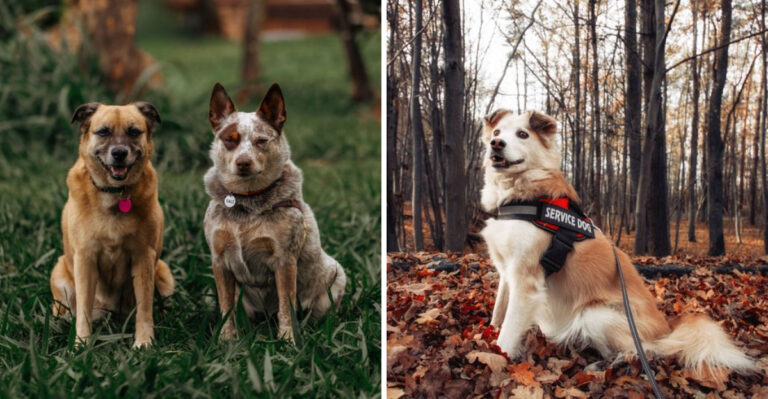
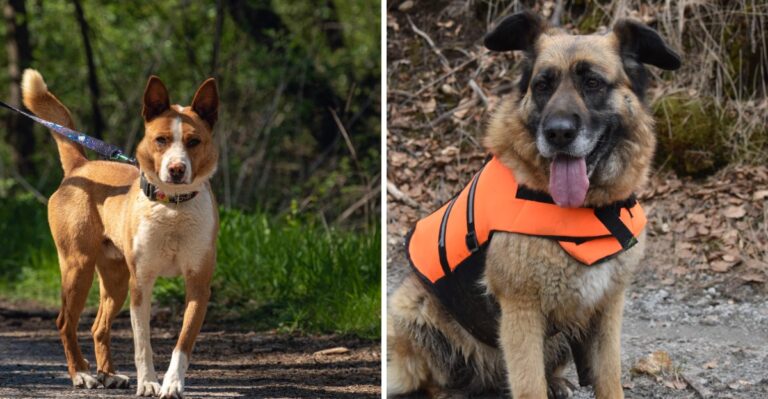
1. A Sturdy Leash and Snug Harness
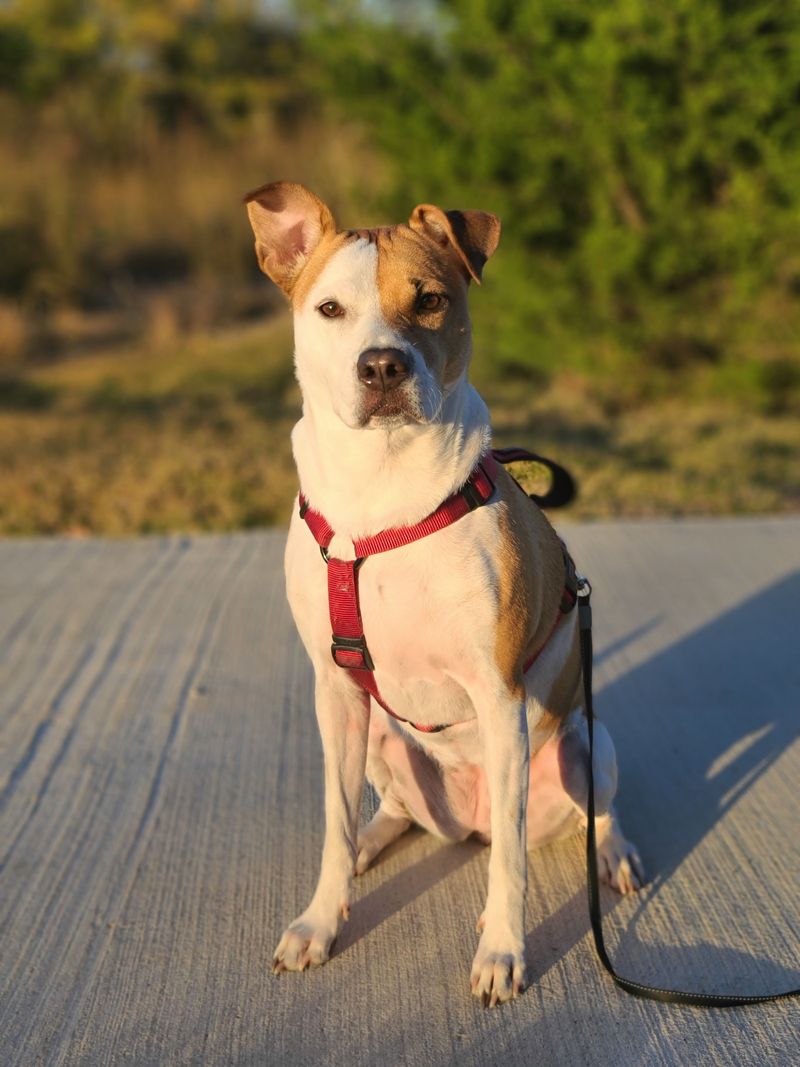
Sirens have a way of turning a relaxed dog into a wiggly escape artist. A strong leash and a harness that fits well give you steady control when every second counts.
Collars can slip over a frightened dog’s head. Harnesses spread pressure across the chest, so they are much harder to back out of.
Check the fit with the two-finger rule. Keep both items hanging right by your shelter door.
2. A Carrier or Crate That Fits Just Right
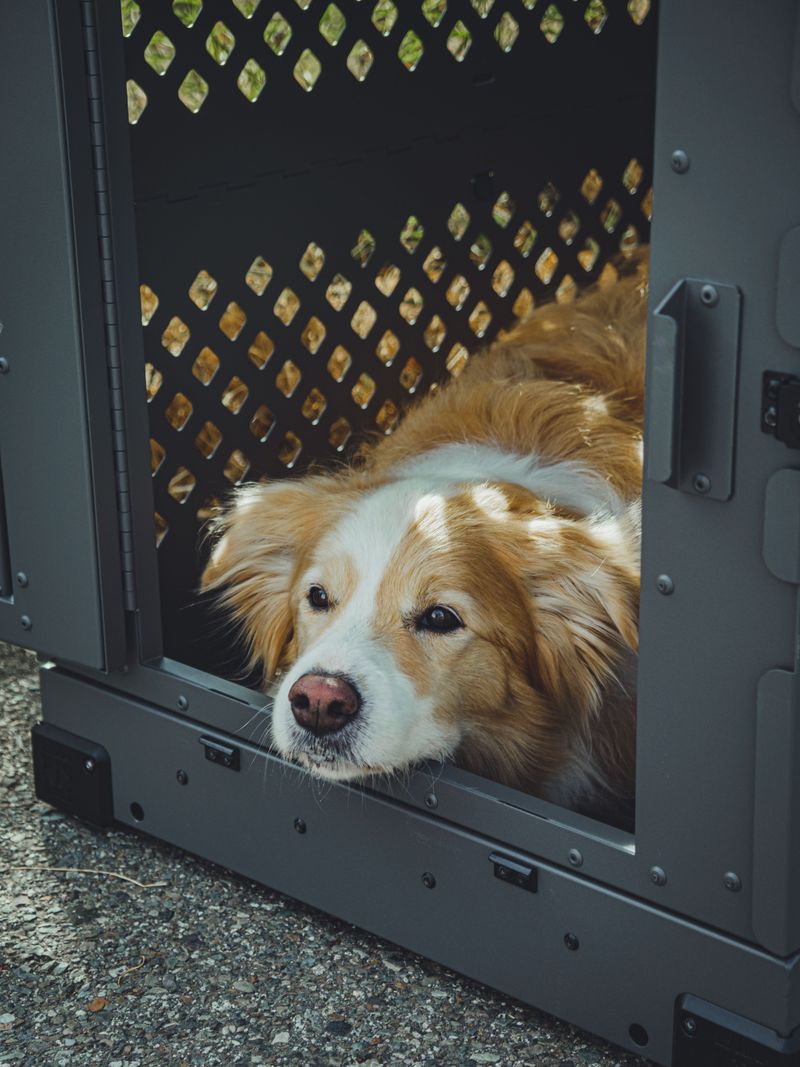
Picture a cozy den your dog already trusts. That is what a good carrier or portable crate becomes during a storm.
Size matters here. Your dog should be able to stand, turn around, and lie down comfortably inside.
Practice at home before storm season begins. Toss treats inside, leave the door open, and let your pup explore.
A crate that feels familiar makes long waits much easier for everyone.
3. ID Tags With Current Contact Details
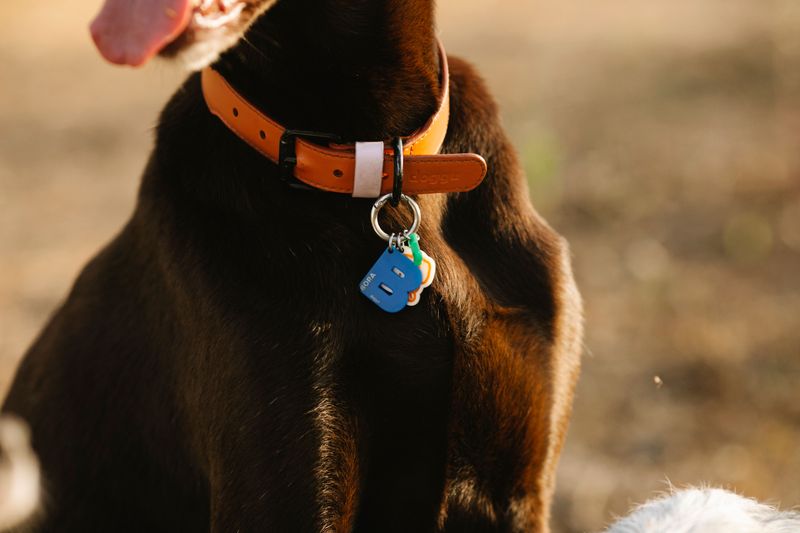
Ask any shelter worker, and they will tell you the same thing. A readable tag is often the fastest way home for a lost dog.
Your dog’s collar should carry tags with your current cell number. Adding a second contact number is a smart backup.
Moved recently or changed phones? Order a new tag today.
Engraved tags are inexpensive, and they work even when nobody nearby has a microchip scanner.
4. A Microchip With Up-to-Date Registration
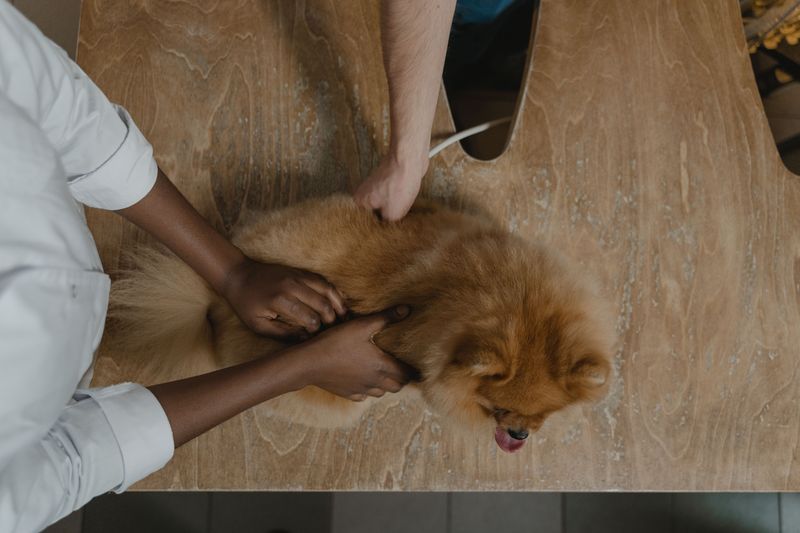
Here is a surprising truth. A microchip only helps if the registry has your current information.
The chip itself is tiny, about the size of a grain of rice. It holds a number, not your address.
That number links to the details stored with the registry company.
Look up your dog’s chip number and confirm the record is current. Your veterinarian, animal control, or local humane society can help with chipping or scanning.
5. Three Days of Bottled Water Per Dog
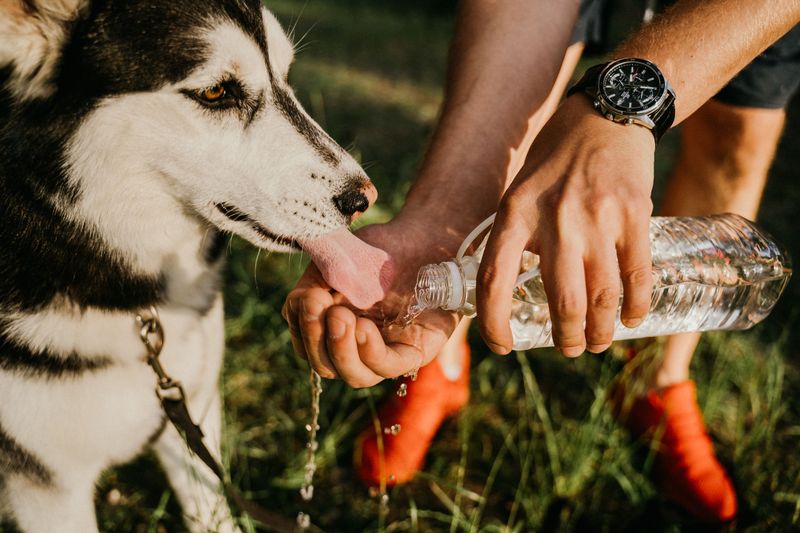
Tap water may not be safe after a strong storm damages local lines. That is why stored water belongs in every kit.
Plan for at least three days of drinking water for each dog. A common guideline is about one ounce per pound of body weight daily.
Active or larger dogs may need more.
Use sealed bottles or sturdy jugs. Swap them out on a regular schedule so they stay fresh.
6. Dog Food in Waterproof Containers

Hungry dogs get restless, and restless dogs make shelter time harder. Keeping meals consistent helps everyone stay calm.
Store three to seven days of your dog’s regular food. Sticking with the usual brand helps avoid an upset stomach.
Airtight, waterproof bins protect kibble from moisture and pests. Packing canned food?
Tuck a manual can opener inside too. Rotate the supply every few months so nothing goes stale.
7. Collapsible Bowls That Save Space
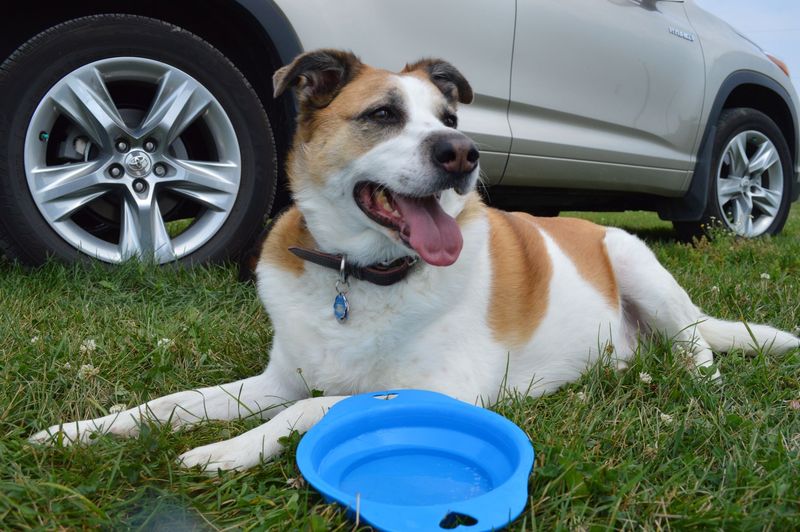
Basements and interior closets fill up fast once the whole family squeezes in. Every inch counts.
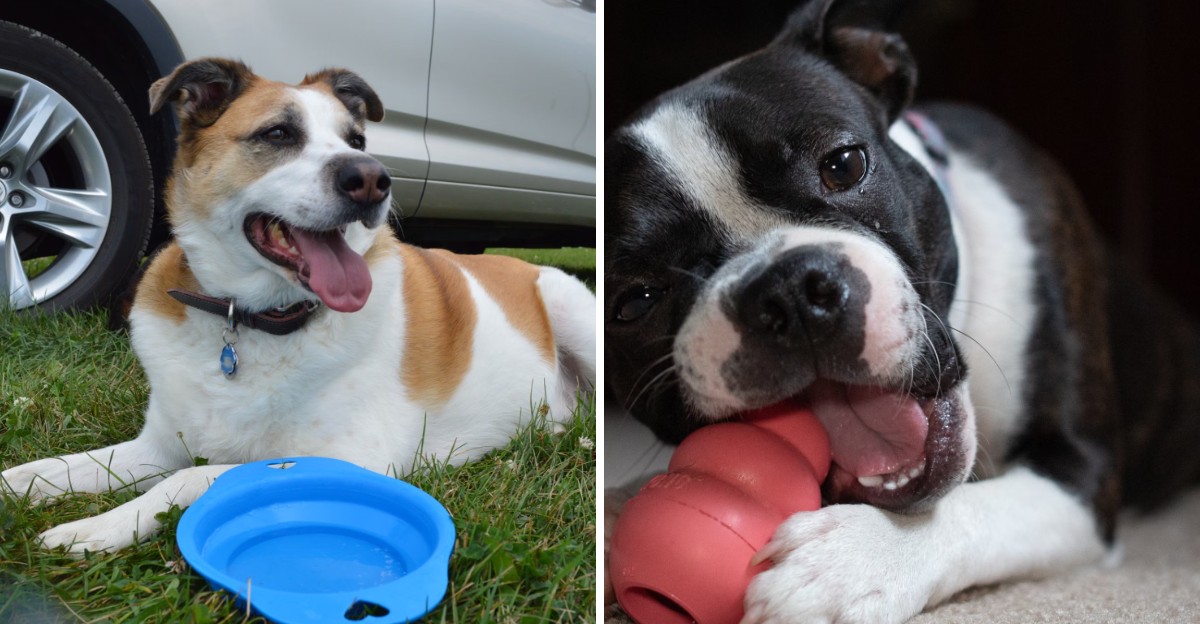
Collapsible silicone bowls fold nearly flat and pop open in seconds. They weigh almost nothing and will not shatter if dropped.
Grab one bowl for food and one for water. Many even clip onto a leash or backpack.
Choose a design with a wide base, so a nervous dog is less likely to tip it.
8. A Week of Essential Medications
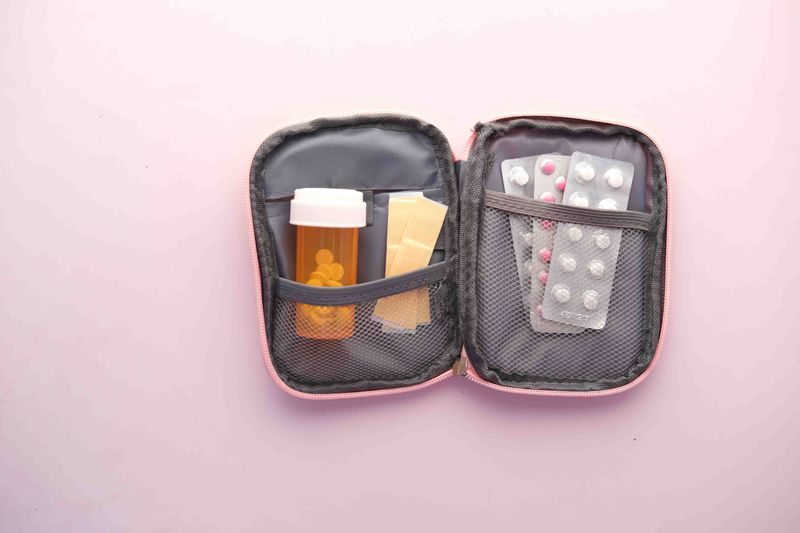
Pharmacies and vet offices may close for days after a big storm. A dog with a health condition should not go without daily care.
When possible, keep at least seven days of prescription medication in your kit. Store it in a waterproof bag with clear labels.
Ask your veterinarian how to rotate this supply safely. Some medicines expire quickly or need special storage, so their guidance matters.
9. Waterproof Copies of Health Records
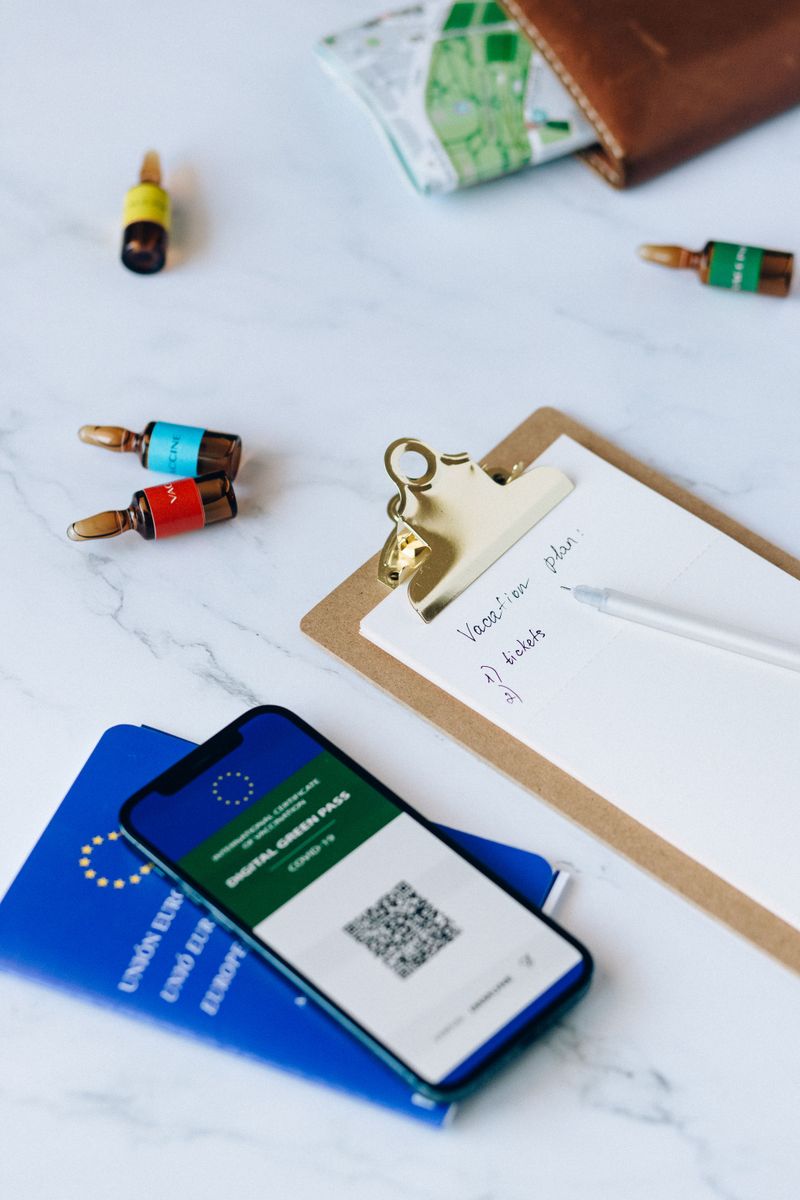
Paperwork may feel boring, yet it can open doors fast. Many boarding facilities and pet-friendly shelters ask for proof of vaccinations before accepting a dog.
Seal copies of vaccine records, medical notes, and your vet’s contact details in a waterproof pouch. Include rabies certificates and any allergy information.
Snap photos of each page too. Saving them to cloud storage gives you a second copy that weather cannot reach.
10. A Pet First-Aid Kit
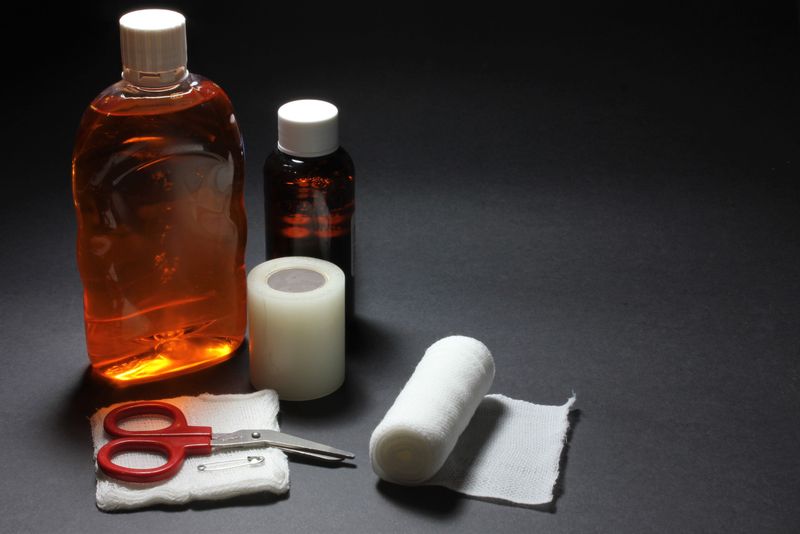
Minor scrapes happen, even in a well-planned shelter. A stocked kit helps you handle small problems until a vet can see your dog.
Include gauze, self-adhering bandage wrap, non-stick pads, and medical tape. Add saline, antiseptic wipes, blunt scissors, tweezers, and disposable gloves.
A pet first-aid guide is a handy extra. Never give any medication without talking to your veterinarian first.
11. Waste Bags, Pads, and Cleanup Gear
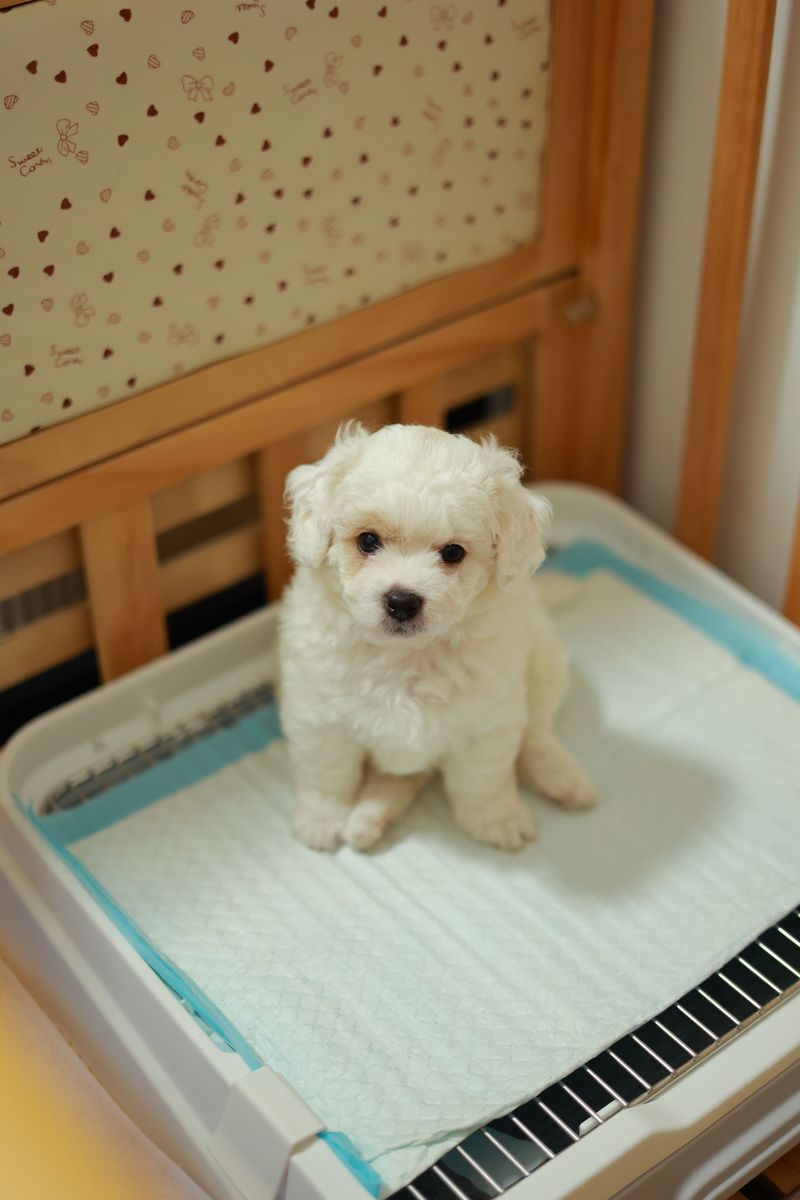
Nobody likes talking about it, but nature still calls during a storm. Being ready keeps your shelter space clean and comfortable.
Pack plenty of waste bags and absorbent puppy pads. Your dog may not be able to go outside for hours.
Add paper towels, a small bottle of pet-safe cleaner, and a few trash bags. Little messes stay little when the right tools are close by.
12. A Familiar Blanket or Bed
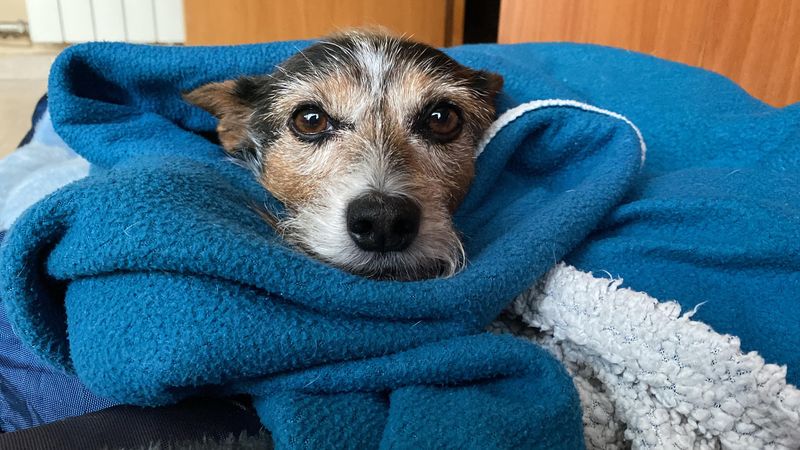
Dogs experience much of their world through their noses. A blanket that smells like home can feel like a warm hug.
Bring a blanket or bed your dog already loves. Basements can feel chilly and damp, so extra padding helps with warmth too.
Skip washing it right before storm season. That familiar scent is part of what makes it so soothing for an uneasy pup.
13. Favorite Toys and Chews

Fun fact: chewing and licking can help dogs release nervous energy. That makes a good chew toy a quiet helper during loud weather.
Pack one or two favorite toys plus a long-lasting chew. A treat-stuffed puzzle toy keeps minds busy while thunder rolls.
Calming treats are another option. Check the ingredients with your vet first, especially if your dog has allergies or takes medication.
14. Vet-Approved Calming Help
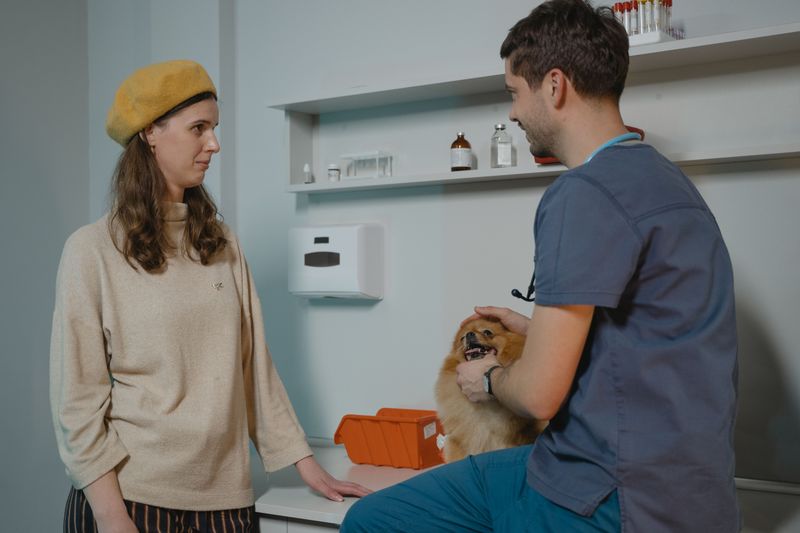
Some dogs shake, pant, or hide at the first hint of thunder. For them, storms can feel truly overwhelming.
Your veterinarian can suggest options for severe storm fears. These may include prescription medications, pressure wraps, or calming supplements.
Talk with your vet well before storm season. Try any new aid on a calm day first.
Never give human medicine to a dog without veterinary approval.
15. A NOAA Weather Radio and Spare Batteries
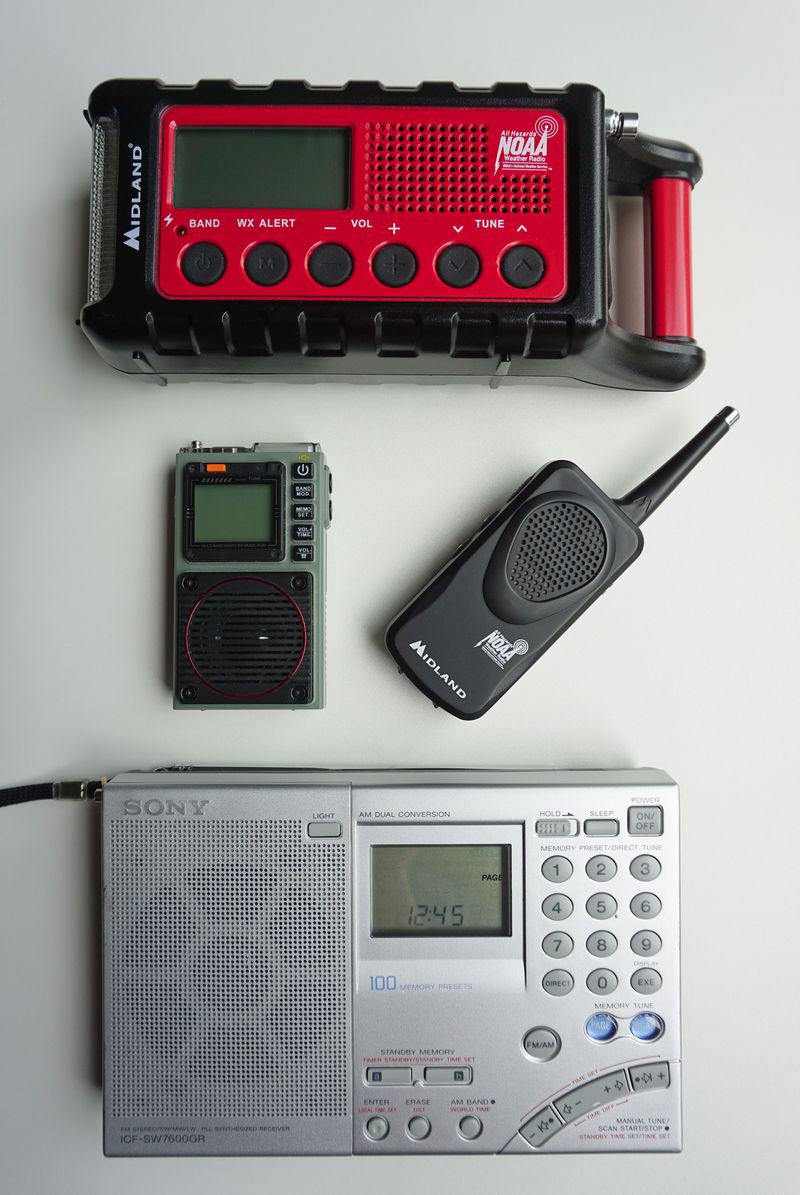
Cell service can fail just when you need updates most. A NOAA weather radio keeps alerts coming straight from the National Weather Service.
Choose a battery-powered model with SAME technology. You can program it for your Missouri county, so it sounds only for nearby warnings.
Keep fresh spare batteries beside it. Test the radio monthly, and you will always know when to head to shelter with your dog.
16. A Flashlight or Headlamp

Power often flickers out when strong storms pass through. Trying to guide a nervous dog in the dark is no fun.
A headlamp is a favorite among experienced dog owners. It keeps both hands free for a leash, a crate door, or a squirming pup.
Pack a regular flashlight as a backup. Add extra batteries, and check everything at the start of each spring.
17. A Charged Portable Phone Charger

Your phone holds your vet’s number, dog photos, and weather apps. None of that helps once the battery runs dry.
A portable power bank keeps you connected for hours or even days. Charge it fully and check it every few months.
Keep the right cable with it. During outages, lower your screen brightness and close extra apps to stretch every bit of power.
18. Recent Photos of Each Dog
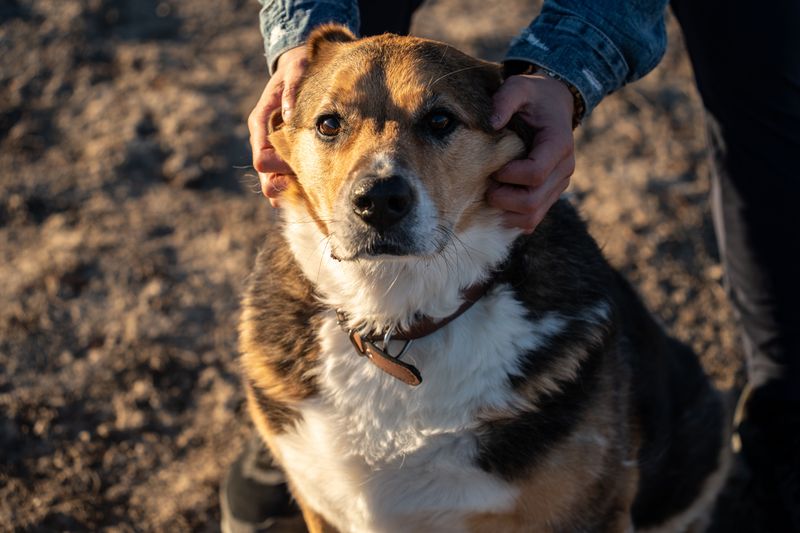
Clear photos make it far easier for others to spot your pup. Dogs can change a lot after a haircut or a few birthdays.
Take fresh pictures showing your dog’s face, full body, and any unique markings. Include one photo of you together to help prove ownership.
Keep printed copies in a waterproof sleeve. Store digital copies on your phone and online, so they are easy to share.
19. A Written List of Emergency Contacts

Phones can break or lose power, but paper keeps working. A written contact list is simple and reliable.
Include your veterinarian, the nearest 24-hour animal hospital, and local animal control. Add pet-friendly hotels and a trusted friend who could care for your dog.
Many public shelters accept only service animals, though rules vary by county. Call your local emergency management office to learn your options ahead of time.