19 Questions To Ask Before Renting A Minnesota Lake Cabin With Your Dog
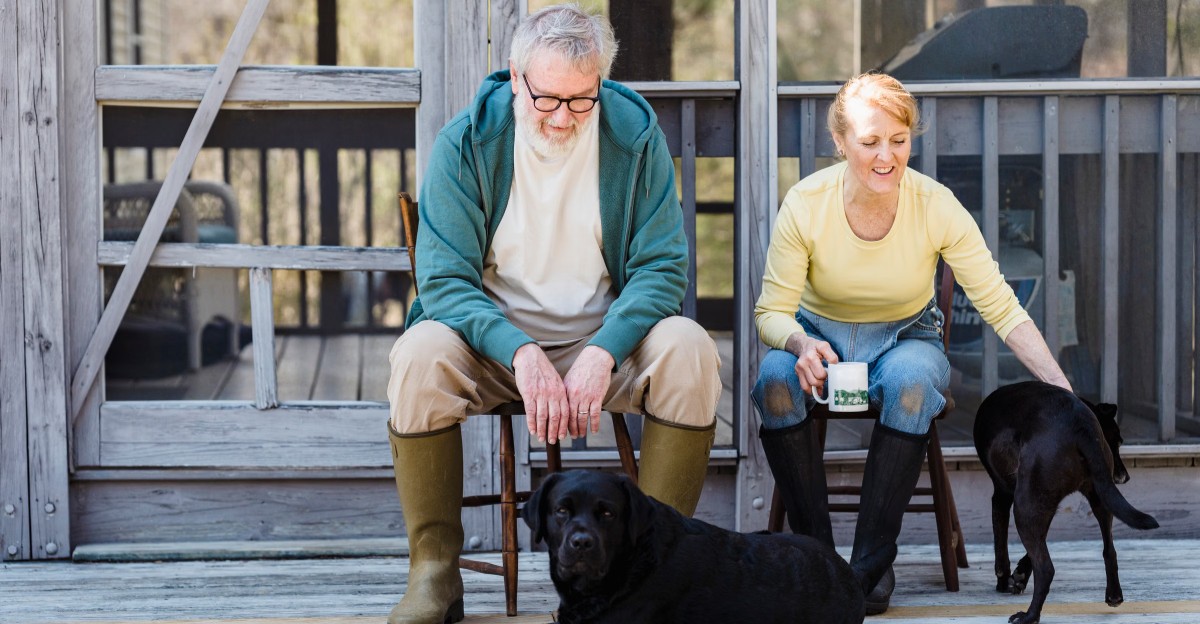
A quiet Minnesota lake, a cozy cabin, and your dog snoozing on the porch sounds like the perfect trip. Every rental has its own rules, though, and surprises can spoil the fun fast.
Asking the right questions before you book saves money, stress, and awkward talks with the host. Think of this list as advice from a friend who has packed the leash, the towels, and the treats many times before.
1. Are Dogs Welcome, and Are There Breed or Size Limits?
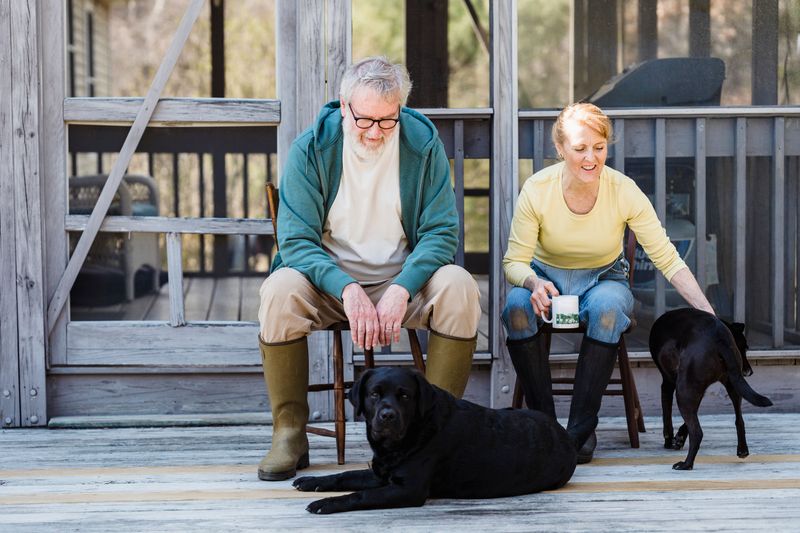
Pet-friendly listings come in many flavors. Some cabins allow any well-behaved dog, while others set limits on breed, size, or weight.
A 50-pound cap is one example you might see.
Ask the host to confirm the policy in writing. Trained service dogs have legal protections and usually skip these limits.
Emotional support animals may be treated as regular pets, so check how the rental handles them before you book.
2. How Many Dogs Can Come Along?
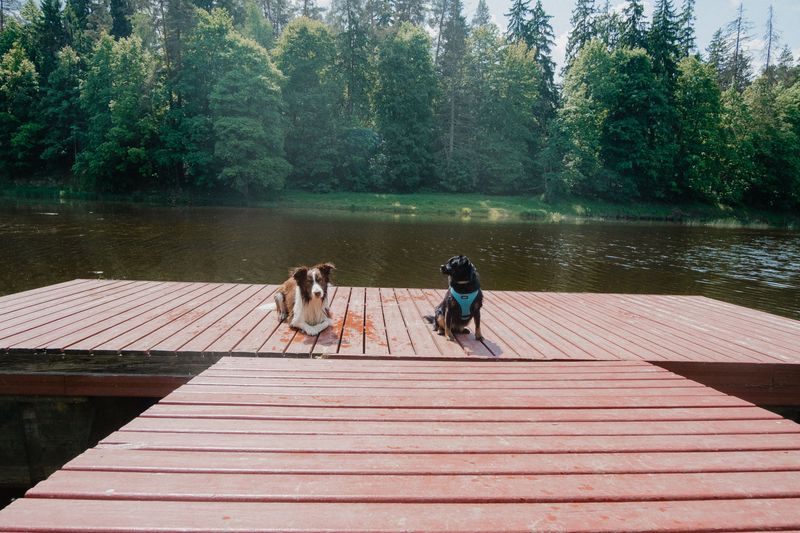
Traveling with a pack? Most cabin owners allow one or two dogs per stay.
A few listings welcome three, but that is less common.
Never assume your second pup is fine just because the first one is. Hosts often base limits on cabin size, flooring, and past cleaning work.
Tell them exactly how many dogs are coming, plus their sizes. Clear details now prevent a tense moment at check-in.
3. What Extra Fees or Deposits Apply?
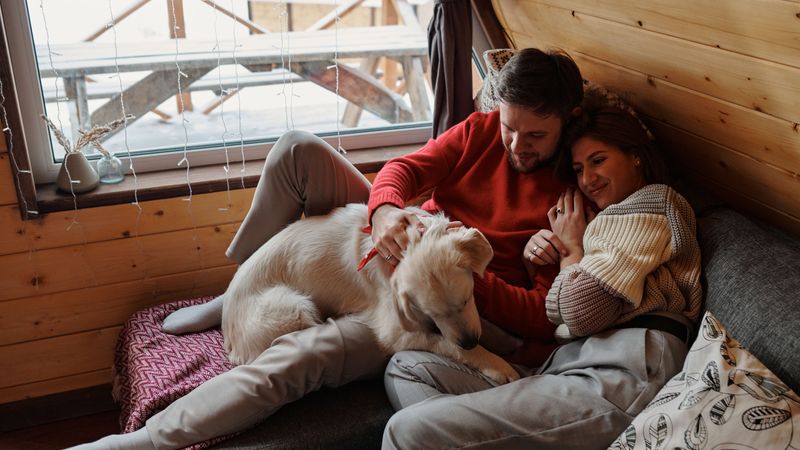
Money talk is never thrilling, but it matters here. Pet charges in Minnesota rentals can be daily, per stay, or weekly.
Some hosts ask for a deposit instead, and it may or may not be refundable.
Ask for the full breakdown before paying. Find out what counts as extra cleaning.
Service animals cannot be charged pet fees, though owners still cover any damage they cause.
4. Is Furniture Off Limits?

Your dog may own the couch at home. At a rental cabin, the rules often change.
Many agreements say no dogs on beds, sofas, or bedding.
Some hosts suggest bringing your own blankets to cover furniture. A familiar dog bed also helps your pup settle in a new place.
Pet hair found on cushions can trigger extra cleaning charges, so plan ahead.
5. Can Your Dog Stay Alone, or Is a Crate Required?
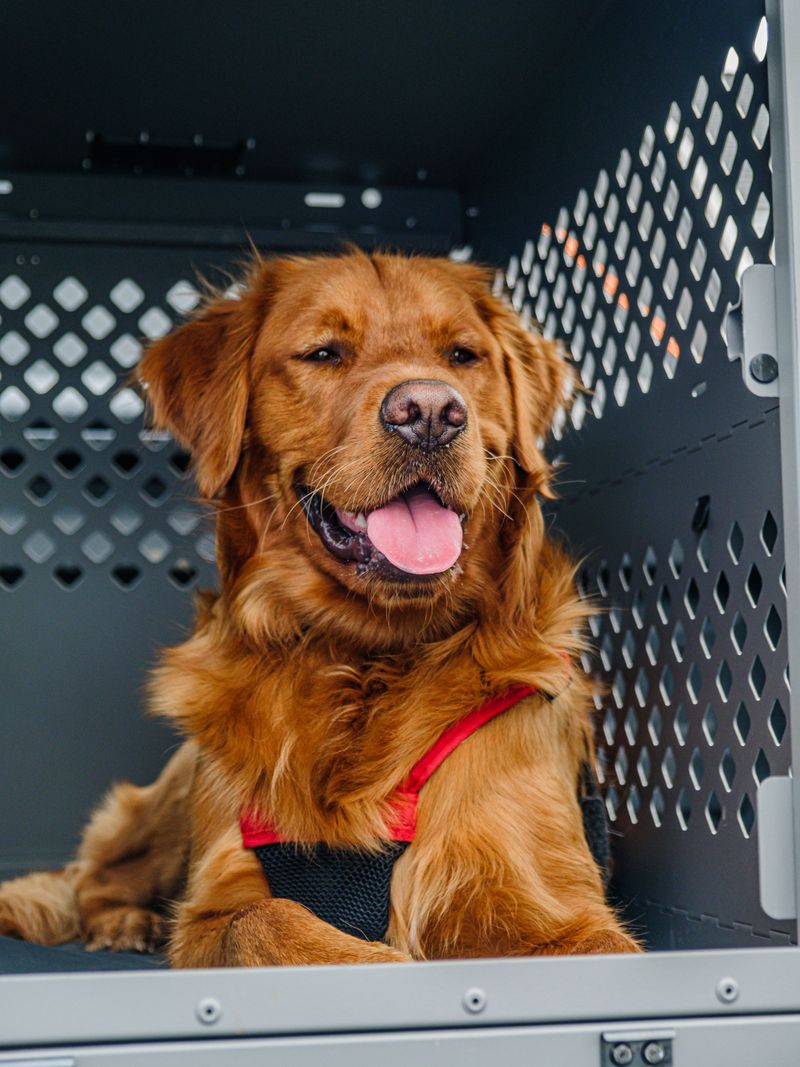
Picture a dinner out in town while your dog waits at the cabin. Is that even allowed?
Policies vary widely.
Some rentals permit short absences if your dog is crated. Others ban leaving dogs alone at all, inside or out.
Fines can apply if rules are broken. Bringing a portable crate is smart either way.
It gives your dog a cozy, familiar den in an unfamiliar room.
6. Is There a Fence, or Must Dogs Stay Leashed?

Wide open lawns can tempt a dog to roam. Many cabin rentals require leashes any time dogs are outside.
Minnesota has no statewide leash law. Cities and counties set their own rules instead.
A fenced yard is a lovely bonus, but it is far from standard. Ask whether the fence is fully enclosed and secure.
Even small gaps can lead to a surprise chase through the woods.
7. Is There Private Lake Access for Swimming?
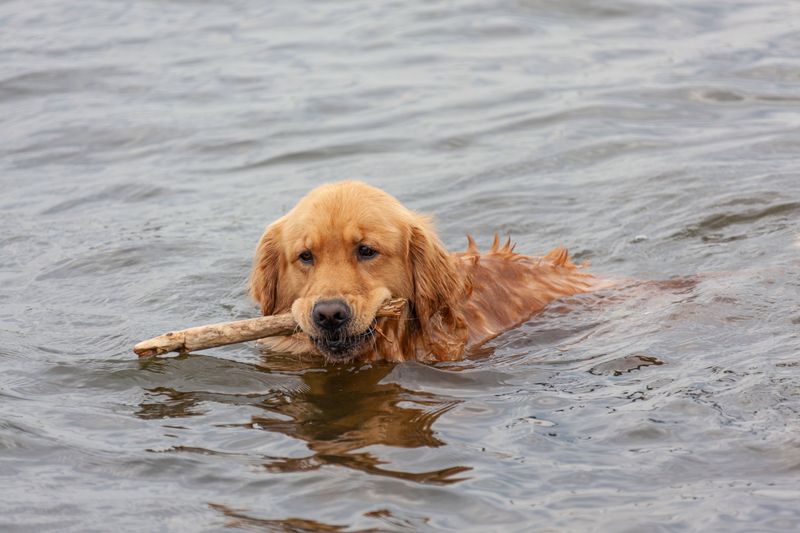
For water-loving dogs, the lake is the main event. Still, lake access does not always mean swimming is allowed.
Many resorts keep pets off shared swim beaches. Private shoreline cabins tend to be more relaxed, but rules still differ.
Ask exactly where your dog may swim. Also ask how the water quality has been lately.
That one extra question protects your pup and keeps the day carefree.
8. Are Docks and Boats Dog Friendly?
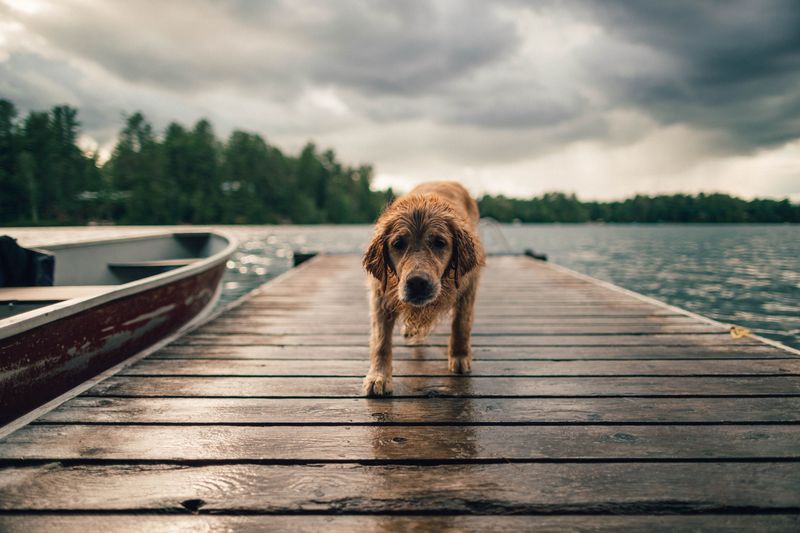
Pontoon rides with a dog at the bow make great memories. Yet dock and boat rules are often missing from pet policies.
If a resort limits dogs near swim areas, nearby docks may be restricted too. Ask directly.
Renting a boat from an outside company? Let them know a dog is coming.
Arrange delivery for a time you are at the cabin.
9. Is the Shoreline Easy to Get In and Out Of?
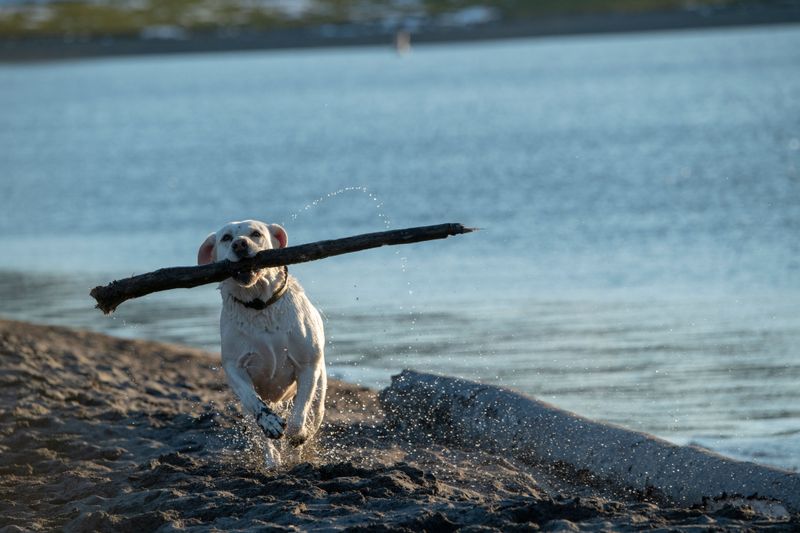
Getting in is easy for most dogs. Climbing back out is the tricky part.
Steep banks, slick rocks, and sudden drop-offs can tire a swimmer quickly.
Ask the host for shoreline photos. A gradual slope with a firm bottom is ideal.
When you arrive, walk the edge yourself. Look for sharp objects, deep mud, or hidden debris before letting your dog splash in.
10. Any Recent Algal Blooms or Water Advisories?
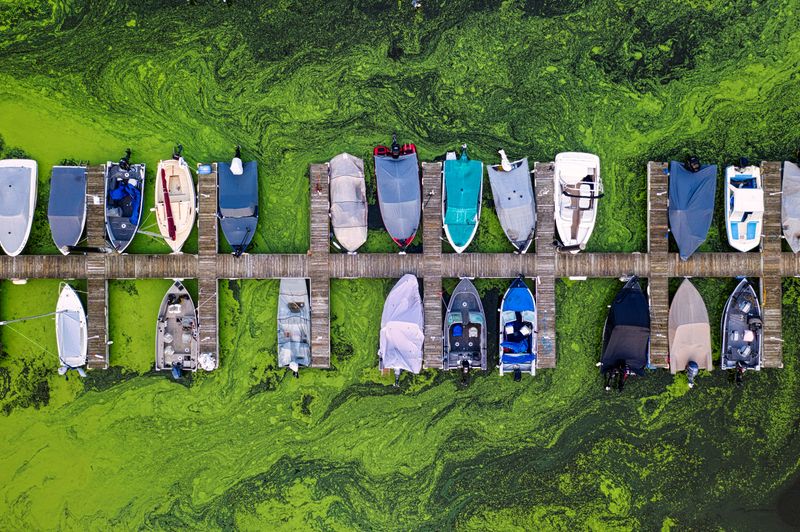
Late summer heat can bring harmful algal blooms to Minnesota lakes. Some blooms make toxins that harm both pets and people.
The Minnesota Pollution Control Agency and Department of Health share guidance on these blooms. Ask the host about recent sightings, and check again upon arrival.
Water looking like pea soup or spilled paint? Keep your dog out.
Vomiting or weakness after swimming means calling a vet right away.
11. Should You Pack a Dog Life Jacket?
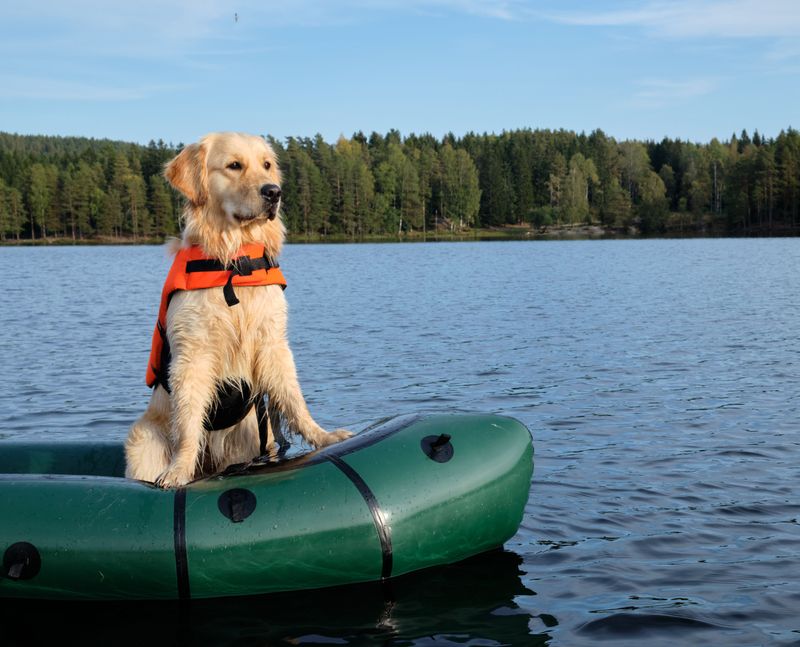
Strong swimmer or not, every dog can tire in open water. Cabins sometimes offer bowls or towels, but life jackets are rarely included.
Plan to bring your own. A good fit matters more than color or brand.
Look for a sturdy handle on the back for easy lifting. Have your dog try it at home first.
A short practice swim builds comfort before the big trip.
12. Where Can You Walk Nearby?
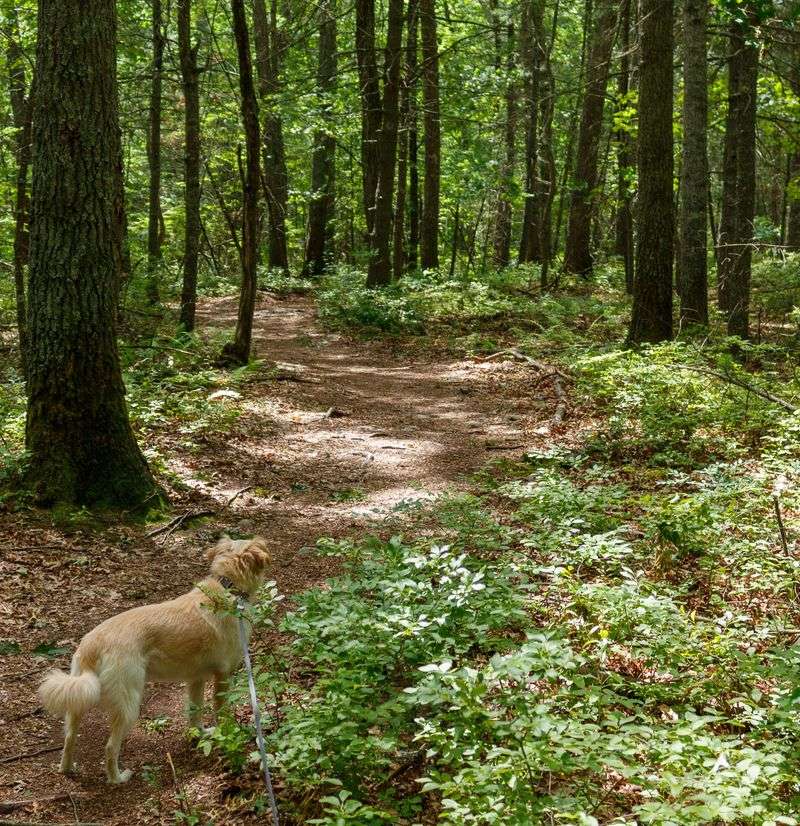
Here is good news for adventurers. Many Minnesota state parks welcome leashed dogs, usually on leashes six feet or shorter.
Gooseberry Falls, Itasca, and William O’Brien are popular picks. Leashed dogs are also generally allowed in the Superior National Forest.
Ask your host about favorite local trails or dog-friendly beaches. Locals often know quiet paths that never show up in guidebooks.
Confirm current rules before heading out.
13. How Bad Are Ticks and Mosquitoes?
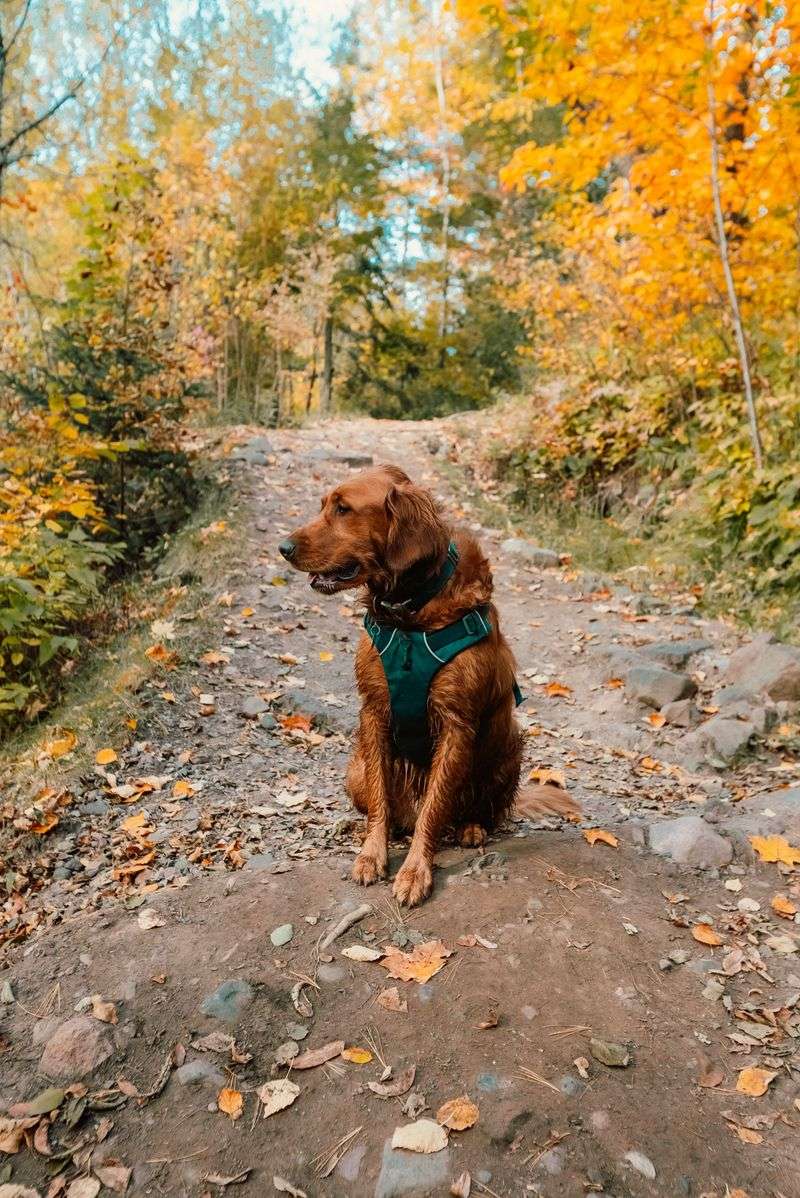
Woods, tall grass, and lakeside brush are perfect tick country. Minnesota summers bring plenty of mosquitoes too.
Ask your host how buggy the property gets. Then talk with your veterinarian about prevention before you leave.
Make tick checks a nightly habit. Focus on ears, armpits, between toes, and under the collar.
A quick look each evening keeps tiny hitchhikers from causing bigger trouble later.
14. What Wildlife Lives Around the Cabin?

Northern Minnesota is wild country in the best way. Black bears, wolves, and porcupines share these forests with lake visitors.
Close encounters are uncommon, but curious dogs can find trouble fast. Porcupines are a classic example, and quills mean a vet visit.
Keep your dog near you, especially at dusk. Store food and trash securely.
Ask the host which animals have been seen recently.
15. How Close Is the Nearest Vet?

Remote cabins feel peaceful until you need help quickly. Some lake areas sit an hour or more from the closest clinic.
Before you go, find the nearest vet and any 24-hour emergency hospital. Save their numbers in your phone and write them down too.
Cell service can be spotty up north. Knowing the route ahead of time lets you act calmly if something unexpected happens.
16. Is There a Hose or Rinse Station?
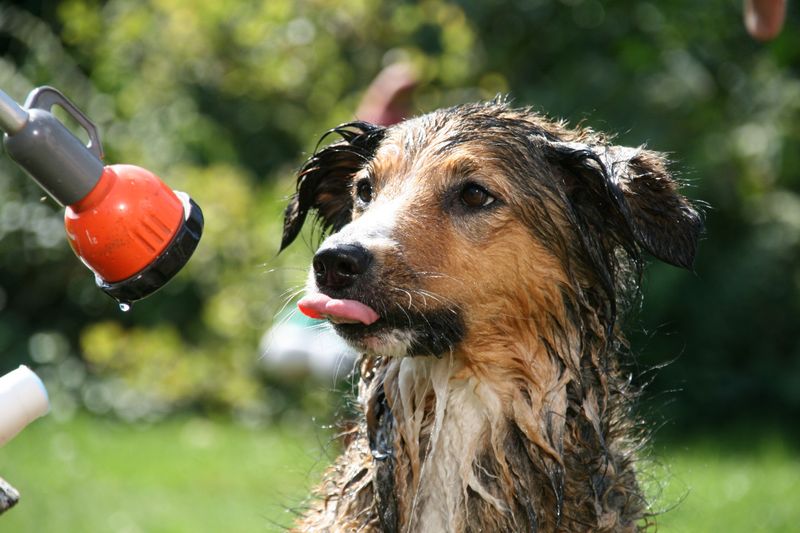
A wet, sandy dog shaking off in the kitchen is nobody’s dream. Rinse options make cleanup far easier.
Some resorts have pet washing stations. Others offer a simple outdoor hose.
A few cabins even provide dog towels. Ask what is available, then pack extras anyway.
Old towels, a gentle shampoo, and a mat by the door keep both the cabin and your dog fresh.
17. Are There Quiet Hours or Barking Rules?
Sound carries far across a calm lake at night. Neighbors notice a barking dog quickly.
Many rentals ban ongoing barking and set quiet hours, often around 9 p.m. to 7 a.m. Some local ordinances define nuisance barking by time limits, which vary by area.
Bring a favorite chew or toy to help your dog relax. Plenty of daytime exercise also leads to calmer evenings.
18. What Seasonal Hazards Should You Expect?
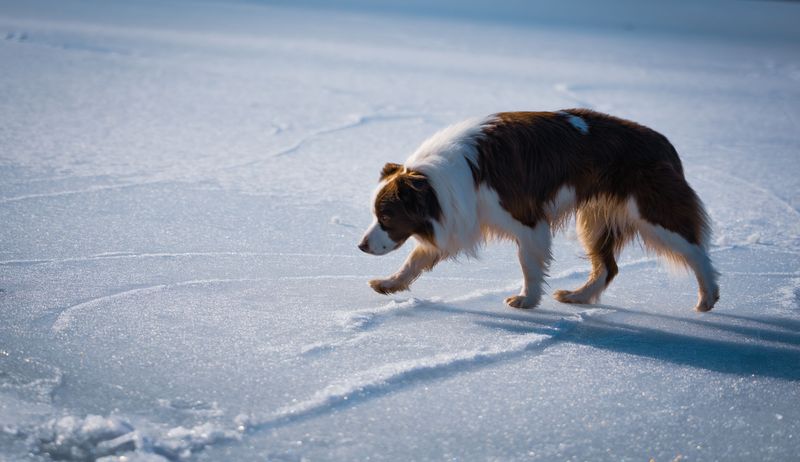
Minnesota seasons change the lake dramatically. Late fall and early spring bring thin ice and very cold water.
Ice that looks solid may not hold a dog safely. Keep pups leashed near frozen shores.
Docks can turn slick with rain, dew, or frost any time of year. Ask the host about conditions during your dates.
Booties and a reflective vest help on cold, darker days.
19. What Happens if Plans or Pets Cause Problems?
Fine print is the least exciting part of trip planning. It can also be the most important.
Cancellation terms depend on the host or booking platform. Guests usually pay for any pet damage or extra cleaning.
Bringing an undisclosed dog or leaving waste behind can lead to hefty fines. Read every pet clause carefully.
Snap photos of the cabin at check-in and checkout for your records.