Texas Dog IDs Deserve A Fresh Check Before Summer Storms And Holiday Fireworks
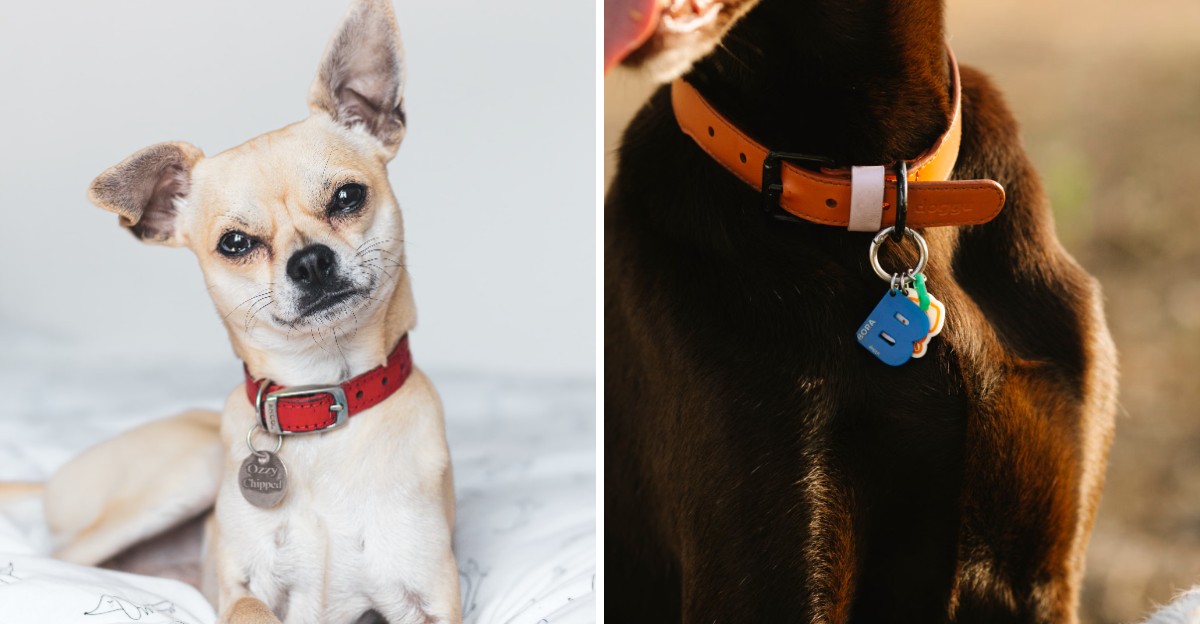
Summer in Texas brings rolling thunder, busy holiday weekends, and fireworks that can surprise even a calm dog. Before those noisy evenings arrive, give your dog’s identification a quick check alongside your usual weather preparations.
A readable tag, current microchip record, and simple family plan can make getting home much easier. You do not need fancy equipment, just a few thoughtful updates before the season gets busy.
1. Check Your Dog’s ID Tags Before Storm Season
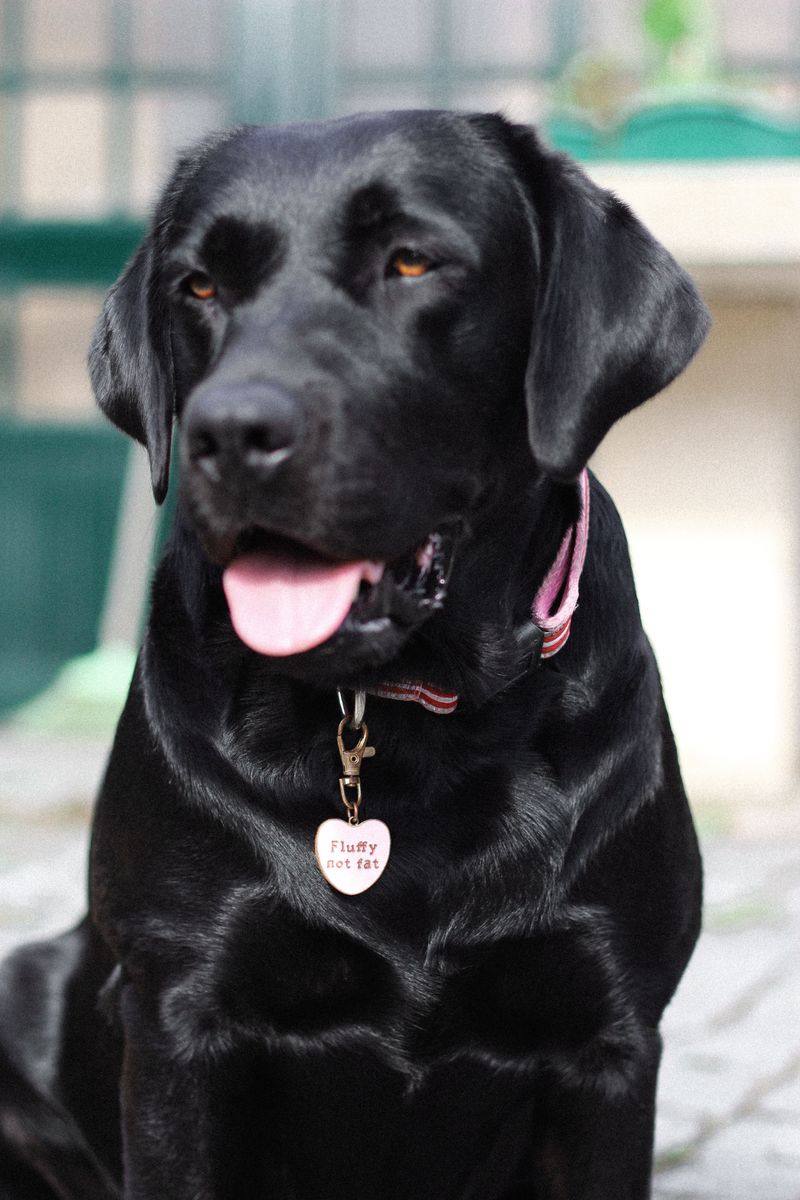
A tag that looked clear last summer may be hard to read today. Rub away dirt, then check both sides under good light.
Replace tags with faded numbers, sharp edges, or worn attachment holes.
Include a working phone number that you answer regularly. Your dog’s name can help, but reliable contact details matter most.
Check the connecting ring too, since a readable tag cannot help if it falls off during an unexpected outdoor adventure this summer.
2. Make Sure Your Microchip Information Is Up to Date
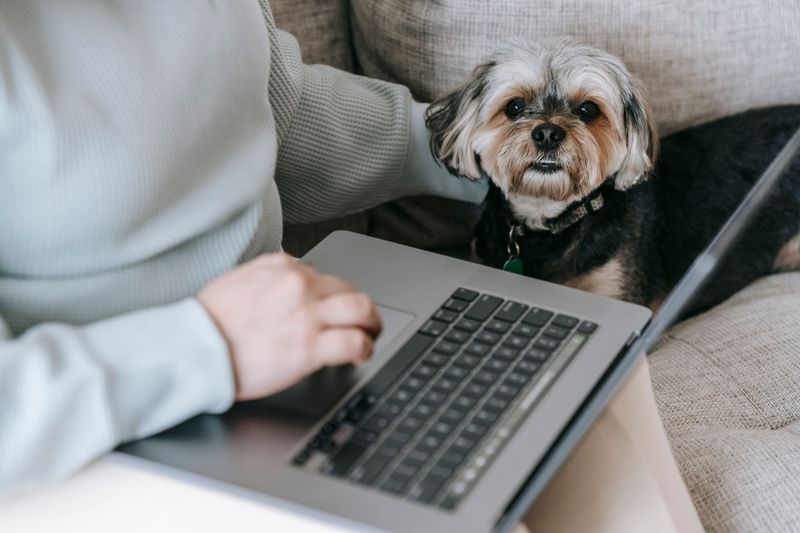
Your phone number can change while a microchip stays exactly where it belongs. Sign into the chip registry and confirm your contact information.
Check that registration was completed, especially after an adoption or ownership transfer.
A microchip is not a GPS tracker. It provides an identification number when scanned, which helps connect a finder with registered contacts.
If you cannot identify the registry, ask your veterinarian for help finding the correct company and updating its records.
3. Update Your Address After a Move
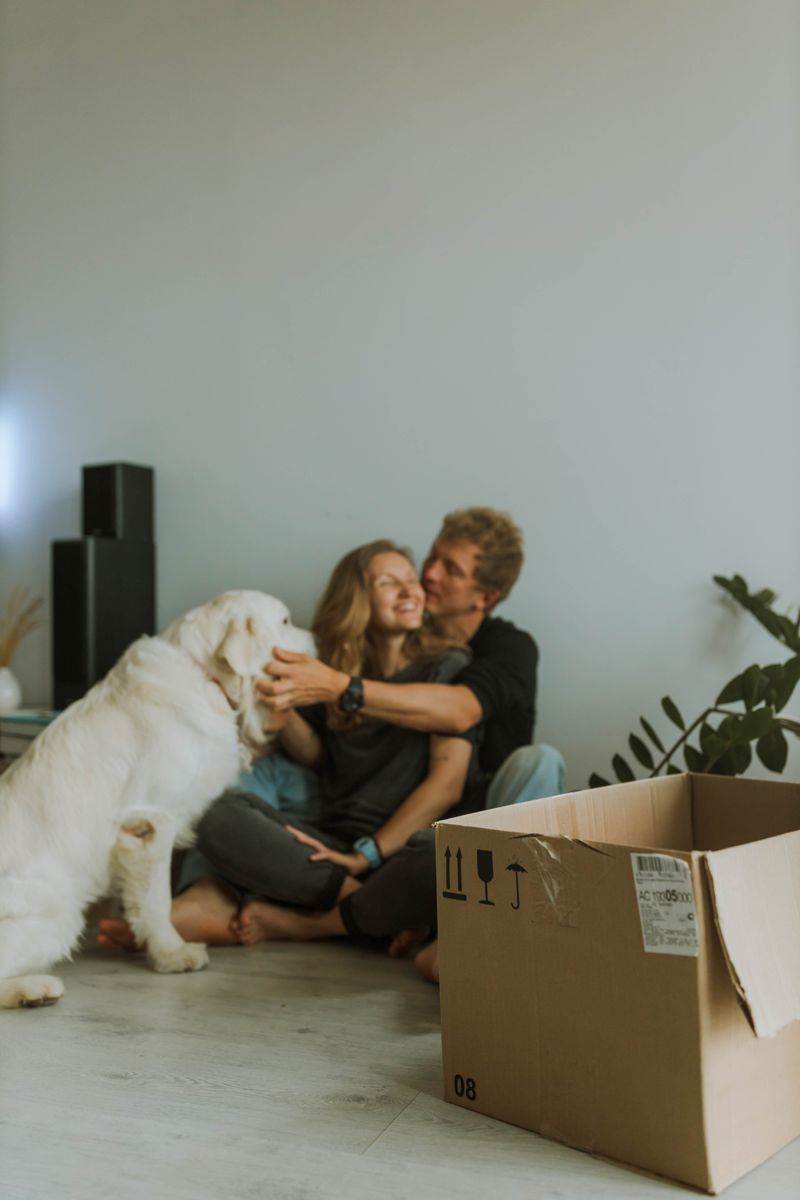
Moving boxes can hide one easily forgotten chore: updating your dog’s records. Change your address with the microchip registry, veterinarian, and any local licensing office.
Replace an identification tag if it lists your former address.
City and county requirements vary across Texas, so check your new community’s official guidance. Keep your phone number current even if your address stays private.
After settling in, locate nearby shelters before summer weather gives you a reason to need them.
4. Add an Emergency Contact Who Can Reach Your Dog
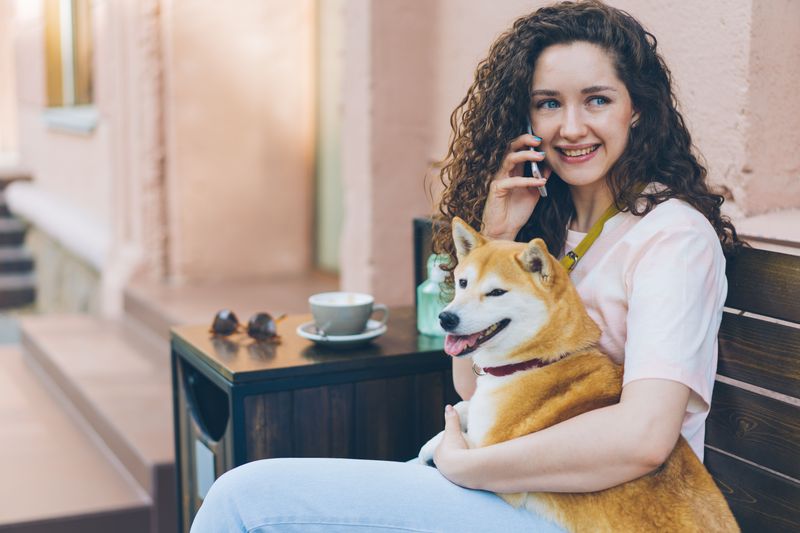
Someone else may need to answer when your phone cannot. Choose a trusted person who knows your dog and can help nearby.
Ask permission before adding their number to tags or registry records.
Explain how to reach your veterinarian and where you keep a spare leash. Share any handling needs, including fear around unfamiliar people.
Review this arrangement before travel, because an emergency contact works best when that person understands the job and remains available locally.
5. Keep a Recent Photo of Your Dog on Your Phone
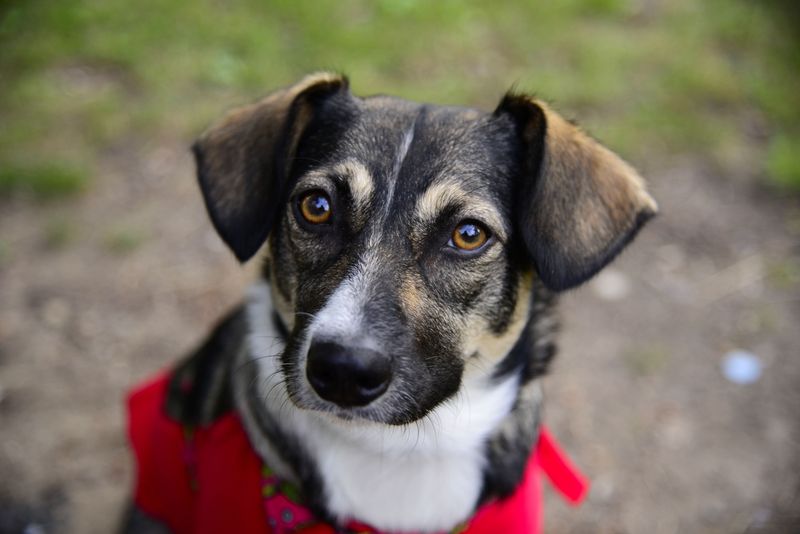
A clear picture saves time when someone asks what your dog looks like. Take fresh photos after grooming or noticeable coat changes.
Capture the face, full body, and any unusual markings in natural light.
Keep copies in an easy phone album, along with one showing you together. That extra image may support ownership discussions, though agencies can request other records.
Avoid relying only on puppy pictures when your dog now looks different from that younger version.
6. Check That Your Dog’s Collar Fits Properly
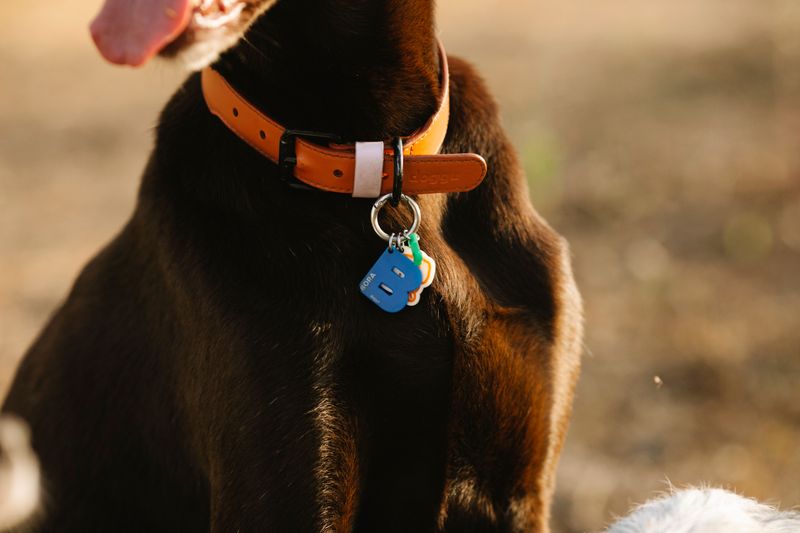
Even excellent tags need a collar that stays comfortably in place. As a general guide, fit two fingers beneath the collar.
Adjust for your dog’s size, coat, and collar design, following manufacturer guidance.
Look for rubbing, damaged stitching, and buckles that open too easily. Growing puppies and dogs with weight changes need more frequent checks.
Ask your veterinarian about fit if you remain unsure, especially when a narrow head makes backing out of ordinary collars easier.
7. Consider a Backup ID Tag
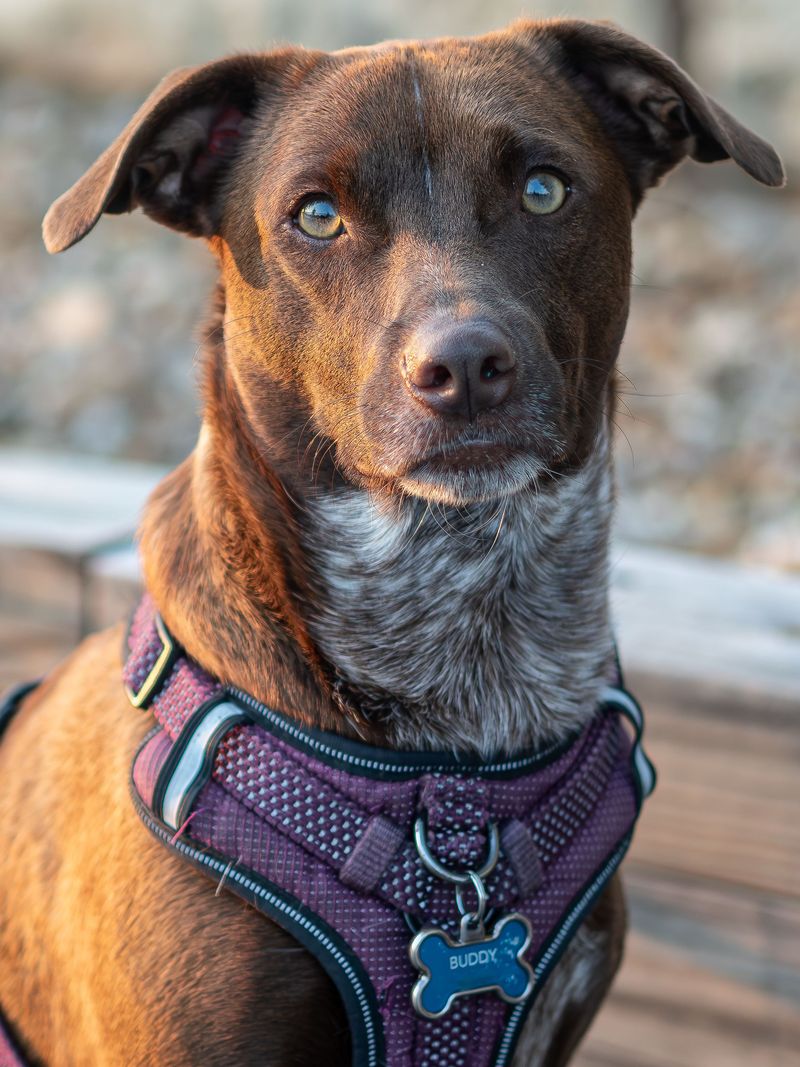
One loose ring should not erase every visible clue about your dog. A second identification option adds a useful layer of backup.
Consider an embroidered collar or a secure slide-on tag with your phone number.
If your dog wears a walking harness, attach identification there as well. Check every number whenever your contact details change.
Choose lightweight options that suit your dog, and avoid crowding the collar with unnecessary attachments that could catch during daily activities.
8. Prepare for Sudden Texas Thunderstorms
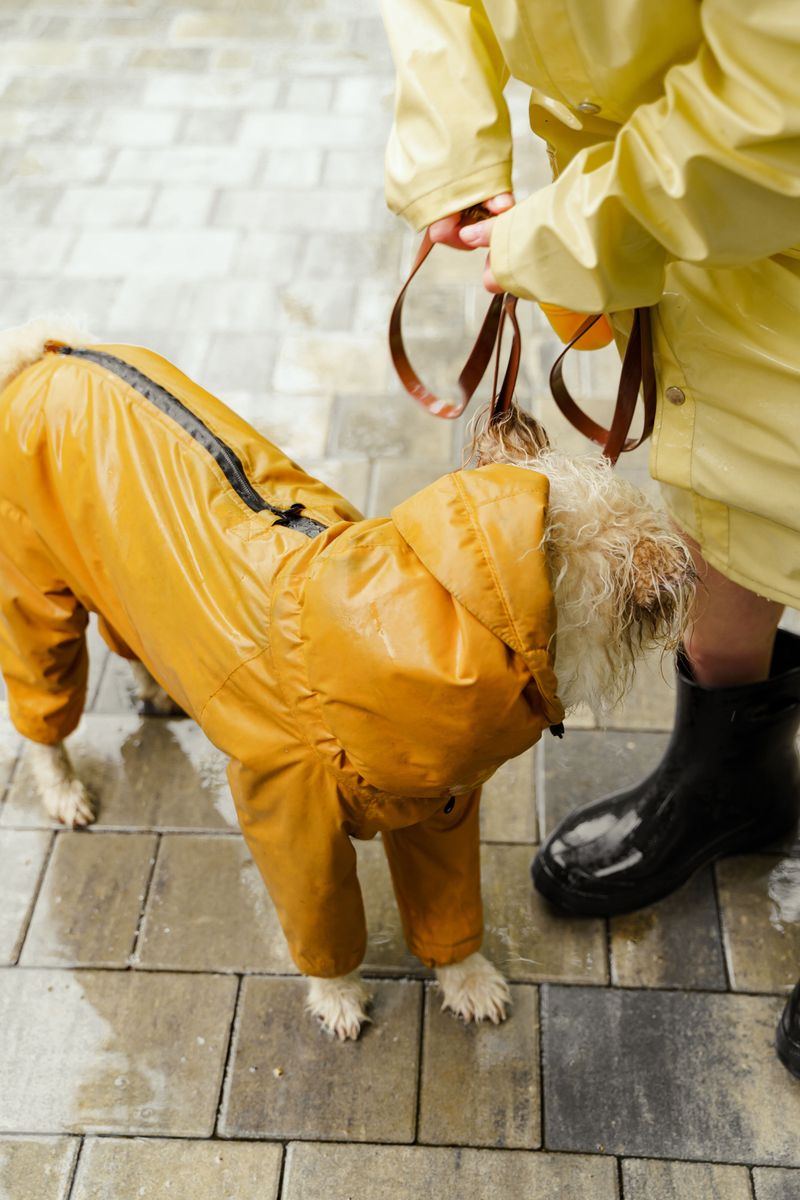
Blue skies at lunchtime do not guarantee a quiet Texas evening. Enable trusted weather alerts and choose a safe indoor shelter area.
Store a leash, carrier if needed, and identification records where you can grab them.
Practice moving your dog calmly before thunder interrupts the lesson. Follow local emergency instructions when storms develop, including evacuation guidance when issued.
Keep identification on your dog during preparations, since opening doors and changing routines can create unexpected escape opportunities.
9. Bring Dogs Indoors Before Severe Weather Arrives
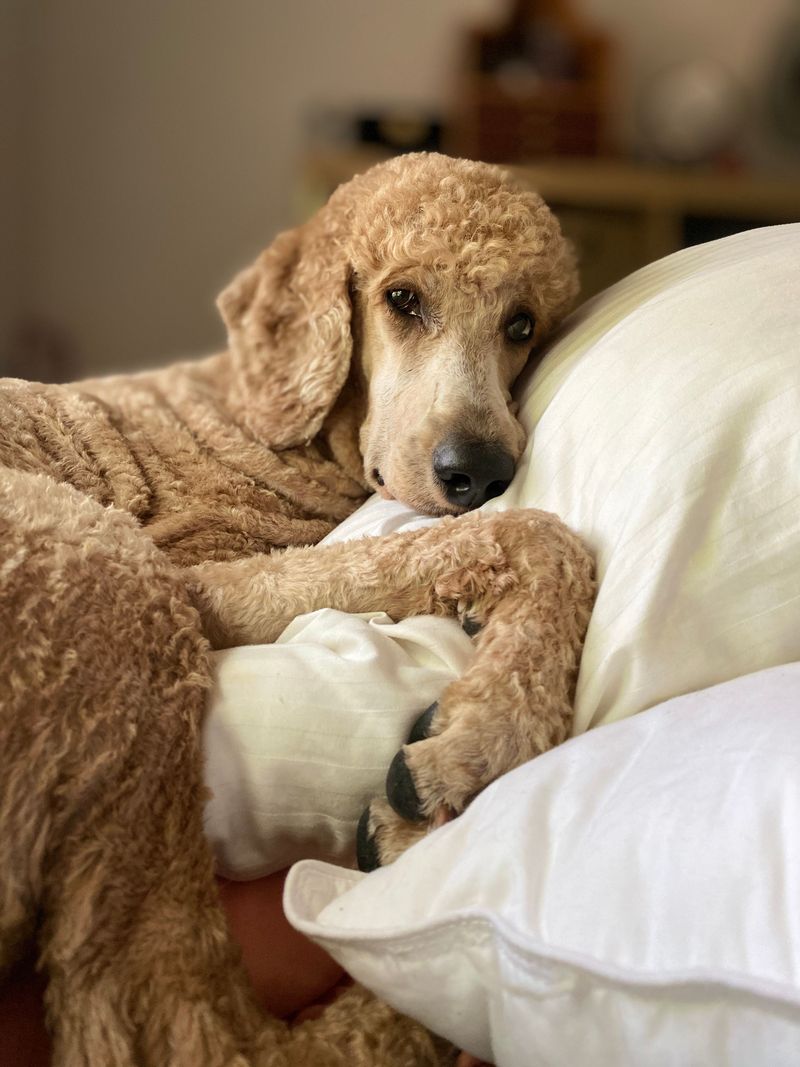
The easiest doorway to manage is one you close before thunder begins. Bring your dog inside while conditions are still calm.
Offer a familiar resting place away from windows and busy entrances.
Use a leash for necessary bathroom trips when weather conditions allow safe outdoor access. Never assume a fenced yard will contain a frightened dog.
If storm anxiety regularly disrupts your dog’s comfort, discuss a personalized plan with your veterinarian before the next forecast changes.
10. Check Fences and Gates After Strong Winds
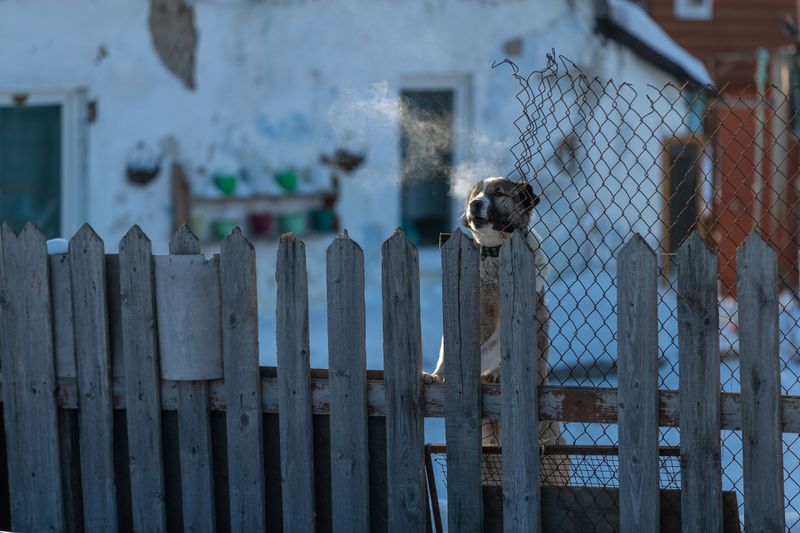
A familiar yard can change after one windy afternoon. Walk the fence line before letting your dog outside again.
Look for loose boards, gaps underneath, fallen branches, and gates that no longer latch.
Keep your dog indoors or leashed while you inspect and arrange repairs. Do not approach downed power lines or other storm hazards.
Report those concerns to the proper utility or emergency service, and wait for clearance before using any affected part of your yard.
11. Update Identification Before Fourth of July Fireworks
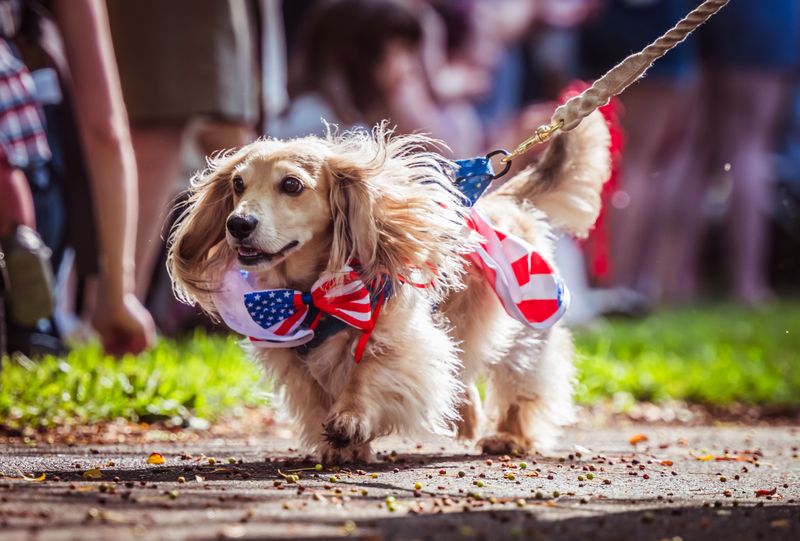
Holiday noise often starts before the date printed on your calendar. Check tags and registry details well ahead of July Fourth.
Charge your phone and confirm that unfamiliar callers can leave a message.
Visitors, deliveries, and backyard gatherings can mean more open doors than usual. Assign someone to watch your dog during arrivals and departures.
Keep a leash near the entrance, and remind guests that even a usually relaxed dog may react differently to sudden fireworks.
12. Keep Dogs Away From Fireworks Displays
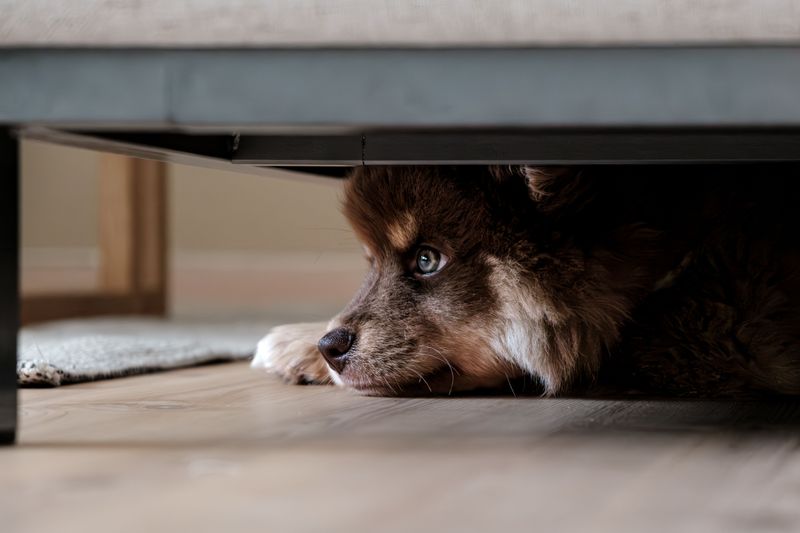
A crowded fireworks show is not a good test of your dog’s bravery. Leave dogs in a secure, comfortable indoor space instead.
Close curtains and use familiar background sound if your dog finds it soothing.
Schedule walks before nearby celebrations begin, while watching for Texas heat. Identification remains essential even when your dog stays home.
For dogs with known noise fears, contact your veterinarian early rather than trying an unfamiliar calming product on the holiday itself.
13. Make Sure Every Dog in the Household Has an ID
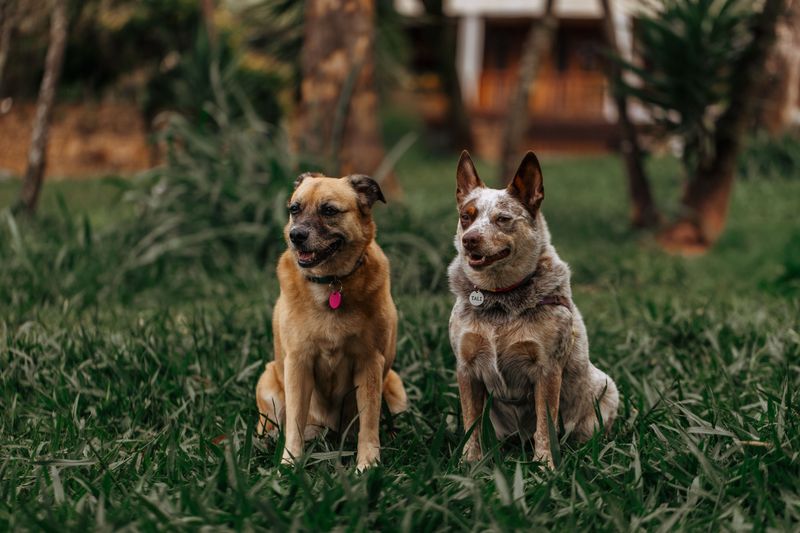
In a busy household, the newest dog can miss the identification routine. Check each pet separately instead of assuming everyone is covered.
Confirm that tags match the dog wearing them and display current numbers.
Review individual microchip records, including adopted dogs whose registration may still need transfer. Keep separate photos and identifying details for each animal.
A simple household checklist helps prevent mixups when collars are washed, replaced, or swapped during a hectic week at home.
14. Ask Your Veterinarian to Scan Your Dog’s Microchip
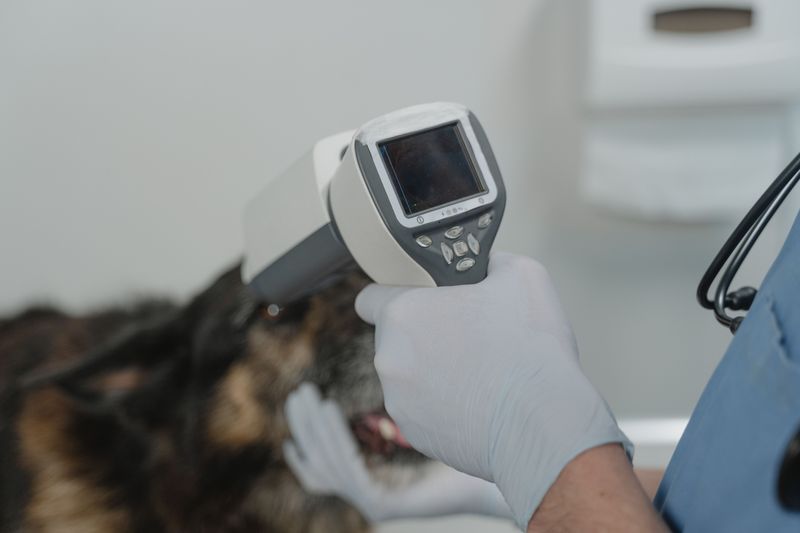
Your next veterinary visit offers a handy chance to check the chip itself. Ask staff to scan your dog and record the number.
Compare that number with your registration paperwork to catch possible errors.
A successful scan confirms detection at that visit, not that your contact details are current. You still need to check the registry separately.
If staff cannot locate a chip, let your veterinarian explain the next steps rather than assuming another implant is needed.
15. Keep Important Dog Records Easy to Find

Paperwork feels less tedious when you know exactly where it lives. Save your dog’s microchip number, registration details, vaccination records, and veterinarian contacts together.
Keep a phone copy and a protected paper backup.
Texas requires dogs to be vaccinated against rabies according to state rules. Local licensing and identification requirements can vary, so check with your city or county for the rules that apply to your address.
A rabies tag supports vaccination identification, but it should not replace a tag carrying your current direct contact number.
16. Make Sure Pet Sitters Know Your Dog’s ID Details
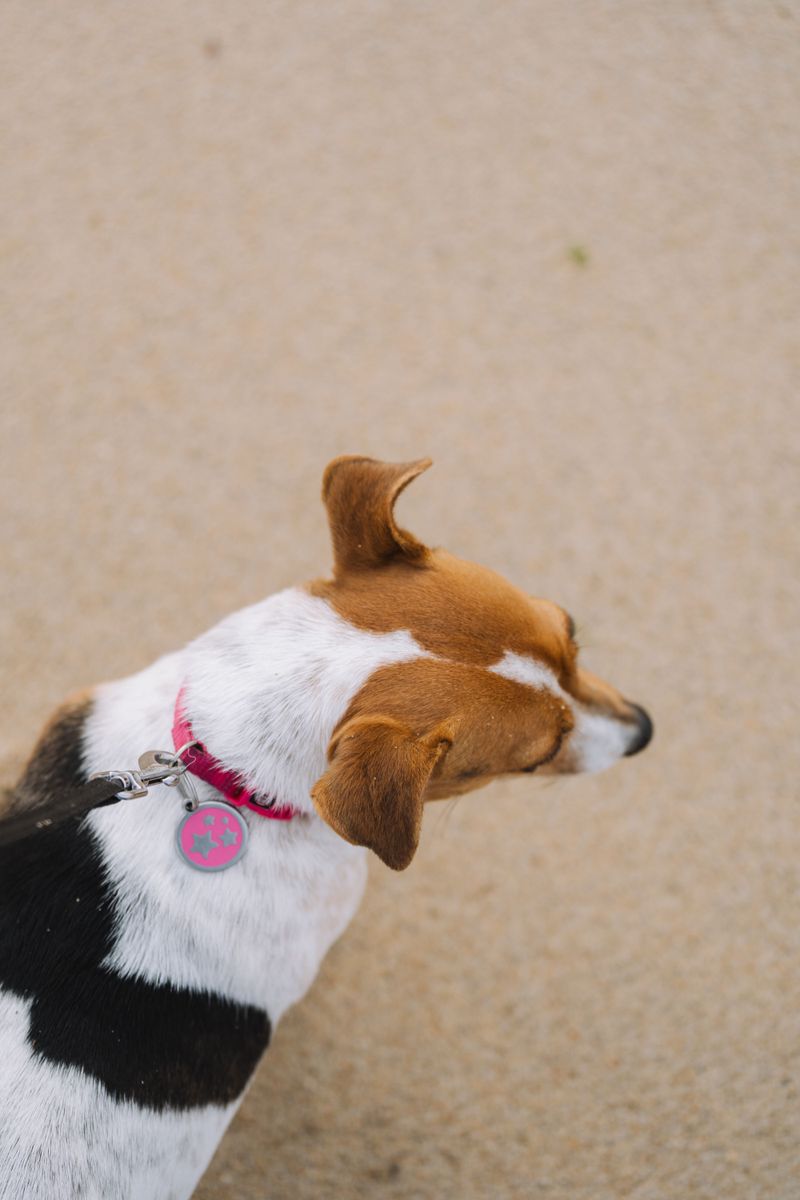
A sitter should not have to search drawers during an unexpected escape. Share a recent photo, microchip number, and your preferred contact method.
Show them the collar, spare tag, leash, and secure entry routine.
Explain which local shelter or animal services office covers your address. Give clear instructions about storms, fireworks, and keeping doors closed.
If you will be unreachable, name an authorized backup contact and discuss veterinary arrangements before you leave town for your summer plans.
17. Check Identification on Dogs That Mostly Stay Indoors
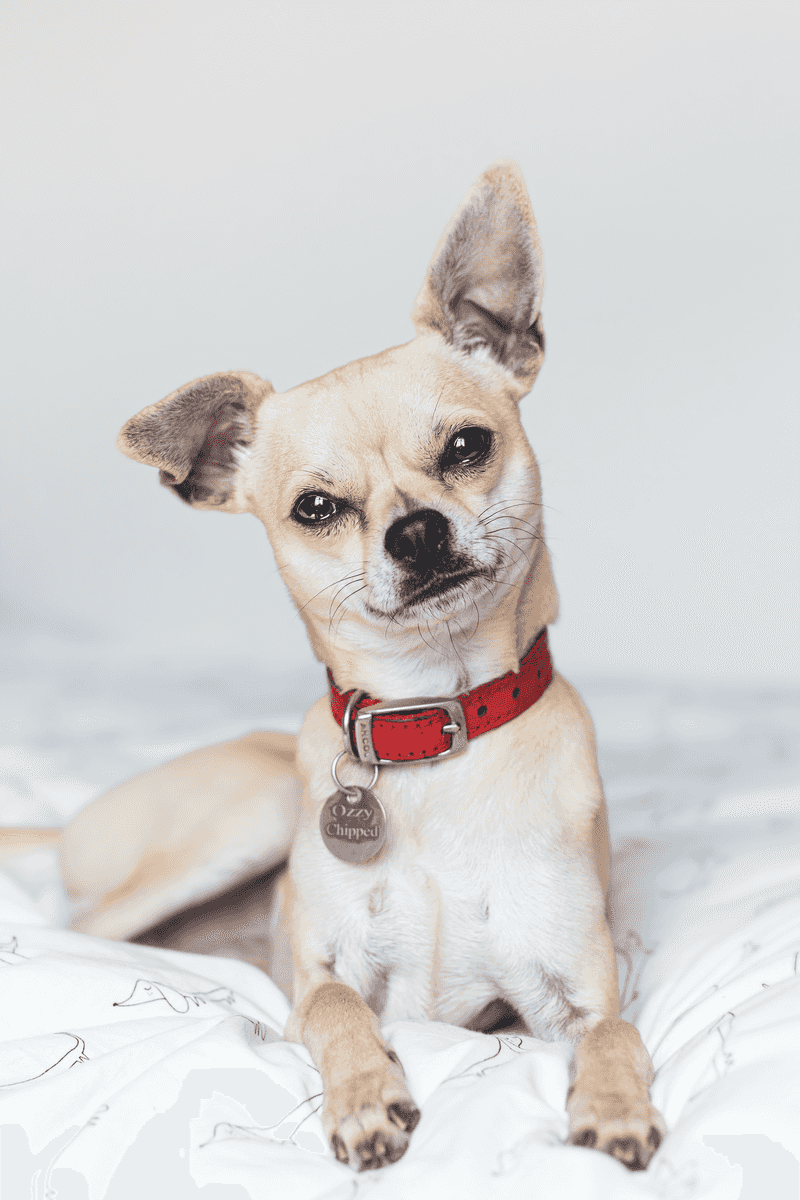
Homebodies still encounter open doors, visiting workers, and unexpected loud sounds. Indoor living does not remove the need for reliable identification.
Check your dog’s tag and microchip record just as carefully as any outdoor companion’s.
Choose comfortable identification that suits supervised daily life and your veterinarian’s advice. Remove snagging hazards when crating, following equipment guidance and your dog’s needs.
Keep the microchip current as backup whenever a collar must come off for safety, grooming, or medical care.
18. Know Where to Report a Missing Dog in Your Area
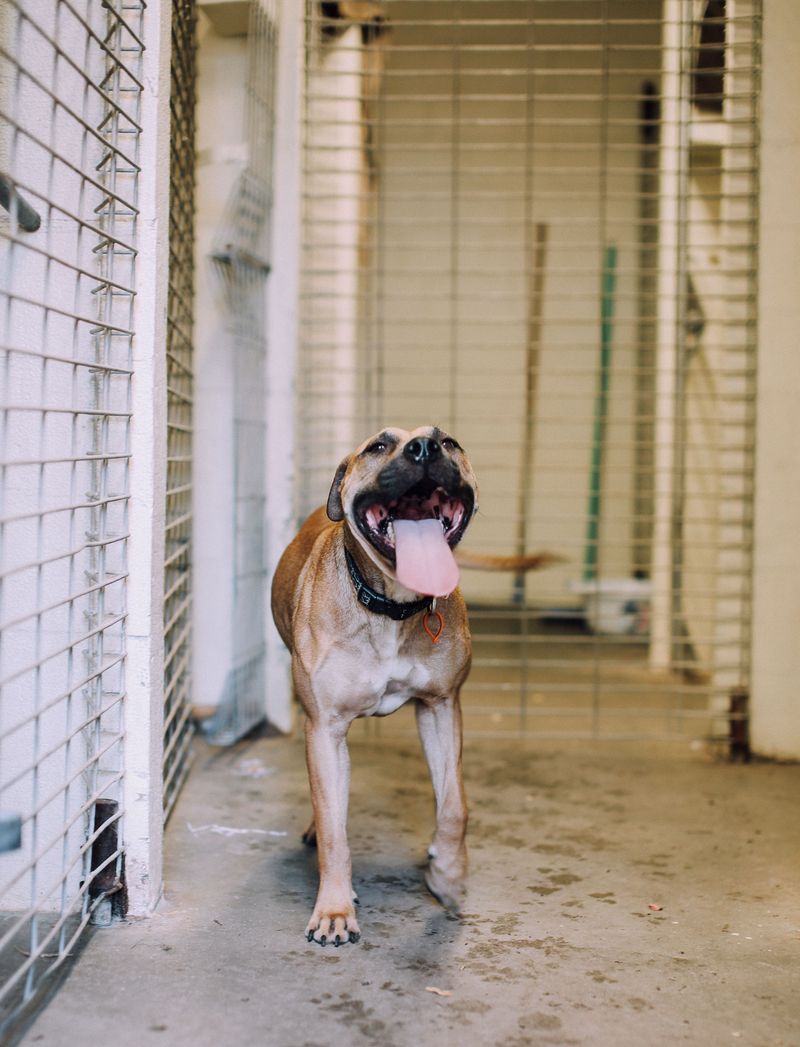
Local knowledge turns a stressful moment into a clearer action plan. Save contact details for animal services and shelters serving your address.
Reporting systems and shelter coverage differ among Texas cities and counties.
If your dog goes missing, report promptly and notify the microchip registry. Share recent photos, check shelters regularly, and follow local reporting instructions.
Ask for proof before trusting anyone claiming a match. Fresh identification and a ready plan make summer feel more manageable.