What Pennsylvania Dog Owners Should Know Before Taking A Dog On SEPTA Or Regional Rail
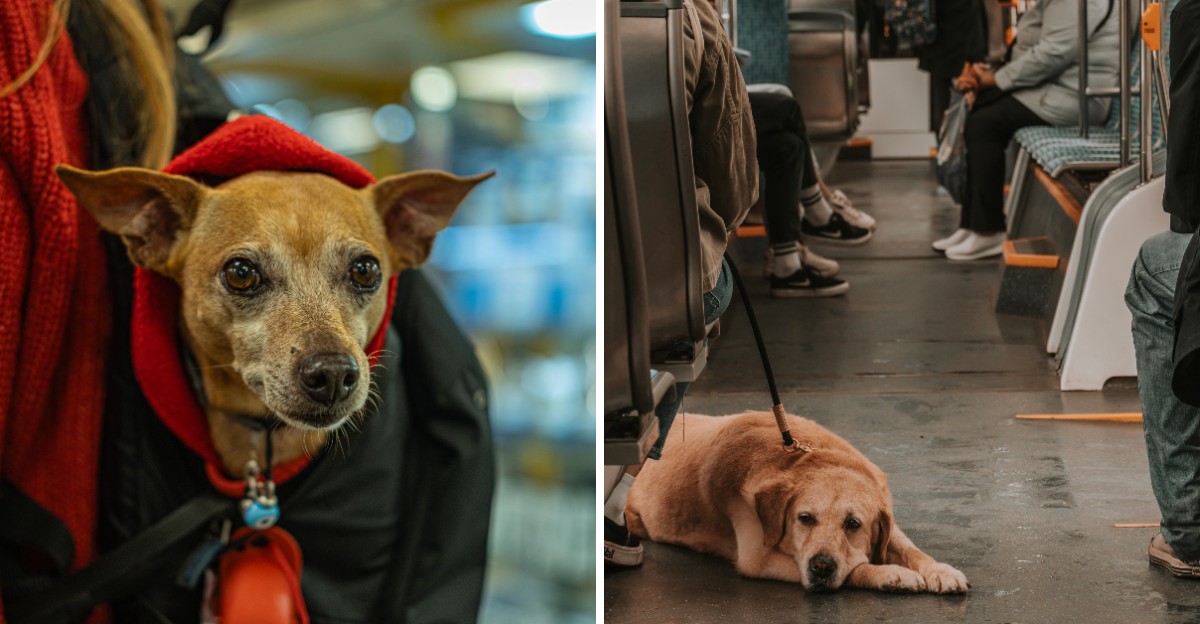
A leash alone will not get most pet dogs onto SEPTA, even if they have excellent manners. The carrier rule can catch owners off guard, especially when planning a first Regional Rail ride.
A little preparation helps you avoid a last-minute scramble while keeping your dog comfortable and nearby passengers happy. Before you buy your ticket, here is how to make the trip work, from your front door to your final stop.
1. Check SEPTA’s Pet Policy Before Leaving Home
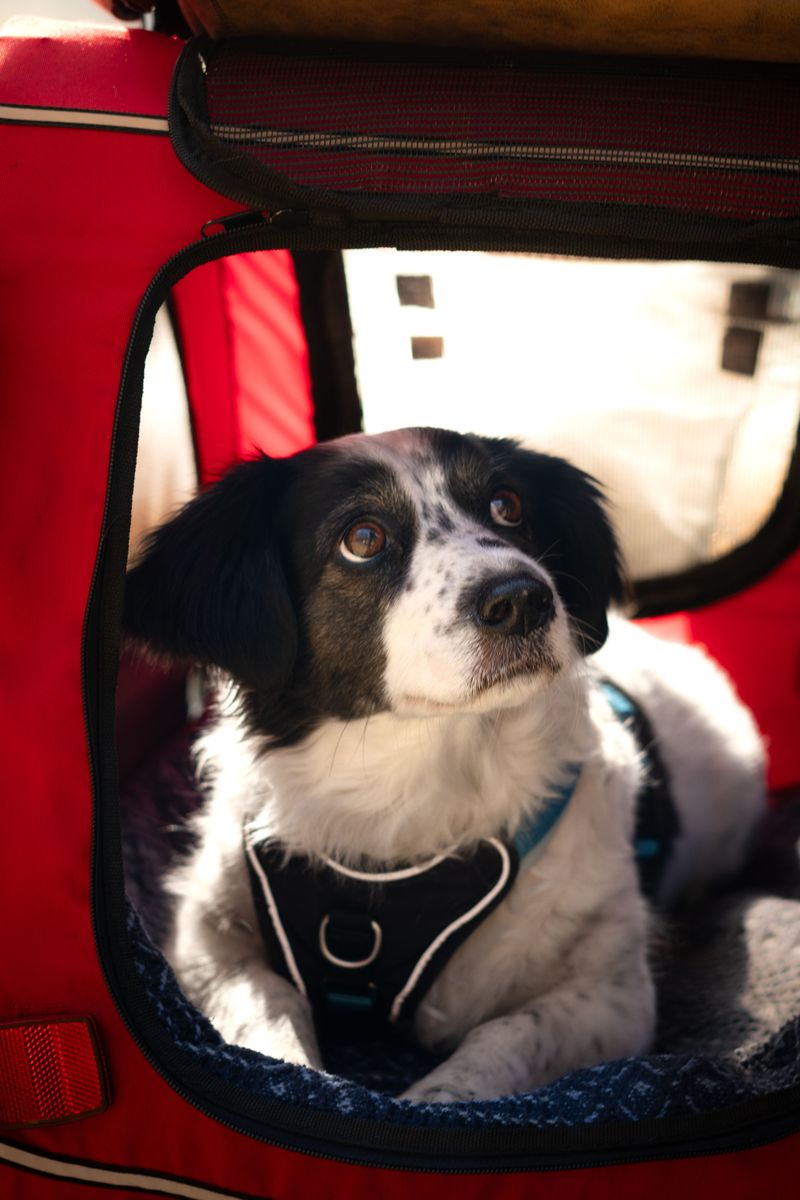
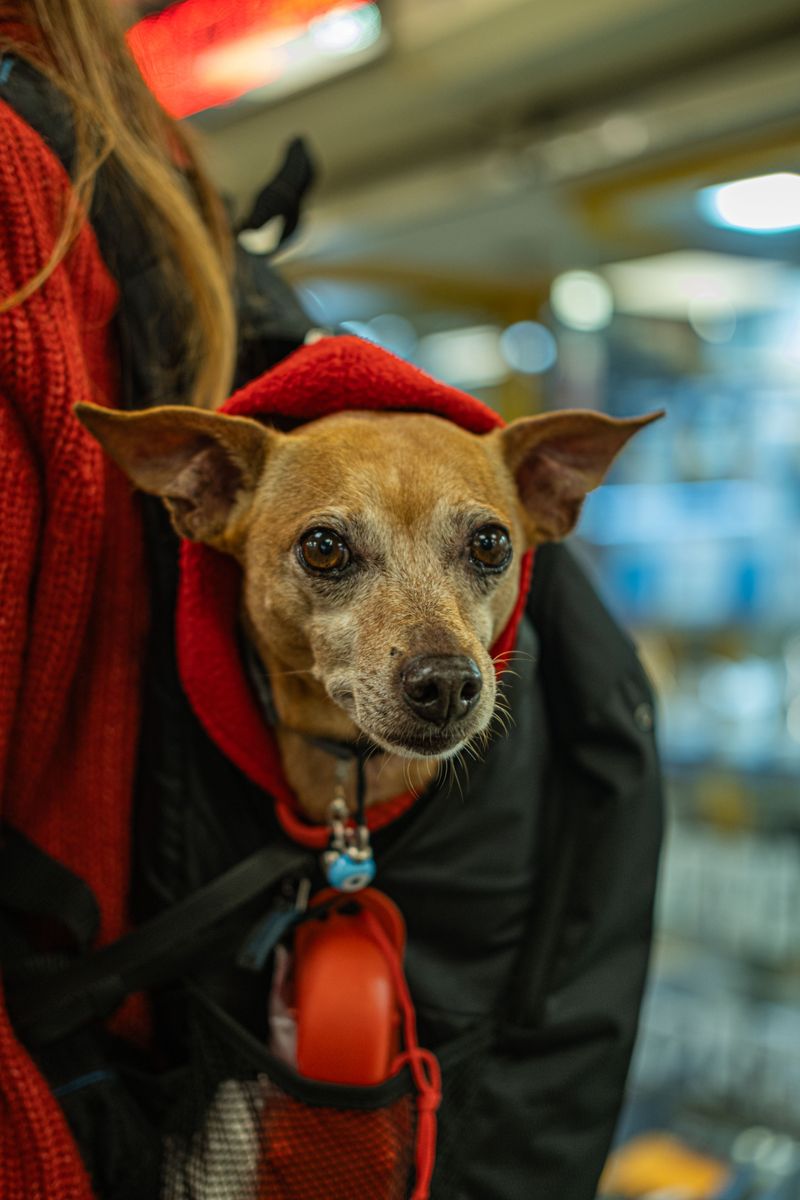
A wagging tail is welcome, but a leash alone does not meet SEPTA’s pet rules. Ordinary pets must travel in a standard, sturdy carrier on SEPTA vehicles and property.
That includes Regional Rail, buses, trolleys, and subway services.
Read the current policy at septa.org before leaving, rather than trusting an older travel blog. If your dog cannot travel comfortably inside a suitable carrier, arrange another option.
Good manners do not create an exception to this requirement.
2. Understand the Difference Between Pets and Service Dogs
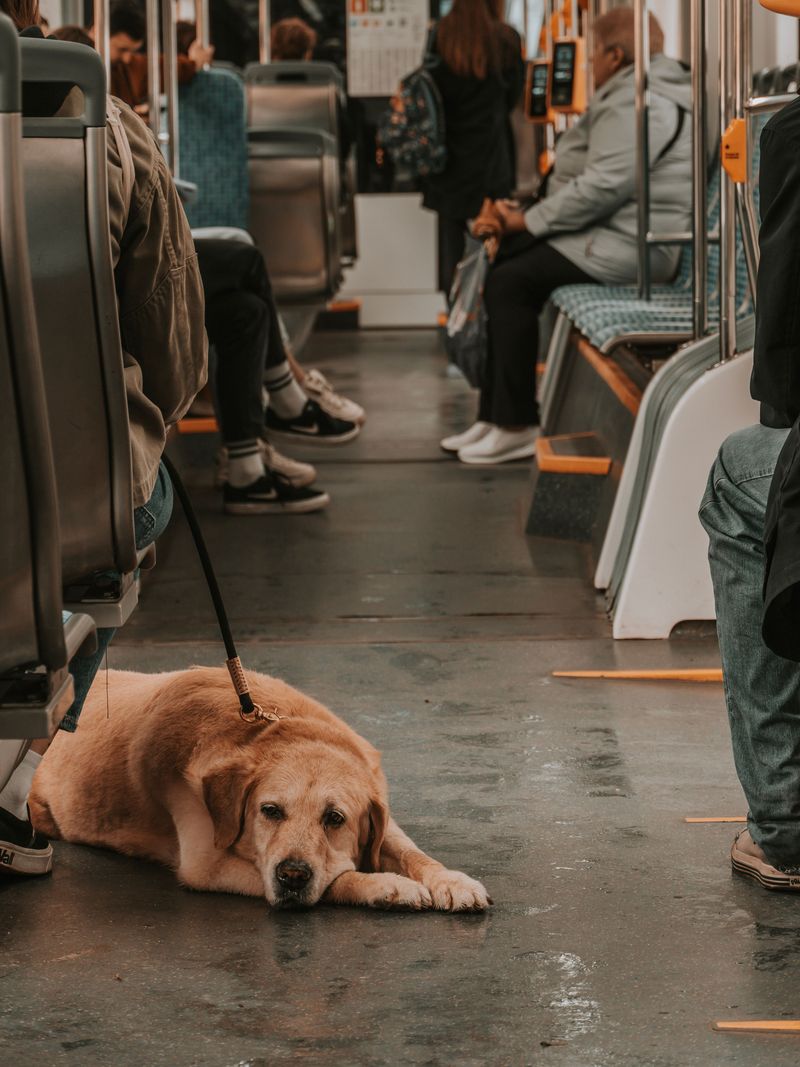
A working dog and a beloved pet follow different travel rules. Service animals perform trained tasks for people with disabilities.
Emotional support, comfort, and therapy animals do not qualify simply because their presence helps someone feel better.
Those animals follow SEPTA’s carrier requirement for pets. A vest, certificate, or online registration does not turn a pet into a service dog.
Before traveling, understand which category applies, so you can prepare honestly and avoid confusion at boarding.
3. Choose a Sturdy Carrier That Keeps Your Dog Secure
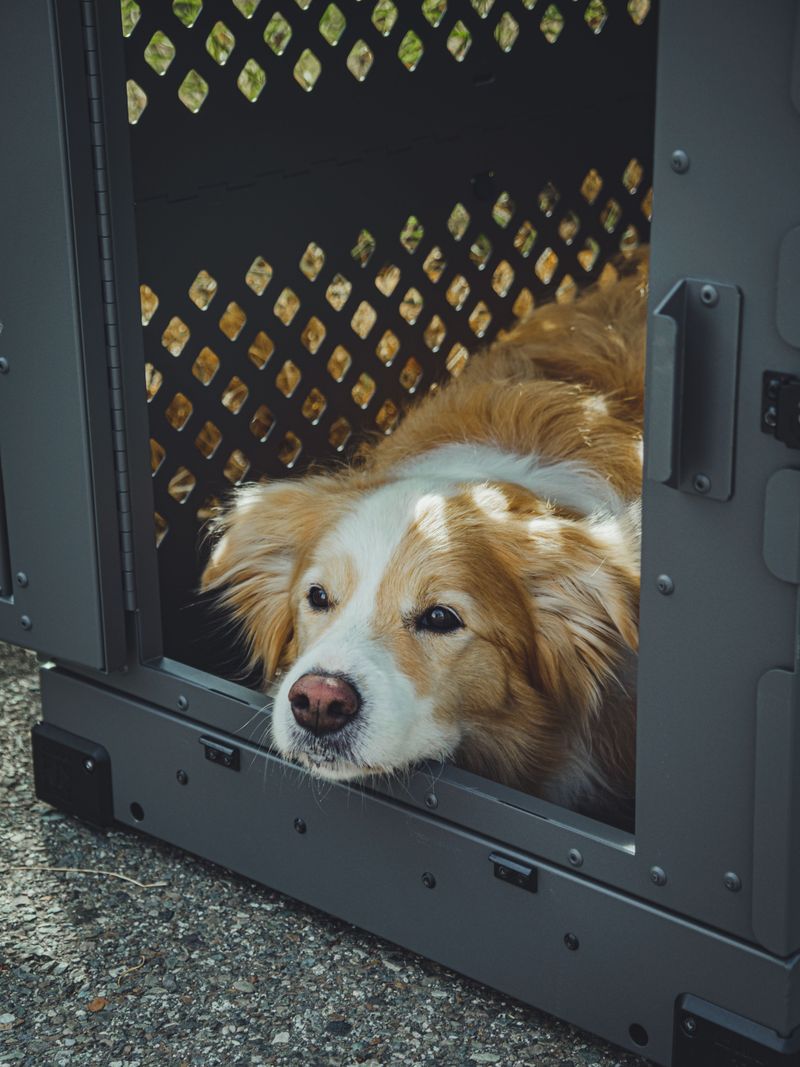
Think of the carrier as your dog’s portable quiet corner. Choose sturdy construction, reliable closures, and enough ventilation for comfortable breathing.
Your dog should fit naturally without being squeezed into an unsuitable bag.
Practice carrying the loaded carrier at home before tackling station stairs. Check handles, seams, and fasteners, then add a thin, washable liner.
SEPTA’s wording calls for a standard, sturdy pet carrier, so avoid assuming an open tote or stroller meets that requirement automatically.
4. Make Sure the Carrier Does Not Block Other Passengers
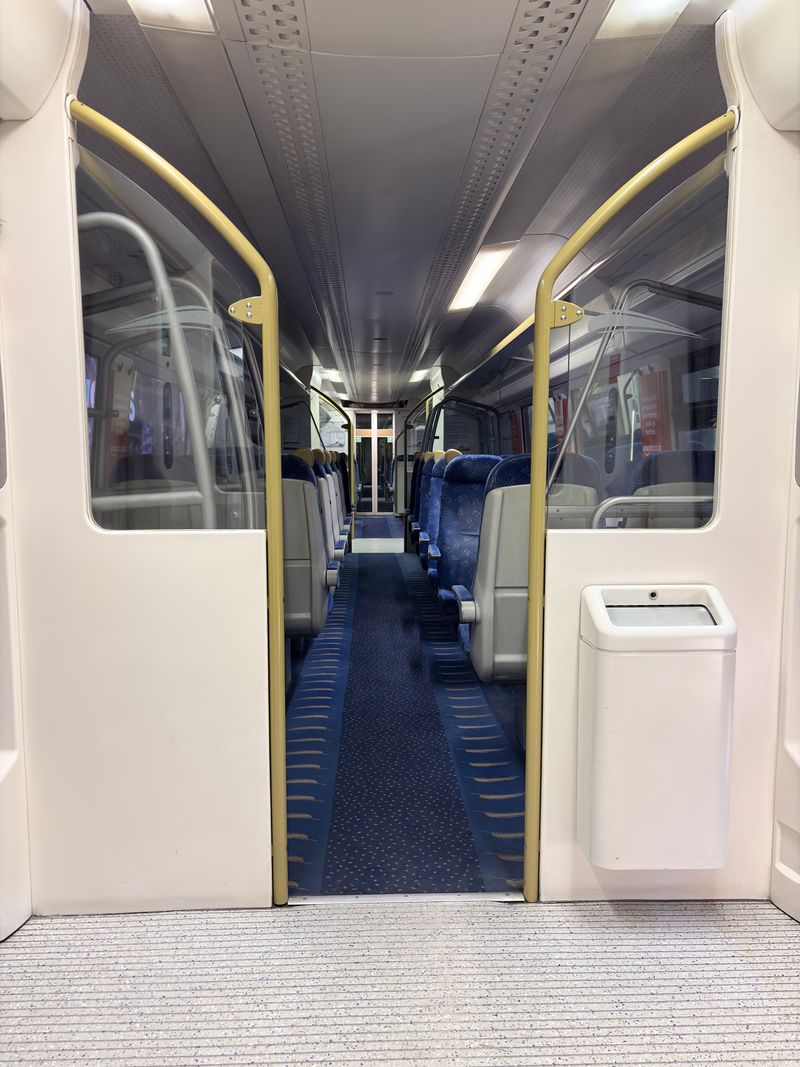
A clear aisle matters more than your pup’s preferred window view. Position the carrier where it cannot block doors, walking space, or access for mobility devices.
Keep straps tucked away instead of trailing across the floor.
A small carrier may work on your lap if you can hold it securely. Ask the crew where to place it when space is unclear.
Never use a wheelchair area as convenient pet storage, and keep your dog inside throughout.
5. Check Your Dog’s Comfort Before Boarding
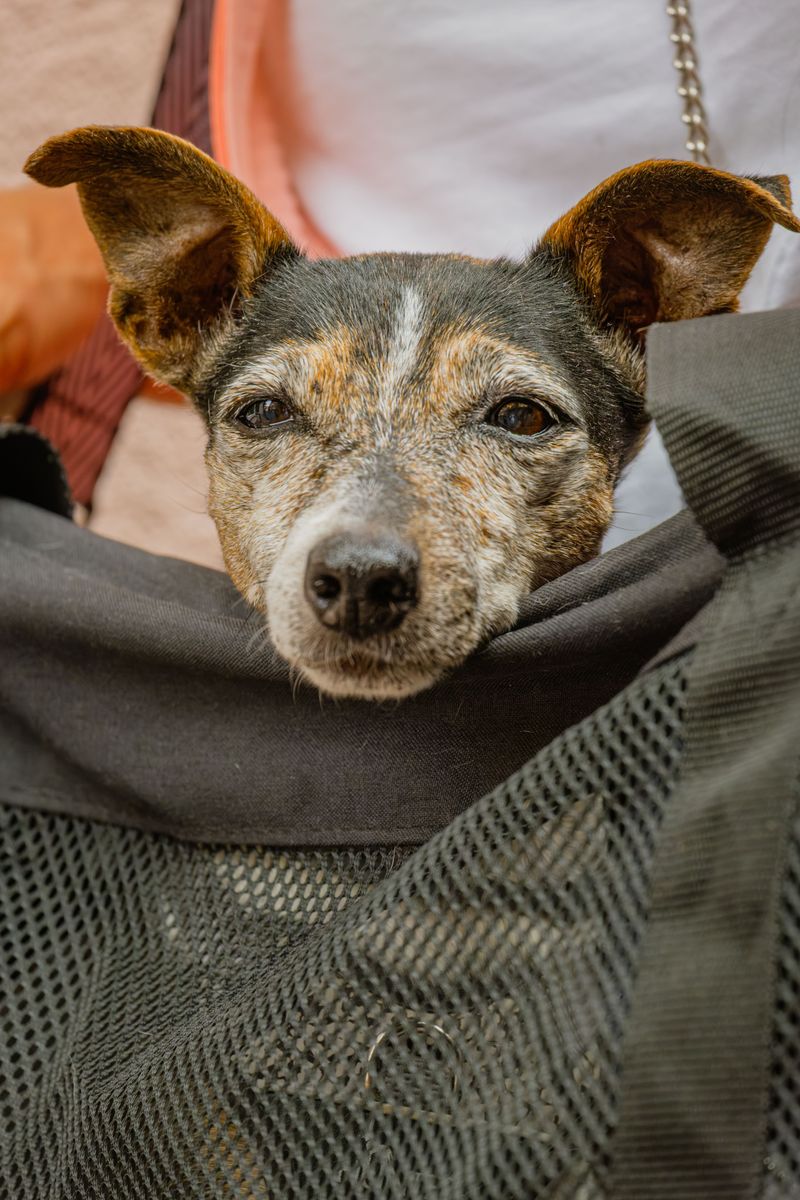
Watch the dog, not just the departure clock. Heavy panting, repeated escape attempts, or unusual drooling can signal discomfort.
Give your pup time to settle before deciding whether today’s ride makes sense.
Start carrier practice at home with short sessions and rewards. Check airflow, temperature, and bedding before heading out.
If distress continues, postpone the trip rather than pushing through. A calm practice session tomorrow beats an upsetting journey today, especially for a first transit experience.
6. Plan Around Regional Rail Crowds

Rush hour adds elbows, rolling bags, and very little breathing room. Whenever possible, choose a quieter departure outside the busiest commuting periods.
Your carrier will be easier to manage, and your dog may settle faster.
Weekends are not always quiet, especially during major Philadelphia events. Check the calendar alongside the timetable.
Allow flexibility if a train arrives packed. Waiting for another departure can help, but first confirm when that next service runs and where it stops.
7. Give Your Dog a Chance to Relieve Themselves First

A bathroom break belongs on the schedule, right before station time. Walk your dog somewhere suitable before placing them in the carrier.
Carry waste bags and clean up promptly, even when the train clock feels persuasive.
Do not count on finding a designated pet relief area at your station. Research nearby outdoor options for longer connections instead.
Pack an absorbent liner for unexpected messes, but remember that supplies cannot replace giving your dog a proper break.
8. Keep Water and Familiar Supplies Within Reach
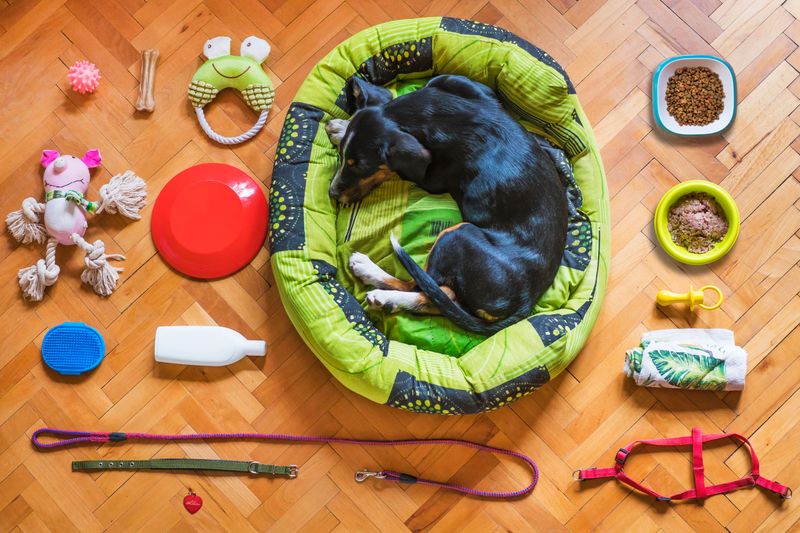
A tiny travel kit can prevent a surprisingly big fuss. Pack water, a collapsible bowl, waste bags, wipes, and a spare liner.
Keep essentials near the top of your bag, not buried beneath everything else.
A familiar cloth can make the carrier smell reassuringly like home. Offer water safely without letting your pet leave its carrier on SEPTA property.
Save messy snacks for elsewhere, and avoid introducing unfamiliar treats that could upset your dog’s stomach during travel.
9. Allow Extra Time at Regional Rail Stations

Station minutes disappear quickly when you are carrying a dog. Finding the correct platform, checking signs, and buying your own fare all take attention.
Build in enough time to handle those tasks without rushing.
Pause somewhere clear of foot traffic while your dog adjusts to station sounds. Keep the carrier closed during that pause.
For unfamiliar stations, study the layout beforehand. An early arrival gives you room to solve small problems before they become boarding problems.
10. Keep Your Dog Away From Platform Edges
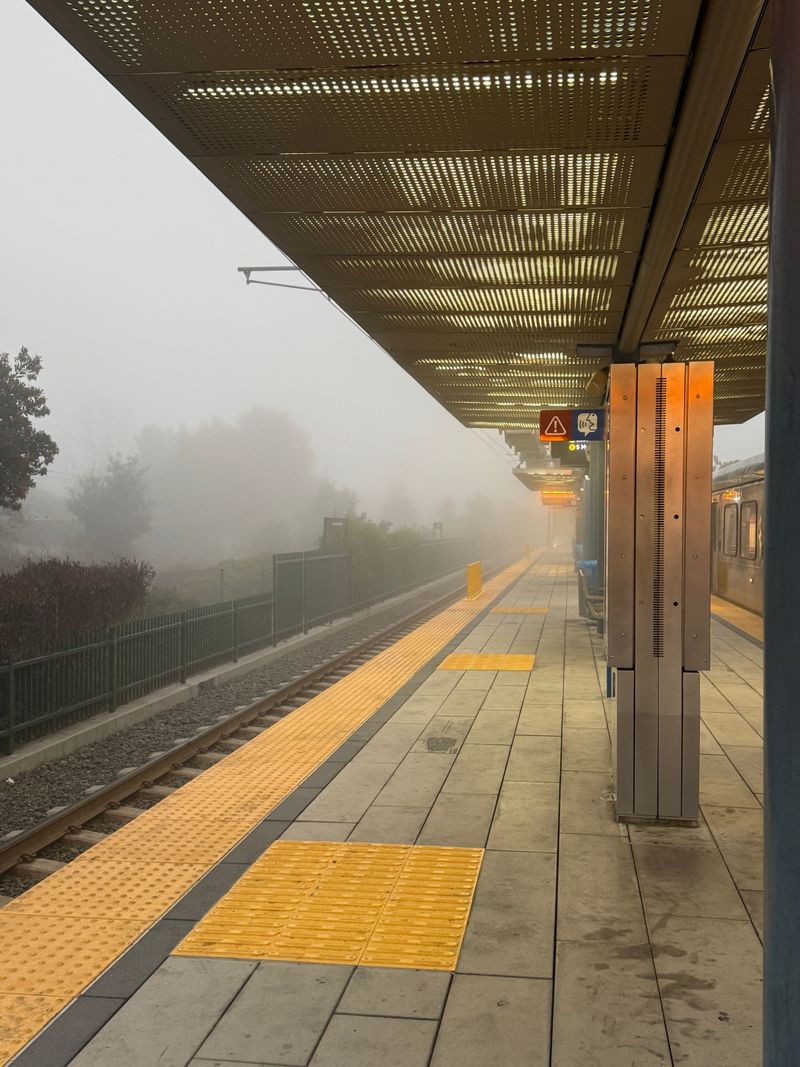
The platform edge is no place for a curious nose. Wait well back from the edge and behind marked warning strips.
Hold the carrier securely instead of balancing it on luggage or a narrow ledge.
Service dog handlers should keep their animals controlled and away from the edge as well. Arriving trains bring sudden noise and movement, so stay attentive.
Put your phone away when trains approach. Your safest waiting spot keeps both hands and attention available.
11. Be Careful Around Train Doors and Boarding Areas
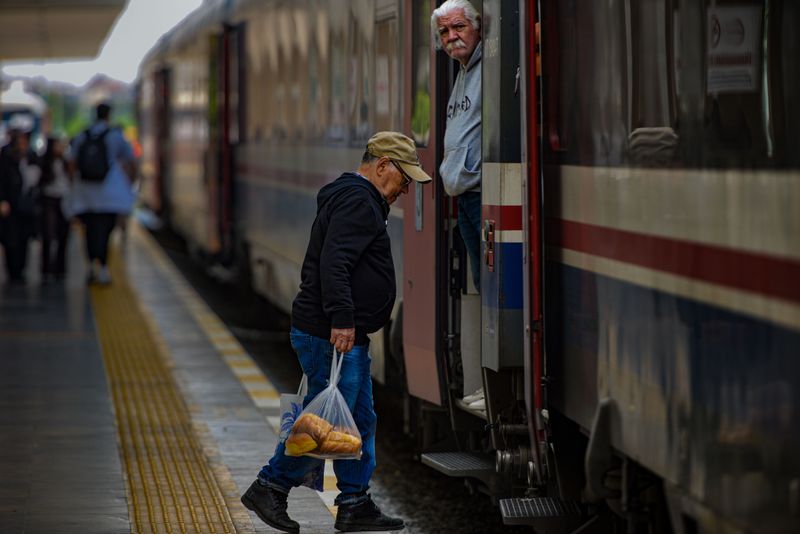
Doorways demand your full attention, even when your pup looks perfectly settled. Let exiting passengers pass before approaching the train.
Watch the platform gap, uneven steps, and any straps hanging from your carrier.
Some Regional Rail boarding points involve stairs rather than level entry. Keep a hand available for support whenever possible.
Service dog handlers must protect paws, tails, and equipment around doors and boarding devices. Never rush toward closing doors; wait for a safe boarding opportunity.
12. Keep Your Dog Quiet and Comfortable During the Ride
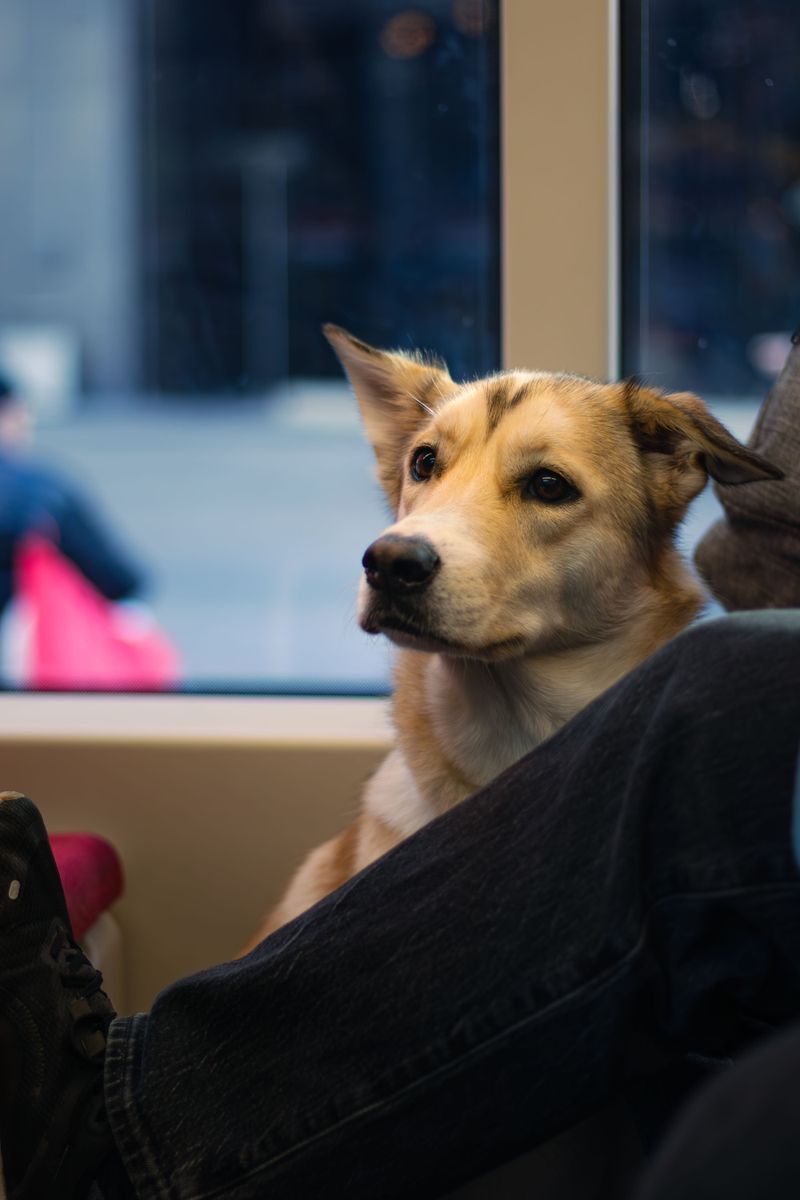
A soft voice usually works better than a running commentary. Settle the carrier securely and speak calmly if your dog needs reassurance.
Keep ventilation openings clear, and watch for signs that the carriage feels too warm.
Do not unzip the carrier to offer a sightseeing session. Reward calm behavior discreetly when suitable, without encouraging noisy excitement.
If barking continues, consider ending the journey at a safe stop. Persistent distress is a reason to rethink the return trip.
13. Respect Passengers Who Are Uncomfortable Around Dogs
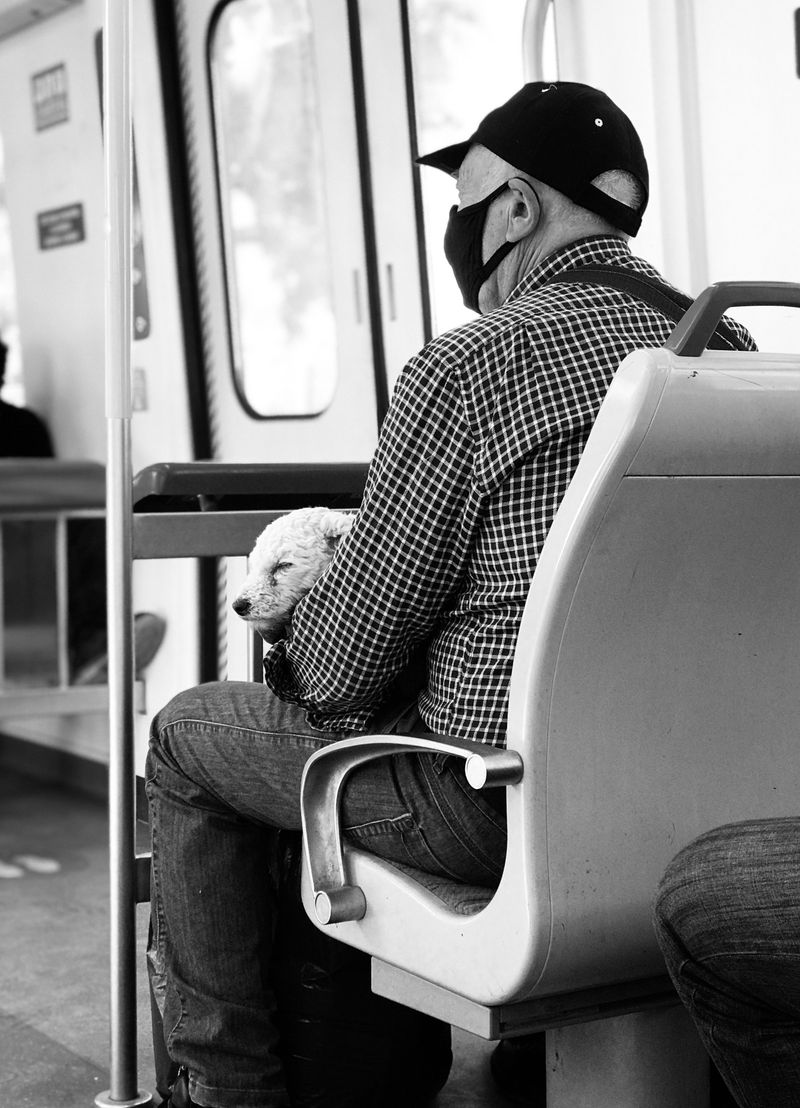
Your dog may be delightful, but introductions are not part of everyone’s commute. Some riders have allergies, fears, or simply prefer personal space.
Keep your pet contained and avoid inviting strangers to reach inside.
If someone seems uneasy, offer space where practical without blocking another rider. Skip the promise that your dog loves everybody.
Respect works better than persuasion. Service dog handlers also deserve privacy, so never distract another passenger’s working animal while managing your own pet.
14. Know What SEPTA Requires for Service Dogs
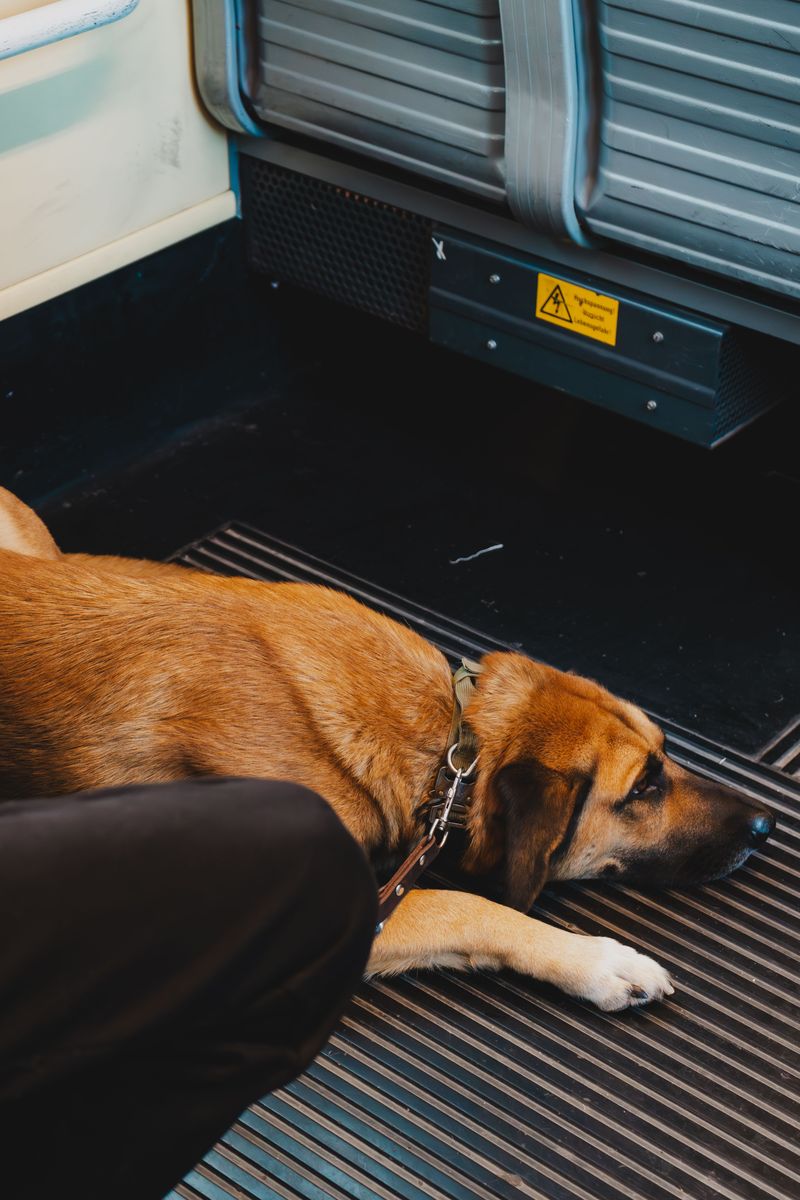
Working dogs need room to do their jobs without blocking others. SEPTA’s guidance calls for service animals to remain controlled, using a leash or harness.
They should not occupy passenger seats or obstruct aisles.
Handlers are responsible for cleanup and managing disruptive behavior. When a dog’s role is unclear, staff may ask disability-related task questions allowed by law.
They cannot require a diagnosis or service animal certificate. Check SEPTA’s current guidance for details, including disability-related control exceptions.
15. Prepare for the Challenges of Older or Nervous Dogs
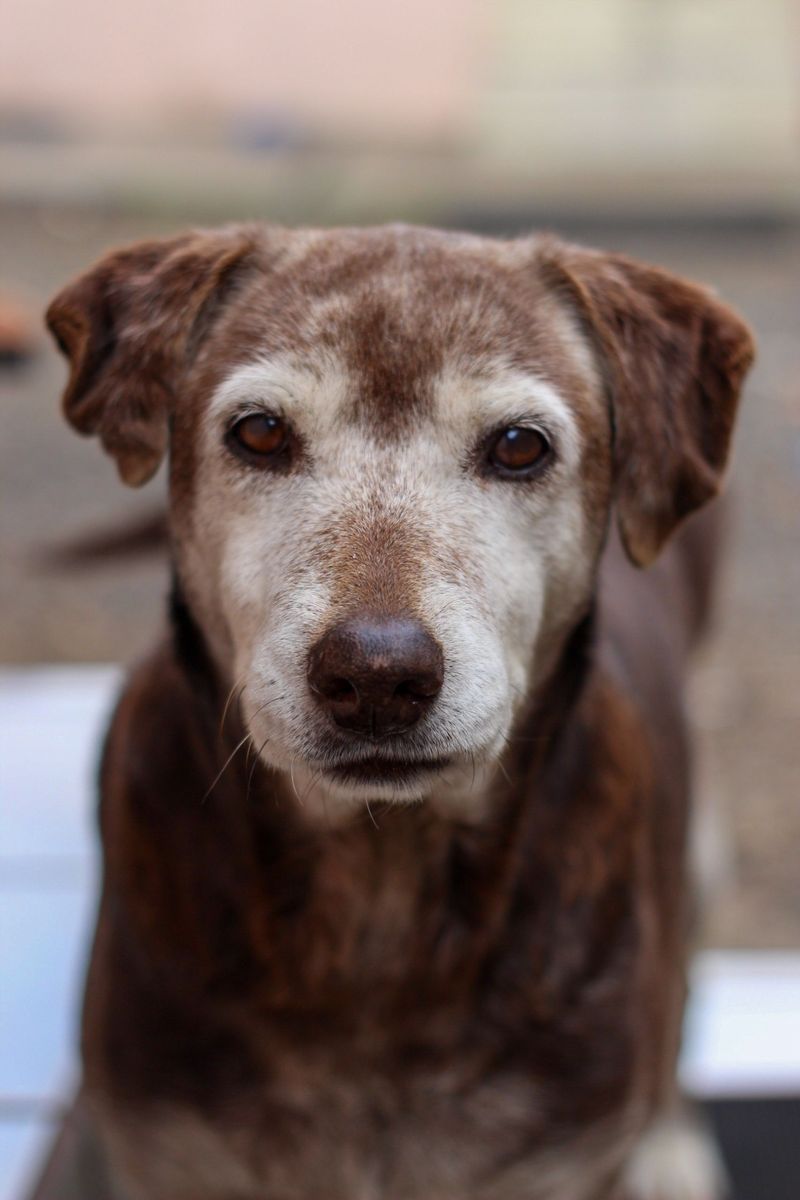
Gray muzzles and worried ears deserve a gentler travel plan. Older dogs may struggle with heat, joint discomfort, or long periods inside carriers.
Nervous dogs may find brakes, announcements, and crowds especially unsettling.
Try short practice outings before planning a lengthy journey. Ask your veterinarian about health concerns or motion sickness well before departure.
Never try unfamiliar calming medication on travel day without veterinary advice. Sometimes another transport choice is the kindest way to reach your destination.
16. Check Your Route for Station Accessibility
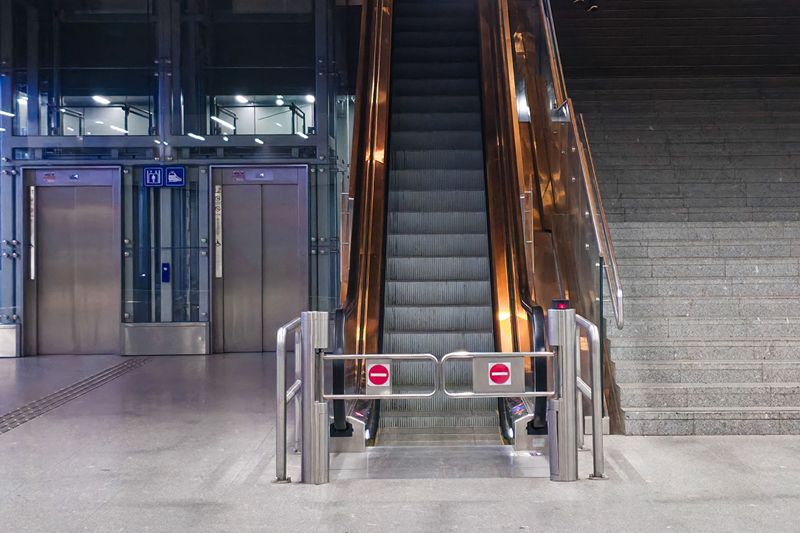
Stairs feel different with a carrier in one hand. Review accessibility information for your starting station, destination, and any transfer points.
A station name on the map does not guarantee the same boarding setup everywhere.
Check elevator status before leaving and consider your own lifting limits. Choose a simpler route when possible, even if it takes longer.
Do not assume staff can carry your pet or luggage. Contact SEPTA beforehand when you need clarification about accessible boarding.
17. Understand That Staff Can Enforce SEPTA’s Animal Rules
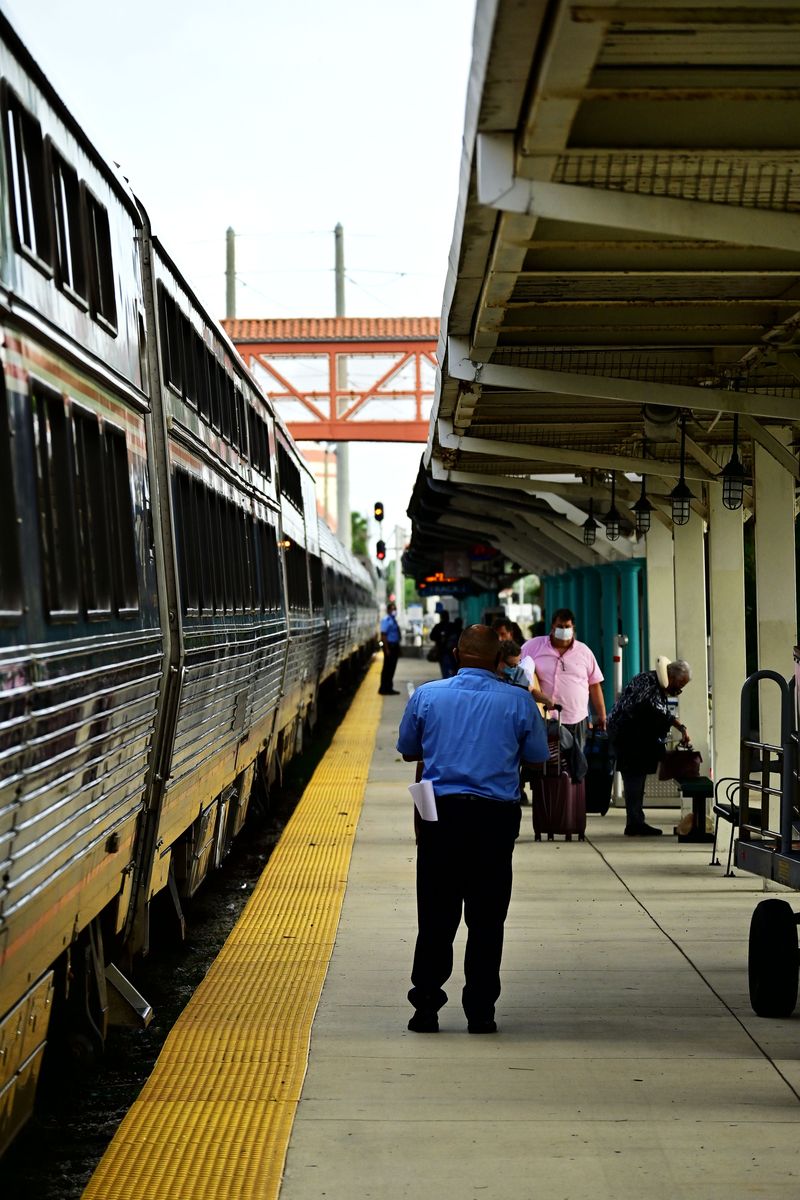
A friendly conversation beats a platform disagreement every time. Operators and train crews enforce SEPTA’s rules, including those covering animals.
A pet outside its carrier can create a boarding problem, regardless of its training.
Follow reasonable placement and safety instructions promptly. If you are unsure about a requirement, ask calmly before boarding rather than arguing afterward.
Policy violations can have consequences under SEPTA’s conduct rules. Keep a backup travel option ready if your arrangement does not meet requirements.
18. Check for Service Changes Before Your Trip

A replacement bus can change more than your arrival time. Detours, canceled trains, and platform changes may add walking or extra transfers.
Check SEPTA’s official alerts before departure and again before heading home.
Pay attention to your specific line and travel date. Weekend construction can affect a route that worked smoothly yesterday.
Keep your phone charged and save essential journey details. Extra water and schedule flexibility help when plans shift, but a backup ride offers even greater reassurance.
19. Keep SEPTA’s Official Pet Guidelines Handy
Save the rules before station reception decides to play hide-and-seek. Bookmark SEPTA’s official pet guidance, service animal policy, and conduct rules.
A screenshot provides a useful reference when your connection is weak.
Check those pages again before future journeys because requirements can change. Use official guidance to clarify questions, not to challenge safety directions from staff.
With a secure carrier and a sensible plan, you are ready. Pack thoughtfully, leave early, and let the rails handle the miles.