15 Texas First-Year Dog Costs That Change When A Yard Becomes Several Acres
Several acres can give your dog room to explore, but they also change your first year of spending. Across Texas, heat, brush, long driveways, and wider boundaries create needs that a small yard may not.
You don’t have to improve every corner at once. Start with a secure daily space, then plan upgrades around your dog, your land, and advice from your veterinarian.
1. Choosing a Fence That Covers More Ground
A bigger property does not mean your dog needs access to every acre immediately. Fencing a smaller exercise area often keeps first year spending manageable.
Measure the boundary before requesting quotes for materials, labor, and ground preparation.
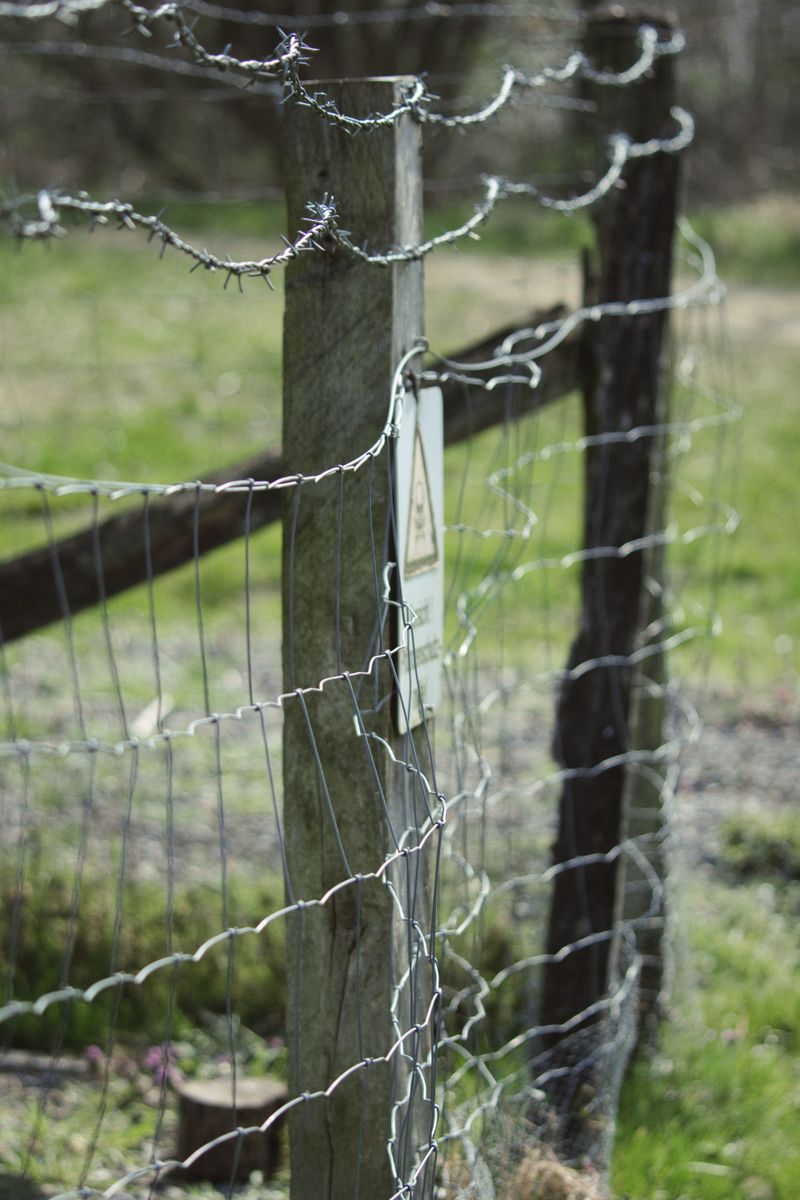
Choose fence height and spacing for your dog’s size, climbing habits, and digging behavior. Livestock fencing may leave openings dogs can slip through.
Check local rules and property restrictions before building, then reserve money for repairs after heavy storms.
2. Installing Gates Along Long Driveways
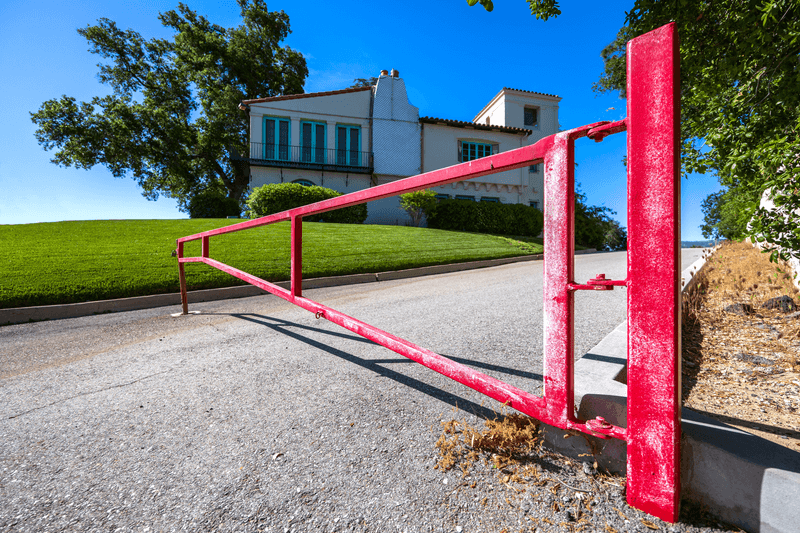
Every delivery creates another chance for a driveway gate to stand open. Your budget may need sturdy hinges, reliable latches, and professional installation.
Automatic gates add equipment costs, plus possible electrical work and future maintenance.
Keep dogs in a separate secure area whenever vehicles enter or leave. A driveway gate alone may have gaps underneath or beside it.
Ask installers about safe operation, emergency access, and upkeep before choosing features that stretch your available spending money.
3. Buying Longer Leads for Open Spaces
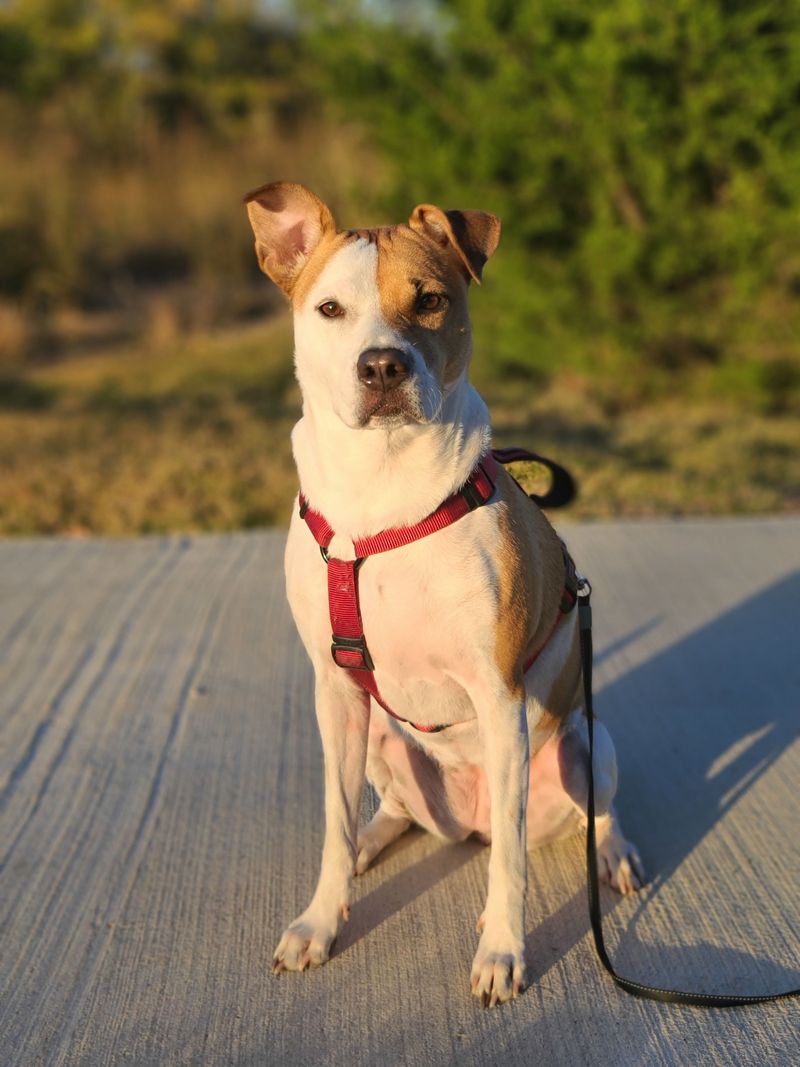
Open grass can make a dependable recall seem less dependable. A long training line lets your dog explore while you practice coming when called.
Plan for a fitted harness, a sturdy line, and replacement clips when needed.
Use long lines under supervision in clear spaces, away from livestock, roads, and tangled brush. Attach them to a harness rather than a neck collar.
Avoid wrapping the line around your hand, and never leave your dog tethered unattended.
4. Adding Stronger Outdoor Identification
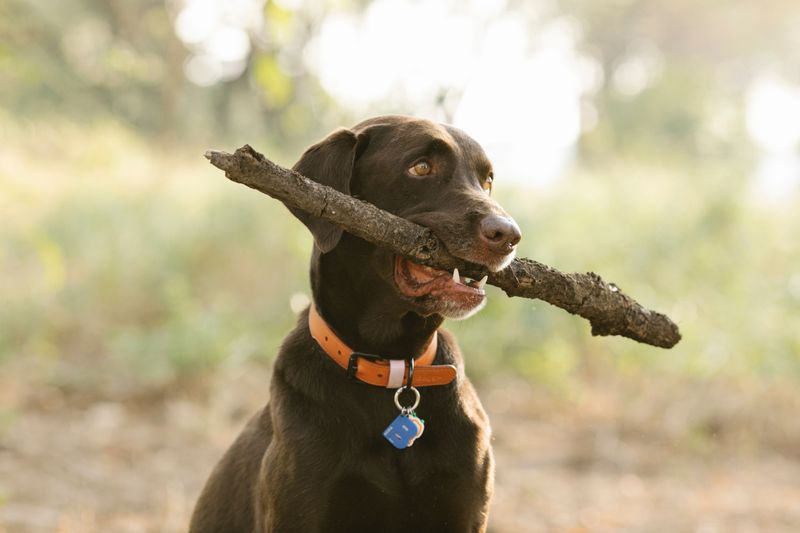
A readable phone number matters when the nearest neighbor lives far away. Set aside money for durable identification tags and a microchip if needed.
Ask your veterinarian to scan the chip and explain its registration process.
Update contact details whenever your number or address changes. GPS collars can add purchase charges and subscription fees, but coverage varies across rural Texas.
Check service availability before buying. Tracking tools support supervision and fencing; they cannot replace either safety measure.
5. Budgeting for More Tick and Flea Prevention
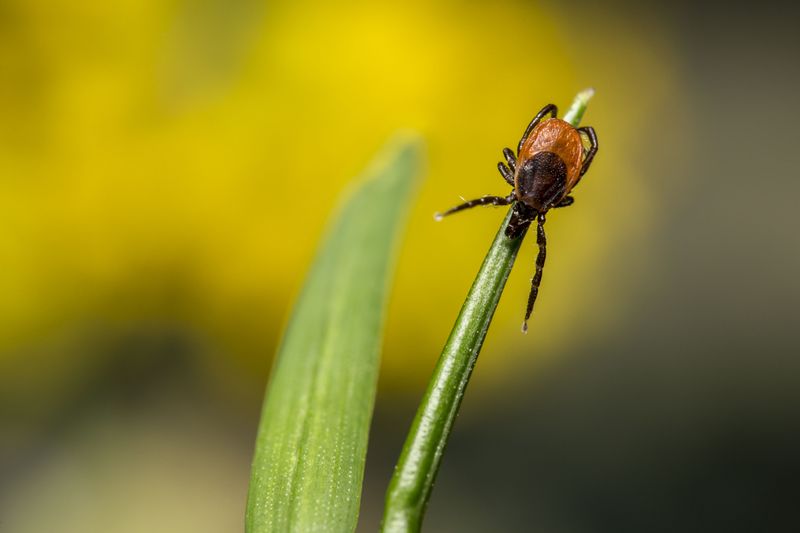
Brushy edges give ticks more places to wait for passing animals. More outdoor time may increase exposure, but it does not justify extra medication doses.
Ask your veterinarian about year round protection suited to your dog.
Budget for the prescribed product, routine coat checks, and treatment if problems appear. Weight changes during puppyhood can affect product selection and price.
Never combine preventives without veterinary advice. Keeping frequently used areas trimmed can help reduce contact with tall vegetation.
6. Scheduling More Frequent Yard Checks
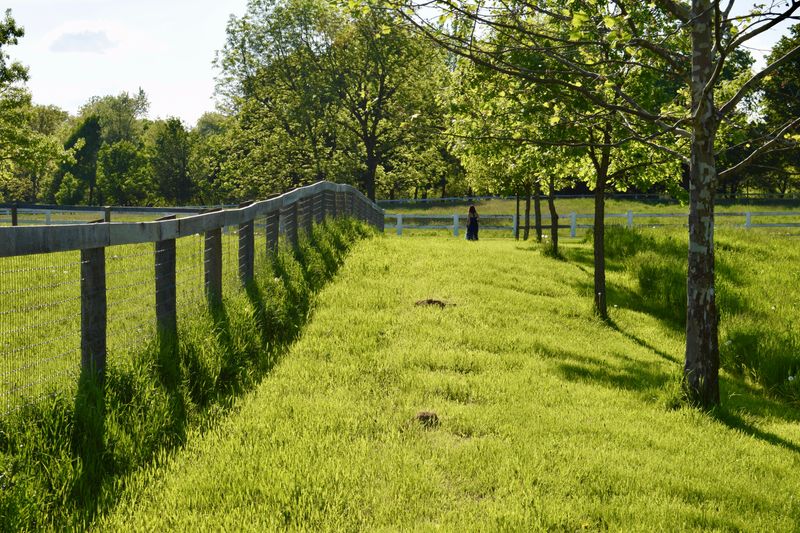
Walking the fence becomes a real chore when boundaries stretch farther. Count your time alongside spending on gloves, tools, and occasional hired help.
Inspect the dog’s main enclosure before expanding checks across less used land.
Look for loose wire, open gates, fallen branches, and unfamiliar plants. Check again after strong winds or heavy rain.
Remove accessible debris and identify suspicious plants through reliable local resources. A simple inspection calendar helps you catch small repairs before costs grow.
7. Buying More Outdoor Water Stations
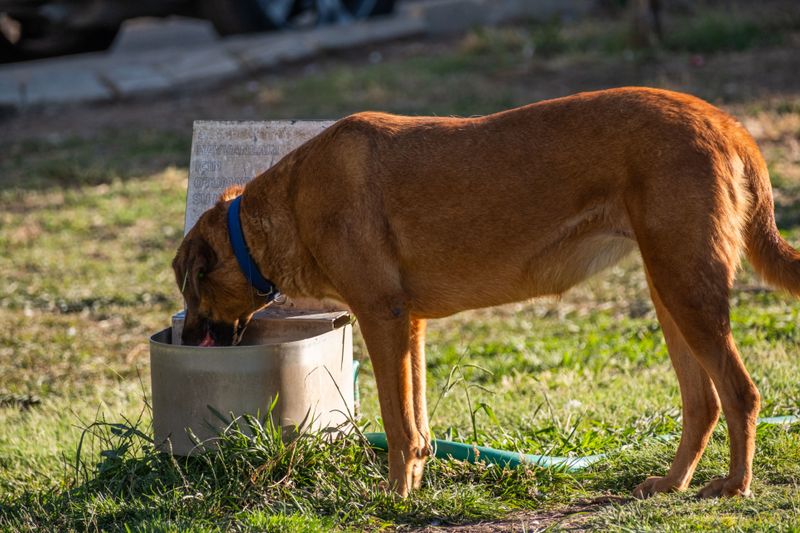
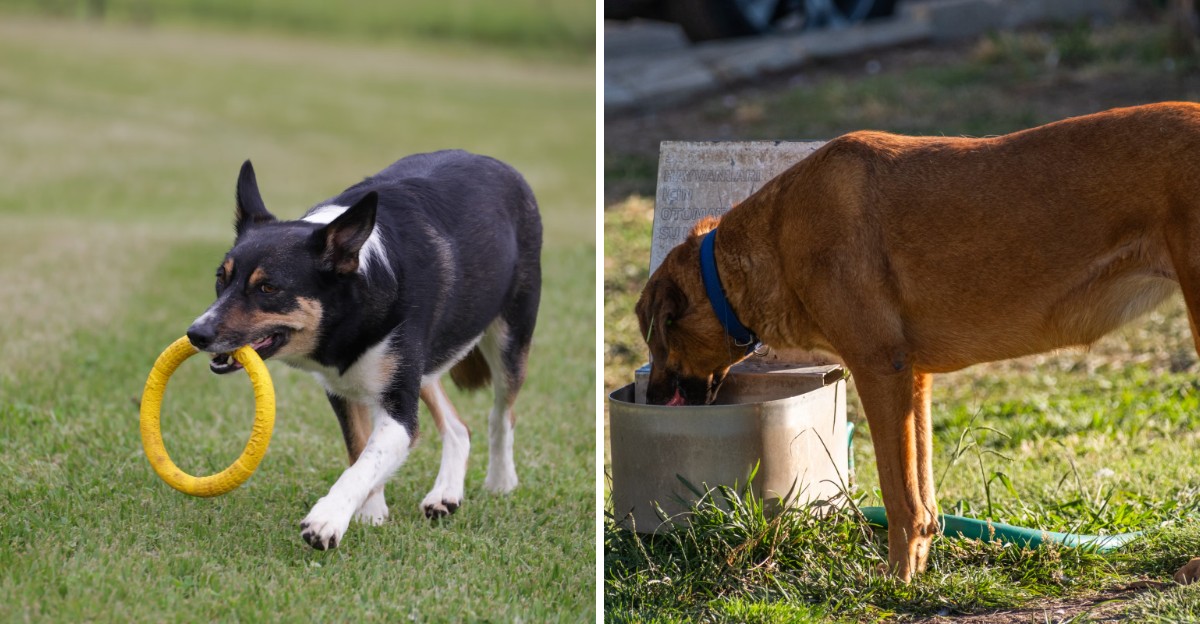
One bowl beside the back door may not cover daily outdoor routines. Place sturdy water bowls near supervised play and resting areas.
Include bowls, cleaning supplies, and any needed plumbing work in your first year budget.
Refresh water often and check supplies throughout hot Texas days. Automatic waterers still need inspection because leaks, dirt, or equipment trouble can interrupt access.
Do not depend on ponds as drinking sources. Bring portable water whenever walks extend beyond your usual stations.
8. Creating Shaded Resting Areas
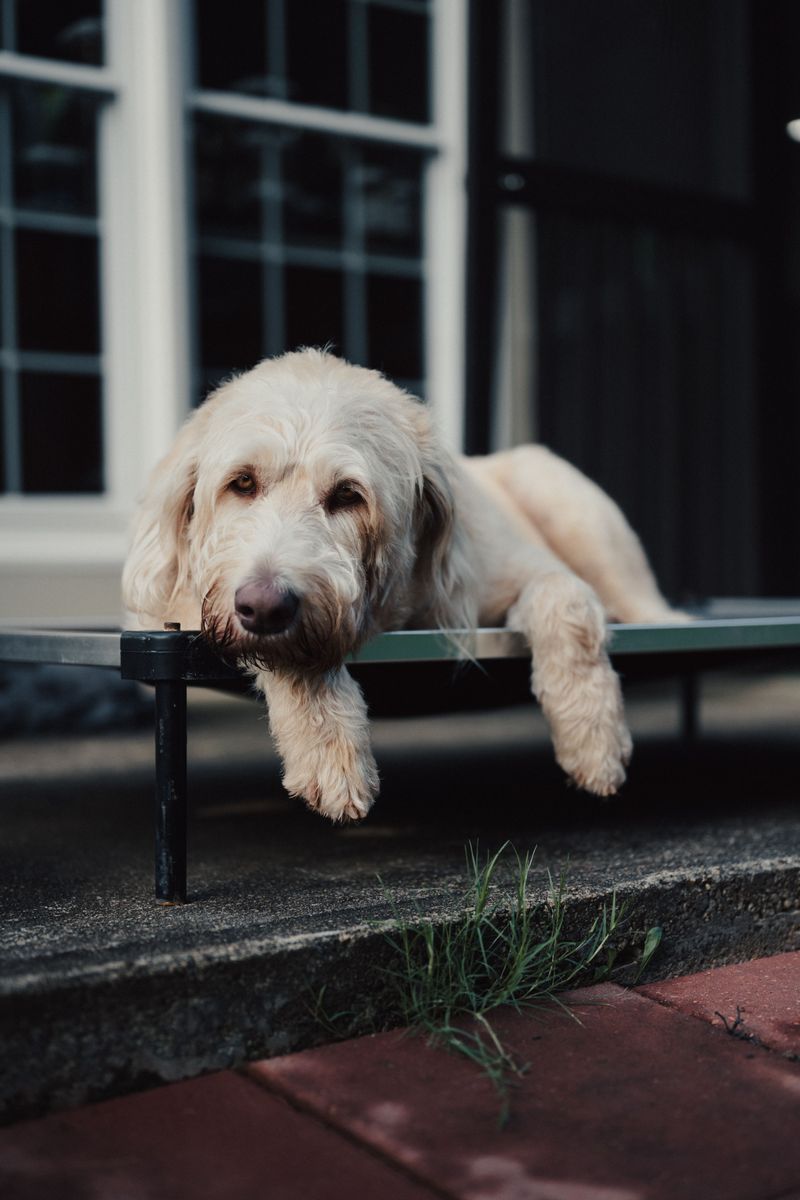
Texas sunshine can turn an open exercise area uncomfortable surprisingly quickly. Price shade structures, secure installation, and comfortable resting surfaces before summer arrives.
Watch how shade moves so afternoon coverage reaches the places your dog uses.
A doghouse can trap heat and is not a substitute for cool indoor access. Provide fresh water and supervise outdoor time closely.
During hot weather, shorten outings and choose cooler hours. Budgeting for shade works best alongside a reliable indoor cooling plan.
9. Investing in More Durable Dog Toys
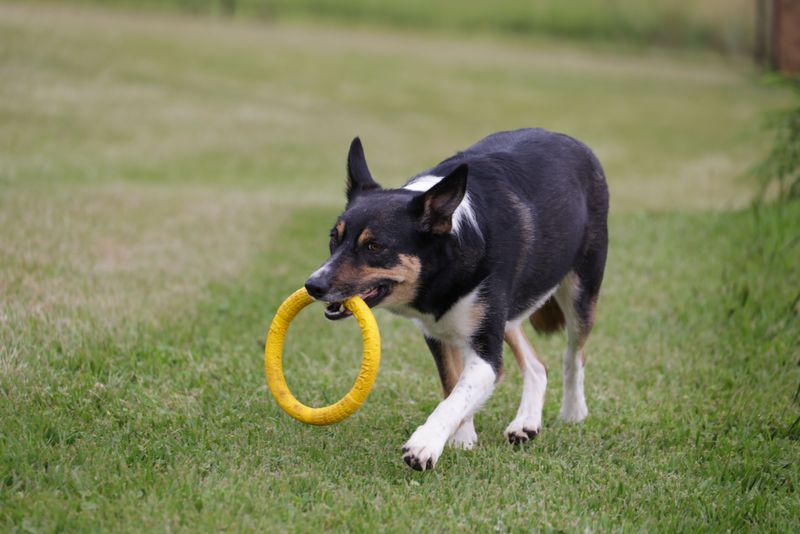
A favorite ball can disappear fast in several acres of grass. Choose a few visible, washable toys instead of buying a large collection.
Include replacements in your budget, especially while learning your dog’s chewing habits.
Match toy size and firmness to your dog’s mouth and play style. No toy is indestructible, so supervise use and discard damaged pieces.
Rotate toys to keep play interesting. Store them after outings rather than letting weather shorten their useful outdoor life.
10. Protecting Your Dog From Wildlife Encounters
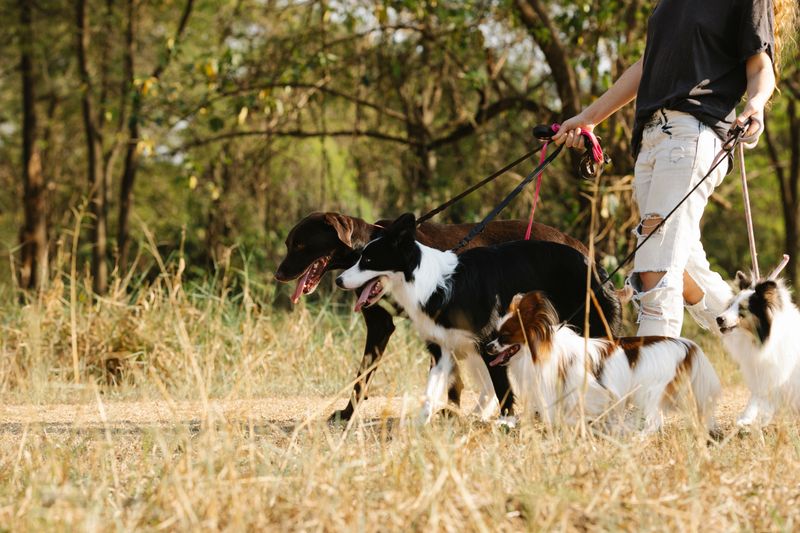
Sharing land with wildlife calls for good habits, not constant worry. Budget for secure trash containers, brush management, and supervised walking equipment.
Bring pet food indoors rather than leaving bowls outside to attract passing animals.
Keep dogs away from wildlife, burrows, and unfamiliar animals. Ask your veterinarian about local risks and suitable preventive care.
Wildlife concerns vary across Texas, so contact local animal control for guidance. Avoid handling or relocating wildlife yourself without advice from qualified local professionals.
11. Paying for Additional Heartworm Prevention
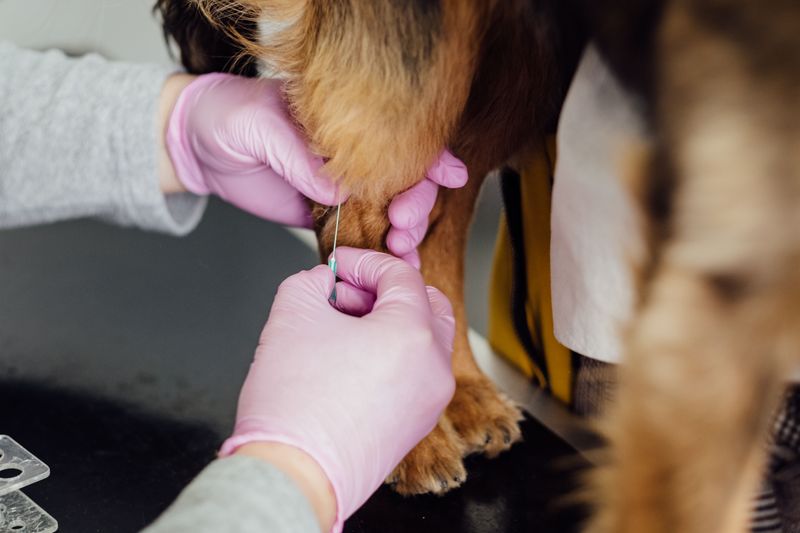
More acres do not mean your dog needs extra heartworm doses. Mosquito exposure makes consistent prevention essential, including for dogs spending time indoors.
Plan for veterinarian recommended testing and prevention throughout the year in Texas.
If you previously missed months, restoring regular care may increase your annual spending. Puppies and growing dogs may need different product sizes over time.
Follow the prescribed schedule exactly. Ask about combination products, since overlapping coverage can affect your overall parasite prevention budget.
12. Planning for More Mud and Paw Cleaning
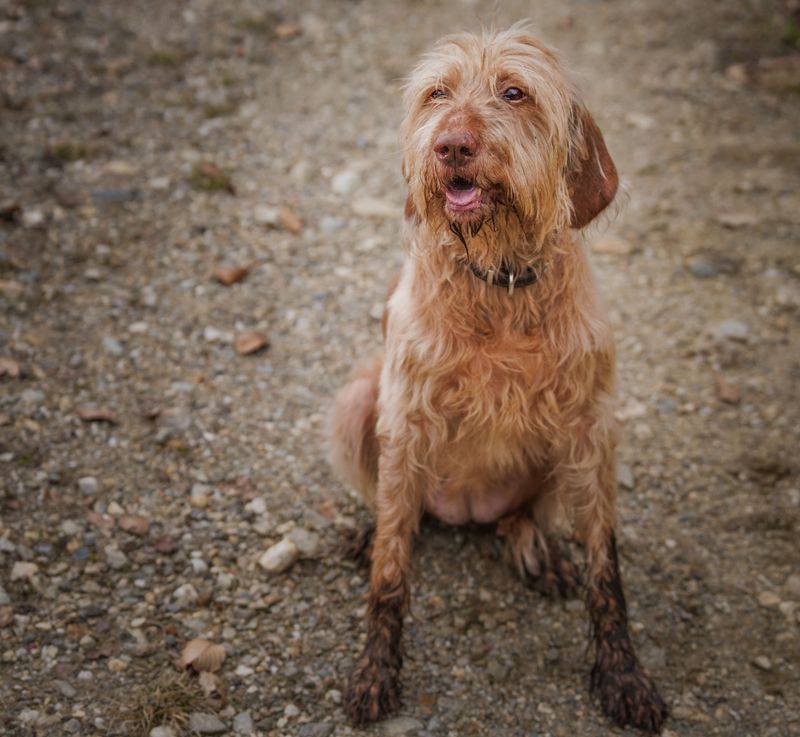
Rainy afternoons can bring half the path back through your doorway. A basic cleanup station helps protect floors without making every outing a project.
Budget for washable mats, towels, and gentle supplies approved for dogs.
Rinse muddy paws when needed, then dry carefully between the toes. Check for grass seeds, small cuts, or irritated skin during cleanup.
Avoid harsh household cleaners on paws. Persistent licking or soreness deserves veterinary advice, not repeated scrubbing or stronger cleaning products.
13. Maintaining Trails and Regular Walking Areas
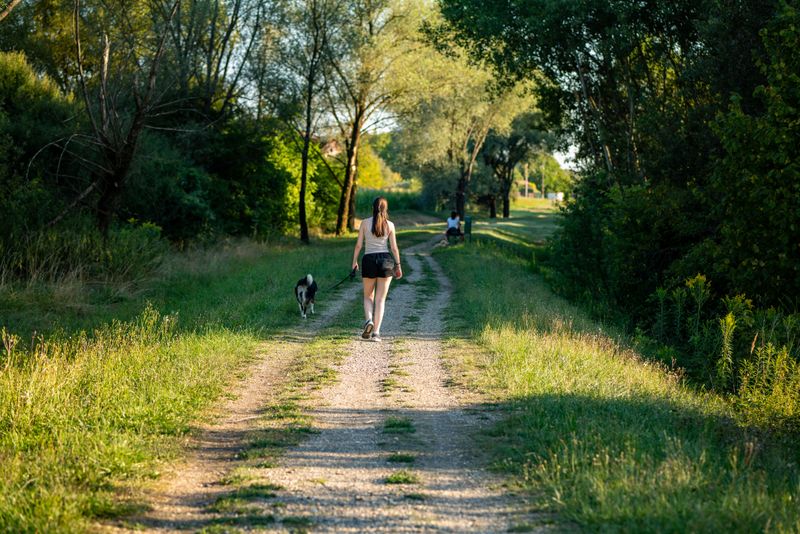
A clear walking loop can be more useful than unrestricted roaming. Map a manageable route near your home before clearing distant sections.
Mowing, trimming, equipment fuel, and hired labor may become recurring property costs.
Keep routes away from equipment, livestock, and unstable ground. Inspect paths after storms and watch for holes hidden by grass.
Ask local experts about troublesome plants before removing them. Smaller maintained routes often give dogs enjoyable exercise while keeping your first year workload realistic.
14. Buying More Secure Outdoor Storage

Country properties often hold supplies that never belonged in a small yard. Fertilizers, pesticides, fuels, and sharp tools need storage your dog cannot access.
Include sturdy cabinets, working locks, and repairs to existing sheds.
Keep products in original labeled containers and follow every storage instruction. Separate pet food from chemicals, and use secure containers that discourage wildlife.
Check doors and latches regularly. A tidy storage area also makes missing tools and spilled materials easier to notice during chores.
15. Setting Aside More Money for First-Year Veterinary Care
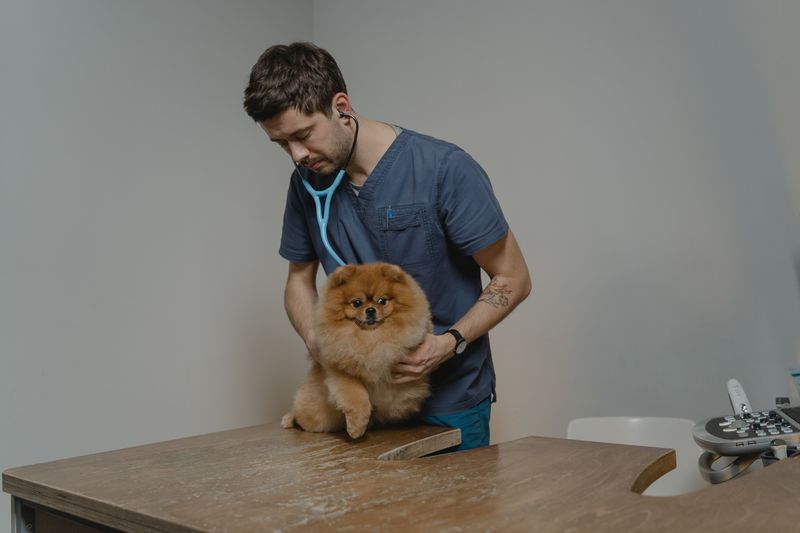
Your best budget starts with a veterinary visit and honest questions. Discuss vaccines, parasite testing, routine care, and your property’s specific conditions.
Texas requires rabies vaccination for dogs; ask about applicable schedules and local requirements.
Set aside funds for unexpected visits, travel, and care outside normal hours. Compare insurance terms carefully, including exclusions and waiting periods.
Start with secure space, dependable prevention, and daily checks. Thoughtful spending helps your dog enjoy those extra acres with greater everyday confidence.