Smoke Days Can Disrupt A California Puppy Routine Before Owners Realize It
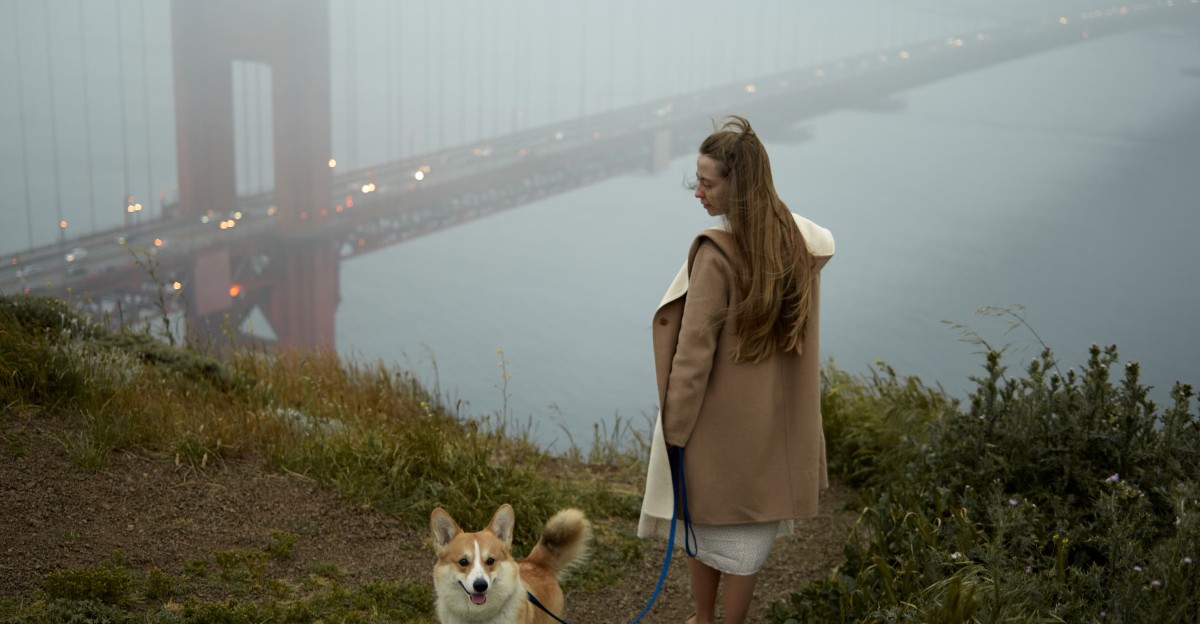
Your puppy may still want breakfast, playtime, and a morning walk when wildfire smoke reaches your California neighborhood. Yet smoky air can change what feels comfortable before you notice coughing or tiredness.
A few simple adjustments can protect your puppy while keeping familiar routines in place. From checking local air reports to planning indoor games, knowing what to change helps you handle smoke days with confidence.
1. Smoke Can Affect A Puppy Before You Notice A Change
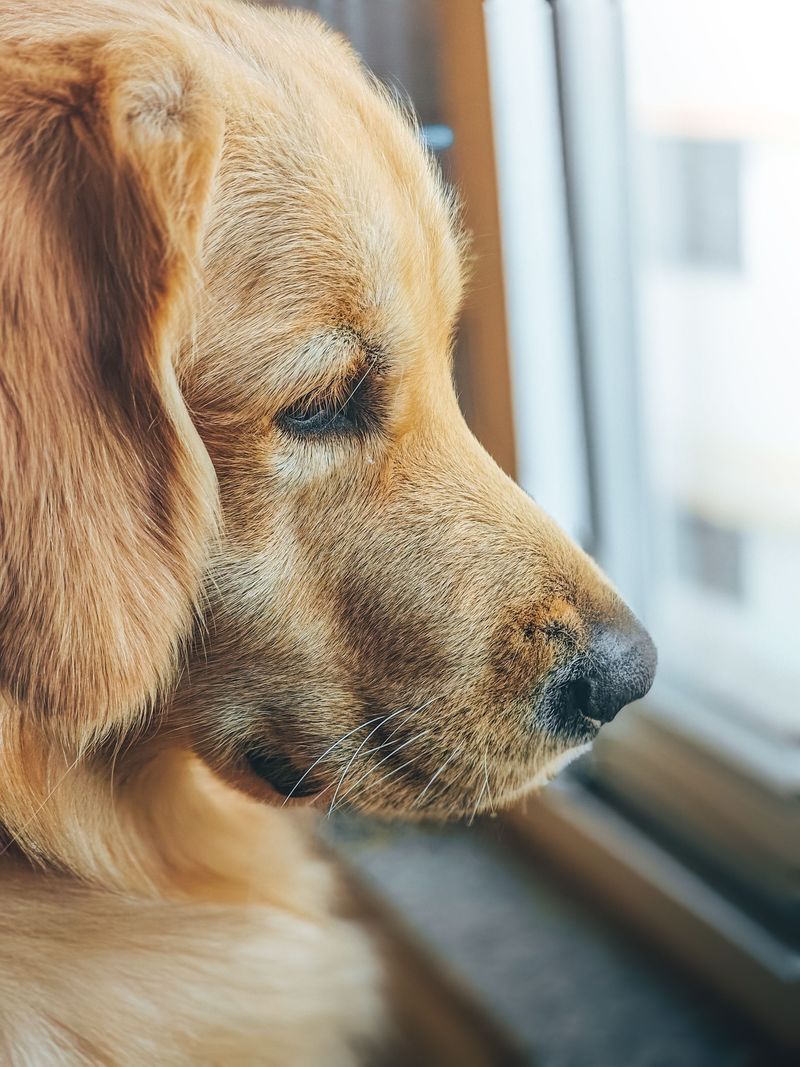
A wagging tail does not always mean the air feels comfortable. Fine smoke particles can irritate airways before obvious changes appear.
Puppies need extra caution because their lungs are still developing.
Start adjusting activities when local smoke arrives, rather than waiting for symptoms. Keep outdoor visits brief and offer a comfortable indoor spot.
Familiar meals, naps, and quiet games help maintain normal life while you reduce exposure throughout the day, even when your puppy seems cheerful.
2. Check California Air Quality Before Morning Walks
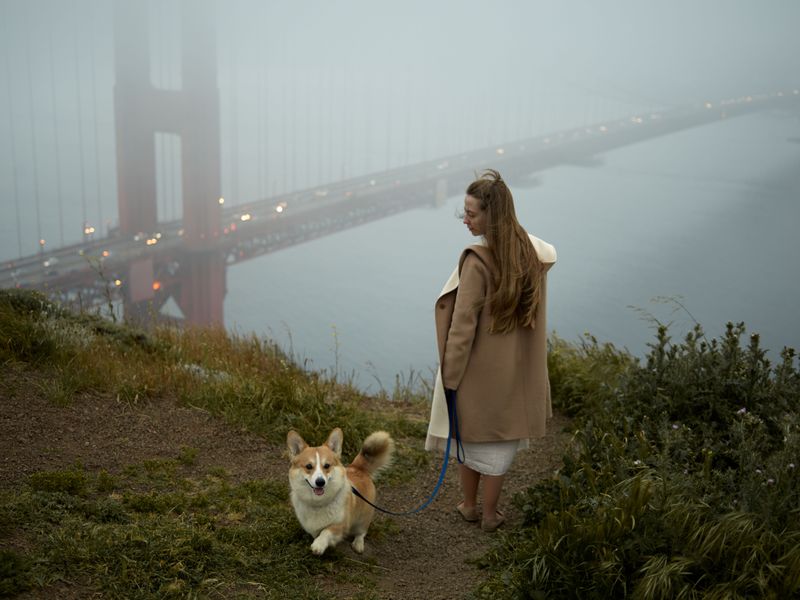
Before reaching for the leash, check AirNow or your local air district. California smoke levels can shift overnight as winds change.
Review current conditions and nearby monitors, not just yesterday’s forecast.
Air quality guidance is written for people, not specifically for puppies. Still, worsening readings are a useful reason to reduce outdoor activity.
Ask your veterinarian about precautions for your puppy, and remember that clean-looking skies do not always mean clean air at your walking spot.
3. Shorten Outdoor Breaks When Smoke Builds
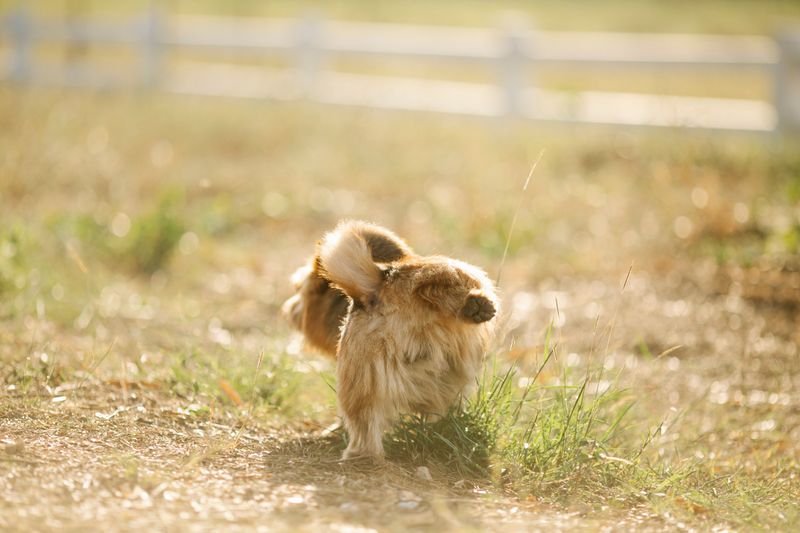
A quick potty trip can replace the usual neighborhood loop. During smoky conditions, take the shortest practical route to a familiar toilet spot.
Skip running, fetch, and lingering conversations outside.
There is no single outdoor time limit that suits every puppy or smoke level. Let current conditions and veterinary advice guide you.
Return indoors promptly, reward successful toileting, and save attention or play for a cleaner setting rather than stretching the outing to meet exercise goals.
4. Replace Long Walks With Indoor Play
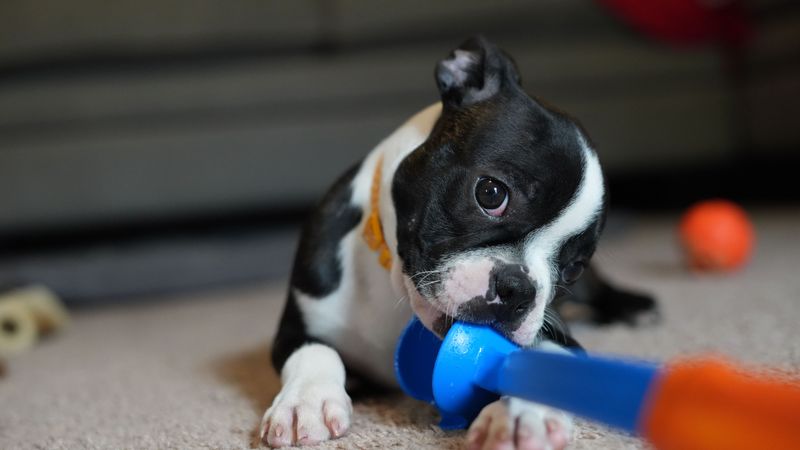
Your hallway can become a small adventure without becoming a racetrack. Try gentle tug, finding a toy, or practicing simple cues.
Keep sessions short enough that your puppy stays interested without getting overtired.
Choose nonslip flooring and clear away cords or small objects. Avoid repeated jumping, especially for growing puppies.
A few calm play breaks spread throughout the day can replace some outdoor stimulation while protecting regular naps and giving everyone a manageable smoke day routine.
5. Watch For Coughing And Faster Breathing
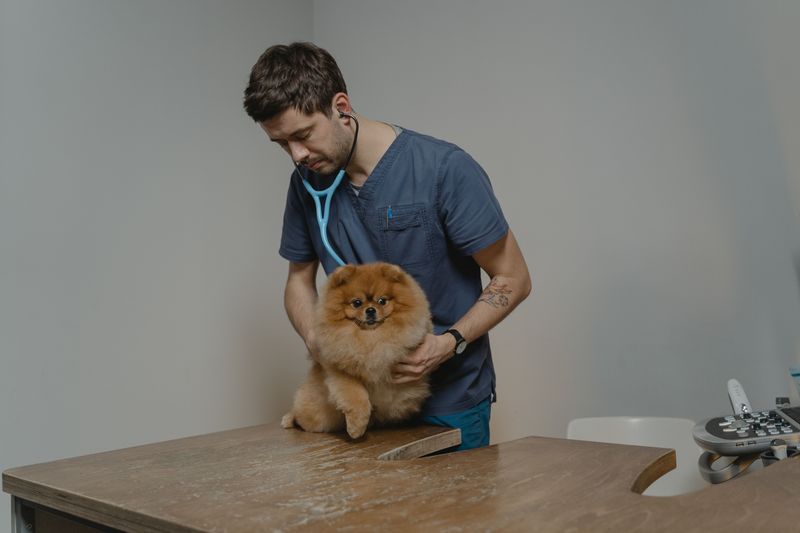
Small changes are easier to spot when you know your puppy’s usual behavior. Watch for coughing, irritated eyes, unusual tiredness, or breathing faster at rest.
Contact your veterinarian promptly if these changes appear.
Labored breathing, open-mouth breathing at rest, or collapse needs urgent veterinary care. Do not wait for an air quality improvement.
If possible, call the clinic while arranging transport so staff can advise you without delaying needed help for your puppy during smoky conditions.
6. Keep Windows Closed During Poor Air Quality
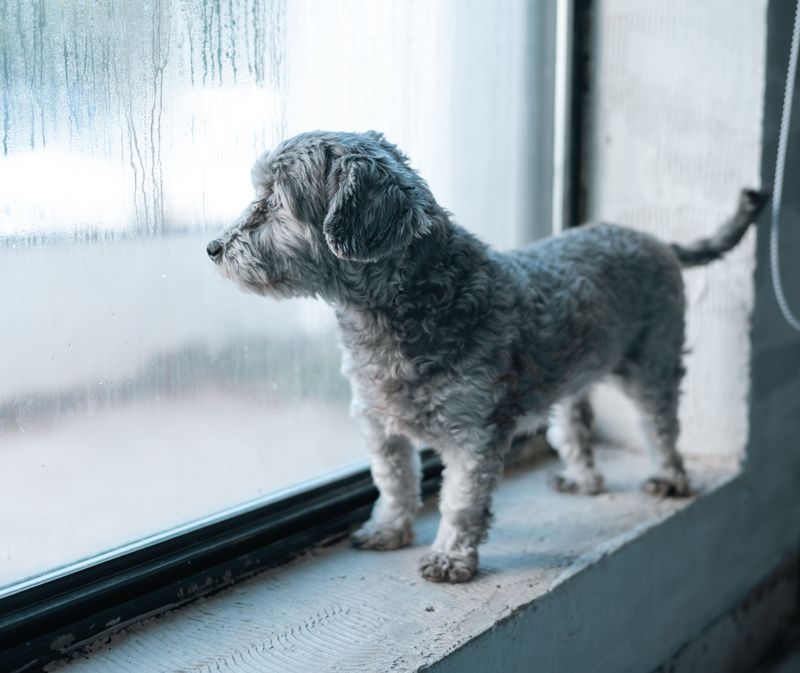
That familiar afternoon breeze may carry smoke into your home. Close windows and exterior doors when outside air quality is poor.
Limit repeated door openings, including trips to check whether the smoke smell has faded.
Keep indoor temperatures comfortable, especially during California heat. Use cooling equipment according to its instructions, choosing recirculation when appropriate.
If your home becomes too hot or smoky, arrange a cooler, cleaner location that welcomes pets rather than staying in unsafe conditions.
7. Create A Cleaner Indoor Resting Space
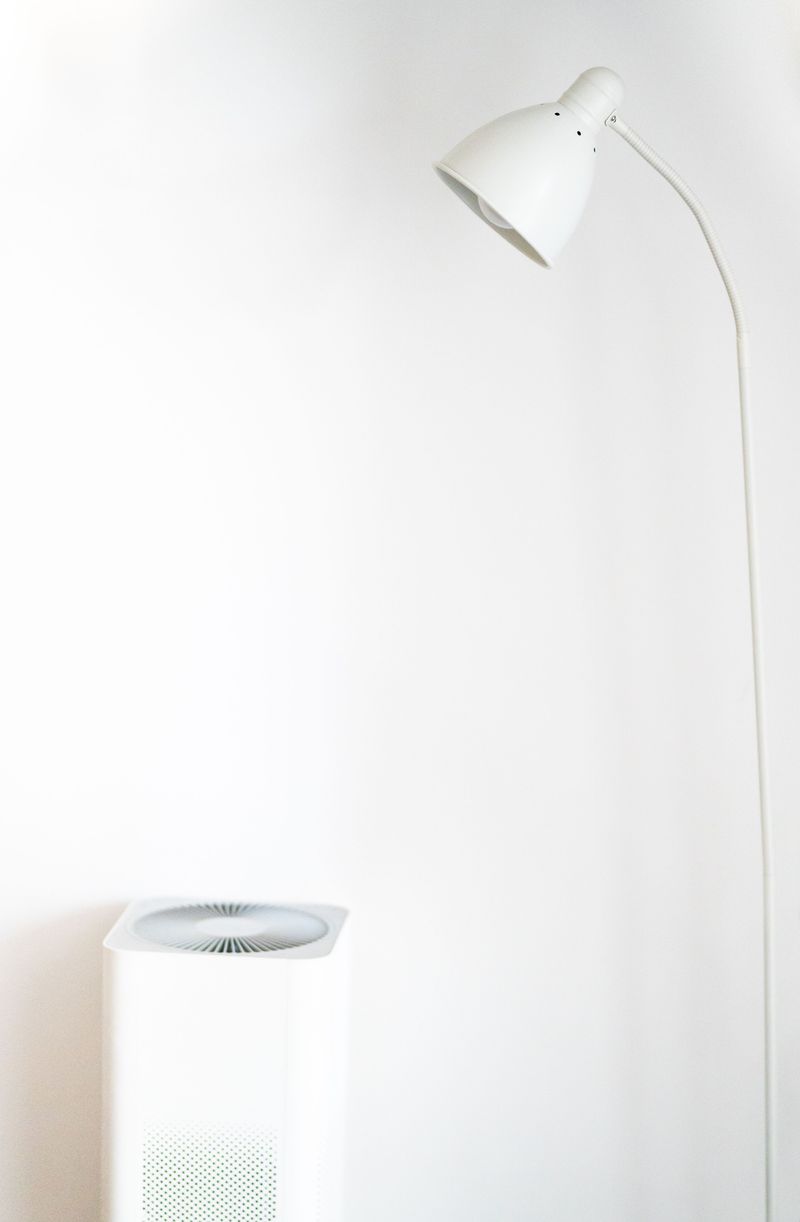
A quiet room gives your puppy somewhere predictable to settle. Use a properly sized portable HEPA air cleaner if available.
Follow placement instructions, keep vents clear, and secure electrical cords away from curious teeth.
Avoid ozone generators, which can irritate lungs. Reduce indoor particle sources, including candles, smoking, and cooking that produces smoke.
Add bedding and water, then encourage rest without suggesting the room is completely smoke-free or a substitute for veterinary advice when symptoms develop.
8. Adjust Potty Training Without Creating Confusion
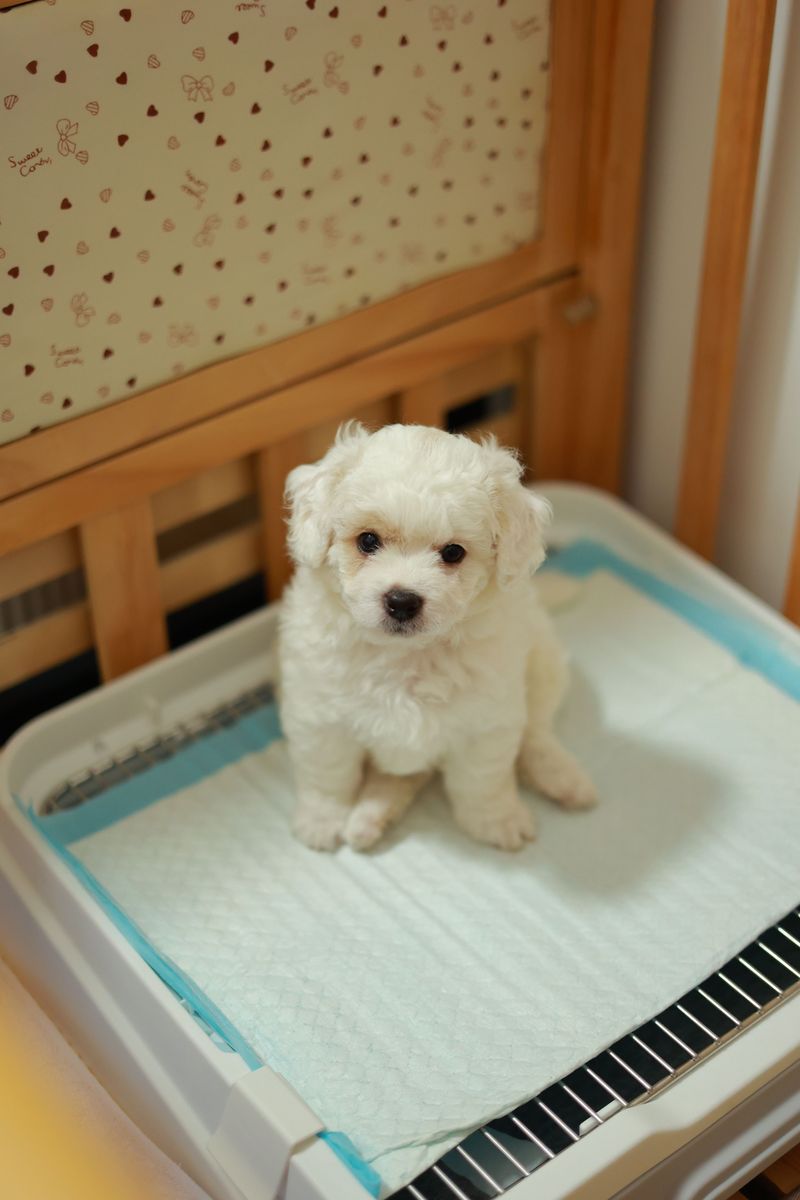
House training can wobble when outdoor access suddenly shrinks. Keep your usual toilet cue and offer breaks after waking, eating, and playing.
Reward promptly, even when the outing lasts only a few minutes.
If conditions prevent reasonable outdoor access, ask about a temporary indoor potty area. Place it consistently, away from food and bedding.
Expect some adjustment, clean accidents calmly, and avoid punishment, which can make toileting harder rather than explain the new smoke day rules.
9. Keep Puppies Away From Smoky Patios And Yards
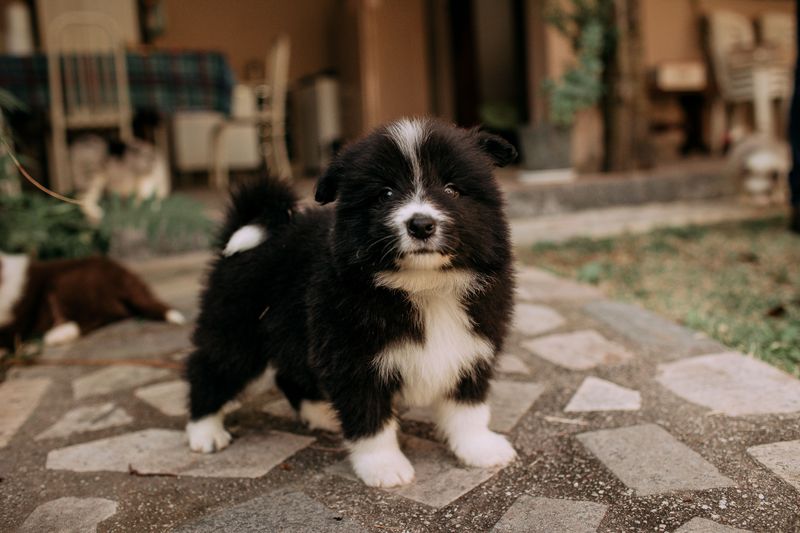
A covered patio is still outdoors, even with shade and comfortable furniture. Smoke can reach porches, balconies, and fenced yards.
Leaving a puppy there does not provide the protection of a cleaner indoor space.
Move outdoor beds and water bowls inside during smoke events. Supervise necessary yard visits instead of allowing free access through a dog door.
Share the plan with family members so nobody assumes the backyard is a safe alternative to a neighborhood walk.
10. Pay Attention To Changes In Appetite
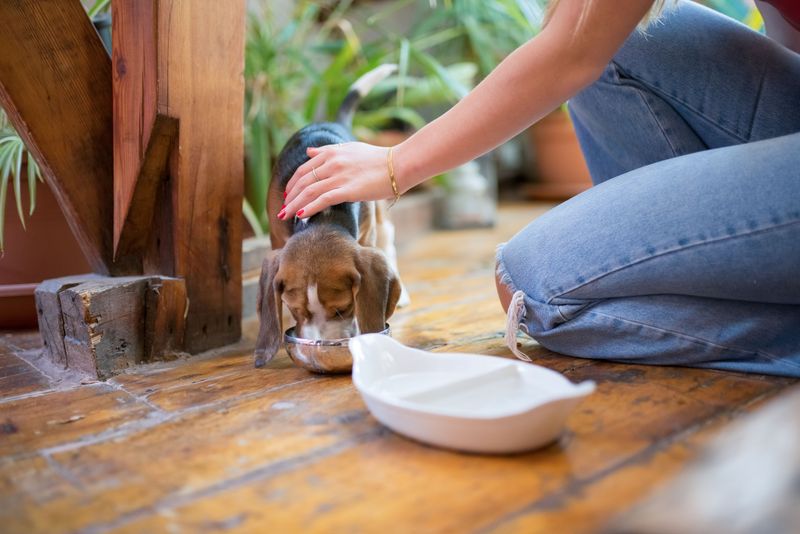
An unfinished breakfast can reveal that your puppy’s day feels different. Less exercise, stress, heat, or illness may affect eating.
Smoke should not automatically become the explanation for every change.
Keep meals familiar and make fresh water available. Record missed meals, vomiting, loose stools, or unusual tiredness for your veterinarian.
Call promptly about reduced eating, especially in very young or small puppies, rather than waiting through several meals or trying unfamiliar supplements to restore their appetite.
11. Protect Puppies From Smoke During Car Rides
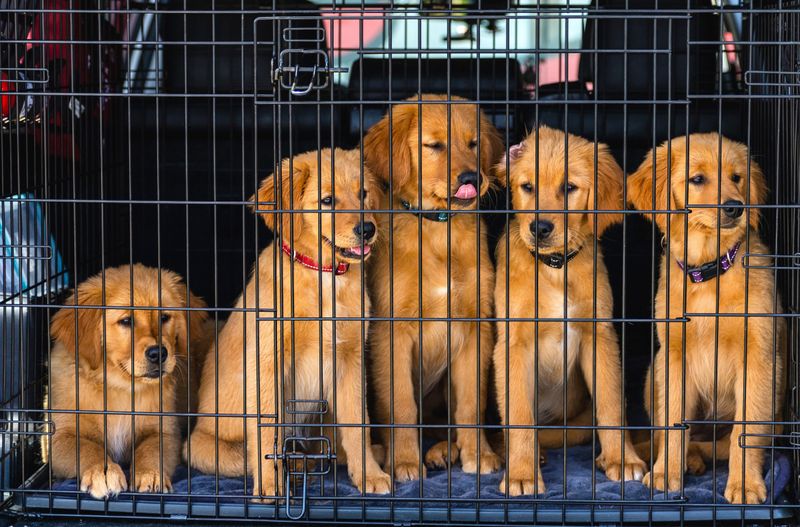
Rolling down the window is not helpful when roadside air contains smoke. Keep windows closed and use the vehicle’s recirculation setting when appropriate.
Maintain a comfortable temperature throughout the trip.
Secure your puppy in a suitable carrier or vehicle restraint. Avoid unnecessary drives, and never leave your puppy alone in a parked car.
If travel is needed for cleaner shelter or veterinary care, plan the route and confirm your destination can receive you before setting out.
12. Choose Indoor Enrichment That Matches Puppy Age
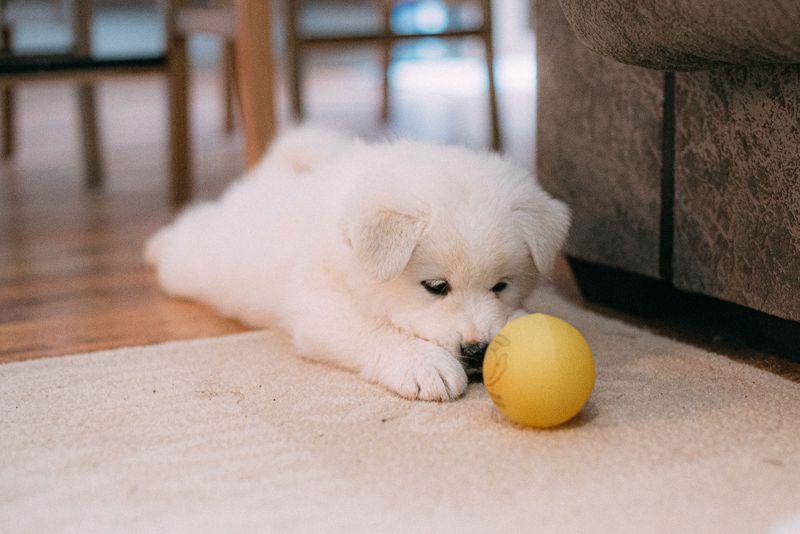
Busy noses often need less space than busy paws. Offer an easy food puzzle or hide kibble where your puppy can reach it.
Use part of the regular meal to avoid adding excessive treats.
Select toys that match your puppy’s size, chewing habits, and development. Supervise new activities and remove damaged pieces promptly.
Very young puppies may prefer a simple sniffing game, while older puppies can practice short training tasks between generous rest breaks throughout the day.
13. Keep An Eye On Puppies With Existing Breathing Problems
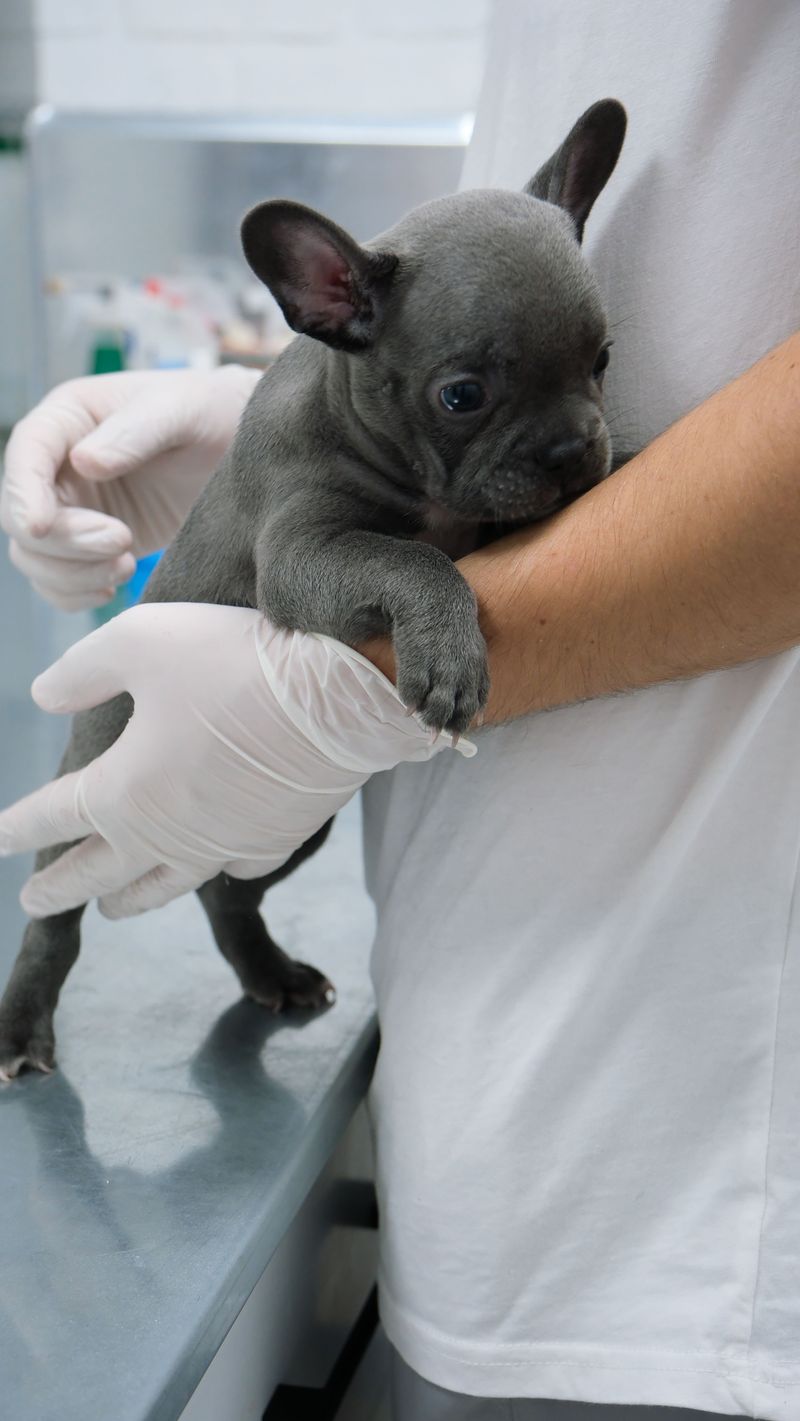
Some puppies need a more cautious plan from the start. Short-nosed breeds and puppies with heart or lung conditions may be especially vulnerable.
Discuss smoke precautions before local conditions worsen.
Ask your veterinarian which changes require a call and where urgent care is available. Keep prescribed medicines accessible, but never change doses independently.
A written plan helps everyone recognize your puppy’s usual breathing and respond consistently when something seems different, even during a busy household morning.
14. Check Paws And Coat After Necessary Outdoor Trips
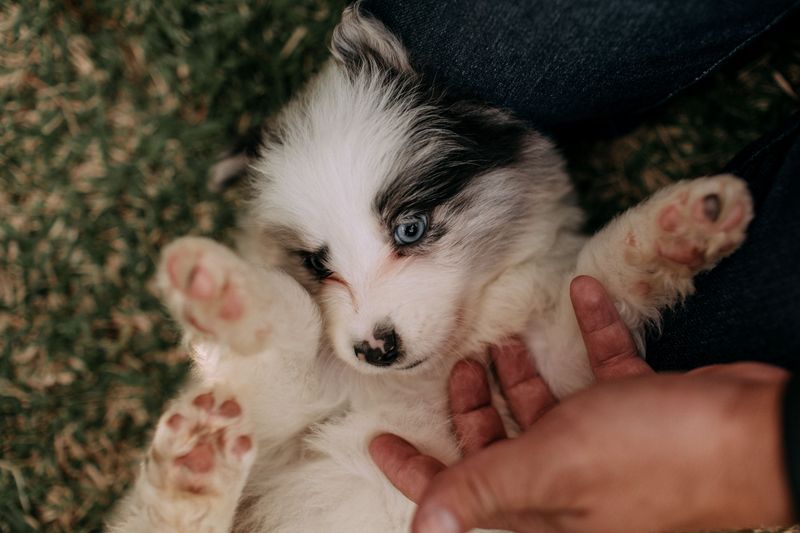
A quick check at the door can catch dust or ash. If light residue lands on paws or fur, gently wipe it away with a damp cloth.
Discourage licking until visible material is removed.
Avoid ash piles, burned areas, and debris altogether. Wildfire ash may contain harmful substances, particularly around damaged buildings.
Ask your veterinarian about significant contamination or irritated skin, and follow local cleanup guidance rather than using household cleaners directly on your puppy’s delicate skin.
15. Avoid Masks And Unapproved Smoke Remedies
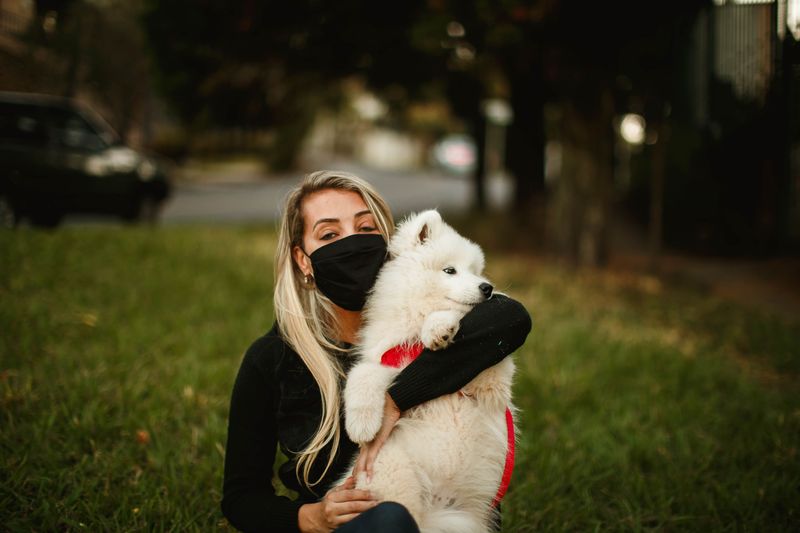
A human face mask is not a reliable smoke solution for dogs. Poor fit limits protection, and coverings may interfere with breathing or cooling.
Do not improvise a puppy mask for outdoor walks.
Essential oils, steam treatments, and unapproved medicines are not substitutes for cleaner air. Some products can cause additional irritation or other problems.
Focus on reducing exposure, and ask your veterinarian before giving anything intended to treat smoke symptoms or making changes to existing care.
16. Know When To Change Your Puppy’s Daily Schedule
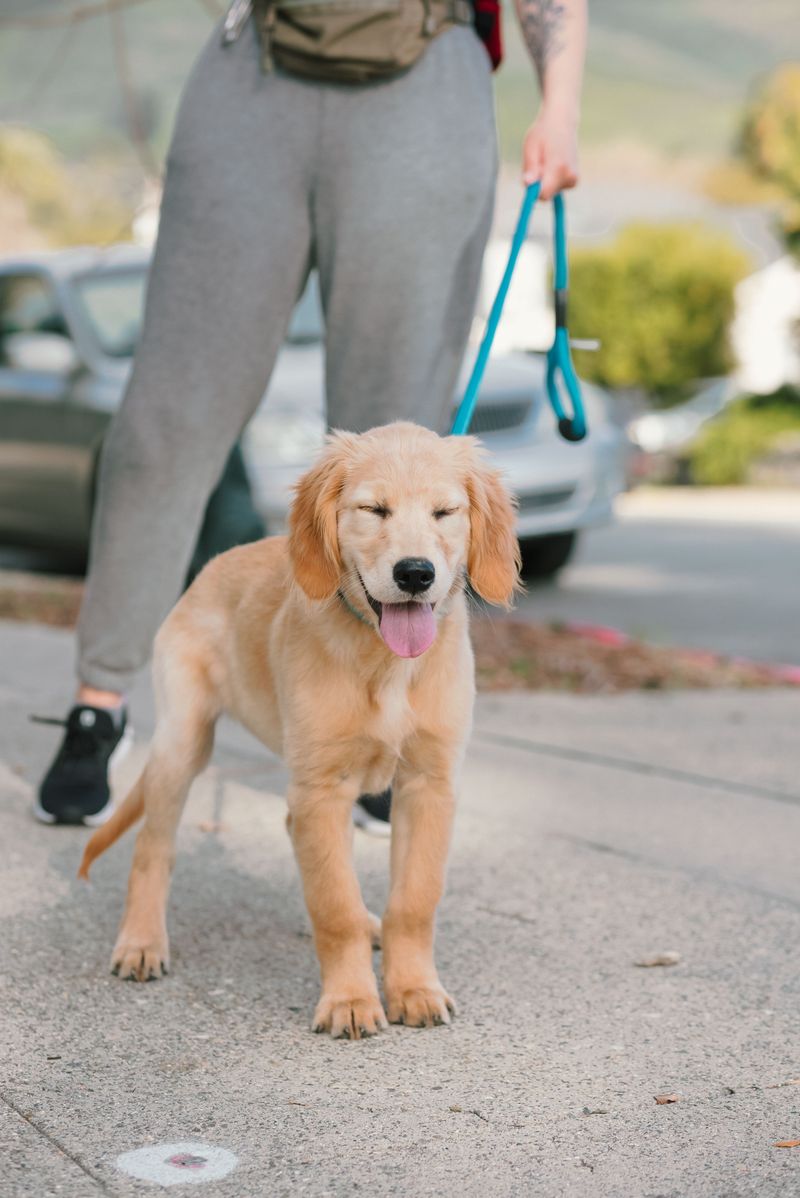
Yesterday’s safe walking window may not work today. Wind, nearby fires, and changing smoke patterns can alter conditions within hours.
Check updated reports before moving outdoor activities to another time.
Do not assume mornings are always cleaner. Preserve the order of meals, potty breaks, training, and naps where possible, while changing locations or duration.
Tell walkers and sitters about the revised plan so your puppy receives consistent care instead of conflicting routines across a changing smoke day.
17. Prepare A Smoke-Day Puppy Care Kit
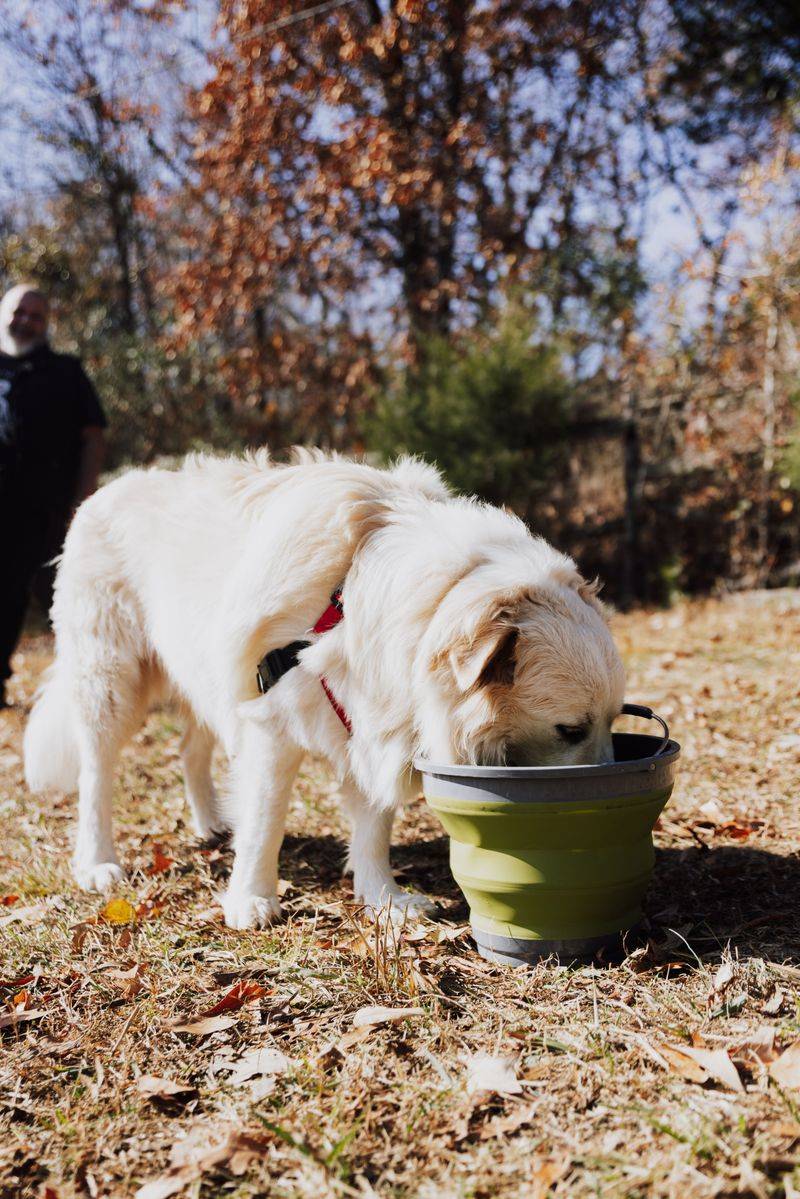
A packed bag makes sudden changes easier to manage. Gather food, water, bowls, a leash, identification, cleaning supplies, and familiar bedding.
Include veterinary records and any prescribed medicines stored as directed.
Add your veterinarian’s number and a nearby urgent care contact. Identify pet-friendly places outside affected areas, and check local emergency updates if evacuation becomes possible.
California shelter arrangements vary, so confirm pet policies rather than assuming every public cleaner-air space or temporary shelter accepts your puppy.
18. Return To Outdoor Activities Gradually
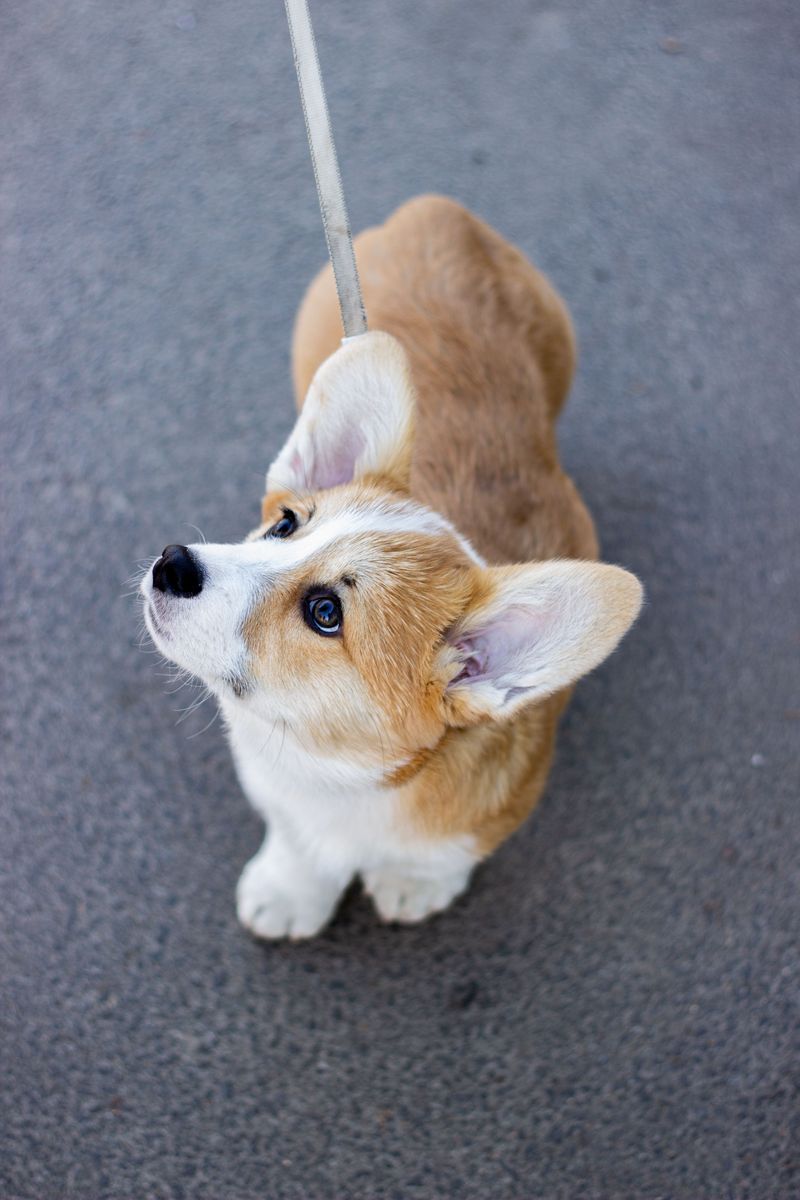
Clearer skies can make everyone eager for a long outing. Confirm that local air quality has improved before resuming outdoor exercise.
Start with a shorter, easier walk instead of immediately replacing missed activity.
Watch your puppy’s comfort and allow breaks for water and rest. If coughing or breathing changes continue, contact your veterinarian before increasing exercise.
Keep your indoor options ready for the next smoky stretch: small adjustments today can protect tomorrow’s familiar, happy puppy routine.