15 North Carolina Backyard Routines That Change Once A Dog Starts Moving Between Porch And Yard
Your backyard feels different once your dog starts making regular trips between the porch and grass. In North Carolina, muddy mornings, humid afternoons, and sudden storms can change those simple outings.
A few steady habits help keep paws comfortable, supplies protected, and outdoor time easier to manage. You do not need a perfect yard, just a practical routine that fits your dog and your home.
Checking the Porch Before Opening the Door
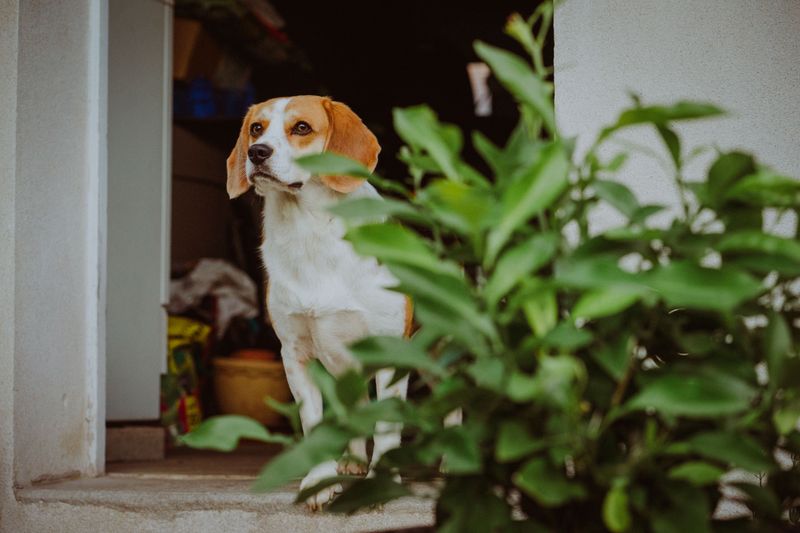
A quick glance outside can prevent an awkward start to your dog’s morning. Look for loose boards, tipped furniture, insects, or wildlife resting near the doorway.
Keep your dog inside while you check anything unusual.
North Carolina porches can collect windblown branches and other surprises overnight. Make this scan part of reaching for the door handle.
If wildlife appears, give it space and wait before bringing your dog outside for a calm, supervised yard visit.
Keeping a Towel Near the Back Door
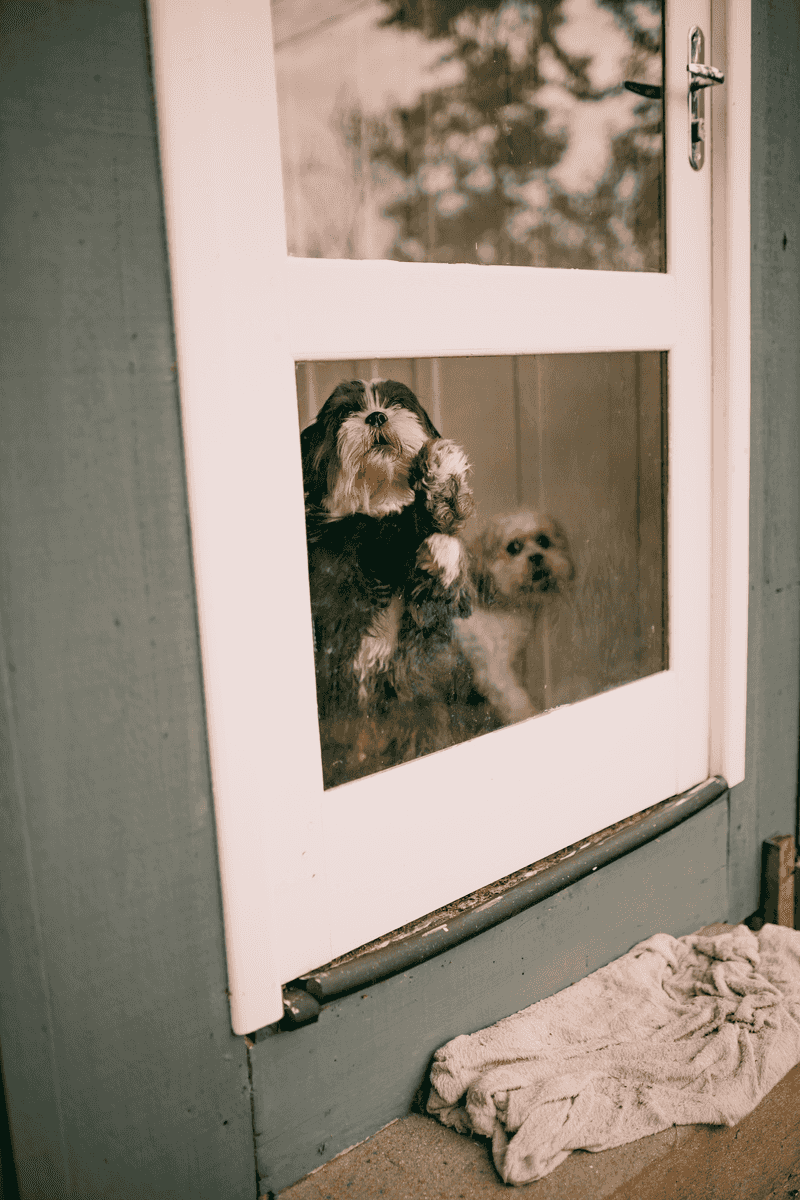
Muddy footprints have a way of reaching the kitchen before anyone notices. Hang a washable towel near the back door, with a spare ready for rainy days.
A sturdy mat helps catch loose dirt first.
Gently dry paws, legs, and the belly when needed. Avoid hard rubbing, especially around tender skin.
Wash damp towels often rather than leaving them bundled nearby. Reward your dog for standing quietly, turning cleanup into a predictable pause before heading indoors.
Making Paw Checks Part of Every Return
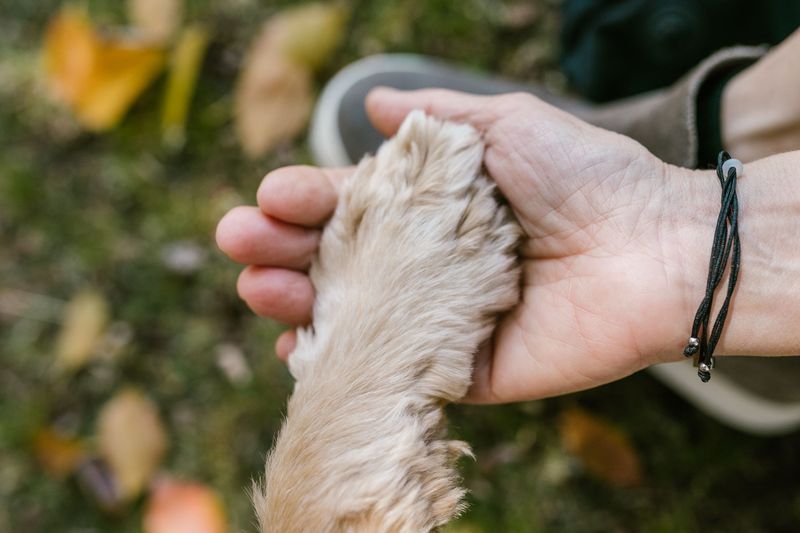
Small bits of gravel can hide where a quick wipe misses them. After yard trips, check between toes and around pads for debris, redness, or swelling.
Handle each foot gently and stop if your dog seems uncomfortable.
Keep sessions brief, especially while teaching a young dog to cooperate. Do not dig into skin or pull embedded objects yourself.
Contact your veterinarian about limping, persistent licking, or anything lodged firmly in a paw after an outdoor visit.
Watching for Slippery Porch Steps
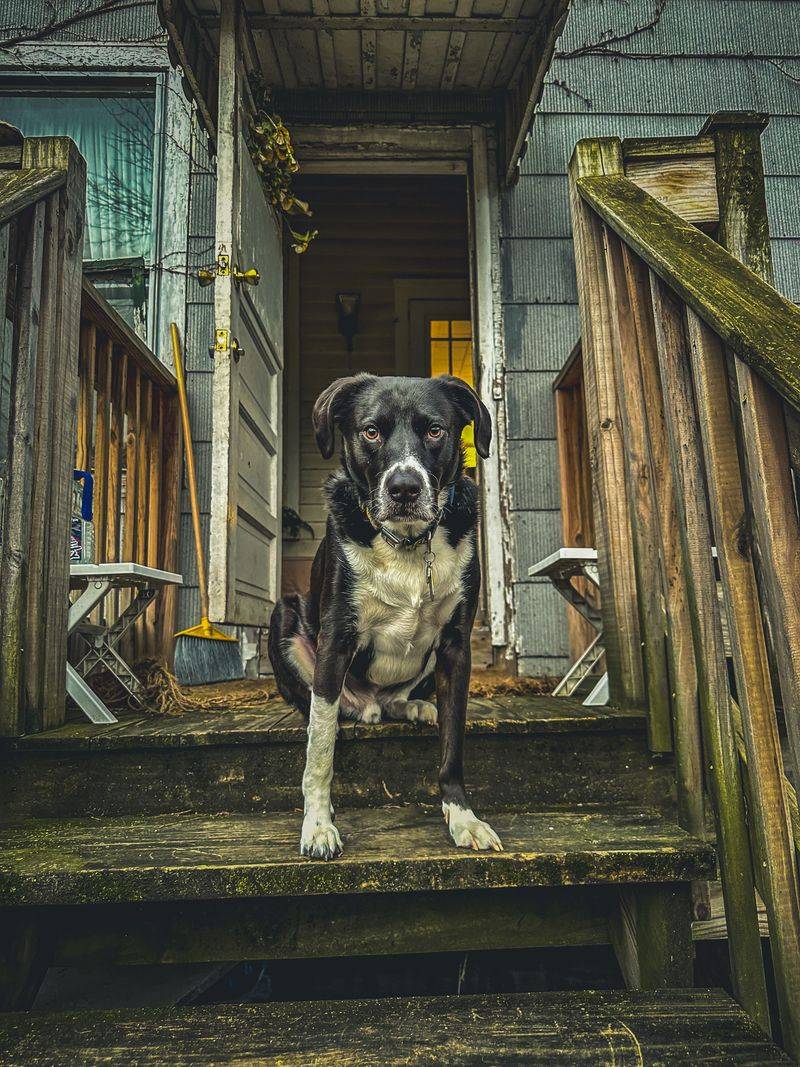
Wet wood can make a familiar staircase surprisingly tricky. Rain, pollen, and fallen leaves may reduce grip on porch steps.
Walk the route yourself before letting your dog rush down.
Sweep away debris and address algae with a surface cleaner used according to its label. Secure outdoor traction materials so edges cannot curl.
Older dogs may need slower guidance or a suitable ramp. During freezing weather, check for ice before every trip into the backyard together.
Moving Shoes and Garden Supplies Out of Reach
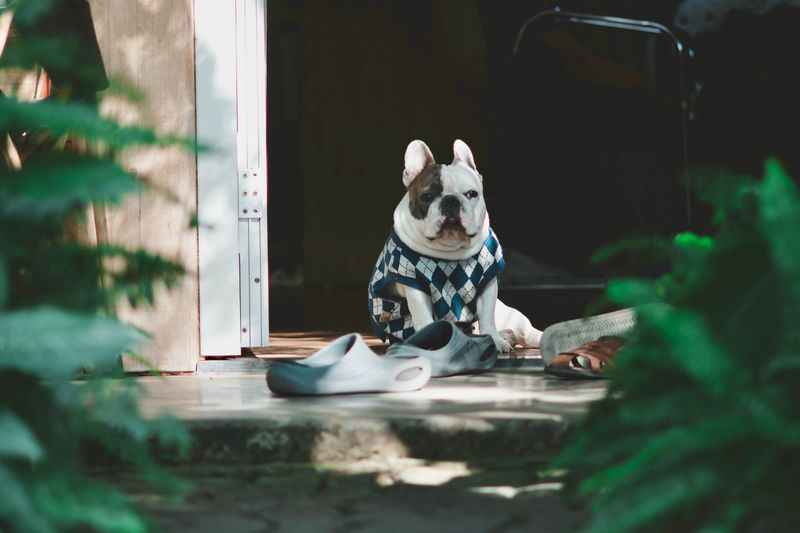
A porch often doubles as a storage room until a curious nose arrives. Shoes, gloves, fertilizer bags, and garden tools suddenly need better homes.
Put supplies behind a secure door rather than beneath a bench.
Keep products in their original containers, with labels available for reference. Follow all instructions about pets returning to treated areas.
Choose washable storage for everyday footwear. If your dog chews or swallows something questionable, contact your veterinarian promptly for specific guidance.
Creating a Clear Path Between the Porch and Yard
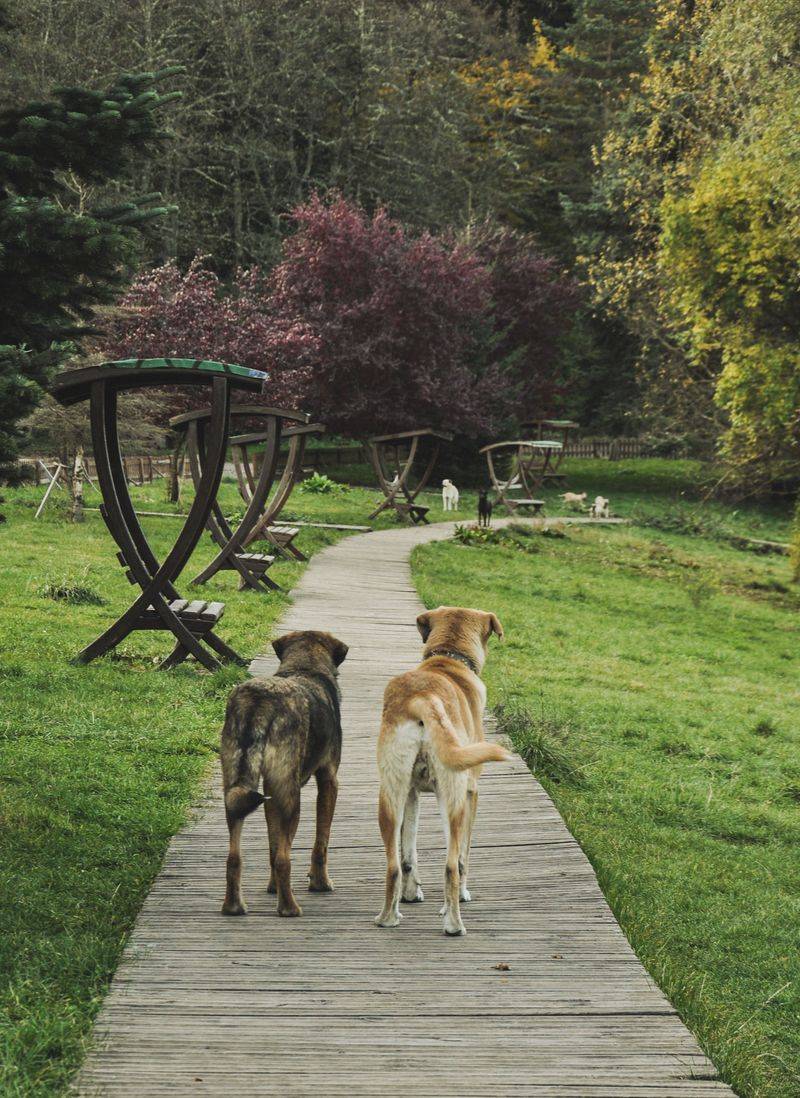
Your dog’s favorite route should not become a daily obstacle course. Move hoses, toys, and chair legs away from the space between steps and grass.
Leave enough room for comfortable turns.
Look at the route from your dog’s height, especially if vision or balance has changed. Repair uneven surfaces and avoid loose coverings that shift under paws.
After gardening or outdoor meals, reset the walkway before opening the door again. Predictable footing makes every outing easier.
Checking the Fence Before Letting Your Dog Out
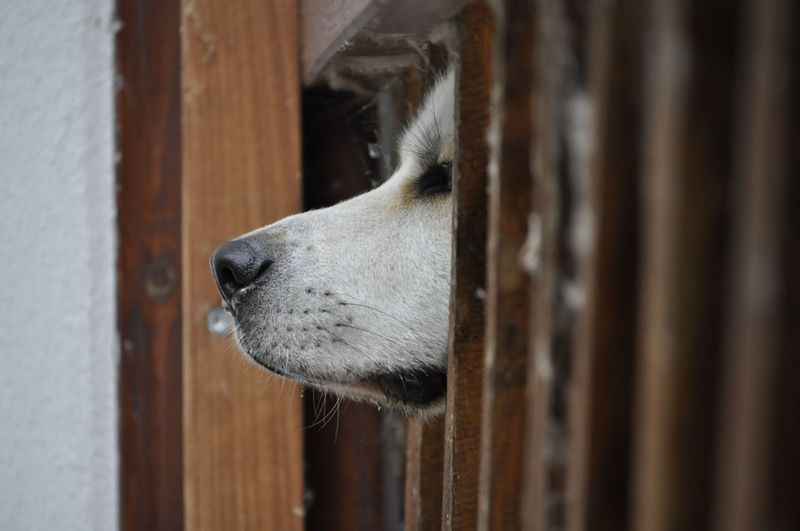
Even a familiar fence deserves a fresh look after wind or digging. Walk the boundary and check loose boards, gaps underneath, and objects near climbable sections.
Pay attention to corners hidden by shrubs.
Keep your dog leashed or indoors until repairs are complete. A fenced yard still needs supervision, especially with an enthusiastic digger.
Local restraint rules vary across North Carolina communities. Ask animal control about requirements rather than assuming your fence automatically meets every local rule.
Keeping the Gate Closed During Backyard Chores
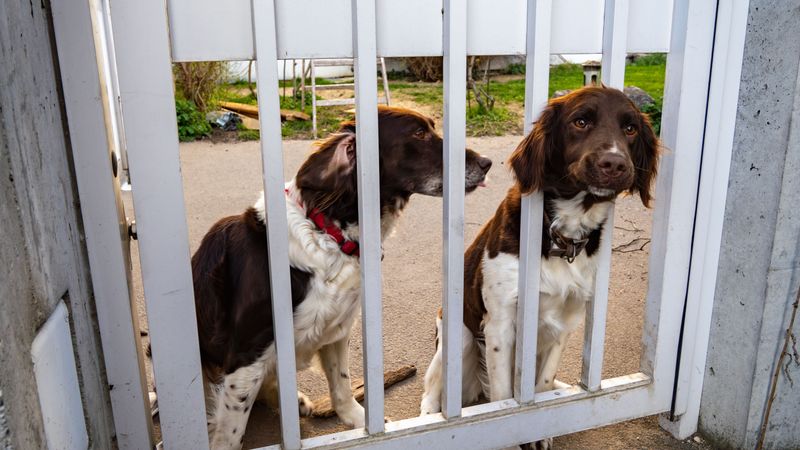
One wheelbarrow trip can leave an opening your dog notices immediately. Before starting chores, decide where your dog will stay while gates open.
An indoor room or secure separate area works well.
Ask helpers to latch gates every time, not simply push them closed. Check the latch yourself before allowing free movement again.
Consider a visible reminder for visitors or delivery workers. Practicing a calm wait helps, but training should never replace a properly secured physical barrier.
Making Water Available on the Porch
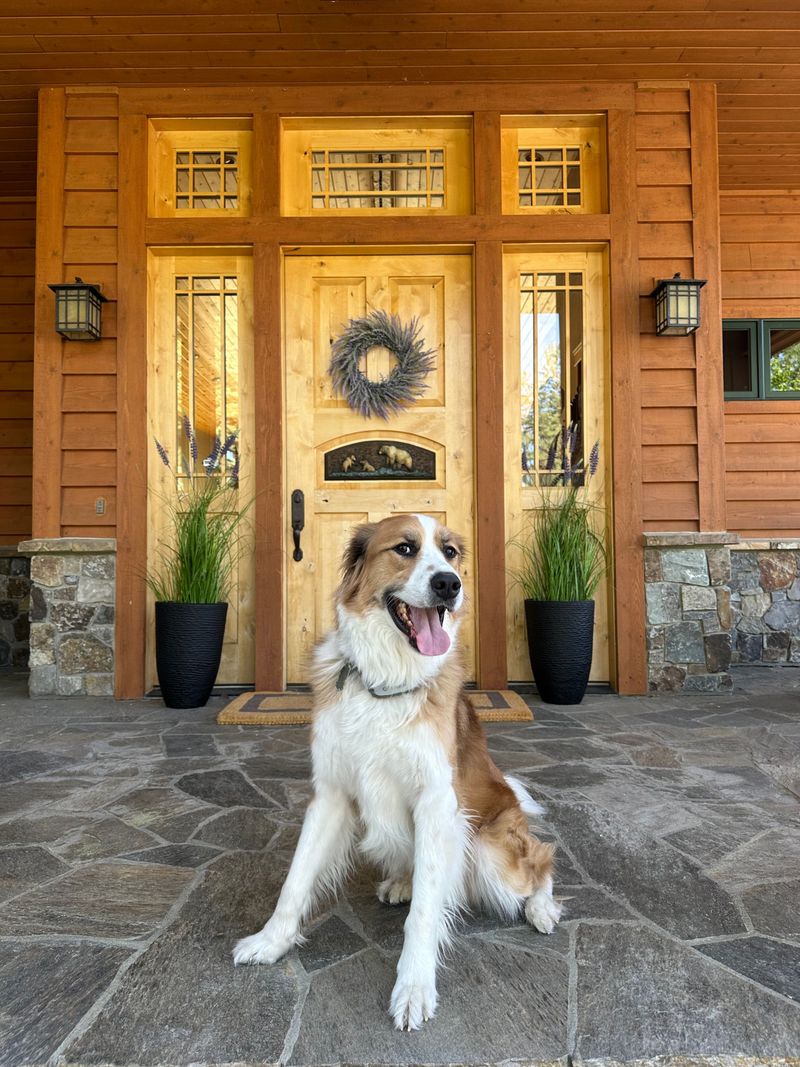
A shaded bowl makes short outdoor breaks more comfortable during warm weather. Set fresh water where your dog can reach it without blocking the doorway.
Choose a stable bowl that resists tipping.
Check it throughout the day because sunshine, dirt, and playful paws change conditions quickly. Wash the bowl daily and refill as needed.
Water does not make hot conditions safe by itself. Bring your dog inside when outdoor temperatures or humidity make activity uncomfortable for them.
Finding Shade for Hot and Humid Afternoons
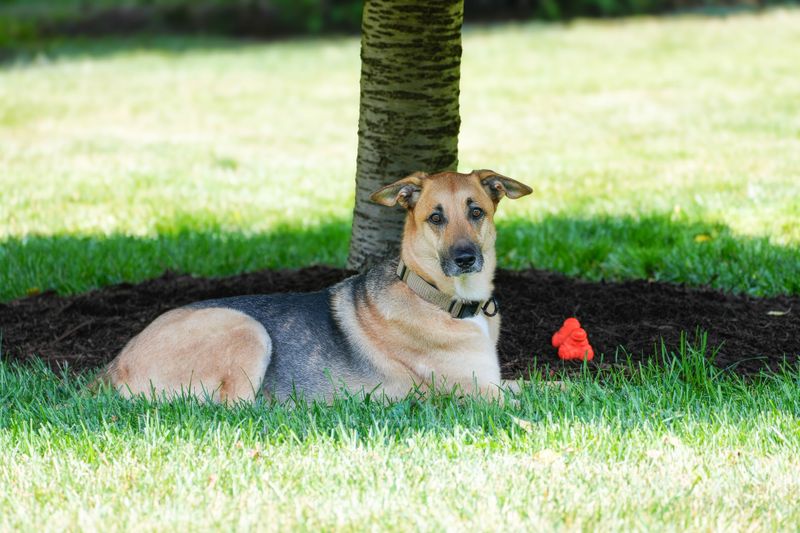
Carolina humidity can turn a sunny afternoon into a poor time for fetch. Shift active play toward cooler hours and keep midday trips brief.
Notice where shade falls as the sun moves.
A covered porch may still trap heat, especially without airflow. Watch for heavy panting, unusual drooling, weakness, or reluctance to continue.
Move indoors and contact your veterinarian if heat illness is suspected. Flat faced dogs and dogs with health conditions may need extra caution outdoors.
Checking the Yard After Heavy Rain

Yesterday’s tidy lawn may look different after a strong thunderstorm. Before the next outing, check for fallen branches, washed out soil, damaged fencing, and standing water.
Keep your dog away from floodwater.
Empty containers that collect rain when conditions allow. Do not let your dog drink from puddles or investigate storm debris.
Stay away from downed wires and report them to the utility. Resume normal yard access only after checking that the familiar route remains reasonably clear.
Keeping Mosquitoes and Ticks on Your Radar
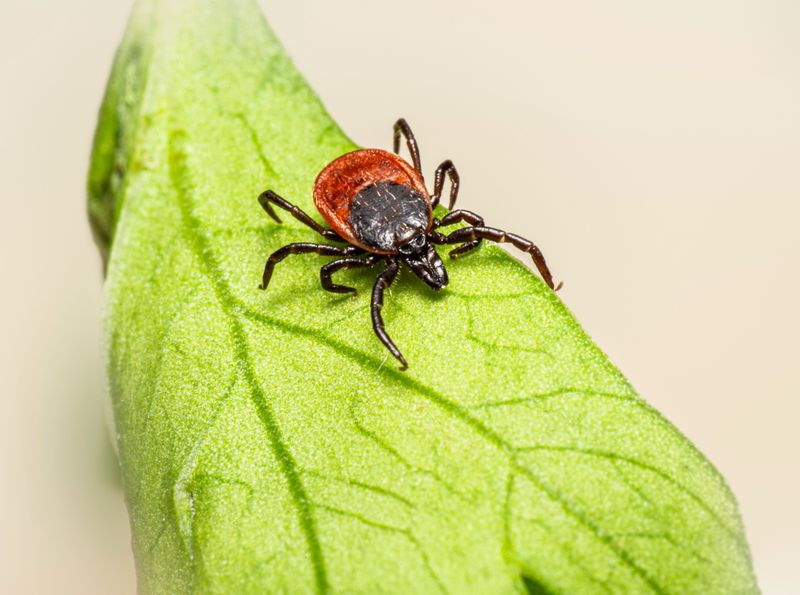
Warm weather is not the only time parasites deserve attention here. Ask your veterinarian about year round heartworm prevention and suitable flea and tick protection.
Choose products specifically approved for your dog.
After outings, feel around ears, the collar area, and between toes for ticks. Ask your veterinarian about proper removal if needed.
Empty standing water and keep vegetation maintained near gathering spots. Never apply household insect sprays or human repellents to your dog without veterinary approval.
Inspecting Plants Along the Porch and Fence
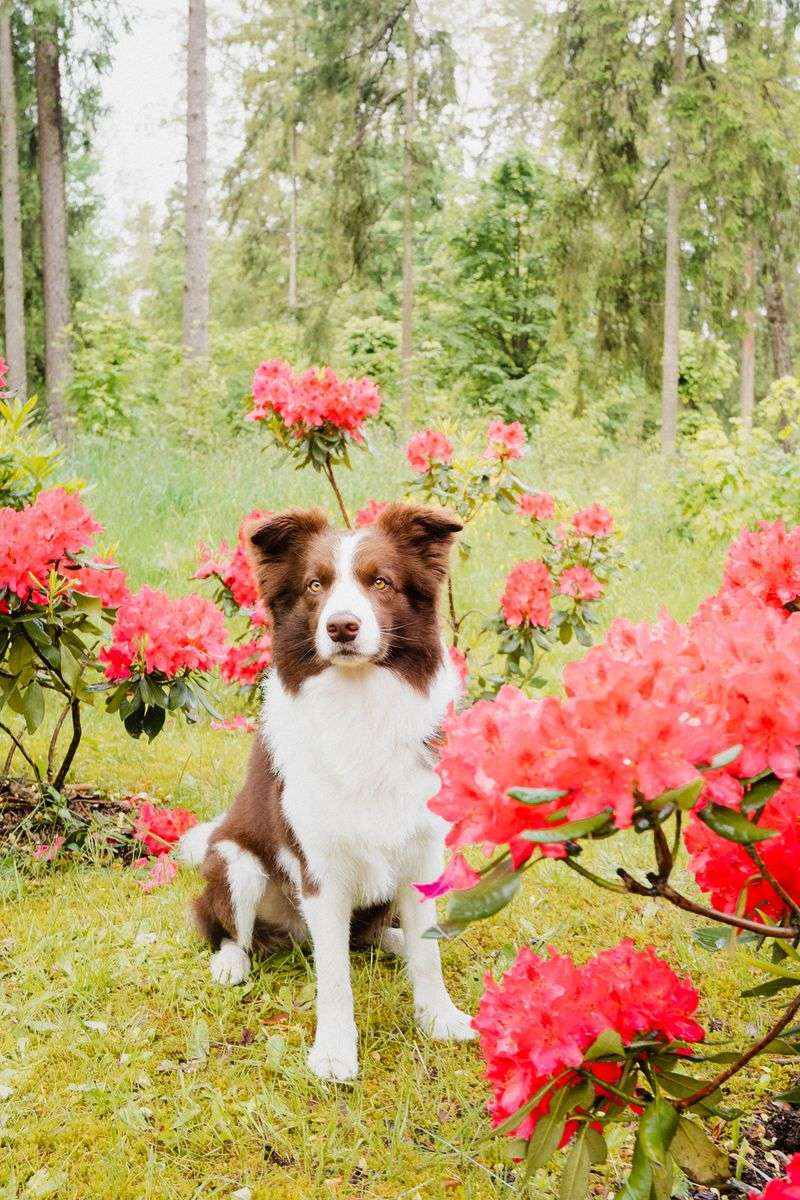
Greenery that frames a porch can also invite a curious nibble. Identify plants within reach, including shrubs beyond the fence.
Azaleas, oleander, and sago palms are examples that can harm dogs.
Check plant names against a reliable veterinary poison resource before adding landscaping. Block access to questionable plants while arranging removal or safer placement.
Do not assume a plant is harmless because birds visit it. Contact your veterinarian if chewing occurs, keeping identification details ready to share.
Picking Up Fallen Fruit and Acorns
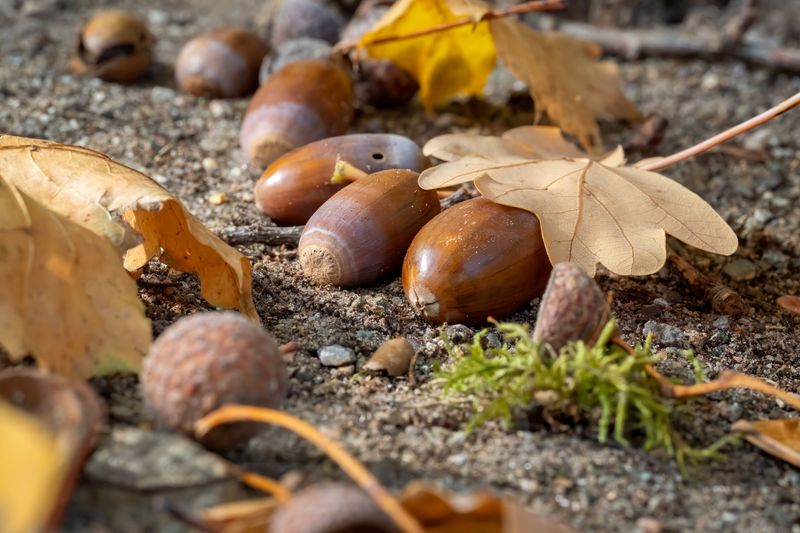
Under an oak tree, cleanup can become a daily autumn chore. Acorns and fallen fruit may tempt dogs that enjoy scavenging.
Gather them before yard time, especially along your dog’s usual route.
Acorns can upset the stomach, and swallowed pieces may cause blockages. Fruit pits and moldy windfalls also deserve attention.
Teach a rewarded leave it cue, while keeping supervision close. If your dog eats something concerning, call your veterinarian with details about the amount and timing.
Establishing a Routine for Evening Yard Trips
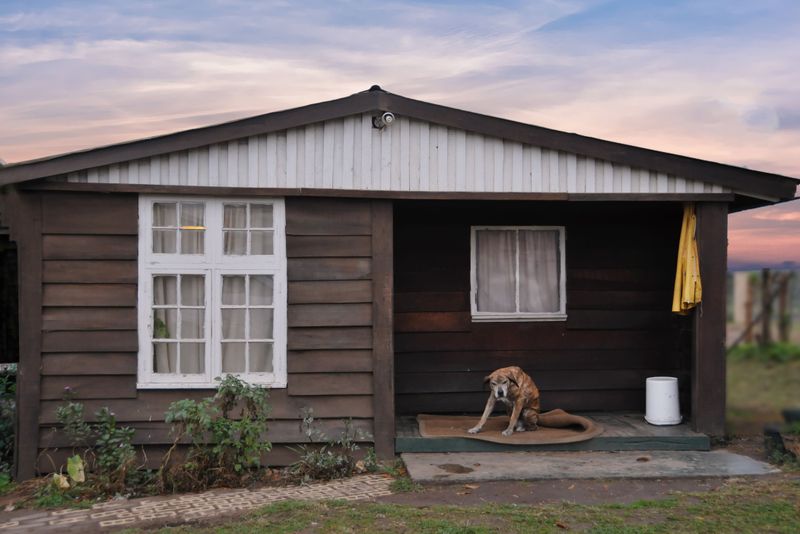
As daylight fades, familiar corners become harder to see clearly. Turn on outdoor lights before opening the door and accompany your dog outside.
Keep a leash handy when visibility or fencing is uncertain.
Give the final bathroom trip a steady order: check, go out, return, and settle. Avoid leaving food outside that could attract wildlife overnight.
Finish with fresh indoor water and a comfortable resting spot. Small habits make porch and yard time calmer, one outing at a time.