15 Pennsylvania Farm-Country Hazards For Dogs Around Working Fields And Horse-Drawn Traffic
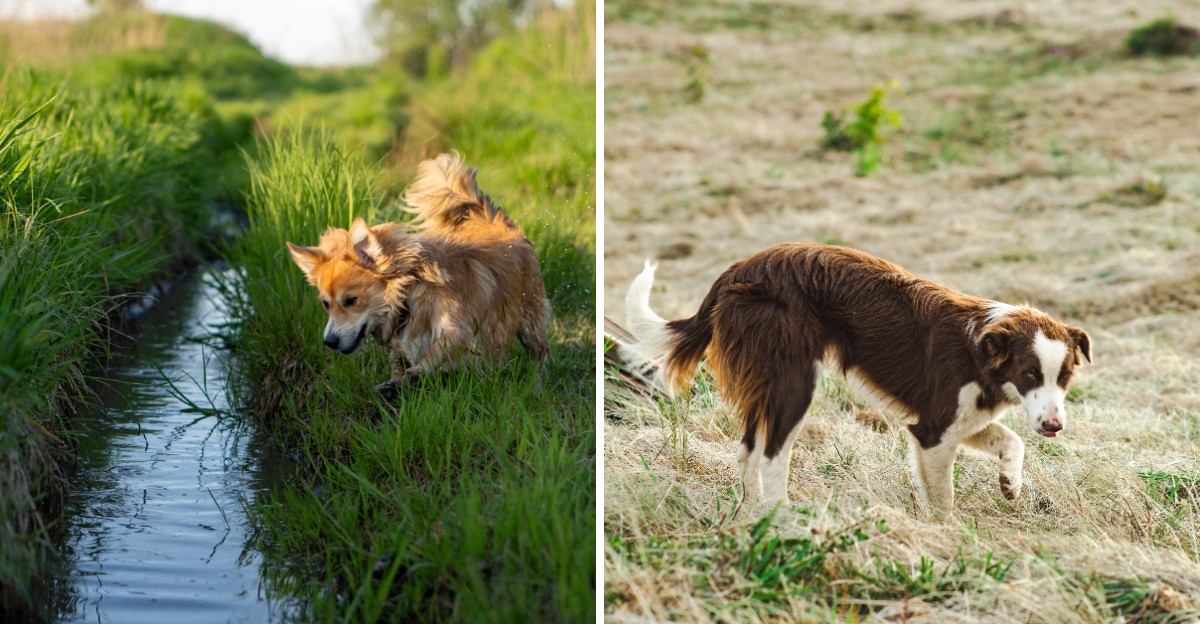
A walk through Pennsylvania farm country can bring fresh air, open views, and plenty of interesting smells for your dog. Along those quiet lanes, working equipment and horse-drawn traffic need more space than you might expect.
A few simple habits can help you enjoy these places while respecting the people and animals working nearby. From field entrances to narrow roads, knowing what to watch for makes each outing calmer, safer, and easier to plan.
1. Tractor Traffic Can Surprise Dogs Near Field Entrances
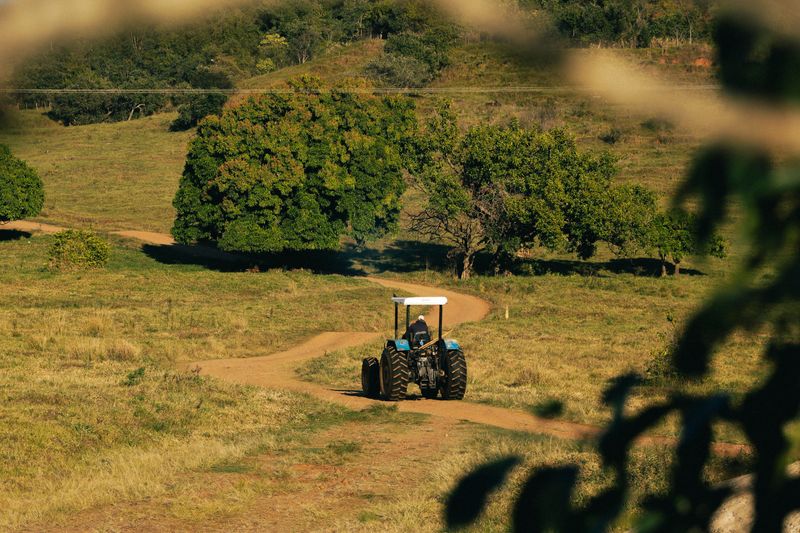
A quiet field entrance can become busy before your dog finishes sniffing the grass. Tractors may turn widely, and attached equipment needs additional clearance.
Stop well back whenever machinery approaches.
Keep your dog beside you on a short, fixed leash, never within the turning area. Make sure the operator acknowledges you before moving closer.
Choose another route during busy planting or harvest periods, especially where tall crops hide approaching vehicles from your view around nearby bends.
2. Loose Dogs Can Wander Into Active Fields
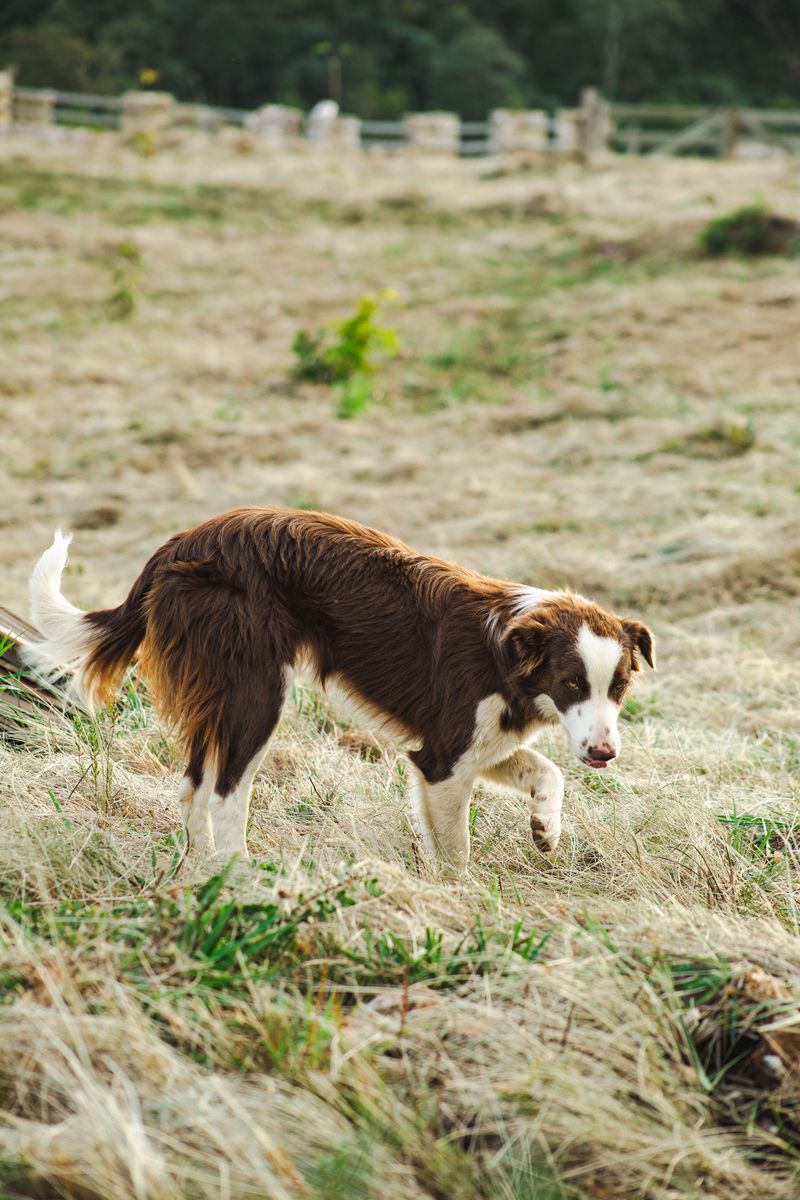
One interesting scent can pull a roaming dog far beyond your voice. Working fields may contain moving equipment, treated crops, or hidden drainage channels.
A reliable recall still cannot replace physical control here.
Pennsylvania generally requires dogs to remain confined, secured, or reasonably controlled by a person. Local leash rules may add requirements.
Use a sturdy leash near farmland, and ask permission before entering private property. Save free running for suitable enclosed spaces away from operations.
3. Farm Machinery Creates Dangerous Blind Spots
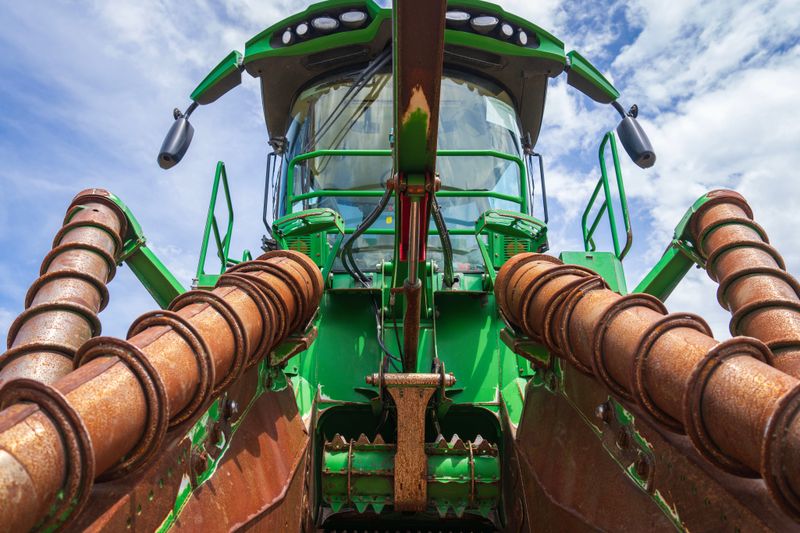
From a tall cab, an operator may not see a dog near large wheels. Combines, wagons, and other equipment can block views behind or beside them.
Never assume your bright clothing guarantees visibility.
Stay outside equipment paths, including when machinery appears parked. Avoid walking between tractors and attached implements.
If you need to pass, wait for clear acknowledgment and instructions from the operator. Keep children and dogs together while someone confirms a safe route around equipment.
4. Horse-Drawn Buggies Require Extra Passing Space
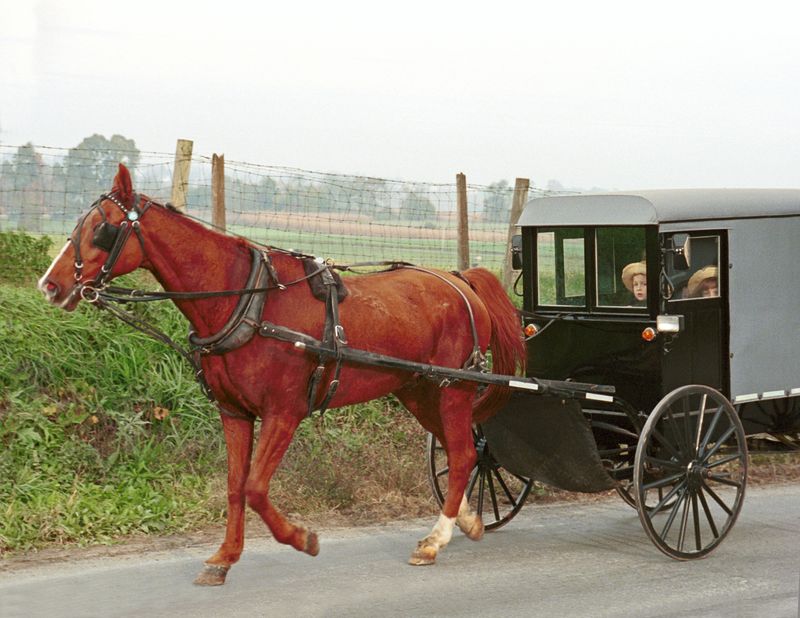
Hooves and narrow wheels need a predictable path along country roads. A horse may shift sideways, especially near unfamiliar dogs or noisy traffic.
Give the entire team generous room.
Move into a safe waiting place before the buggy reaches you. Keep your dog away from the horse, wheels, and harness.
Avoid reaching toward the animal or letting your leash cross its path. If driving, slow down and pass only when visibility and available space allow safely.
5. Sudden Barking Can Startle Passing Horses
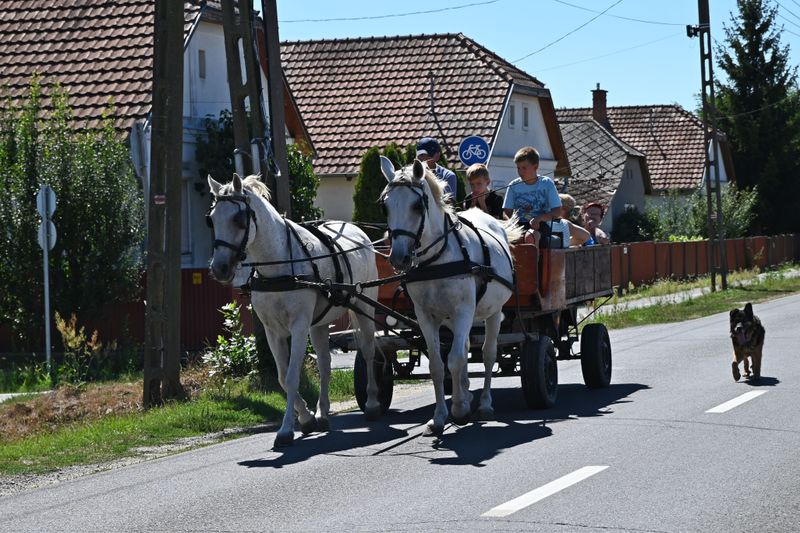
Even a friendly greeting can sound alarming when it arrives as sharp barking. Horses vary in experience, and sudden lunging may unsettle a normally steady animal.
Distance is your best starting tool.
Practice rewarding quiet attention before visiting roads with buggy traffic. When a horse appears, step farther away and offer treats for looking toward you.
Leave if your dog cannot settle. Never approach a horse to test your dog’s reaction or attempt an unplanned introduction.
6. Electric Fences Can Deliver Unexpected Shocks
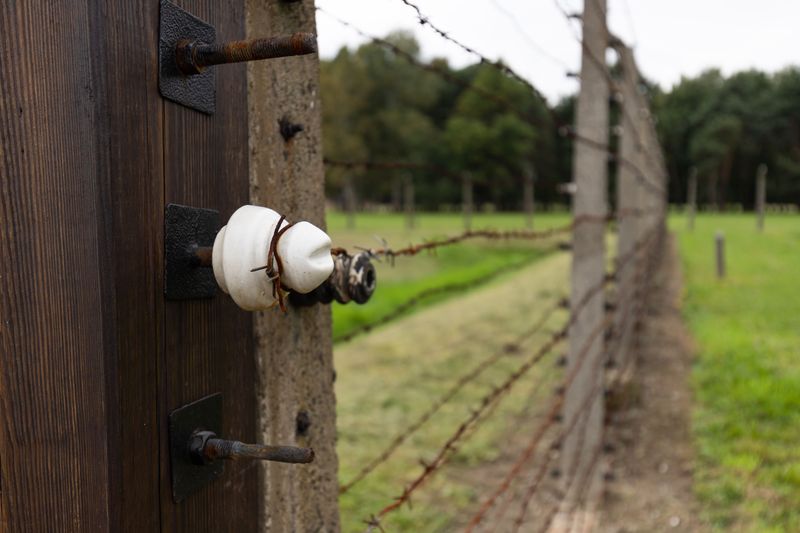
Thin fence strands can disappear against grass until a curious nose reaches them. Electrified fencing may carry current even when no animals are visible.
Appearance alone cannot tell you whether it is active.
Keep dogs clear of wires, gates, and hanging fence tape. Never encourage crawling underneath or squeezing between strands.
Ask the landowner about safe access rather than testing anything yourself. After a shock, contact your veterinarian if your dog seems injured, distressed, or unusually quiet.
7. Livestock Can Injure Dogs That Enter Pastures
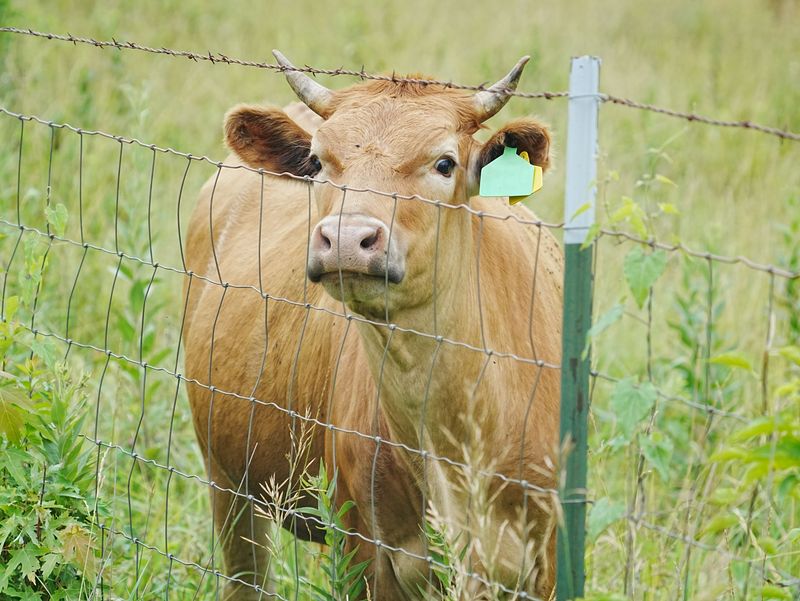
A pasture is someone else’s living room, not a dog exercise area. Cattle, horses, and sheep may react defensively when an unfamiliar dog approaches.
Mothers with young deserve especially generous space.
Remain outside fences and keep gates exactly as you found them. Do not allow chasing, barking through rails, or nose contact.
If livestock begin approaching, calmly increase your distance without entering their enclosure. Ask owners before using paths near animals, even when your dog behaves politely.
8. Farm Chemicals Can Remain On Treated Ground
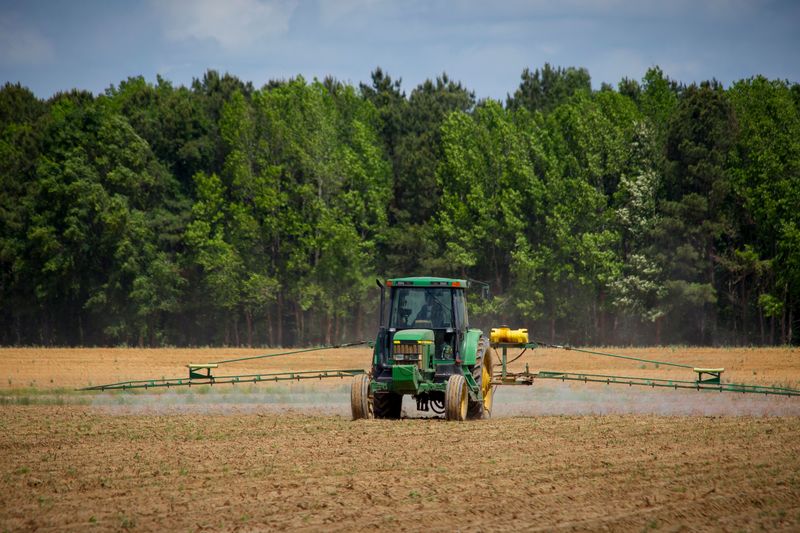
Freshly treated ground may look no different from an untreated field edge. Pesticides can reach paws and coats, then enter mouths during grooming.
Spray drift can also affect nearby areas.
Stay away during applications and follow posted restrictions. Ask the farmer when access is appropriate for pets.
Agricultural worker entry intervals do not automatically establish pet safety. If exposure seems possible, prevent licking and call your veterinarian for guidance.
Keep product details available whenever you can obtain them.
9. Fertilizer And Seed Treatments Can Be Toxic
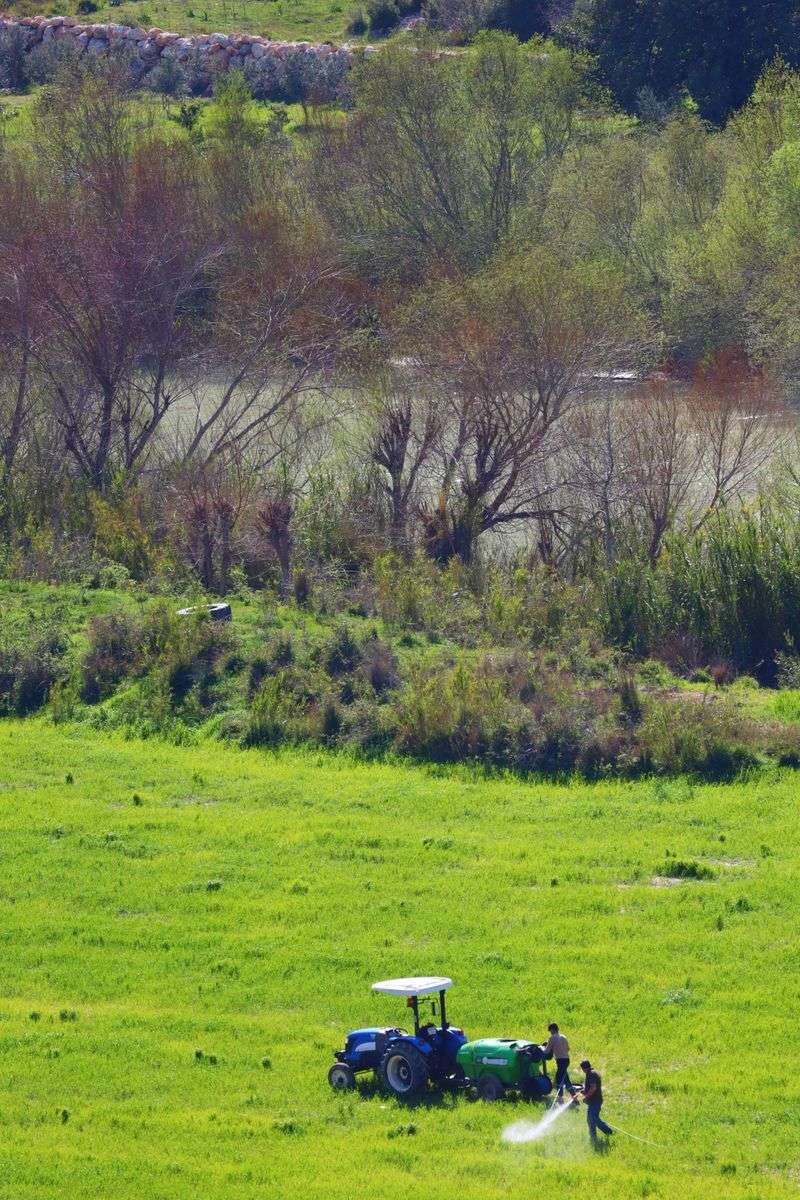
Colorful kernels and scattered pellets can look like snacks to an exploring dog. Some fertilizers upset digestion, while certain ingredients and seed treatments present greater risks.
Packaging helps identify the actual concern.
Keep your dog away from seed bags, spreaders, loading spots, and spills. Do not assume natural fertilizer is safe to eat.
After suspected swallowing, contact a veterinarian or animal poison service promptly. Photograph the label if available, and never induce vomiting unless a professional directs you.
10. Rodenticides Around Barns Pose A Serious Risk
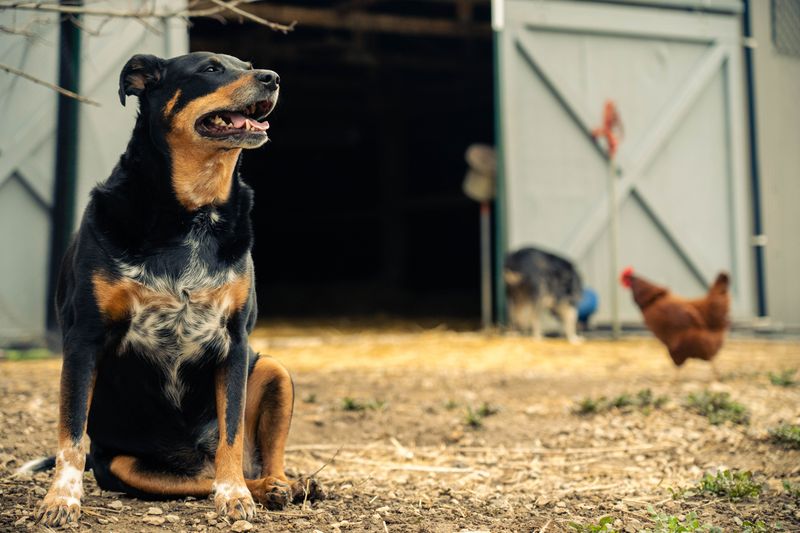
Barns sometimes use rodent bait where visitors would never think to look. Different products affect dogs differently, and signs may not appear immediately.
A closed bait station is not permission to investigate.
Ask about pest control before allowing access to farm buildings. Prevent scavenging around walls, storage areas, and rodents.
Suspected bait exposure needs immediate veterinary advice, even if your dog seems normal. Bring packaging information when possible, and avoid home remedies while arranging the recommended care promptly.
11. Standing Water In Field Ditches Can Carry Contaminants
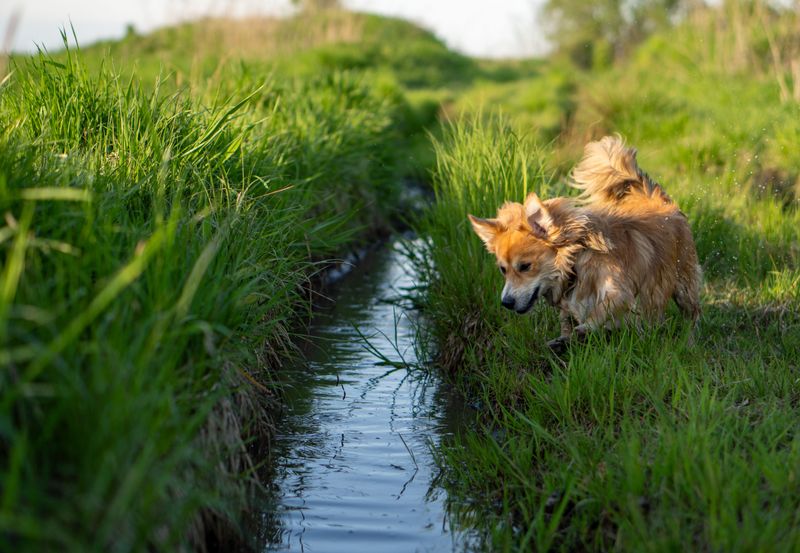
That roadside puddle may hold more than rainwater after a storm. Field runoff can carry chemicals, manure, and germs into drainage ditches.
Clear water is not necessarily clean water.
Bring fresh drinking water and offer regular breaks away from runoff. Prevent drinking or wading in unknown standing water.
Ask your veterinarian whether leptospirosis vaccination fits your dog’s exposure risks. If illness follows ditch contact, mention the location and timing during your call, even several days afterward too.
12. Manure And Slurry Can Expose Dogs To Germs
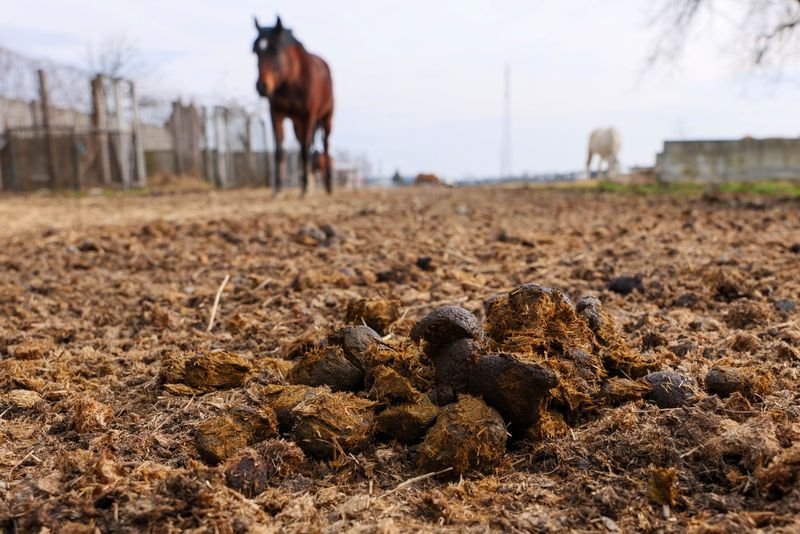
Strong smells make manure especially tempting for some dogs to investigate. Eating it or rolling in it can expose them to germs.
Slurry storage areas add hazards beyond dirty fur.
Keep well away from pits, lagoons, tanks, and spreading operations. Never enter storage areas or attempt a rescue inside them.
After ordinary surface contact, wash affected fur and your hands. Call your veterinarian about swallowing manure or developing symptoms, and seek emergency help for any storage area incident.
13. Harvest Debris Can Cut Paws And Cause Injuries
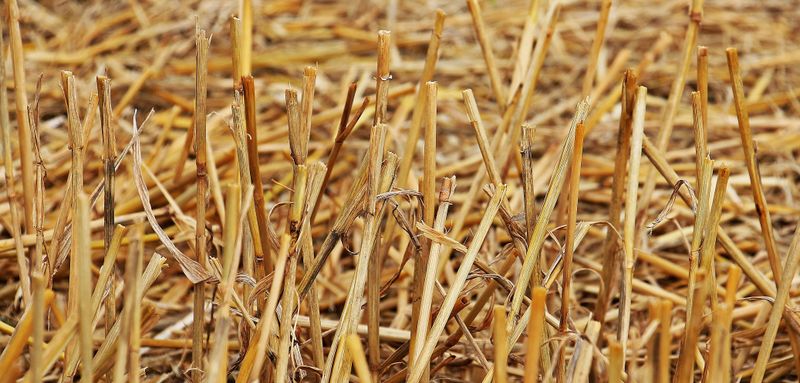
After harvest, an open field can resemble a ready walking trail. Broken stalks, sharp stubble, wire, and discarded twine may hide under leaves.
Uneven ground can also strain an eager runner.
Use established routes with permission rather than crossing leftover crop rows. Check paw pads and between toes after outings.
Properly fitted boots may help, but cannot remove every hazard. Stop walking if limping starts, and ask your veterinarian about embedded objects, swelling, or cuts needing proper care.
14. Hunting Activity Can Overlap With Farm Roads
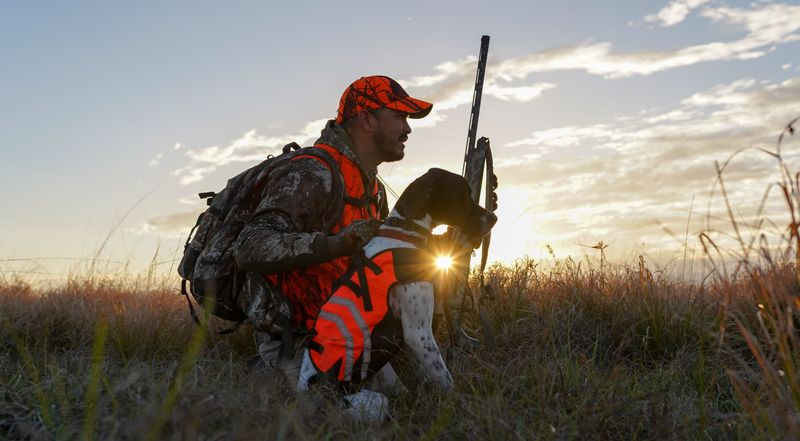
Autumn walks may share the countryside with lawful hunting on nearby land. Seasons, access rules, and required clothing vary by activity and location.
Check current Pennsylvania Game Commission guidance before heading out.
Wear bright colors and consider a visible orange vest for your dog. Visibility does not replace staying on permitted routes and maintaining control.
Respect signs and avoid areas with active hunting. Ask landowners about plans, and choose another walking spot whenever conditions feel unclear that day.
15. Rural Roads Leave Little Room For Dogs And Buggies
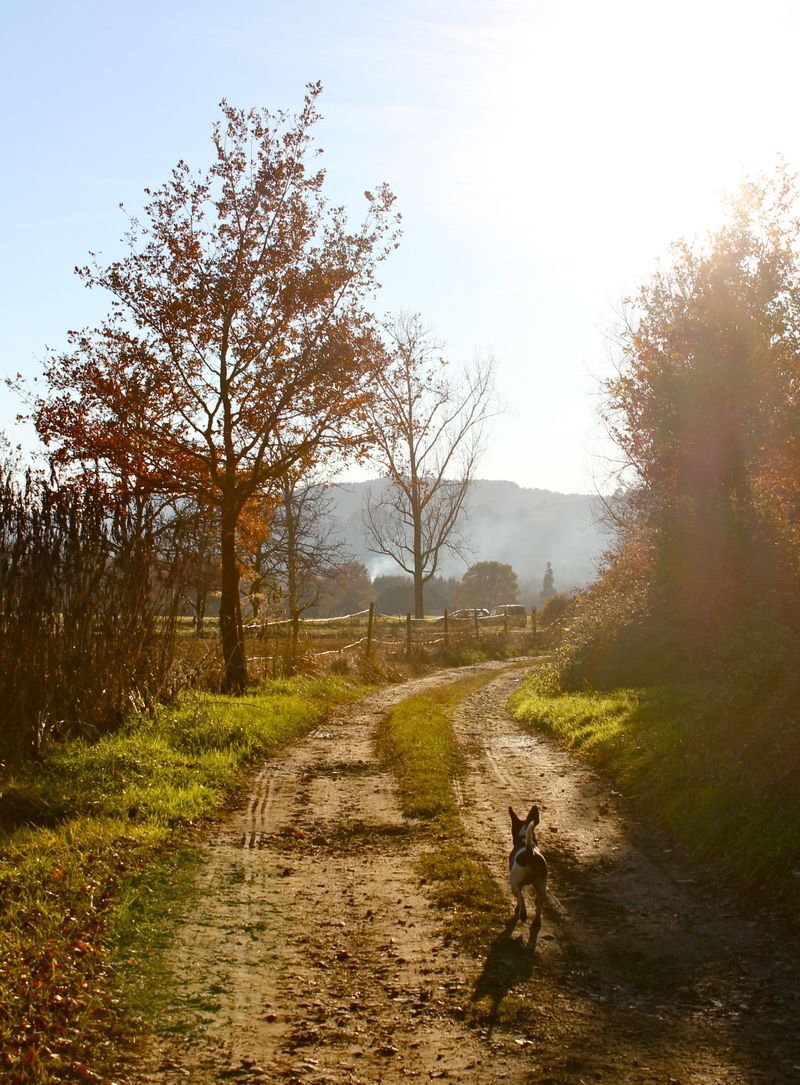
Some country lanes offer lovely views but almost no shoulder for waiting. Curves and hills can hide approaching vehicles, including quiet buggies.
Plan your route around visibility and escape space.
Where sidewalks are absent, Pennsylvania generally requires pedestrians to use the shoulder when practicable, facing approaching traffic. Keep your dog away from passing vehicles and skip roads without safe room.
Carry a light when visibility fades. A leash, clear sightlines, and thoughtful timing make farm walks calmer.