Daycare Pickup And Evacuation Plans Matter More For California Dog Owners During Fire Season
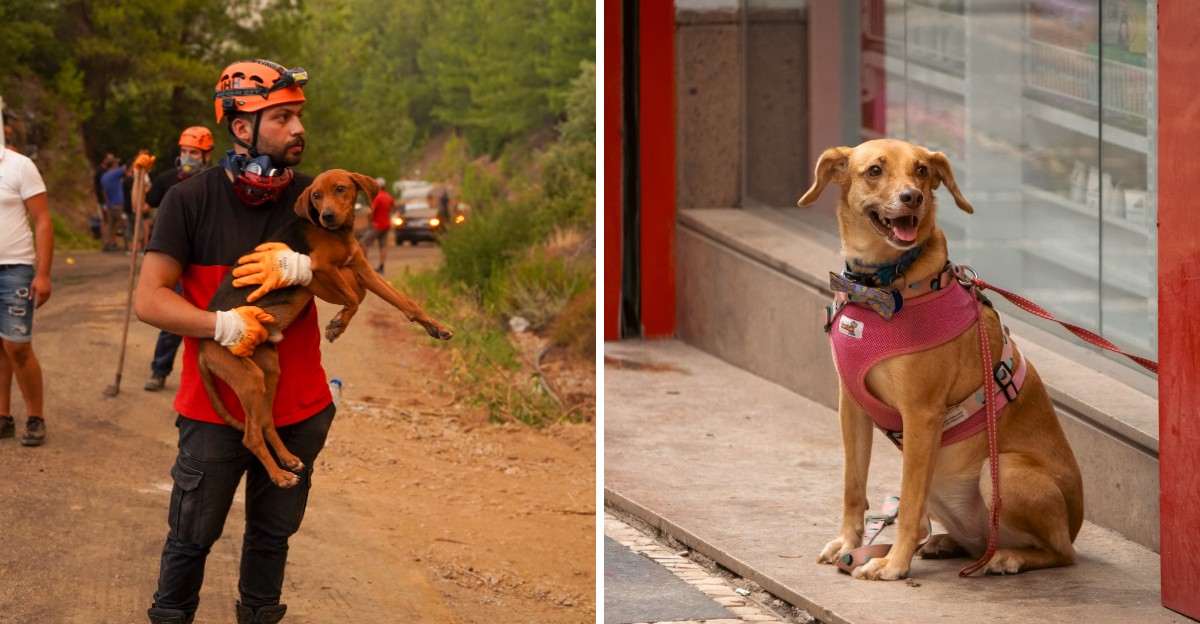
When your dog spends the day at daycare, a clear pickup plan can make changing fire conditions easier to handle. California roads, air quality, and evacuation notices can change while you are working or away from home.
A few conversations with daycare staff can help everyone understand what happens next and who can help. Start with these practical steps, then keep your plan somewhere easy to find.
1. Confirm That Daycare Has a Fire Evacuation Plan

A friendly front desk is reassuring, but a written emergency plan gives you something concrete. Ask how staff monitor local alerts, decide when to leave, and account for every dog.
Find out whether they practice loading dogs safely and checking attendance at their evacuation destination.
Request a simple explanation you can save, rather than relying on a quick conversation at pickup. Plans should reflect the facility’s location, available transportation, staffing, and local emergency guidance today.
2. Ask Who Will Pick Up Your Dog During an Emergency
Your workday may not pause when an evacuation notice arrives near your dog’s daycare facility. Choose a primary pickup person who can respond quickly without entering an area under restrictions.
Talk through their availability, transportation, and comfort handling your dog before you need their help.
Give that person the daycare’s address, phone number, release rules, and your dog’s usual equipment details. Agree that nobody should cross road closures or ignore official instructions to complete a pickup.
3. Keep Emergency Contacts Updated at Daycare

An old phone number can turn a straightforward pickup into a frustrating round of calls. Review your contact details whenever your number, workplace, address, or backup caregiver changes during enrollment.
Include more than one trusted adult, and ask staff which person they will contact first.
Confirm whether messages arrive through calls, texts, email, or an app that requires internet access. Save the daycare’s numbers in your phone so unfamiliar caller screening does not delay important updates.
4. Find Out Where Dogs Go During an Evacuation
The usual daycare entrance might not be your pickup point once staff relocate the dogs. Ask for the planned destination and how you will learn about changes along the way.
A second location may become necessary if fire conditions affect the first arrangement or route.
Check whether the destination has secure holding areas, water, and a process for matching dogs with caregivers. Avoid driving toward an assumed meeting place until staff confirm where pickups can happen.
5. Make Sure Your Dog’s Microchip Information Is Current
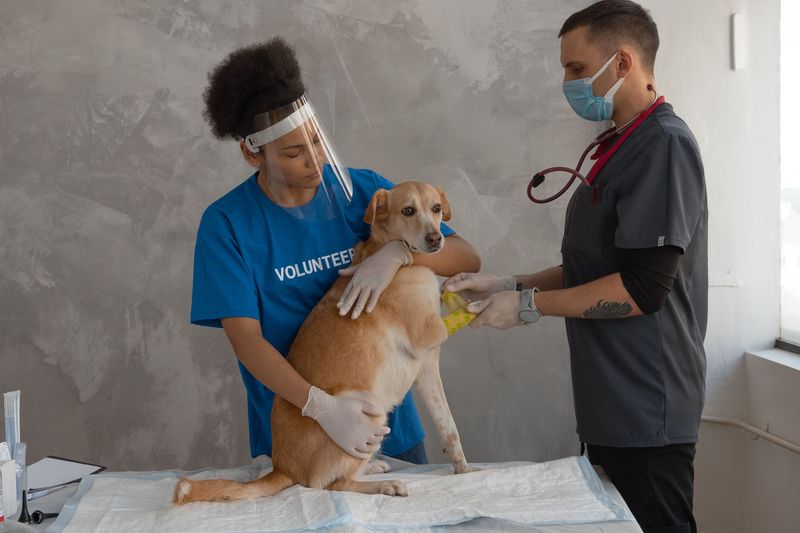
A microchip helps identify your dog, but it does not work like a GPS tracker. Its usefulness depends on registration details that connect the chip number with your current information.
Ask your veterinarian to scan the chip if you are unsure which registry to contact.
Update your phone number and add an alternate contact when the registry allows that option online. Keep the chip number with your dog’s records, and maintain readable identification tags as well.
6. Prepare a Backup Pickup Plan for Closed Roads

A familiar drive can become unavailable when authorities close roads or direct traffic elsewhere nearby. Identify another authorized pickup person who lives or works in a different area from you.
Review possible routes beforehand, but understand that conditions may make any planned route unsuitable later.
Use official traffic updates and county emergency information instead of relying only on navigation apps alone. If access is blocked, coordinate with daycare staff rather than searching for an unofficial shortcut.
7. Check Whether Daycare Staff Can Stay During an Evacuation
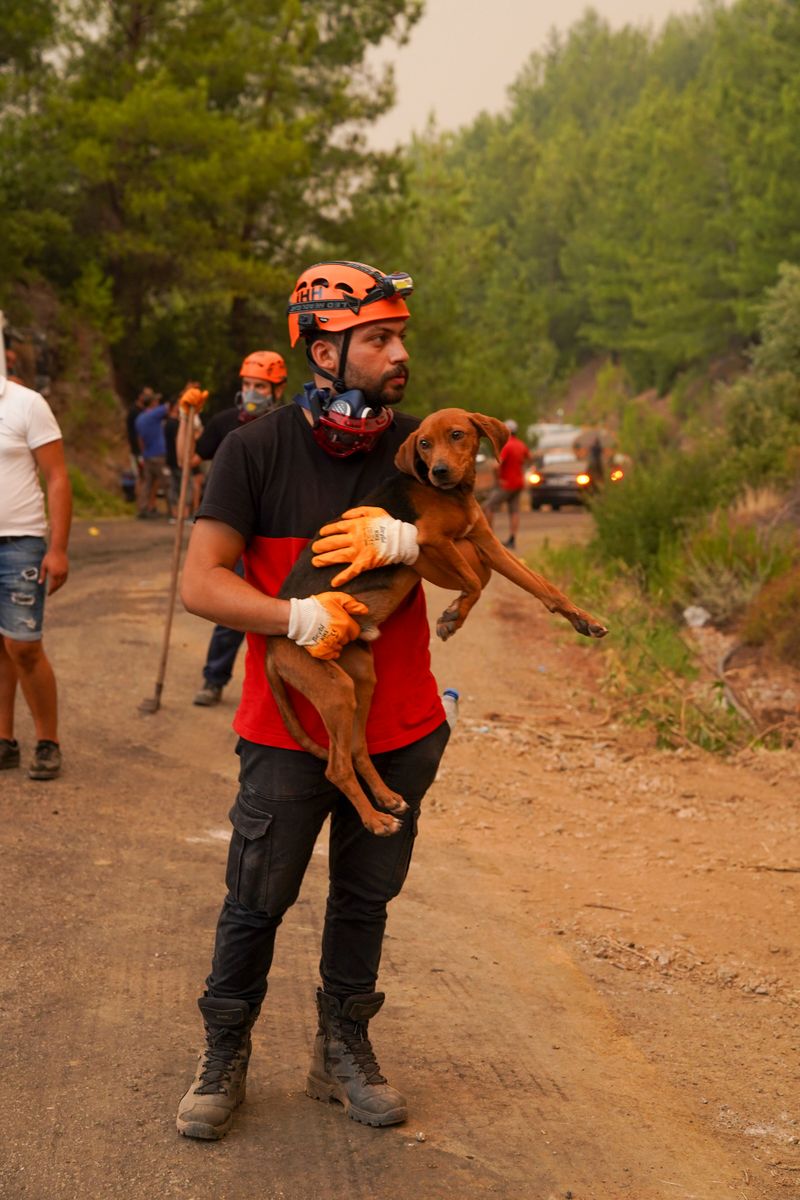
Staff members have their own households and must follow evacuation directions that affect the facility. Ask who remains responsible for dogs if employees need to leave or cannot reach work.
Clarify whether animals leave with designated staff, move to another facility, or require earlier pickup.
Do not assume someone can stay behind after an evacuation order applies to the daycare location. A workable plan protects both people and dogs through timely movement, clear roles, and communication.
8. Leave a Leash and Proper Identification at Daycare
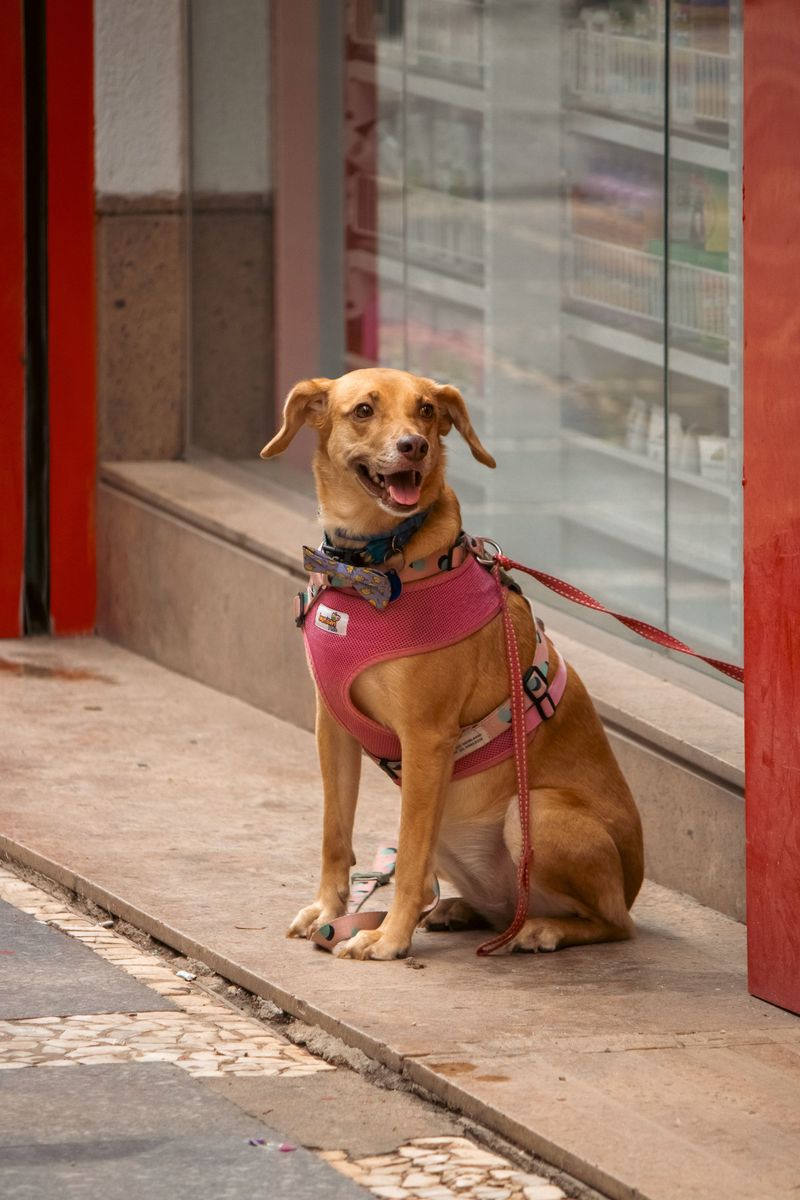
Familiar equipment makes a hurried handoff easier for your dog and the person collecting them. Ask whether daycare can store a labeled leash and a properly fitted harness or collar.
Follow the facility’s rules about wearing equipment during play, since loose items can catch unexpectedly.
Check that identification tags show a working phone number and remain easy for someone to read. Replace damaged clips or worn straps before they become a problem during loading or transfer.
9. Share Your Dog’s Medical and Behavioral Needs
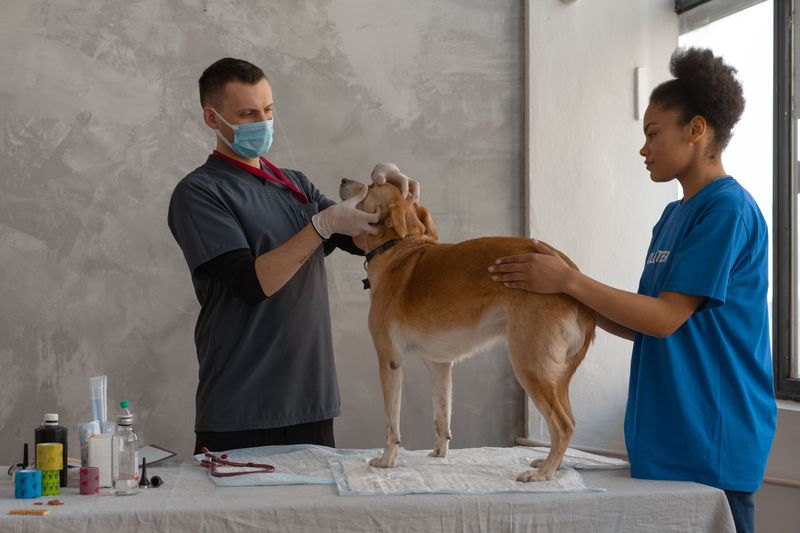
Some dogs need extra space, regular medicine, or a quieter approach when their routine changes. Give staff written instructions covering allergies, health conditions, handling preferences, and signs of rising stress.
Explain any difficulty with crates, car rides, unfamiliar dogs, or people reaching toward their collar.
Provide prescribed medicine in its labeled container and discuss storage needs with the daycare team beforehand. Ask your veterinarian about evacuation concerns specific to your dog rather than trying unfamiliar calming products.
10. Keep a Small Emergency Kit Ready for Your Dog
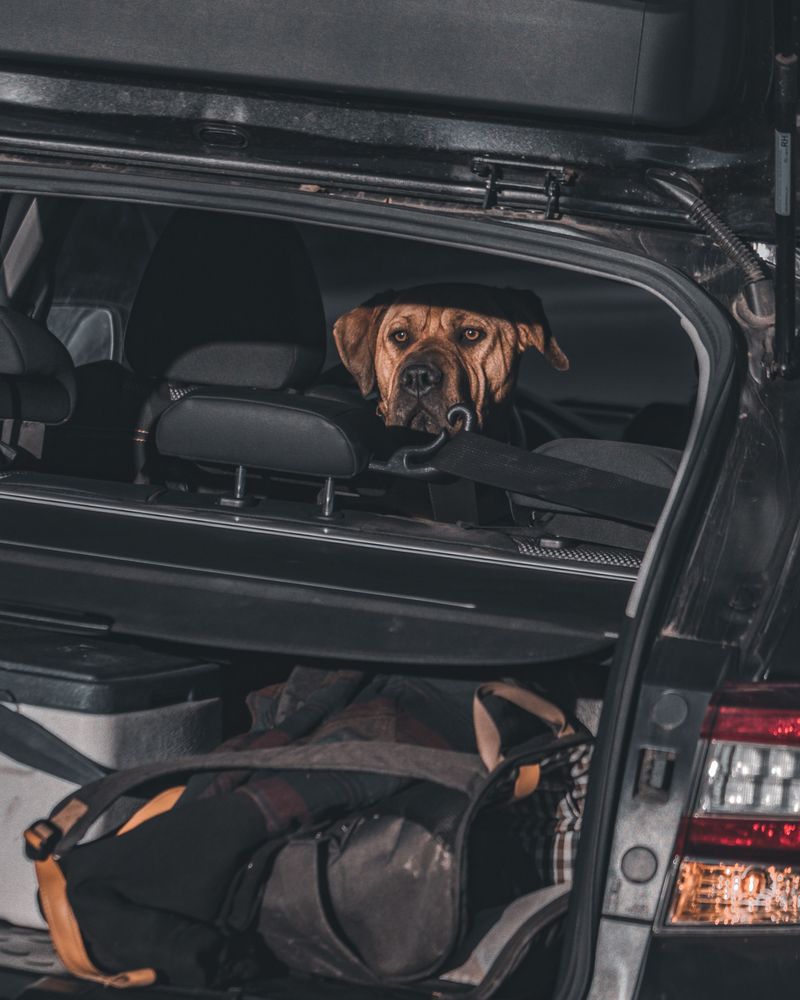
A ready bag saves you from searching cupboards when pickup plans change during the day. Pack food, water, bowls, waste bags, necessary medicine, and copies of your dog’s essential records.
Include a familiar comfort item if space allows, plus a spare leash for unexpected transfers.
Ask what supplies daycare keeps available and what owners should provide for an emergency relocation instead. Check expiration dates regularly, and follow veterinary guidance for medication storage, especially during hot California weather.
11. Know How Daycare Handles Poor Air Quality
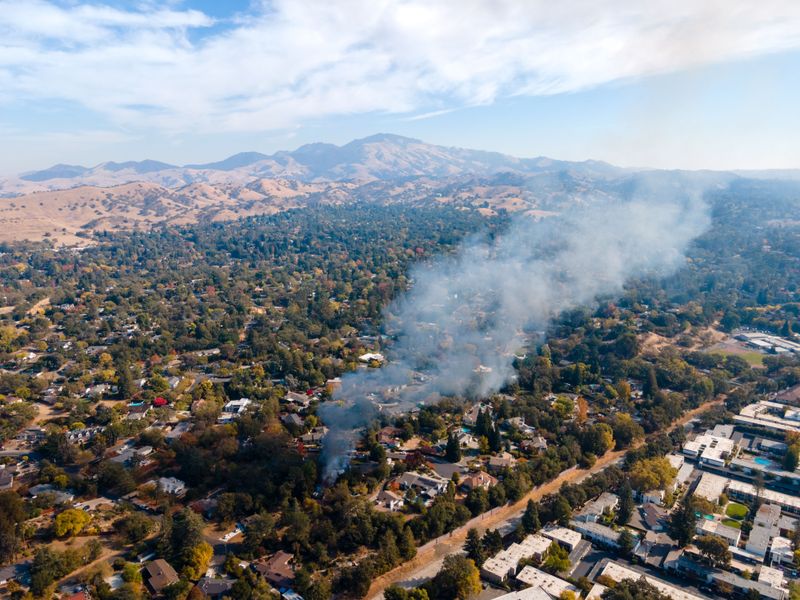
Smoke can affect a daycare even when flames are far from the neighborhood it serves. Ask how staff check air quality and decide when outdoor play should move indoors instead.
Find out whether indoor spaces have suitable filtration and whether smoky conditions can trigger closure.
Dogs with breathing or heart conditions may need individual advice from their veterinarian before smoky days. Contact a veterinarian promptly for coughing, unusual tiredness, eye irritation, or changes in normal breathing patterns.
12. Understand the Difference Between Fire Warnings and Evacuation Orders
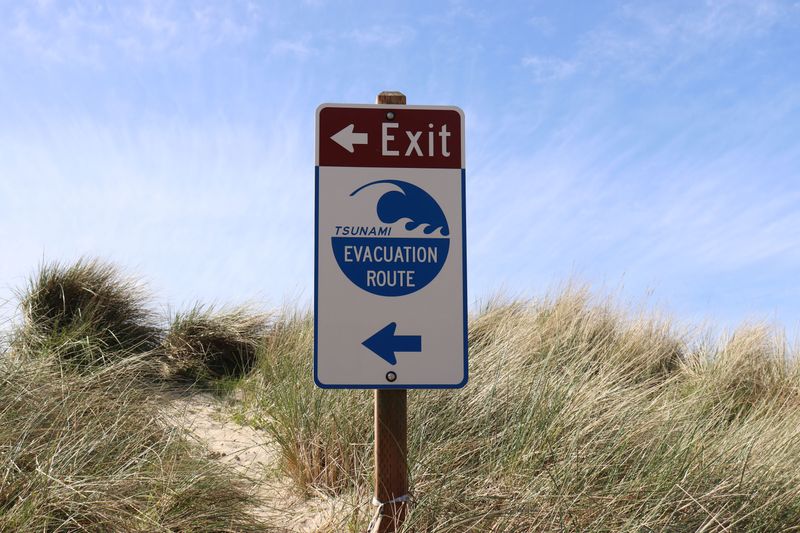
Emergency terms describe different situations, so knowing their meaning helps you make timely pickup decisions. An evacuation warning means a potential threat exists, and people needing extra time should consider leaving.
An evacuation order means leave immediately because conditions present an immediate threat to life locally.
A Red Flag Warning concerns weather favorable for fire, not an automatic instruction to evacuate anywhere. Follow your local authority’s definitions, zone notices, and directions, since alert systems vary across California.
13. Check Whether Your Dog Can Be Released to Someone Else

Being your trusted friend does not automatically make someone eligible to collect your dog today. Ask daycare how to authorize another adult and what identification that person must show first.
Complete any required forms before fire conditions develop, and check whether permission expires or needs renewal.
Tell your backup caregiver exactly what name appears on the account and where to check in. Confirm emergency exceptions directly with management rather than assuming staff can waive their release procedures.
14. Have a Plan for Power and Communication Outages

A charged phone helps, but service interruptions can still make ordinary pickup updates hard to receive. Ask how daycare communicates when internet access fails or a power shutoff affects its systems.
Save essential numbers offline, keep a power bank charged, and carry a paper contact list.
Agree on a backup communication method and a clear process for confirming your dog’s current location. Avoid repeated trips between facilities without updates, especially when authorities are managing traffic or closures.
15. Keep Vaccination and Veterinary Records Accessible
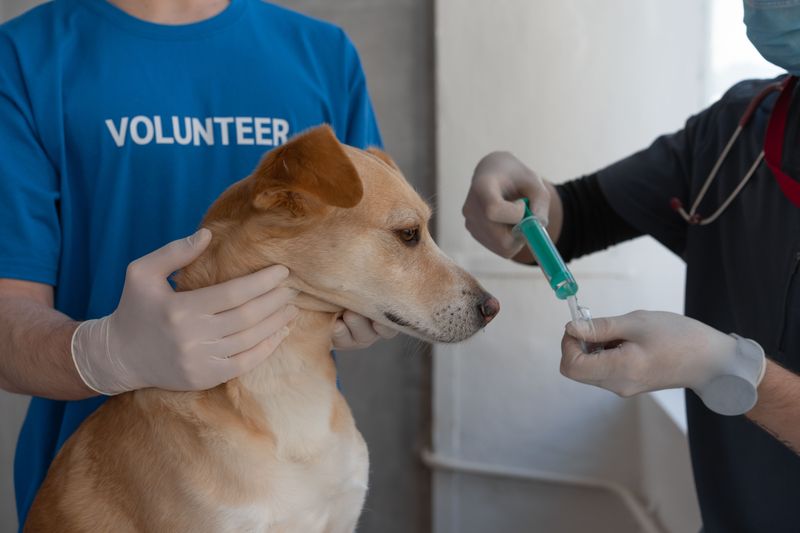
Paperwork is easier to find when you organize it before an unexpected change in lodging. Store vaccination records, prescription details, your veterinarian’s number, and a recent dog photo together securely.
Keep digital copies available offline, plus paper copies in a waterproof pouch inside your emergency bag.
Boarding facilities and temporary shelters may have different documentation requirements, so ask before you need space. Records help explain your dog’s care needs, but they do not guarantee admission at every location.
16. Know Which Local Evacuation Resources Accept Dogs
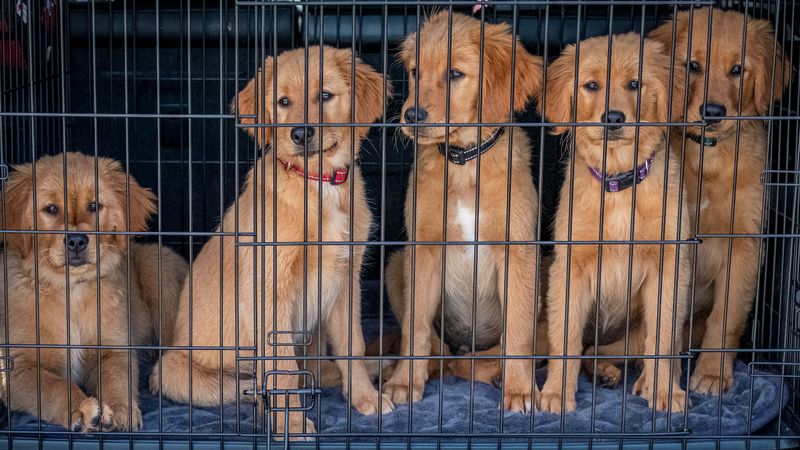
Not every evacuation center houses household pets in the same space as their owners overnight. Check county emergency services and animal services for current pet shelter locations, rules, and operating hours.
Some communities arrange separate animal shelters, while others offer nearby pet areas or shared accommodation options.
Confirm arrangements during the actual incident because locations and available space can change with local conditions. Ask about crates, leashes, required supplies, and how owners receive updates after checking dogs in.
17. Arrange a Backup Place for Your Dog to Stay

A temporary stay feels simpler when you have already discussed it with someone you trust. Ask relatives, friends, boarding providers, or pet friendly lodging about possible arrangements beyond your immediate neighborhood.
Check restrictions involving dog size, number of pets, vaccination records, extra fees, and available secure spaces.
Choose more than one option because nearby households may face the same evacuation notices as yours. Share feeding instructions and contact details, and confirm availability before traveling to any backup location.
18. Review the Plan Before California’s Fire Season Peaks

Preparation works best as a small routine, not a folder you forget after filling out. Review contacts, pickup permissions, supplies, and evacuation destinations before your area’s usual higher risk fire months.
California fire risk varies by region, and dangerous conditions can occur outside a familiar seasonal window.
Revisit the plan whenever daycare staffing, your schedule, or your dog’s care needs change during enrollment. A clear plan, shared early and checked often, helps everyone move forward with greater confidence.