16 Illinois Basement-Shelter Problems Dog Owners Should Solve Before Tornado Season
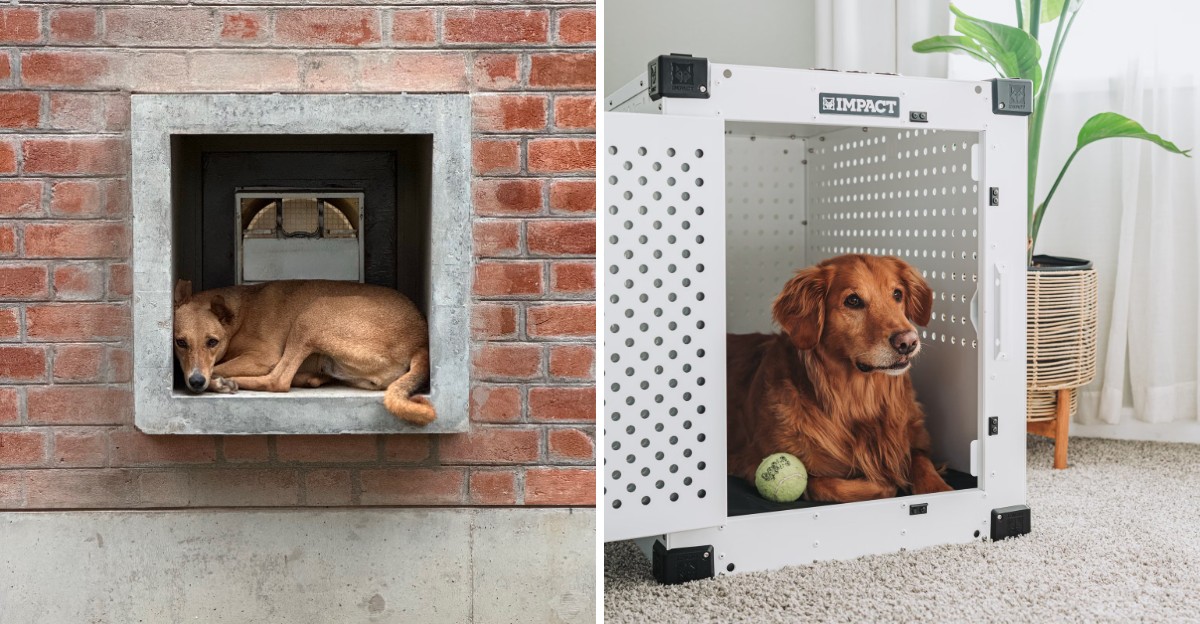
Your dog probably knows where you keep the treats, but finding the safest basement spot takes some planning. Illinois tornadoes can happen throughout the year, so preparing before spring is a helpful habit.
A few simple changes can make sheltering easier for nervous pups, older dogs, and everyone sharing the space. Start with your basement layout, then build a routine your dog can follow when weather alerts arrive.
1. Check Whether Your Basement Is Safe for Your Dog

A basement is a starting point, not an automatic safety guarantee. Choose a small interior area on the lowest level, away from windows.
Avoid spots beneath heavy furniture or appliances upstairs when possible.
Check for loose wiring, damaged steps, and signs of structural trouble. Ask a qualified professional about concerns before using the space.
Keep weather alerts available, and follow local emergency guidance if flooding makes your basement unsafe for sheltering.
2. Remove Clutter Before Severe Weather Arrives

That pile of holiday boxes can become a roadblock when your dog needs to move quickly. Clear a wide path from the stairs to your shelter spot.
Remove loose cords, sharp tools, and small objects your dog might swallow.
Store supplies where people can reach them without stepping over pets. Leave enough room for everyone to sit safely.
Walk the route with your dog now, including when the basement lighting is dim.
3. Secure Heavy Shelves and Stored Items

Storage shelves deserve a closer look before they become your shelter neighbors. Anchor shelving according to manufacturer instructions, using hardware suited to your basement walls.
Put heavy bins on lower shelves and remove unstable stacks.
Keep glass jars, tools, and hanging equipment away from the dog’s resting area. Do not assume a tall cabinet stays upright because it feels heavy.
A qualified installer can help when masonry walls make anchoring difficult or unfamiliar.
4. Keep Your Dog Away From Basement Windows
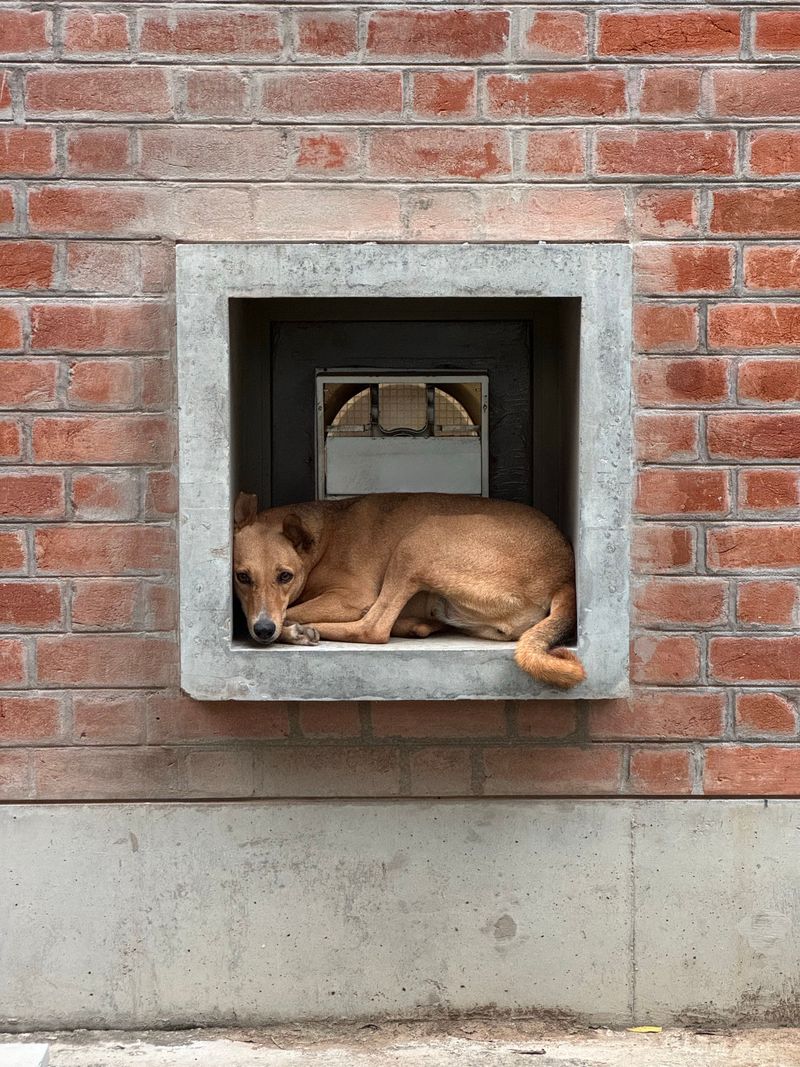
A window ledge may be your dog’s favorite lookout, but shelter time calls for another spot. Set up bedding and supplies away from basement windows, exterior doors, and window wells.
Glass can break during strong winds, and curtains do not provide reliable protection. Choose an interior location with sturdy separation from windows when available.
Keep a leash ready so curiosity does not draw your dog toward the glass while everyone settles into place.
5. Fix Water Leaks and Basement Flooding Risks

Spring rain can reveal problems that stayed hidden all winter. Check your sump pump, drains, and known leak spots before storms arrive.
Have backup equipment installed and maintained according to professional advice.
Never enter standing water near electrical equipment, and keep your dog away too. Identify another suitable shelter before a flood threatens your basement.
Ask local emergency management about options, since flood conditions and available shelter locations differ across Illinois communities considerably.
6. Create a Comfortable Spot on Cold Concrete Floors
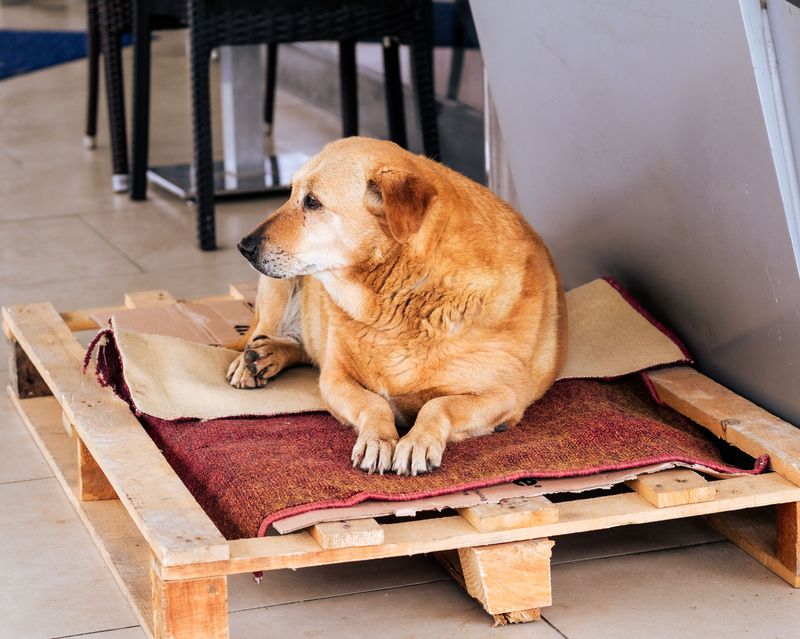
Cold concrete is not inviting, especially for older dogs with stiff joints. Place a washable bed or folded blanket over a nonslip mat in your chosen shelter area.
Keep the setup dry and clear of walking paths.
Bring familiar bedding downstairs before storm season so the space smells reassuring. Avoid electric heating pads during sheltering, when cords and power interruptions add complications.
Check padding regularly for dampness, chewing damage, and anything your dog could swallow.
7. Prevent Doorway Escapes With a Ready Leash and Harness
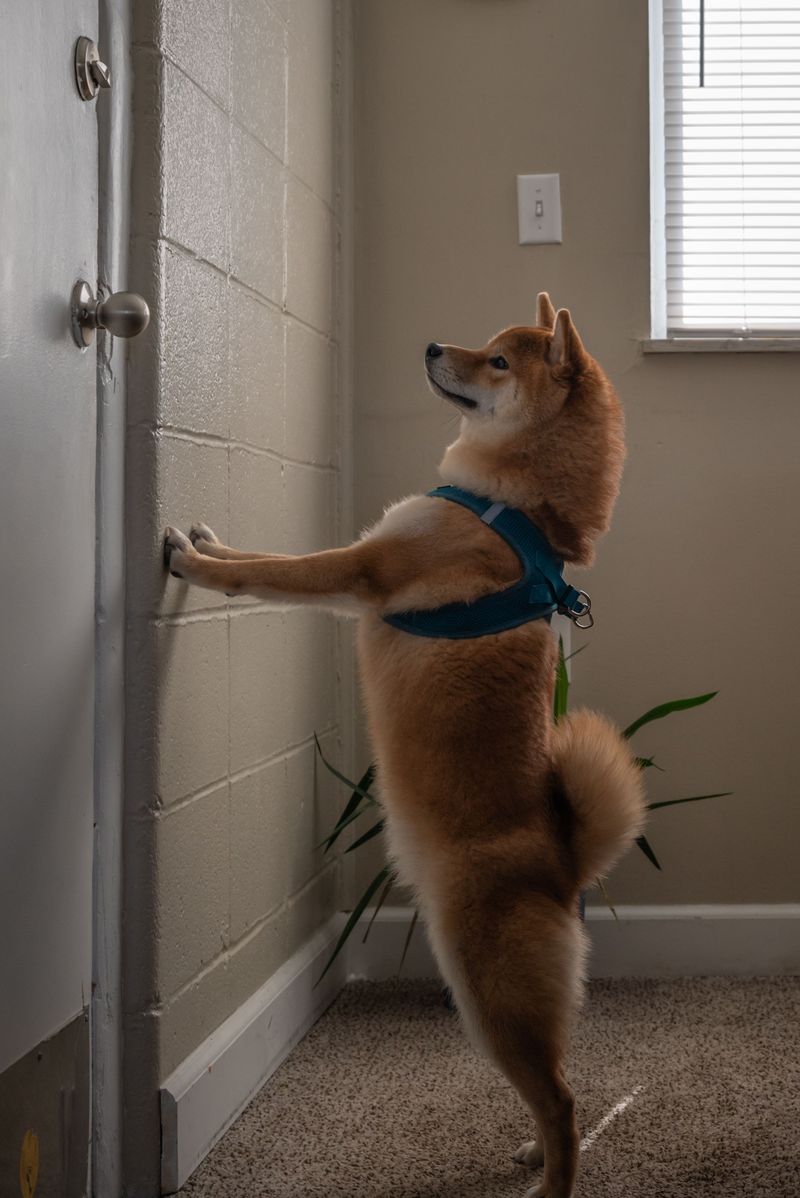
An open basement door can look like an invitation to a worried dog. Check door latches and agree on who controls entrances during sheltering.
Keep a fitted harness and leash beside your shelter supplies.
Attach the leash before opening doors or moving through shared spaces. Avoid leaving a leashed dog unattended or tied to unstable furniture.
If you use a gate, remember that frightened dogs may jump barriers they normally respect on ordinary days.
8. Prepare for Dogs That Panic During Thunderstorms

Pacing, trembling, or hiding can make even a familiar staircase feel impossible. Talk with your veterinarian before storm season if thunder frightens your dog.
Ask about behavior training and whether prescribed medication might help.
Try any treatment only as directed, including its timing before expected storms. Offer calm company and reward comfortable behavior during quiet basement visits.
Never punish fear or force your dog into overwhelming practice sessions. Small, comfortable steps build a better routine.
9. Set Up a Safe Place for Crated Dogs
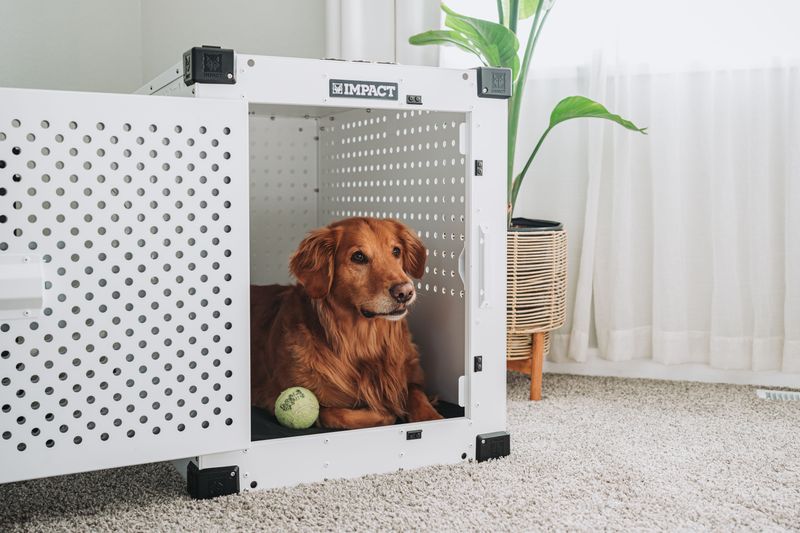
For a dog who already enjoys a crate, familiar walls can offer comfort. Position it away from windows, shelves, pipes, and objects that could fall.
Choose a size that allows standing, turning, and lying comfortably.
Keep airflow clear and avoid heavy coverings that trap heat. Practice short, pleasant crate visits before storms.
A crate does not make an unsafe location safe, and forcing an unfamiliar crate during warnings may increase stress rather than reduce it.
10. Store Fresh Water and Food in the Basement
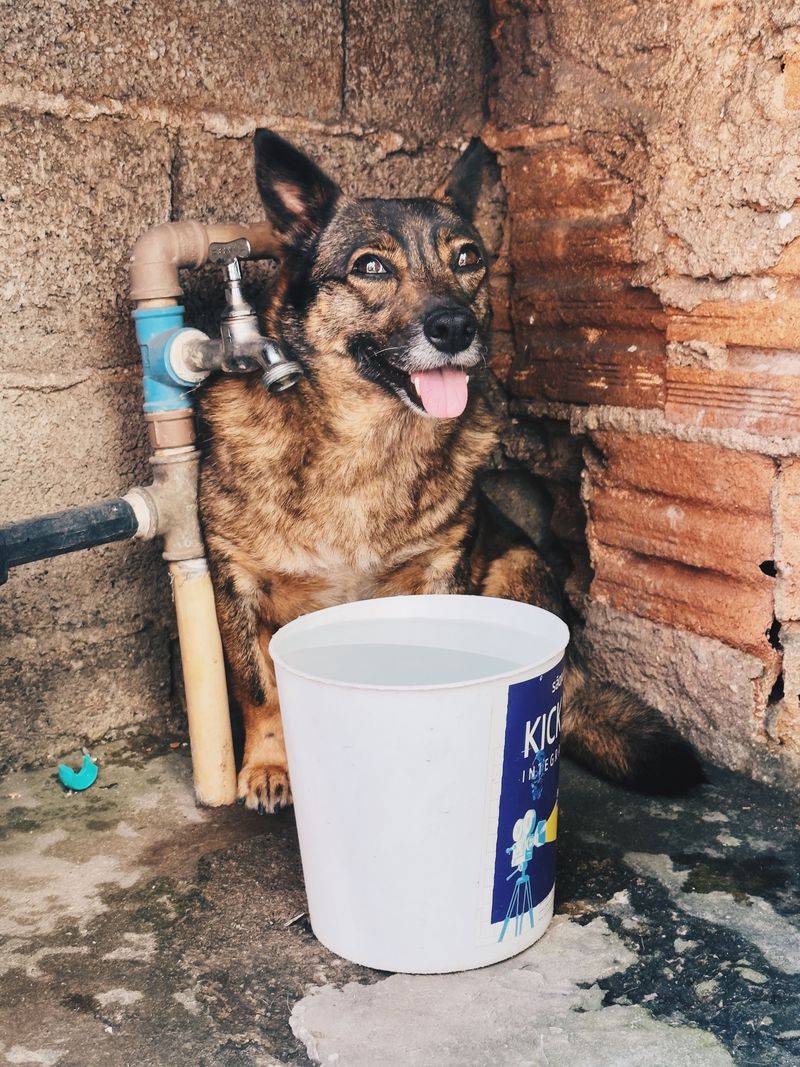
A clean bowl is useful only if safe water is nearby. Store several days of drinking water and your dog’s usual food in sealed containers.
Ask your veterinarian about water needs for your dog’s size and health.
Rotate supplies before their dates pass, and protect them from moisture and pests. Include bowls and a manual opener if needed.
Keep treats for cooperation, but avoid sudden diet changes that might upset your dog’s stomach during sheltering.
11. Keep Medication and First-Aid Supplies Nearby
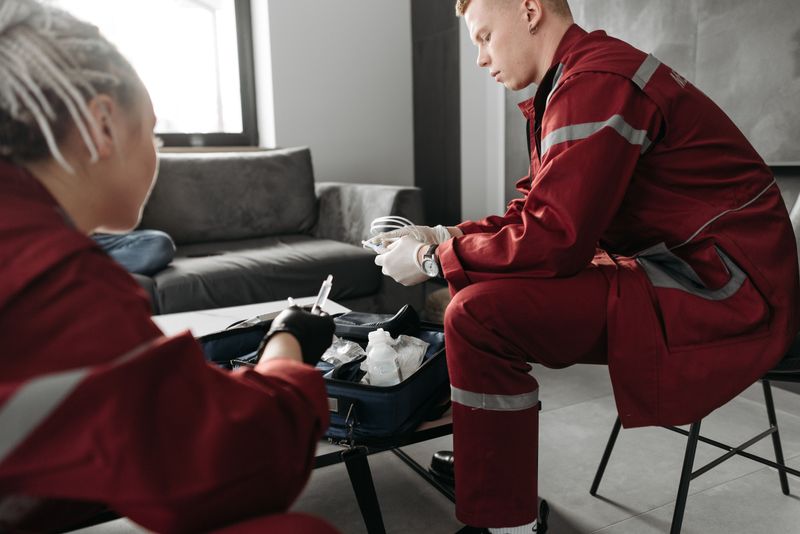
Searching upstairs for medicine is a problem best solved before any warning. Prepare a pet first-aid kit with gauze, bandages, and your veterinarian’s contact information.
Keep prescribed medicines available in their original labeled containers.
Follow storage instructions, since damp basements may not suit every medicine. Ask your veterinarian about backup supplies and refrigerated items during outages.
Never give human pain medicine without veterinary direction. Review expiration dates regularly, and replace supplies after each use as needed.
12. Prevent Dangerous Contact With Basement Chemicals
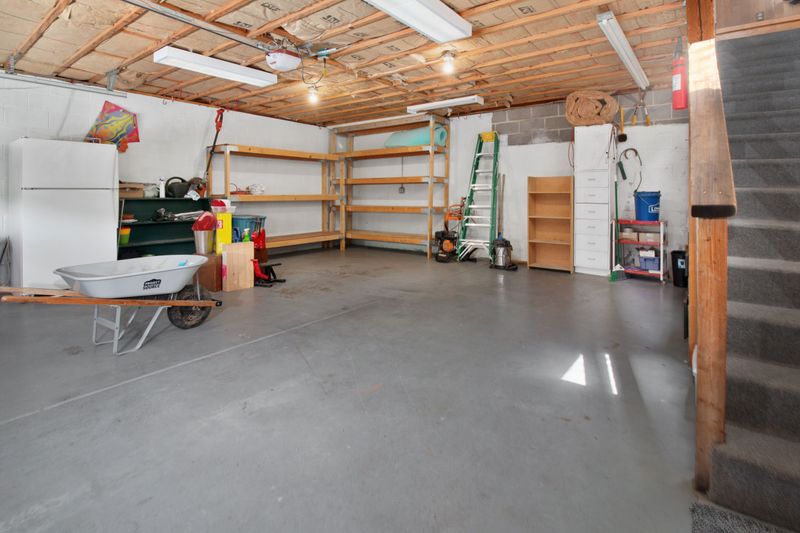
Your dog explores the basement with a nose close to the floor. Move cleaners, pesticides, automotive fluids, and other chemicals into secure storage away from shelter supplies.
Keep products in their original labeled containers.
Check for spills, loose bait, and leaking packages before letting your dog explore. If exposure happens, contact your veterinarian or an animal poison service promptly.
Do not induce vomiting unless a qualified professional directs you. Keep product details available for that call.
13. Make Sure the Basement Has Proper Ventilation
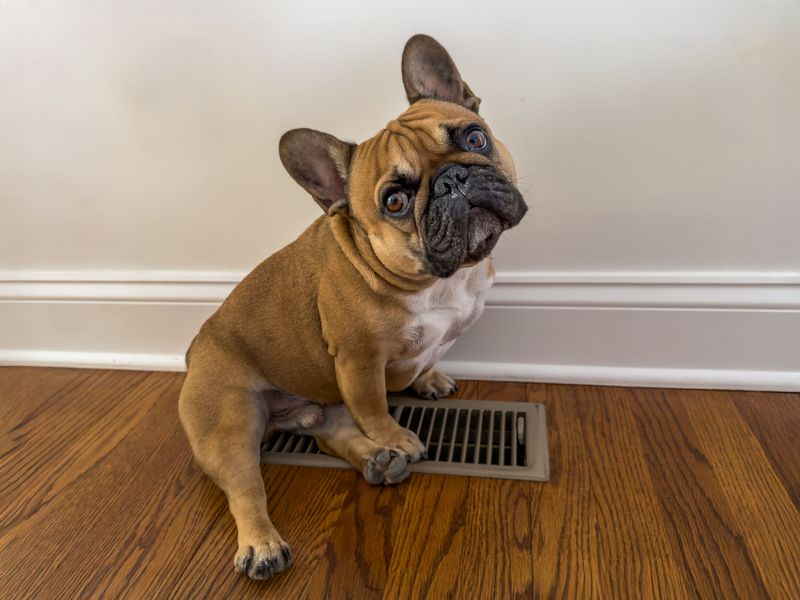
Stuffy air deserves attention before people and pets share a small space. Keep household vents clear and have fuel-burning equipment serviced as recommended.
Install and maintain carbon monoxide alarms according to manufacturer instructions and applicable requirements.
Never run generators, grills, or outdoor heaters inside the basement. Operate generators outdoors, at least 20 feet from doors, windows, and vents.
Do not open basement windows during a tornado warning for ventilation. Address persistent odors with a qualified professional.
14. Prepare for Dogs That Cannot Use Basement Stairs
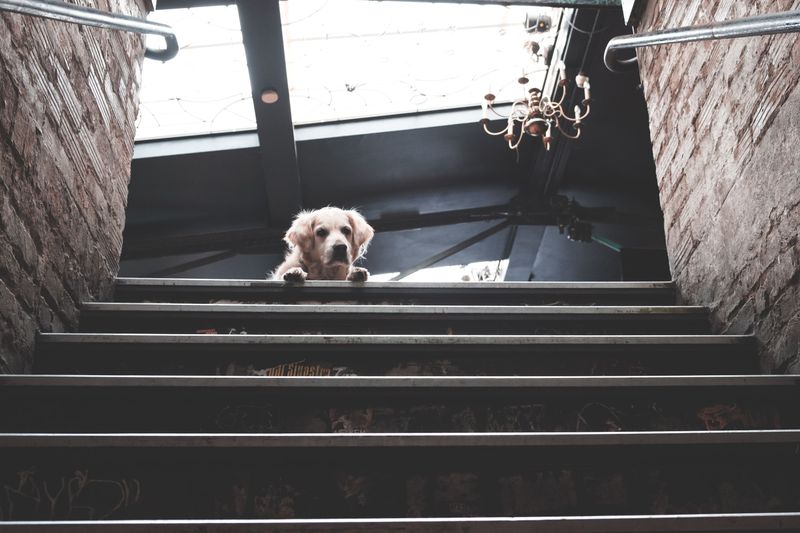
Steep steps can challenge puppies, large dogs, and pets with limited movement. Test the route on a quiet day, without rushing.
Add secure traction and good lighting, and repair loose handrails or stair treads.
Ask your veterinarian about safe lifting or a suitable support harness. Do not attempt a carry that risks dropping your dog or losing balance.
If stairs remain unsafe, arrange another appropriate shelter plan with local emergency officials before storms are forecast.
15. Keep Identification and Emergency Records Ready
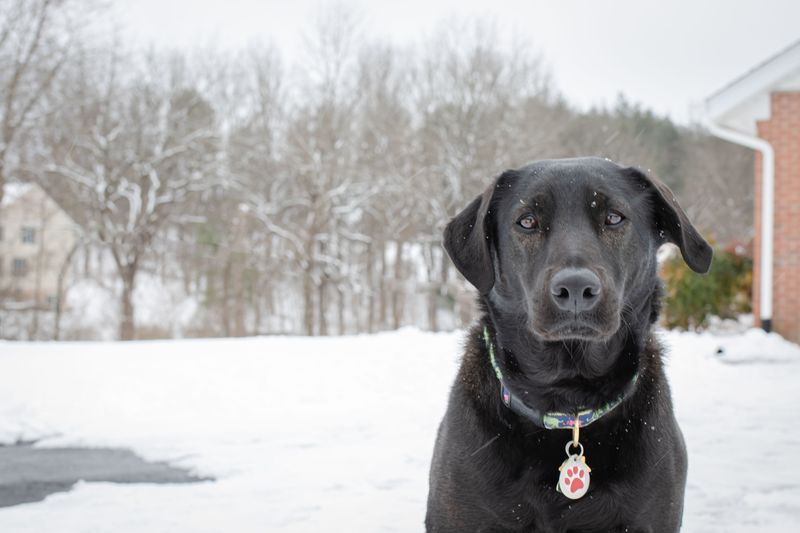
A readable tag can help reunite you if your dog slips away. Check that collar identification shows a current phone number.
Confirm your contact details with the microchip registry, since a chip does not update itself.
Keep vaccination records, medication details, a recent photo, and veterinary contacts in a waterproof pouch. Save digital copies too.
If you may need public shelter, confirm pet policies beforehand. Rules and available animal accommodations vary among Illinois communities and facilities.
16. Practice Your Basement Shelter Routine Before Tornado Season

Rehearsal turns an unfamiliar trip downstairs into something your dog recognizes. Practice during calm weather, using treats and a simple cue.
Give each household member a job, including handling the dog and bringing essential supplies.
Receive warnings through reliable alerts and a battery weather radio. When a tornado warning covers your location, shelter promptly rather than finishing preparations.
Review your plan after household changes. A clear route, ready supplies, and familiar steps make preparedness feel manageable.