15 Michigan Cottage Pet-Sitter Questions To Settle Before You Leave The Property

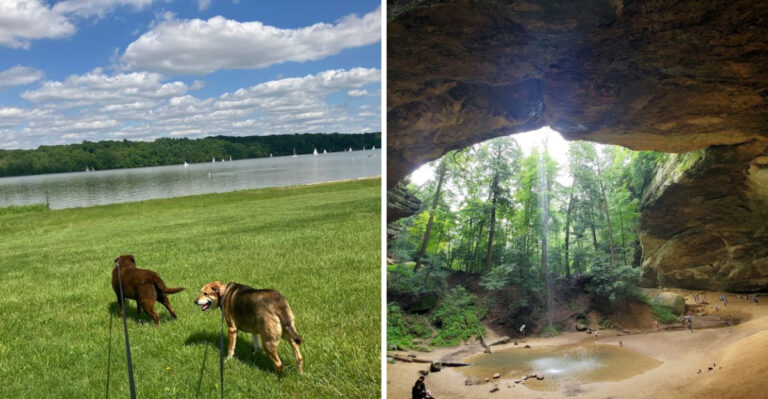
Leaving your dog at a Michigan cottage should feel comfortable, whether you’re heading into town or spending several nights away. A familiar couch helps, but your sitter also needs clear plans for lake access, changing weather, and everyday care.
Before you hand over the keys, walk through these questions together and write down the answers. A little preparation helps everyone settle in with confidence.
1. When Will You Arrive and Leave?

A quiet handoff starts with a clear clock. Write down the sitter’s arrival, departure, and visit times before packing your car.
Include your own travel schedule, plus extra time for traffic or weather delays.
Ask how long your dog will be alone between visits. Arrange backup coverage if those gaps exceed your dog’s usual comfort or bathroom needs.
Confirm who stays responsible until someone physically arrives, rather than assuming a text means care has started.
2. Does Your Dog Need Overnight Company?
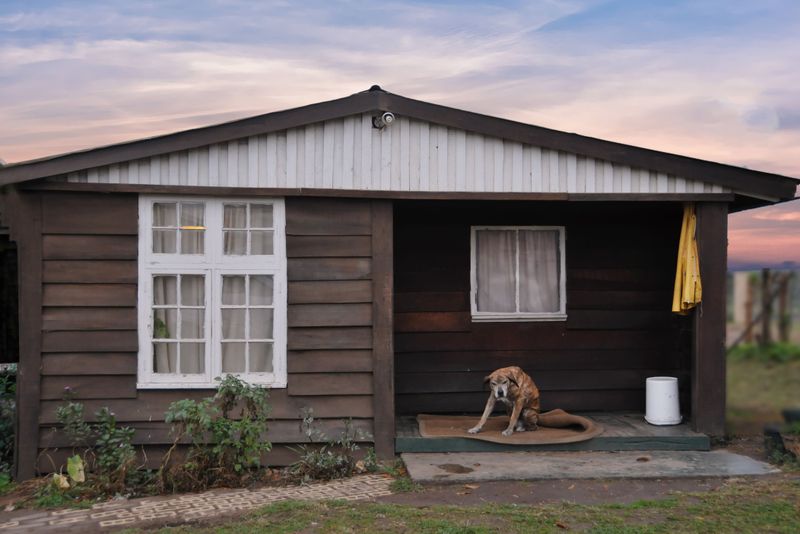
Some dogs sleep soundly alone, while others need company after sunset. Explain what nights normally look like, including bathroom trips, pacing, or trouble settling.
Ask whether the sitter can stay overnight rather than simply visiting late.
Define what an overnight stay includes, especially evening arrival and morning departure times. Show the sleeping space and discuss whether your dog shares furniture.
Agree on a backup arrangement if illness or another problem interrupts the sitter’s overnight plans.
3. How Will You Get Inside the Cottage?
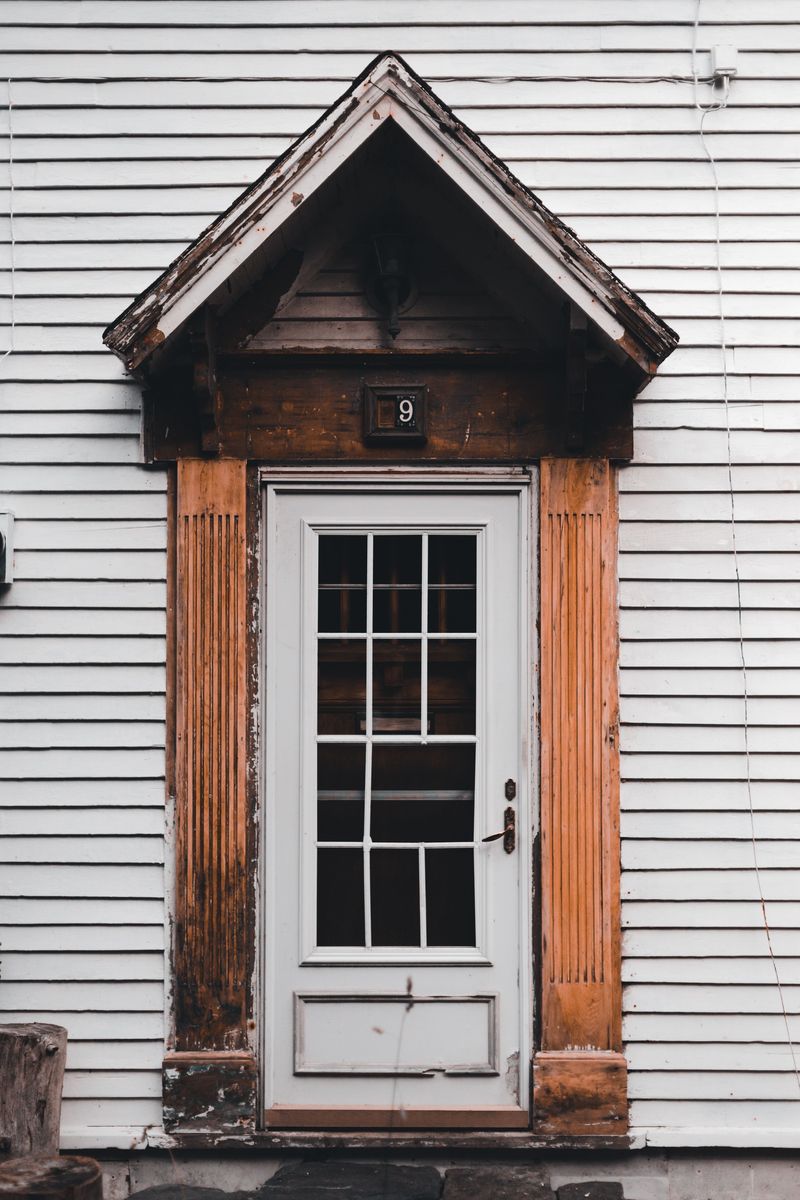
That charming screen door may have a trick only you know. Walk the sitter through locks, gates, alarms, and any doors that stick.
Test their key or entry code together before you leave the driveway.
Provide the street address, driveway landmarks, and parking instructions, especially along wooded cottage roads. Explain how to prevent your dog slipping outside during entry.
Leave a backup access plan with a trusted contact, and keep security codes out of public messages.
4. What Goes in the Food Bowl, and When?
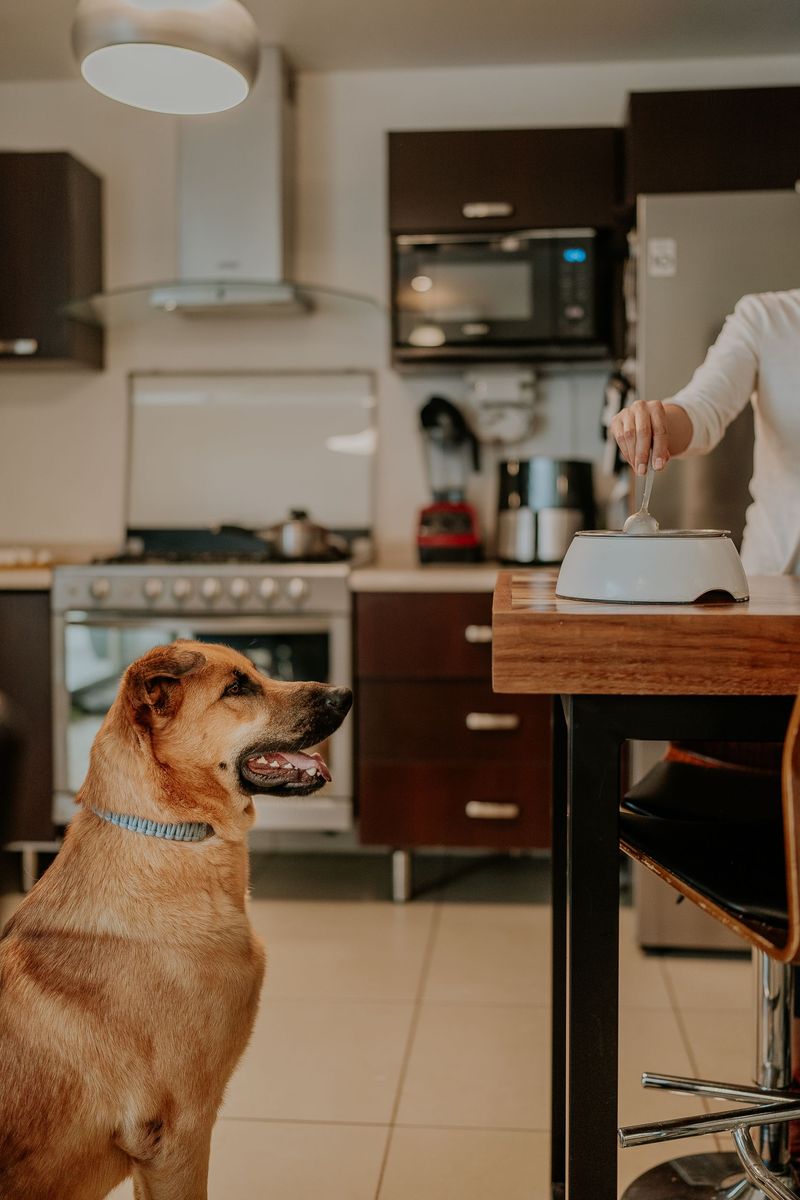
Mealtime is easier when nobody has to guess about portions. Label your dog’s food and provide a measuring scoop with clear serving instructions.
List meal times, allowed treats, allergies, and foods your dog must avoid.
Show where fresh water belongs and how often bowls need cleaning. Store enough food for your trip, plus a reasonable delay.
Ask the sitter to report missed meals or unusual thirst, and follow your veterinarian’s advice about when changes need attention.
5. Where and How Often Should Bathroom Breaks Happen?
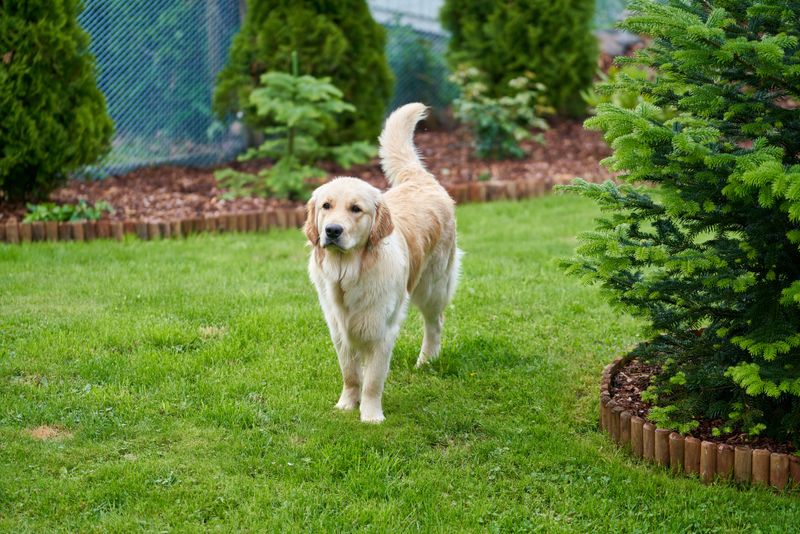
A big yard does not automatically mean a secure bathroom spot. Point out the usual toilet area and explain your dog’s signals.
Set a schedule based on age, health, and the routine your dog already knows.
Check fences and gates together, including spaces hidden behind shrubs or sheds. Require supervised outings, using a leash whenever the area is not securely enclosed.
Show where waste bags belong and explain cleanup, including any cottage association rules for shared lawns.
6. Are Lake and Beach Visits Allowed?
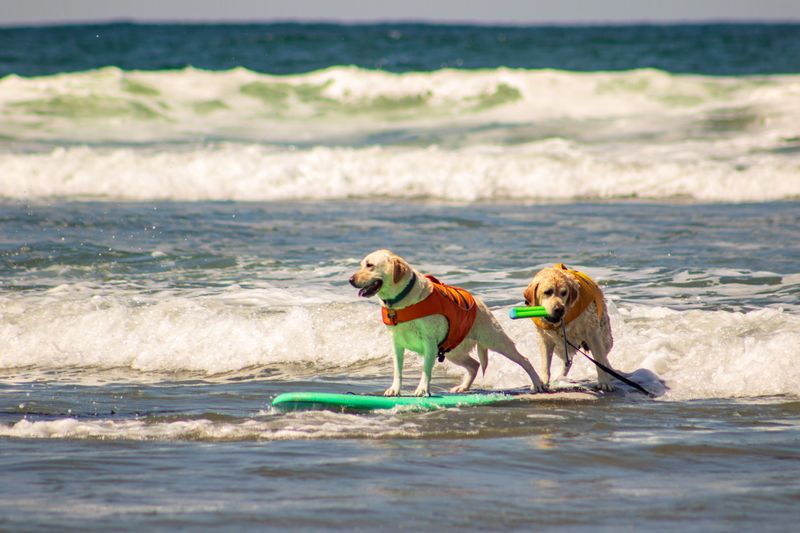
Lake views can tempt even a careful sitter into changing plans. Say clearly whether beaches, docks, boats, or swimming are allowed at all.
Check posted beach rules and local requirements, since access and leash rules vary.
If swimming is approved, require close supervision and a properly fitted dog life jacket where appropriate. Provide drinking water and discourage lake water drinking.
Avoid water with suspicious scum or posted advisories, and never assume clear water guarantees safe conditions.
7. Where Should Everyone Go When Storms Arrive?

Thunder can sound different inside an unfamiliar lakeside room. Explain how your dog reacts to storms and what usually helps them settle.
Show the safest shelter area and keep a leash within easy reach there.
Ask the sitter to monitor reliable weather alerts and bring your dog inside before conditions worsen. During tornado warnings, follow official instructions and your property’s shelter plan.
If the cottage lacks suitable shelter, identify a safer location and transportation plan beforehand.
8. What Is the Plan for Power or Heating Trouble?
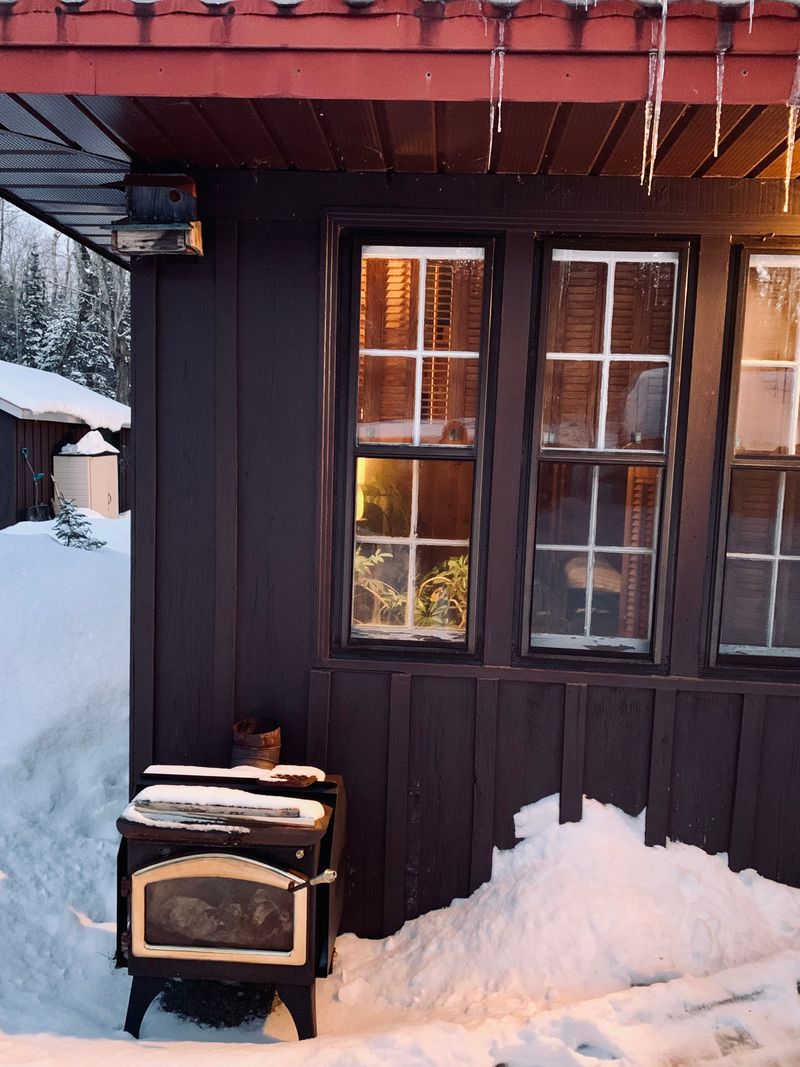
Cottage comfort can change quickly when the lights go out. Show the thermostat, flashlight supply, and whom to call about electrical or heating problems.
Explain which equipment the sitter may operate and what requires professional help.
Choose a backup place for your dog if indoor temperatures become unsafe. Keep working smoke and carbon monoxide alarms installed as recommended.
Never run generators indoors or near openings, and leave any generator operation to someone trained in its use.
9. Which Medicines and Health Changes Need Attention?
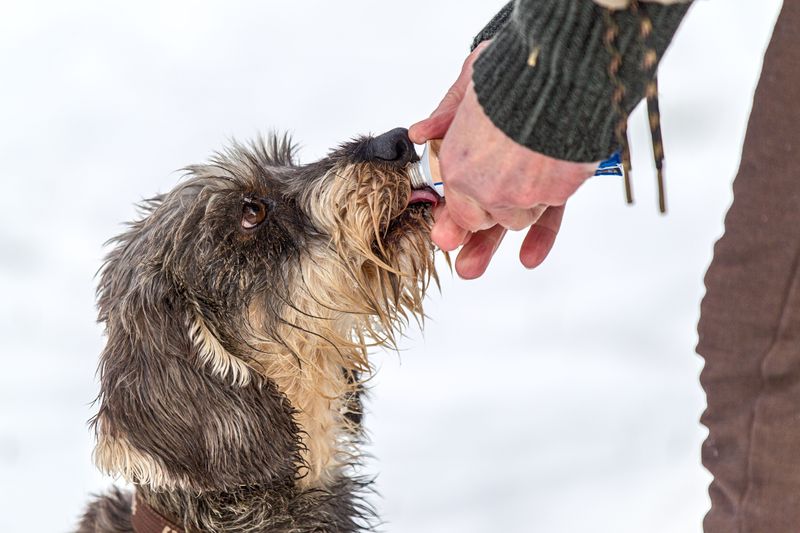
A written medicine chart beats instructions remembered from the driveway. Keep medications in original labeled containers and demonstrate the prescribed routine.
Record exact directions from your veterinarian, including timing, storage, and whether food is needed.
Have the sitter practice any unfamiliar step while you are present. Explain your dog’s normal behavior and symptoms that require a call.
Leave instructions for missed doses from your veterinarian, rather than expecting guesses, and record each dose to prevent accidental repeats.
10. Which Veterinary Clinic Should You Call?
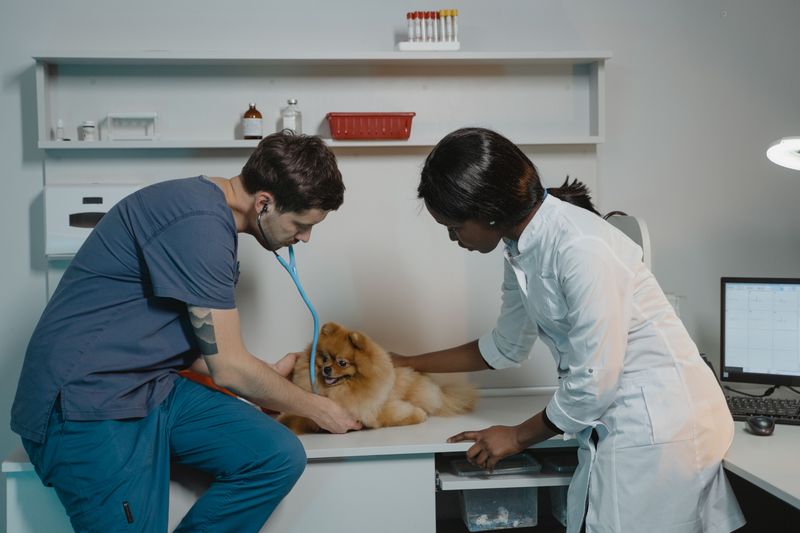
Your regular veterinarian may be hours from the cottage. List nearby clinics and confirm which facility currently handles emergencies, including nights and weekends.
Call ahead to verify hours instead of relying only on an old listing.
Leave medical records, vaccination details, and permission for the sitter to seek veterinary care. Discuss payment arrangements and how decisions work if you cannot answer.
Include the cottage address, transport options, and an alternate contact who can help without delaying care.
11. What Wildlife and Yard Hazards Should You Watch For?
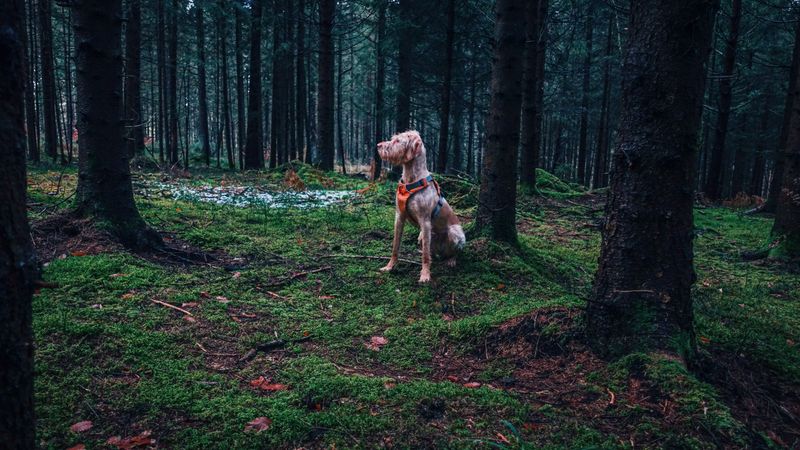
Wooded paths offer wonderful smells, along with things best left alone. Identify local concerns, such as ticks, porcupines, snakes, mushrooms, or baited areas.
Explain which parts of your property should remain off limits during the stay.
Keep dogs away from wildlife, unfamiliar plants, fishing hooks, and unsecured trash. Review veterinarian-approved parasite prevention and show how you check for ticks.
Ask the sitter to contact a veterinarian about suspected exposure, rather than trying home treatments or handling wildlife themselves.
12. Can Visitors or Other Pets Come Over?
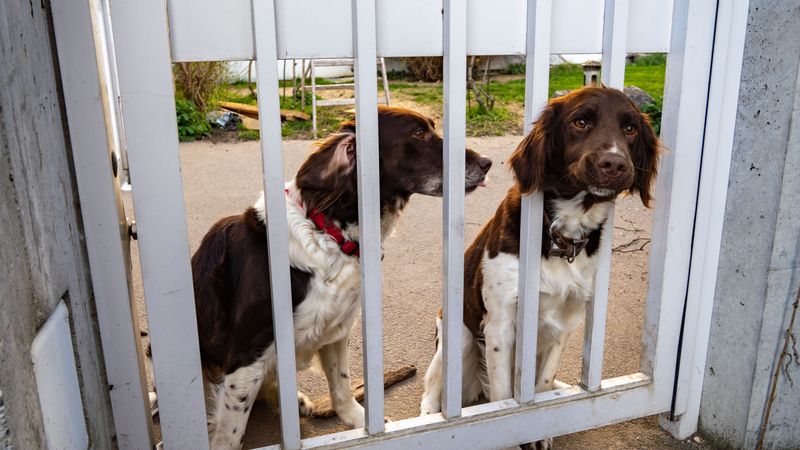
Friendly neighbors may stop by without knowing your dog’s boundaries. Tell the sitter whether visitors are welcome and whether approval is required first.
Include clear rules for children, visiting dogs, and anyone bringing another animal.
Describe situations that make your dog uncomfortable, such as crowded doorways or people reaching toward food. Provide a quiet retreat where nobody will disturb them.
Avoid unplanned introductions, and explain how gates or separate rooms should be used when guests arrive unexpectedly.
13. Which Walks and Car Trips Are Approved?
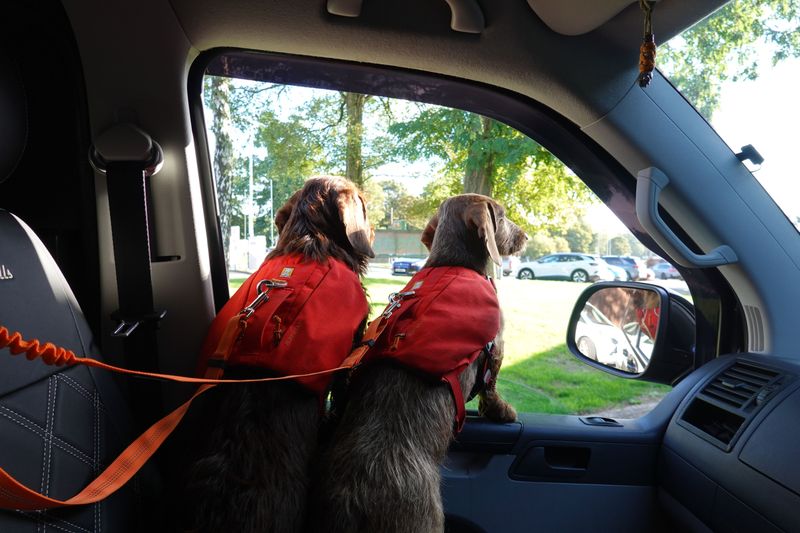
A favorite walking route can hide surprises for someone new. Mark approved paths, busy roads, and places where loose dogs sometimes appear.
Explain leash expectations and confirm local trail rules before suggesting parks or public land.
Decide whether car rides are allowed and which destinations are acceptable. Provide a suitable vehicle restraint and explain how your dog loads safely.
Never leave your dog alone in a parked vehicle, and avoid off-leash outings unless you have explicitly approved them.
14. How Will We Share Updates or Handle Urgent Calls?
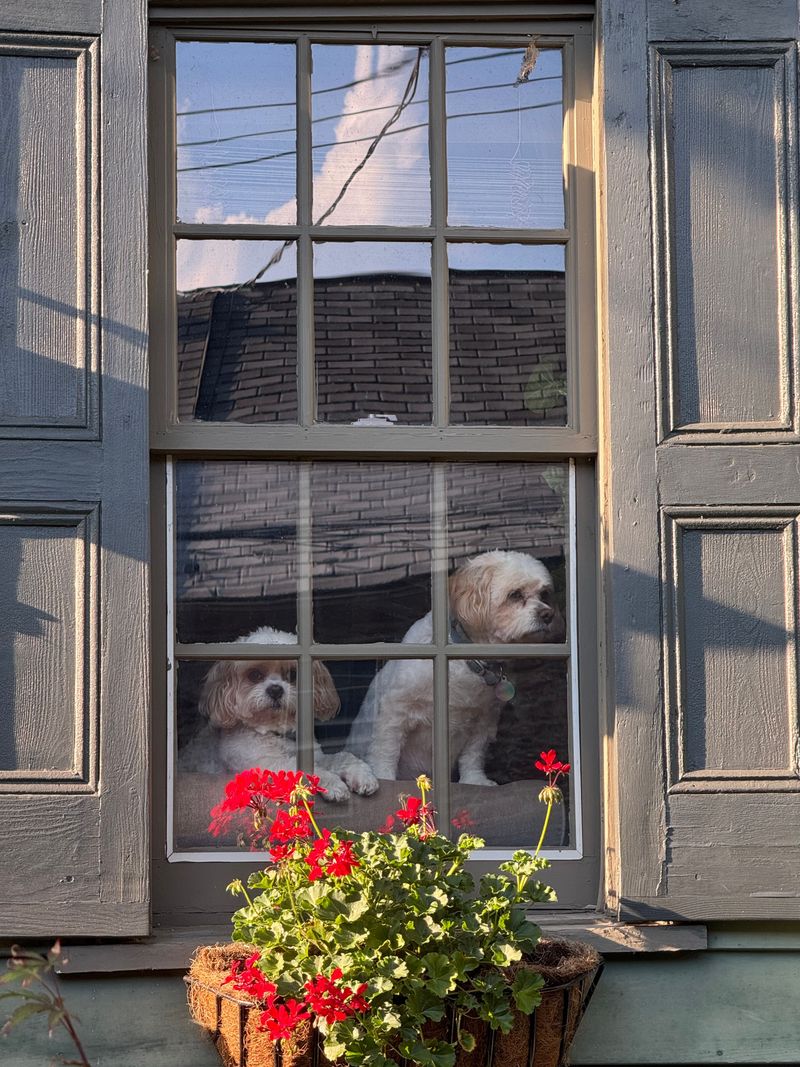
One cheerful photo can make a day away feel easier. Agree on update times and what each message should cover, including meals and bathroom breaks.
Choose a main communication method and test reception around the cottage.
Rural coverage can be uneven, so provide another contact method and backup person. Separate routine updates from urgent concerns requiring an immediate call.
Make clear that veterinary emergencies should not wait for your reply, following the care permissions you arranged beforehand together.
15. What Must Happen Before You Leave the Property?

The final check should cover your dog, not just the lock. Write a departure list covering water, bathroom needs, medication records, and safe room temperatures.
Specify which doors, windows, gates, and appliances need checking before departure.
Require confirmation that you or the next caregiver has taken over responsibility. Explain what happens if your return is delayed, including extra care and payment.
With the handoff settled, everyone can leave calmly, knowing your dog’s familiar routine will continue without guesswork.