15 Working Dog Breeds For Michigan Orchards, Acreage, And Rural Homes
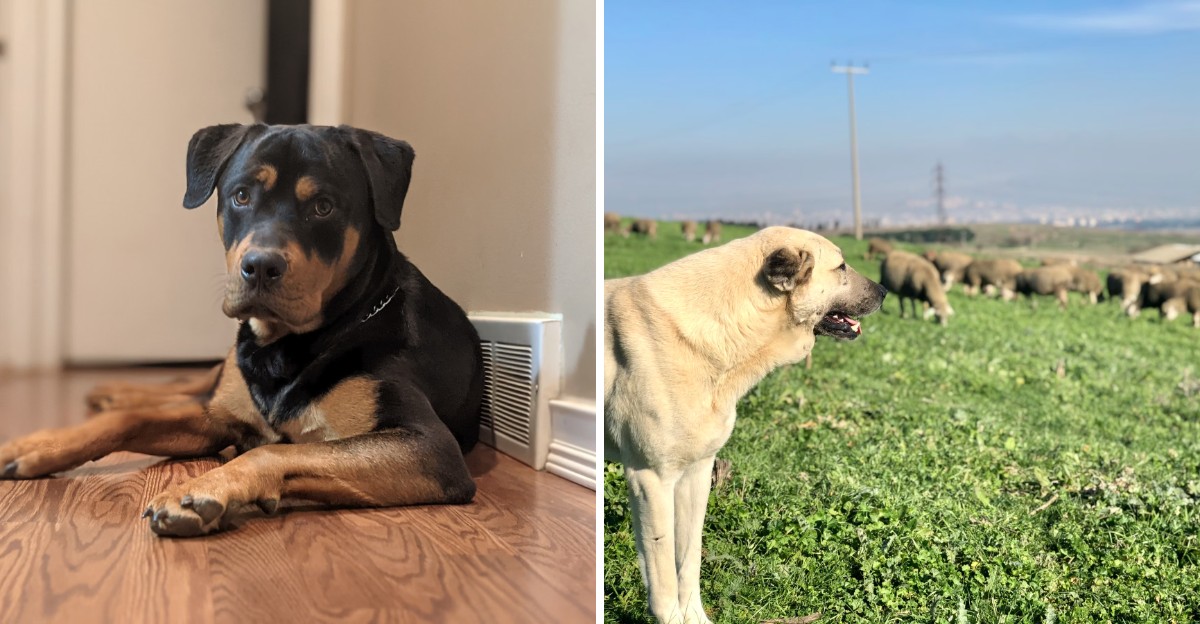
Michigan country life asks plenty of a dog, from muddy spring chores to snowy walks past sleeping apple trees. But open land alone cannot keep a busy breed happy, and not every farm needs a livestock guardian.
Matching a dog’s instincts to your daily chores matters more than choosing the thickest coat or biggest paws. The right match starts with knowing which jobs each breed actually enjoys.
1. Border Collie: The Orchard’s Quick Thinker
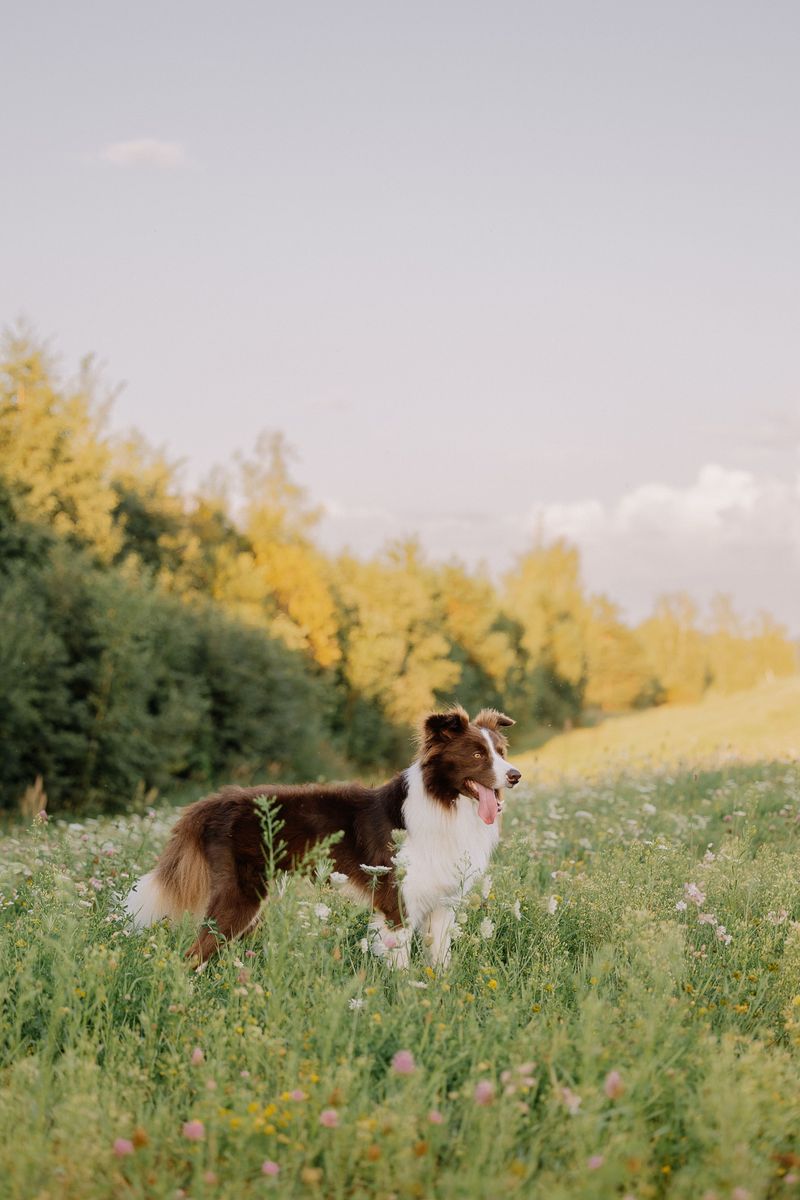
A flock shifts, and those bright eyes catch every step. Bred for herding, Border Collies can help move sheep with skilled training.
Their quick minds also need work when chores end.
Offer short lessons, scent games, and calm breaks between tasks. Fence orchard lanes so passing cars never become something to chase.
Michigan winters rarely cancel their enthusiasm, but wet coats still need drying. Choose one for teamwork, not simply because you own several acres.
2. Australian Shepherd: A Busy Partner With Bounce
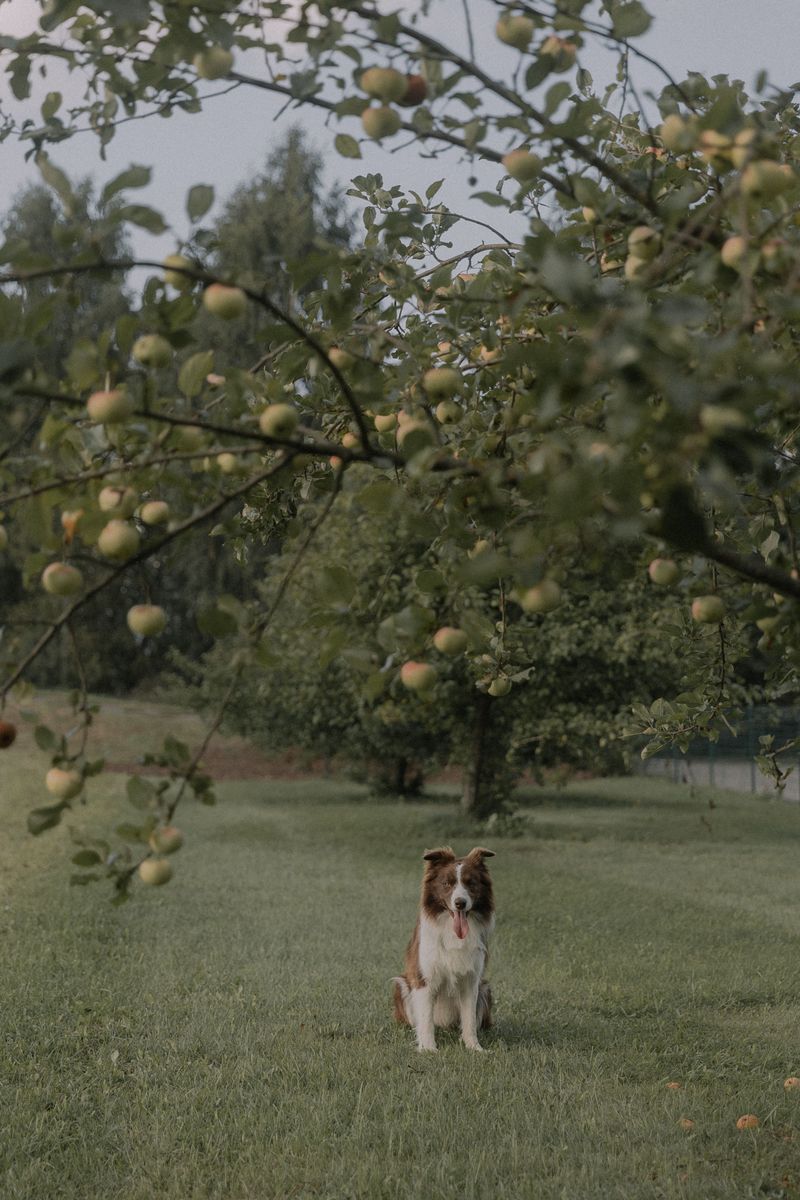
Chores feel like a team sport with an Aussie nearby. Despite the name, this ranch breed developed in the United States.
Many enjoy herding, learning tricks, and staying close to their people.
Give clear jobs instead of letting them organize children or visiting guests. Brush their coats regularly, especially during seasonal shedding.
Secure fences and daily training matter more than property size. An orchard walk helps, but their brains need a workout alongside their legs.
3. German Shepherd: Structure Comes First
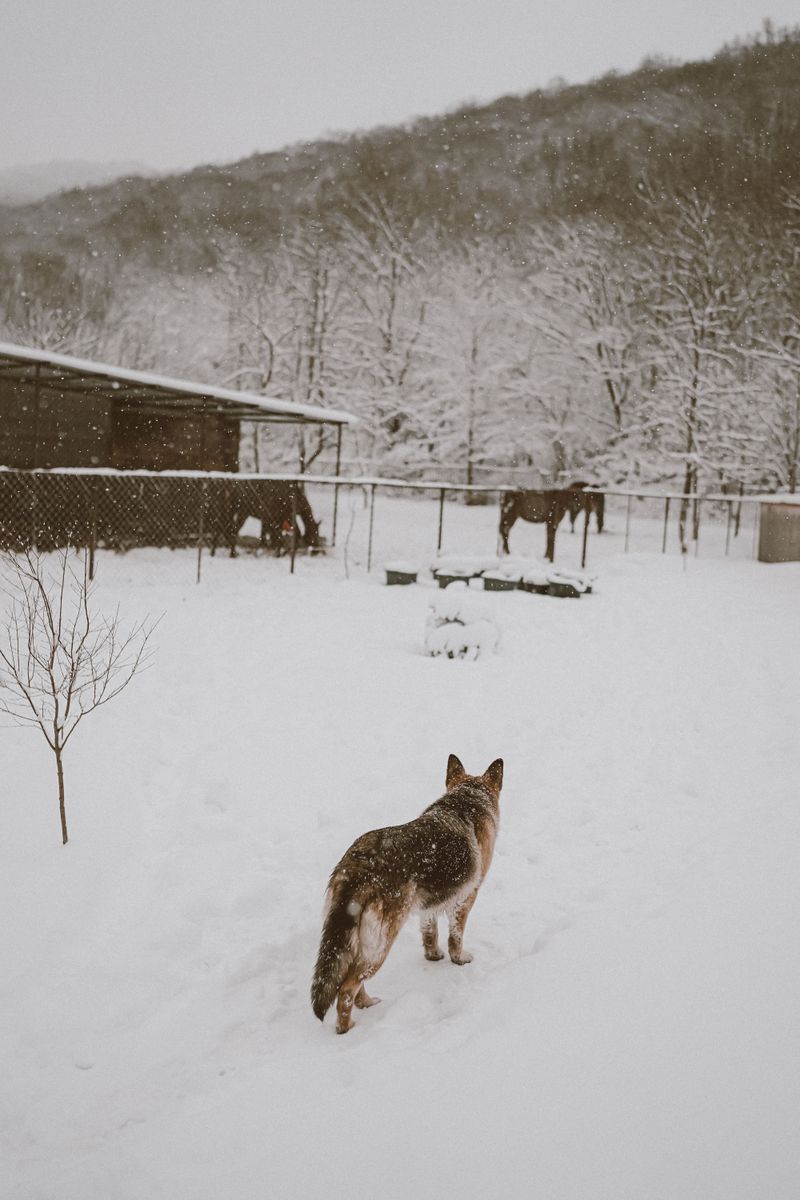
A steady routine brings out this breed’s best side. German Shepherds often enjoy obedience, tracking, and practical tasks with their owners.
Rural space helps, but thoughtful training builds the dependable manners families need.
Introduce visitors calmly and reward relaxed behavior around delivery vehicles. Avoid encouraging suspicion toward everyone approaching your driveway.
Ask breeders about hip and elbow health testing. During Michigan’s warmer months, schedule exercise early and provide shade, fresh water, and comfortable indoor rest.
4. Australian Cattle Dog: Small Package, Serious Stamina
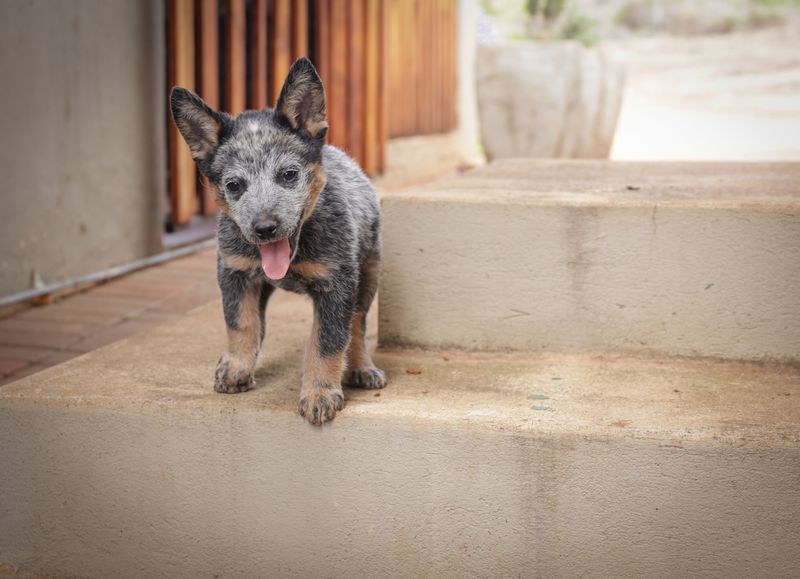
Long chore lists rarely impress a cattle dog. Developed to move cattle, this sturdy breed brings stamina and quick decisions.
That background can also mean chasing movement or nipping at heels.
Teach polite greetings early, particularly around children and running visitors. Supply structured exercise, reward based lessons, and supervised livestock introductions.
Free roaming is not a suitable job. On icy Michigan mornings, check paws after chores and offer a warm resting spot away from drafts.
5. Great Pyrenees: Built for Livestock Duty
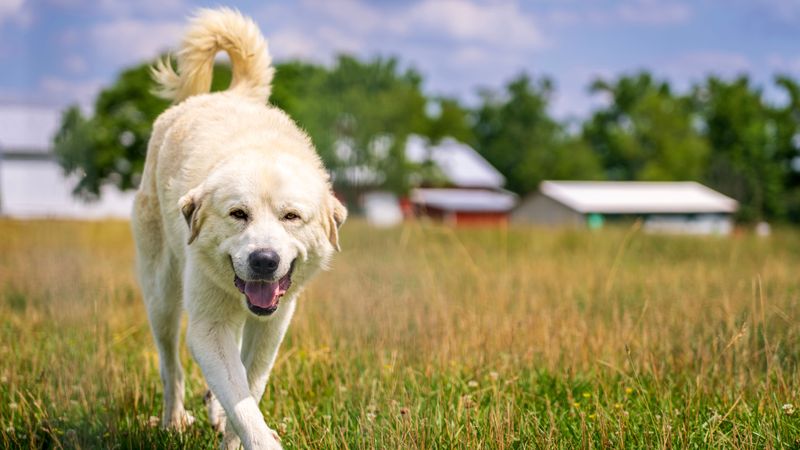
White fluff comes with an independent streak here. Great Pyrenees traditionally stay with livestock rather than gather animals like herding dogs.
Their nighttime barking can surprise owners expecting quiet country evenings.
Discuss nearby neighbors before choosing this breed for smaller acreage. Strong fencing matters because guardian dogs may wander beyond property lines.
Youngsters need patient livestock introductions and supervision. Thick coats suit cold weather, but Michigan summers require shade, water, and careful attention to heat.
6. Anatolian Shepherd: An Independent Farm Watcher
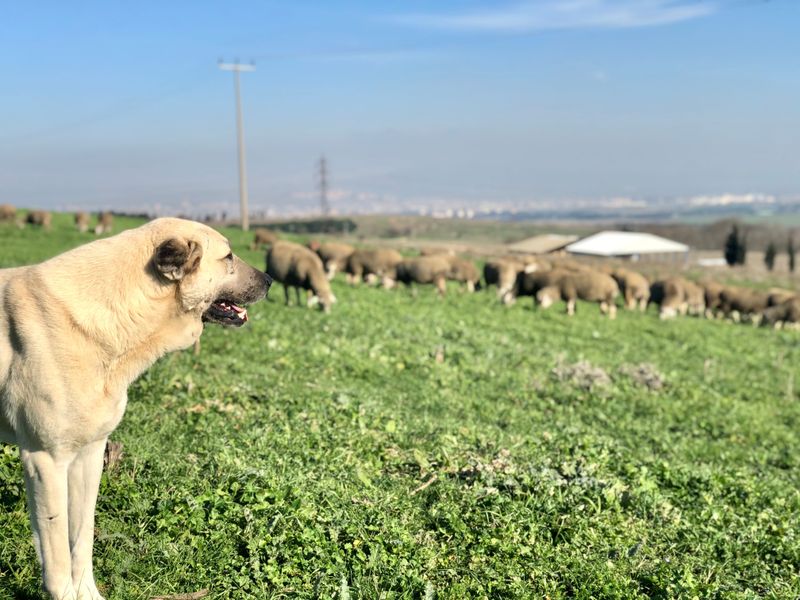
Quiet observation often replaces constant activity with this guardian. Anatolian Shepherds developed to watch livestock and make decisions independently.
They usually suit experienced homes with genuine livestock needs and secure boundaries.
Plan controlled introductions for guests, contractors, and visiting dogs. Their size makes early leash manners especially useful.
Do not expect instant obedience simply because they understand a request. Michigan farms also need weatherproof shelter, routine coat checks, and reliable veterinary care for these substantial workers.
7. Belgian Malinois: A Specialist, Not a Shortcut
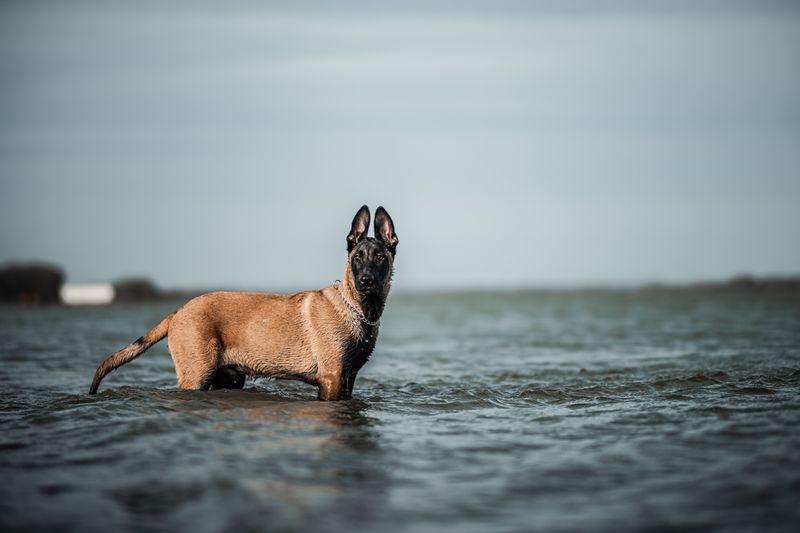
Fast feet are only half the story. Belgian Malinois need careful training, daily mental challenges, and owners who enjoy demanding work.
An empty orchard will not provide enough direction by itself.
Consider professional guidance before bringing one onto a busy rural property. Practice settling indoors as seriously as outdoor exercise.
Control access to livestock, vehicles, and visitors while skills develop. For most casual country households, another breed offers an easier match with far less management.
8. Labrador Retriever: Ready for Useful Errands
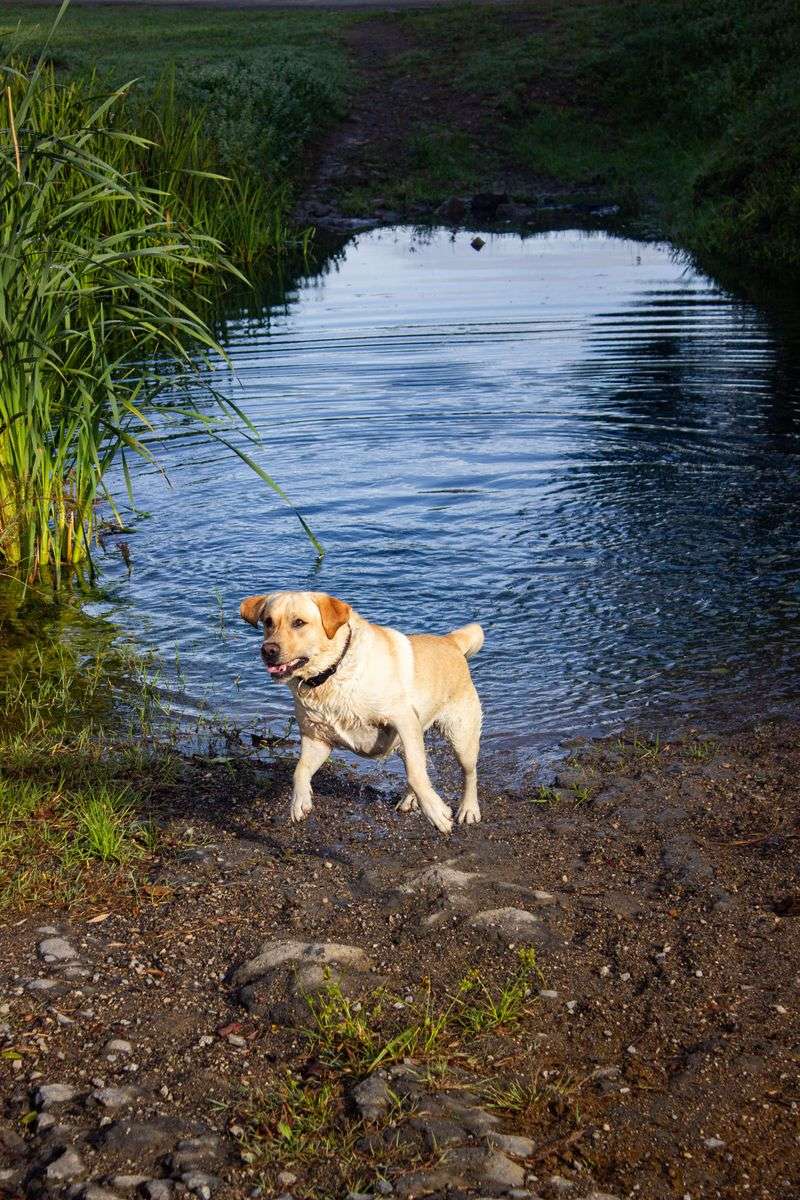
Fetching something useful beats stealing your work gloves. Labradors often enjoy retrieving games, scent tasks, and joining owners through daily routines.
They are sporting dogs, not livestock guardians or natural flock managers.
Teach a reliable recall before exploring unfenced land. Watch food portions, since extra weight makes active days harder.
Around Michigan ponds, supervise swimming and avoid water with suspected harmful algae. Dry ears after swims, and keep orchard chemicals secured well beyond curious noses.
9. Golden Retriever: A Welcoming Orchard Companion
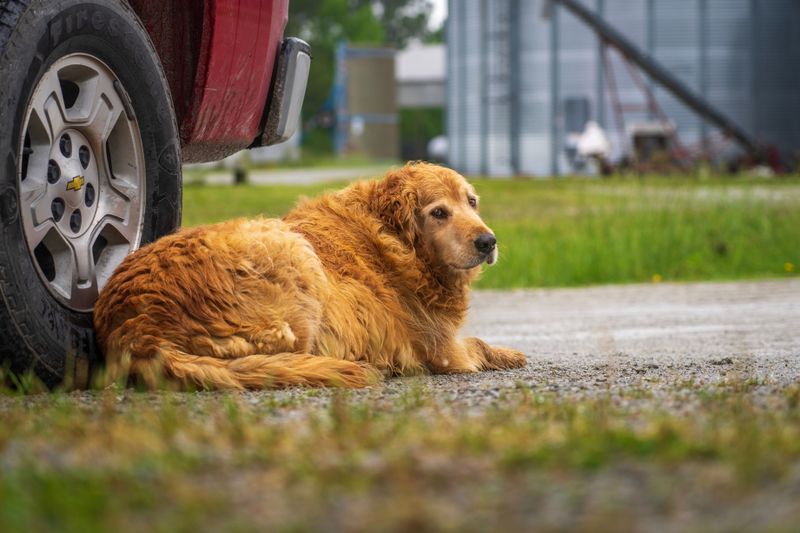
Company may matter more than chores to a Golden. Developed as retrieving dogs, they often enjoy carrying toys and learning helpful household tasks.
Their social outlook can suit rural homes welcoming regular guests.
Still, friendly intentions never replace training around children or livestock. Brush feathered coats after walks through burrs and tall grass.
Prevent snacking on fallen orchard fruit, especially spoiled apples. Ask about breed health testing, and build exercise gradually with your veterinarian’s guidance.
10. Rottweiler: Strength Needs Thoughtful Manners
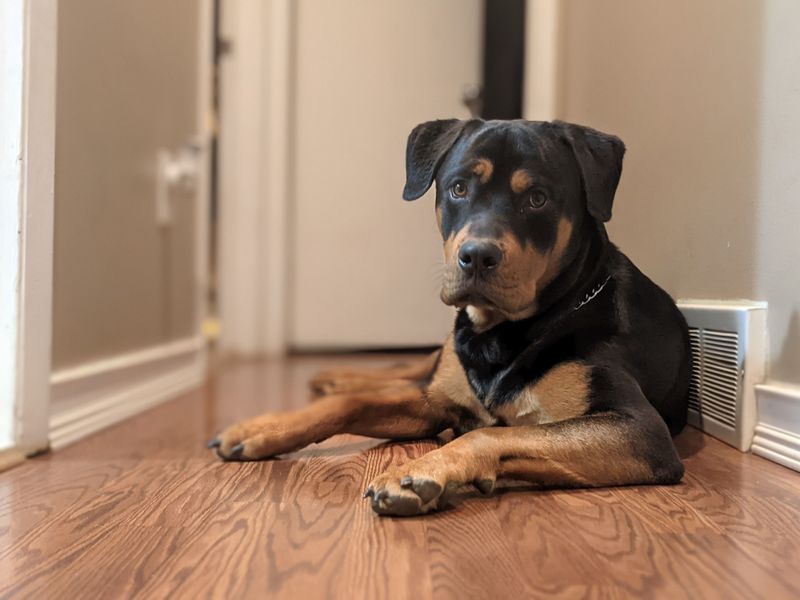
Good manners become especially valuable when your helper is powerful. Rottweilers have a history of cattle driving and cart work.
Today, structured obedience and close family involvement offer useful outlets for their abilities.
Teach loose leash walking and calm gate routines before habits become difficult. Supervise all interactions with children and unfamiliar animals.
Choose health tested breeding stock, including hip and elbow evaluations. In Michigan snow, remember that a short coat still needs sensible weather protection.
11. Bernese Mountain Dog: Cool Weather Chore Buddy
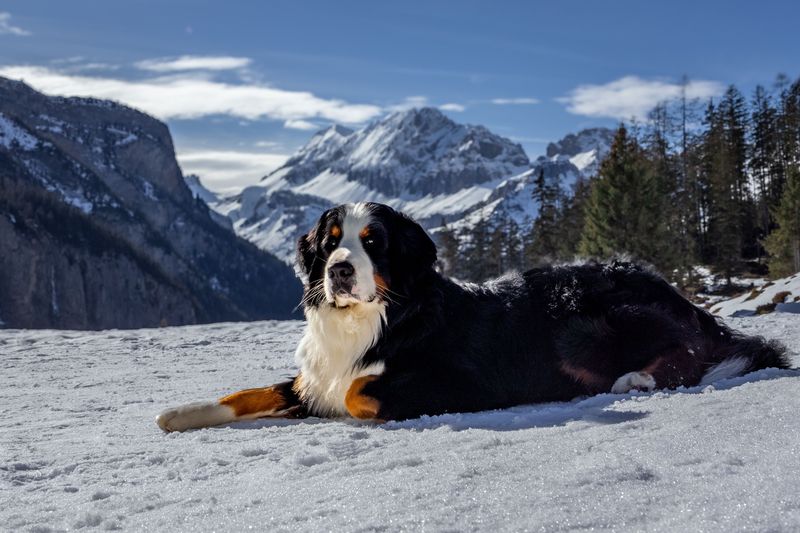
Snowy mornings can bring out a Berner’s cheerful side. These Swiss farm dogs historically helped with cattle and pulling carts.
Their thick coats and sturdy builds fit cool conditions better than summer heat.
Keep orchard outings gentle when temperatures rise, with frequent water breaks. Any cart work needs proper equipment, training, and veterinary approval after maturity.
Discuss joint health and cancer history with breeders. Budget for grooming, large dog expenses, and plenty of family time.
12. Standard Schnauzer: The Barnyard All-Rounder
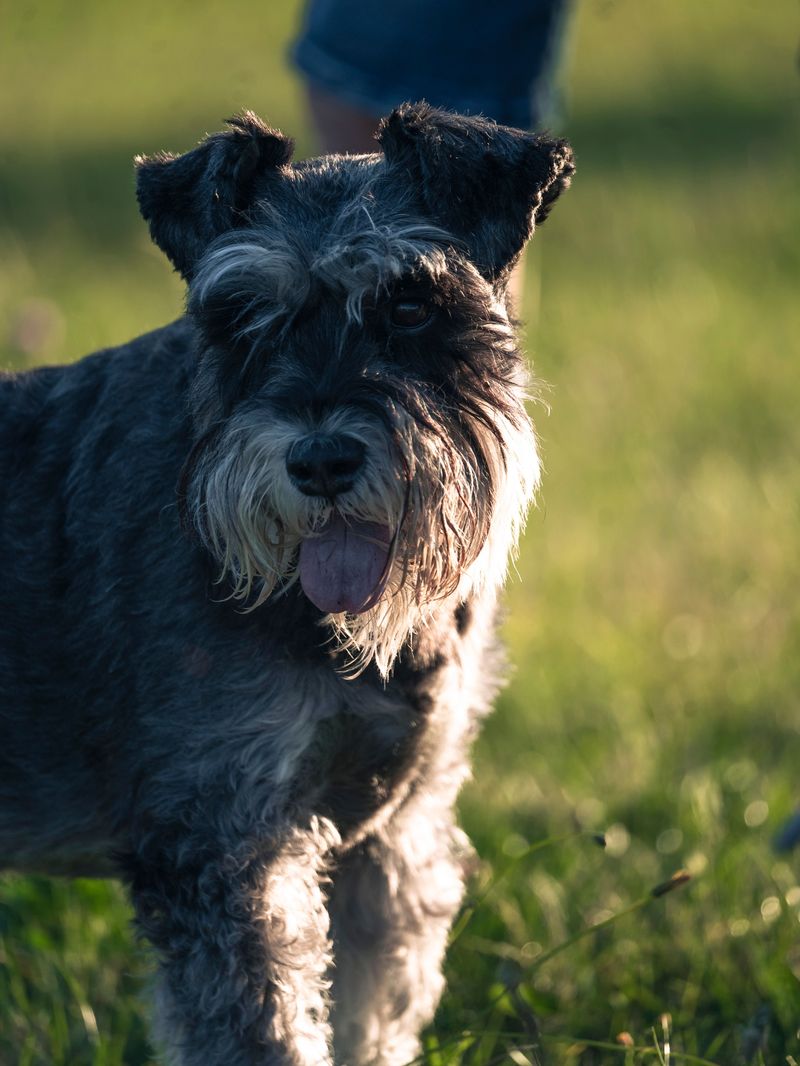
Those whiskers belong to a surprisingly versatile farm dog. Standard Schnauzers historically handled varied jobs, including watching property and controlling rodents.
Their medium size can appeal to owners wanting an active, sturdy companion.
Provide daily lessons and games rather than expecting automatic barn manners. Small animals need secure separation because chasing instincts can appear quickly.
Regular grooming keeps the wiry coat manageable. Check beards after muddy Michigan outings, and store feed where neither dogs nor wildlife can reach.
13. English Springer Spaniel: Follow That Scent
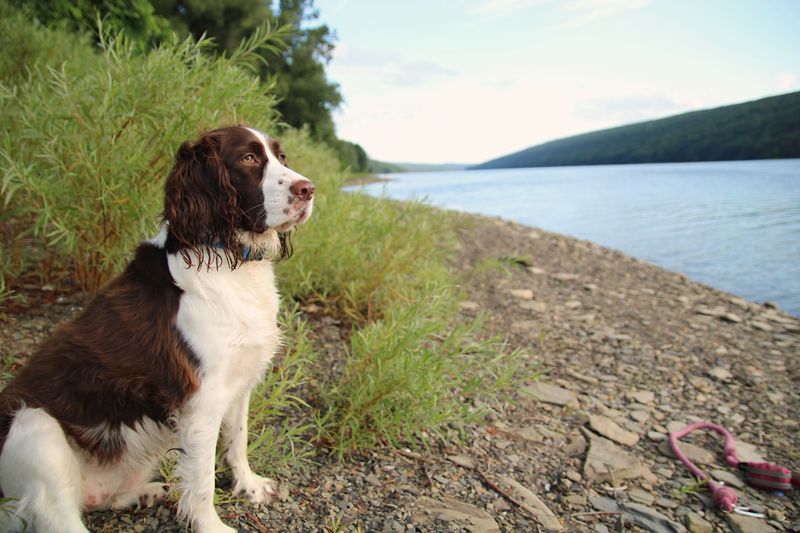
A grassy path becomes a newspaper for that busy nose. English Springer Spaniels were bred to find and flush game birds.
Scent games offer a practical outlet without requiring a hunting household.
Practice recall in fenced spaces before trusting orchard distractions. Poultry need protection and carefully managed introductions, not hopeful guesses.
After Michigan field walks, check ears, feet, and feathering for burrs and ticks. Ask your veterinarian about prevention suited to your property and seasonal activities.
14. German Shorthaired Pointer: Mileage With a Mission
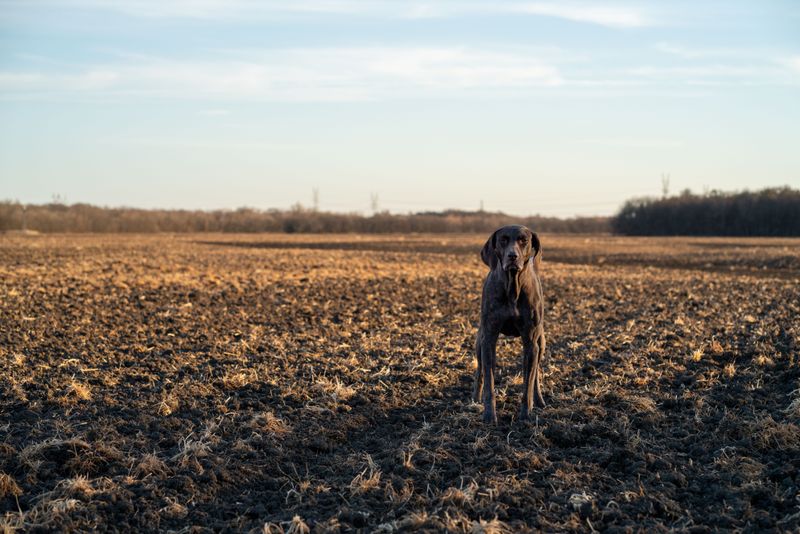
Open fields invite a long stride from this athlete. German Shorthaired Pointers need substantial exercise paired with training and rest.
Their bird hunting background means wildlife can quickly capture their attention.
Use secure fencing and a long line while building recall. Keep chickens safely separated, and never treat roaming as exercise.
A short coat offers limited protection during Michigan cold snaps. Choose indoor recovery after outings, and discuss safe activity levels with your veterinarian before increasing mileage.
15. Rat Terrier: Little Dog, Real Farm Roots
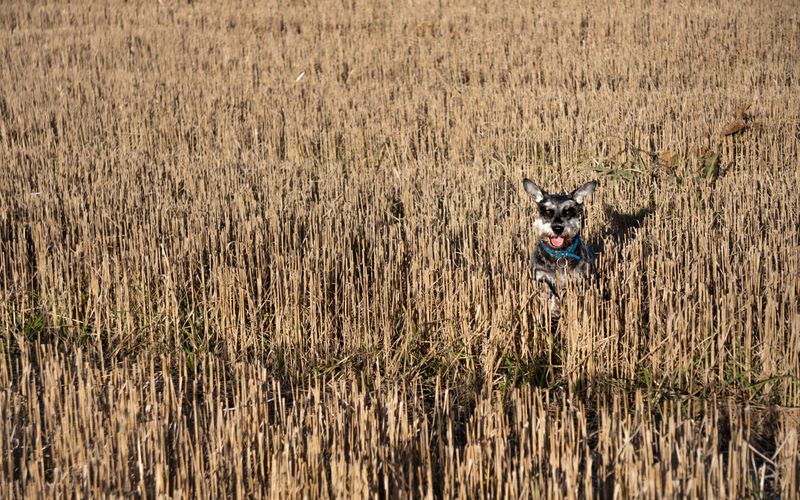
Small paws can carry plenty of farmyard confidence. Rat Terriers have American farm roots and a strong interest in chasing rodents.
Their compact size suits many rural homes, provided exercise and training stay consistent.
Secure fence gaps, supervise digging, and protect small pets from unwanted pursuit. Avoid rodent poisons that could expose dogs through bait or wildlife.
Add warm clothing when Michigan weather turns chilly. Match the job, grab the leash, and enjoy your acreage together.