What California Law Says About Dog Custody After Divorce Or Separation
When a relationship ends, one of the hardest questions can be simple: who keeps the dog? If you live in California, the law gives you a clearer answer than you might expect.
Courts can now look at how your dog is cared for, not just who paid for it. Here is what every local dog owner should know, explained in plain and friendly terms.
1. Section 2605 Sets the Rules
Every big change starts with a rule on paper. In California, that rule is Family Code Section 2605.
It guides judges when couples disagree about pets during divorce or legal separation.
Before this law, many judges treated pets much like a couch or a car. Now they have clear permission to think about the animal’s well-being.
Knowing the section number helps you talk clearly with a lawyer or mediator about your situation.
2. A Fresh Start in 2019

Mark January 1, 2019, on your mental calendar. That is the date Section 2605 officially took effect in California.
Lawmakers passed it because many families saw their dogs as true companions, not just belongings. The change gave courts a new way to handle these emotional disputes.
If your case was settled before 2019, older rules may have applied. For newer cases, this law is part of the conversation.
A family law attorney can explain how timing affects you.
3. Still Property, But Special Property
Here is a surprising twist. California law still classifies dogs as property, just like other things a couple owns.
However, Section 2605 adds something special. Judges may consider how the dog is cared for when deciding who gets it.
That makes a dog very different from a lamp or a bank account.
Think of it as a middle path. The legal label stays the same, but the heart of the decision now includes your dog’s daily needs.
4. Household Pets in Community Property
Not every animal falls under Section 2605. The law covers pet animals that are community property and kept as household companions.
So the dog snoozing on your couch likely counts. Animals used for business, like livestock or breeding stock, are generally treated differently.
Service animals may also follow other rules.
If your dog has a working role or business purpose, ask a family law professional how the law may apply. Details matter here.
5. Puppies Adopted During Marriage
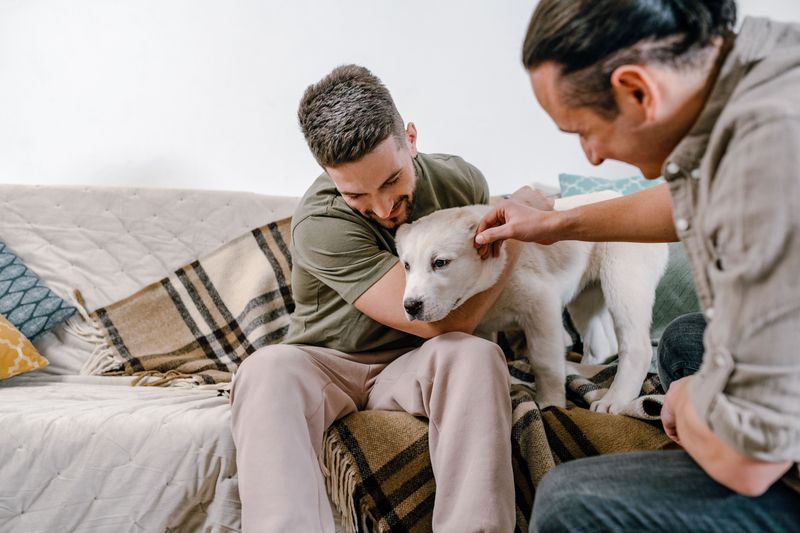
Picture the day you and your spouse picked out a puppy together. Under California law, a dog acquired during marriage is generally presumed to be community property.
That means both spouses are usually seen as having an ownership interest. It does not matter much whose name is on the adoption form.
There are exceptions, though. For example, if separate funds paid for the dog, the picture could change.
Keep your records handy just in case.
6. Your Dog Before the Wedding
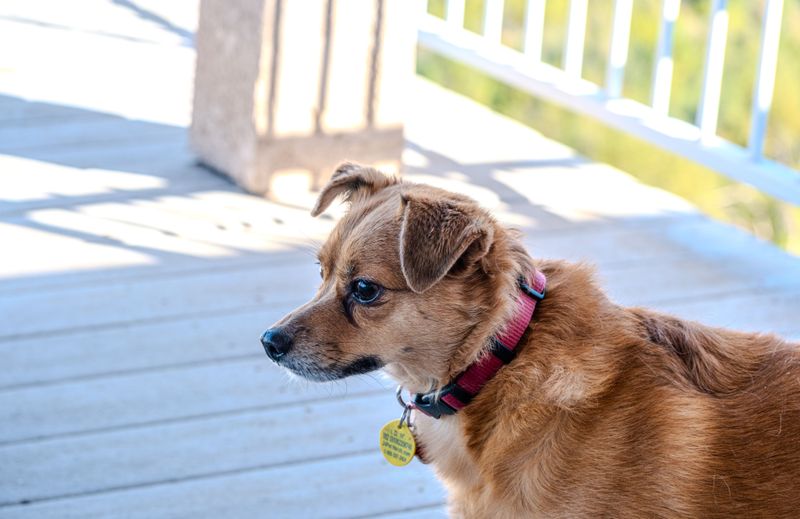
Did your loyal pup trot into the marriage with you? Dogs owned before marriage generally stay the separate property of their original owner.
Even if your spouse helped with walks, feeding, or vet visits, that usually does not change the dog’s status by itself.
Since Section 2605 applies to community property pets, a separate property dog is often handled differently. Old adoption papers or vet records from before the wedding can help show ownership.
7. Gifts and Inheritances Count Too

Sometimes a dog arrives as a present. Maybe a parent gave you a puppy, or you inherited a beloved family dog.
In California, a dog received individually as a gift or inheritance generally qualifies as separate property. The key word is individually.
A gift to both spouses may be treated as shared.
A card, a message, or a will can help show who the gift was meant for. Save those small details.
8. One Owner Can Win It All

Sometimes the cleanest answer is one home for the dog. Under Section 2605, a court may award sole ownership of a community property dog to one spouse.
This often happens when one person has handled most of the care. It can also make sense when spouses live far apart.
Sole ownership gives the dog one steady household. For many dogs, that routine brings comfort during an unsettled time for everyone involved.
9. Sharing Is Possible

Some former couples manage to share well. California courts may award joint ownership of a dog when it fits the situation.
Unlike child custody, there is no automatic visitation schedule for pets. So if you plan to share, write the details into your divorce agreement.
Spell out pickup times, holidays, and who pays vet bills. Clear terms now can prevent confusion and arguments later.
Your dog benefits from that calm, too.
10. Care Comes First for Judges
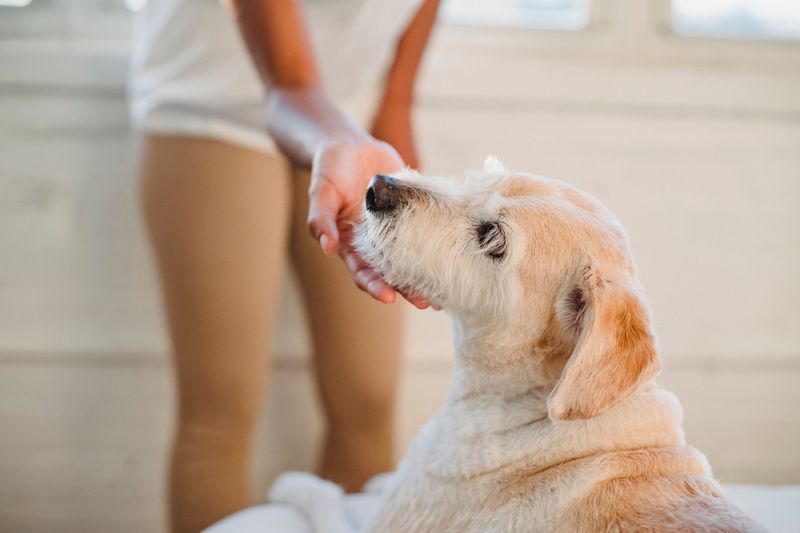
Here is the heart of the law. When judges use Section 2605 to assign ownership, they consider the dog’s care.
That shifts the focus from receipts to real life. Who feeds the dog each morning?
Who notices when something seems off?
Judges often weigh daily caregiving more than paperwork alone. Photos, vet records, and receipts for food can all help tell your story.
Gather them calmly and keep them organized.
11. Food, Water, and Vet Visits
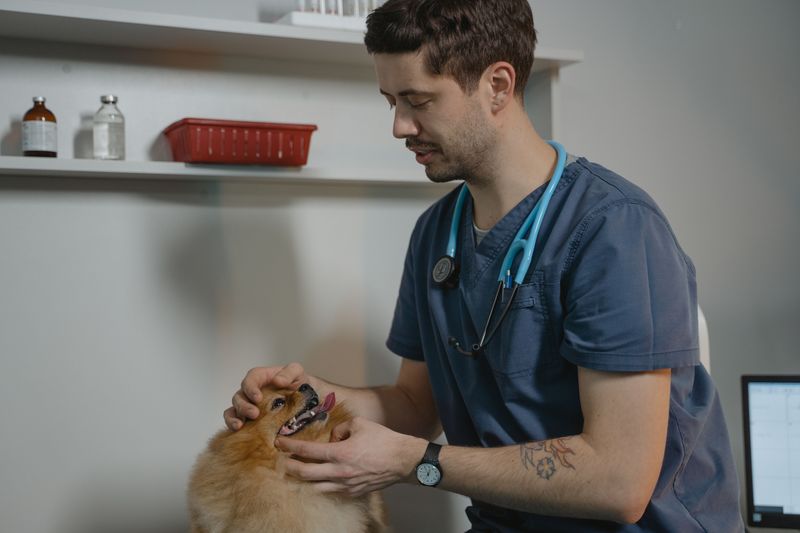
What does good care actually look like? Section 2605 spells it out in practical terms.
Care includes providing enough food and water. It also includes getting veterinary treatment when the dog needs it.
Simple habits count. Regular checkups, vaccinations, and filling prescriptions all show steady attention.
If you usually handle vet trips, ask your clinic for copies of visit records. These everyday details can speak loudly about your role in your dog’s life.
12. A Safe Place to Call Home
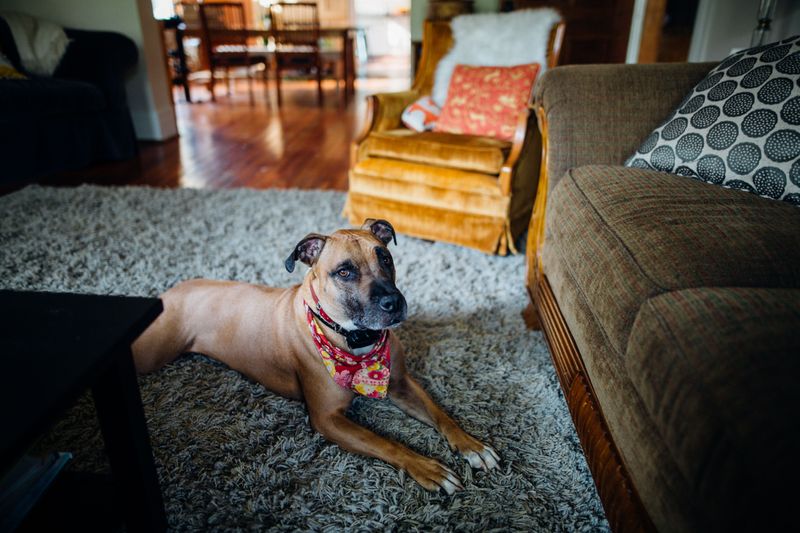
A dog needs more than meals. Courts may consider whether each spouse offers safe and protected shelter.
That might mean a secure yard, a pet-friendly lease, or a calm indoor space. A tiny apartment with a strict no-pets rule could raise questions.
If you are moving, check your new housing rules early. Showing that your home welcomes and protects your dog can strengthen your case and give you peace of mind.
13. Protection From Harm Matters
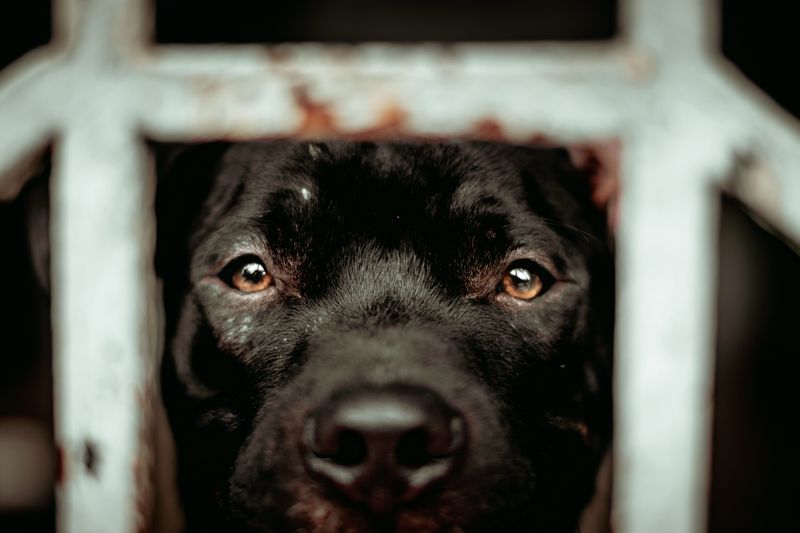
Every dog deserves to feel safe. Under Section 2605, protecting a dog from abuse, neglect, and cruelty is part of proper care.
The law refers to the standards found in California Penal Code Section 597. Judges can take any history of mistreatment into account.
If you have concerns, document them calmly with dates and facts. Share them with your attorney.
Courts take a dog’s safety seriously when deciding where it should live.
14. Temporary Orders Keep Things Steady

Divorce can take months, and dogs still need dinner every night. Either spouse may ask the court for a temporary order requiring one party to care for the dog.
These orders bring stability while the case moves forward. They can also help prevent a dog from being sold, hidden, or moved without permission.
If things feel uncertain at home, ask your attorney whether a temporary order makes sense for you.
15. Temporary Does Not Mean Final
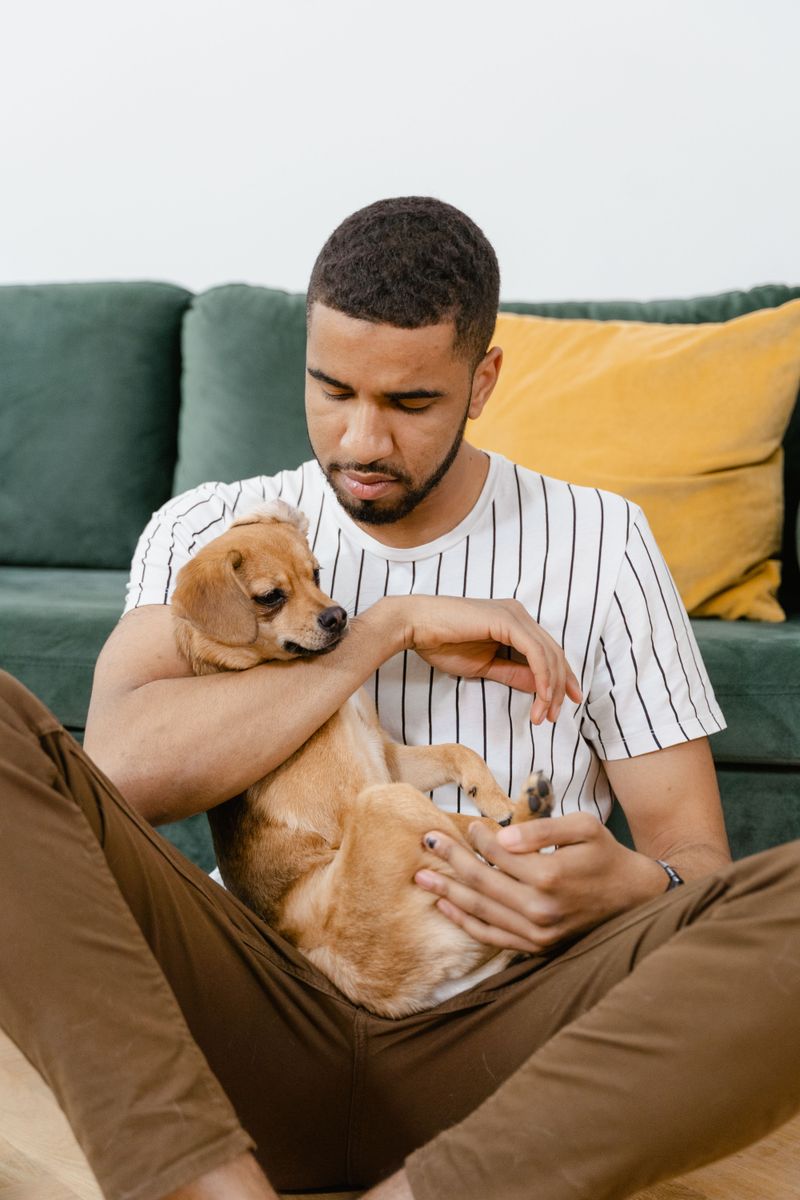
Getting the dog for now feels great. Still, a temporary care arrangement does not automatically decide final ownership.
The court can look at the whole picture before making a lasting decision. That includes care given before and during the case.
So stay consistent either way. If you have the dog temporarily, keep providing excellent care.
If you do not, stay respectful and keep records of your past involvement. Patience often pays off.
16. Equal Splits Are Not Required

California usually splits community property equally. Dogs are a clear exception.
Courts are not required to divide ownership of a community property dog evenly between spouses. After all, you cannot cut a dog in half.
This flexibility lets judges choose what works best for the animal’s care. It also means the person who did more caregiving may keep the dog without having to trade other assets dollar for dollar.
17. Not the Same as Child Custody
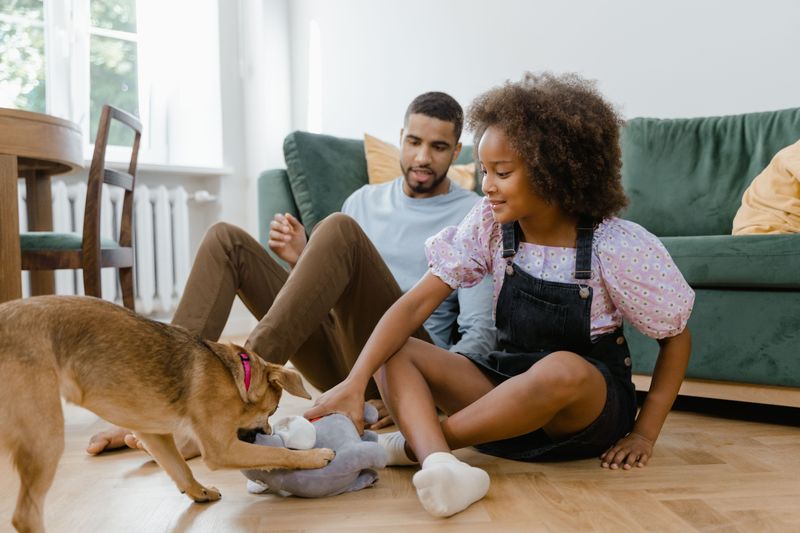
Many owners call their dogs fur babies. Even so, the law treats pets and children differently.
Pet ownership decisions do not follow the custody and visitation rules used for kids. There is no formal best interest of the pet standard like there is for children.
Courts focus on care, but the process is simpler. Keep your expectations realistic.
Any visiting schedule usually comes from your own agreement, not an automatic court plan.
18. Registered Domestic Partners Are Covered
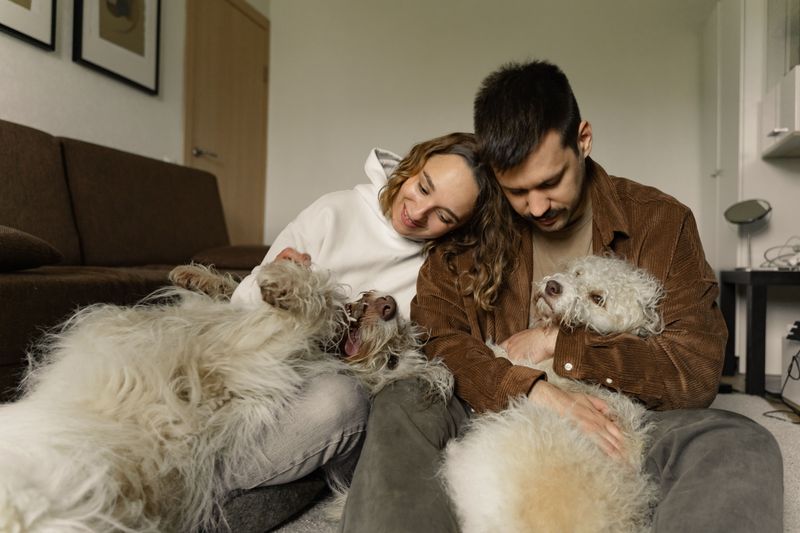
Good news for registered domestic partners in California. You generally have the same pet ownership protections as married spouses.
When a registered partnership ends through dissolution or legal separation, Section 2605 can apply. Judges may consider your dog’s care just as they would in a divorce.
Make sure your partnership is properly registered with the state. If you are unsure about your status, a quick check with the California Secretary of State can help.
19. Unmarried Couples Follow Property Rules

Living together without marriage or registration? Section 2605 generally does not apply to you.
Instead, disputes are usually settled through ordinary property law. That means proof matters most: adoption papers, purchase receipts, microchip registration, and license records.
A smart tip is to put ownership in writing now, while things are friendly. A simple pet agreement can save stress later.
Rules for small claims or civil cases may vary, so ask a local attorney.
20. Extra Protection in Unsafe Situations

Safety comes first for people and pets alike. In domestic violence cases, California courts can step in for animals too.
Under Family Code Section 6320, a judge may grant one party exclusive care, possession, or control of a dog. The court can also order the other person to stay away from the animal.
If you feel unsafe, reach out to local advocates or the court self-help center. Help is available for your whole household.