Moving Across Ohio With A Dog Means Rechecking Local Paperwork, Not Just Changing The Tag

Moving to a new Ohio county is exciting, and your dog is coming along for the adventure. But a new address often means new local rules, not just a fresh tag on the collar.
Counties, cities, landlords, and neighborhoods can each ask for different papers. Think of this as a friendly checklist from someone who has sorted through the stack before, so you and your pup can settle in calmly.
1. Renew in Your New County When the Old License Expires

Mark January 31 on your calendar. Every Ohio dog three months and older needs a license renewed each year by that date.
Once your original county license expires, the renewal happens in your new county. Renewal season usually runs from December 1 through January 31.
Missing the window can bring a late penalty, sometimes a doubled fee. Some counties also charge more for dogs that are not spayed or neutered, so ask about local rates.
2. Bring the Rabies Certificate Your Health District Wants
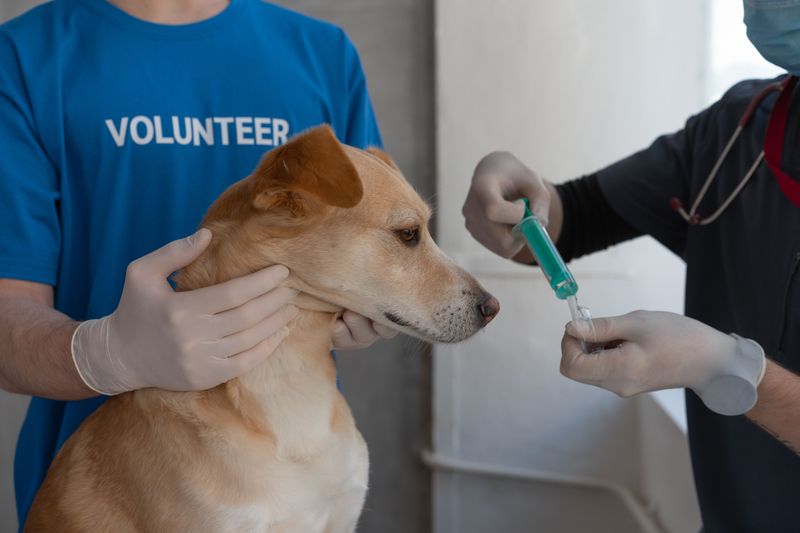
Here is a surprise for many newcomers. Ohio has no single statewide rabies rule for every dog, but many local health districts require one.
Counties such as Cuyahoga, Summit, Stark, Lake, and Mahoning have mandatory vaccination rules. Franklin County requires vaccination before you can buy a license.
Keep a signed certificate from a licensed veterinarian handy. It should list your name, your dog’s details, and the vaccination date.
Your local health district can confirm timing.
3. Medical Exemptions Need a Vet’s Written Statement
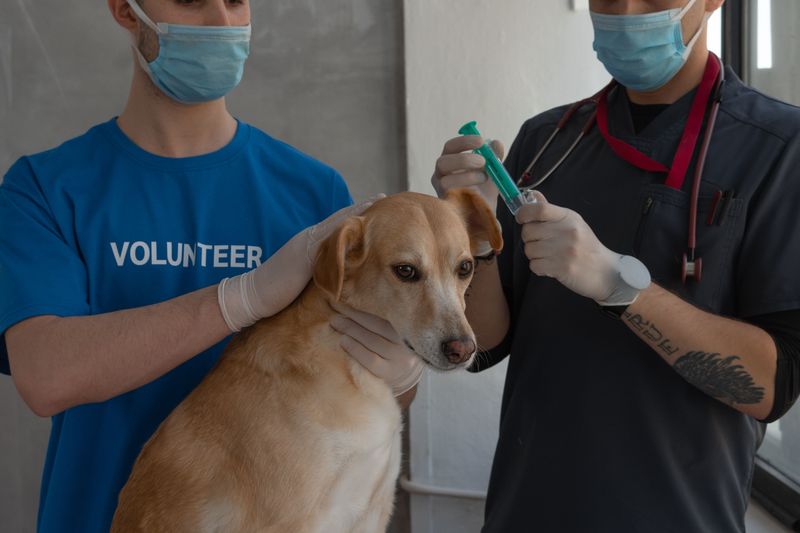
Some dogs, especially older pups or those with certain health conditions, may not safely receive a rabies shot on schedule.
Ohio recognizes a statement from a licensed veterinarian when vaccination is medically inadvisable. That letter is accepted for certain requirements, including dangerous dog registration.
Ask your vet for a dated, signed note explaining the exemption. Then check with your new health district, since local acceptance and renewal timing can differ between areas.
4. Count Your Dogs Before Signing for the New Place

Your old town may have welcomed your three dogs without a second glance. Your new one might not.
Ohio leaves pet limits to cities and counties. Many towns allow two to five dogs, often not counting young puppies.
Union and Rocky River, for instance, set lower household limits.
Some places may offer a special permit for larger households. Call the city zoning office or animal control before moving day to avoid surprises.
5. Update Your Address With the County Auditor

Dog licenses in Ohio are handled by county auditors, not the state. So your first call after moving should go to the auditor’s office.
Staying in the same county? A quick call or form usually updates your address.
Franklin County, for example, offers a change of address form.
Moving to a different county gives you 30 days to transfer registration. Many counties do this free within the same license year, keeping your existing tag number on file.
6. Breeders Should Check County Kennel Registration

Running a small breeding program? Your paperwork list just grew a little longer.
Kennel rules in Ohio vary widely by county. The number of dogs, the facility size, and the type of operation can all affect what registration applies.
Rather than guessing, contact the new county’s animal control, planning, or zoning office directly. Ask what forms, inspections, or fees apply to your setup.
Getting answers early keeps your business running smoothly.
7. Zoning Approval Comes Before the Kennel Sign

A property that looks perfect for a kennel might sit in a zone that does not allow one. That happens more often than people expect.
Local zoning rules decide where kennels can operate, and they differ between cities, villages, and townships.
Before buying or leasing land, ask the local planning or zoning department about kennel use. Request any approval in writing.
A short conversation now can save a costly relocation later.
8. Look Up Dog Park Permits in Your New Town

Finding the neighborhood dog park is often a favorite moving day reward. Just know that entry rules are set locally.
Some Ohio cities run open parks. Others ask for a membership, a yearly permit, or a key fob.
Visit your city’s parks and recreation website or office to learn the process. Ask about fees, renewal dates, and whether residents get different pricing.
A quick check keeps your first visit stress free.
9. Carry Shot Records for Park Visits
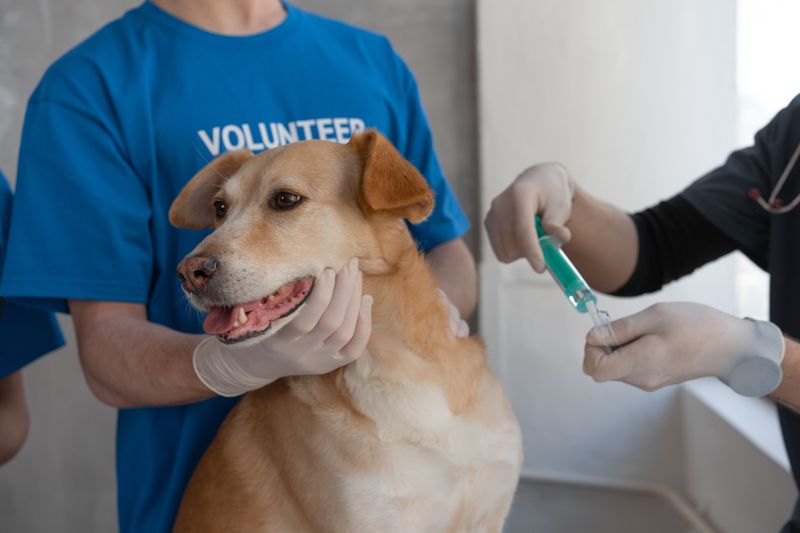
Imagine arriving at a new park and being asked for proof of shots. Having it ready makes things easy.
Vaccination rules for dog parks are usually set by each city or park authority. Ohio State Parks, for example, expect dogs to wear a rabies tag.
Save digital copies of your dog’s records on your phone. Ask the park office which vaccines they require, since some request more than rabies alone.
10. Assistance Dogs May Qualify for Fee Exemption

Ohio offers a helpful benefit for assistance dog handlers. With proof that your dog is an assistance dog, license fees are waived.
That registration is permanent and does not need yearly renewal. Tags read Ohio Assistance Dog, Permanent Registration.
Lost tags can be replaced at no cost.
Registration is voluntary and is not required for public access rights. Still, bring your training documentation when updating records with your new county auditor.
11. Keep the Dangerous Dog Registration Certificate Close

Most owners never need this section. If your dog carries a formal dangerous designation, though, extra steps apply.
Ohio requires separate registration with the county auditor, in person, alongside the regular license. Expect to show a microchip number, rabies details, and your driver’s license.
A special tag is issued and must stay on the collar. Fees vary by county, and some now charge 100 dollars.
Renew by January 31 each year.
12. Send Written Notice to the Old County
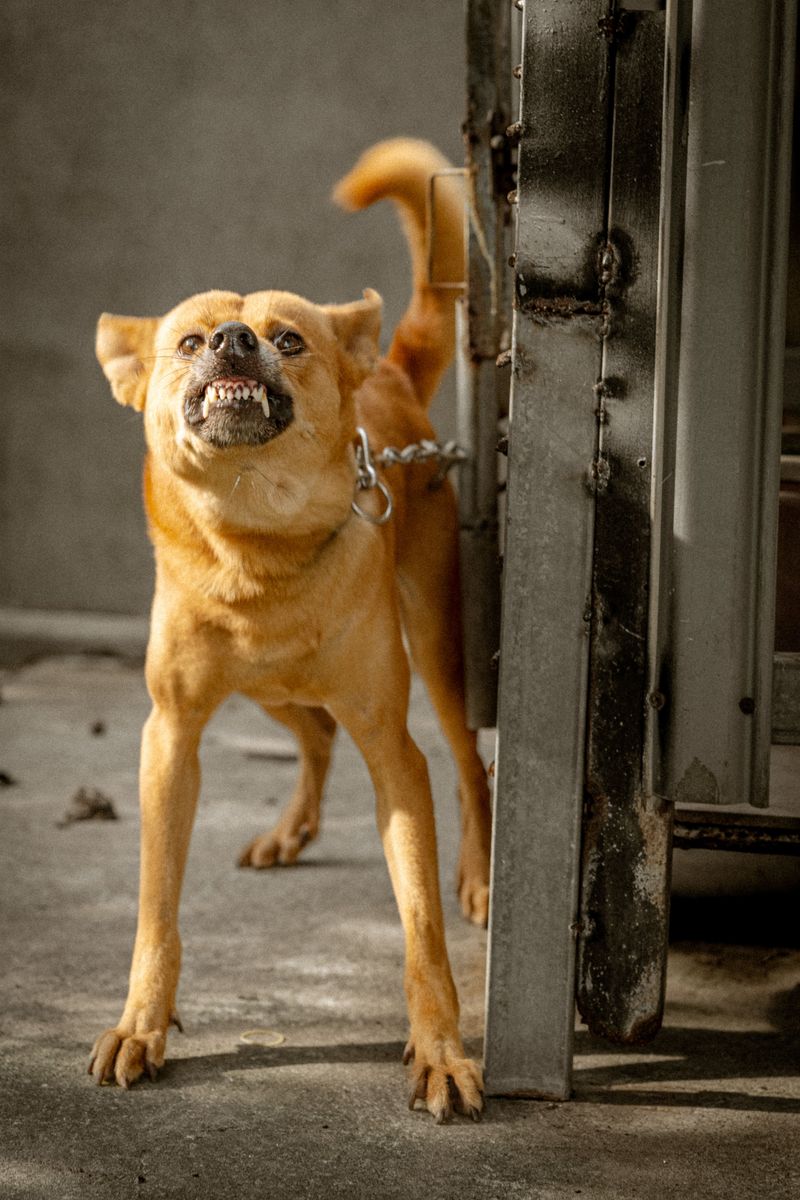
Leaving a county does not end your responsibilities there right away. For a dog with a dangerous or vicious designation, your old auditor needs to know.
Ohio law asks for written notice of your new address within ten days of moving. A simple dated letter works well.
Keep a copy for your records. Sending it by trackable mail gives you proof that the notice arrived on time.
13. Introduce Yourself to the New County Auditor
Two offices, one deadline. The same ten day window applies to your new county as well.
Provide written notice of your new address plus a copy of your original dangerous dog registration. That lets the new auditor add your dog to local records.
When the original registration expires, you renew it in the new county. Calling ahead helps, since offices may prefer certain formats or appointment times.
14. Spay or Neuter Proof, or a Vet Exemption
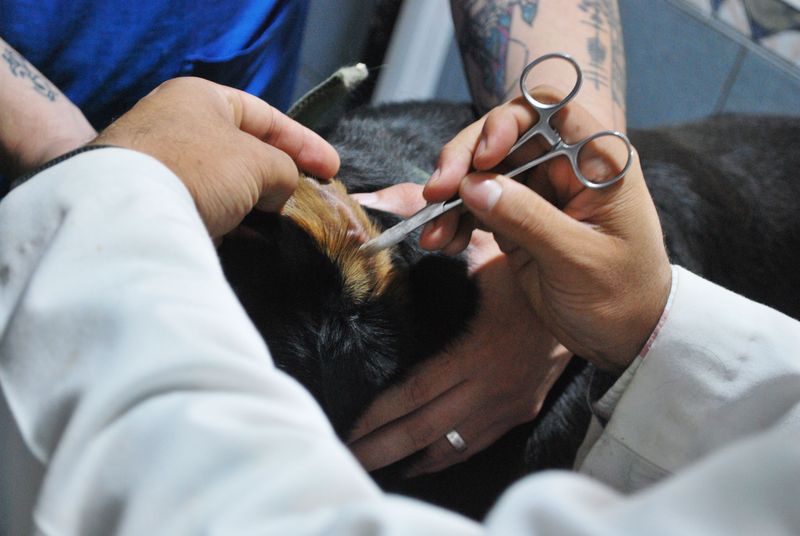
Paper proof matters here. Dogs with a dangerous designation in Ohio generally must be spayed or neutered at the owner’s expense.
During registration, you provide satisfactory evidence, such as a certificate from your veterinarian.
If the surgery is medically inadvisable, a licensed vet can write a statement explaining why. Store either document with your registration papers.
Moving folders can get shuffled, so a dedicated envelope helps.
15. Microchip Numbers Belong in Your Paperwork
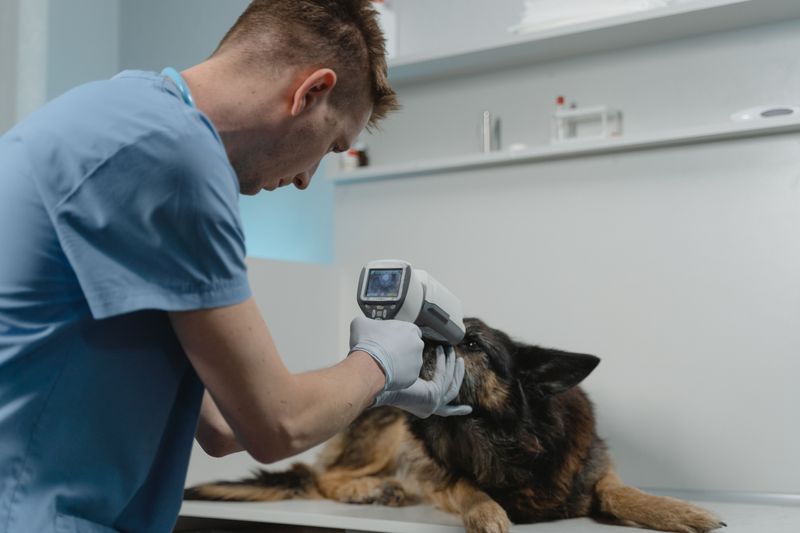
Fun fact: a microchip is about the size of a grain of rice, yet it carries lasting identification.
Ohio requires dogs with a dangerous designation to be permanently identified this way. You will need the microchip number when registering.
Ask your vet to scan and confirm the number before you move. Then update the chip company with your new address, so the contact details match your county records.
16. Post the Warning Signs Again
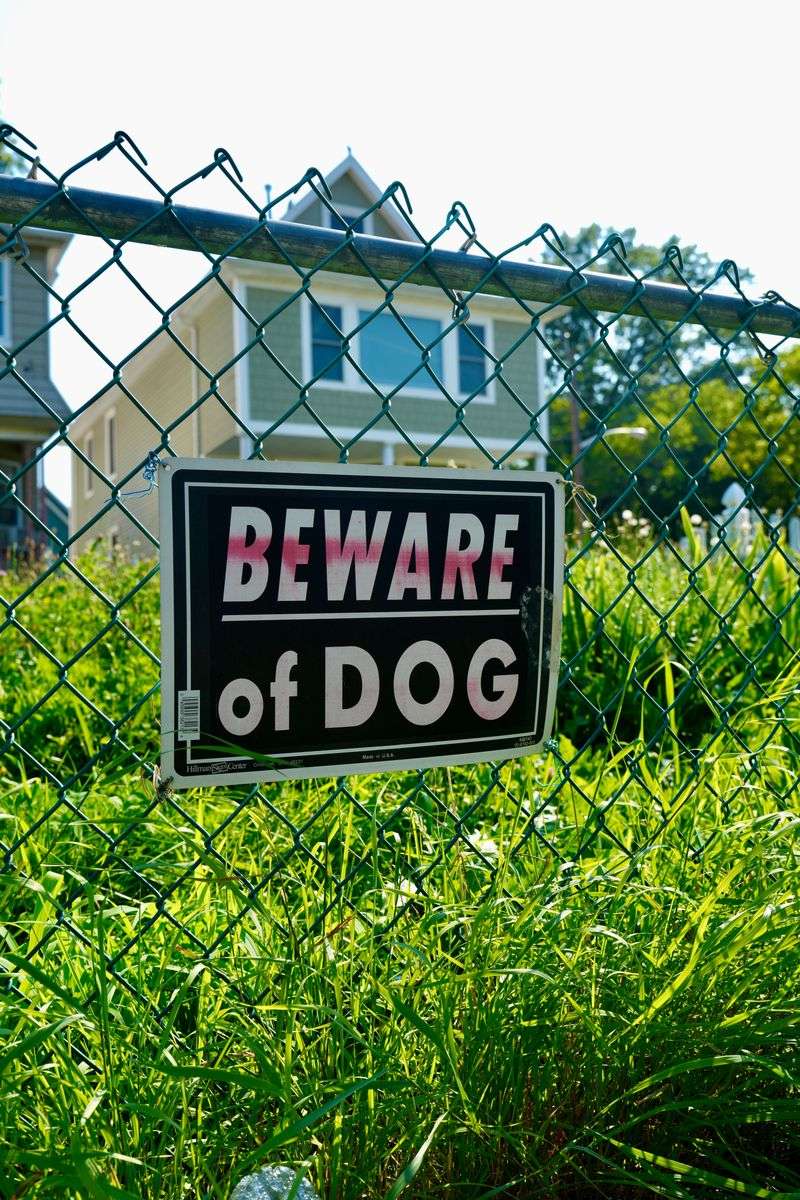
Your old signs probably stayed on the old fence. A new home means putting them up again.
Ohio requires owners of dangerous dogs to post clear warning signs that both children and adults can understand.
Registration asks for evidence that signs are posted and will remain. Snap a dated photo of each sign once installed.
That small step makes your county paperwork simple and shows you are following the rules.
17. Show Your Secure Enclosure Meets the Standard
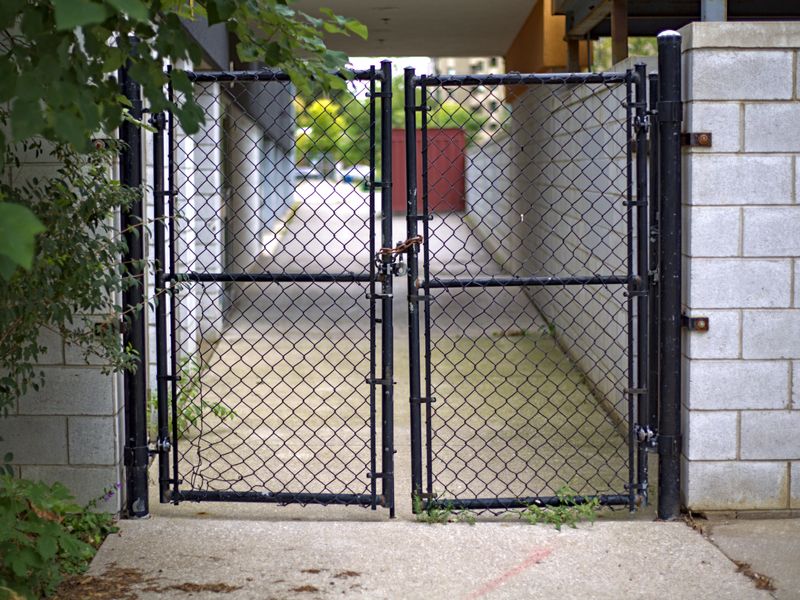
Ohio sets clear confinement standards for dangerous dogs. Outdoors on your property, the dog must stay in a locked pen with a top, a locked escape-proof yard, or similar enclosure.
Off property, a chain leash no longer than six feet is required, plus control, tethering, or a muzzle.
Local offices may ask for photos or an inspection. Call ahead to learn what proof your new county expects.
18. Liability Insurance Proof Should Travel With You

Insurance rules have shifted recently. Under Avery’s Law, owners of dogs designated dangerous or vicious must carry at least 100,000 dollars in liability coverage.
The policy must come from an insurer authorized in Ohio. Officers, dog wardens, or health officials may ask to see proof.
When moving, update your policy address and keep a printed copy handy. Your insurance agent can confirm coverage details for your new home.
19. Read the Pet Addendum Before Signing a Lease

Landlords in Ohio can set their own pet policies. That may include breed, size, or number limits, plus deposits or fees.
Look for a pet agreement or lease addendum. It might ask for license copies, vaccination records, and proof of identification.
Assistance animals are different under federal and state law. Landlords generally cannot charge pet fees or apply breed limits for them, though tenants still cover actual damage.
20. Check HOA Covenants for Pet Approval

A charming subdivision may come with its own rulebook. Homeowners associations set pet policies through bylaws, declarations, and community rules.
Some limit the number or size of dogs. Others ask owners to register pets or get approval first.
Request the governing documents before closing on a home. Read the pet sections carefully and ask the board any questions.
Clear answers now help you feel at home sooner.