14 Coat, Ear, And Paw-Care Habits Florida Dogs Need After Weeks Of Rain
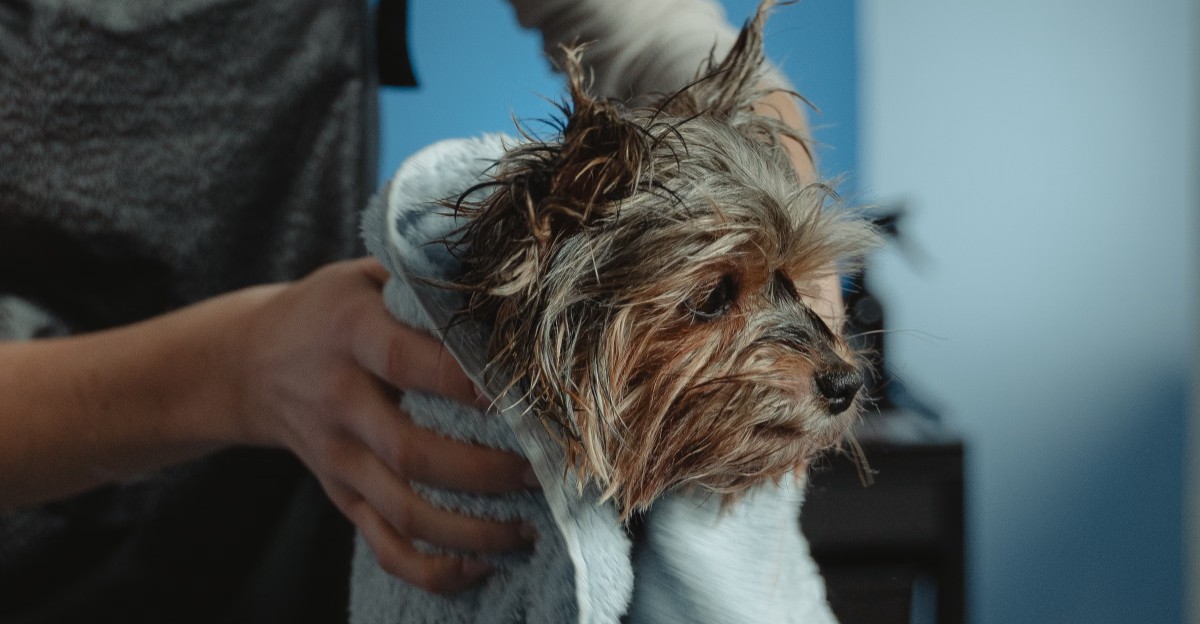
Weeks of Florida rain can leave your dog carrying more than muddy footprints through the door. Damp fur, wet ears, and gritty paws need a little extra attention, especially when sunshine barely returns between showers.
You don’t need a complicated grooming routine to keep your dog comfortable. A few steady habits can help you catch small changes early and make those soggy walks easier on everyone.
1. Check Your Dog’s Coat After Every Rainy Walk
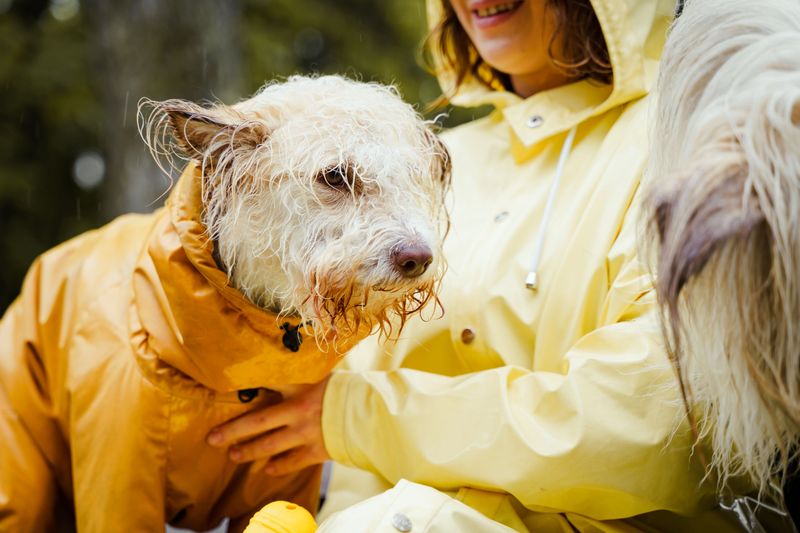
A quick doorway check can reveal what a wet coat hides. Run your hands gently over your dog’s back, belly, legs, and tail.
Part thicker fur to look for trapped leaves, ticks, redness, or tender areas.
Pay attention when your dog pulls away from a familiar touch. That reaction may signal discomfort worth checking more closely.
Keep a towel near the entrance so this small inspection becomes part of coming home after every rainy neighborhood walk.
2. Dry the Undercoat to Prevent Lingering Dampness
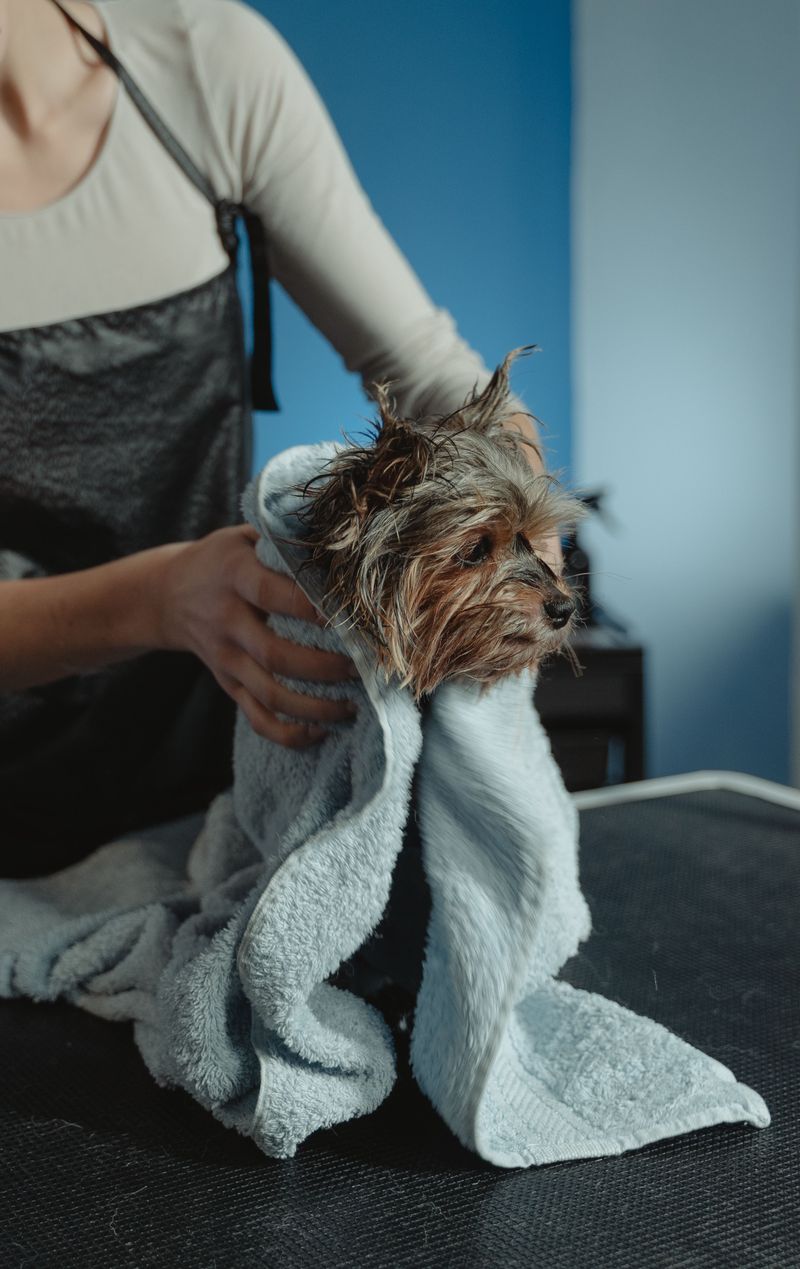
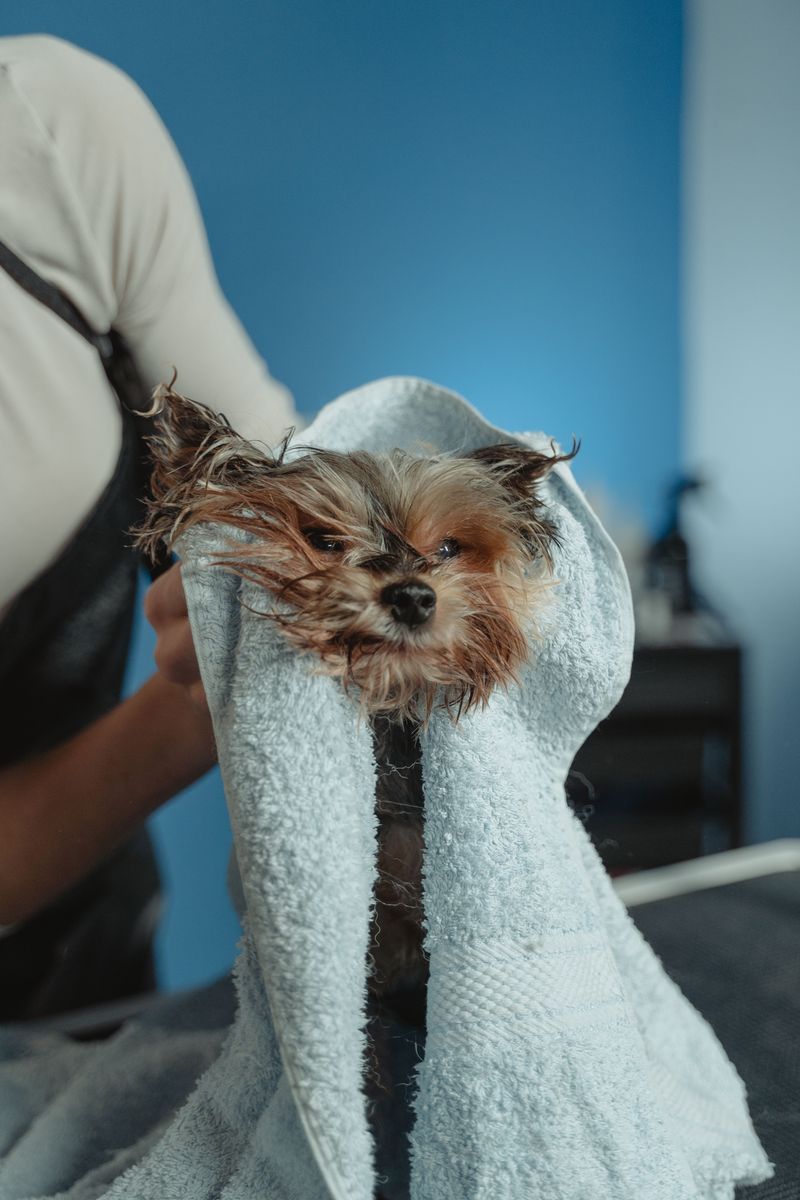
Fluffy fur can feel dry outside while staying damp near the skin. Blot with an absorbent towel instead of rubbing hard.
Gently separate dense sections around the chest, belly, and hindquarters.
Replace soaked towels rather than spreading moisture around. If your dog tolerates a pet dryer, use cool airflow and keep it moving.
Avoid hot settings and unattended drying. Florida’s humid air can slow drying, so check the deeper coat again before your dog settles down.
3. Brush Away Mud Before It Dries
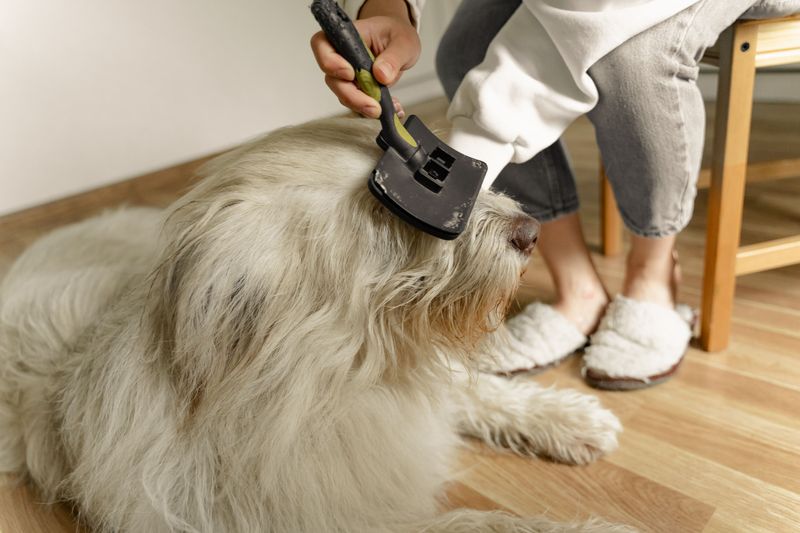
Muddy splashes become harder to manage once they cake onto fur. Rinse heavy mud first, since brushing gritty clumps can tug hair and scrape skin.
Blot away excess water before working through loose debris.
Choose a brush suited to your dog’s coat and use short, gentle strokes. Stop whenever the brush catches.
Hold longer hair near its base to reduce pulling. For stubborn patches, soften them with lukewarm water rather than forcing a comb through knots.
4. Check for Mats Behind the Ears and Around the Collar
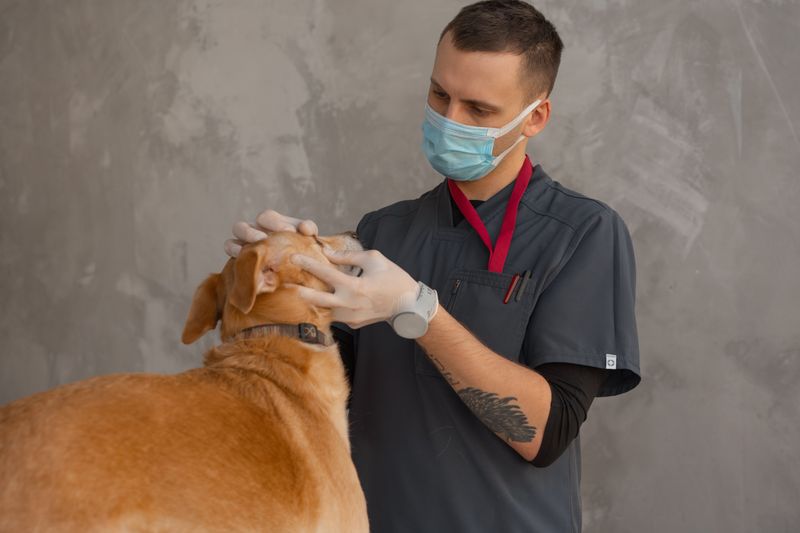
Hidden tangles often form where wet hair rubs against itself or gear. Slip off the collar indoors when safely contained, then feel underneath.
Check behind both ears, under the legs, and along feathered areas.
Small, loose tangles may separate with your fingers and a suitable dog detangler. Never cut close mats with household scissors because skin can hide inside them.
Ask a groomer about tight knots, especially when your dog seems uncomfortable during gentle handling sessions.
5. Clean Mud and Grit From Between the Paw Pads
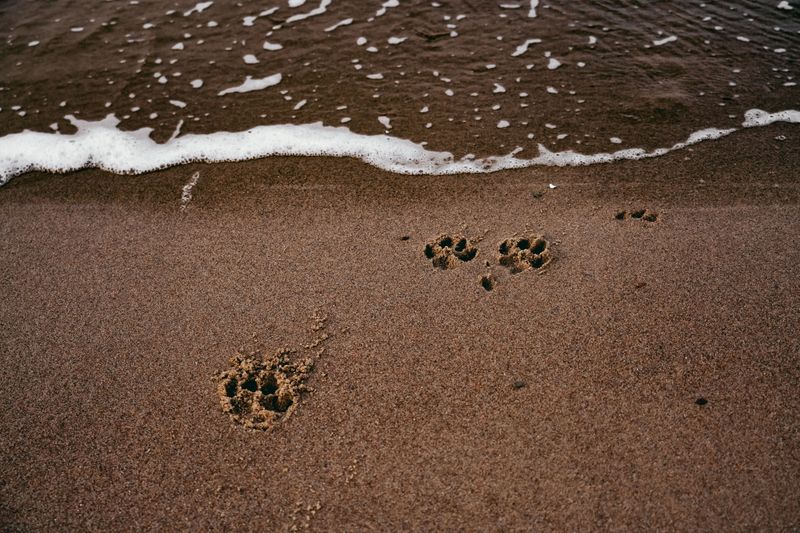
Those tiny spaces between pads collect more than you might expect. Sand, grit, and grass can stay tucked inside after a puddle crossing.
Lift each paw gently and spread the toes only as comfortably allowed.
Rinse away debris with lukewarm water, then pat between the pads with a soft cloth. Avoid digging with tweezers or other tools.
If something appears embedded, leave removal to your veterinarian. Finish by checking the area around every nail as well.
6. Inspect Paw Pads for Cracks and Irritation
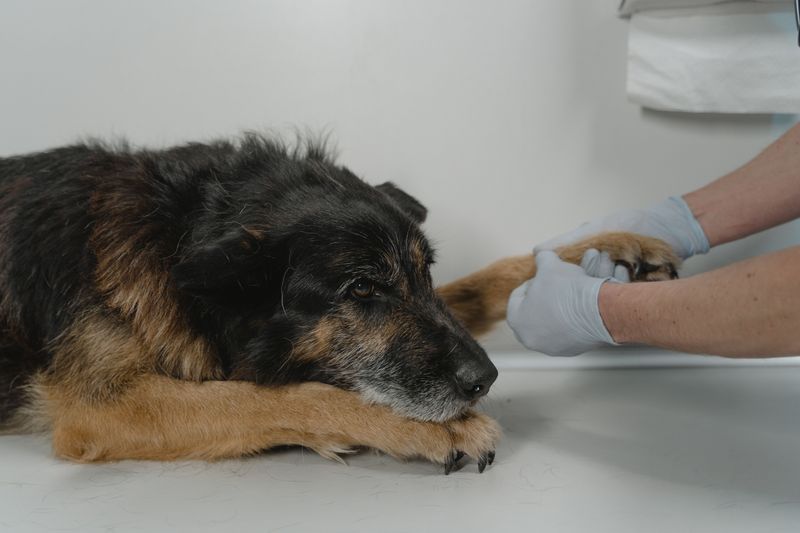
A dog licking one foot repeatedly deserves a closer look. Compare all four paws for redness, swelling, cracks, or unusual tenderness.
Notice whether your dog shifts weight or hesitates on familiar flooring.
Keep irritated paws clean and dry while arranging veterinary advice when needed. Avoid human lotions or medicated creams unless your veterinarian approves them.
Dog paw balm may help some dry pads, but it cannot treat infections or explain persistent licking after wet outdoor walks.
7. Trim Excess Fur Around the Feet
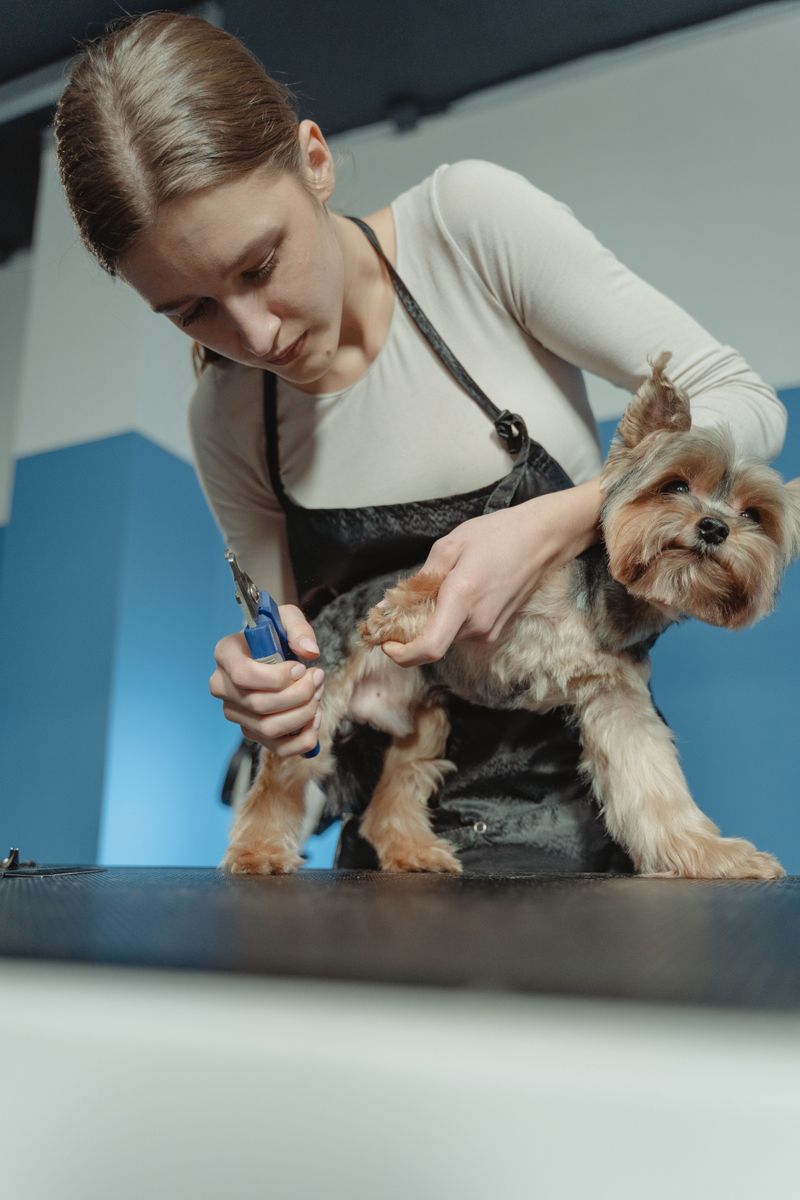
Long foot hair can act like a little mop during rainy walks. Keeping it tidy may reduce trapped mud and make drying easier.
Ask a groomer how much trimming suits your dog’s coat and paws.
Skip scissors between the pads, where movement can cause accidental cuts. Only attempt home trimming if you have suitable equipment and proper guidance.
Stop if your dog squirms or becomes uncomfortable. A neat outline helps without removing the pads’ natural protection against the ground.
8. Wash Paws After Walking Through Standing Water
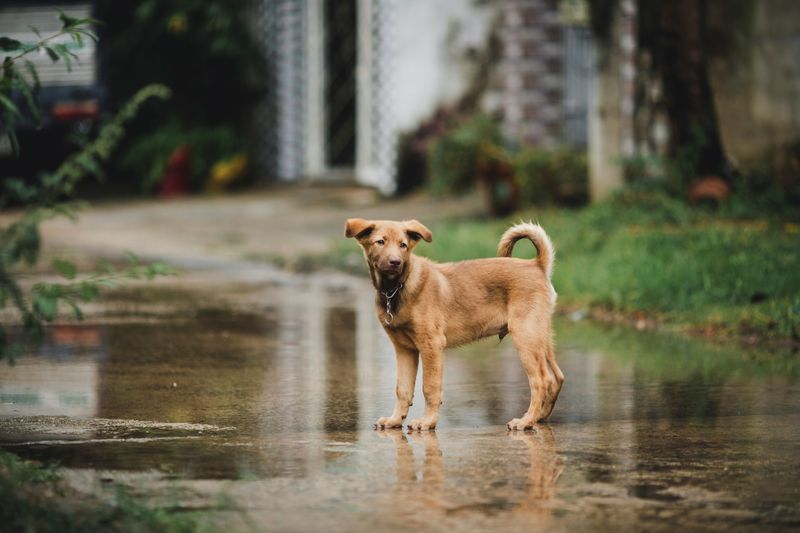
Puddles can contain more than rainwater, including waste and lawn chemicals. Avoid standing water when possible, especially floodwater or water with visible algae.
After accidental contact, rinse paws and any splashed skin with clean water.
Use dog shampoo if needed, rinse thoroughly, and dry carefully. Prevent licking until the feet are clean.
Washing cannot prevent every illness linked to contaminated water. Contact your veterinarian after suspected chemical exposure or if your dog seems unwell afterward.
9. Check Ears for Moisture and Unusual Odors
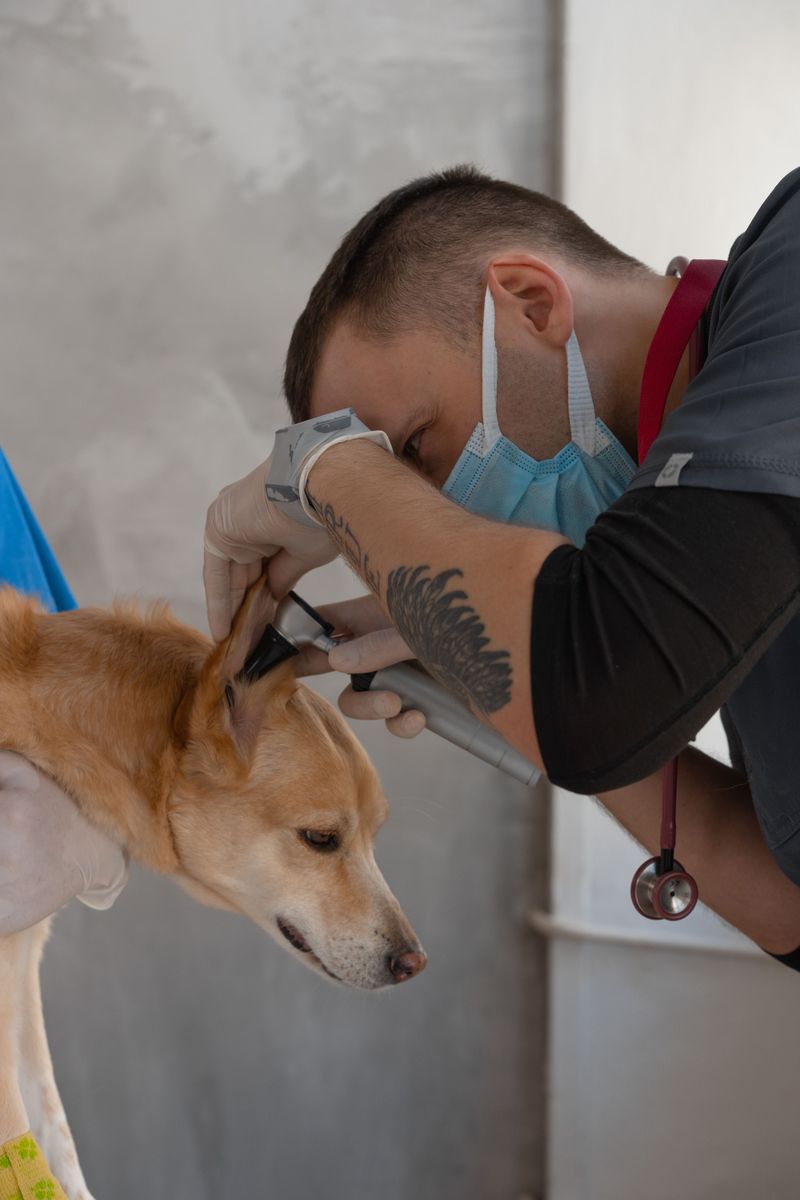
Floppy ears deserve attention after wet weather, but every ear shape benefits from checks. Lift each flap gently and notice moisture, redness, discharge, or a new smell.
Compare findings with your dog’s usual appearance.
Head shaking, scratching, and rubbing against furniture can also signal trouble. Odor alone cannot identify the cause, so avoid guessing at treatment.
Let your veterinarian assess persistent changes. A quick daily glance during rainy stretches helps you recognize problems before discomfort grows worse.
10. Clean Only the Parts of the Ears You Can See
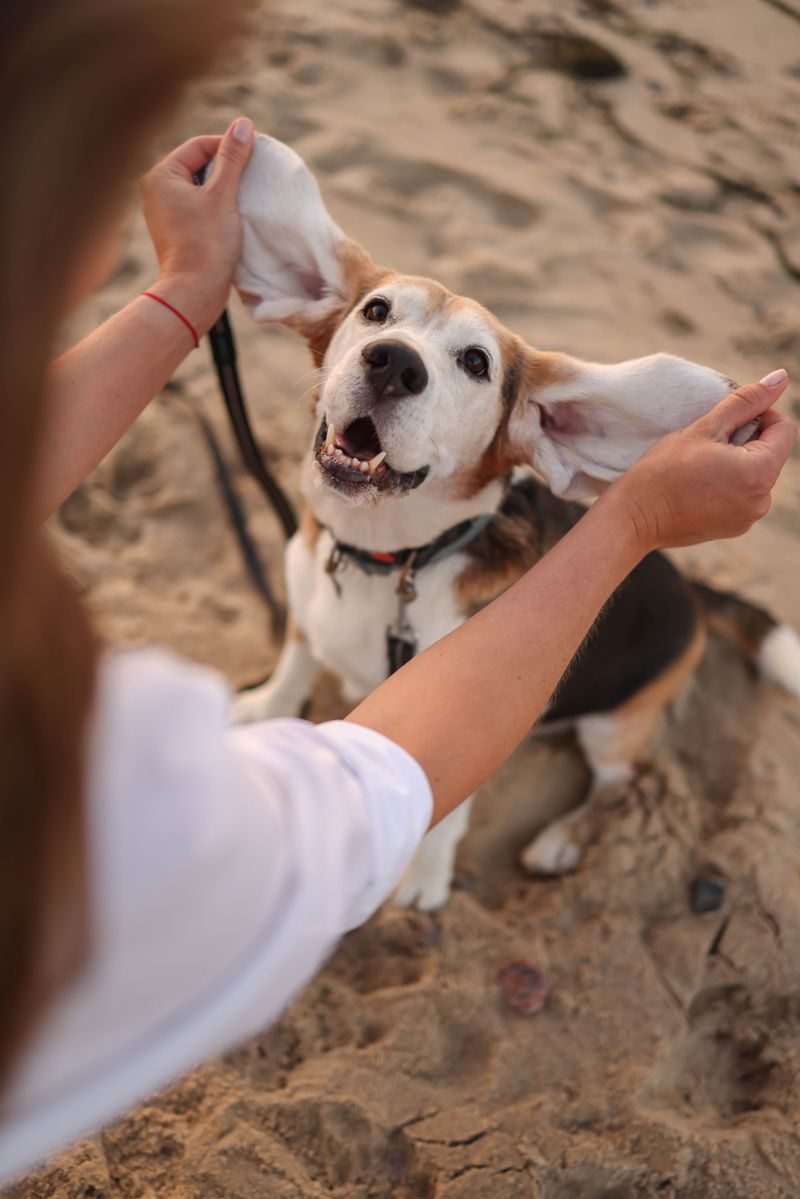
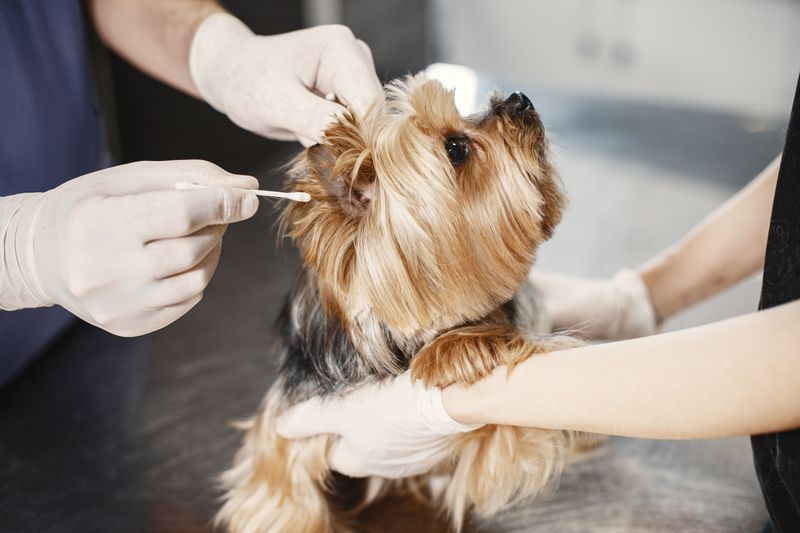
Ear care works best with a light touch and clear limits. Wipe the visible flap using soft gauze, following your veterinarian’s cleaning advice.
Never push cotton swabs or fingers into the ear canal.
Use only a veterinarian-approved ear cleaner when cleaning is recommended for your dog. Healthy ears may not need frequent cleaning.
Skip homemade mixtures and avoid flushing painful ears. If touching an ear causes discomfort, stop and arrange an examination instead of continuing at home.
11. Bathe Away Stubborn Dirt Without Overwashing
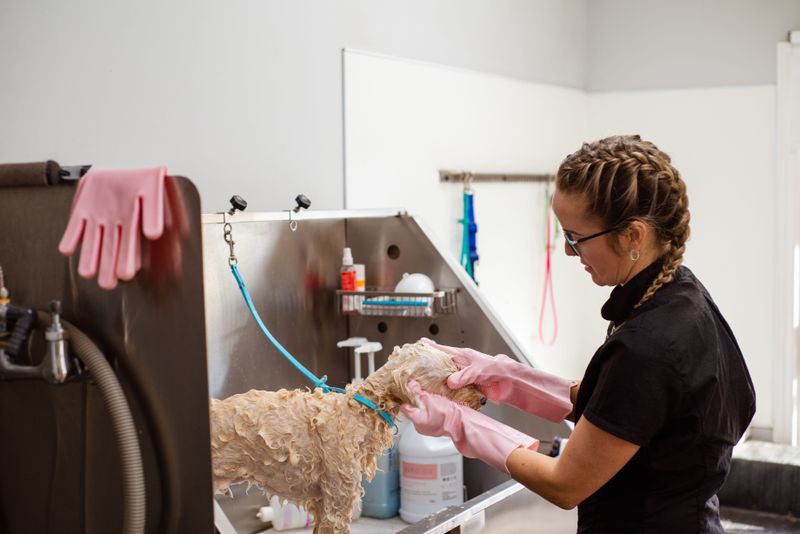
Sometimes a towel cannot handle a week of muddy adventures. A bath can remove stubborn dirt, but daily shampooing may dry or irritate skin.
Choose a dog shampoo and follow its label directions.
Rinse carefully, especially under the belly and between legs, where residue can linger. Keep water out of the ears and dry the coat afterward.
Ask your veterinarian about bathing frequency if allergies, skin disease, or prescribed shampoos already shape your dog’s grooming routine.
12. Watch for Hot Spots and Damp Skin Folds
Warm, damp skin can become irritated beneath thick fur or inside folds. Look for red, moist patches, unusual smells, or focused licking.
Check facial wrinkles and other folds gently, without scrubbing.
Dry these areas using a soft cloth and follow any existing veterinary care plan. Avoid powders, essential oils, and leftover medicines unless prescribed for this problem.
New wet sores or spreading redness need veterinary attention. Early advice helps prevent repeated licking from making irritated skin worse.
13. Wash and Dry Collars, Harnesses, and Bedding
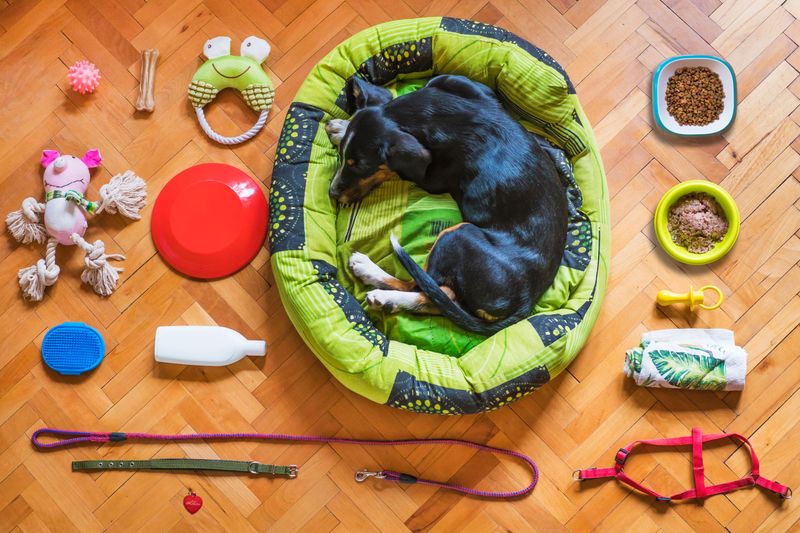
Yesterday’s damp harness can undo today’s careful towel routine. Check collars, straps, beds, and favorite blankets for moisture and trapped dirt.
Wash each item according to its care label, then dry it completely.
Keep a clean spare collar or harness available during long rainy stretches. Check fit after washing, since some materials may change shape.
Remove indoor gear only when your dog is safely contained. Fresh, dry bedding gives skin a comfortable break between those soggy outings.
14. Know When Skin or Ear Problems Need a Veterinarian
Home care has limits, and noticing them is good dog ownership. Call your veterinarian for persistent itching, discharge, odor, limping, or skin changes.
Seek prompt care for marked pain, head tilting, balance changes, or swelling.
Take photos and note when symptoms started, including recent puddle exposure. Avoid leftover ear drops because different problems need different treatments.
Your steady routine remains simple: check, clean gently, and dry well. Small daily habits make Florida’s rainy weeks easier to manage.