Why Florida Dog Owners Should Pay Attention To Red Tide And Algae Alerts

If your weekends involve a leash, a beach towel, and a happy dog, this one is for you. Florida water is beautiful, but it can sometimes hold harmful algal blooms.
Red tide along the coast and blue-green algae in lakes both produce toxins that can affect dogs. The good news is that a little awareness goes a long way.
Knowing what to watch for, and where to check alerts, keeps outings safe and enjoyable.
1. Swimming Leaves Residue Behind On Fur

A quick dip feels harmless, especially on a hot afternoon. Fur, though, holds onto whatever floats in the water.
Toxins from an algal bloom can cling to a wet coat long after your dog climbs out. Thick or curly coats trap even more.
If your dog swims anywhere questionable, rinse thoroughly with clean fresh water right away. A hose, a jug, or a beach shower all work fine.
2. Self-Grooming Turns Fur Into A Snack
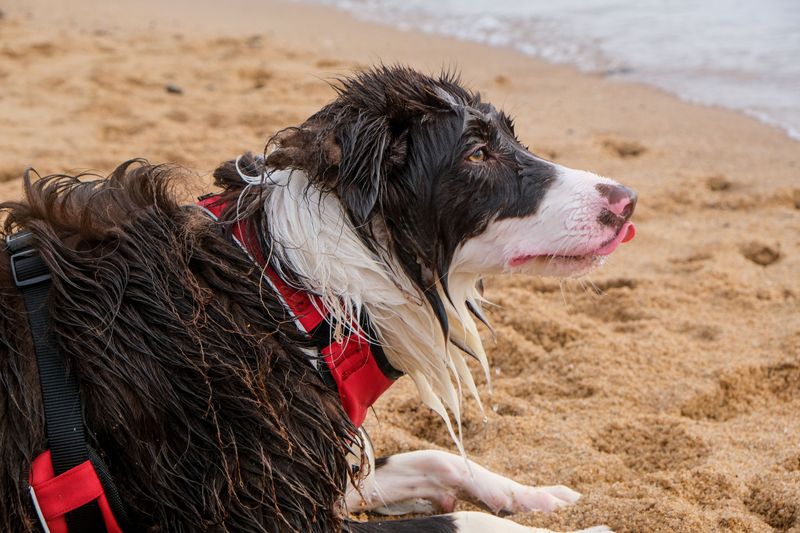
Dogs dry themselves the old-fashioned way: with their tongues. It is adorable, and it is also how residue moves from coat to stomach.
Licking after a swim can deliver a surprising amount of whatever was in the water. Paws, legs, and bellies get the most attention.
Rinse first, towel second, then let your dog groom. Blocking that habit entirely is unrealistic, so cleaning up quickly matters more.
3. Drinking From The Water Is The Biggest Risk
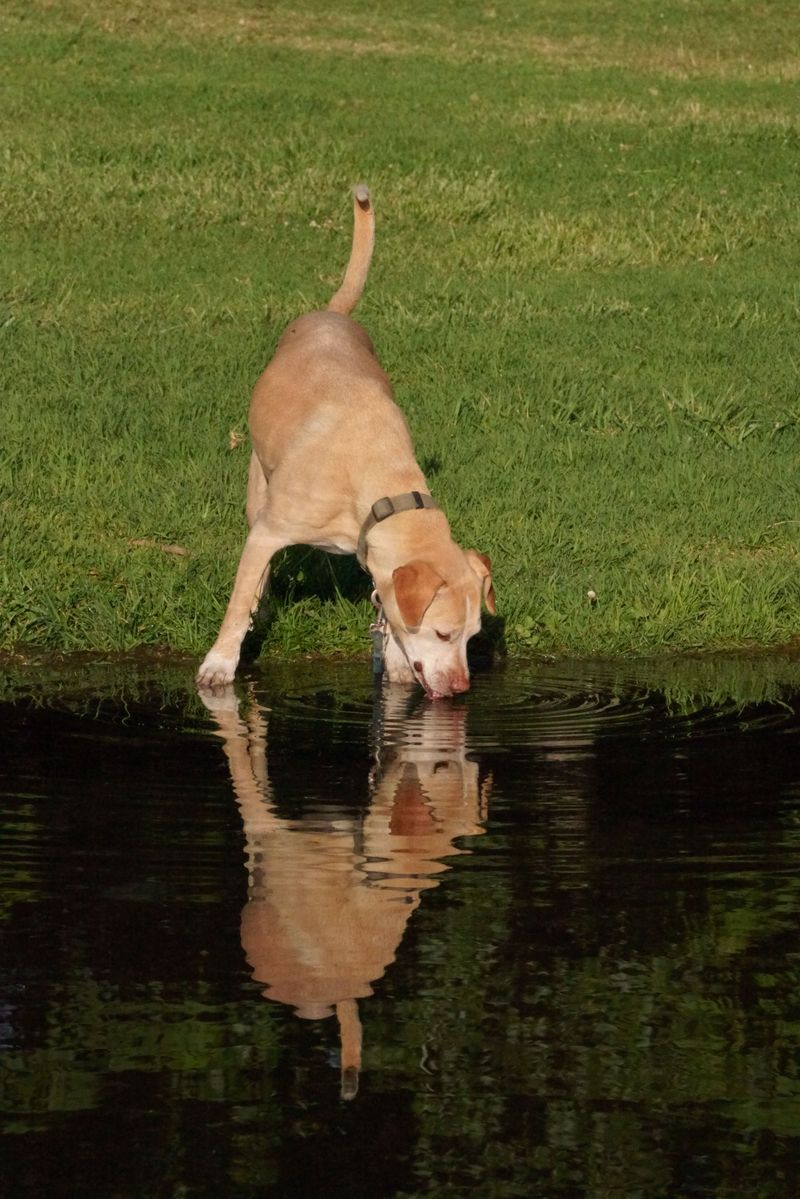
Thirsty dogs rarely wait for permission. They lap from lakes, canals, and surf without a second thought.
That single habit is the most common way toxins get inside a dog. Both red tide in salt water and blue-green algae in fresh water can contaminate what they swallow.
Carry a collapsible bowl and plenty of fresh water on every outing. Offer drinks often, before your dog decides the shoreline looks good enough.
4. Blue-Green Algae Deserves Serious Respect
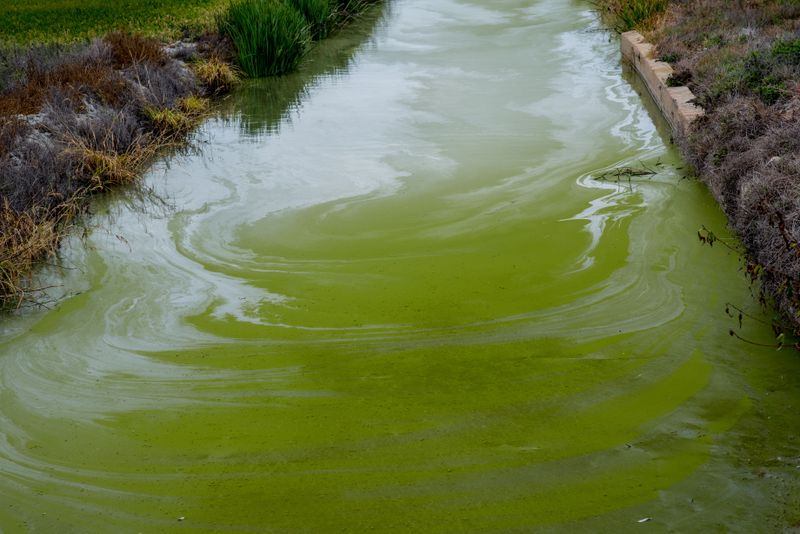
Cyanobacteria, better known as blue-green algae, is the one veterinarians warn about most. Its toxins can cause severe illness in dogs, sometimes very quickly.
Small dogs are especially vulnerable because it takes less exposure to affect them.
Treat any greenish sheen, paint-like streak, or thick scum on fresh water as off limits. No swim, no wade, no drink.
Walk somewhere else and call it a good decision.
5. Shoreline Mats And Scum Attract Curious Noses
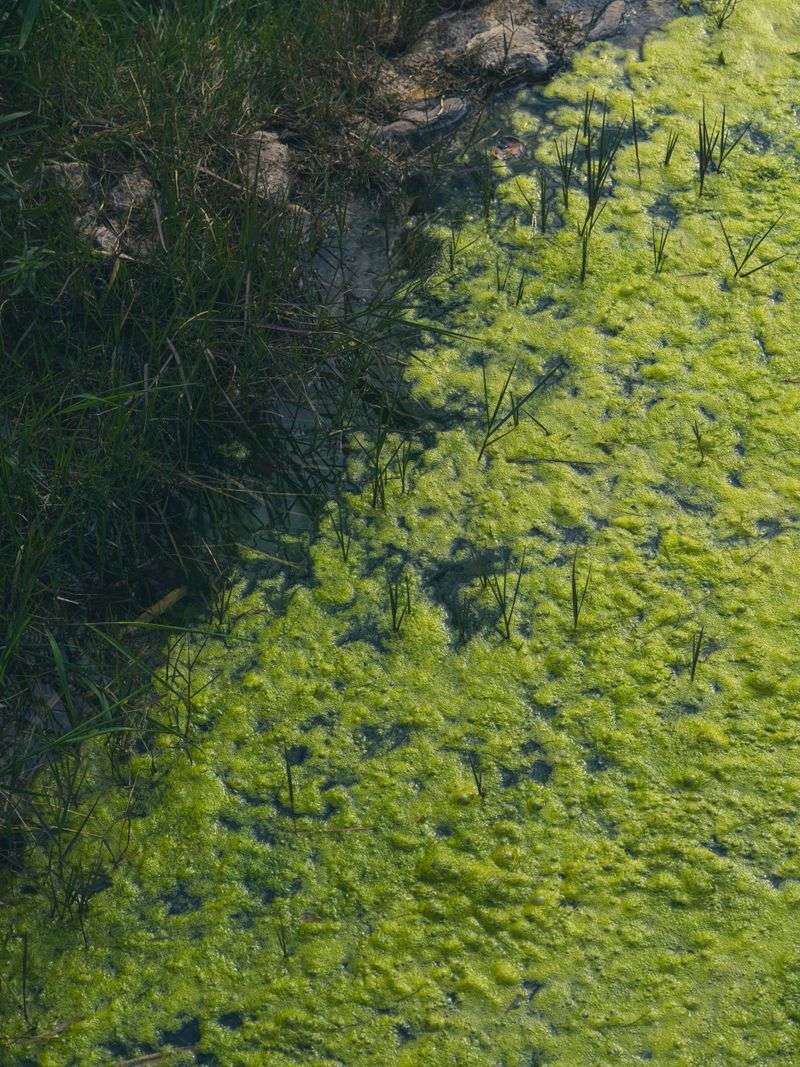
Algae tends to pile up where wind pushes it, right along the bank. That is exactly where dogs sniff, dig, and taste.
Eating even a mouthful of scum or a floating mat can deliver a concentrated dose of toxin.
Keep your dog leashed near suspicious shorelines and steer wide of foamy edges. Bring a favorite toy to redirect attention.
Curiosity is charming, but not at the water’s edge.
6. Stranded Fish Are Not Beach Treasures
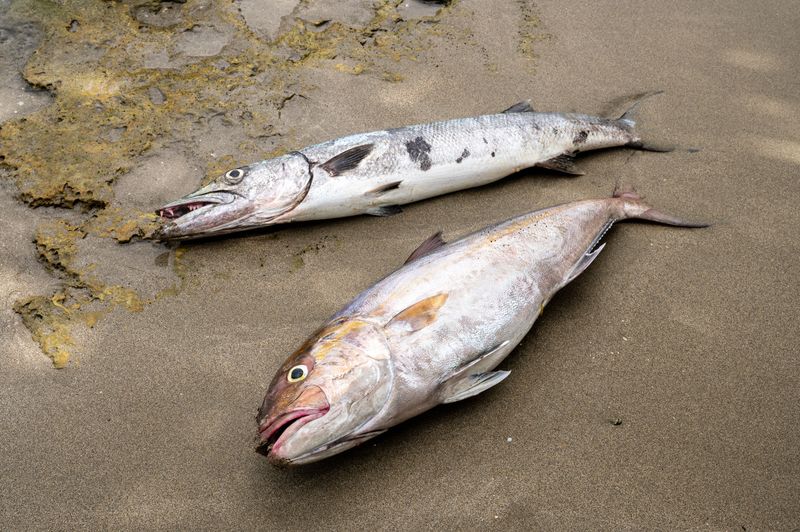
During red tide events, fish and other marine life often wash ashore. To a dog, that looks like the jackpot.
Those animals may carry toxins, and eating them creates a direct exposure risk. Shellfish and crabs count too.
Scan the tide line before letting your dog explore. If you see stranded marine life scattered along the sand, that is a clear signal to leash up and head home.
7. Sea Foam Concentrates What Is In The Water

Bubbly foam along the tide line looks playful. Dogs love to chase it, bite it, and roll through it.
Research suggests foam during red tide can hold far higher toxin levels than the surrounding water, by many times over.
Skip the foam entirely when a bloom is active. If your dog does run through it, rinse the coat and paws before the licking starts.
8. Red Tide Toxins Can Travel Through The Air

Brevetoxins, the compounds behind red tide, do not stay in the water. Waves break open algal cells and release them into sea spray.
Onshore wind then carries that spray inland. People often notice coughing or itchy eyes before they notice anything else.
If the air makes you cough at the beach, your dog is breathing the same thing. That is your cue to leave.
9. Breathing It In Bothers Dogs Too

Noses close to the sand catch more spray than ours do. Dogs also breathe faster, especially when running.
Airborne red tide toxins can irritate the airways, leading to sneezing, coughing, or watery eyes. Dogs with existing breathing issues feel it sooner.
Choose inland parks on breezy bloom days. Short-nosed breeds, seniors, and puppies especially appreciate a quieter, drier walk away from the surf.
10. Trouble Can Show Up Fast

Timing surprises many owners. Signs of exposure may appear within minutes, and often within a few hours.
With red tide, irritation can begin roughly thirty to sixty minutes after contact. Blue-green algae can act quickly as well.
Watch your dog closely for the rest of the day after any water outing. Quick action matters, so call your veterinarian or an animal poison helpline at the first concern.
11. Know The Warning Signs By Heart
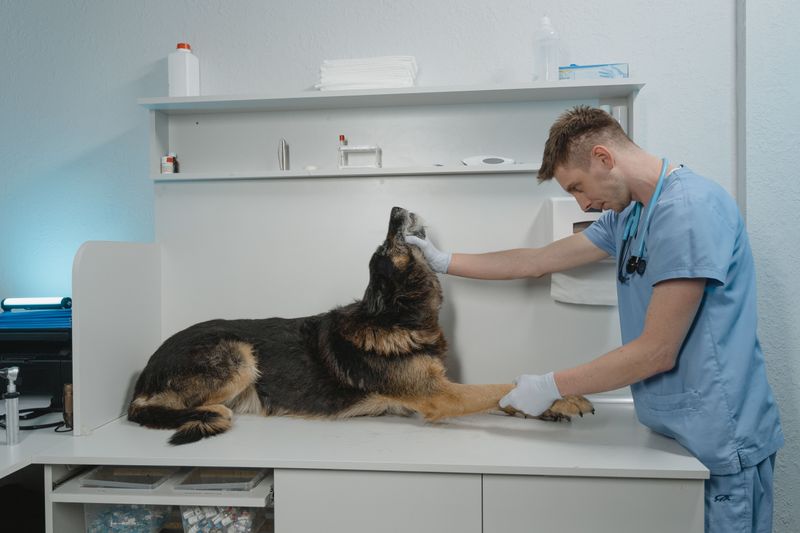
Memorize this short list: vomiting, heavy drooling, weakness, stumbling, tremors, or seizures.
Other clues include diarrhea, labored breathing, pale or unusual gum color, or sudden collapse. Some dogs simply seem unusually tired or wobbly.
Any of these after water exposure deserves an immediate call to your veterinarian. Mention where your dog swam and when.
Details help the clinic respond faster and more accurately.
12. Clear Water Can Still Hold Toxins
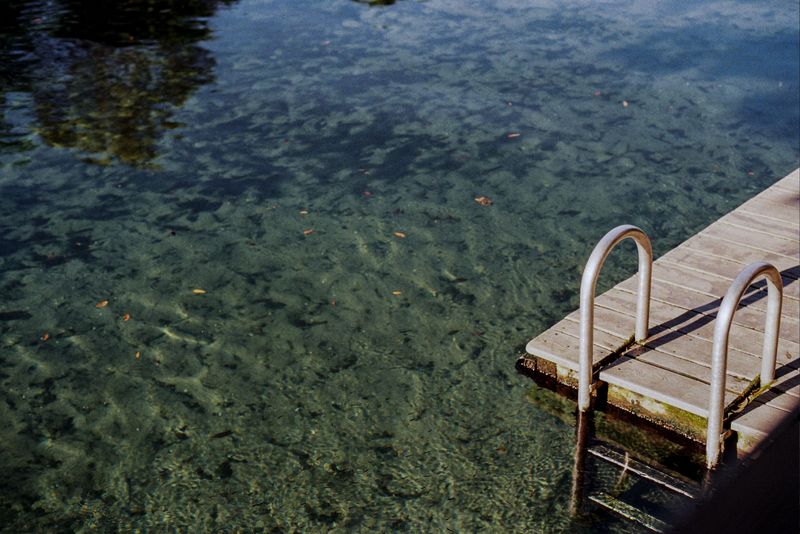
Here is the part that trips people up. Water can look perfectly inviting and still carry harmful levels of toxin.
Some blooms fade visually while toxins linger. Others sit below the surface or stay nearly colorless.
Appearance alone is not a safety test. Pair what you see with current official alerts before deciding.
When information is missing, choosing a different spot costs you almost nothing.
13. Eyeballing A Bloom Never Confirms Anything
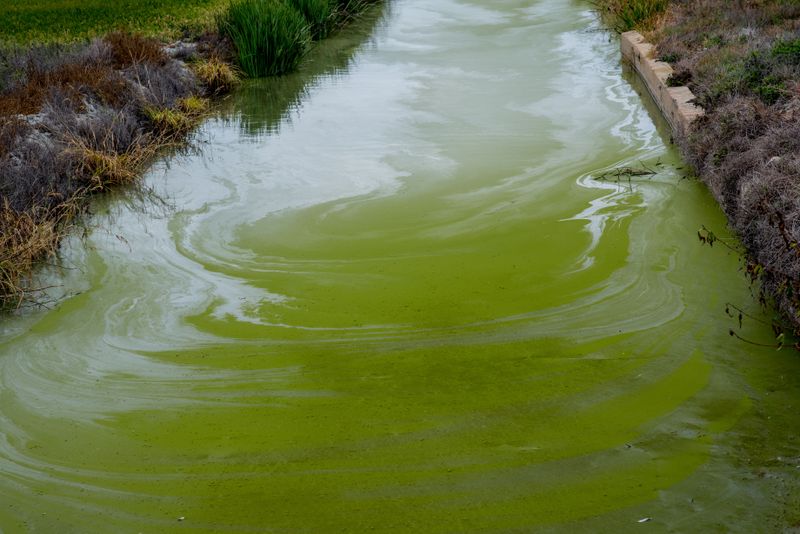
Not every green patch is dangerous, and not every dangerous patch looks green. Only laboratory testing can tell the difference.
Color, smell, and thickness offer hints, nothing more. Even experienced anglers get it wrong.
Because certainty is not available on the spot, default to caution with any discolored, streaky, or foamy water. Your dog will never know they missed a swim, and you will rest easier.
14. Blooms Move With Wind, Tide, And Current
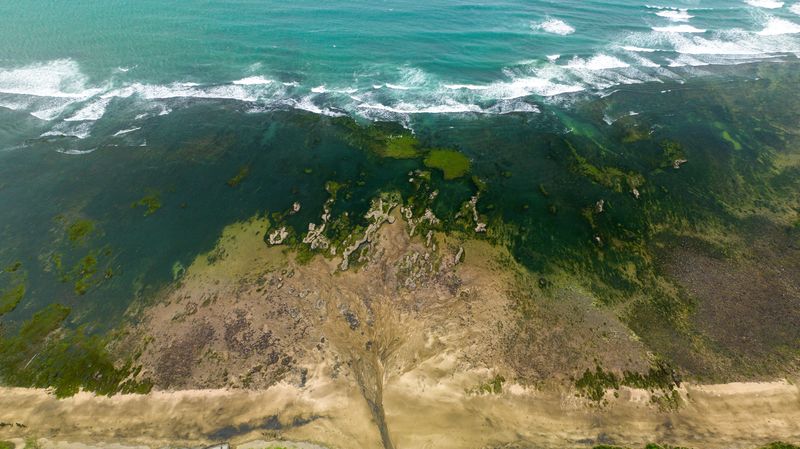
A beach that was fine yesterday morning may look different by afternoon. Blooms drift, break apart, and reform.
Wind direction, tides, and currents all push them around, sometimes several miles in a day.
Because conditions shift, check alerts on the day you go rather than relying on last week’s report. A quick look at your phone in the parking lot is a solid habit.
15. Both Salt And Fresh Water Carry Risk
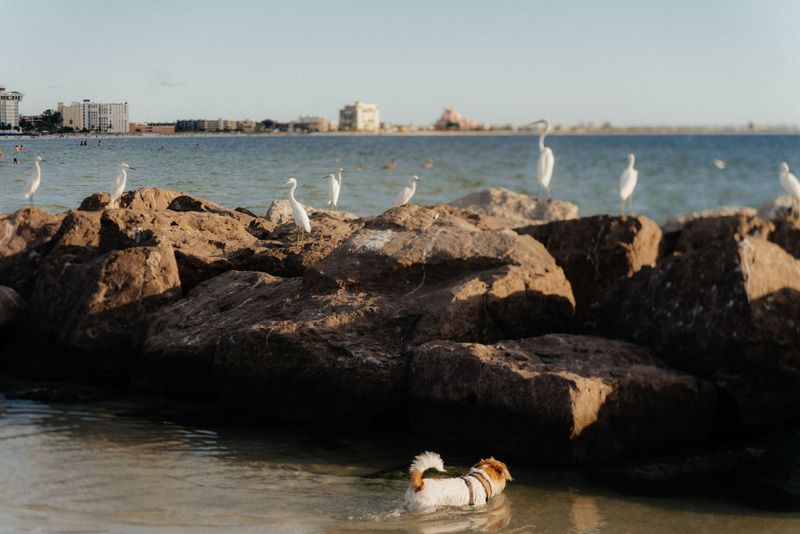
Living in Florida means access to nearly every kind of water. Dogs here can meet harmful blooms in the Gulf, in a neighborhood pond, or in a slow river.
Salt water brings red tide. Fresh water brings cyanobacteria.
Brackish spots can host either.
Building one simple habit, checking before you go, covers all of it. The routine works whether you are heading coastal or inland.
16. Neighborhood Ponds And Lakes Are Not Automatically Safe
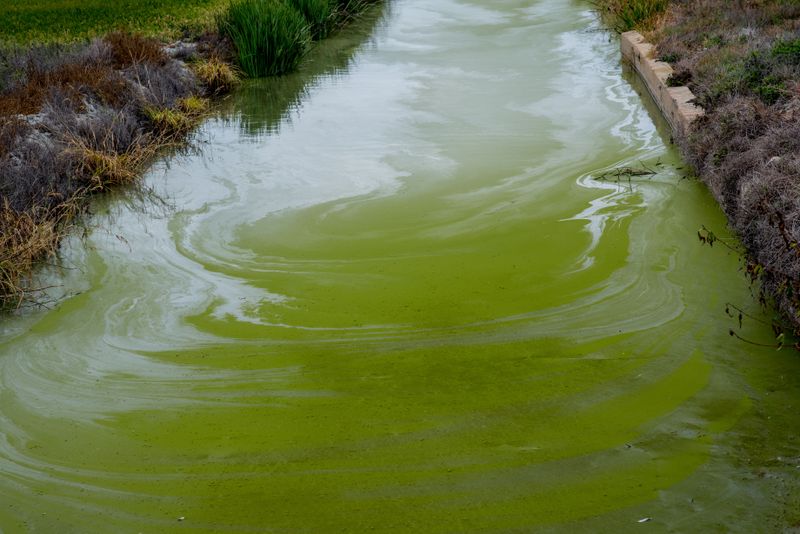
Retention ponds, drainage areas, and quiet lakes look tame compared to the ocean. Warm, still, nutrient-rich water is exactly what blue-green algae prefers.
Summer heat and heavy rain runoff make blooms more likely in these spots.
Treat that convenient pond behind the subdivision with the same caution as any lake. Keep the leash short during walks, and give your dog water from your own bottle instead.
17. Coastal Waters Bring Their Own Patterns

Gulf Coast communities know red tide well. Blooms often build in late summer and fall, though timing varies year to year.
Other harmful blooms can appear along the coast too, and beach conditions may differ from one park to the next.
Look for posted advisories at access points and lifeguard stands. Local beach staff usually know current conditions and are happy to share what they are seeing.
18. Official Alerts Make Planning Simple
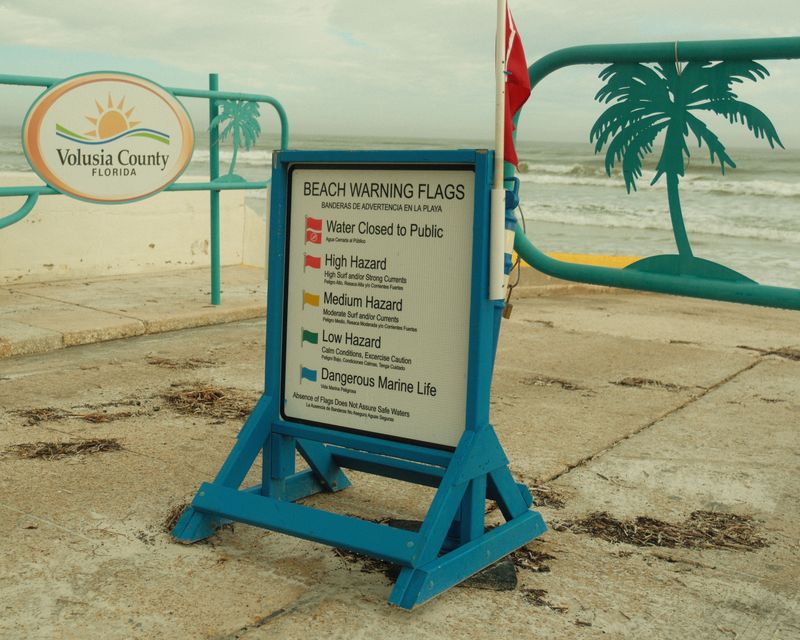
Reliable updates are free and easy to reach. The Florida Fish and Wildlife Conservation Commission posts red tide status maps, and a well-known marine laboratory tracks beach conditions.
The Florida Department of Health issues health advisories for blue-green algae, and county sites often add local details.
Bookmark two or three of these on your phone. One quick check before you leave keeps beach days happy for both of you.