What It Costs To Own A Dog In California In 2026
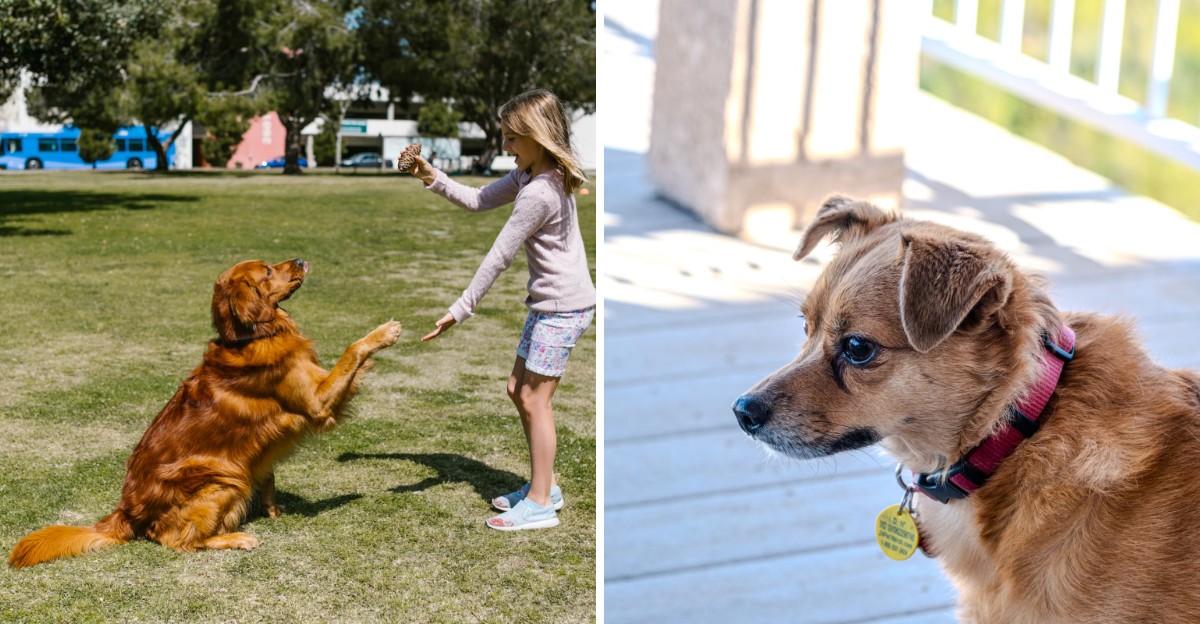
Sharing your California home with a dog brings happy routines and a budget worth planning before surprises arrive. From food and vet visits to housing fees, your costs depend on your location and your dog’s needs.
Use these estimated 2026 planning ranges as starting points, not guaranteed prices or statewide averages. Local quotes will help you build a realistic budget while keeping your dog’s comfort and care at the center.
1. Initial Adoption Fees And Purchase Costs

Bringing home a new friend starts with a fee, but the included care can change its value. Budget roughly $50 to $500 for shelter adoption, although puppies and certain rescues may cost more.
Buying from a responsible breeder can cost $1,500 to $4,000 or more, depending on breed and health testing. Ask for records, meet the breeder, and avoid pressure sales.
Compare included vaccines, surgery, and identification before judging any starting price by its number alone.
2. Food Costs For Different Dog Sizes

A tiny terrier and a growing retriever rarely leave the same grocery bill. For standard commercial food, plan around $20 to $45 monthly for small dogs.
Medium dogs may need $35 to $70, while large dogs can reach $60 to $120 or more. Prescription diets and fresh meals often cost extra.
Measure portions using veterinary guidance rather than guessing. Include treats in both your spending plan and your dog’s daily calorie allowance to prevent unnecessary weight.
3. Routine Veterinary Visits And Annual Checkups
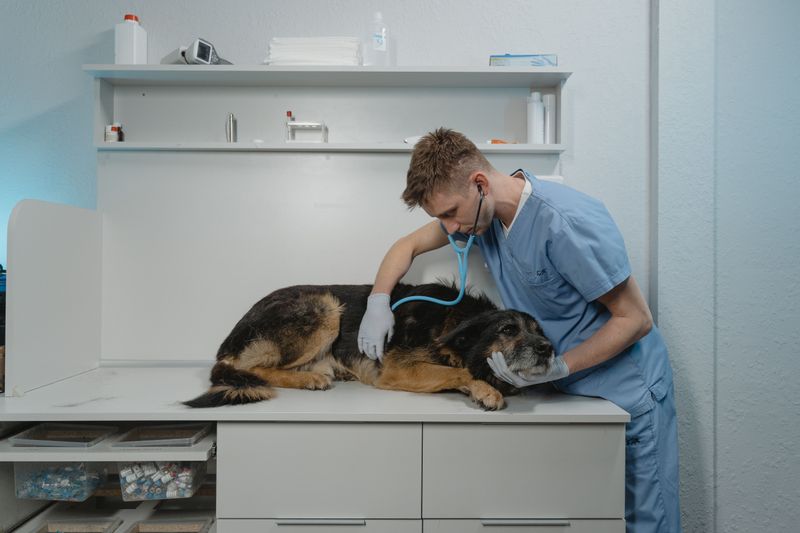
Regular checkups give you a clear picture of your dog’s health before concerns grow. A basic California veterinary examination may cost about $60 to $120, with higher prices in expensive areas.
Bloodwork, urine testing, and other services usually cost extra. Set aside roughly $200 to $500 annually for routine visits and screening, depending on recommendations.
Request an itemized estimate and ask which tests match your dog’s age, symptoms, and history before scheduling additional care that day.
4. Vaccinations And Preventive Medications
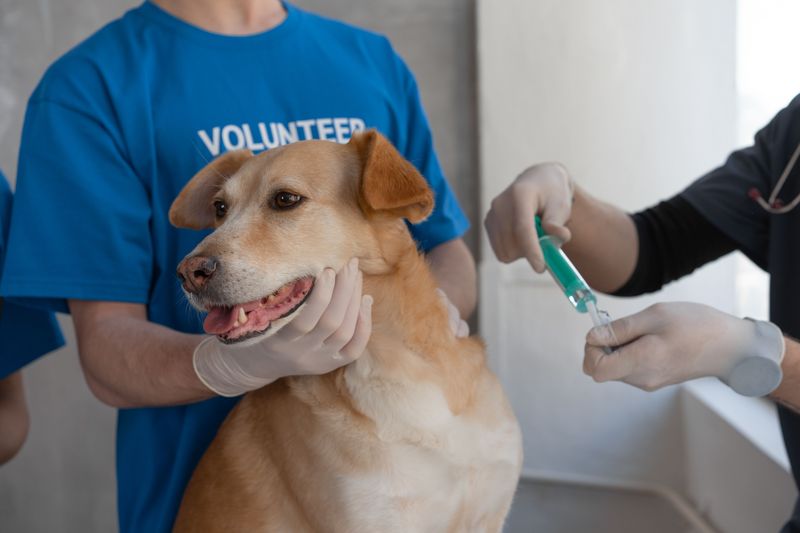
California’s mild seasons can make parasite protection a year-round conversation with your veterinarian. Allow roughly $150 to $400 yearly for flea, tick, and heartworm prevention, depending on weight and products.
Vaccines may add $50 to $200 in years when doses are due. Rabies vaccination is legally required for most dogs over four months, with limited exemptions.
Other vaccine choices depend on exposure and current guidance. Ask about testing requirements before starting or changing any preventive medication.
5. California Dog Licensing And Registration Fees
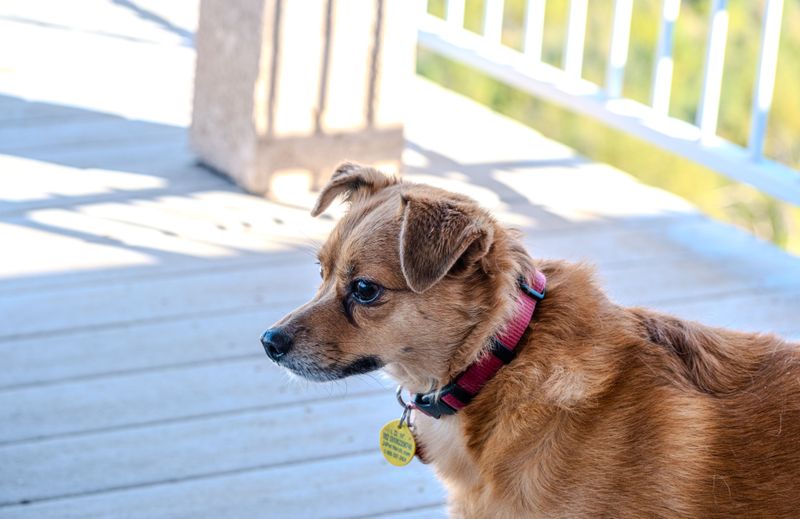
Your dog’s collar tag represents a local requirement, not simply an optional accessory. California generally requires licensing dogs over four months, administered through local agencies.
Annual fees often fall around $15 to $100, with substantial differences between cities and counties. Altered dogs commonly qualify for lower rates.
Discounts, renewal periods, and late fees also vary. Check your animal control agency’s current schedule, required rabies documentation, and deadlines.
Private registry payments do not replace a required government license.
6. Spaying, Neutering, And Microchipping
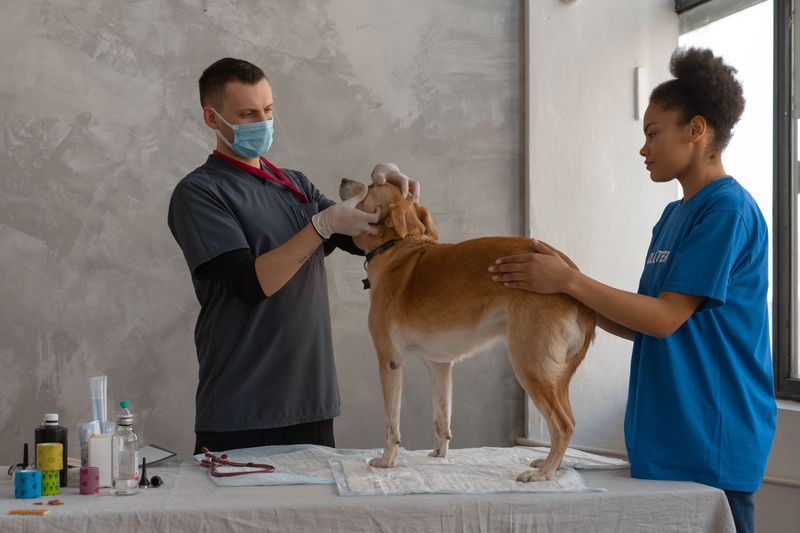
One appointment can cover lasting needs, but surgical prices deserve a careful comparison. Spaying or neutering may cost $100 to $400 through subsidized programs, when available.
Private clinics can charge $300 to $1,000 or more, depending on size, procedure, and medical needs. Microchipping commonly adds $25 to $75, unless included in adoption.
Ask about pain control, follow-up care, and eligibility requirements. Keep chip contact information current, and confirm whether the registry charges any optional membership fees separately.
7. Dental Care And Professional Teeth Cleaning
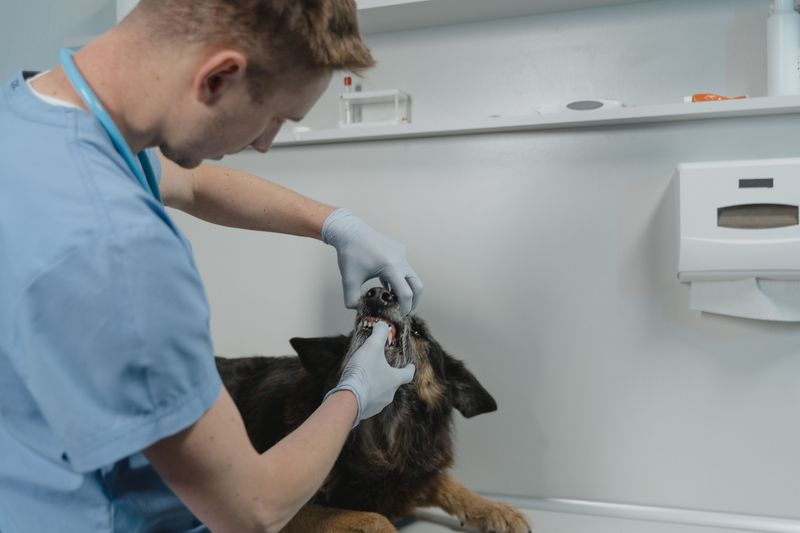
Fresh breath is pleasant, but comfortable chewing matters more when planning dental care. Professional cleaning under anesthesia may cost $500 to $1,500 or more in California.
Dental X-rays, extractions, and additional treatment can raise the total. Ask what the estimate includes and whether preanesthetic testing costs extra.
Brushing with dog toothpaste helps support daily care, but cannot replace necessary treatment. Budget for a veterinary dental assessment rather than assuming every dog needs an identical yearly cleaning schedule.
8. Grooming Costs For Short And Long-Coated Dogs

Coat type can turn grooming from an occasional chore into a regular appointment. Short-coated dogs might need only home brushing, bathing supplies, and periodic nail trims.
Professional baths may cost $40 to $90, while haircuts often run $70 to $150 or more. Large dogs, tangled coats, and specialized styling increase prices.
Some coats need appointments every four to eight weeks. Ask your groomer for a realistic schedule and learn safe brushing methods that prevent uncomfortable tangles between visits.
9. Pet Insurance And Monthly Coverage Costs

A monthly premium can make larger veterinary expenses easier to plan around. For accident and illness coverage, consider a broad starting estimate of $35 to $100 monthly.
Older dogs, certain breeds, and broader benefits can cost considerably more. Compare deductibles, reimbursement rates, annual limits, and waiting periods.
Preexisting conditions are generally excluded, and routine care usually requires separate coverage. Most plans reimburse after you pay, so keep accessible savings even when your dog has an active policy.
10. Emergency Veterinary Care And Unexpected Bills
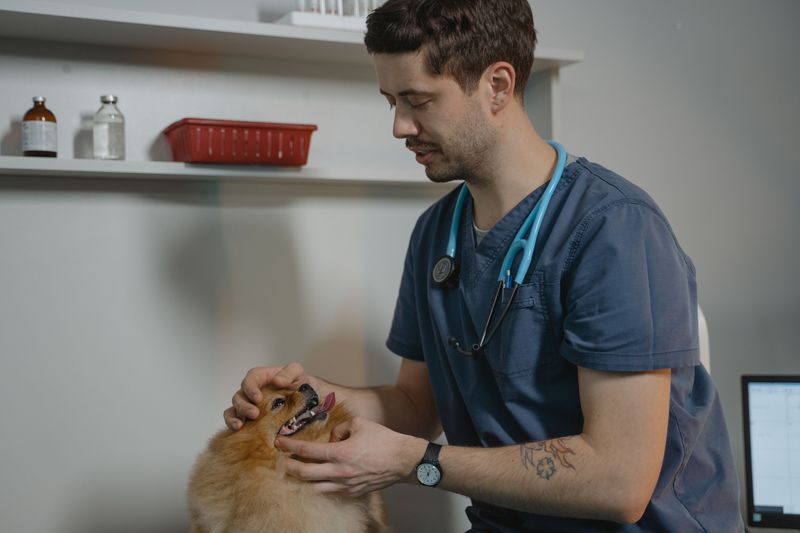
Unexpected care is easier to handle when money already has a place in your plan. An emergency examination alone may cost around $150 to $300 or more.
Testing, treatment, surgery, or hospitalization can bring bills into the thousands. Build an accessible reserve, perhaps starting with $1,000 and increasing it over time.
Ask nearby emergency hospitals about payment policies before you need them. Financing may help, but read interest terms carefully and avoid assuming every clinic offers payment plans.
11. Training Classes And Professional Behavior Support

Good manners make everyday outings easier, from sidewalk walks to visits with friends. Group courses commonly cost around $150 to $300 for several sessions.
Private lessons may run $100 to $200 or more per hour, depending on location and expertise. Choose reward-based instruction and clear, humane handling practices.
For persistent fear or sudden behavior changes, involve your veterinarian. Specialized behavior support may require a larger budget.
Practicing short lessons at home helps you get more value from professional guidance.
12. Dog Walking And Pet Sitting While Owners Work

Long workdays can add a service bill that rivals your dog’s food budget. A thirty-minute walk may cost roughly $20 to $35, especially in urban areas.
Five weekly walks can total about $400 to $760 monthly, depending on the calendar and rate. Drop-in sitting often has similar pricing.
Ask about insurance, backup coverage, group sizes, and holiday charges. Match visits to your dog’s actual bathroom, exercise, and companionship needs instead of choosing solely by the lowest advertised price.
13. Boarding And Daycare During Travel

That weekend getaway needs a second reservation when your dog cannot join you. Standard boarding may cost $50 to $100 nightly, while premium options can exceed $150.
Daycare commonly runs $30 to $65 daily. Holiday surcharges, medication support, and extra activities can increase totals.
Tour facilities, confirm vaccination requirements, and ask about overnight staffing. Not every dog enjoys group play.
A trial visit helps you judge comfort before committing to a longer stay away from home together.
14. Dog Supplies And Everyday Accessories

The first shopping basket fills quickly, even without fancy matching accessories. Allow roughly $150 to $400 for essentials such as bowls, bedding, a leash, identification, and a suitable harness.
A crate or gates may add more, depending on size. After setup, reserve $10 to $30 monthly for waste bags, replacement toys, and worn equipment.
Choose washable, durable items over novelty purchases. Check fit as puppies grow, and replace damaged gear before it becomes unreliable during ordinary daily use.
15. California Housing Costs And Pet Deposits
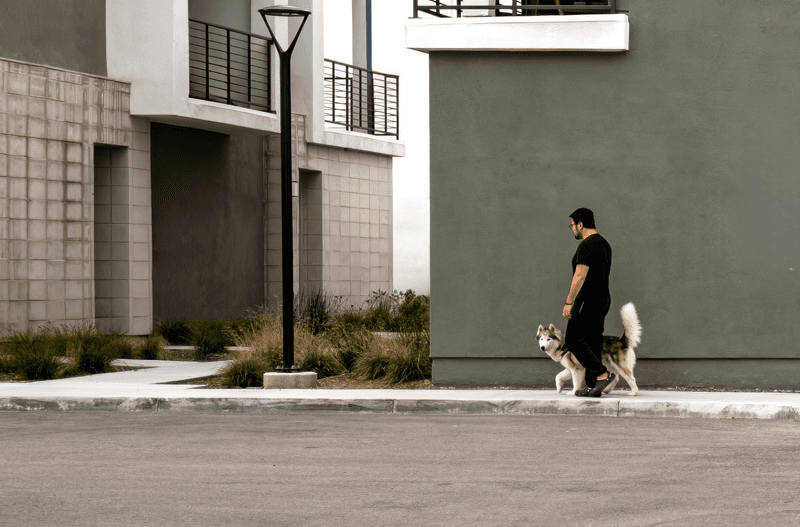
Renting with a dog means reading the lease before calculating your monthly total. Some properties charge pet rent, often around $25 to $75 monthly, though prices vary.
California generally caps residential security deposits at one month’s rent, with limited exceptions for qualifying small landlords. Pet deposits count toward that cap.
Separate rules protect qualifying assistance animals. Confirm applicable exceptions, local protections, and lawful charges before paying.
Moving costs and restricted housing choices can also affect your overall budget.
16. Yard Maintenance And Pet-Friendly Home Improvements

A secure gate may be a better investment than another basket of toys. Small fixes, washable covers, and protective mats might cost $50 to $300 initially.
Fence repairs or larger improvements can reach hundreds or thousands, depending on labor and materials. Request local quotes rather than using statewide guesses.
Budget for waste cleanup and damaged landscaping, too. Choose plants carefully, store garden products securely, and check barriers regularly.
Renters should get written approval before making changes to property.
17. California Heat And Summer Pet Care Expenses

Inland summers can shift both your walking schedule and your household spending. A portable bowl, cooling mat, or suitable paw protection might total $30 to $100.
Air conditioning may increase electricity bills, especially where temperatures stay high overnight. Walk during cooler hours and avoid hot pavement.
Never leave a dog alone in a parked vehicle. Cooling products cannot replace shade, water, and a comfortable indoor space.
Ask your veterinarian about extra precautions for flat-faced, older, or medically vulnerable dogs.
18. How Age And Health Change A Dog’s Annual Budget

Your budget should grow and change alongside the dog who shares your home. Puppies often need extra appointments, training, and replacement gear, while seniors may need ongoing medication or testing.
Review spending yearly, separating regular bills from occasional services and savings. A healthy adult’s costs can differ greatly from those of a dog needing daily treatment.
Add your actual local quotes rather than stacking every possible expense. Plan steadily, keep room for changes, and enjoy life together.