What Michigan Dog Owners Should Know Before Taking A Dog On A Great Lakes Ferry
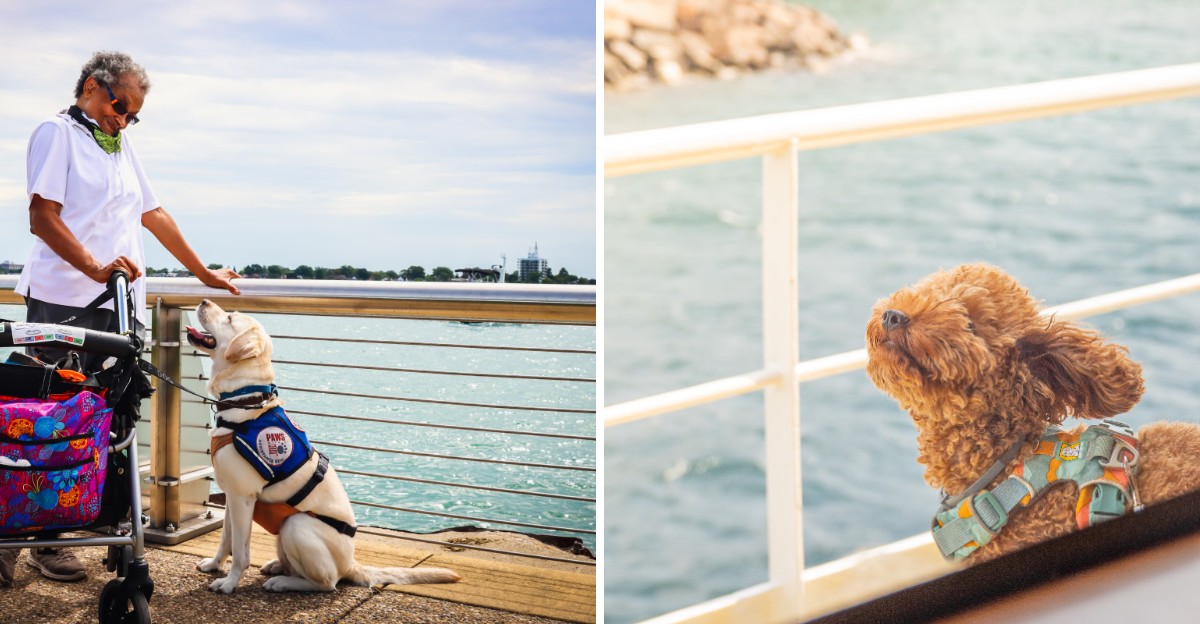
A ferry ticket for you does not always mean a spot beside you for your dog. On Michigan crossings, one boat might welcome leashed pups while another requires a separate kennel or vehicle arrangement.
Sorting that out before booking can turn a confusing dockside surprise into a smooth departure. From quick Mackinac trips to longer lake crossings, a little homework helps you choose a ride that suits your dog’s comfort.
1. Check the Ferry Company’s Dog Policy Before Booking
One small policy detail can change your whole crossing. Before paying, open the ferry operator’s official pet page and check the rules for your exact sailing.
Different vessels within one company may have different arrangements.
Ask about fees, allowed areas, kennel reservations, and any paperwork. Save the answers with your tickets, especially when staff provide details by email.
A quick confirmation shortly before departure helps catch changes without turning boarding into a guessing game for everyone.
2. Know Which Michigan Ferry Routes Welcome Dogs
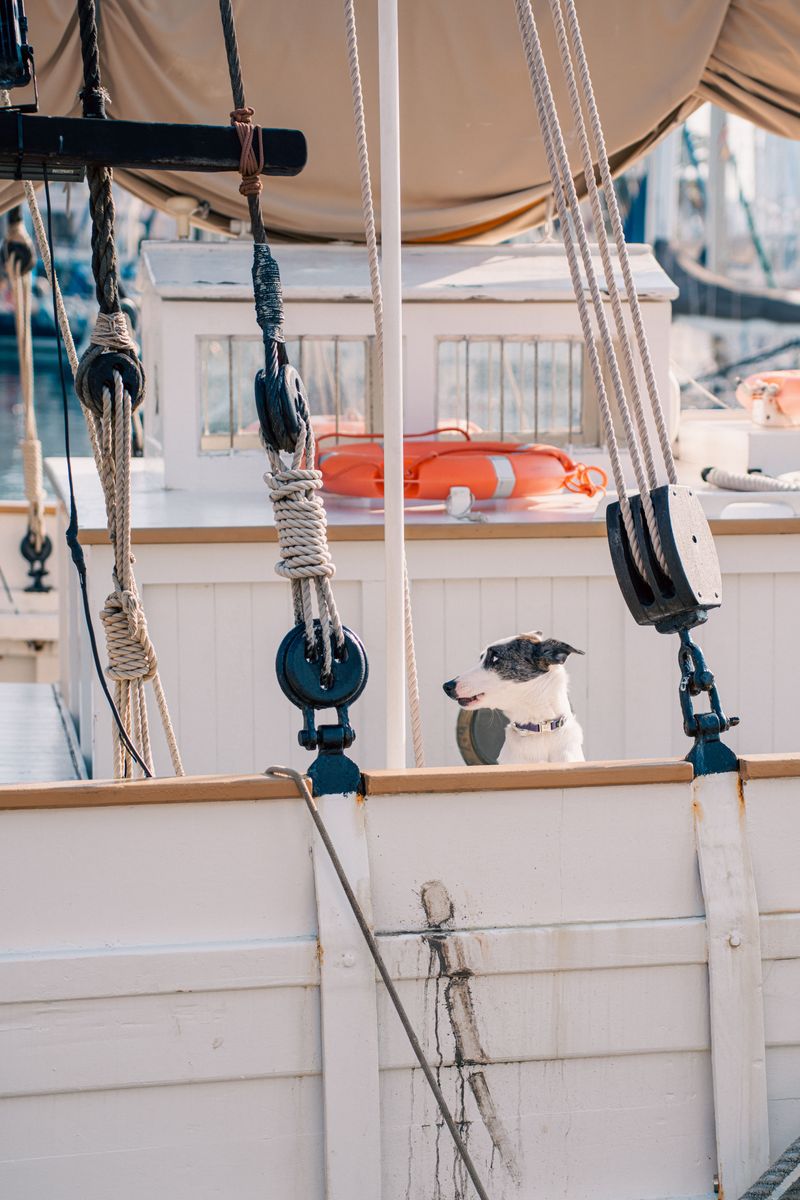
Michigan’s ferry map offers several options for traveling with dogs, but permission comes with different conditions. Mackinac Island ferries, Beaver Island Boat Company, and the SS Badger accommodate pets under their own rules.
Compare the route before comparing ticket prices. A short passenger crossing feels very different from a longer trip with separate pet accommodations.
Check both directions, too, since your return sailing might use another vessel or follow a changed schedule during your travel dates.
3. Understand the Rules for Mackinac Island Ferries
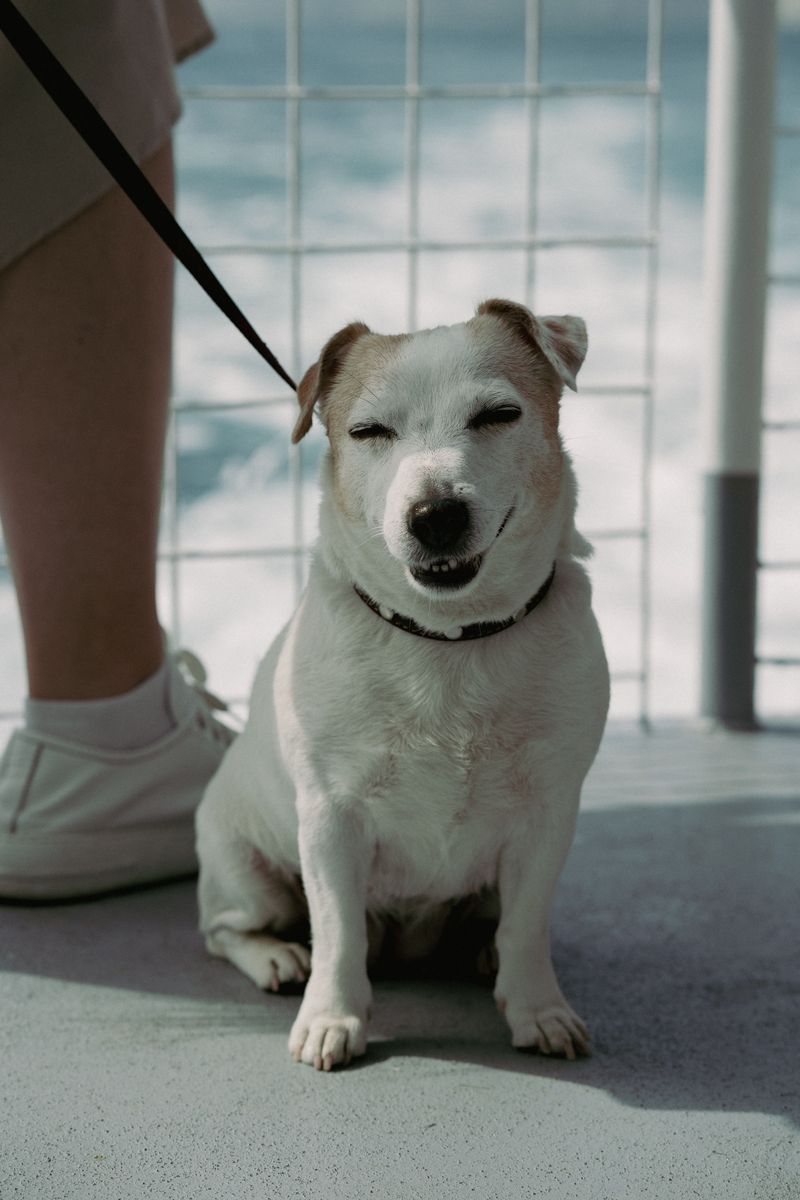
A quick ride can still bring plenty of new smells and sounds. Shepler’s welcomes leashed or crated dogs on its Mackinac Island ferries without a pet fare.
Confirm current requirements before choosing your departure.
For any other operator, check its own policy rather than borrowing Shepler’s rules. Keep your dog close while boarding and follow crew directions about seating.
Once ashore, remember that Mackinac’s horses add another distraction worth preparing for before leaving the mainland dock.
4. Prepare for the Beaver Island Ferry’s Pet Fee
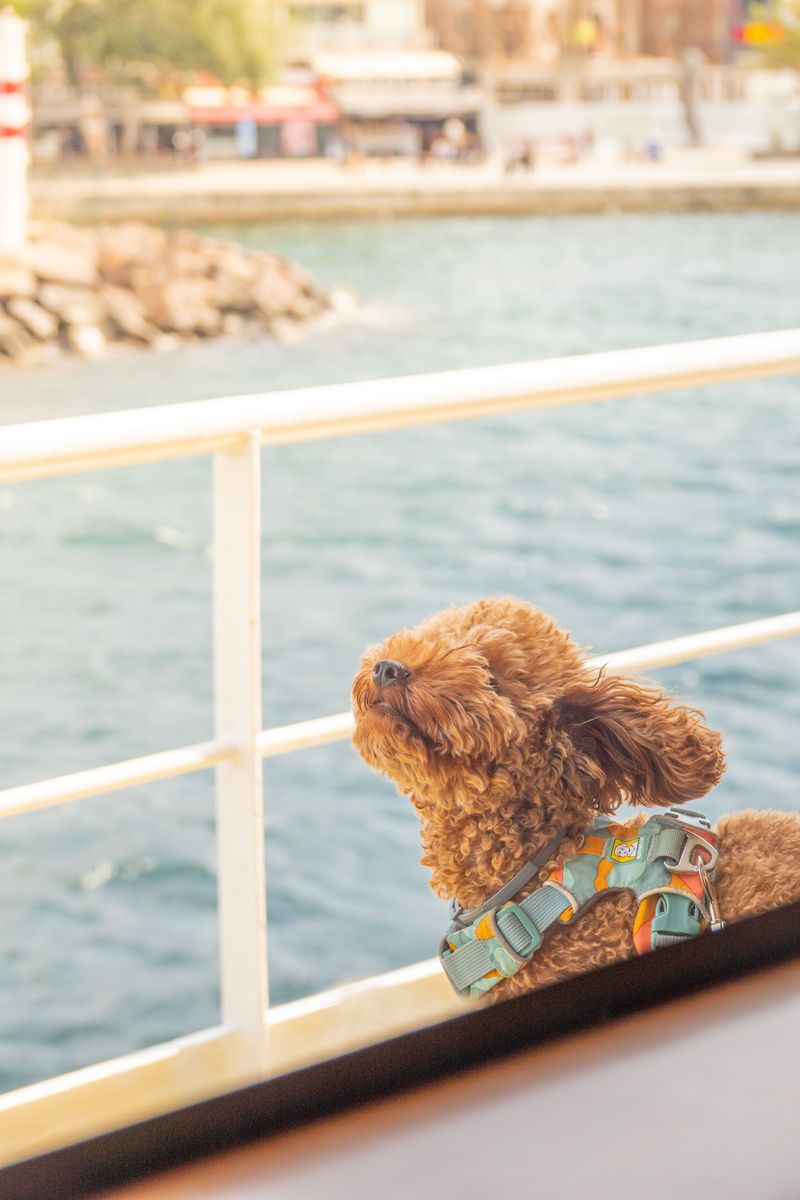
Budget a little room for your dog’s passage from Charlevoix. Beaver Island Boat Company charges a pet fare, so check its current rate when booking.
Ask whether that charge applies separately to each direction.
Confirm where pets must ride on your assigned vessel and whether a kennel is needed. The crossing takes much longer than a Mackinac ferry trip.
That makes comfort, weather, and your dog’s ability to settle important parts of the decision before departure.
5. Know Where Your Dog Can Stay on the SS Badger
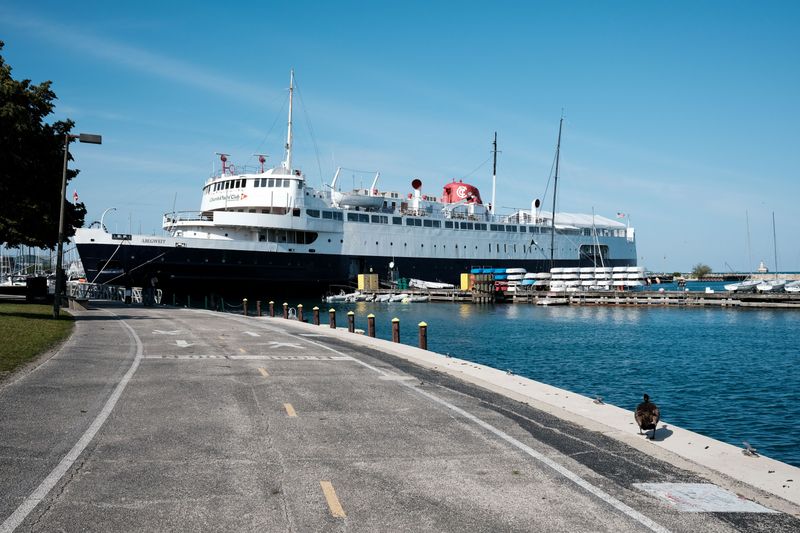
The SS Badger is not a stroll together across Lake Michigan. On its Ludington to Manitowoc route, ordinary pets cannot enter passenger areas.
The operator provides kennel arrangements and permits certain vehicle arrangements under its rules.
Review the current pet policy before reserving either option. Ask about kennel dimensions, availability, and how staff handle boarding.
Never assume you can remain beside your dog throughout this longer crossing. Choose accommodations around your dog’s actual needs and comfort.
6. Decide Whether Your Dog Should Travel in a Kennel
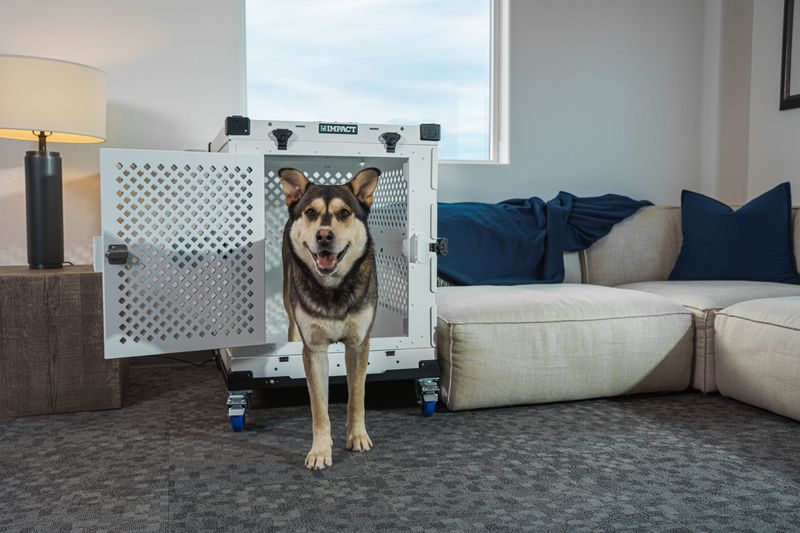
A familiar kennel can feel like a quiet little room. An unfamiliar one can feel like an unwanted surprise.
If your ferry requires confinement, practice at home well before departure.
Choose a carrier that meets the operator’s size and design rules. Your dog should stand, turn around, and lie comfortably inside.
Build positive habits with brief sessions and rewards. If onboard kennels are supplied, ask about their layout rather than assuming your personal crate will fit.
7. Never Assume Your Dog Can Stay in the Car
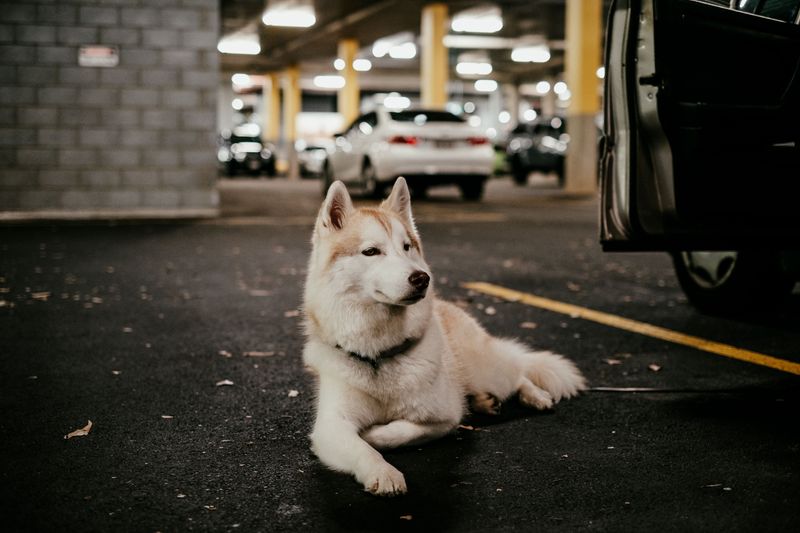
Your back seat is not automatically an approved pet cabin. Some ferries prohibit leaving dogs in vehicles, while others allow it under specific conditions.
Vehicle decks may be inaccessible once sailing begins.
Ask about ventilation, temperatures, and access before selecting this option. A cracked window does not guarantee safe conditions.
Never leave your dog in a vehicle that could become too warm. If the arrangement feels unsuitable, choose another sailing or another way across the lake.
8. Check Whether Your Dog Can Join You Indoors
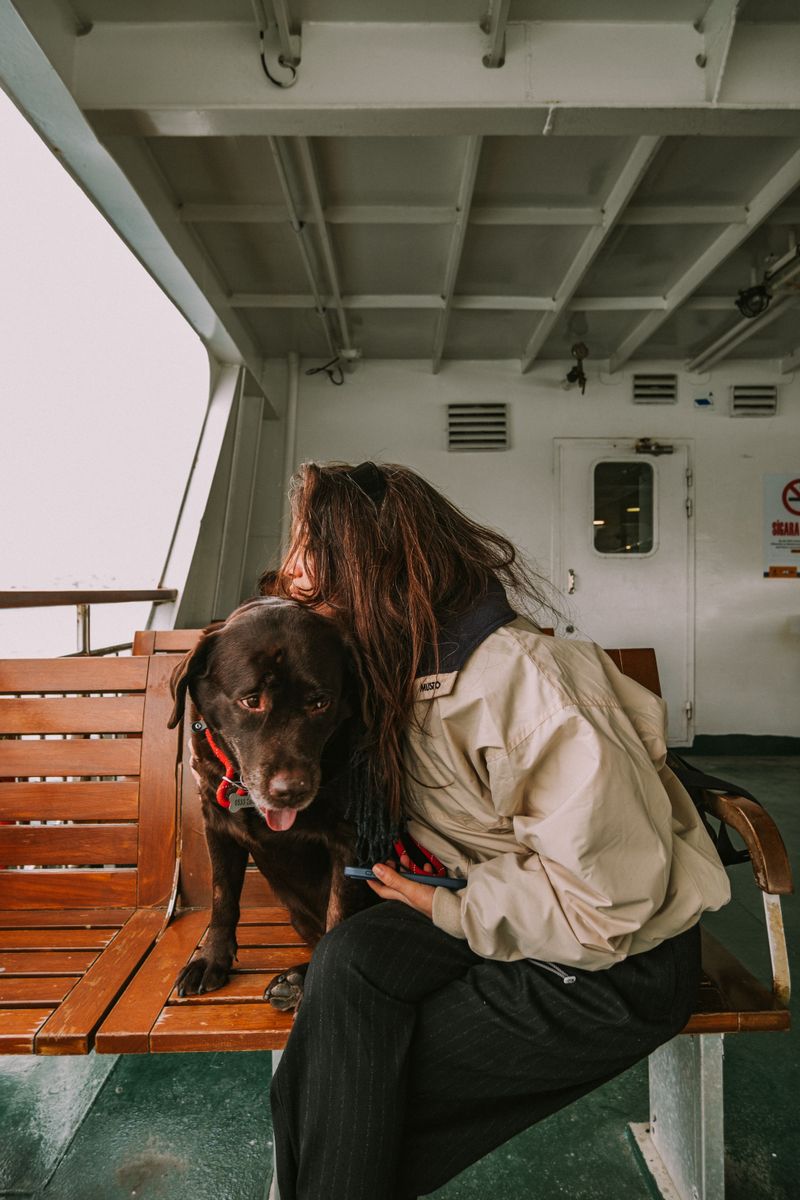
A chilly deck makes indoor access suddenly feel very important. Pet permission does not always include enclosed lounges, dining spaces, or every passenger cabin.
Rules can vary by operator and vessel.
Ask exactly where you may sit with your dog before choosing a departure. If only outdoor space is available, consider rain, wind, and your dog’s tolerance for cold.
Never plan around slipping inside unnoticed. A suitable route should work for both passengers without bending rules.
9. Bring a Secure Leash and Comfortable Harness
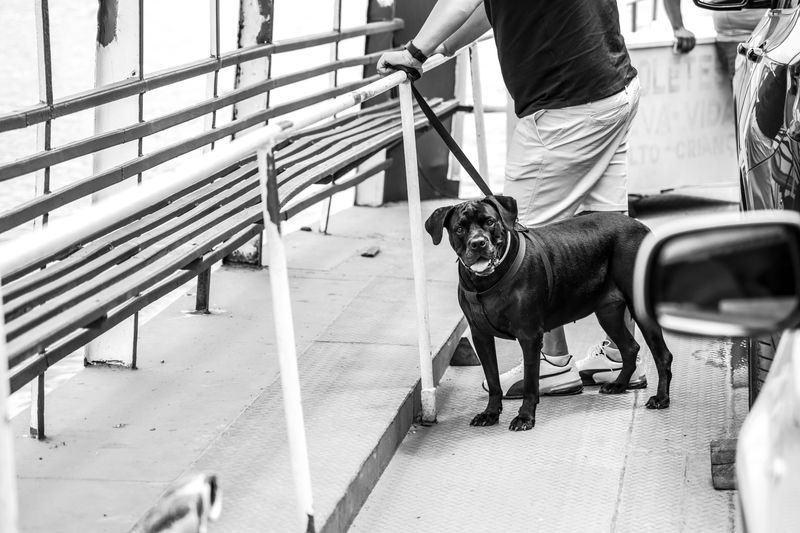
Dock ramps are no place for a disappearing leash clip. Check your dog’s harness, buckle, and lead before leaving home.
A fixed leash offers better control than a long retractable line.
Keep identification tags readable and your microchip contact details current. Carry a spare leash in an easy pocket.
Onboard, avoid tying your dog to railings or leaving them unattended. If lifting is necessary, support their body rather than pulling on the harness handle alone.
10. Help Your Dog Get Used to Ferry Sounds
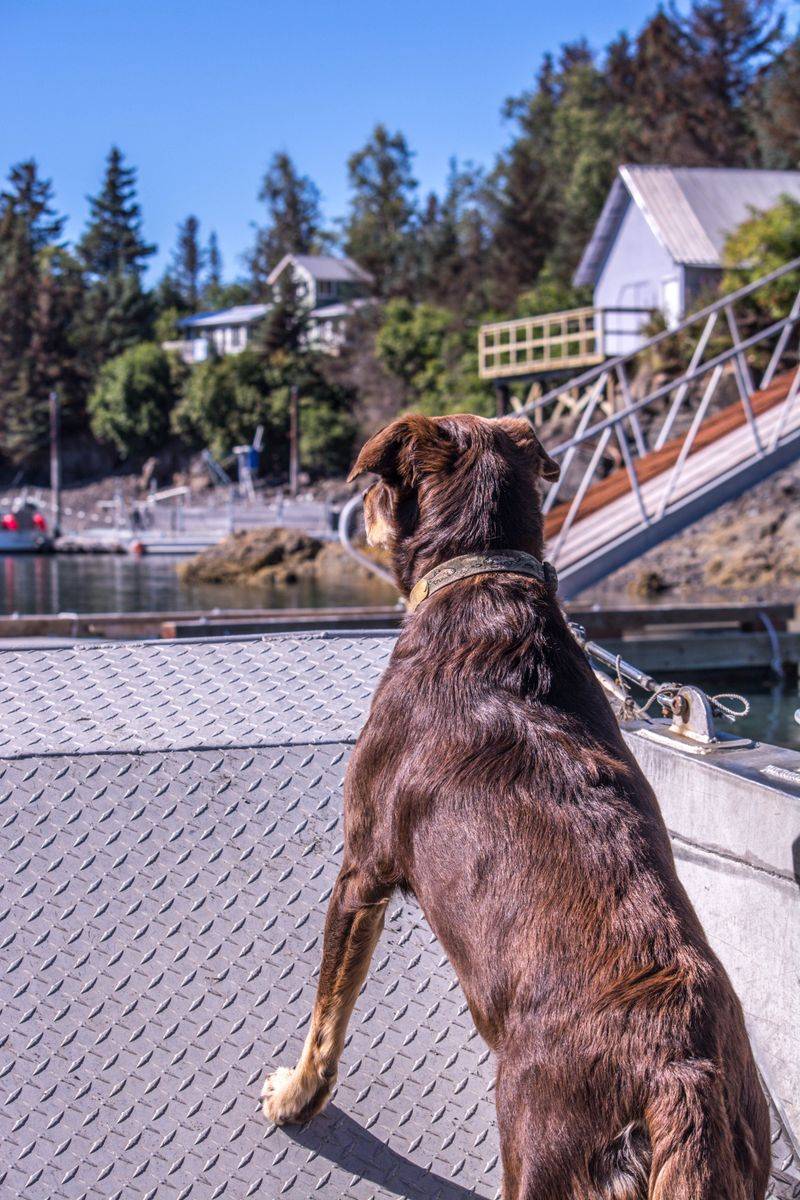
That first horn can earn a very surprised head tilt. Engines, rolling luggage, and vibrating decks may feel unfamiliar even to confident dogs.
Start preparing with quiet recordings and rewards at home.
Gradually introduce busier waterfront settings from a comfortable distance, staying outside restricted areas. Watch for trembling, repeated yawning, or attempts to leave.
Those signals mean your dog needs more space. Keep practice short and cheerful, rather than waiting for worry to fade by itself.
11. Prepare for Wind and Changing Great Lakes Weather
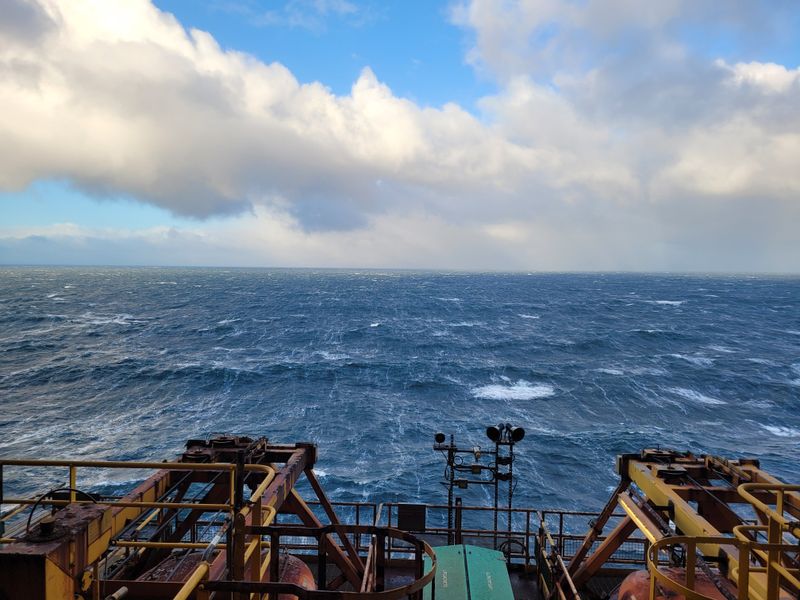
Sunshine at the dock does not promise a warm crossing. Open water can feel cooler, and wind adds another layer of discomfort.
Check the marine forecast alongside the regular weather report.
Pack a towel and suitable coat for dogs that chill easily. Find permitted shelter without blocking walkways or exits.
On warmer days, look for shade and watch for overheating. Ask about cancellation procedures when conditions look unsettled, since safety decisions may change your sailing plans.
12. Pack Water and Familiar Comfort Items
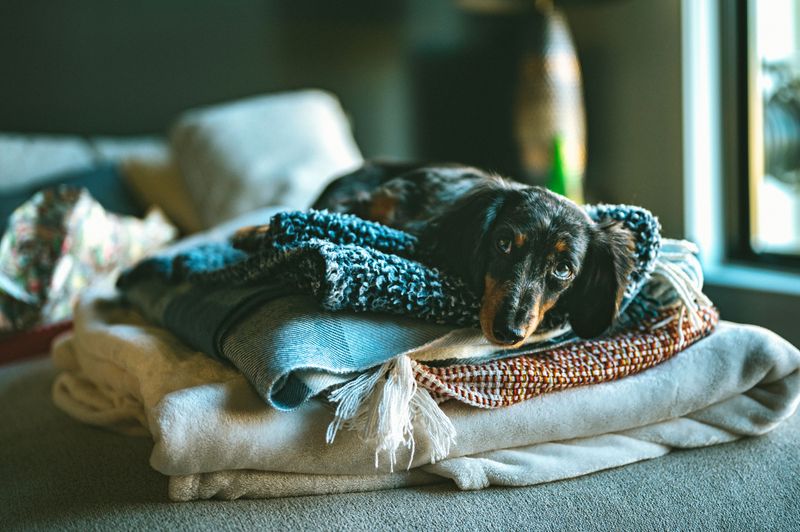
A familiar blanket earns its luggage space surprisingly fast. Bring fresh drinking water, a bowl, waste bags, and a small comfort item.
Keep essentials with you instead of buried inside checked luggage.
Offer water regularly and avoid letting your dog drink lake water around docks. Choose quiet toys that will not disturb nearby passengers.
Pack necessary medication in its labeled container. A simple kit beats an overflowing bag when one hand already holds the leash securely.
13. Plan Bathroom Breaks Before Boarding

The best bathroom stop happens before the boarding line starts moving. Find a permitted grassy area near the terminal and allow time for an unhurried walk.
Always collect waste and use designated bins.
Do not assume the vessel has a pet relief area. Ask before booking, especially for longer crossings or dogs needing frequent breaks.
Pack cleanup supplies for accidents without expecting crew to provide them. Include terminal waiting time when judging your dog’s comfortable bathroom interval.
14. Consider Motion Sickness Before a Long Crossing
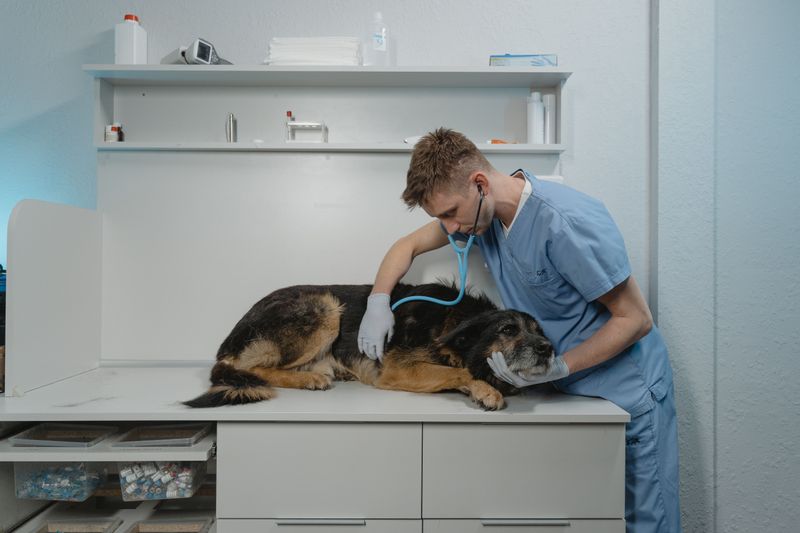
Drooling on car rides deserves attention before a lake crossing. Dogs can experience motion sickness, and longer sailings leave fewer options for changing plans.
Speak with your veterinarian before travel day.
Ask about meal timing and whether prescription treatment suits your dog. Never share human motion sickness medicine without veterinary guidance.
Follow instructions carefully, including any suggested trial at home. If your dog seems unwell onboard, notify crew and follow the plan your veterinarian recommends for travel.
15. Understand How Long Your Dog Will Be Without You
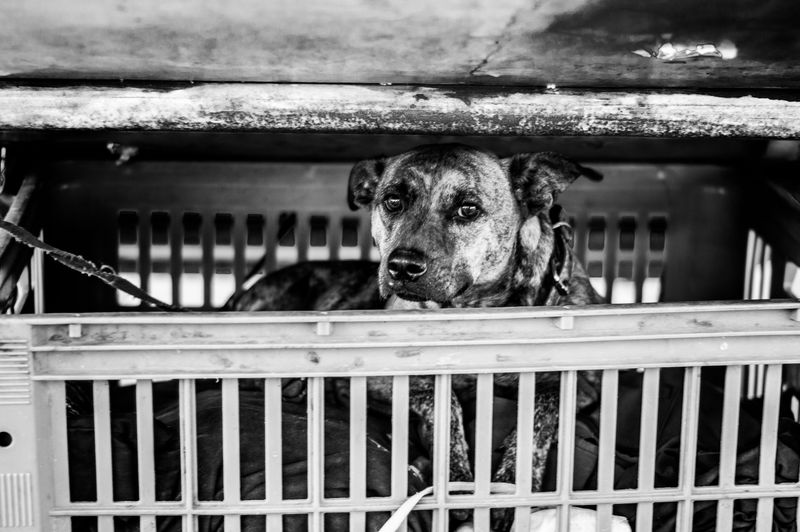
Crossing time is only part of the clock. Boarding, loading, docking, and unloading can stretch the period your dog spends apart from you.
Ask the operator for a realistic overall estimate.
Consider your dog’s usual comfort with separation, not just their ability to stay quiet. Puppies, older dogs, and pets with medical needs may require different plans.
If separation exceeds what your dog handles well, a shorter route or a trusted caregiver may be kinder overall.
16. Ask About Checking on Your Dog During the Trip
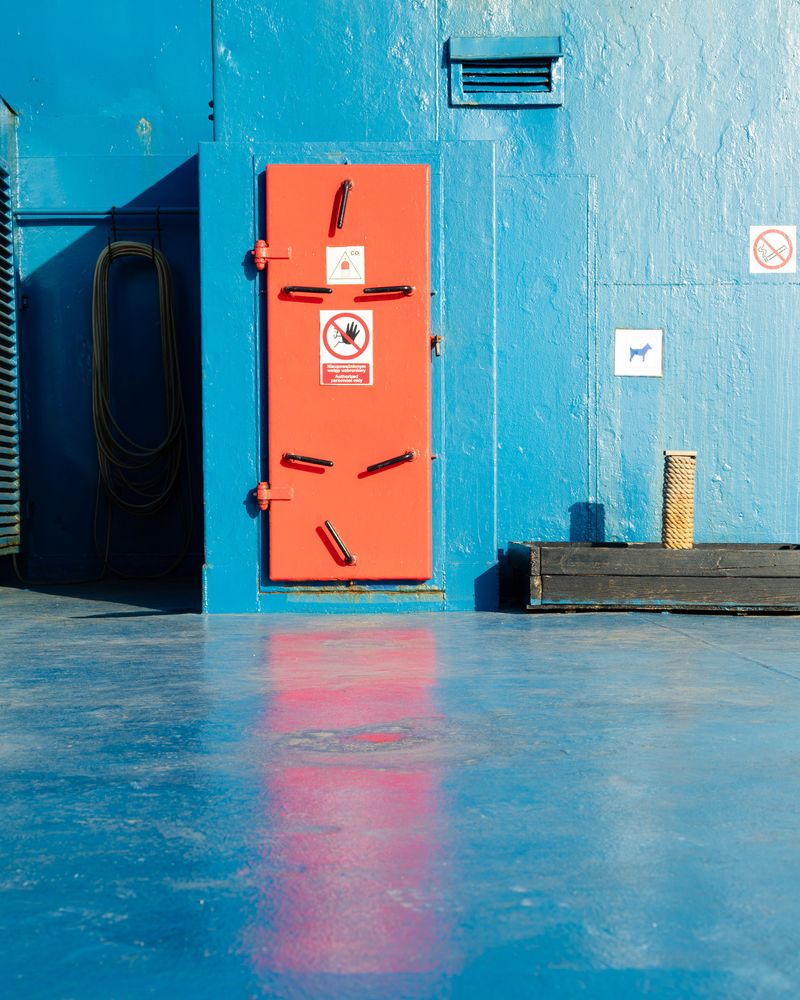
A quick visit may sound simple until access doors close. Some operators allow supervised pet checks, while others restrict access during sailing.
Get a clear answer before relying on visits.
Ask who authorizes access, when visits happen, and whether rough conditions can interrupt them. Never enter a restricted vehicle deck or kennel area without permission.
Keep the crew’s contact instructions handy. Knowing the process ahead of time lets you focus on your dog’s comfort instead of searching.
17. Make Sure Your Dog Is Comfortable Around Other Passengers
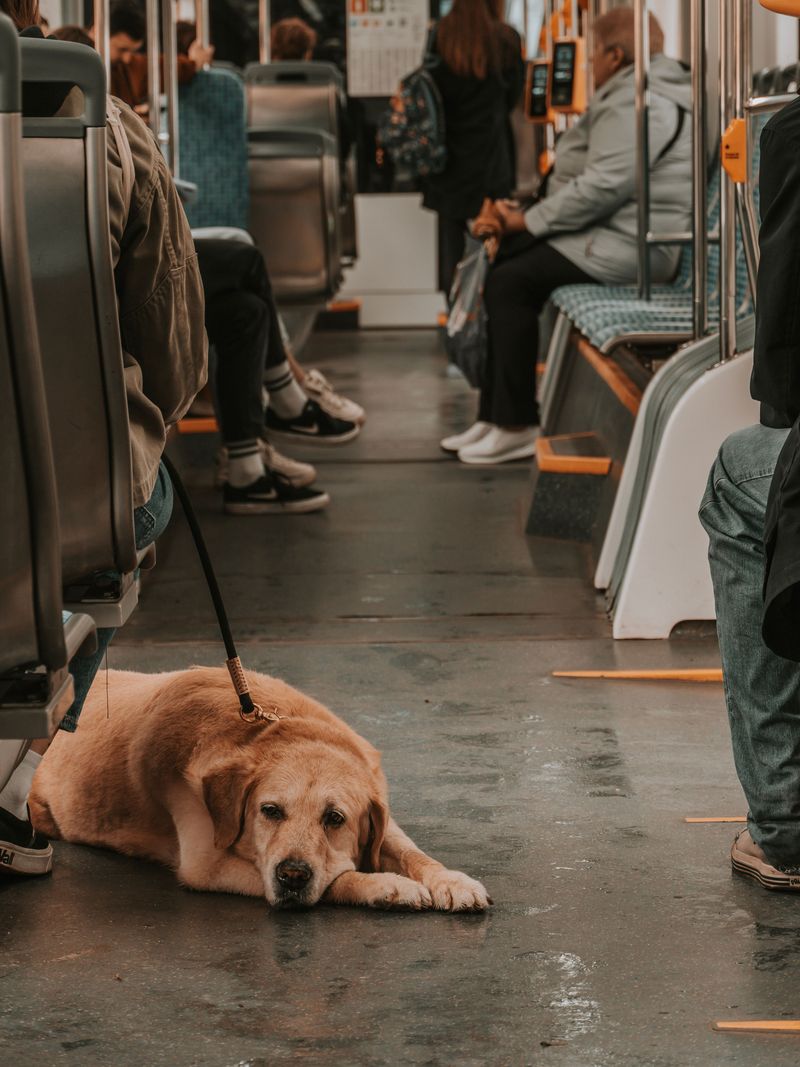
Rolling suitcases and excited children can fill a dock with distractions. Practice calm waiting around people before bringing your dog into a boarding crowd.
Reward attention and relaxed behavior from a comfortable distance.
Choose space away from busy aisles when crew permit it. Ask before allowing greetings, and respect passengers who prefer room.
Keep paws, noses, and leashes out of walkways. If crowded settings overwhelm your dog, consider a quieter sailing rather than hoping for instant confidence.
18. Check Seasonal Schedules and Boarding Times

A summer timetable can become outdated when the season shifts. Michigan ferry schedules vary, and some routes stop operating during part of the year.
Check dates directly with your chosen company.
Follow its arrival guidance, allowing extra time for vehicles, pet arrangements, and parking. Confirm the last return sailing before spending the day ashore.
Save service alerts and keep a backup lodging option that accepts dogs. Leaving breathing room makes delays easier on both ends of the leash.
19. Remember That Service Animal Rules Are Different
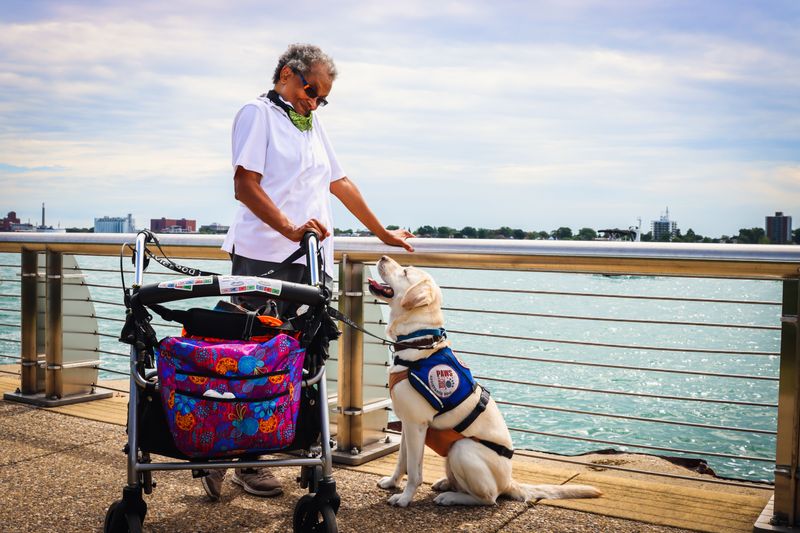
Working service dogs are not treated like ordinary pets. Under the ADA, qualifying dogs perform tasks directly related to a person’s disability.
Emotional support alone does not meet that definition.
Staff may ask two permitted questions when the dog’s role is unclear, but cannot demand certification. Service dogs generally remain with their handlers in public passenger areas, subject to applicable rules.
Confirm boarding needs early. Then grab the leash, respect the crew, and enjoy that lake breeze.