Four Seasons Mean Four Sets Of Dog Supplies For Many Ohio Households
Ohio weather can change fast, and your dog feels every shift. One month brings mud and rain, and another brings heat, falling leaves, or road salt.
Many local owners keep a small set of supplies for each season, and it makes daily life easier. Here is a friendly guide to what helps most, season by season, so you and your dog stay comfortable all year.
1. Spring: Flea and Tick Preventatives
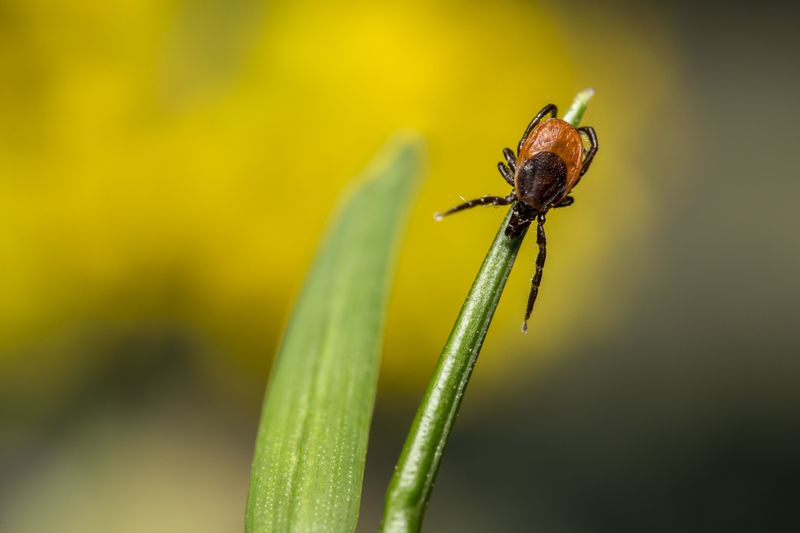
Warmer spring days wake up more than tulips. Fleas and ticks become more active across Ohio, and some ticks stay busy even in cooler months.
Many Ohio veterinarians suggest steady prevention, often all year. Options include chewables, topical drops, and collars.
Each works a little differently, so ask your vet which fits your dog.
After hikes or yard play, run your hands over your dog. Check ears, armpits, and between toes for any hitchhikers.
2. Spring: Heartworm Preventatives
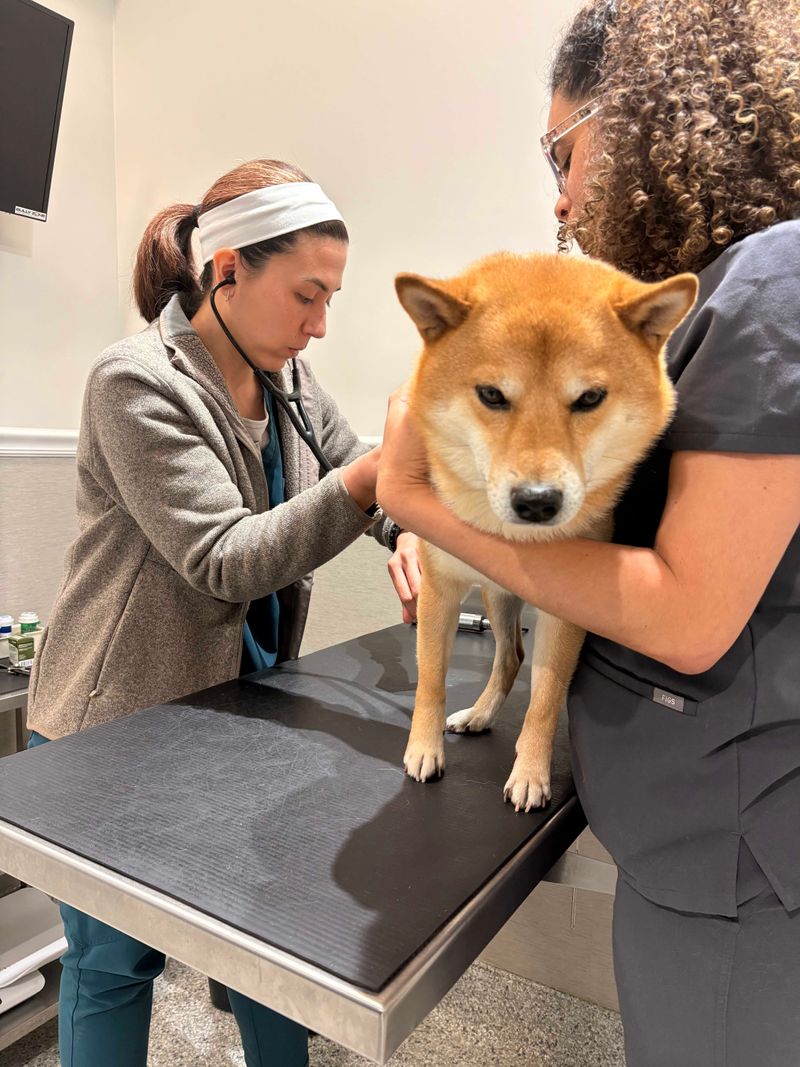
Mosquitoes carry heartworm, and Ohio has plenty of mosquitoes once spring rains arrive. Heartworm disease is serious, but it is very preventable.
Most veterinarians advise giving prevention all year, not just in summer. Many monthly products also guard against some intestinal worms.
Your vet will usually recommend a yearly heartworm test, even for dogs on prevention. A phone reminder for monthly doses helps you stay on track without stress.
3. Spring: Paw Wipes and Towels for Muddy Walks
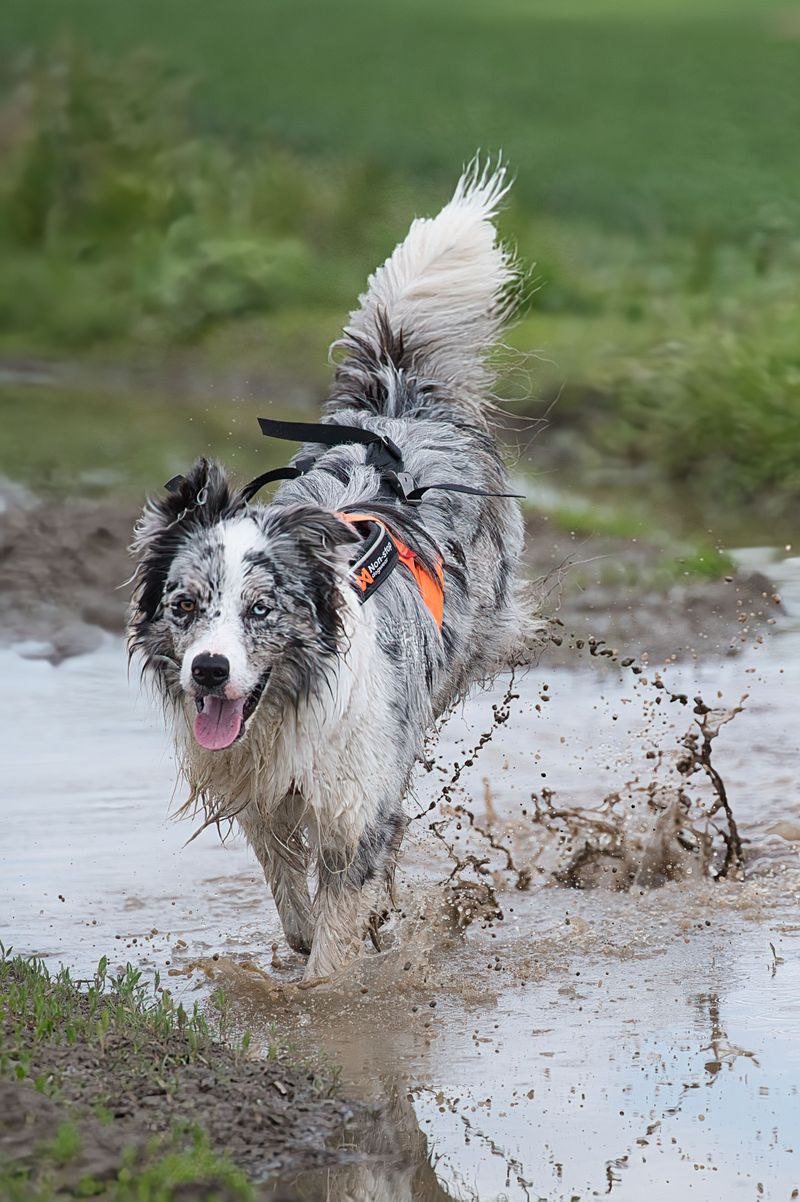
Picture a clean kitchen floor, then picture four muddy paws racing across it. Spring in Ohio makes that scene very common.
A basket by the door solves a lot. Keep dog-safe wipes and an old towel ready.
Wiping paws also removes pollen and lawn treatments before they come inside.
For really messy feet, rinse with lukewarm water. Dry well between the toes, since leftover moisture can irritate skin.
4. Spring: Waterproof Dog Raincoat
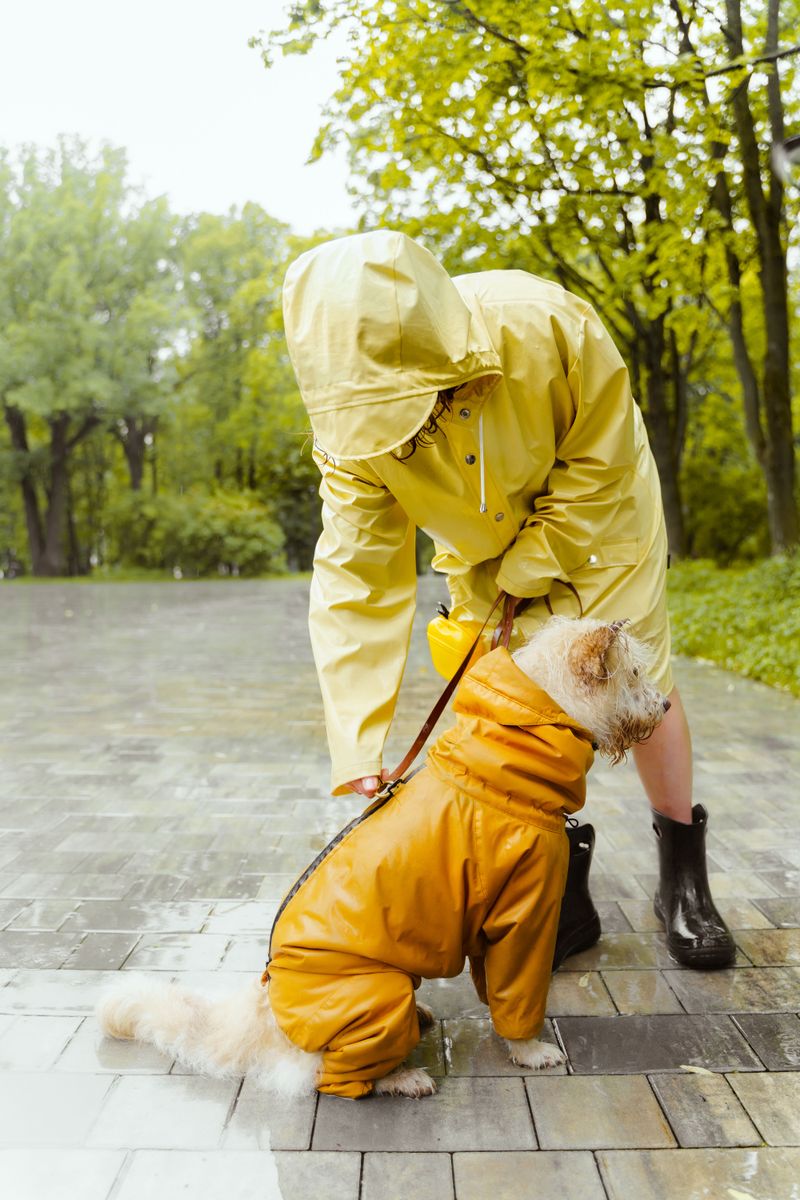
April showers in Ohio can feel surprisingly chilly. A waterproof raincoat keeps your dog drier and warmer on those soggy walks.
Short-haired, small, and older dogs tend to benefit most. Thick-coated breeds may not need one at all.
Look for a snug fit that leaves legs free to move. A hood is optional, since many dogs dislike them.
Reflective trim adds a nice safety bonus on gray, cloudy mornings.
5. Spring: Dog-Safe Shampoo and Grooming Brushes
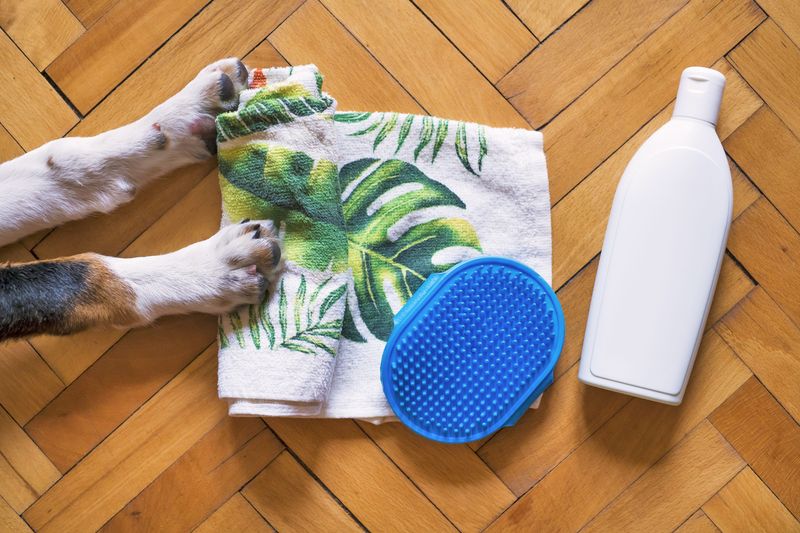
Fur tumbleweeds rolling across the living room? Your dog is probably dropping its winter coat.
Regular brushing helps loose hair come out on your schedule, not on your couch. Slicker brushes and undercoat rakes work well for many breeds.
For muddy coats, use a shampoo made for dogs. Human products can upset their skin balance.
Bathing too often can dry skin, so wash only when your dog truly needs it.
6. Summer: Portable Water Bottle and Collapsible Bowl
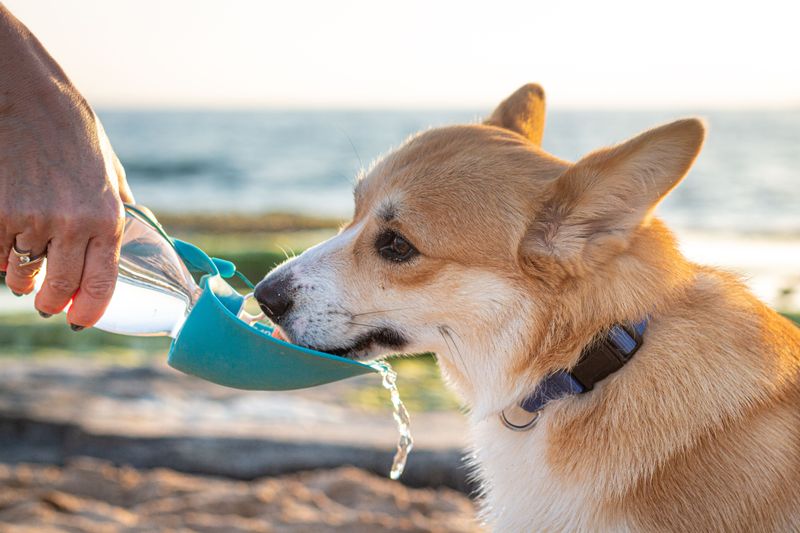
Ohio summers bring heat and sticky humidity. Dogs cool off mostly by panting, which uses up water quickly.
A dog water bottle and a folding bowl fit easily into a bag. Offer small drinks often during walks, hikes, and park visits.
Watch for heavy panting, drooling, or slowing down. Those signs mean it is time for shade and rest.
Contact your vet if your dog seems unwell after heat exposure.
7. Summer: Cooling Mat or Cooling Vest
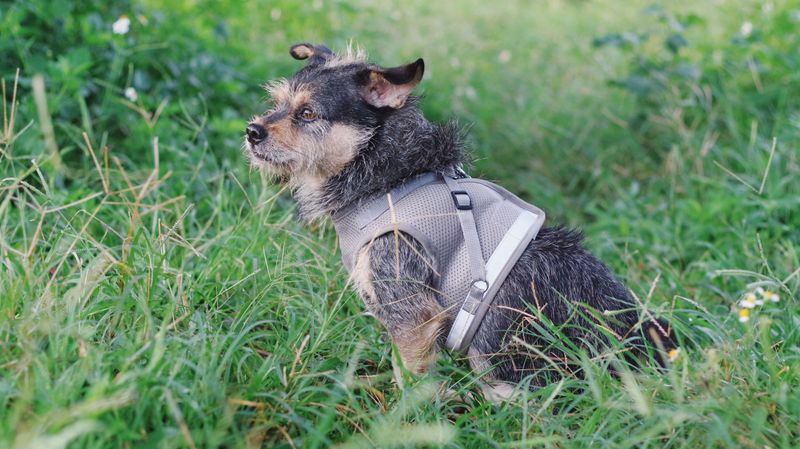
Flat-faced breeds, heavy coats, and senior dogs often struggle on muggy July days. A little cooling help goes a long way.
Pressure-activated mats give a cool spot to lie on indoors or on a shaded patio. Cooling vests are soaked in water and work through evaporation.
Neither replaces shade, water, or air conditioning. Supervise chewers, since some mats contain gel.
Use these as helpers, not as the whole plan.
8. Summer: Dog Life Jacket for Lake Days
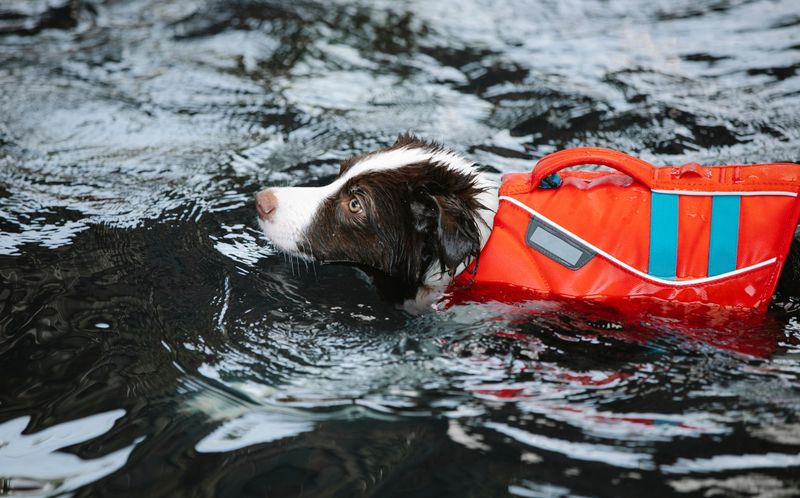
From Lake Erie to local reservoirs, Ohio offers lots of water fun. Even strong swimmers can tire or face currents.
A dog life jacket adds buoyancy and bright color for easy spotting. A top handle helps you lift your dog back into the boat.
Fit matters most. It should be snug, with straps that do not slip.
Let your dog practice in shallow water first so the jacket feels familiar.
9. Summer: Paw Protection for Hot Pavement
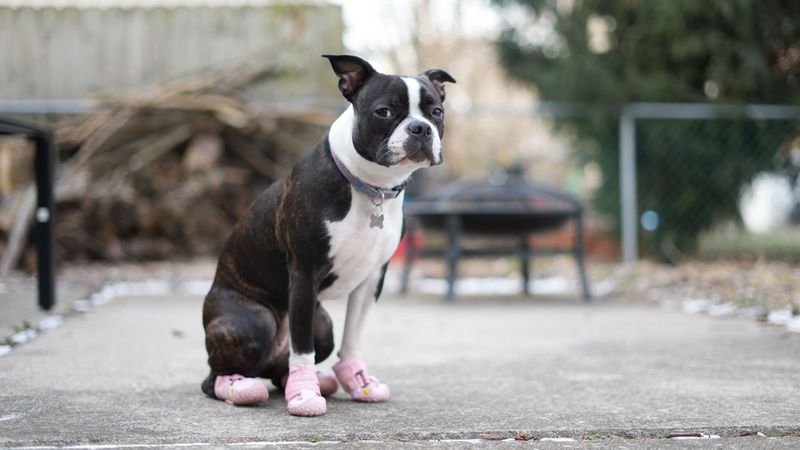
Try a simple test. Press the back of your hand on the pavement for seven seconds.
Too hot for you means too hot for paws.
Dog booties or paw wax create a barrier on warm surfaces. Booties take some practice, so start with short indoor sessions.
Timing helps too. Walk in early morning or evening, and choose grassy or shaded routes when you can.
10. Fall: Reflective Leash, Collar, or Harness
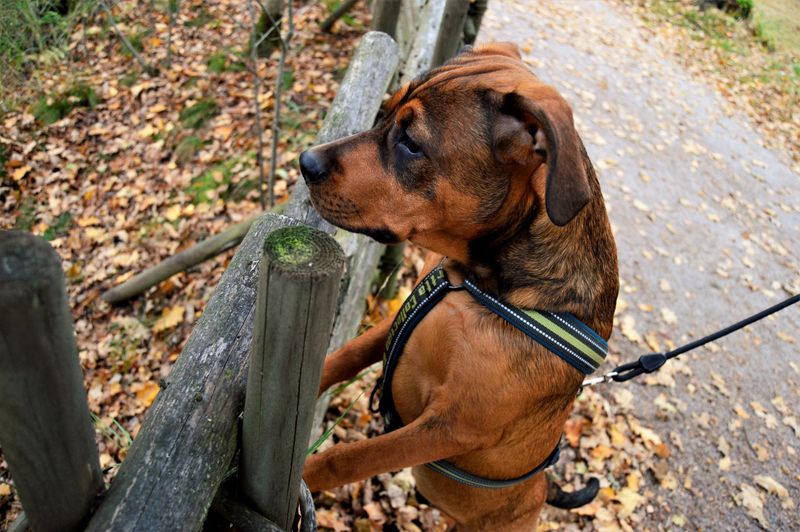
Once daylight saving time ends, many evening walks happen in the dark. Drivers may not notice a dog until late.
Reflective leashes, collars, and harnesses bounce headlight beams back toward drivers. They are an easy upgrade with no batteries needed.
Wear something reflective yourself, too. Face traffic when no sidewalk exists.
Visibility works best when both of you are easy to spot.
11. Fall: LED Collar Light
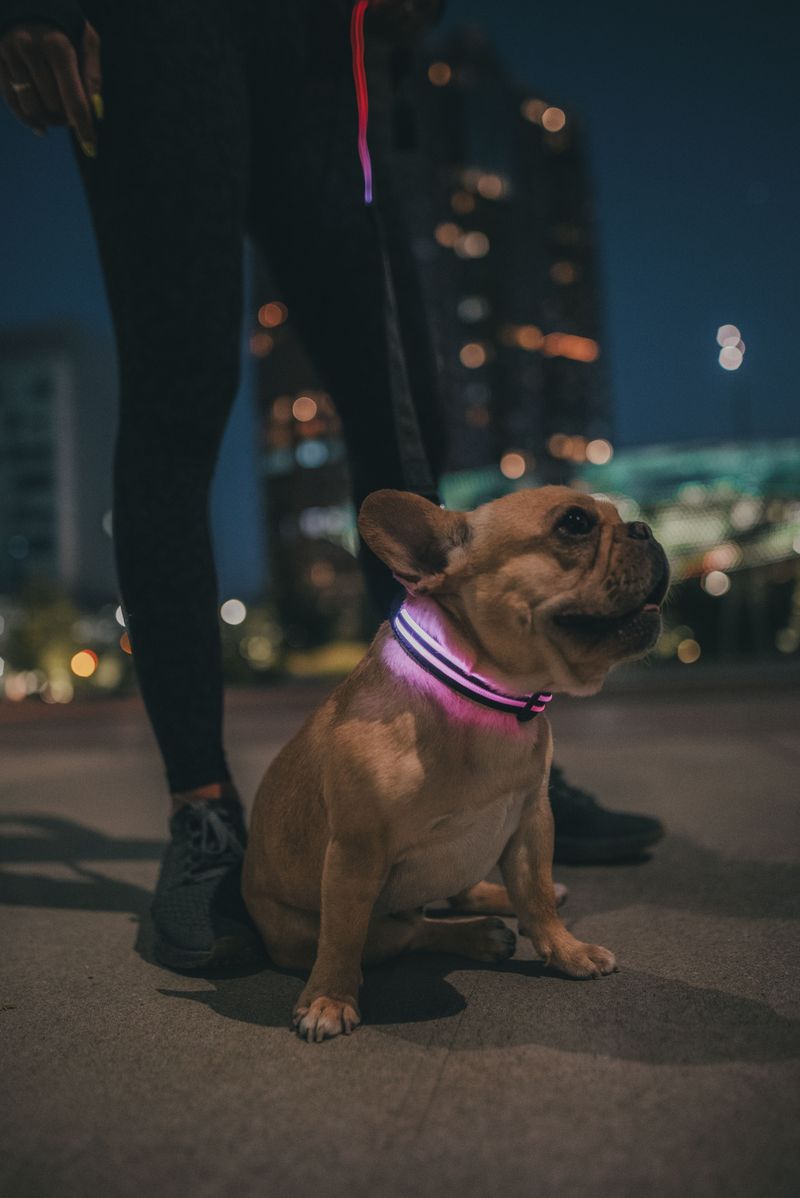
Reflective gear needs light to shine. An LED collar light glows on its own, even on dim side streets.
Fun fact: dark-coated dogs can be especially hard to see at night. A small clip-on light makes a big difference.
Many lights are rechargeable by USB and offer steady or flashing modes. Charge it with your phone each night.
That way, early morning walks start bright and stress-free.
12. Fall: Grooming Tools for Seasonal Shedding
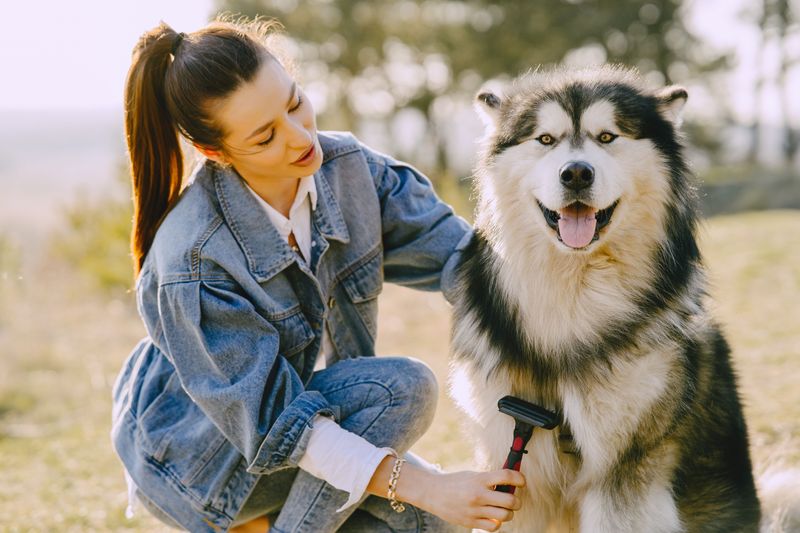
Surprise, round two of shedding often arrives in autumn. Many double-coated dogs swap lighter fur for a thicker winter coat.
A deshedding tool, slicker brush, and metal comb make a handy kit. Short, frequent sessions beat one long struggle.
Brushing also lets you check for burrs, ticks, or skin bumps. If you notice anything unusual, mention it at your next vet visit.
13. Fall: Paw Wipes for Leaves and Debris
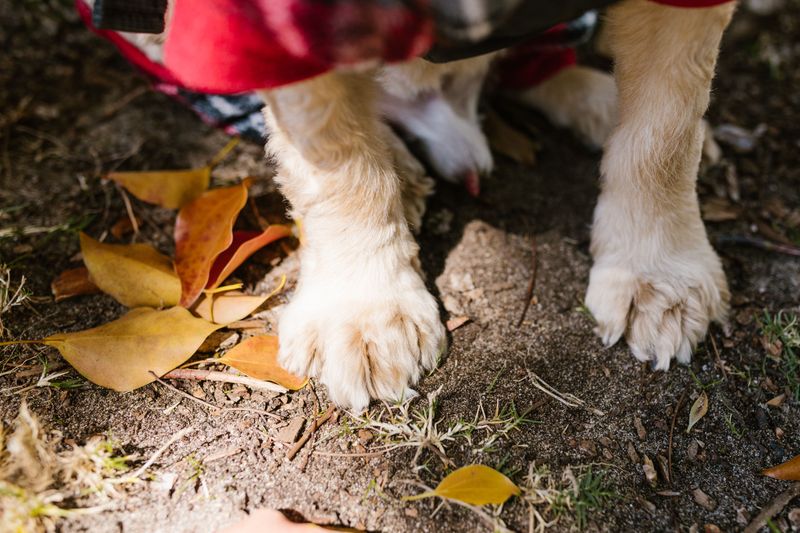
Crunchy leaves look lovely, but wet piles hide mud, sticks, and burrs. Paws collect all of it.
Keep wipes in your car or near the door for quick cleanups. Check between toes for small debris that can rub or poke.
Long-haired dogs may need foot fur trimmed so less gunk sticks. A groomer can help if you feel unsure about using scissors near paws.
14. Fall: Insulated Jacket for Sensitive Dogs
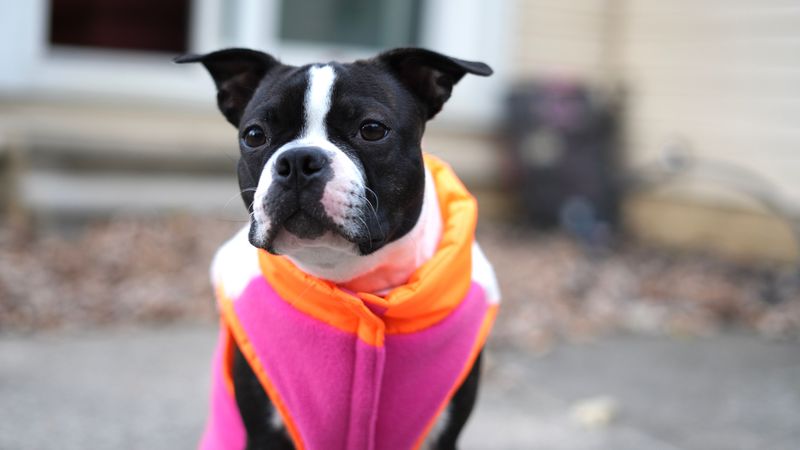
Crisp October mornings feel refreshing to us. Some dogs, though, start shivering early in the season.
Greyhounds, Chihuahuas, seniors, and thin-coated pups often appreciate a light insulated jacket. Many sturdy, fluffy breeds are fine without one.
Watch your dog for clues like shivering, lifting paws, or wanting to head home. Those signals tell you more than the thermometer does.
15. Winter: Insulated Coat for Freezing Days
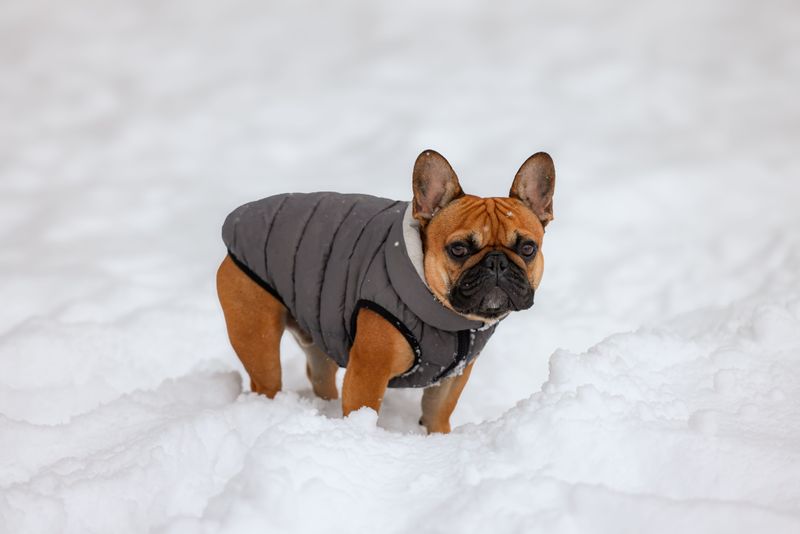
Lake-effect snow and frigid wind chills make Ohio winters real. A well-insulated coat helps many dogs stay comfortable outside.
Choose one that covers the chest and belly, where snow tends to collect. Water-resistant outer fabric keeps the lining dry.
Even with a coat, keep walks shorter on bitter days. Ask your veterinarian about cold limits for your dog’s age, size, and health.
16. Winter: Waterproof Dog Boots
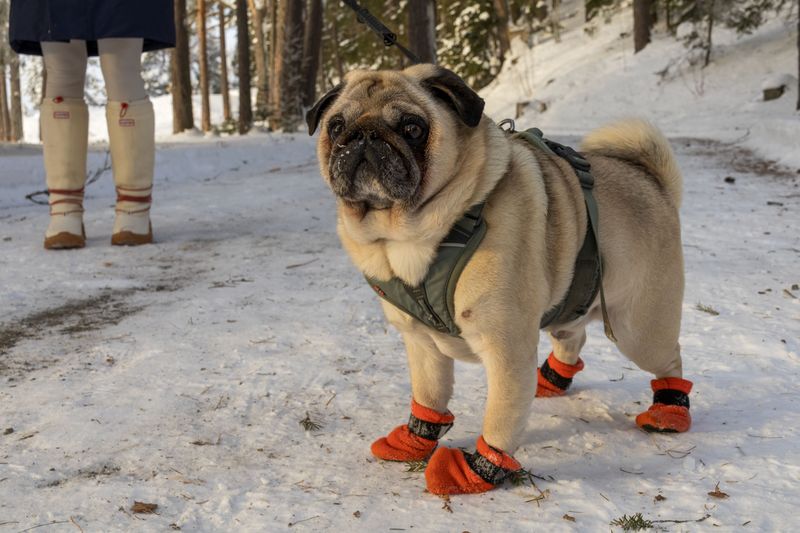
Road salt, ice chunks, and packed snow can sting tender paw pads. Waterproof boots act like a shield.
Look for grippy soles and secure straps. Expect a few funny high-stepping walks at first.
Treats and patience help a lot.
No boots? Rinse paws with lukewarm water after walks.
Melt any ice balls stuck between toes, then dry thoroughly.
17. Winter: Pet-Safe Ice Melt
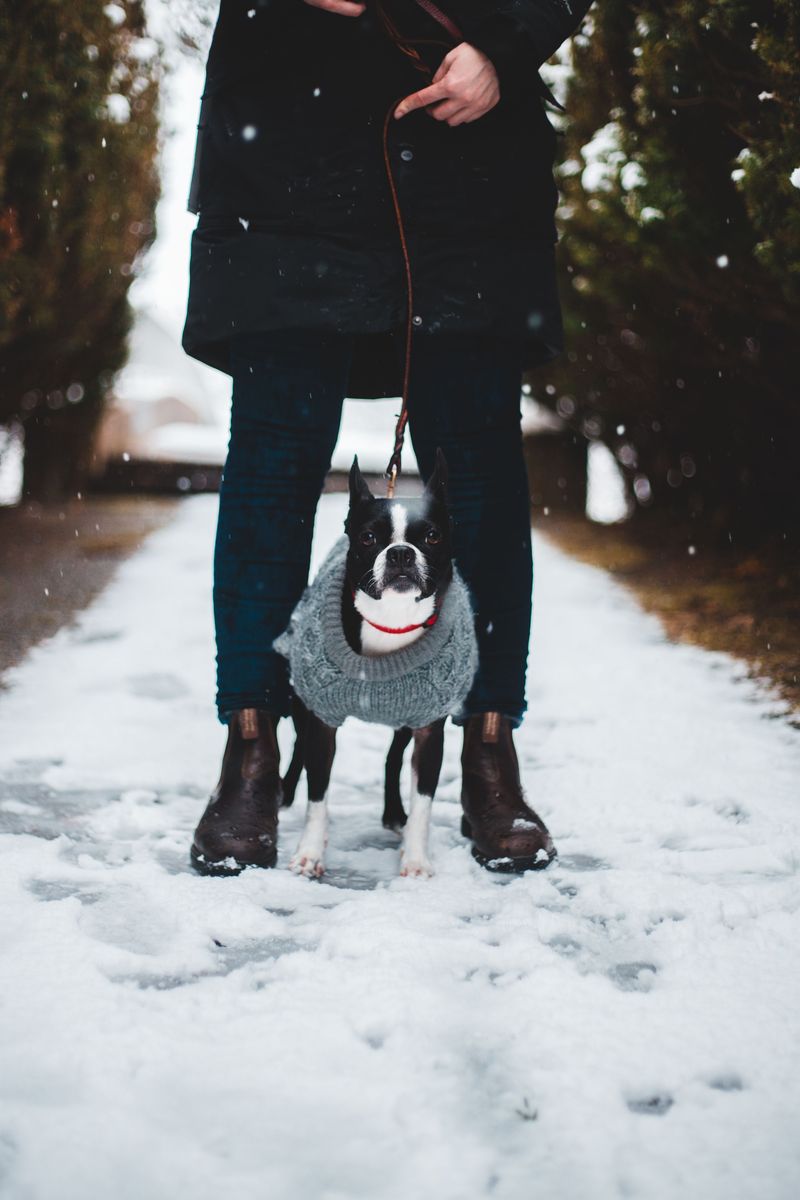
Many common ice melts use rock salt or calcium chloride. These can irritate paws and upset stomachs if licked.
Products labeled pet-safe are gentler, though none are completely risk-free. Use them sparingly and follow the package directions.
Discourage licking of treated surfaces. If your dog eats ice melt, call your vet or a pet poison helpline.
Neighbors may use regular salt, so wipe paws after walks.
18. Winter: Paw Balm for Cracked Pads
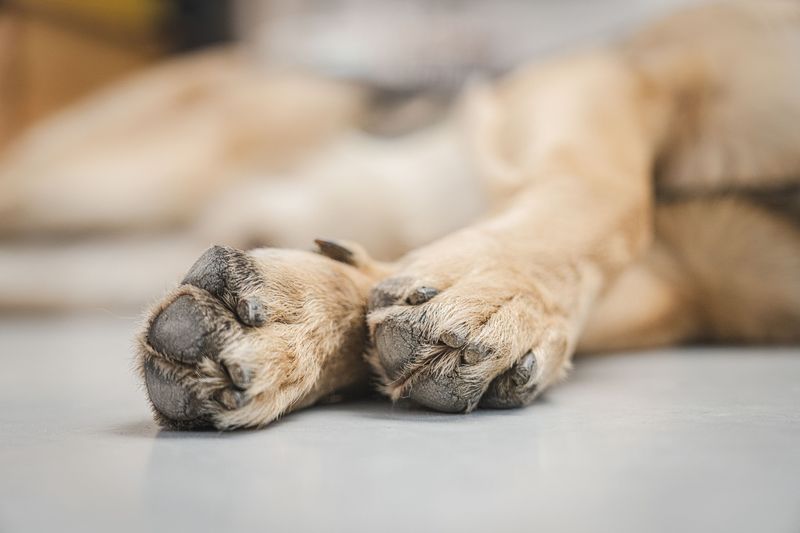
Dry furnace heat indoors plus icy sidewalks outdoors is a tough combo for paw pads. Cracking can happen quickly.
A dog paw balm moisturizes and adds a thin protective layer. Apply a little before walks and again at bedtime.
Choose a product made for dogs, since they often lick it off. If cracks bleed or seem sore, have your veterinarian take a look.
19. Winter: Warm Bedding and Absorbent Towels
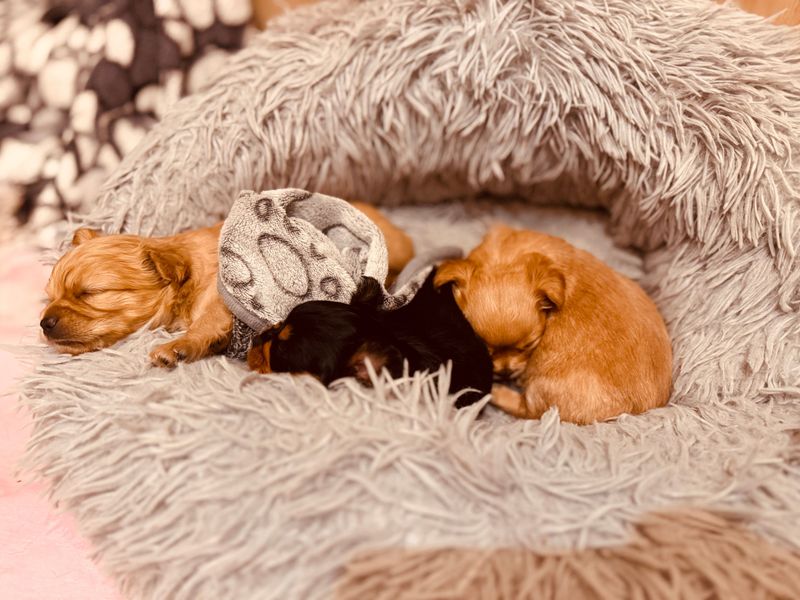
Coming in from a snowy walk feels best when a warm spot waits. Cold floors can chill dogs, especially seniors.
A thick or self-warming bed off the tile helps. Place it away from drafty doors and windows.
Keep absorbent microfiber towels by the entry. Dry legs, belly, and paws well.
A warm, dry pup settles in happily for the evening.