Pennsylvania Dog Owners Should Recheck Licensing Details Whenever They Move

Moving gives your dog new rooms to explore and new walking routes to enjoy. It also gives you a few records to update, including your dog’s license.
In Pennsylvania, a change of address can affect which office handles that license and how someone reaches you. A quick check with the right office helps keep your paperwork accurate, whether you move across town, between counties, or beyond the state.
1. Check Your Dog’s License After Every Move

Moving boxes can wait a moment while you check your dog’s paperwork. Even a short move can leave an old address attached to a license.
Add this task to your moving checklist alongside utilities and mail forwarding.
Find the current license, note its issuing office, and ask how to report your move. Do not assume another agency updates it automatically.
A small check now makes future renewals and identification much easier for your whole household.
2. Understand Pennsylvania’s Dog Licensing Rules

A puppy’s arrival starts more than a feeding schedule. Pennsylvania requires a dog to be licensed when purchased or adopted, as early as eight weeks of age, or by three months of age, whichever comes first.
Annual licenses follow the calendar year, rather than lasting twelve months from purchase.
Lifetime licenses are also available when identification requirements are met. Check current guidance from the Pennsylvania Department of Agriculture before choosing.
Knowing the basic rules helps you ask clear questions when your address or county changes after moving.
3. Find Out Who Issues Dog Licenses in Your New Area

Your new neighborhood may send you to a different licensing office. County treasurers generally issue Pennsylvania dog licenses, sometimes through authorized agents or online services.
Philadelphia has its own city licensing process, so check local guidance there.
Start with an official county or city website, not an unfamiliar payment link. Look for contact details and application instructions.
Save the correct office’s information before unpacking distracts you, especially if you have moved across a county boundary.
4. Update Your Address After Moving

An old address can follow your dog long after the moving truck leaves. Contact the issuing office and explain your new address.
Ask whether you need a form, written notice, or an update through its website.
Include your license number and the owner’s name exactly as recorded. Keep confirmation of the change with your pet records.
Mail forwarding alone does not change a licensing database, so treat this as a separate task during your move.
5. Check Whether Your Dog’s License Is Still Current

A familiar tag does not always mean the license remains current. Read the year on your annual license and compare it with your paperwork.
Pennsylvania annual licenses expire December 31, even when purchased late in the year.
If you hold a lifetime license, confirm that its owner and address records remain accurate. Ask the issuing office about anything unclear.
Moving does not restart an annual license period or replace the need to renew on time.
6. Keep Your Dog’s License Number Handy

Finding one small number should not require opening every moving box. Photograph your dog’s license and save the number in a secure note.
Include the issuing county or city so you know whom to contact.
A clear record helps when requesting an address update, replacement tag, or transfer instructions. Keep a paper copy somewhere easy to reach, too.
If several dogs share your home, label each entry carefully to prevent mixing up their individual records.
7. Make Sure Your Contact Details Are Accurate

The best contact number is the one you actually answer. Review your phone number, mailing address, and any email listed with the licensing office.
Correct spelling matters, especially when two household members handle different pet tasks.
Update your dog’s microchip registry and personal identification tag separately. Those records do not automatically change with a license update.
Matching information across your dog’s records gives finders and officials clearer ways to reach you after an unexpected separation.
8. Know When a New License May Be Necessary

A move does not always call for buying another license immediately. The correct step depends on your destination, license type, and whether ownership changed.
An address correction, county transfer, or new application may be needed.
Explain your situation to the proper licensing office before paying again. Ask what happens to your current tag and whether supporting documents are required.
Clear instructions help you avoid duplicate purchases while keeping your dog’s records properly linked to you.
9. Keep Proof of Your Dog’s License

Paperwork earns its place in your moving bag when someone requests proof. Keep your license document and payment receipt together.
A tag alone may not provide every detail needed for an update or transfer.
Store a digital copy somewhere you can access from your phone. Protect personal information if you share documents with a landlord or service provider.
Having both copies ready saves time when boxes remain packed or an office asks about your existing license.
10. Attach the License Tag to Your Dog’s Collar
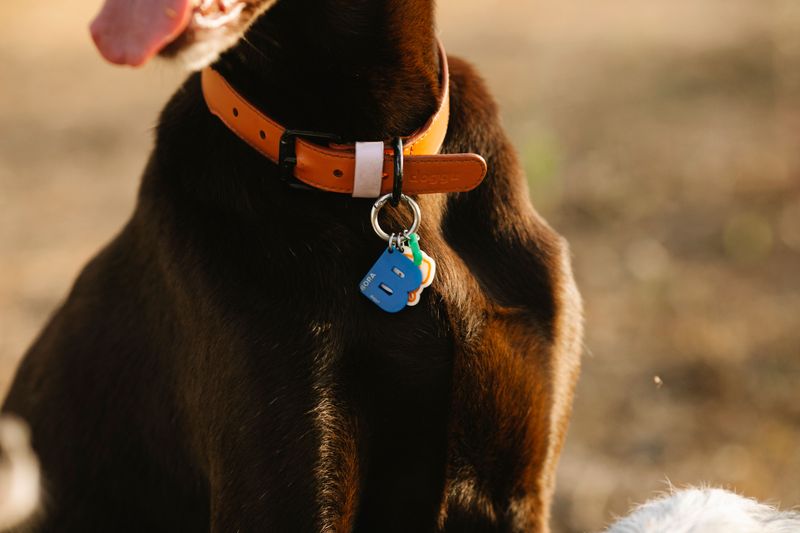
That little tag belongs on your dog, not inside a drawer. Pennsylvania generally requires dogs to wear their license tags, with limited legal exceptions.
Secure the tag to a suitable collar and check its attachment regularly.
After moving, inspect the ring for wear and make sure the tag remains readable. Ask the issuing office about replacing a missing or damaged tag.
Add a separate identification tag with your current phone number for another useful contact route.
11. Check Licensing Rules When Moving Between Counties

Crossing a county line changes which local office you should consult. Pennsylvania has a formal process for transferring lifetime dog licenses between counties, and you should contact both county treasurers to confirm the requirements for your license type.
Contact your former issuing office and your new county treasurer for the required steps.
Ask about transfer paperwork, applicable fees, and any deadline for your situation. Do not assume an existing tag needs no follow-up simply because you stayed within Pennsylvania.
Keep any transfer confirmation with your original license so the record remains easy to trace.
12. Ask About Licensing Requirements When Renting

A pet-friendly lease still comes with paperwork worth reading carefully. Your landlord may request proof of licensing, vaccination, or other pet information.
Ask which documents are needed before moving day, and keep copies ready.
Rental permission does not replace Pennsylvania’s licensing requirements. Likewise, a dog license does not override lease terms or local rules.
Review each requirement separately and discuss unclear wording with the property manager. Share only the personal information needed for the requested verification.
13. Budget for the Annual License Fee

Moving costs add up, but licensing deserves its own budget line. Check the current annual fee through your official issuing office.
Ask whether online processing, mailing, or replacement services add charges to the listed amount.
Set aside renewal money before the next calendar year begins. A phone reminder can keep that expense from disappearing among rent and utility bills.
If you consider a lifetime license, compare its requirements and cost before deciding which option suits you.
14. Check Whether You Qualify for a Reduced Fee

Some owners can pay less without changing their dog’s protection. Pennsylvania offers reduced license fees for eligible older adults and people with disabilities.
Ask the issuing office about current eligibility rules and acceptable proof before applying.
Do not assume a discount from another program automatically applies here. Confirm which application category matches your circumstances and whether additional documentation is needed.
Using the correct category helps prevent delays while making the required license more affordable for your household.
15. Keep Licensing Separate From Rabies Vaccination Records
Two tags on a collar can represent two different responsibilities. A dog license records licensing, while a rabies certificate documents vaccination.
One does not replace the other, even when an application requests vaccination information.
Pennsylvania has separate rabies vaccination requirements, so review your dog’s schedule with a veterinarian. Keep both records together but clearly labeled.
When moving, send vaccination records to your new veterinary practice and licensing changes to the appropriate government office for proper handling.
16. Update Your Records After Adopting or Rehoming a Dog
A new home sometimes means a new owner as well. If adoption or rehoming accompanies your move, ask how ownership changes affect the license.
Do not assume the previous owner’s paperwork automatically becomes yours.
Collect available licensing details, vaccination records, and microchip information during the handover. Contact the issuing office about transfer requirements or a new application.
Update the chip registry separately, following its process. Clear ownership records help everyone understand who now handles the dog’s care.
17. Check Licensing Details Before Moving Out of Pennsylvania

Your dog’s Pennsylvania license does not automatically satisfy another state’s rules. Before leaving, contact the destination’s licensing authority and ask about registration deadlines.
Requirements may be handled by a county, city, or another local agency.
Find out which records to bring, including vaccination proof and any required travel documents. Ask your veterinarian about destination health requirements well before departure.
Keep the old license information available, but follow your new community’s instructions for obtaining the correct local license.
18. Contact the County Treasurer When You Are Unsure

You do not need to solve confusing paperwork on your own. Your county treasurer can explain local licensing steps or direct you to the proper office.
In Philadelphia, contact the city’s designated dog licensing service instead.
Have your license number, old address, and new address ready when calling. Write down the instructions and keep any confirmation you receive.
A quick check, accurate records, and a secure tag help your dog settle into the next chapter comfortably.