15 Livestock Guardian Dog Breeds For Tennessee Farms And Rural Properties
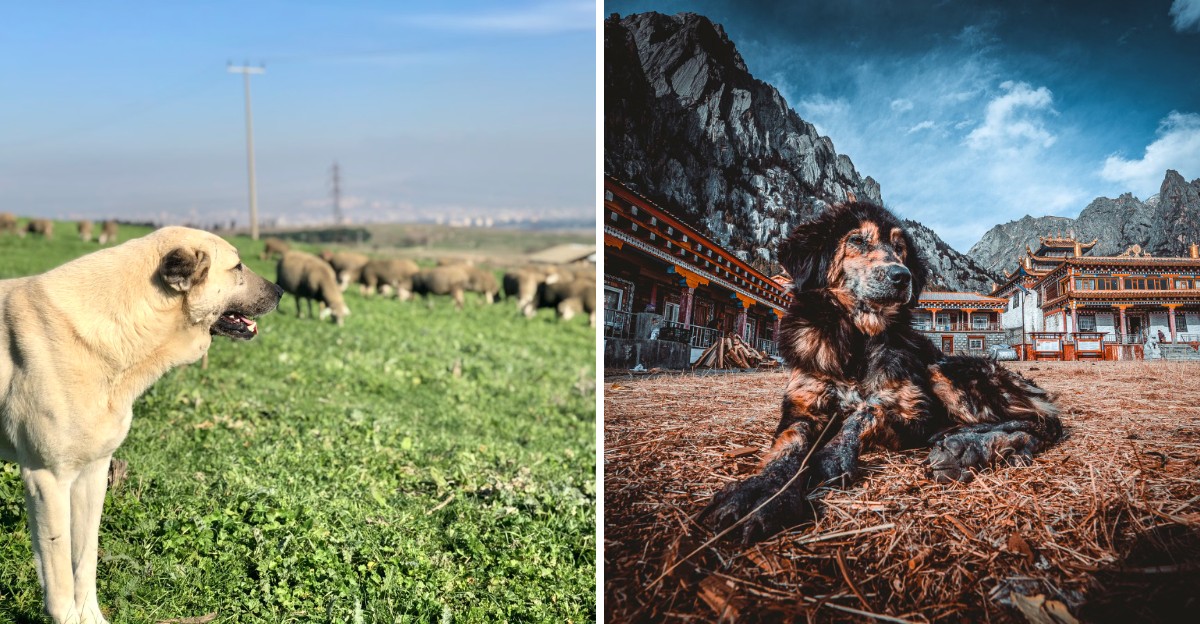
A quiet Tennessee pasture still needs a good night shift. Livestock guardian dogs can help protect sheep and goats, but choosing one takes more than admiring a fluffy coat.
Summer humidity, nearby neighbors, strong fencing, and your animals all shape the right match. Before welcoming a guardian, look for proven working parents and remember that puppies need patient training, not an immediate job assignment.
1. Great Pyrenees: A Familiar Face Beside the Flock
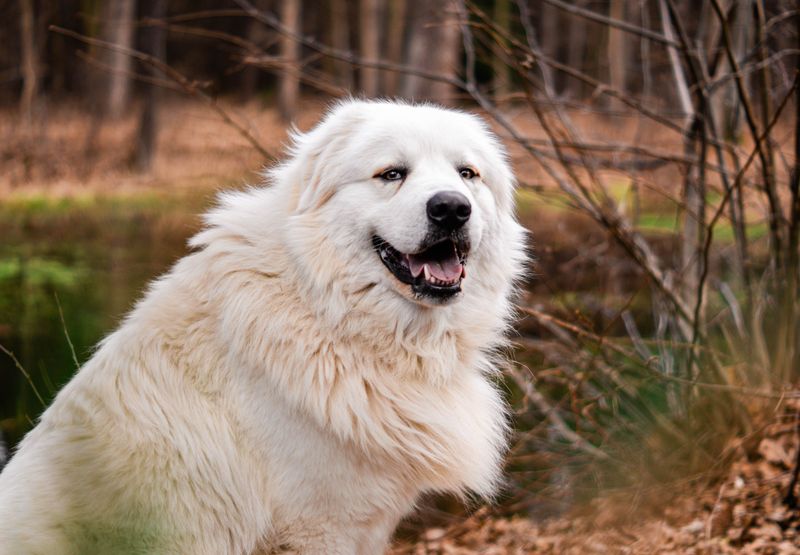
White fluff beside the fence often signals a guardian already watching the pasture. Great Pyrenees developed around the Pyrenees Mountains, where they worked alongside flocks.
Many Tennessee farmers appreciate their steady presence around sheep and goats.
Expect nighttime barking, seasonal shedding, and a strong urge to patrol beyond weak fencing. Provide shade, fresh water, and regular brushing during humid weather.
Choose working lines, then supervise introductions carefully, especially with poultry and young animals learning boundaries.
2. Anatolian Shepherd: An Independent Pasture Partner
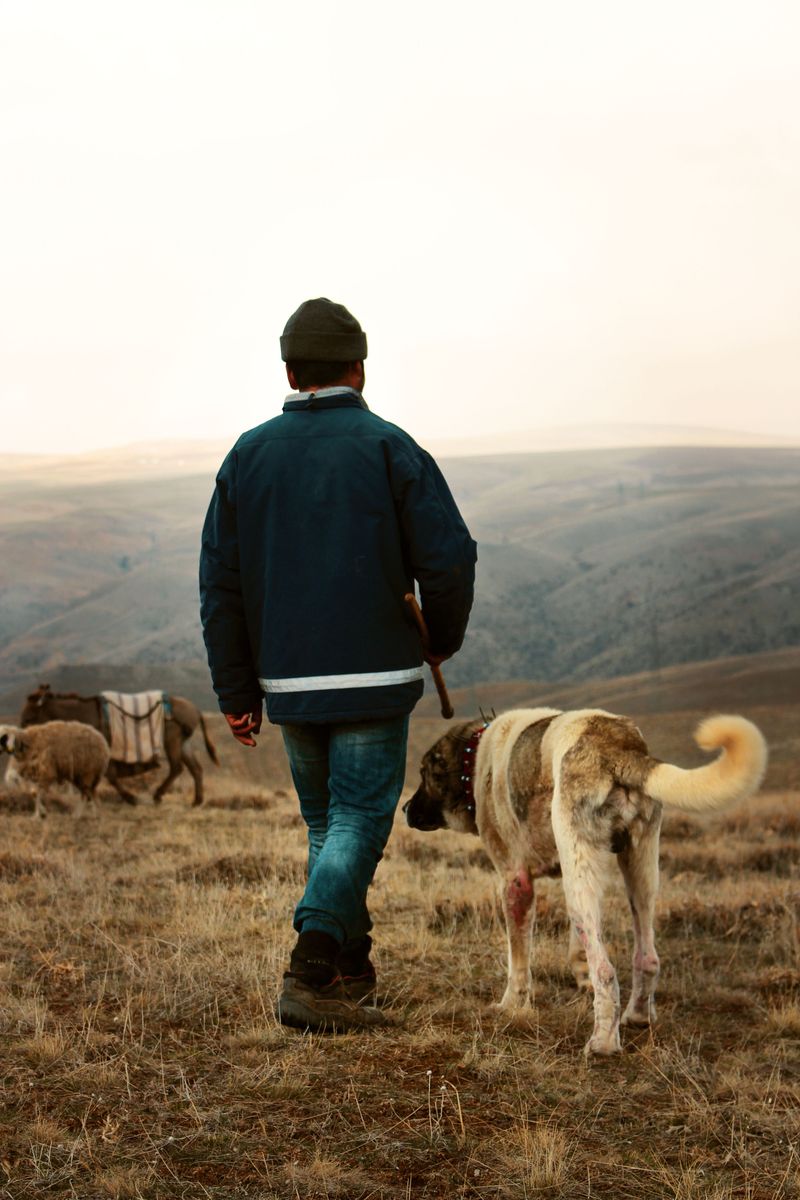
Independence comes with the job when your ancestors watched livestock across open Turkish country. Anatolian Shepherds often assess situations without waiting for instructions.
That confidence suits experienced owners who understand working dogs rather than expecting constant obedience.
Secure fencing matters because a guardian may claim territory beyond your property. Practice calm handling and reliable gate manners from puppyhood.
Tennessee summers also call for shaded resting areas, plentiful drinking water, and exercise during cooler morning hours.
3. Maremma Sheepdog: Built Around the Bond
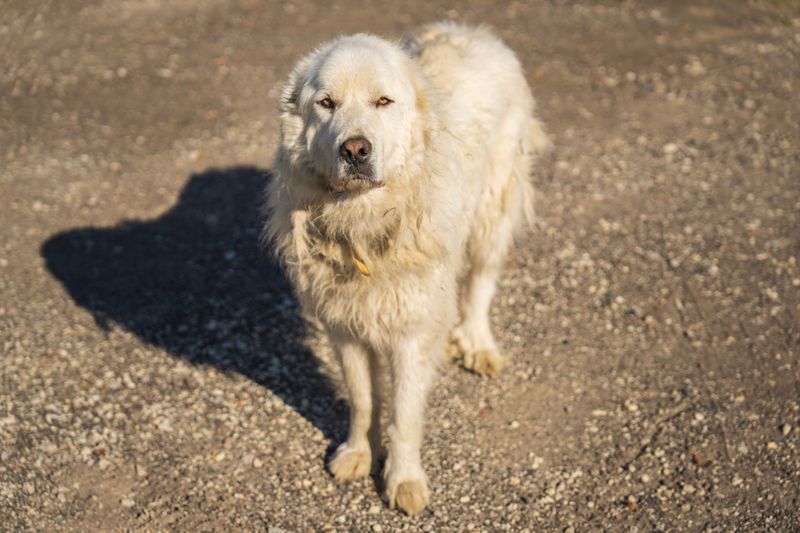
Staying close to the flock is the heart of this Italian guardian’s work. Maremma Sheepdogs have long served shepherds, especially around central Italy.
Their white coats help them blend visually among sheep.
Raise youngsters with suitable livestock under supervision, using safe pens when animals need separation. Do not assume early exposure guarantees trustworthy behavior around chickens.
For Tennessee properties, plan coat care, summer shade, and thoughtful introductions to visitors who enter the dog’s working space.
4. Akbash: A Watchful White Silhouette
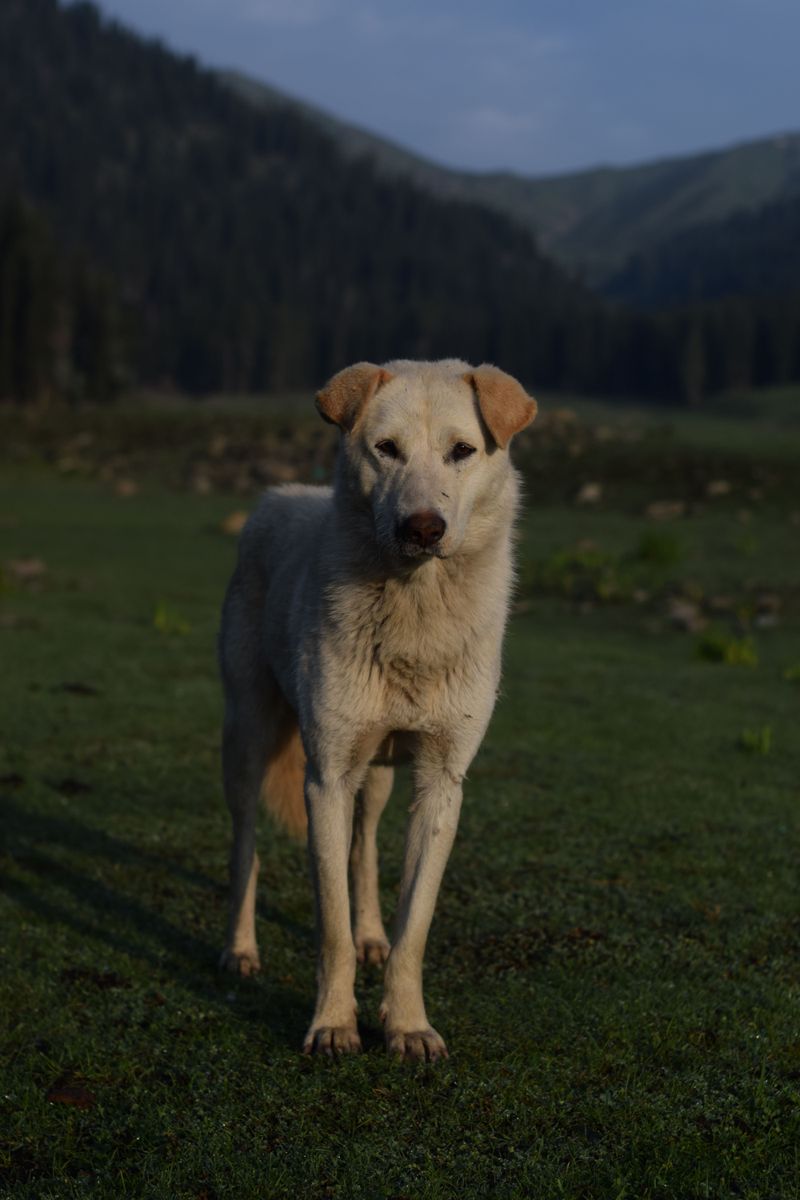
Long legs and a lean outline give this Turkish guardian an athletic look. Akbash dogs were developed for livestock work, not nonstop games beside the porch.
Their reserved manner can be useful when paired with careful socialization.
Ask breeders about actual working relatives and how their dogs handle farm visitors. Consistent routines help establish clear expectations without rough treatment.
On Tennessee acreage, inspect fence corners regularly and provide cool resting spots near the livestock daily.
5. Kangal Shepherd Dog: Strength With Clear Boundaries
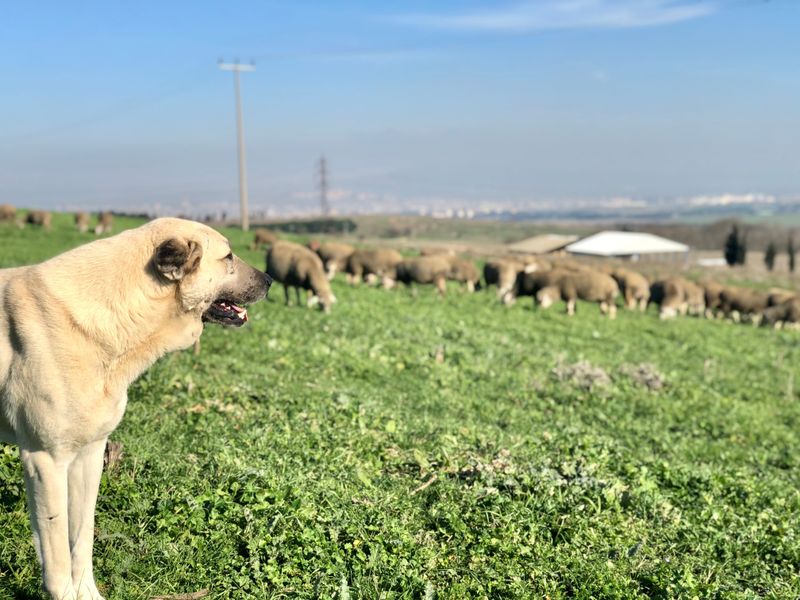
A dark mask and powerful frame make this Turkish breed easy to notice. Kangal Shepherd Dogs have a strong livestock guarding heritage.
Breed names and registration practices vary, so investigate pedigrees rather than trusting an advertisement alone.
Choose a breeder who explains temperament, health testing, and suitable placements honestly. Large guardians need secure containment and owners comfortable managing independent decisions.
During sticky Tennessee summers, offer generous shade and water instead of expecting constant daytime activity.
6. Komondor: The Coat Comes With Homework
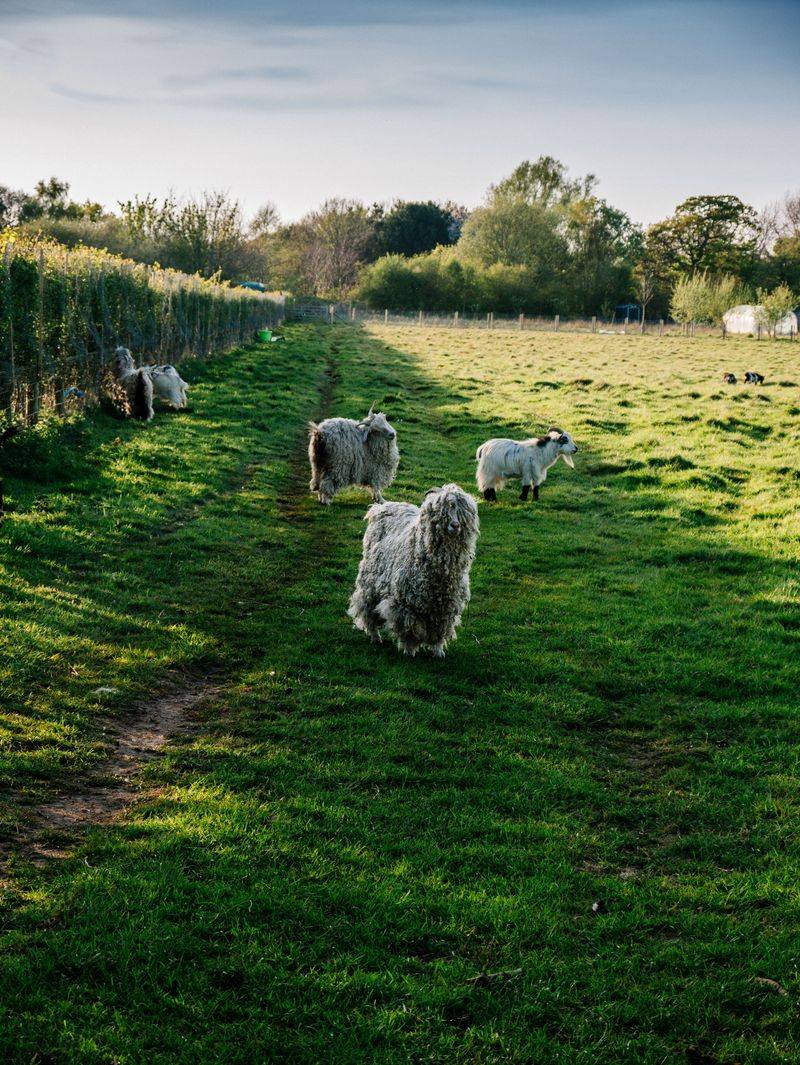
Those famous cords are more than a conversation starter at the feed store. Hungary’s Komondor developed as a livestock guardian with a distinctive protective coat.
Keeping that coat healthy requires real effort, especially in damp conditions.
Tennessee humidity makes thorough drying and regular skin checks especially valuable. Ask an experienced breeder to demonstrate cord care before committing.
Beyond grooming, provide structured socialization, reliable fencing, and calm introductions whenever unfamiliar helpers arrive to handle your livestock.
7. Kuvasz: A Bright Mind Behind the White Coat
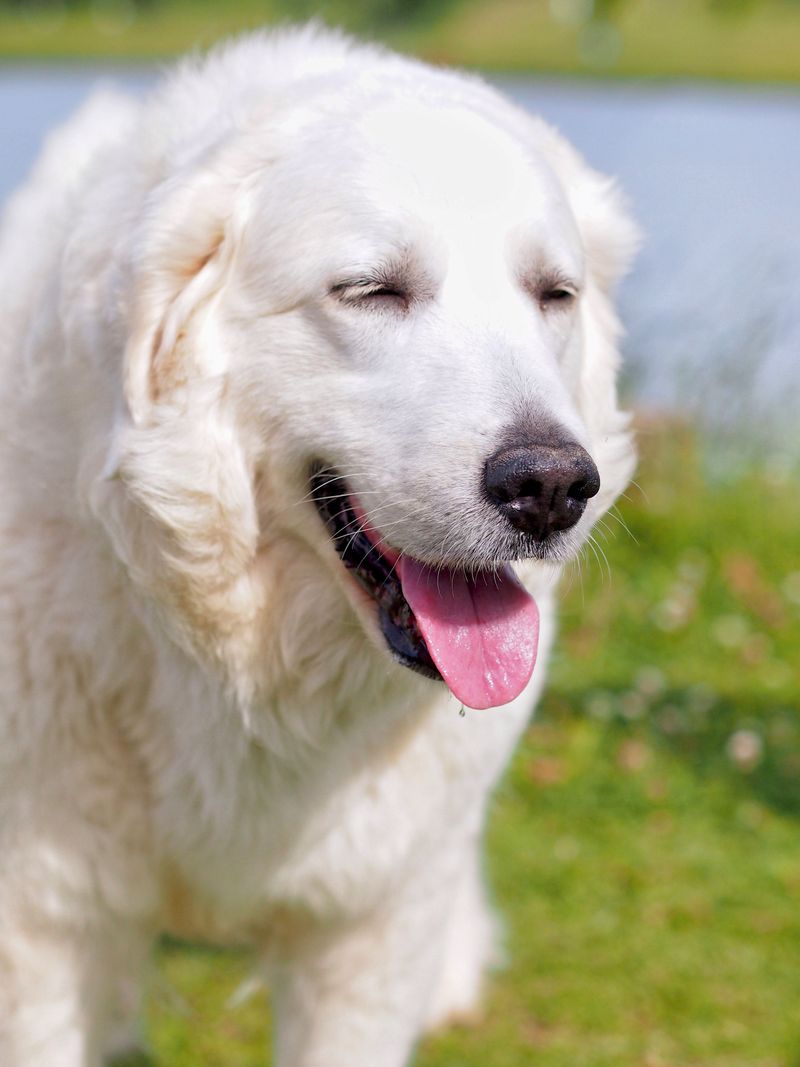
Behind that bright white coat sits a quick mind with its own opinions. The Hungarian Kuvasz combines a guarding background with athletic movement.
Owners should appreciate independence while teaching everyday handling skills early.
Reward calm behavior around gates, feed buckets, and routine veterinary checks. A puppy’s playful chasing needs prompt management, not permission because the breed guards livestock.
For Tennessee farms, working ancestry and individual temperament matter more than appearance when selecting a dependable prospect.
8. Tibetan Mastiff: A More Specialized Rural Match
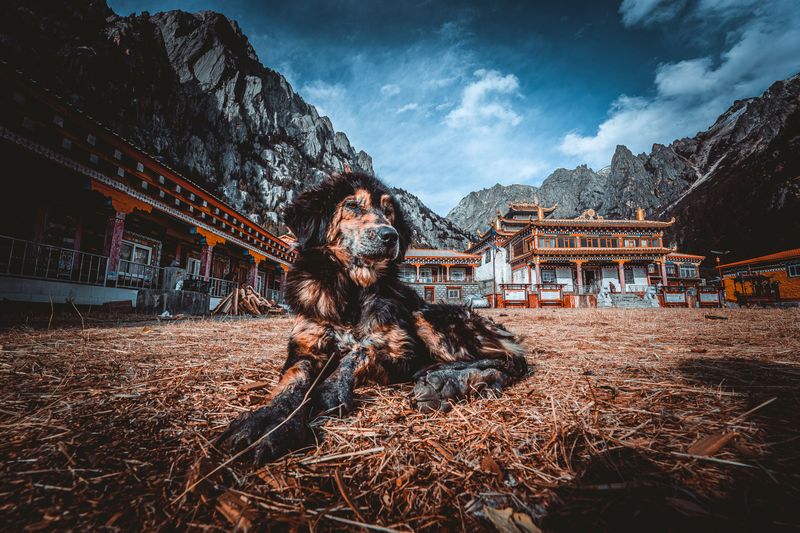
Nighttime watchfulness runs deep in this imposing Himalayan guardian. Tibetan Mastiffs traditionally guarded homes, camps, and livestock, but modern lines vary considerably.
They are not an automatic substitute for a proven flock guardian.
Discuss your exact livestock needs with breeders who understand working placements. Their heavy coats demand careful heat management during Tennessee summers.
Nearby neighbors also deserve consideration because nighttime barking can carry surprisingly far across quiet valleys and open fields after sunset hours.
9. Caucasian Shepherd Dog: Experience Required
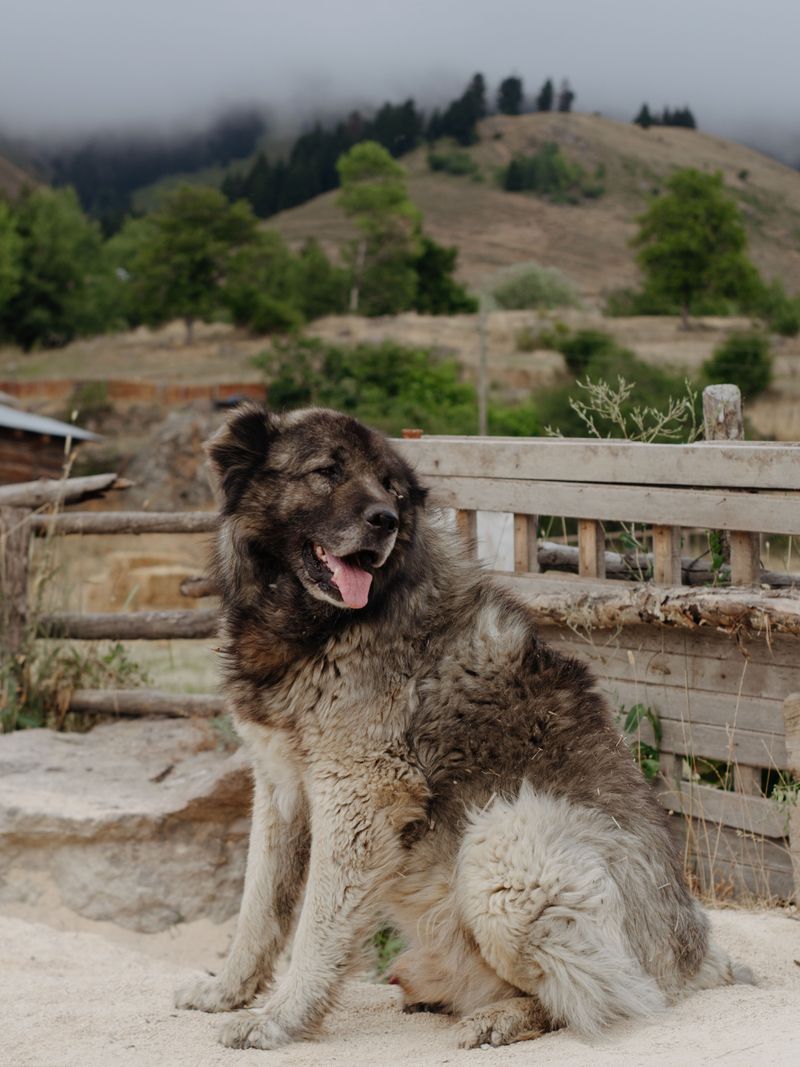
Big paws are only part of the commitment with this mountain guardian. Caucasian Shepherd Dogs come from the Caucasus region and have strong guarding instincts.
Their size and independent judgment make experienced ownership especially important.
A busy property with frequent unfamiliar visitors may be a poor match. Plan separate access routes, secure gates, and supervised introductions before bringing one home.
Tennessee’s heat adds another responsibility: dependable shade, abundant water, and close attention during humid afternoons outdoors.
10. Central Asian Shepherd Dog: A Practical Working Heritage
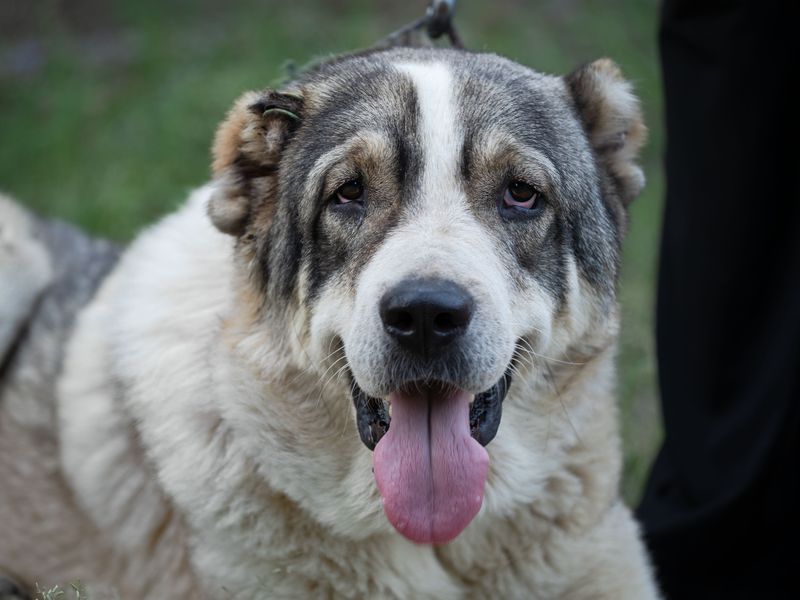
Centuries of practical selection shaped a sturdy guardian across Central Asia. Central Asian Shepherd Dogs vary in appearance, background, and working style.
That variety makes researching individual bloodlines especially useful.
Look for stable adults doing the same job you need on your farm. Ask about livestock manners, visitor management, and behavior around other dogs.
Tennessee owners should budget for substantial fencing, veterinary care, and patient training rather than expecting size alone to solve pasture problems overnight.
11. Spanish Mastiff: A Big Dog for Thoughtful Planning
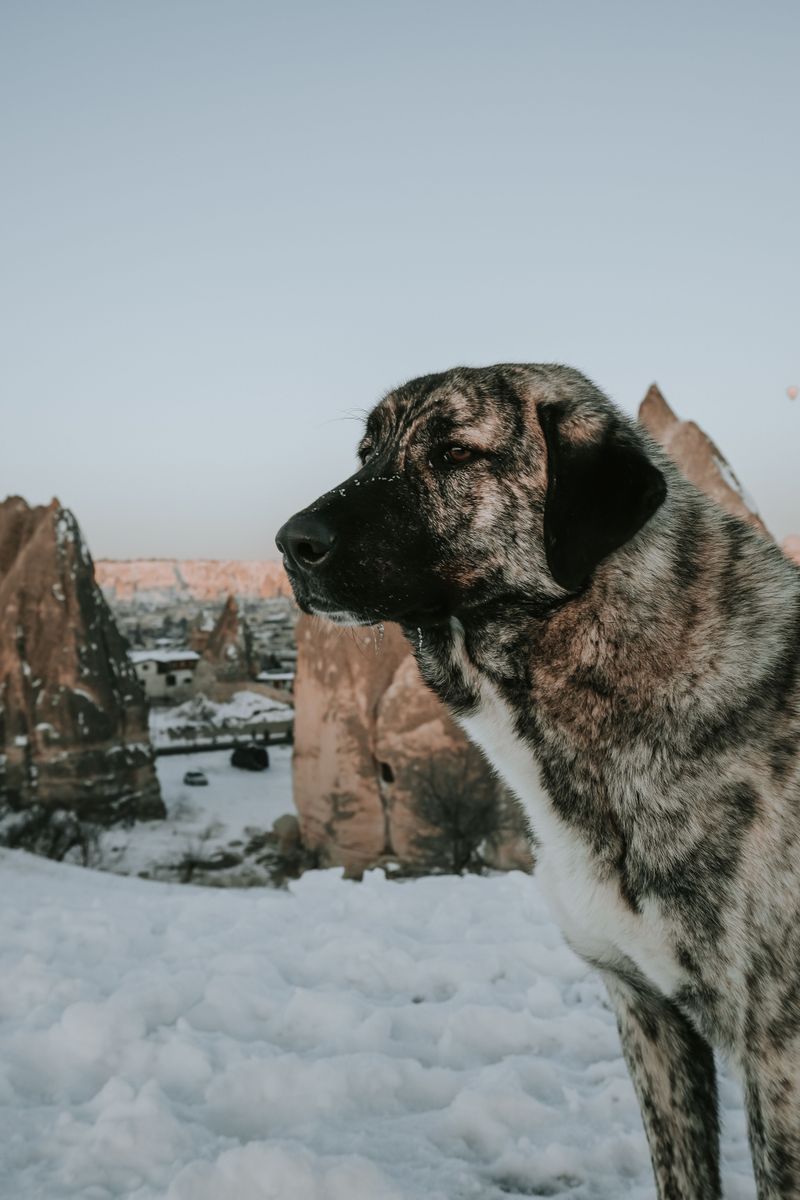
Spain’s traveling sheep flocks helped shape this substantial countryside guardian. Spanish Mastiffs traditionally accompanied livestock along seasonal grazing routes.
Their impressive size means everyday arrangements deserve attention before a puppy arrives.
Think roomy transport, sturdy gates, suitable feeding plans, and comfortable resting areas. Ask your veterinarian about healthy growth and maintaining a lean body condition.
On Tennessee farms, a shaded water station near the flock supports comfort without requiring long walks across hot afternoon pastures daily.
12. Pyrenean Mastiff: Mountain Roots, Major Presence
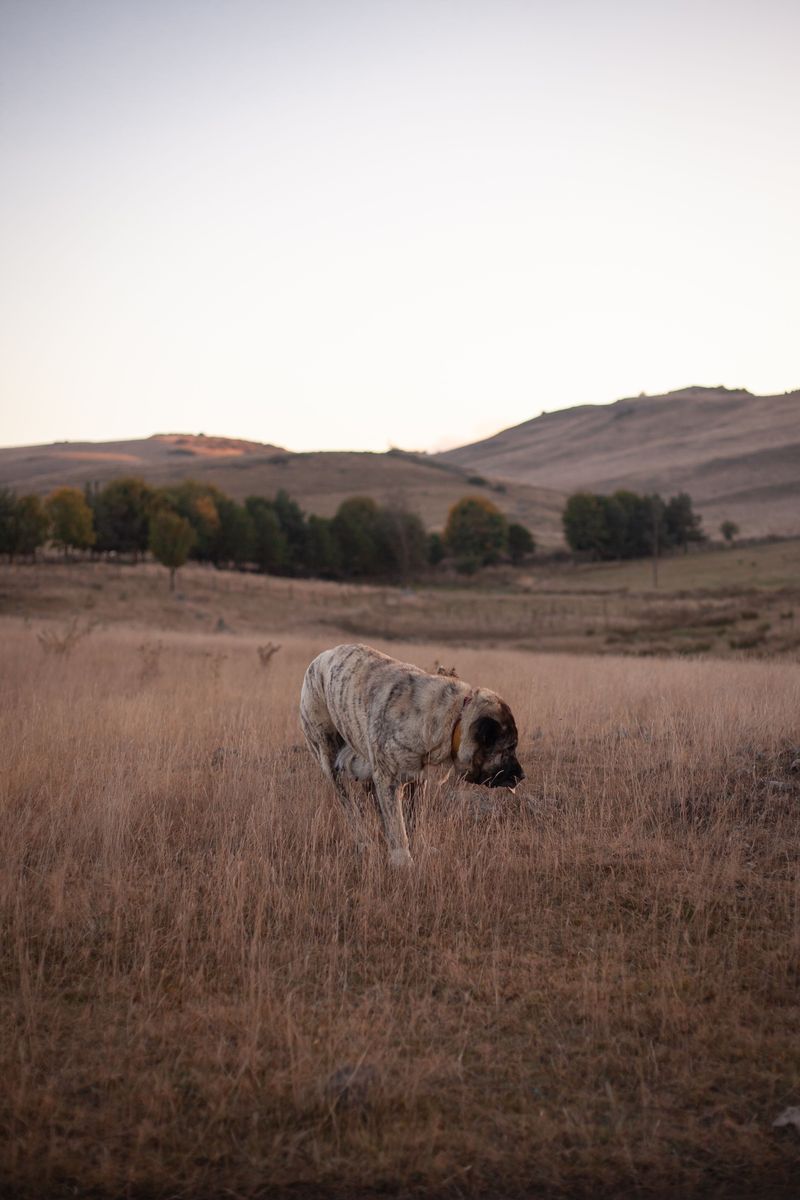
Do not confuse this Spanish mountain breed with the Great Pyrenees. Pyrenean Mastiffs developed around the Aragonese Pyrenees, accompanying and guarding flocks.
Their large frames and thick coats bring practical responsibilities.
Check ears, skin, and coats regularly after wet weather or muddy pasture rounds. Early handling practice makes grooming and veterinary visits easier for everyone.
Tennessee buyers should seek health screening and working suitability, since a lovely family companion may lack dependable livestock skills when mature.
13. Polish Tatra Sheepdog: A Watchful Highland Heritage
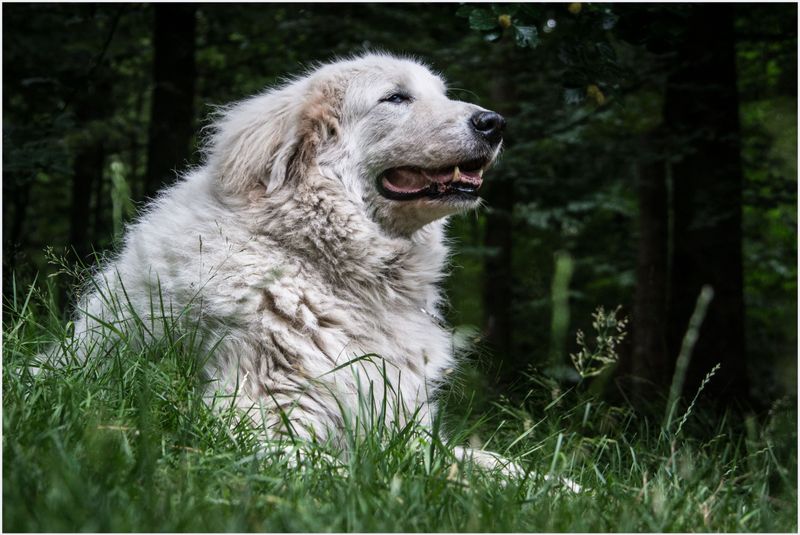
Poland’s Tatra Mountains gave this white guardian its name and working roots. Polish Tatra Sheepdogs traditionally watched sheep in rugged country.
Their watchful style can appeal to owners wanting a steady pasture presence.
Availability may be limited, so avoid rushing into the first advertised litter. Request health records and clear information about the parents’ actual duties.
For Tennessee life, arrange summer cooling options and teach polite handling before your fluffy youngster becomes a powerful adult guardian.
14. Slovak Cuvac: A Less Familiar White Guardian
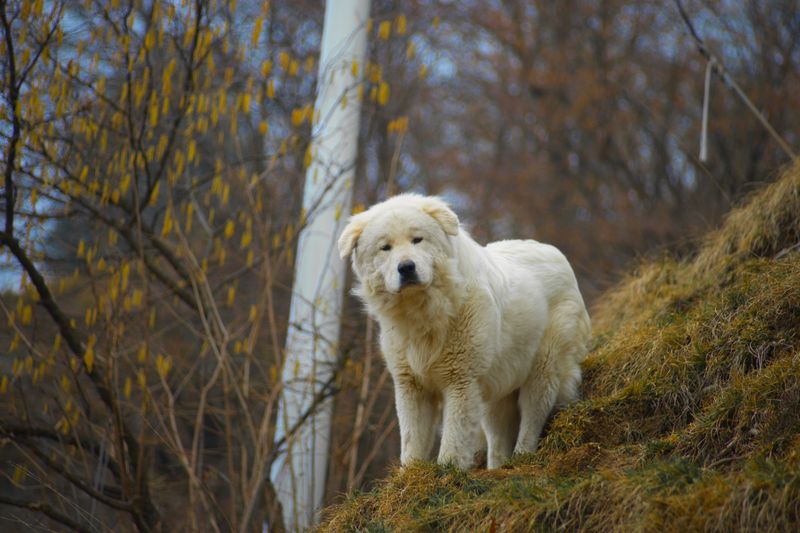
A snowy coat links this Slovak mountain dog visually with several better known guardians. The Slovak Cuvac, also called Slovensky Cuvac, has a history of watching livestock and rural homes.
Finding suitable working stock may require patience.
Speak with knowledgeable breeders about temperament instead of choosing solely for rarity. Plan gradual livestock introductions and controlled exposure to normal farm activity.
Humid Tennessee weather makes regular coat checks and access to airy shelter part of everyday care.
15. Karakachan: Working Roots Worth Seeking
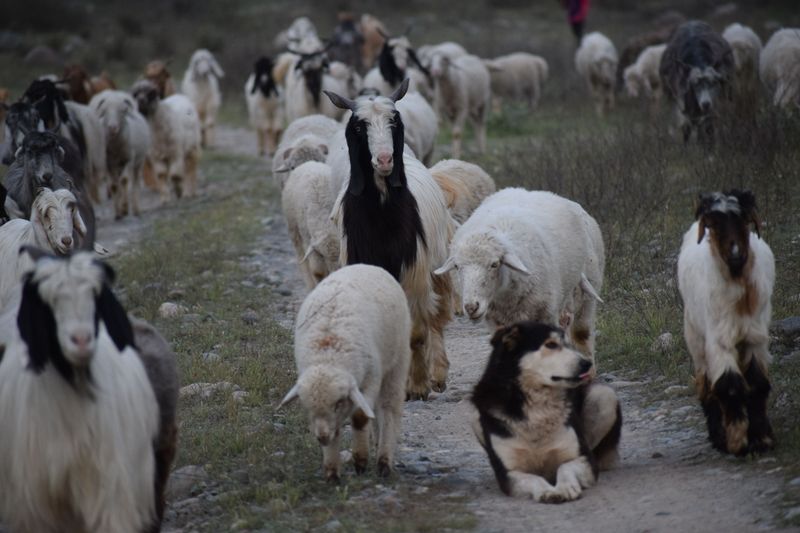
Bulgaria’s pastoral traditions helped preserve this sturdy flock guardian. Karakachans often interest farmers seeking dogs from active livestock backgrounds.
As always, a breed label cannot promise how an individual puppy will mature.
Visit working adults when possible, ask practical questions, and build a supervised training plan. Keep fences sound and relationships with neighbors friendly.
The best Tennessee guardian fits your animals, land, and daily routine. Choose thoughtfully, lace up your boots, and meet your future partner.