What Rural Montana Dog Owners Should Plan For When The Nearest Emergency Vet Is Far Away
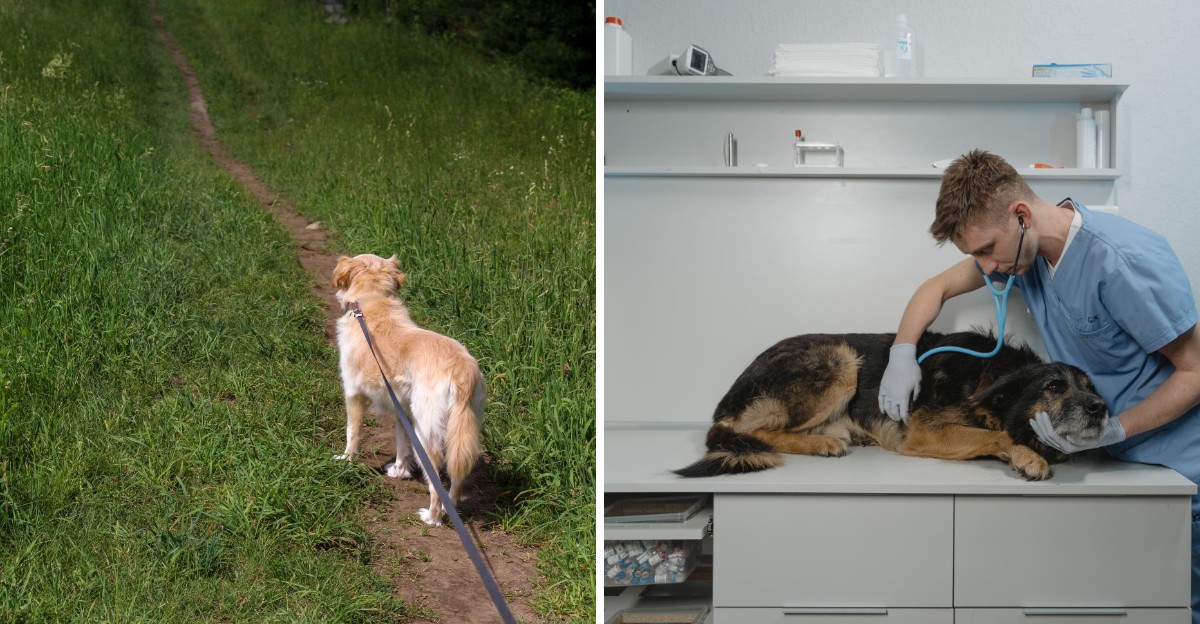
Living in rural Montana gives your dog room to explore, but veterinary help may be a long drive away. A little planning can make an unexpected problem easier to handle, especially during winter or after regular office hours.
You do not need medical training to build a useful plan. Start with reliable contacts, safe transportation, and clear steps everyone at home can follow.
1. Map Your Nearest Emergency Veterinary Clinic
A familiar town may not have a clinic that handles emergencies overnight. Locate the nearest hospital offering emergency care, then confirm its hours and services directly.
Save its address and driving directions before you need them.
Ask whether you should call before leaving and where to enter after hours. Map another hospital in case the first cannot accept patients.
Check travel times from home, grazing land, and favorite walking spots around your rural Montana community.
2. Put Veterinary Contact Details Within Reach
Searching through old messages wastes useful time when your dog needs help. Save your regular veterinarian’s number and emergency instructions in every household phone.
Post a printed copy beside the refrigerator or another shared spot.
Include the nearest emergency hospital and a backup clinic on that sheet. Ask your veterinarian how messages are handled outside office hours.
Update the list whenever contact details change, and give copies to dog sitters and trusted neighbors as well.
3. Check Coverage for Nights, Weekends, and Holidays
Friday evening can change which veterinary options are available near your home. Some rural practices use rotating coverage, while others refer emergencies elsewhere.
Confirm arrangements before holiday weekends, hunting trips, or visits to remote cabins.
Do not assume an online listing means a veterinarian is always present. Call the listed number and listen carefully to recorded directions.
Identify a second destination, plus somewhere you could stay if your dog needs treatment far from home overnight.
4. Ready Your Vehicle for Montana Winter Roads

Snow and wind can turn an ordinary veterinary trip into a longer journey. Keep your vehicle fueled, maintained, and fitted with tires suited to winter conditions.
Pack blankets, water, a shovel, and traction supplies before cold weather arrives.
Check Montana 511 for current road reports before choosing your route. Never bypass closures or drive faster than conditions allow.
Call the clinic about delays, and ask for guidance while arranging the safest available transportation for everyone.
5. Stock a Practical Dog First Aid Kit

A useful kit starts with simple supplies, not a shelf of unfamiliar medicines. Gather gauze, nonstick pads, saline rinse, blunt scissors, gloves, and a digital thermometer.
Add a leash and your veterinarian’s written first aid instructions.
Have the clinic explain safe bandaging and when supplies should be used. Tight wraps can cause harm, so check any temporary dressing as directed.
Review expiration dates each season, and never give human pain medicines without specific veterinary instructions first.
6. Recognize Signs That Need Immediate Veterinary Help

Knowing your dog’s usual habits makes unusual changes easier to spot early. Trouble breathing, collapse, seizures, uncontrolled bleeding, or repeated retching without producing vomit need immediate veterinary attention.
A suddenly swollen belly also needs urgent assessment.
Call promptly after major falls, vehicle contact, or suspected poisoning, even when your dog seems comfortable. Describe symptoms and their timing clearly.
Do not wait for every warning sign to appear before asking the clinic whether you should leave immediately.
7. Respond Safely When Your Dog Eats Something Dangerous
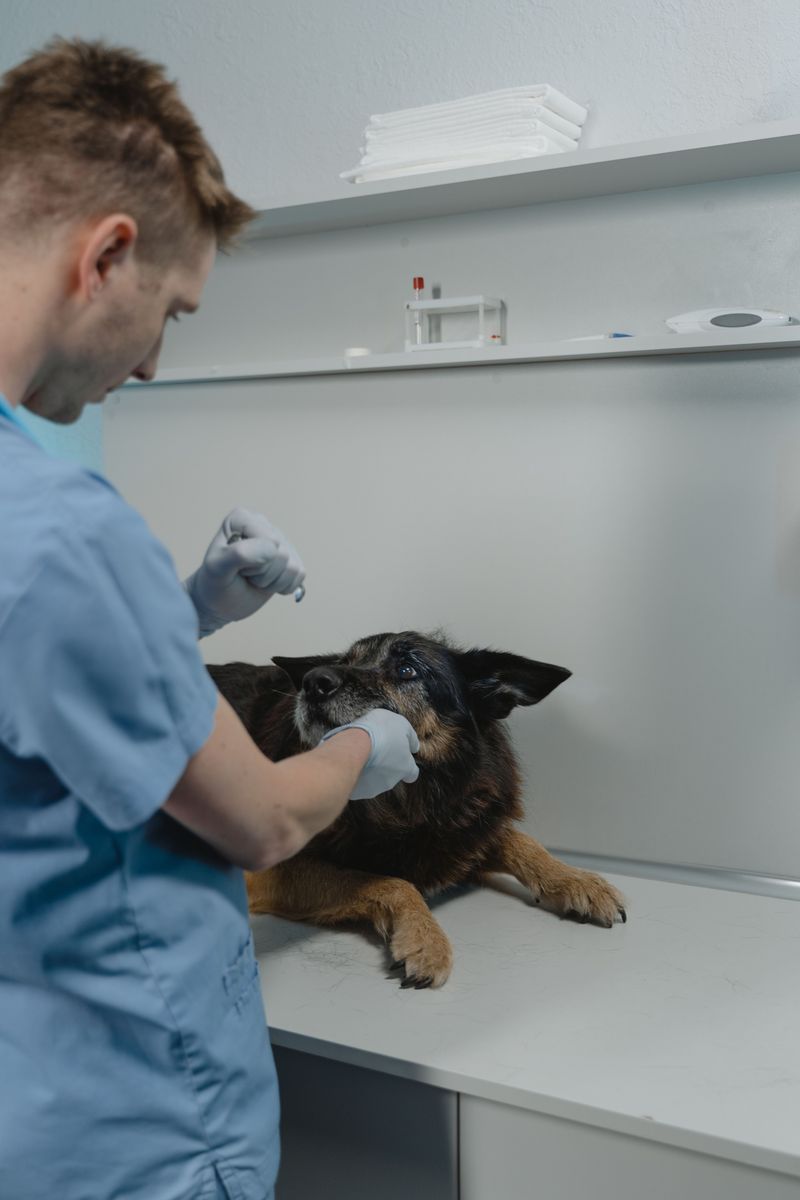
An empty package can provide clues when your dog swallows something unsafe. Move your dog away from the substance, then call a veterinarian or animal poison service.
Keep the label, estimated amount, and likely exposure time handy.
Do not induce vomiting or offer home remedies unless a professional specifically directs you. Some substances become more harmful when brought back up.
Poison consultation services may charge fees, so save their numbers and ask about payment when calling.
8. Prepare for Snakebites and Wildlife Encounters
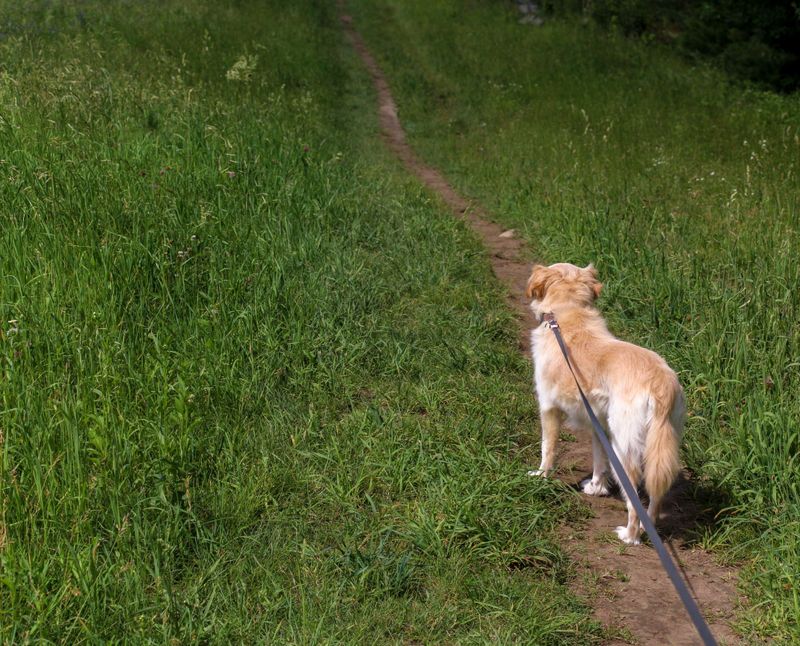
Prairie trails and rocky ground can bring dogs near rattlesnakes and other wildlife. Keep your dog leashed where encounters are possible, and ask about local risks.
Discuss rattlesnake precautions with your veterinarian before exploring unfamiliar areas.
After a suspected bite, limit movement and call the nearest emergency clinic immediately. Carry your dog if safe and practical.
Avoid ice, cutting, suction, or tourniquets, and never approach wildlife to identify it or collect photographs for the veterinary team.
9. Reduce Hazards Around Farms and Ranches
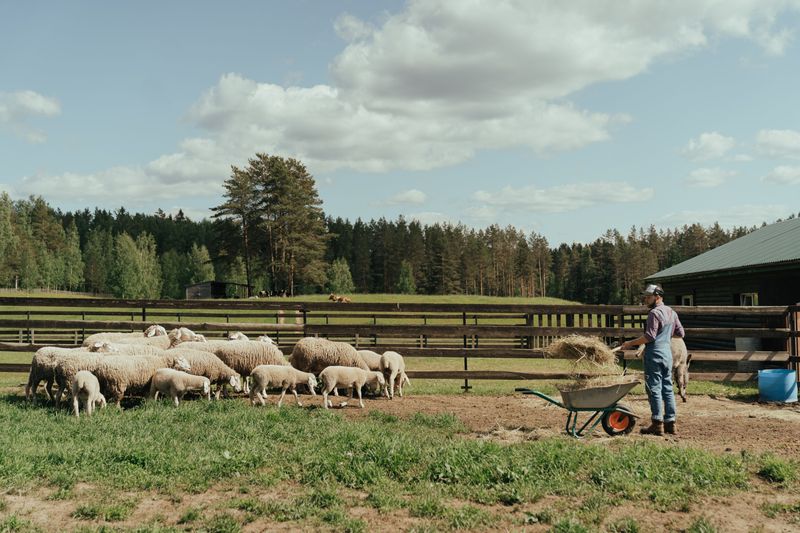
Busy ranch yards mix curious dogs with equipment, livestock, wire, and stored chemicals. Create secure spaces away from moving machinery and feeding areas during daily chores.
Store pesticides, rodent bait, and veterinary products beyond canine reach.
Check paws and skin after outings near fencing, brush, or rough ground. Seek veterinary advice for punctures, limping, eye injuries, or livestock contact.
Leave deeply embedded objects in place, and follow clinic instructions for protecting the injured area during transport.
10. Keep Medical Records Available Without Internet

Your dog’s medical history can answer questions when a new clinic takes over. Keep vaccination records, current medicines, allergies, and major health conditions together in one folder.
Include your regular clinic’s contact details and recent test results.
Save copies on your phone where they open without internet access. Carry a printed set in your emergency bag, especially during remote trips.
Update medicine names and schedules after appointments, and tell emergency staff when each dose was given.
11. Build a Fund for Care and Travel
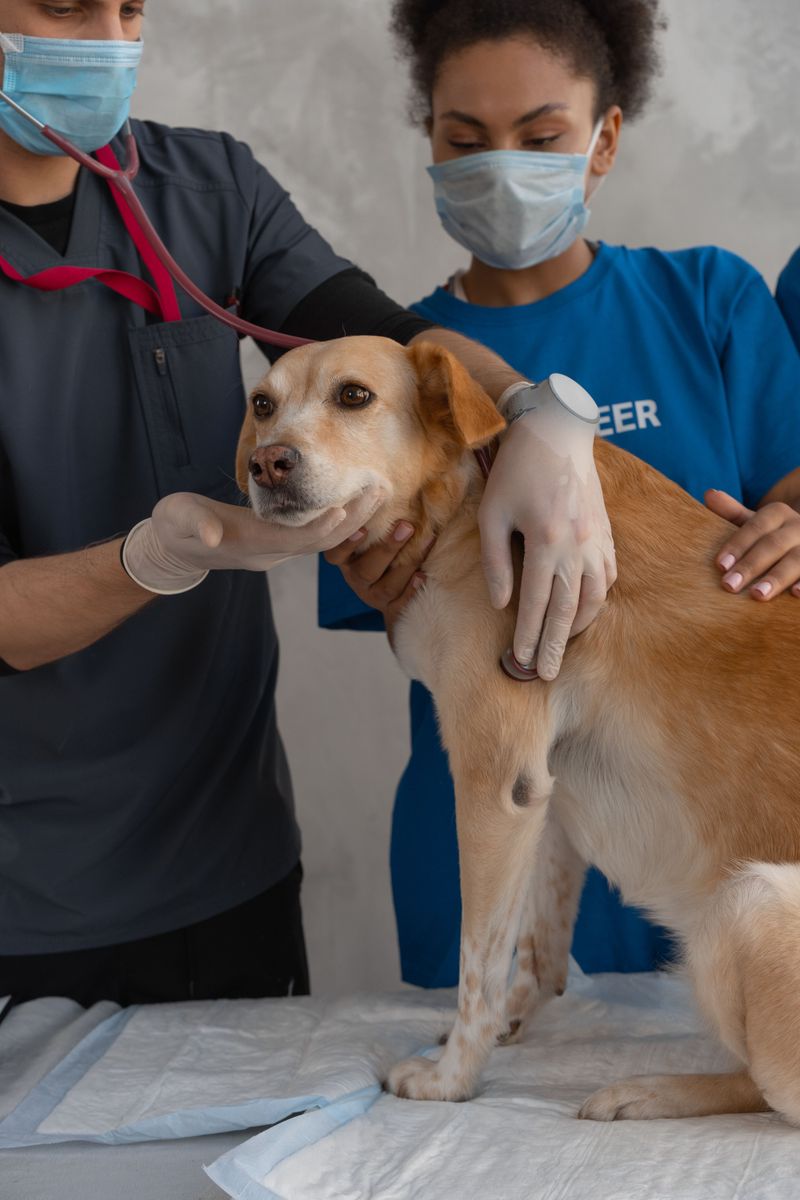
Distance adds fuel, meals, and sometimes lodging to an unexpected veterinary bill. Set aside a manageable amount regularly in a separate emergency savings account.
Ask nearby hospitals about payment expectations before an urgent visit happens.
If considering pet insurance, review waiting periods, exclusions, deductibles, and reimbursement rules carefully. Many policies require owners to pay the clinic first.
Keep an available payment method with your travel supplies, and request treatment estimates without delaying needed assessment or care.
12. Arrange Safe Transport for an Injured Dog
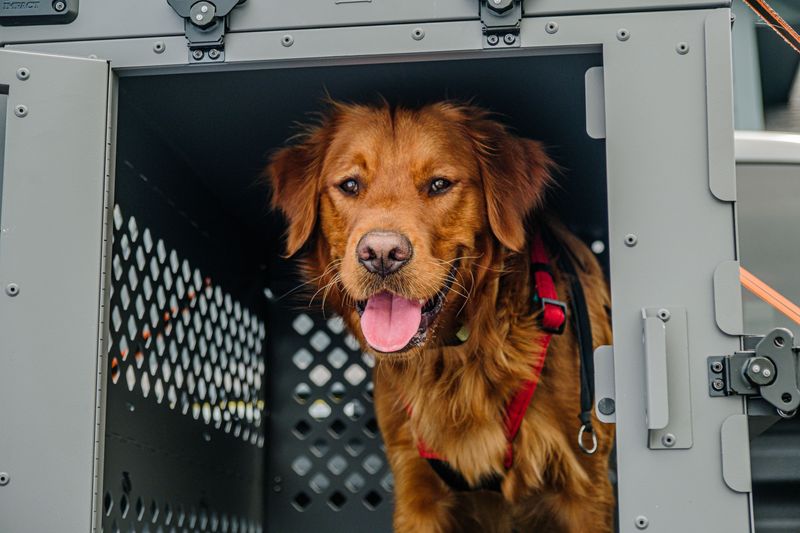
Even a friendly dog may snap when pain makes handling feel frightening. Ask your veterinarian to demonstrate safe lifting before an emergency occurs at home.
Keep a suitable crate or restraint ready for the vehicle.
For larger dogs, discuss using a blanket with firm support and two helpers. Avoid twisting the body after possible back injuries.
Never muzzle a dog that is vomiting, struggling to breathe, or unconscious, and seek handling guidance by phone before moving.
13. Choose a Backup Driver Before You Need One
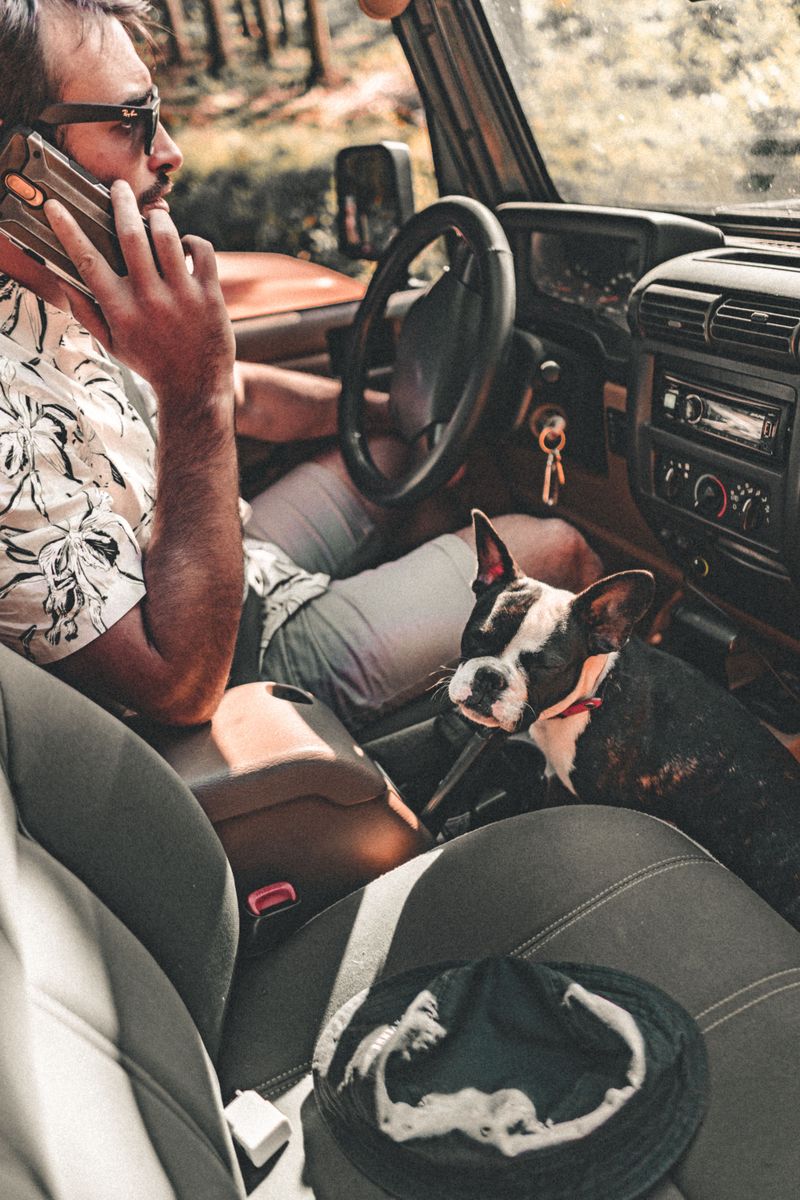
A trusted neighbor can make a long veterinary trip much easier to manage. Choose someone comfortable driving your route and helping with your dog’s transport.
Ask directly about availability during nights, weekends, and difficult weather.
Share clinic addresses, vehicle access instructions, and household responsibilities before help is needed. Arrange another contact if your first choice is unavailable.
When possible, let one adult drive while another watches the dog and communicates with the receiving veterinary team throughout.
14. Plan Around Gaps in Cell Service
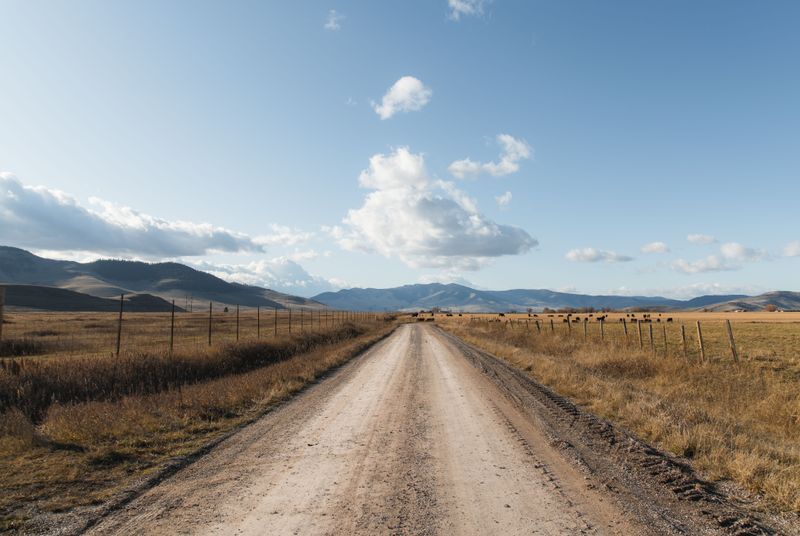
Cell coverage can disappear between a ranch gate and the nearest paved highway. Download road maps and veterinary directions while you have a reliable connection.
Mark known places where calls usually connect along your route.
Keep printed numbers and directions in the vehicle as a simple backup. Consider a satellite communication device for remote outings, understanding its service limits.
Arrange check-ins with someone at home, and never assume a satellite communication device can directly connect you to veterinary staff.
15. Write a Household Plan and Practice Together

Clear roles help everyone act calmly when an ordinary evening changes unexpectedly. Write one page naming who calls, who drives, and who gathers supplies.
Include arrangements for children, other pets, and livestock needing care.
Walk through the plan together, then revisit it when seasons or household routines change. Give sitters a copy and show them where equipment belongs.
A little practice turns preparation into familiar steps, helping you support your dog with confidence when help is distant.