15 Everyday Pennsylvania Dog Routines That Change Between Philadelphia, Pittsburgh, And Farm Country
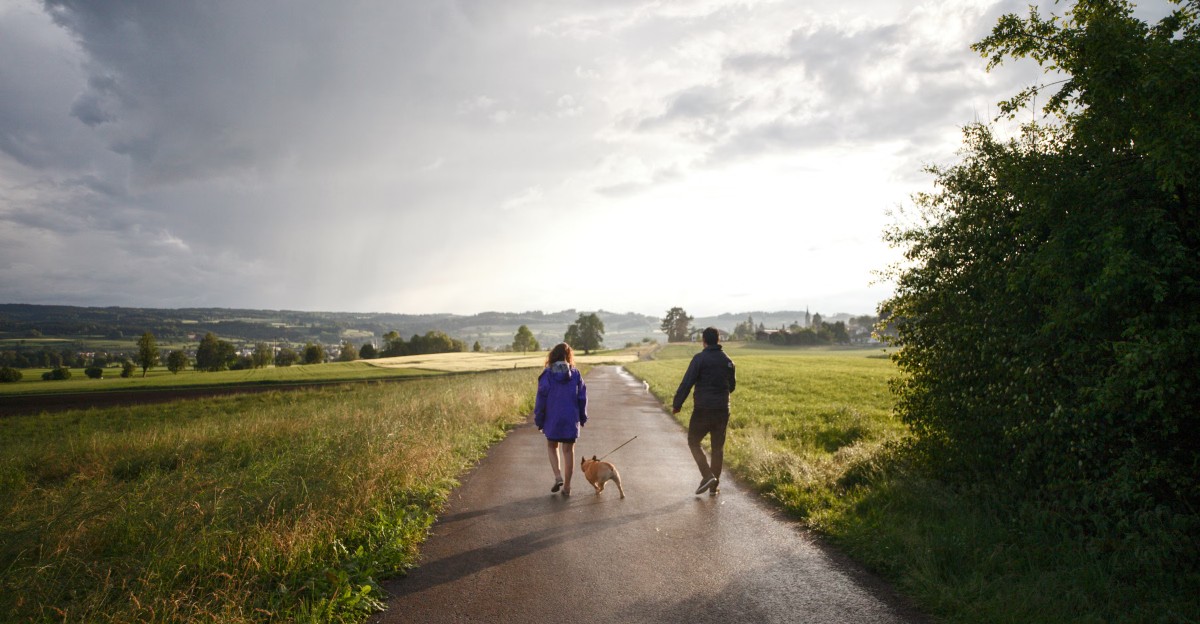
Your dog’s daily needs stay familiar, but your Pennsylvania address can change how you meet them. Philadelphia sidewalks, Pittsburgh hills, and country lanes each call for a slightly different plan.
From bathroom breaks to vet visits, small adjustments can make everyday life smoother for both of you. Here’s what to consider when building a routine that fits your dog, your neighborhood, and the season.
1. Morning Walks Look Different In Philadelphia, Pittsburgh, And Farm Country
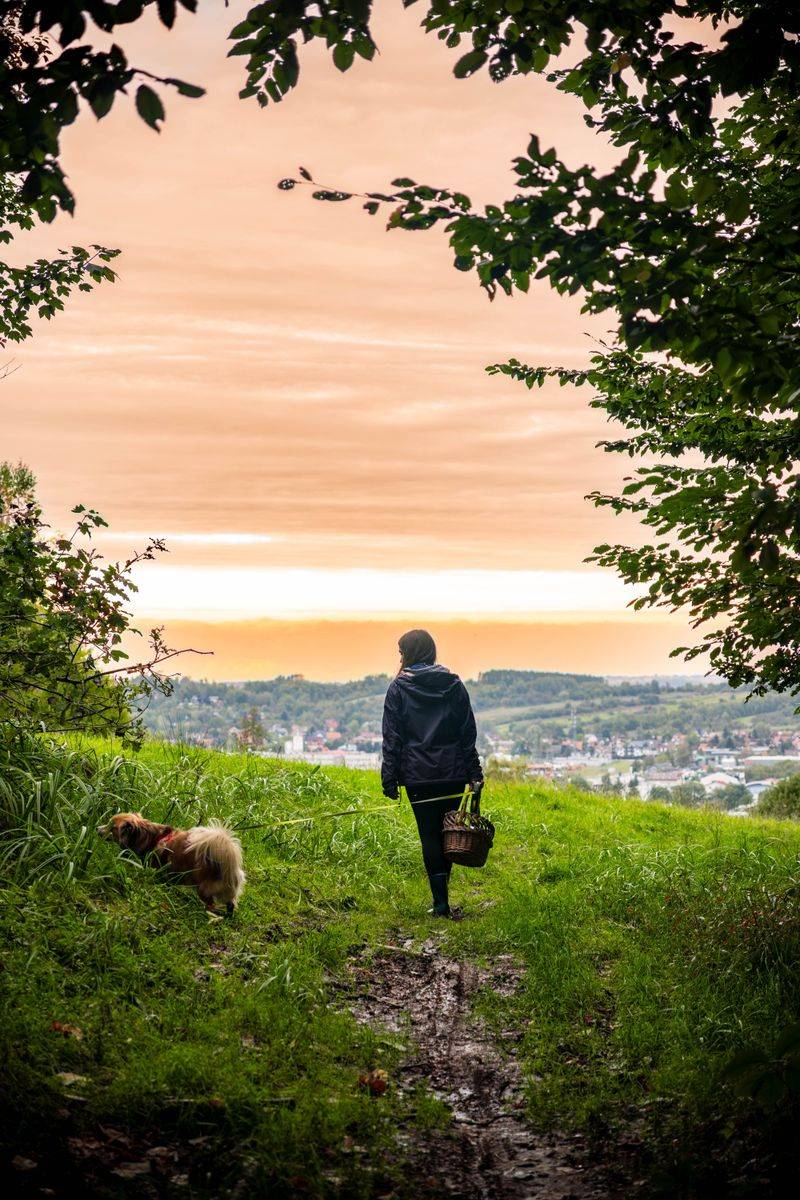
The first outing sets the pace for your dog’s day. In Philadelphia, choose quieter blocks before sidewalks fill with commuters.
Pittsburgh owners can plan flatter routes when dogs need an easier start.
Country mornings may offer room, but check gates and scan for wildlife before leaving home. Keep dogs under control rather than assuming open land is safe.
Everywhere, allow sniffing time, carry waste bags, and bring water when conditions call for it each morning.
2. Bathroom Breaks Need Different Planning In Urban Neighborhoods
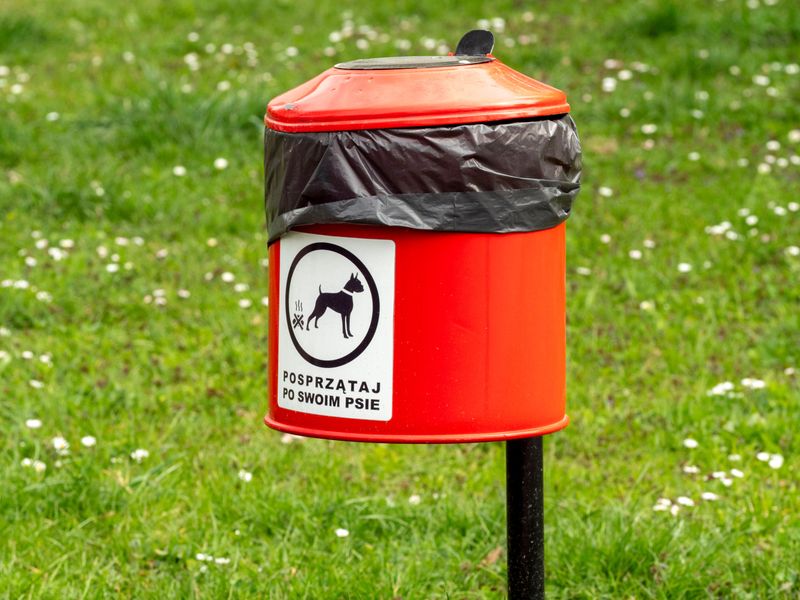
A patch of grass can feel surprisingly far away when an elevator stands between your dog and the sidewalk. Urban owners benefit from regular outings after waking, meals, play, and naps.
Choose permitted spots away from entrances and planted beds, then pick up promptly. Pittsburgh slopes may make the nearest patch less convenient during icy weather.
Rural yards simplify access, but supervision still matters. Sudden changes in bathroom habits deserve a call to your veterinarian.
3. Apartment Dogs Need More Structured Exercise
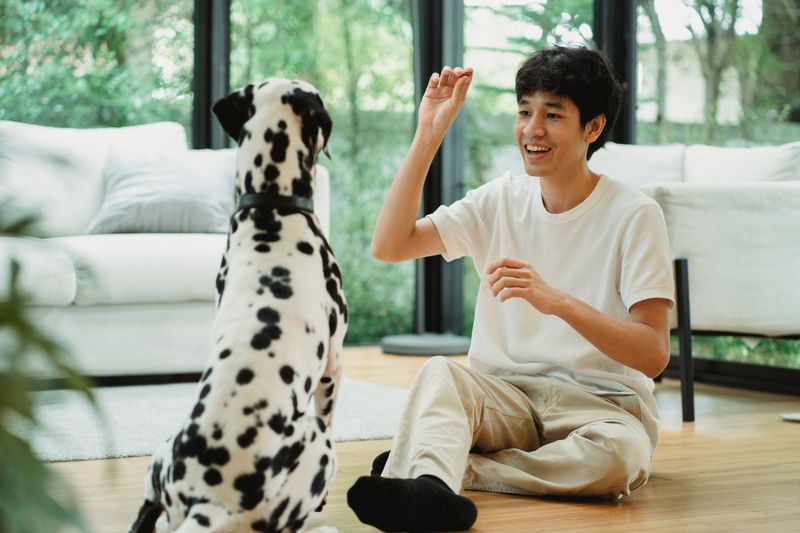
Small homes can support happy dogs when activity has a place on the calendar. Plan walks, short training sessions, and food puzzles around your dog’s age and health.
Philadelphia and Pittsburgh apartment dogs may need several outings because there is no private yard. Farmhouse dogs need planned engagement too, even with outdoor space.
Avoid treating yard access as a complete exercise plan. Ask your veterinarian about suitable activity if your dog tires unusually quickly afterward.
4. Pittsburgh Hills Can Turn Short Walks Into Workouts
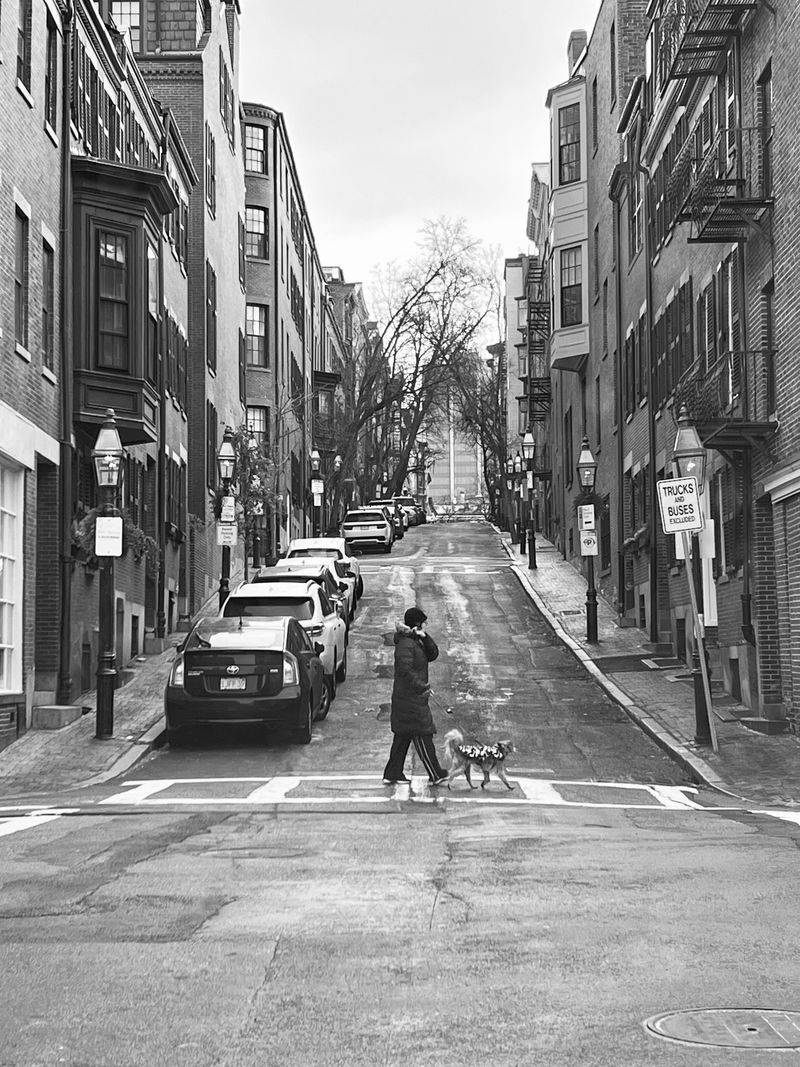
Distance alone does not tell the whole exercise story in Pittsburgh. A few steep blocks can demand more effort than a longer, level Philadelphia route.
Start slowly, offer breaks, and watch for lagging or unusual panting. Older dogs and those with joint or breathing concerns may need gentler options.
Country terrain can be demanding too, especially across uneven fields. Build fitness gradually, and choose routes your dog can comfortably finish without being rushed back home.
5. Farm Dogs Need Clear Boundaries Around Livestock
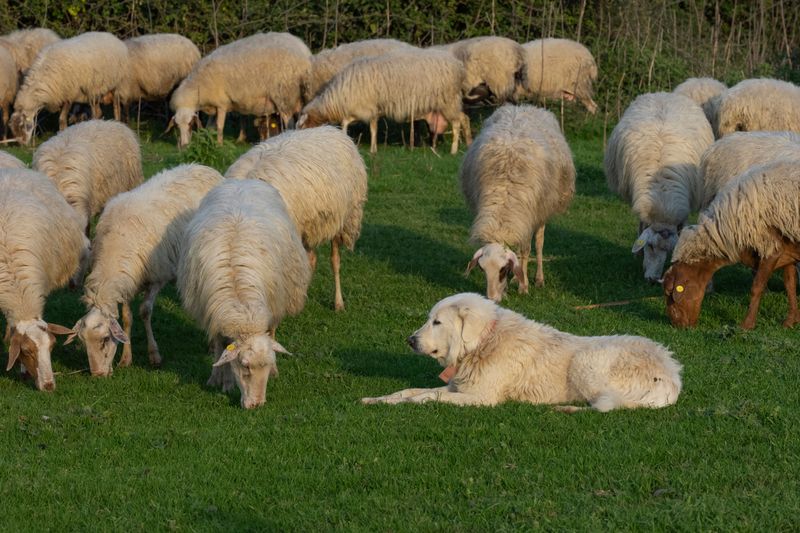
Open gates are invitations a curious dog may misunderstand. Around livestock, use secure fencing, supervised access, and reward training that teaches dogs to stay nearby.
Do not assume friendliness makes contact safe for either animal. Introduce farm sights from a comfortable distance, with the dog leashed and livestock securely separated.
Visiting dogs from Philadelphia or Pittsburgh need these boundaries too. Ask the property owner about working areas before allowing any exploration near barns or pens.
6. Leash Habits Matter Around Busy City Streets
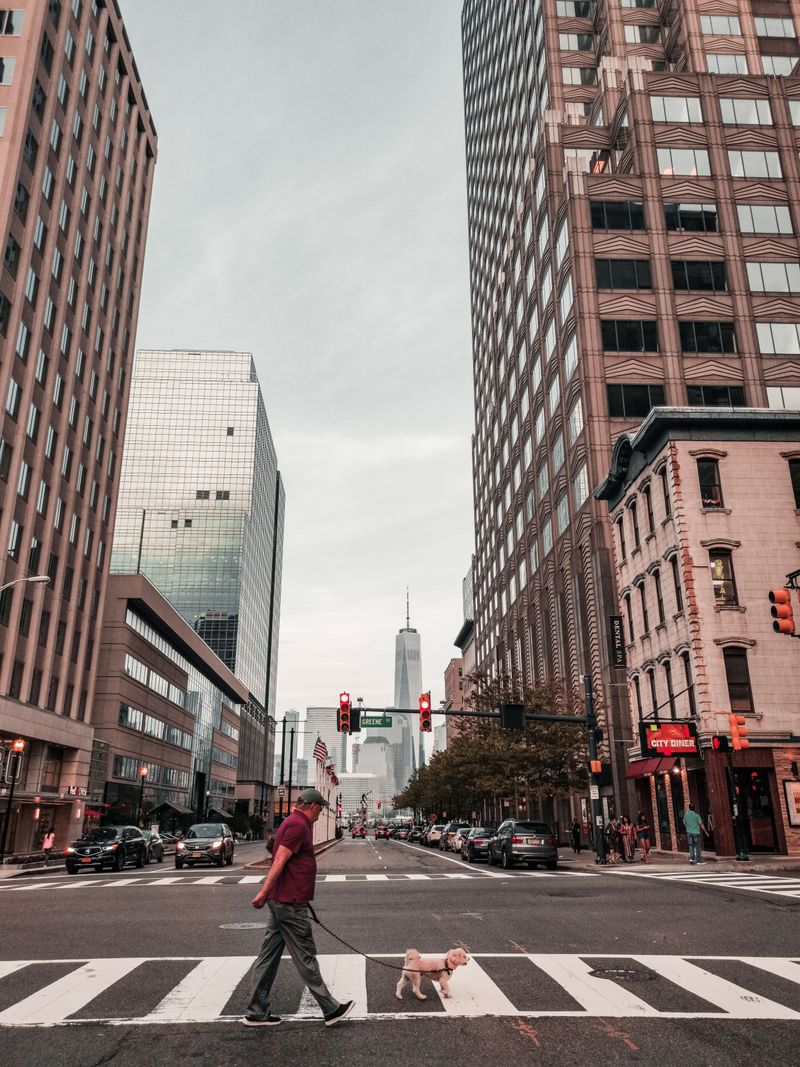
At a crowded corner, a little leash slack needs a little planning. Keep your dog close enough to guide without constant pulling, especially near traffic and doorways.
Philadelphia generally requires leashes in public outside designated areas. Pittsburgh also has leash rules, so check current city guidance and posted park signs.
Pennsylvania law requires dogs to remain under control. Rural surroundings do not remove that responsibility.
Practice waiting at curbs before adding busier crossings or distractions.
7. Rural Road Walks Require Extra Visibility
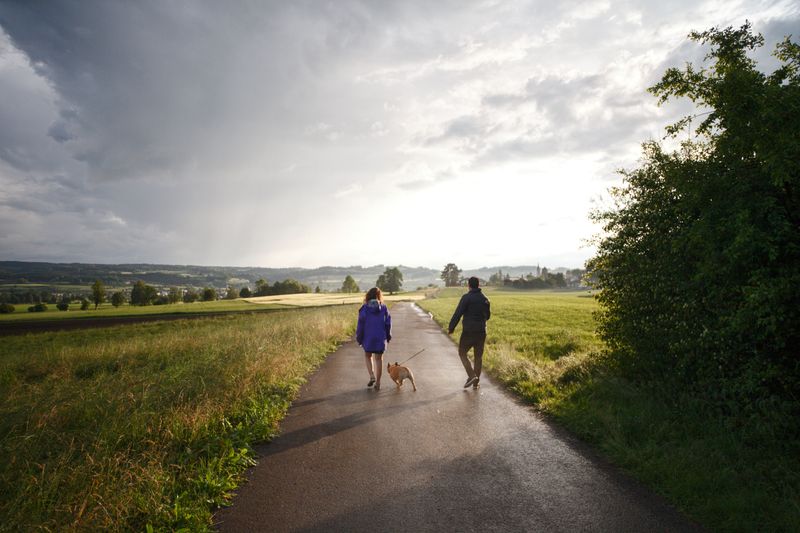
Quiet country lanes still carry delivery vans, tractors, and passing cars. Before choosing a route, check shoulder width, sightlines, and places to step safely away.
Walk facing traffic where no sidewalk exists, keeping your dog away from moving vehicles. Reflective gear and a light improve visibility in dim conditions.
Skip narrow roads with blind bends. City owners should use similar caution near driveways and parking exits, where drivers may not notice a dog approaching nearby.
8. Dog Park Visits Depend On Available Space
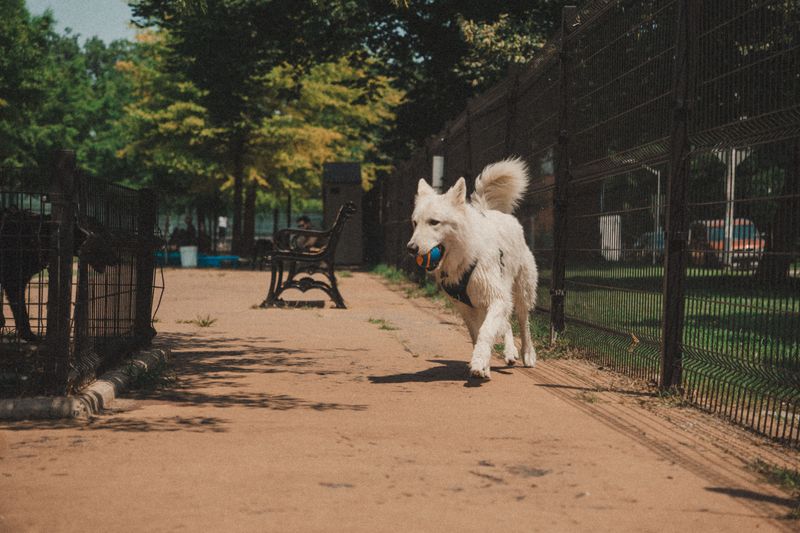
Not every dog needs a busy playgroup to have a good afternoon. Philadelphia and Pittsburgh offer designated dog areas, but crowd levels and layouts vary.
Read posted rules, check gates, and watch the group before entering. Leave if your dog seems overwhelmed or play becomes uncomfortable.
Rural owners may travel farther for fenced space. A quiet sniffing walk or private play session can be equally useful.
Match the outing to your dog, not neighborhood expectations.
9. City Dogs Get Used To More Noise And Crowds
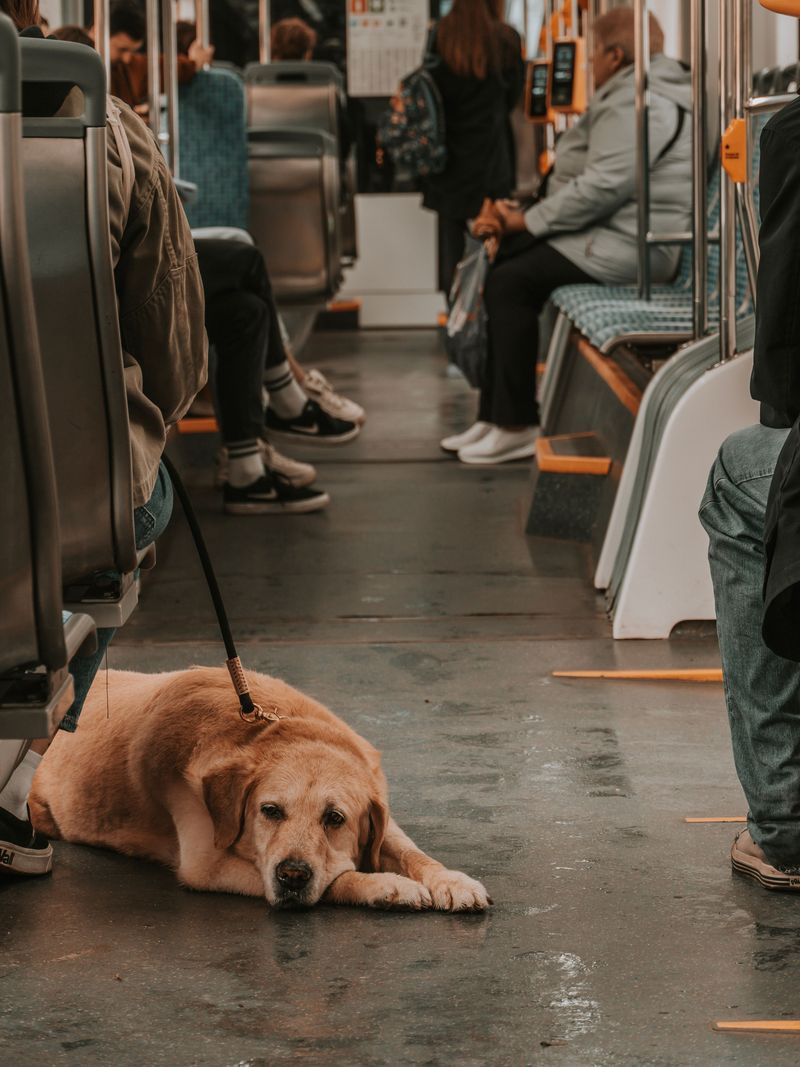
A bus sighing at the curb can surprise a dog raised beside quiet fields. Introduce traffic, crowds, and construction sounds from distances where your dog stays comfortable.
Reward calm attention, keep sessions short, and allow an easy retreat. Avoid forcing greetings or waiting beside overwhelming noise.
Pittsburgh event traffic and Philadelphia transit corridors can change an otherwise familiar walk. Farm dogs visiting either city often benefit from quieter streets before trying busier places another day.
10. Farm Dogs Need Protection From Wildlife Encounters
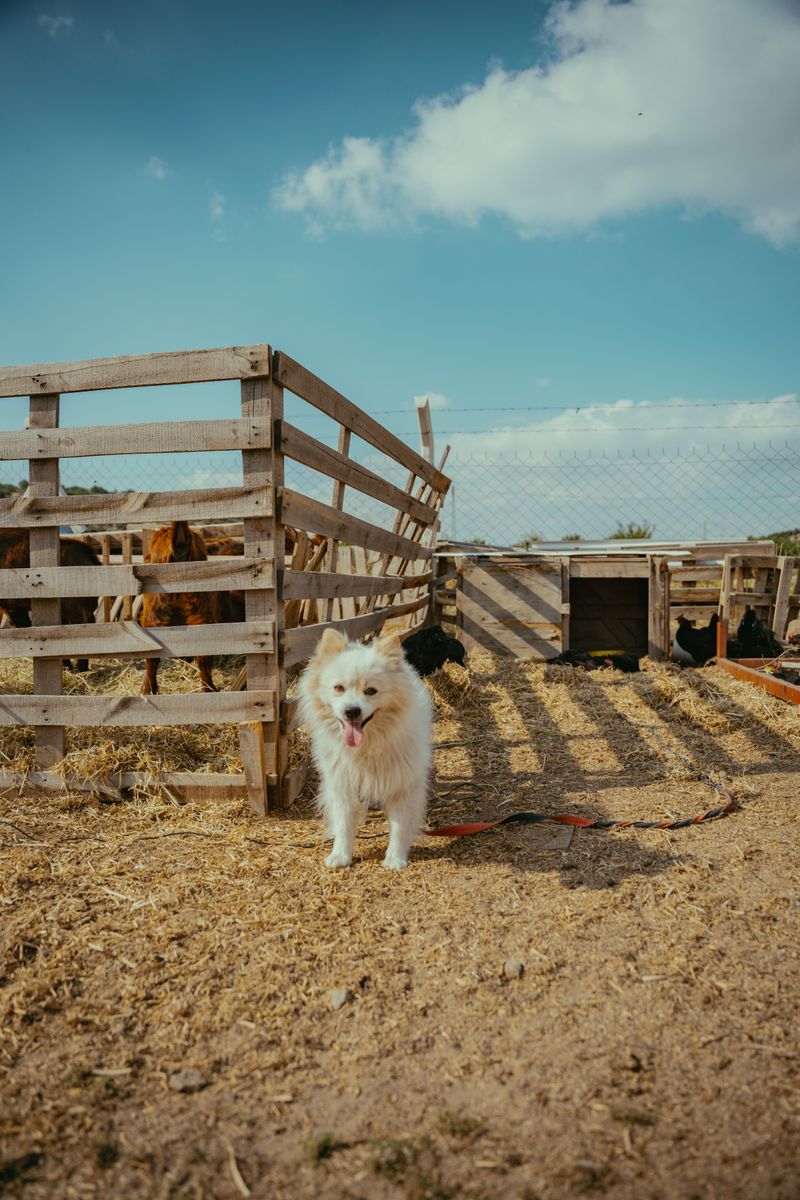
Wooded edges and feed storage areas attract wildlife without any invitation from your dog. Supervise outdoor time, secure trash, and prevent chasing around brush or outbuildings.
Ask your veterinarian about rabies vaccination requirements and parasite prevention suited to local exposure. City yards also attract wildlife, so these habits help statewide.
If contact occurs, separate your dog safely and call your veterinarian for guidance. Never handle unfamiliar wildlife yourself, even when an animal appears unusually approachable.
11. Rainy-Day Routines Depend On Available Indoor Space
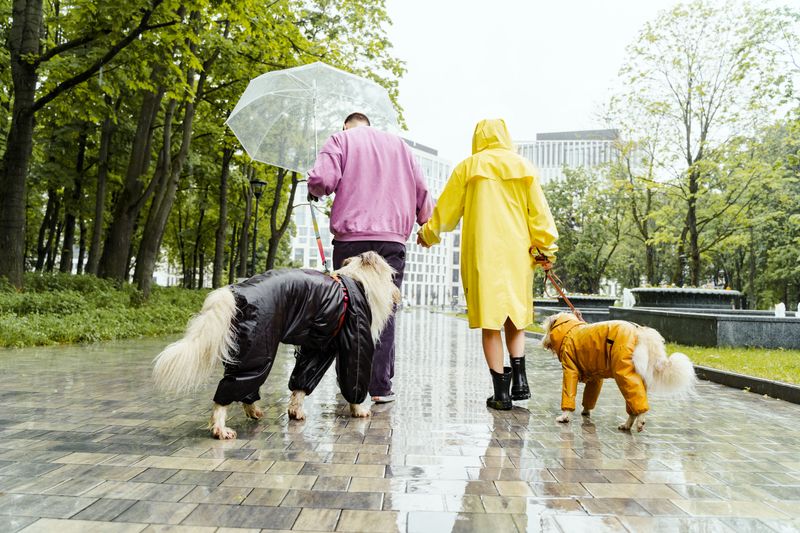
Rain tapping the windows does not have to cancel your dog’s whole day. In smaller city homes, try scent games, food puzzles, and brief training on nonslip flooring.
Farmhouses may offer more room, but keep play away from tools, stored chemicals, and slick barn floors. Take necessary bathroom trips outside when conditions are safe.
Dry paws afterward and offer a comfortable resting spot. Skip outdoor exercise during thunderstorms, replacing it with quiet indoor activities instead.
12. Winter Walks Bring Different Challenges Across Pennsylvania
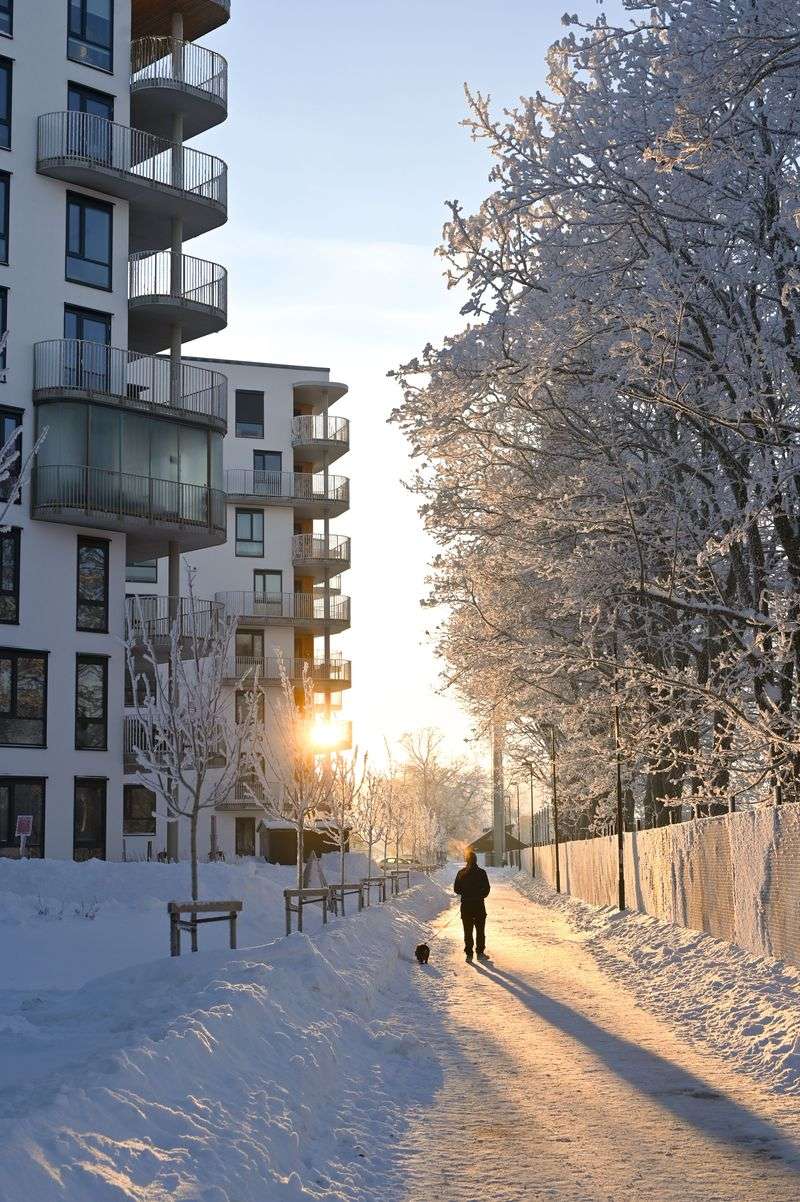
Snow changes more than the view outside your door. Pittsburgh slopes can become slippery, while Philadelphia sidewalks may hold slush and deicing residue.
Rural routes may have deeper snow and fewer cleared walking areas. Shorten outings when your dog seems uncomfortable, and consider properly fitted boots or a coat when appropriate.
Wipe paws after walks and inspect between toes. Choose products labeled for pet households, but prevent licking or eating any deicer along your route.
13. Grooming Routines Change With Outdoor Conditions
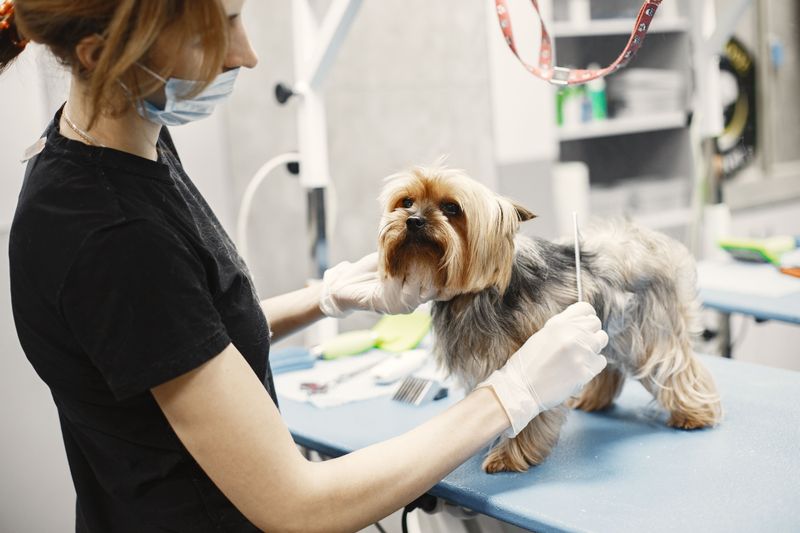
What comes home on your dog’s coat depends on the day’s route. Sidewalk grit, muddy trails, and field burrs each call for a slightly different cleanup.
Check paws, ears, and skin after outdoor time, especially following walks through tall grass. Remove ticks promptly using an appropriate tool and veterinary guidance.
Brush out loose debris without pulling tangled fur. Ask a groomer about stubborn mats, and avoid extra bathing that leaves your dog’s skin feeling irritated.
14. Feeding Schedules Must Fit Different Daily Activities
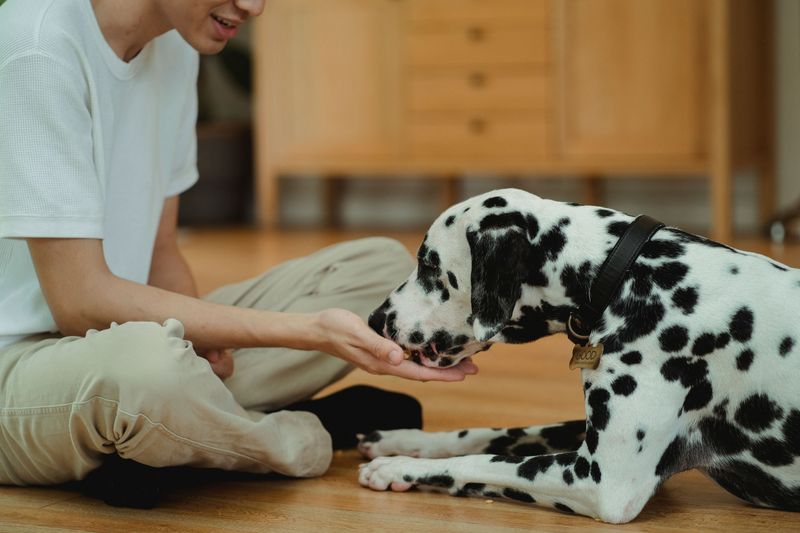
A dog covering farm acreage may need different portions than one enjoying shorter neighborhood strolls. Still, location alone does not determine how much food belongs in the bowl.
Measure meals and adjust with veterinary advice based on body condition, age, and actual activity. Count training treats toward daily intake.
Keep fresh water available, including after hill walks or outdoor work. Ask about meal timing around exercise, particularly if your dog has specific digestive health concerns.
15. Veterinary Visits Require Different Travel Planning
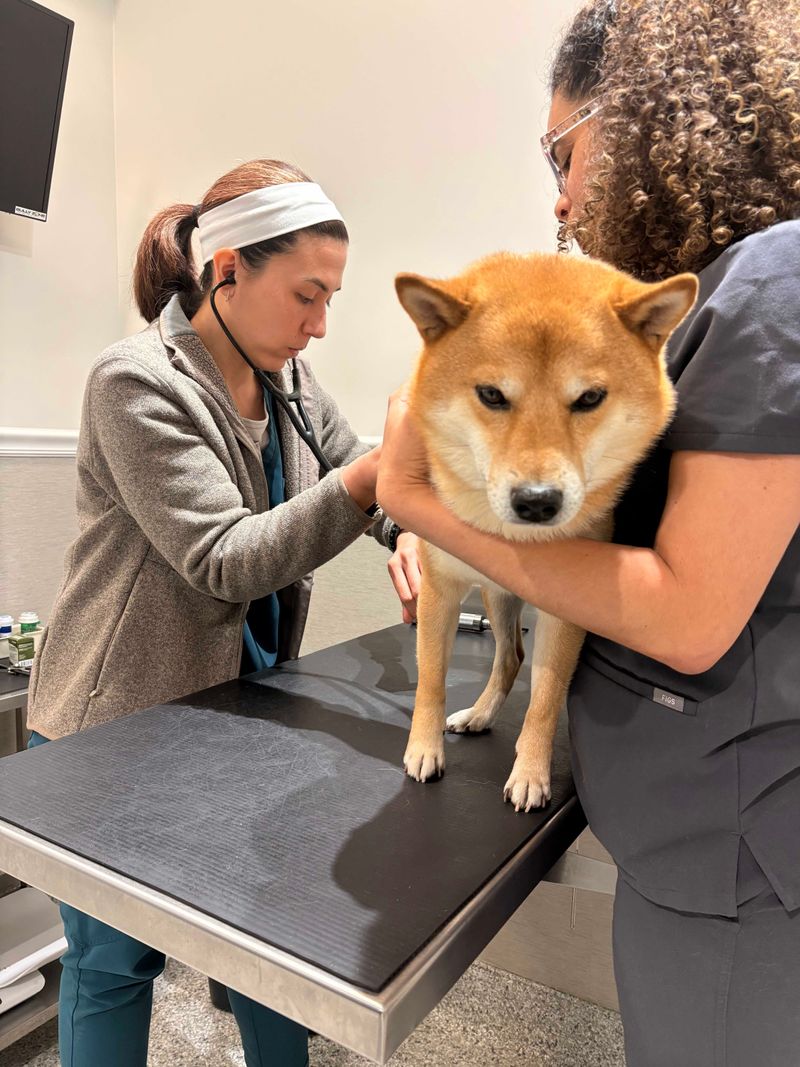
The nearest clinic might be several blocks away or a long country drive. Save your regular veterinarian’s number and confirm where urgent care is available after hours.
Philadelphia and Pittsburgh trips may involve traffic, parking, or building access. Rural appointments may require more travel time and weather planning.
Use a secured carrier or suitable vehicle restraint, and bring current records. Wherever you live, small preparations make daily dog care feel steadier, simpler, and more manageable.