Common Plants in California Yards That Can Be Dangerous to Dogs
California yards are some of the most beautiful in the country, filled with colorful blooms, lush greenery, and fragrant shrubs. But some of the most common plants growing right outside your door can make your dog seriously sick.
As a dog owner, knowing which plants pose a risk puts you in a much stronger position to keep your pet safe. You don’t need to rip out your entire garden.
You just need to know what to watch for, where to look, and when to call your vet. This guide walks you through the plants most likely to show up in a California yard, what makes each one risky, and what you can do about it.
Think of it as a friendly heads-up from someone who wants your dog to stay happy, healthy, and out of the emergency vet clinic. Keep your vet’s number handy, and consider sharing this list with anyone who watches your dog or tends your yard.
1. Sago Palm
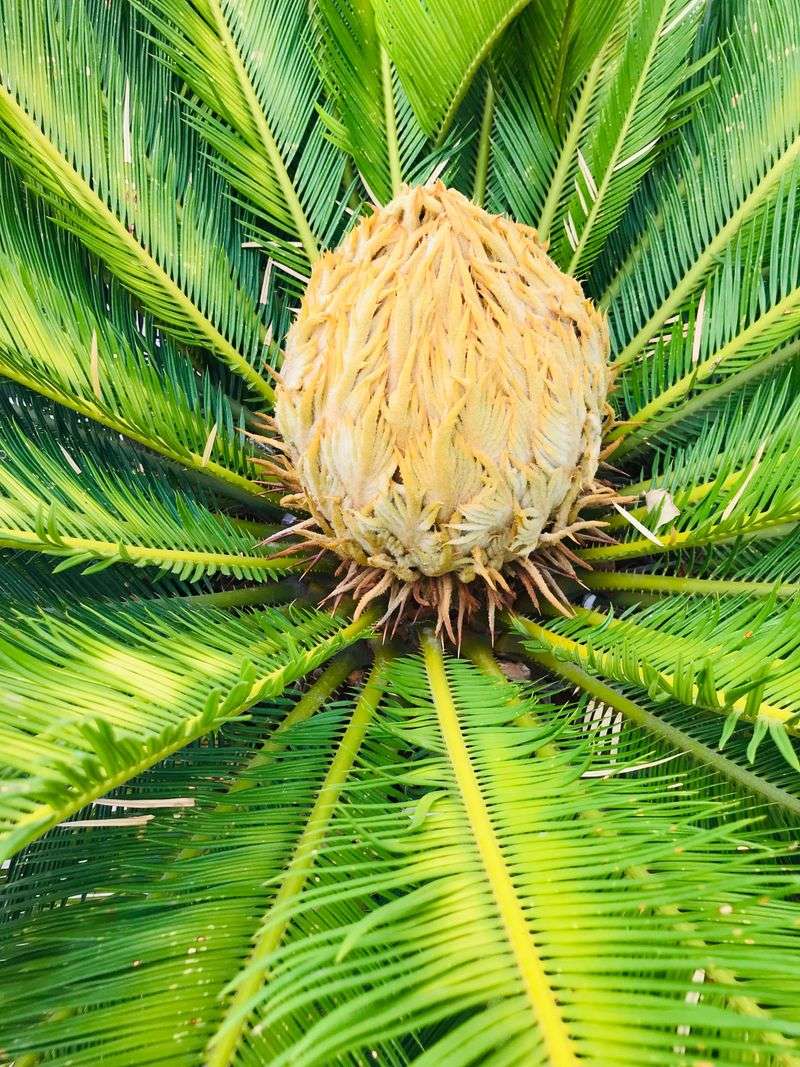
Sago palms are one of the most toxic plants a dog can encounter. Every part of this plant is dangerous, but the seeds carry the highest concentration of cycasin, a toxin that can cause severe liver failure.
Many California homeowners grow sago palms as ornamental landscaping without realizing the risk.
If your dog chews on any part of this plant, contact your vet immediately. Time matters with sago palm poisoning.
Even small amounts can be life-threatening, so treat any exposure as urgent.
2. Oleander
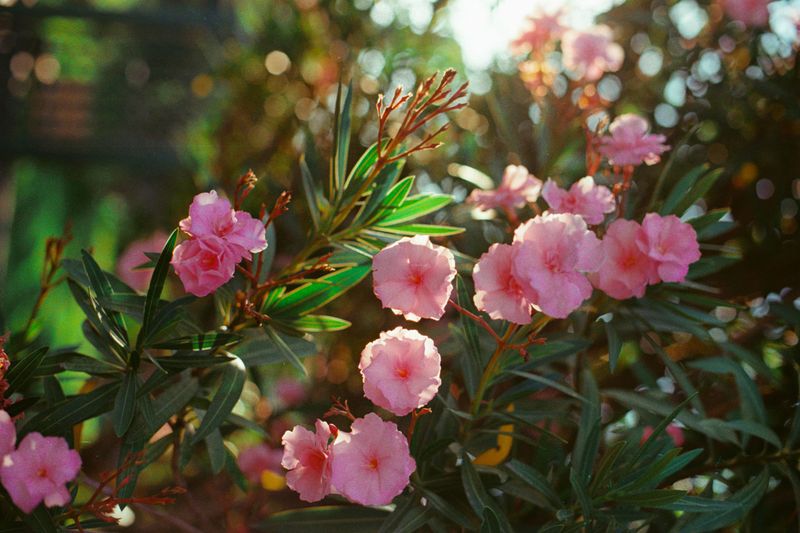
Oleander lines highways and decorates backyards across California, making it one of the most commonly encountered toxic plants for pets. Its leaves, flowers, and stems contain cardiac glycosides, which can disrupt a dog’s heart rhythm.
Even dried clippings left on the ground remain dangerous.
Symptoms can include drooling, vomiting, and irregular heartbeat. Oleander poisoning is considered a veterinary emergency.
Keep dogs away from trimmings and fallen flowers, and wear gloves when pruning this plant yourself.
3. Azalea
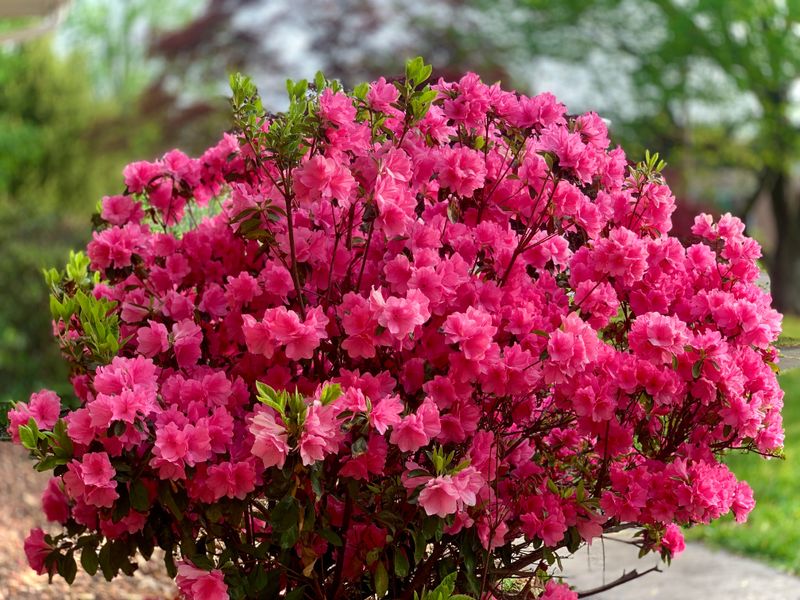
Azaleas are a springtime favorite in California gardens, prized for their showy pink, red, and white blooms. Unfortunately, they contain grayanotoxins, which interfere with nerve and muscle function in dogs.
Even a small number of leaves can cause noticeable symptoms.
Watch for weakness, drooling, vomiting, or stumbling after your dog has been near azalea bushes. Most cases respond well to prompt veterinary care.
Planting azaleas in raised beds or fenced areas can reduce the chance your dog will snack on them.
4. Rhododendron
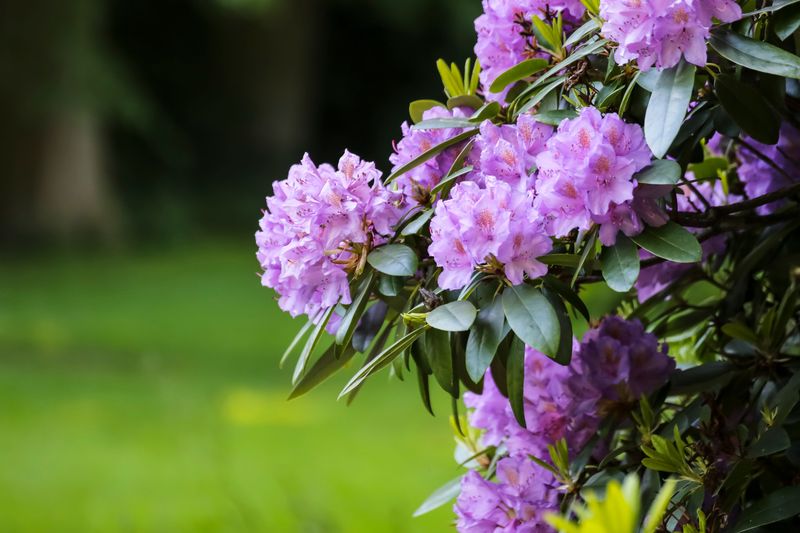
Rhododendrons are close relatives of azaleas and share the same grayanotoxin compounds. They grow large and leafy, which makes them appealing as privacy hedges in California backyards.
Dogs that chew on the leaves or flowers may show signs of illness within a few hours.
Symptoms often include excessive drooling, loss of appetite, and weakness in the legs. Rhododendron poisoning is rarely fatal when treated quickly, but it does require veterinary attention.
Consider using barriers or training your dog to avoid garden borders.
5. Foxglove
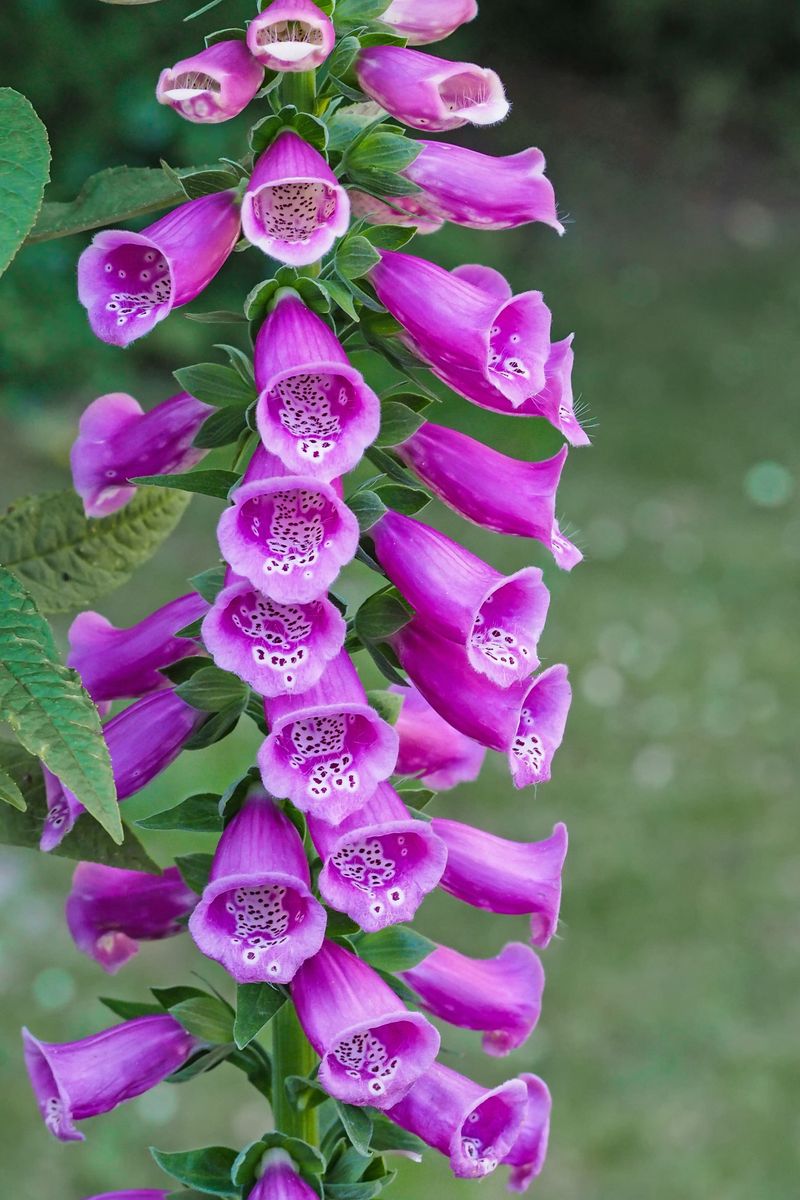
Foxglove has a striking, old-fashioned look that makes it popular in cottage-style California gardens. Its tubular flowers are beautiful, but the entire plant contains digitalis glycosides, the same compounds used in certain heart medications.
For dogs, exposure can cause serious cardiac symptoms.
Signs of foxglove poisoning include vomiting, a slow or irregular heartbeat, and extreme lethargy. Even small amounts can be harmful to smaller breeds.
If you grow foxglove, keep it in areas your dog cannot access and clean up fallen blooms promptly.
6. Castor Bean
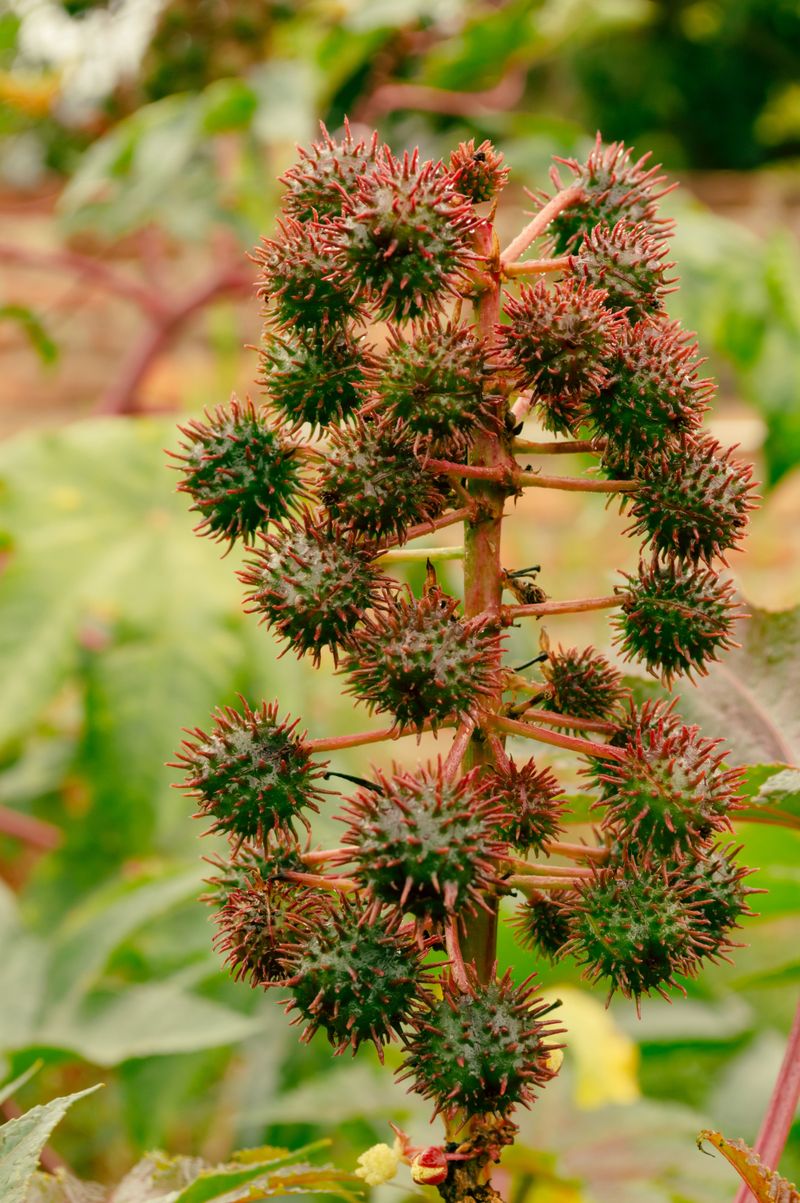
Castor bean plants grow vigorously in California’s warm climate and are sometimes used as dramatic ornamental specimens. The seeds contain ricin, one of the most potent naturally occurring toxins known.
Even a small number of chewed seeds can cause severe and potentially fatal poisoning. Any suspected ingestion requires immediate veterinary treatment.
The plant’s spiky seed pods can attract a curious dog’s attention. Symptoms of ricin poisoning include vomiting, diarrhea, muscle tremors, and collapse.
This is a plant worth removing entirely from any yard shared with dogs. There is no antidote, so prevention is essential.
7. Angel’s Trumpet
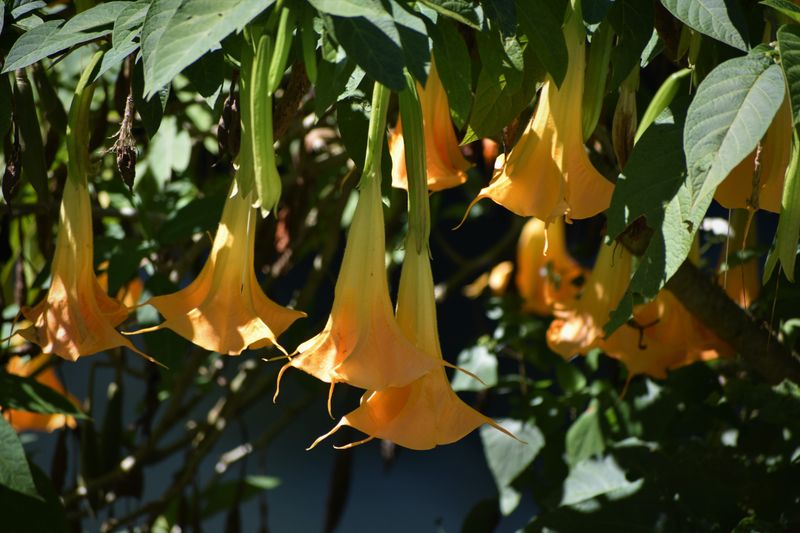
Angel’s trumpet is hard to miss. Its enormous, pendulous flowers hang like bells from tall shrubs and fill the evening air with fragrance.
All parts of this plant contain tropane alkaloids, including atropine and scopolamine, which affect the nervous system in dogs.
Poisoning can cause dilated pupils, rapid heart rate, disorientation, and seizures. Angel’s trumpet is common in Southern California gardens.
Because it grows large and sheds flowers freely, dogs can easily come into contact with fallen blooms. Regular cleanup of dropped flowers is a simple protective step.
8. Daffodil
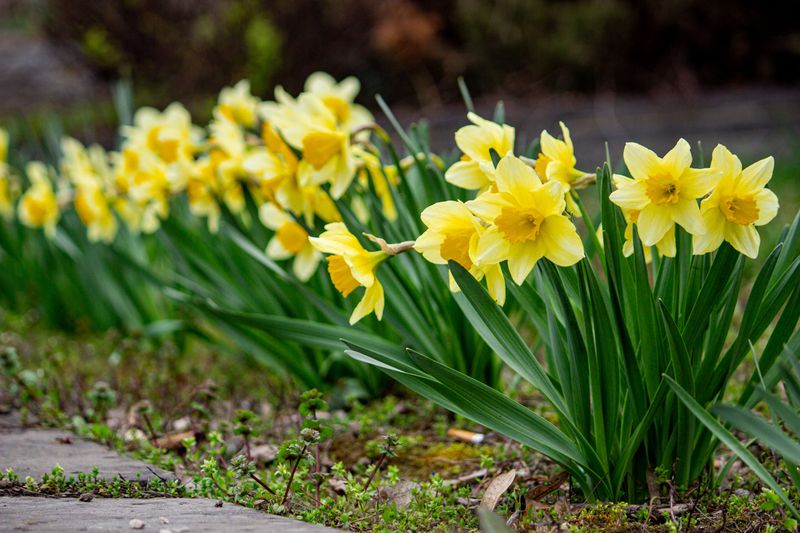
Daffodils are cheerful harbingers of spring, and many California gardeners plant them in borders and pots. The bulbs hold the highest concentration of lycorine, an alkaloid that triggers vomiting and can cause low blood pressure in dogs.
But the stems and flowers carry risk too.
Dogs that dig up and chew bulbs are most at risk. Symptoms include intense drooling, stomach upset, and trembling.
Planting bulbs in containers elevated off the ground, or in fenced beds, can help keep curious diggers away from this seasonal hazard.
9. Tulip
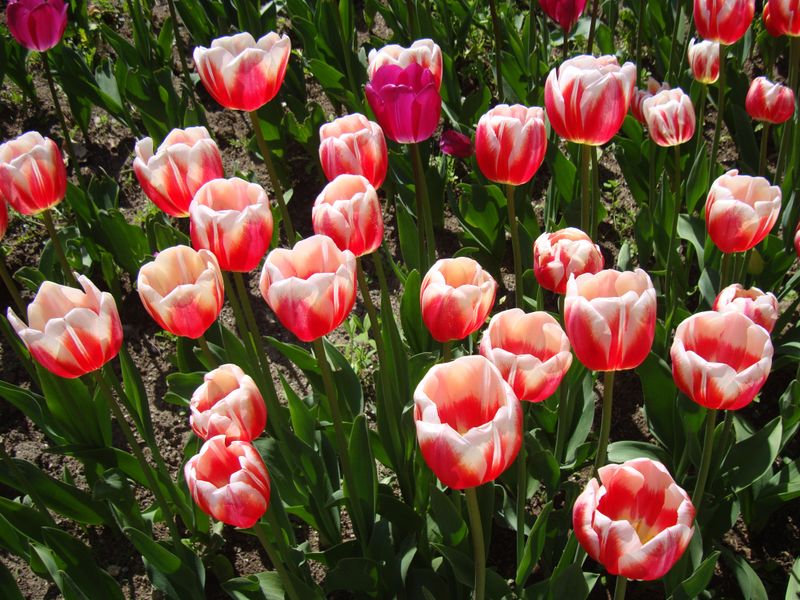
Tulips are among the most popular spring bulbs planted in California gardens. Like daffodils, the bulb is the most toxic part, containing tulipalin A and B, which can irritate the digestive tract and cause more serious symptoms in larger quantities.
Dogs that like to dig are especially at risk.
Mild exposure usually causes drooling and stomach upset. Larger amounts may lead to breathing difficulties or an elevated heart rate.
Store unplanted bulbs securely and consider covering freshly planted beds with wire mesh to discourage digging.
10. Hyacinth
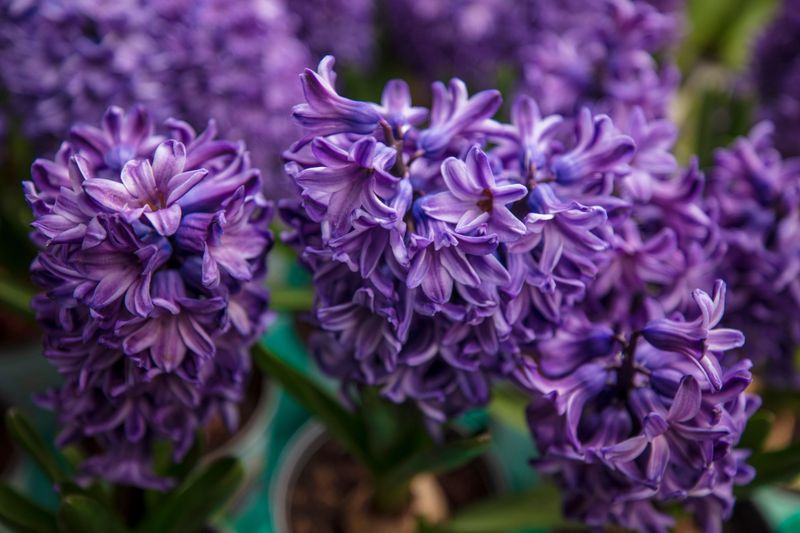
Hyacinths bring intense fragrance and bold color to California patios and garden beds. Their bulbs contain the highest toxin levels, but all parts of the plant can cause problems for dogs.
The compounds, called narcissus-type alkaloids, are irritating to the digestive system.
A dog that chews a hyacinth bulb may drool heavily, vomit repeatedly, or appear lethargic. Skin contact with the sap can also cause mild irritation.
Potted hyacinths on low tables or accessible windowsills are easily investigated by curious dogs, so placement matters.
11. Autumn Crocus
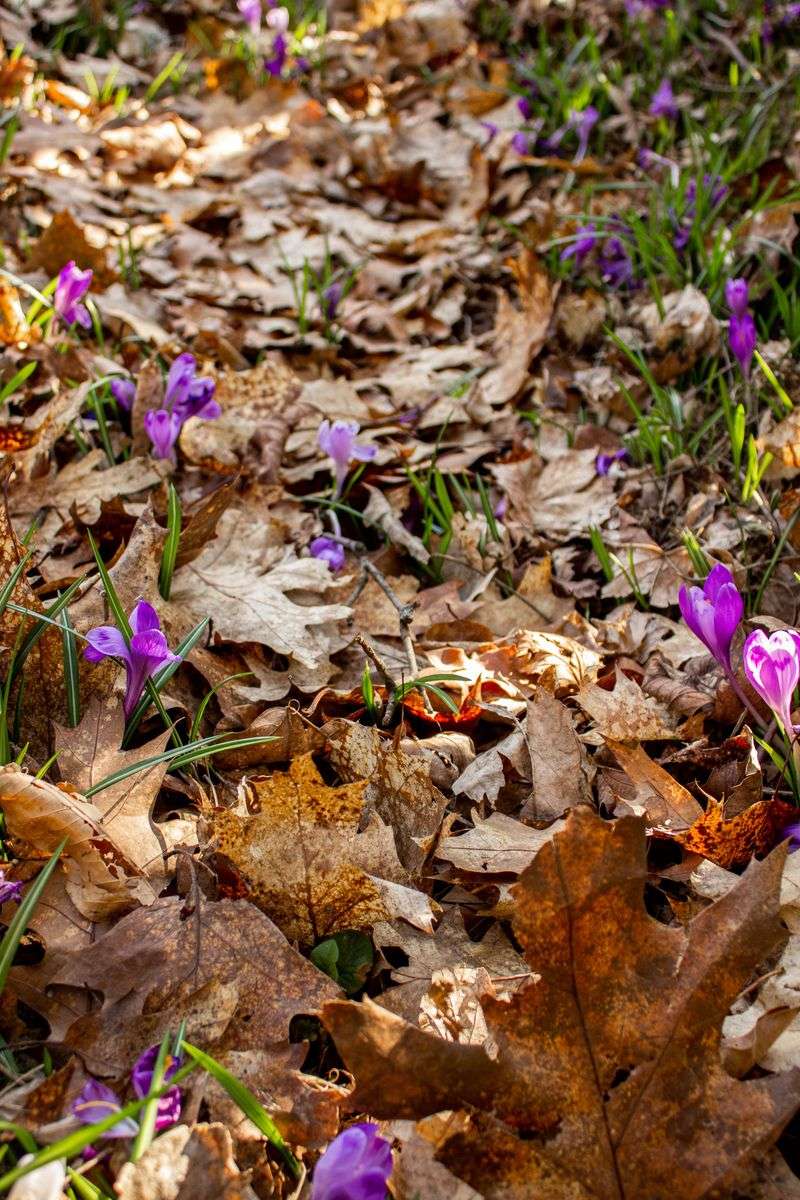
Autumn crocus looks similar to the common spring crocus, but it belongs to a completely different plant family and is far more dangerous. It contains colchicine, a compound that interferes with cell division and can damage multiple organ systems in dogs.
Symptoms may be delayed by hours or even days.
That delay makes autumn crocus especially tricky. A dog may seem fine at first, then develop severe vomiting, kidney failure, or breathing problems.
If you suspect your dog has eaten this plant, do not wait for symptoms to appear before calling your vet.
12. Lily of the Valley
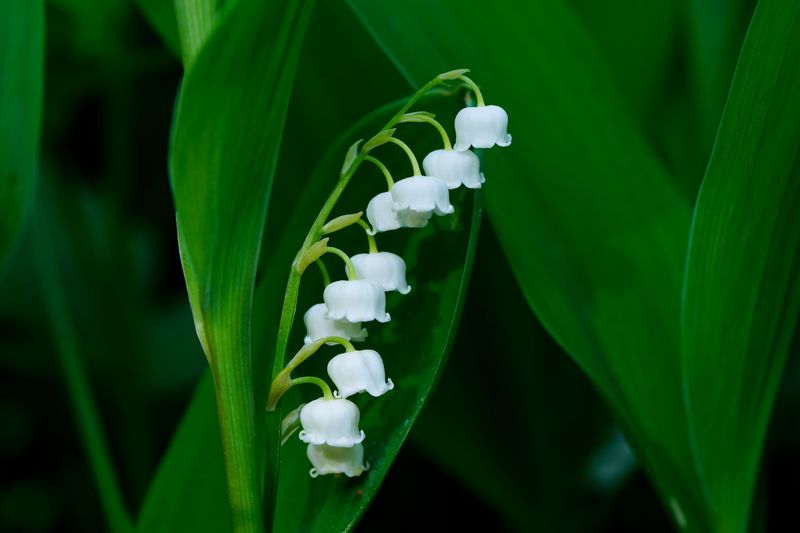
Lily of the valley has a dainty, woodland charm that makes it a beloved ground cover in shaded California garden spots. Beneath that delicate appearance lies a plant loaded with cardiac glycosides.
These compounds affect the heart’s electrical system and can be dangerous in even small amounts.
Dogs may show vomiting, a slow heart rate, low blood pressure, or seizures after exposure. The red berries that appear after flowering are also toxic.
Because this plant spreads easily and grows low to the ground, it is particularly accessible to dogs that graze or explore garden beds.
13. Yew
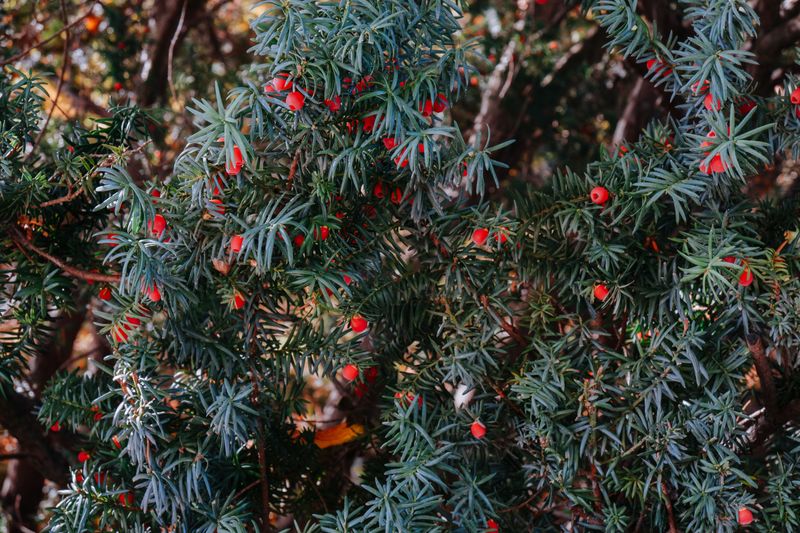
Yew shrubs are widely planted as formal hedges and foundation plants in California. Their dark, needle-like foliage and bright red berries make them visually distinctive.
Almost every part of the yew, except the red fleshy part of the berry, contains taxine alkaloids, which are highly toxic to dogs.
Yew poisoning can cause sudden collapse, difficulty breathing, and cardiac arrest. Symptoms can appear very quickly after ingestion.
Because yew is so commonly used in residential landscaping, it is worth identifying whether you have it and planning accordingly if dogs share your yard.
14. Wisteria
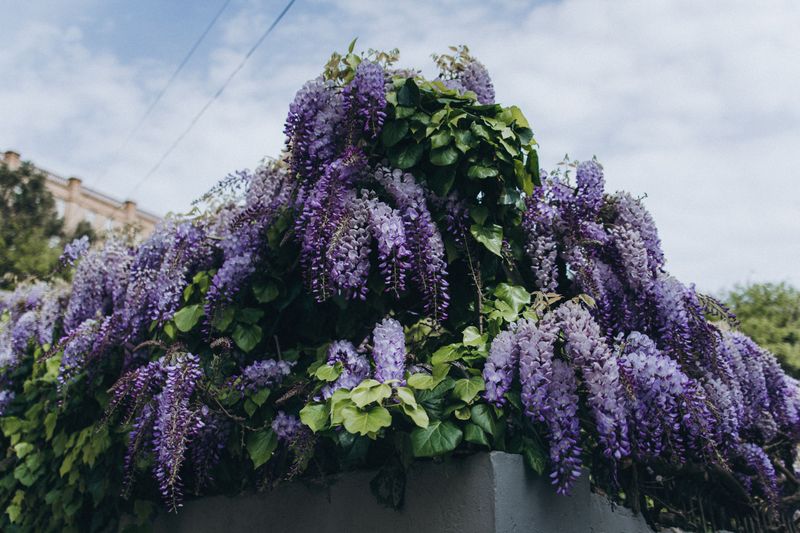
Few plants are as visually stunning as wisteria in full bloom. Its cascading purple or white flower clusters are a signature sight in California gardens.
However, the seeds and pods contain lectins and wisterin, compounds that can cause vomiting, diarrhea, and abdominal pain in dogs.
The seed pods look a bit like pea pods, which might attract a dog’s curiosity. Symptoms are usually gastrointestinal and tend to resolve with veterinary support.
Pruning wisteria regularly and cleaning up fallen pods reduces the chance of accidental ingestion during outdoor playtime.
15. Lantana
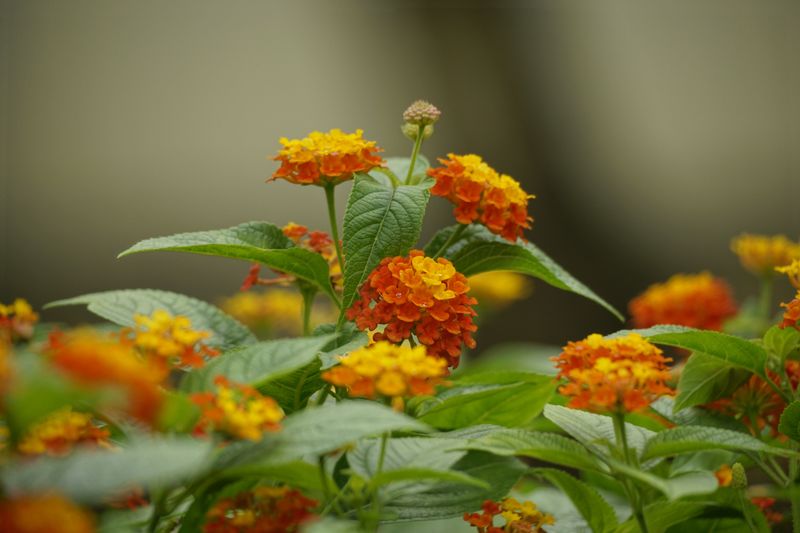
Lantana thrives in California’s heat and is a go-to plant for low-water landscaping. Its cheerful clusters of tiny flowers shift color as they mature, making it a popular choice for borders and containers.
The leaves and unripe berries are the most toxic parts, containing lantadene compounds.
These compounds can affect the liver and cause sensitivity to sunlight in dogs. Symptoms include vomiting, weakness, and yellowing of the eyes or gums in more serious cases.
Ripe black berries are less toxic but still not safe. Monitor your dog around lantana, especially in late summer when berries form.
16. Hydrangea
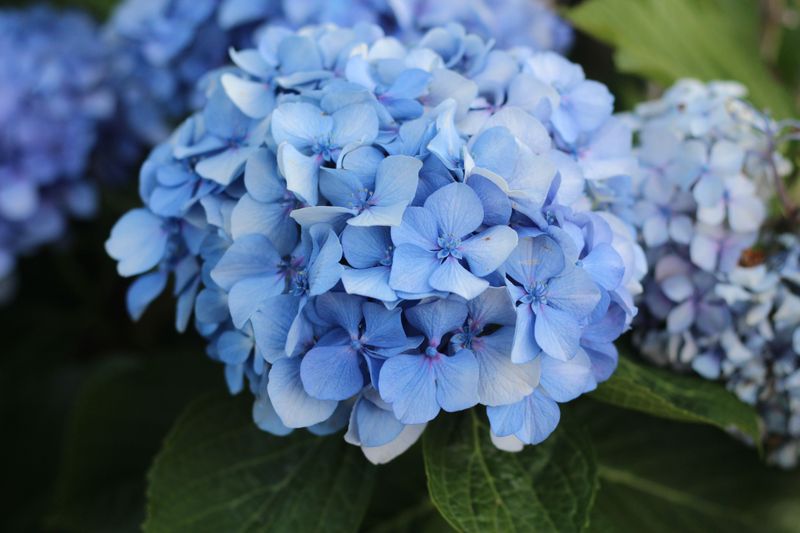
Hydrangeas are a backyard classic in California, loved for their big, mophead blooms in shades of blue, pink, and white. They contain cyanogenic glycosides, which can release small amounts of cyanide when metabolized.
The flowers and leaves are the parts most likely to be chewed by dogs.
Fortunately, hydrangea toxicity is usually mild compared to some other plants on this list. Expect stomach upset, lethargy, and possible vomiting.
Serious cases are rare but possible with large amounts consumed. Keeping dogs out of garden beds during bloom season is a practical precaution.
17. English Ivy

English ivy is one of the most widely used ground covers and climbing plants in California. It spreads quickly and stays green year-round, which makes it very appealing for landscaping.
The leaves and berries contain triterpenoid saponins, which are irritating to a dog’s digestive system.
Dogs that chew ivy leaves may drool, vomit, or develop diarrhea. The berries tend to cause stronger reactions than the leaves.
English ivy also grows low and dense, making it easy for dogs to nibble without being noticed. Regularly inspect shaded areas where ivy spreads freely.
18. Chrysanthemum
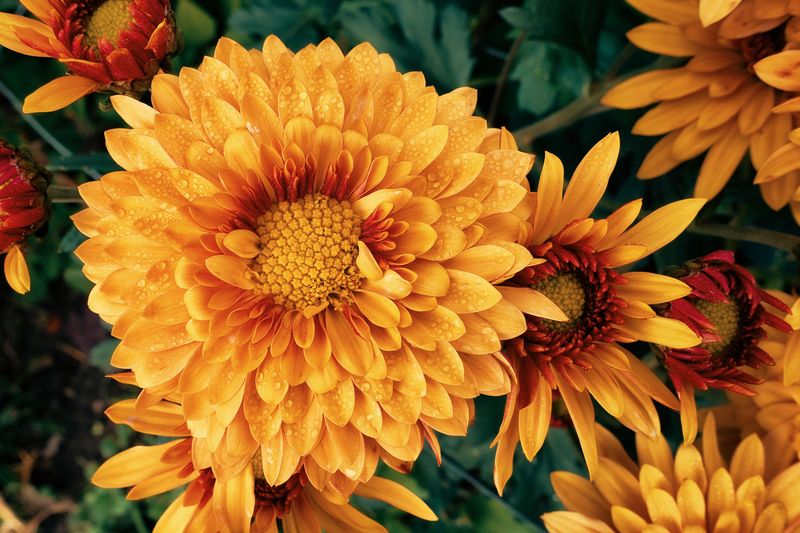
Chrysanthemums are fall favorites across California, sold at nurseries and grocery stores every autumn. They contain pyrethrins, compounds that are actually used in some insecticides.
While those compounds are effective against insects, they can cause irritation in dogs that chew or eat the plant.
Symptoms tend to be mild and include drooling, vomiting, and skin irritation if sap contacts the skin. Most dogs recover quickly with supportive care.
Still, placing potted mums out of reach and keeping dogs away from garden beds during fall planting season is a smart habit to build.
19. Milkweed
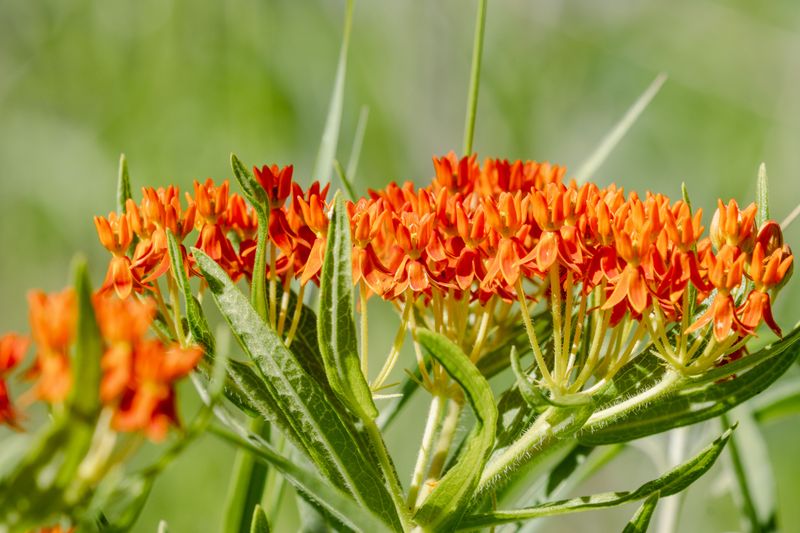
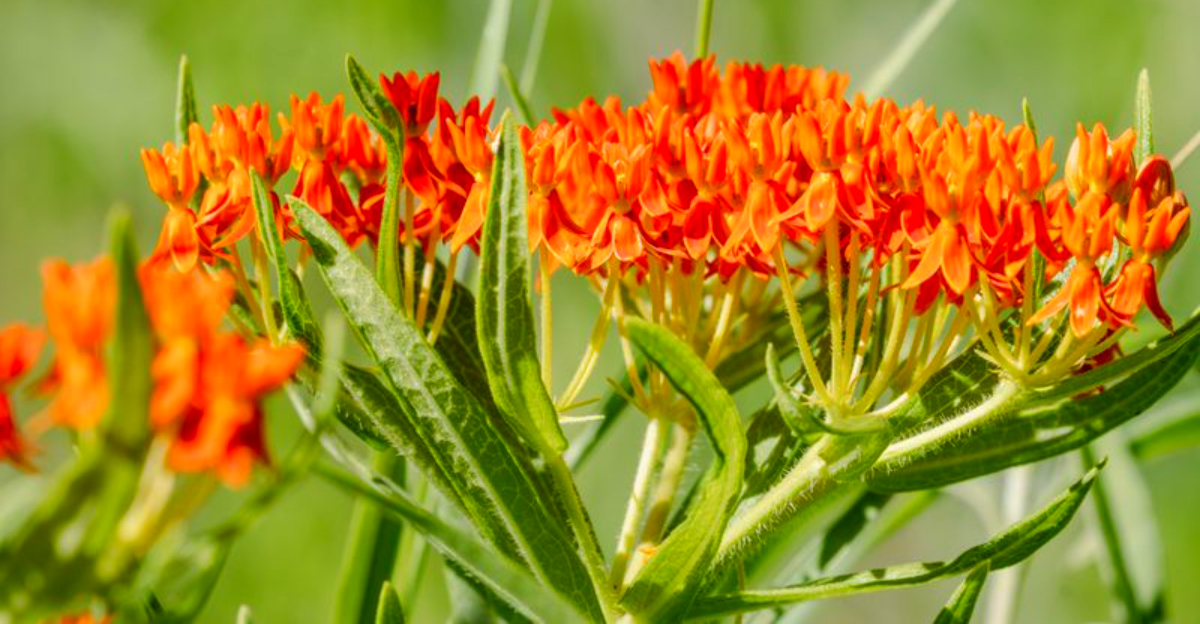
Milkweed has become increasingly popular in California as gardeners plant it to support monarch butterfly populations. That ecological benefit is real, but milkweed also contains cardiac glycosides and other compounds that can harm dogs.
The toxicity level varies by species, but all milkweed should be treated with caution.
Symptoms of milkweed ingestion can include drooling, vomiting, weakness, and in serious cases, heart rhythm changes. Dogs are less likely to seek out milkweed than some other plants, but those with a habit of grazing in garden areas should be monitored.
Ask your vet about safer alternatives for pollinator gardens.
20. Firesticks
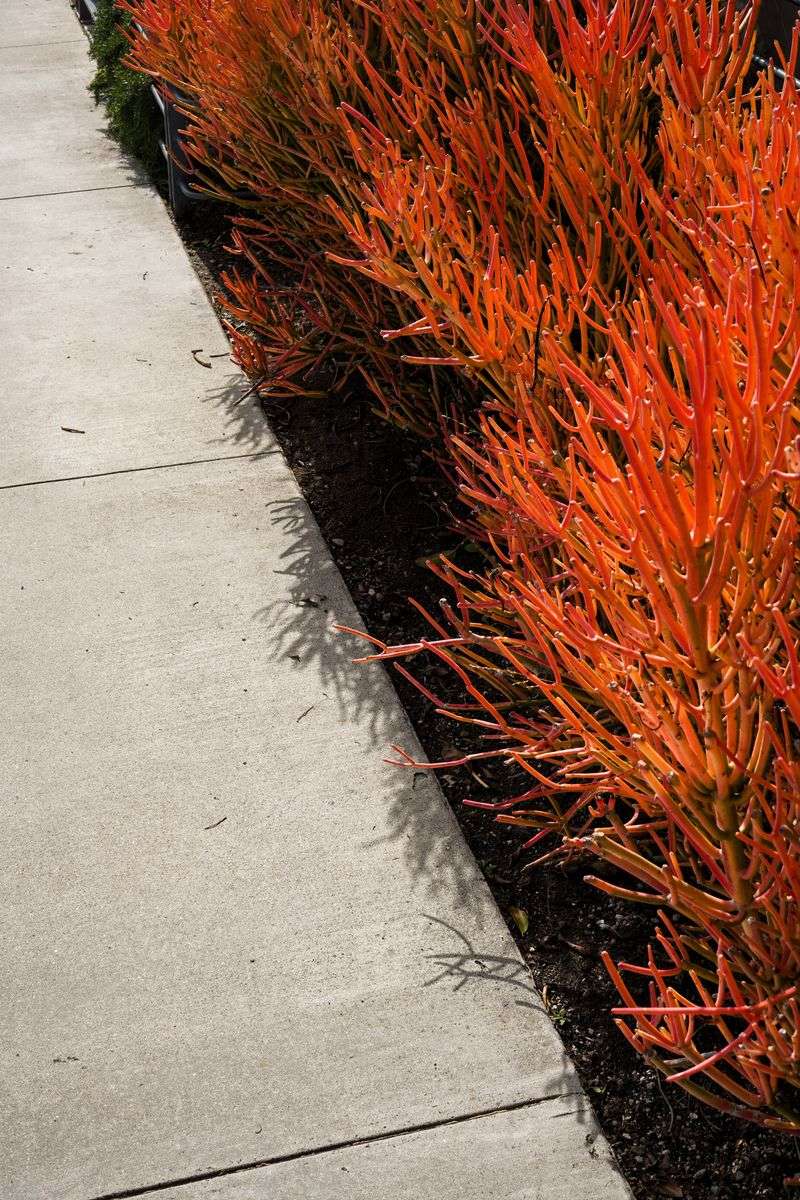
Firesticks, also called pencil cactus or Euphorbia tirucalli, has become a trendy choice in California’s drought-tolerant landscaping. Its vivid red and orange stems are striking, especially in winter.
But the milky white sap inside is highly irritating and toxic to dogs.
Contact with the sap can cause severe mouth pain, drooling, and eye irritation if a dog chews the stems. Ingestion can lead to vomiting and, in larger amounts, more serious effects.
Wear gloves when handling firesticks and consider placing them in areas your dog cannot access, especially during garden exploration.