How Deer Hunting Season Changes Trail Etiquette For Wisconsin Dog Owners
Fall in Wisconsin brings crisp air, golden woods, and a lot more orange out on public land. If you walk your dog on trails here, deer season simply asks you to adjust a few habits, not cancel your favorite outings.
A leash, some bright colors, and a quick look at season dates go a long way. Here is what local dog owners should know before the next walk.
1. Clip on the leash and keep it there
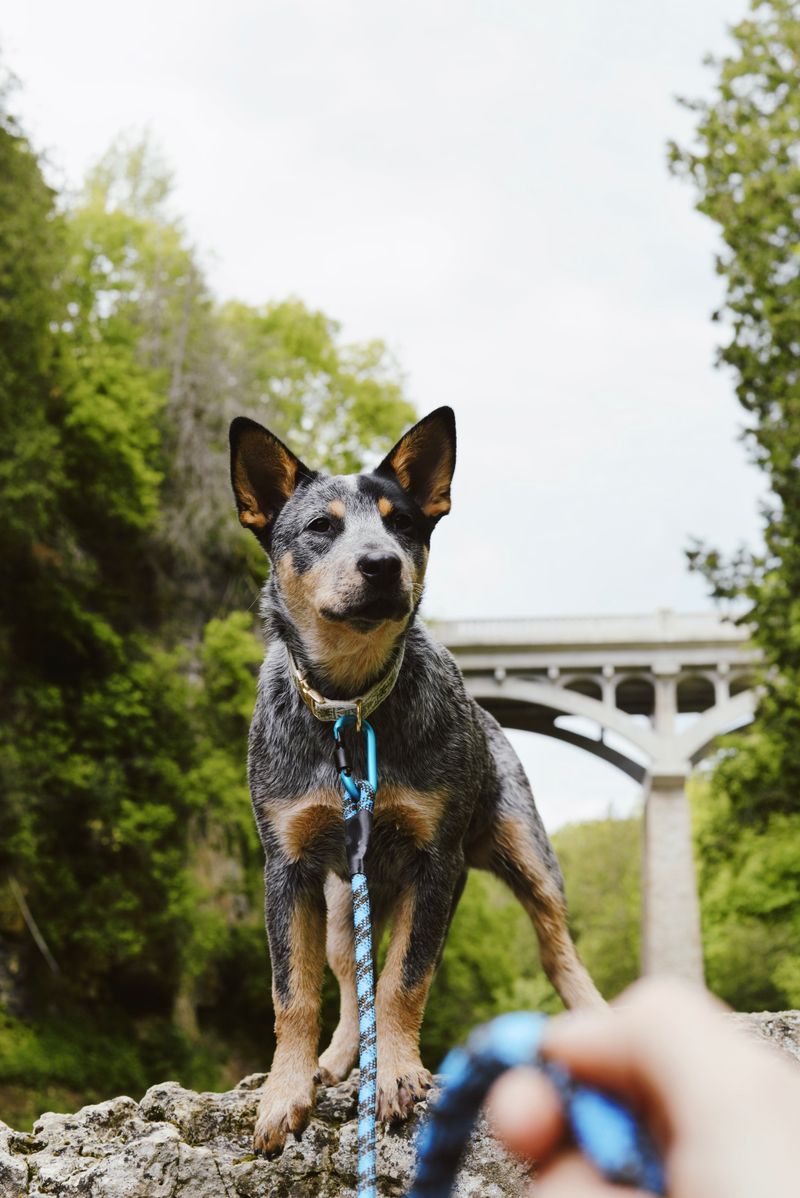
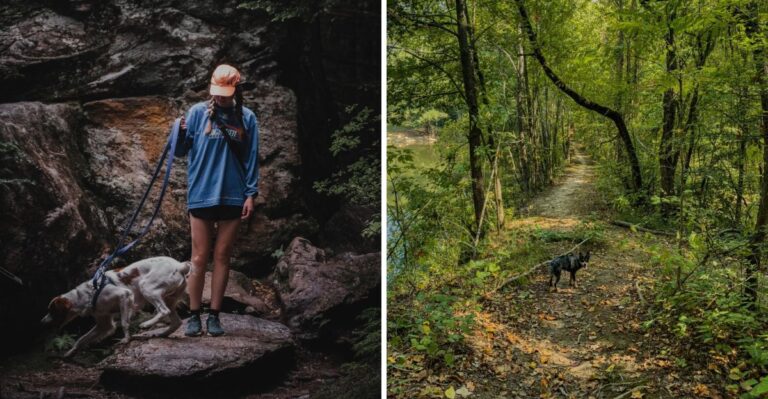
A leash does more than follow rules during deer season. It keeps your dog beside you, visible, and out of places hunters are watching.
On Wisconsin DNR lands, dogs must be leashed on a line no longer than eight feet from April 15 through July 31, with exceptions for hunting dogs and designated training areas. Similar leash rules apply in most DNR State Natural Areas.
Outside those dates, leashing is still the smart fall habit.
2. Find out if the trail allows hunting
Not every green space on the map works the same way. County forests and the Chequamegon-Nicolet National Forest are widely open to hunting.
National Park Service lands are generally closed, with limited exceptions such as some Apostle Islands units, and most city parks are closed too.
State Natural Areas usually allow hunting, though rules vary by managing partner. The DNR Public Access Lands mapping tool helps you check before you drive.
3. Look up this year’s season dates first
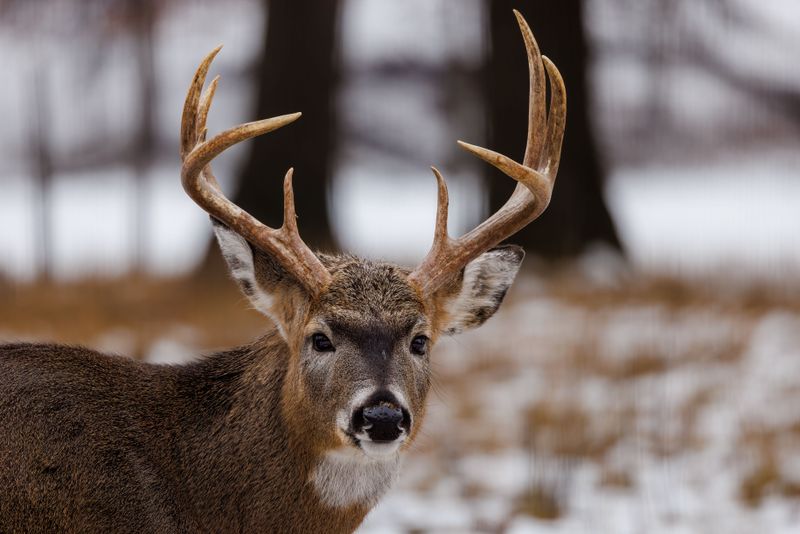
Season calendars in Wisconsin are layered. Archery and crossbow deer seasons often run from September into January, while the general firearm season usually lands in November.
Muzzleloader, antlerless-only, metro sub-unit, and holiday hunts add more dates.
Because zones differ and dates shift year to year, check the official Wisconsin hunting regulations or the DNR website before each outing. It takes about a minute on your phone.
4. Dress your dog in blaze orange
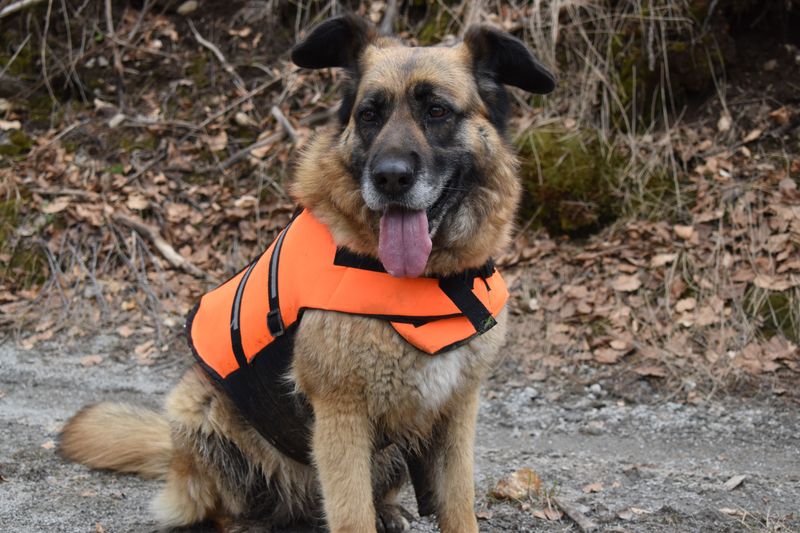
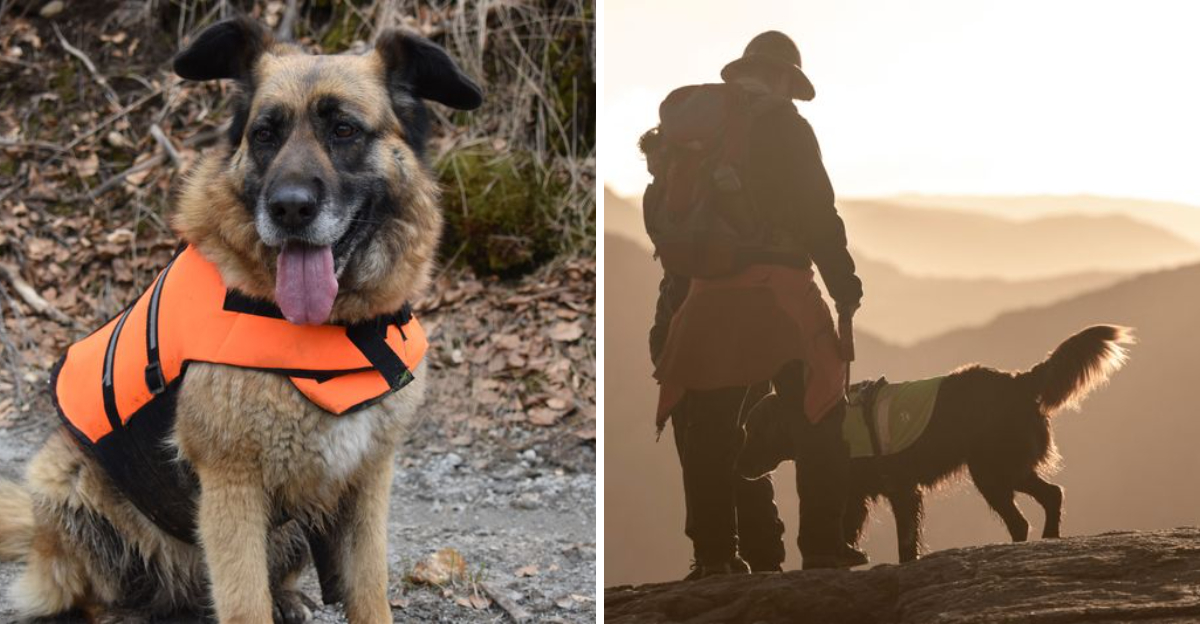
Brown fur and tall grass can blend together fast. That is why a high-visibility vest is such an easy win.
The Wisconsin DNR suggests that non-hunting visitors and their pets wear blaze orange or fluorescent pink on public lands open to hunting during gun deer season. A snug vest that does not slip is best.
Look for one that covers the back and shoulders, where it will be seen from a distance.
5. Put bright colors on yourself too
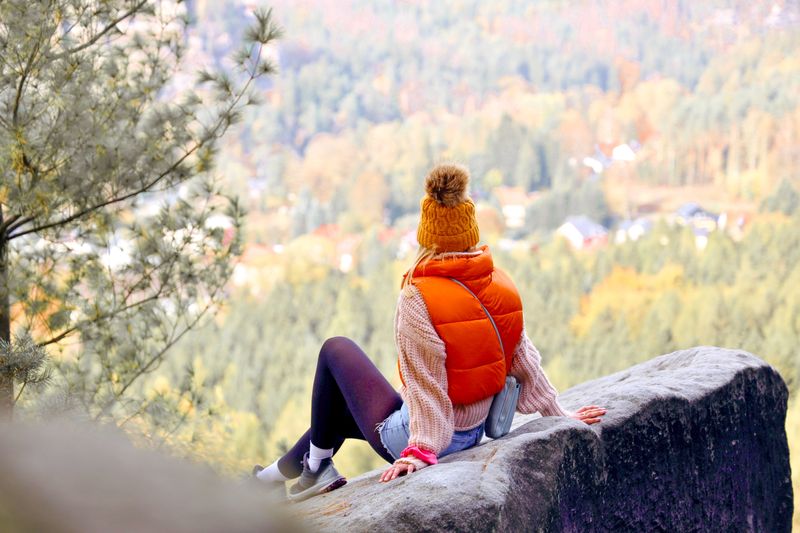
Hunters in Wisconsin must wear at least 50 percent blaze orange or fluorescent pink above the waist during open statewide firearm seasons, hats included. Waterfowl hunters are exempt.
The DNR encourages the rest of us to do the same on lands where hunting is allowed.
Fluorescent pink became legal here in 2016 and works just as well. Solid colors beat camo patterns for being spotted quickly.
6. Expect the occasional temporary closure
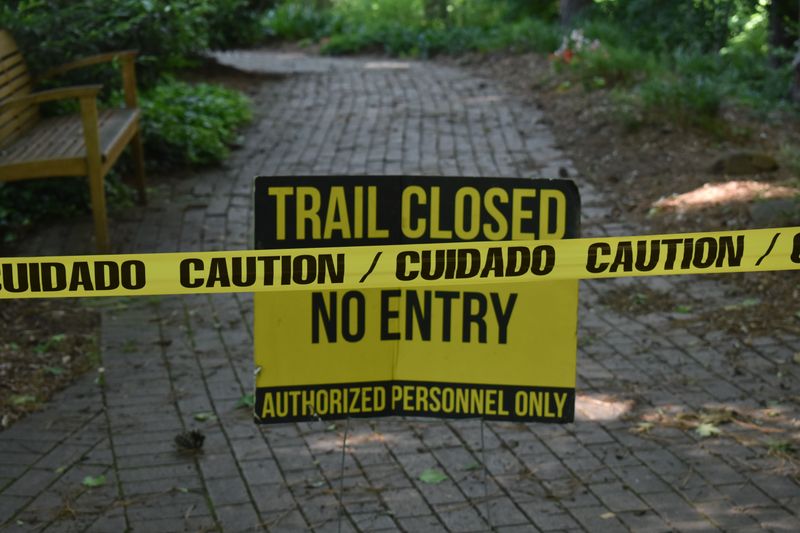
Land managers sometimes shut a trail or a parking area for short stretches, whether for safety, weather, or maintenance projects.
Closures tied strictly to hunting are not always announced far in advance.
A quick look at the DNR site or your local park system page before leaving saves a wasted drive with a very excited dog in the back seat. Trailhead notice boards are worth reading too.
7. Honor posted signs and property lines
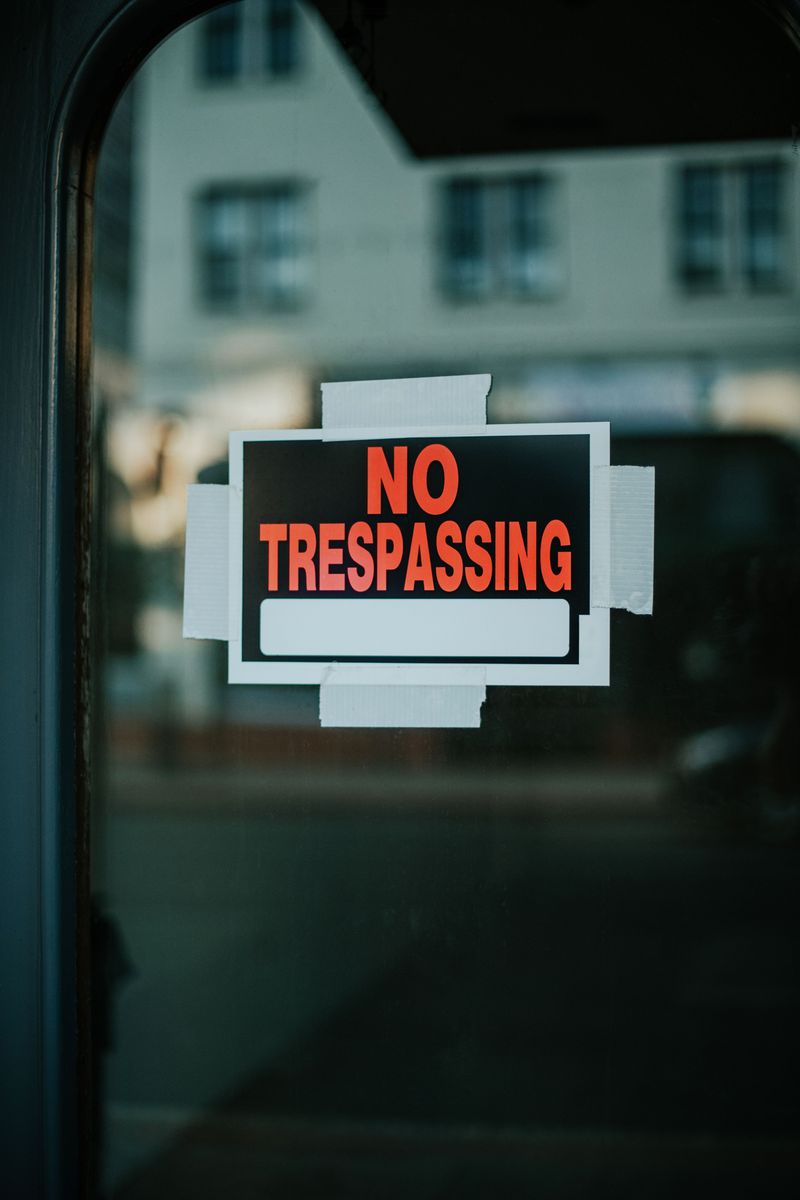
Entering private property in Wisconsin without permission is against the law, signs or not. Posted notices and fences make the boundary obvious.
Violations can bring fines or charges.
Private acres enrolled in Managed Forest Law or Voluntary Public Access programs must be marked, and each has its own access rules. Knowing where the public land ends is part of every owner’s responsibility, so study the map.
8. Stick to the marked path
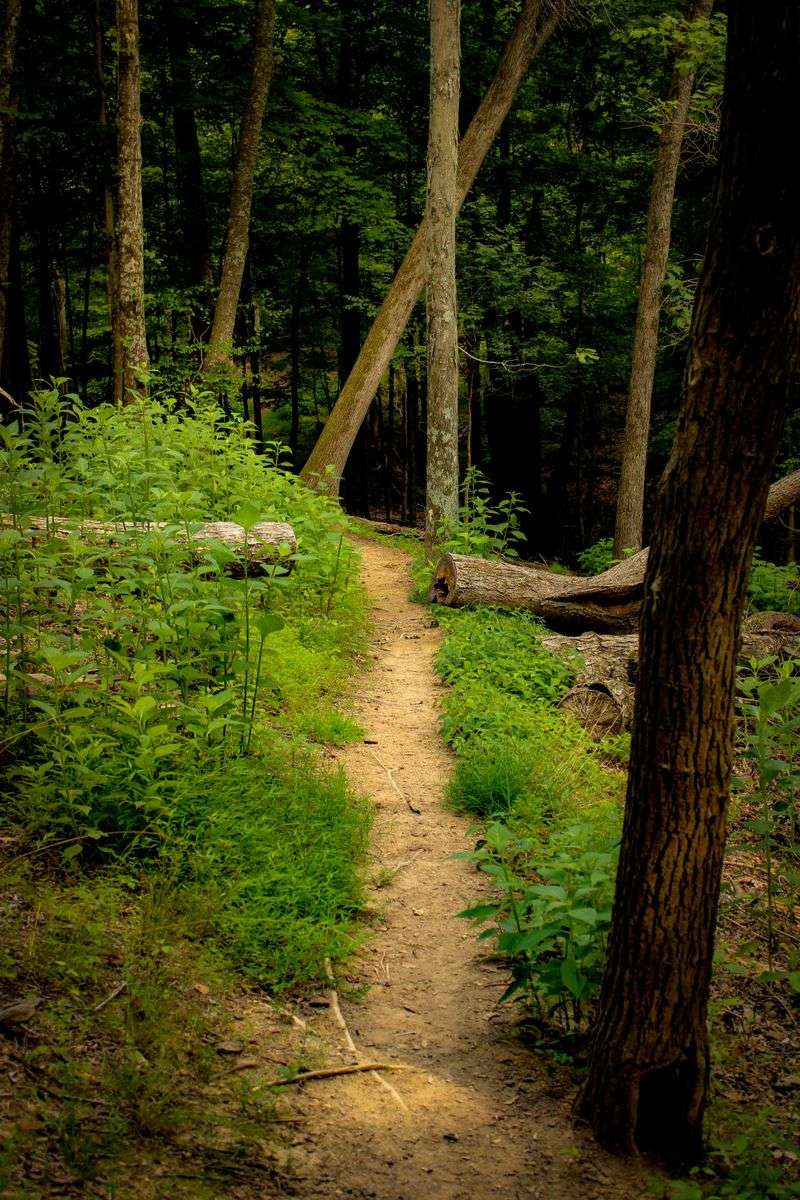
Predictability is your friend in November. Hunters scan the woods, not the walking path, so staying on established trails makes you easy to identify.
Marked routes also keep you from drifting onto private ground by accident.
Bonus: deer and other wildlife are less disturbed when people and dogs stay on the corridor they already expect. Shortcuts through the timber are the one habit to shelve this month.
9. No side trips into the brush
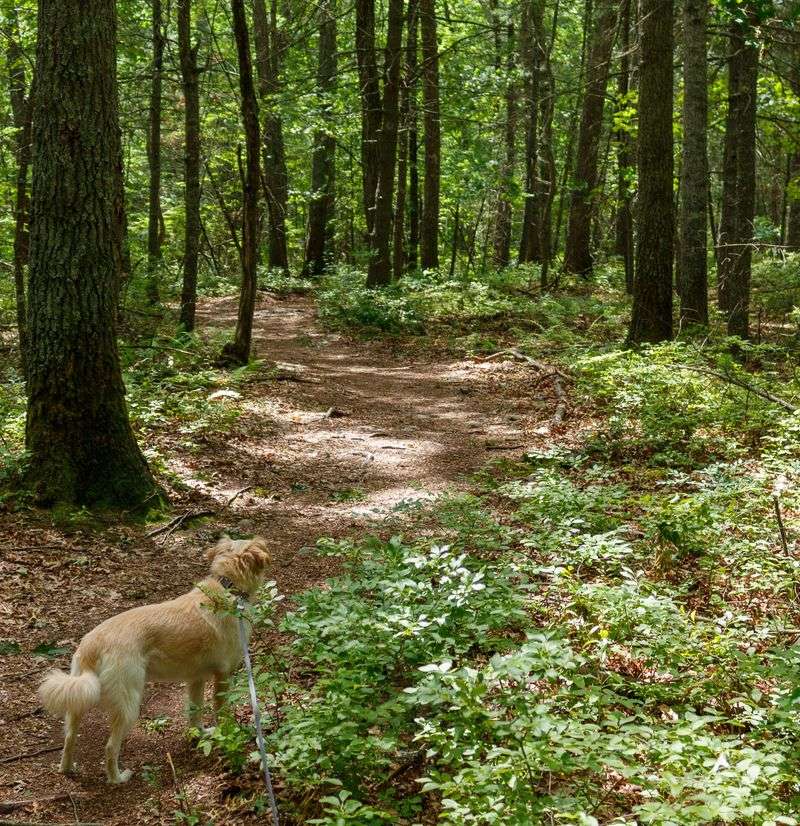
Dogs love thick cover, and that is exactly the trouble. Rustling movement in heavy brush is hard to read from a distance.
Keeping your dog on the open trail keeps their outline and their vest clearly visible.
Short leash sections help on brushy stretches. If your dog usually gets a sniffing detour, save those spots for a park where hunting is not permitted.
10. Be extra careful at first and last light
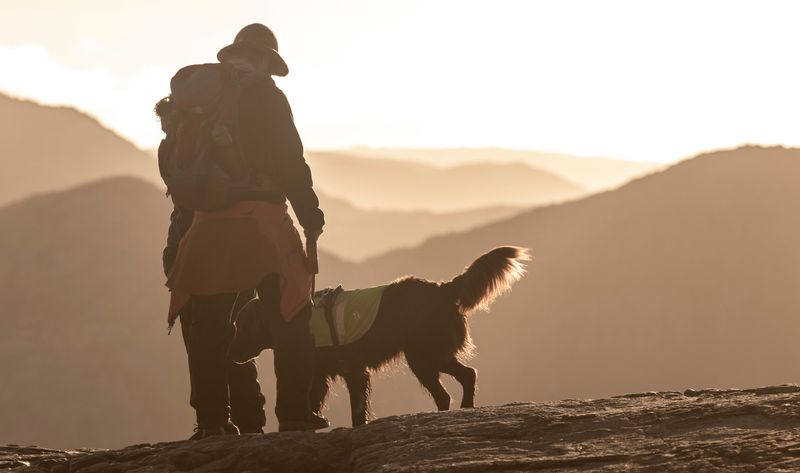
Legal hunting hours generally run from half an hour before sunrise until sunset, and those low-light windows tend to be the busiest.
Shadows flatten shapes, and orange loses some punch as light fades.
If early or late walks are your only option, add lights, keep your dog close, and speak up now and then. Awareness matters as much as gear during those quiet, gray minutes.
11. Shift your walks toward midday
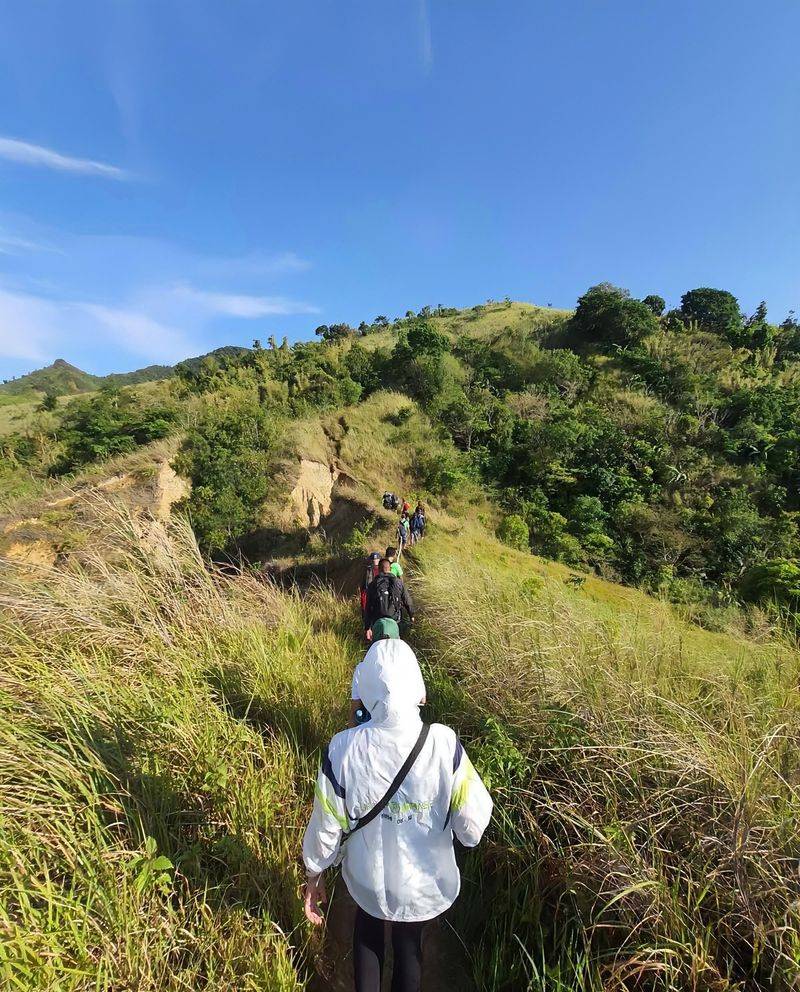
Here is a simple scheduling trick that solves several problems at once. Late morning through early afternoon gives you the strongest light of the day.
Your colors read clearly, and hunter activity often quiets down.
Dogs rarely complain about a sunnier walk either. If your routine normally starts before work, consider a lunch-break outing during the firearm season and return to normal in December.
12. Layer in reflective gear when light is thin
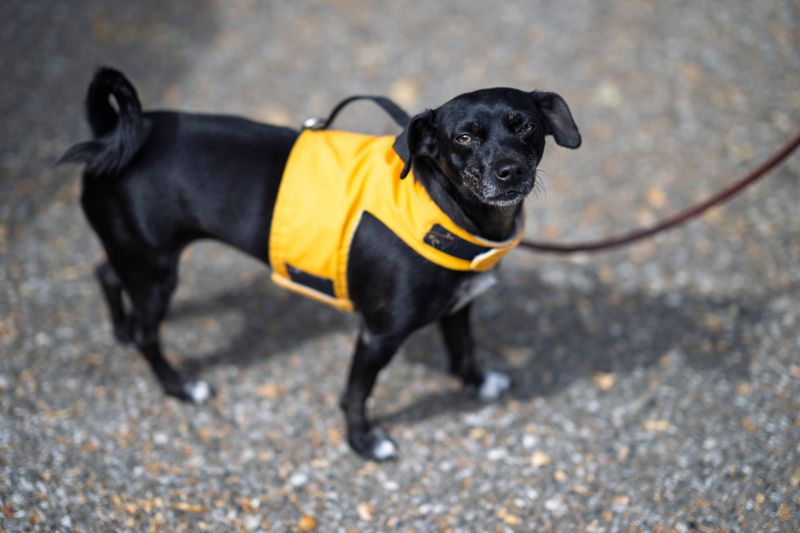
Blaze orange works by daylight. Reflective material works when a headlamp or headlight hits it.
Overcast afternoons, early mornings, and gloomy stretches all benefit from both.
Reflective harnesses, leash sleeves, clip-on lights, and a lighted collar are inexpensive and easy to keep in the car. Regulations do not require them for walkers, but plenty of experienced owners treat them as standard fall equipment.
13. Let people hear you coming
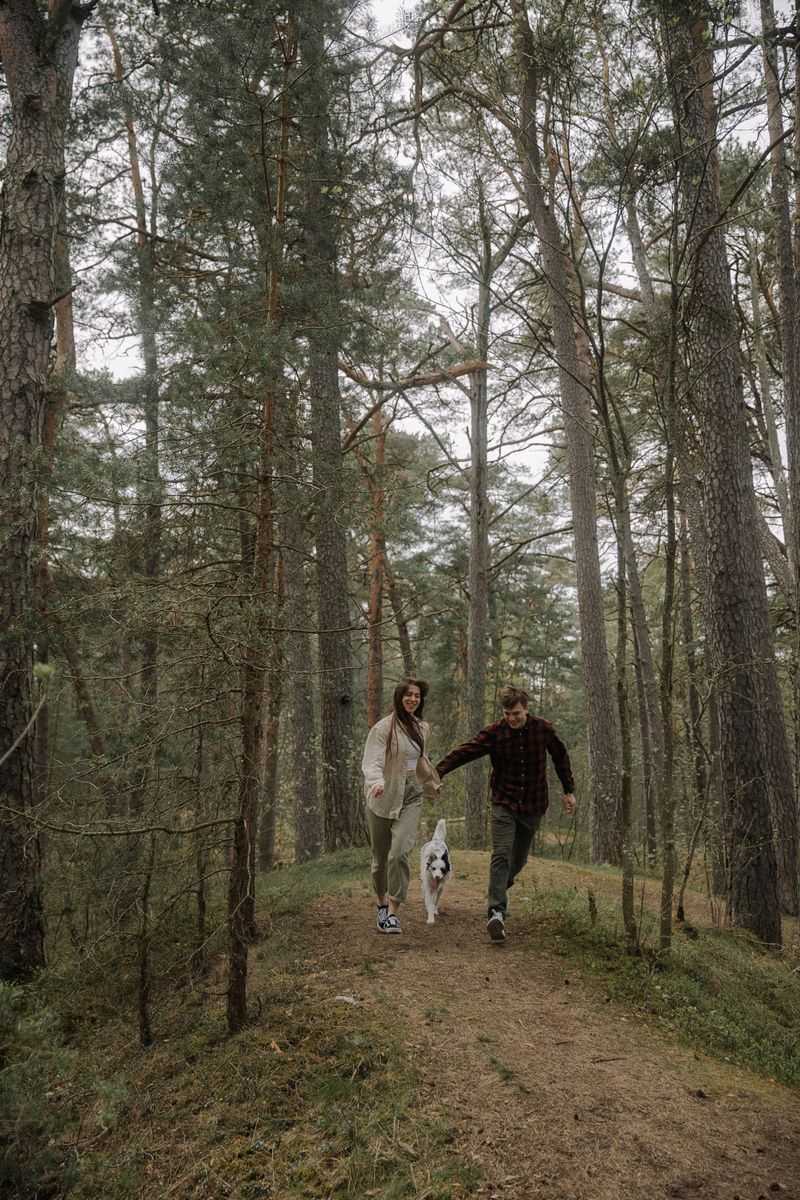
Sound travels farther than color through timber. Casual conversation, humming, or the occasional friendly call-out tells anyone nearby that a person and a dog are on the path.
Silence is great for wildlife watching, just not this month.
Skip headphones so you can hear others too. A little cheerful noise separates you from anything a hunter might be watching for.
14. A small bell adds an audible clue
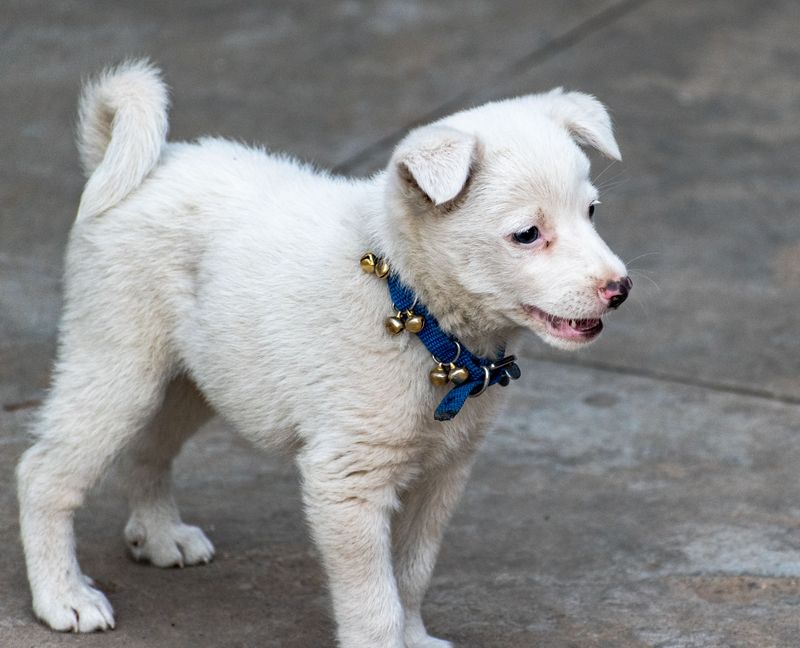
Bear-bell logic applies nicely to dog collars. A light jingle moves with your dog and signals a domestic animal, not game.
Attach it to the collar ring or a vest loop so it rings freely.
Sound-sensitive dogs may need a short trial at home first. For most, it becomes background noise within a walk or two, and you gain another quiet layer of safety.
15. Never disrupt a lawful hunt
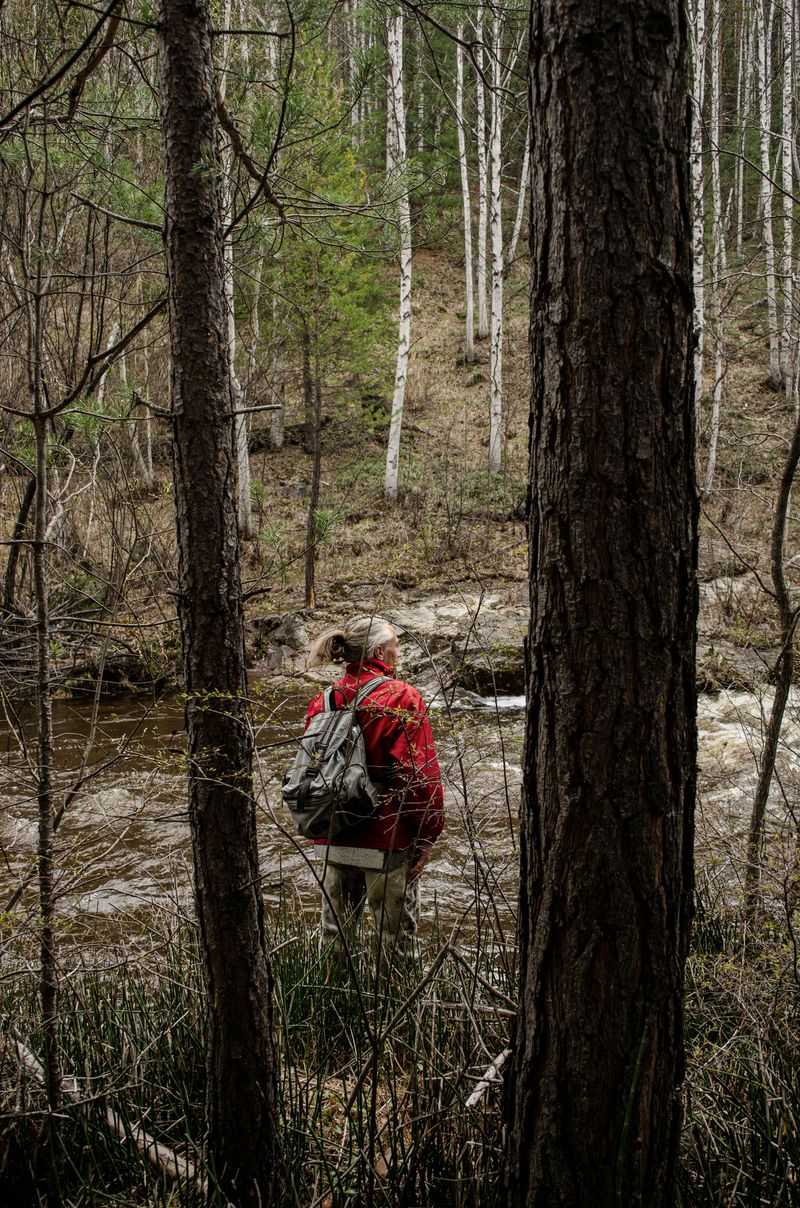
Wisconsin law makes it illegal to intentionally interfere with lawful hunting, fishing, or trapping when the goal is preventing a legal harvest.
That covers harassing wildlife, blocking a hunter, or tampering with blinds, bait, or equipment.
In November 2023, a federal appeals court struck down certain provisions about photographing or approaching hunters on First Amendment grounds. The core rule against deliberate interference still stands.
Keep walking, keep it polite.
16. Leave a generous buffer
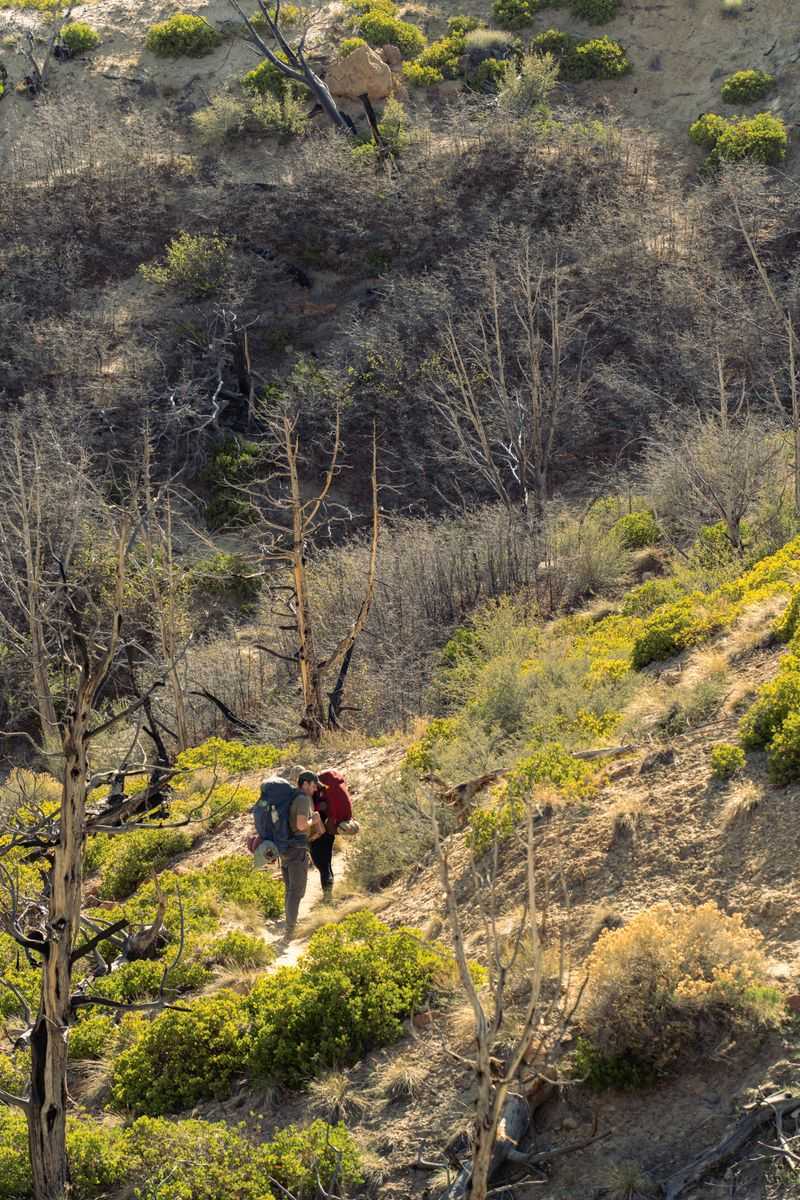
When you spot someone set up, the kind move is a wide, calm pass. No sudden approach, no lingering.
State law prohibits shooting a firearm within 100 yards of a building used for human occupancy on land the hunter does not own, absent permission.
Some properties add their own buffers, and the Voluntary Public Access program advises against hunting within 300 feet of farmsteads. Space equals courtesy here.
17. Pick hunting-free spots when you can
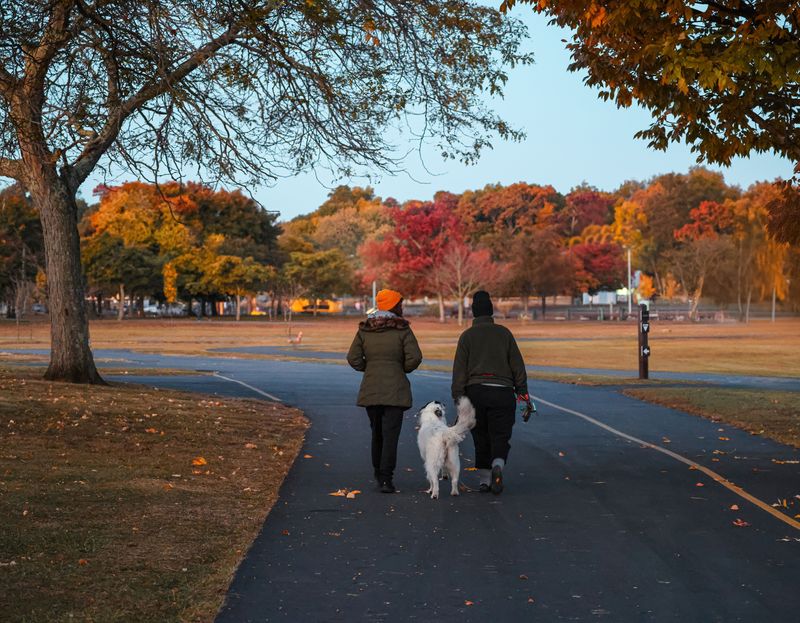
Some days you just want an easy walk. National Park Service lands and most municipal parks are generally closed to hunting, and many state parks include closed zones.
Pet rules vary at State Natural Areas, and a few places such as Parfrey’s Glen do not allow dogs at all.
Nature Conservancy properties differ as well. Check the specific site page, then enjoy a relaxed outing.
18. Treat all of fall as an active season
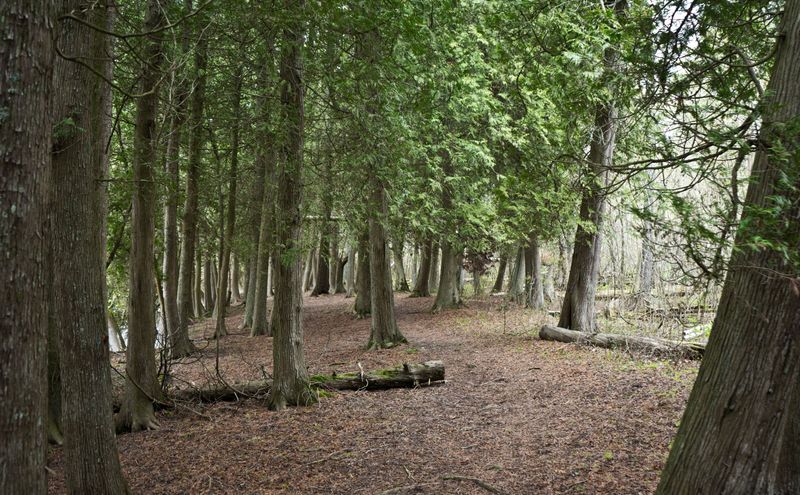
Deer gun season gets the headlines, yet it is only part of the picture. Archery and crossbow deer seasons stretch from September into January.
Fall turkey, migratory birds, pheasant, grouse, rabbit, squirrel, and furbearer seasons overlap, and coyote hunting is open year-round.
Which means hunters may be out for months, not weeks. Carrying orange in the car from September onward is a habit worth keeping.
19. Re-read the rules at every new property
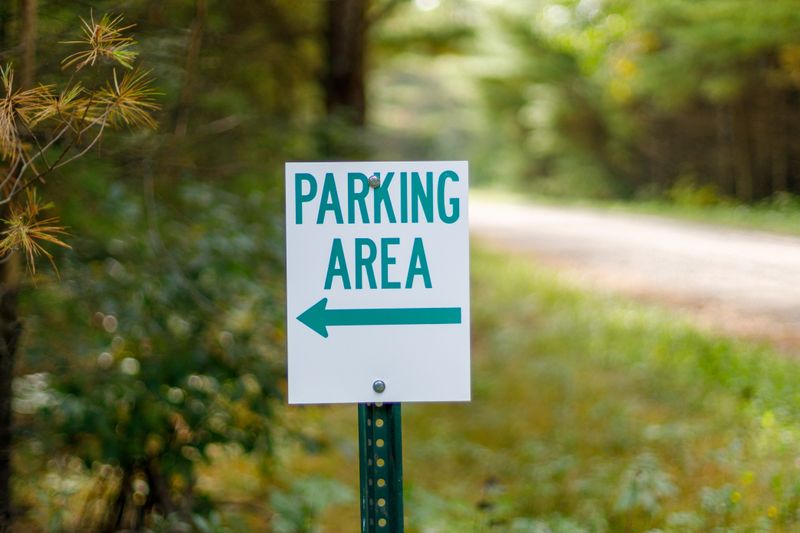
Rules shift with the sign at the parking lot. DNR lands, State Natural Areas, Managed Forest Law and Forest Crop Law parcels, Voluntary Public Access properties, national and county forests, and local parks all differ.
The DNR notes plainly that public access programs on private land carry different regulations.
Under Voluntary Public Access, dogs are permitted only for hunting purposes. Confirm before you unload the leash.
20. Be willing to drive somewhere else
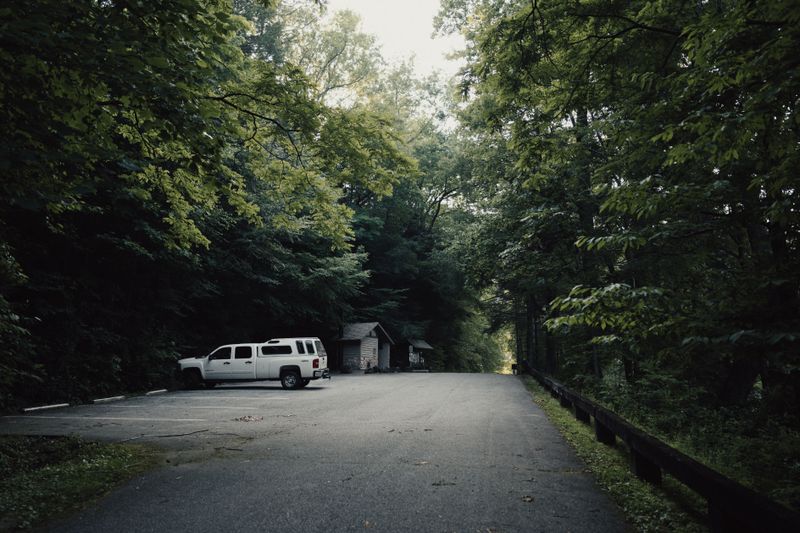
A parking lot full of trucks and gear tells you plenty before you take a step. On those mornings, the best etiquette is flexibility.
Have a backup location in mind, ideally a park where hunting is not allowed.
Wisconsin trails are worth sharing, and a short detour keeps everyone comfortable. Pack the orange, check the dates, stay on the path, and enjoy the season with confidence.