19 Porch, Yard, And Entryway Changes North Carolina Owners Should Make Before Bringing Home A Puppy
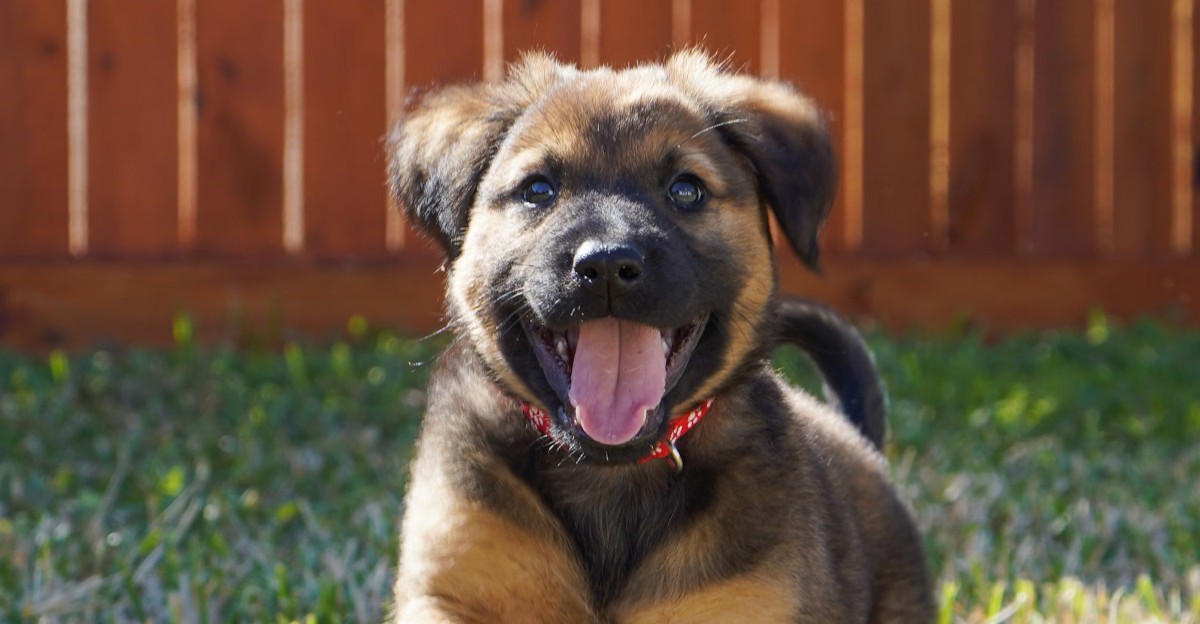
A new puppy brings joy, wiggles, and plenty of curiosity. That curiosity can lead little paws into trouble outside your front door.
North Carolina homes face their own quirks, like hot summers, busy ticks, and common shrubs that upset tummies. With a few simple changes to your porch, yard, and entryway, you can welcome your puppy with calm confidence.
1. Patch the Sneaky Spots Under the Fence
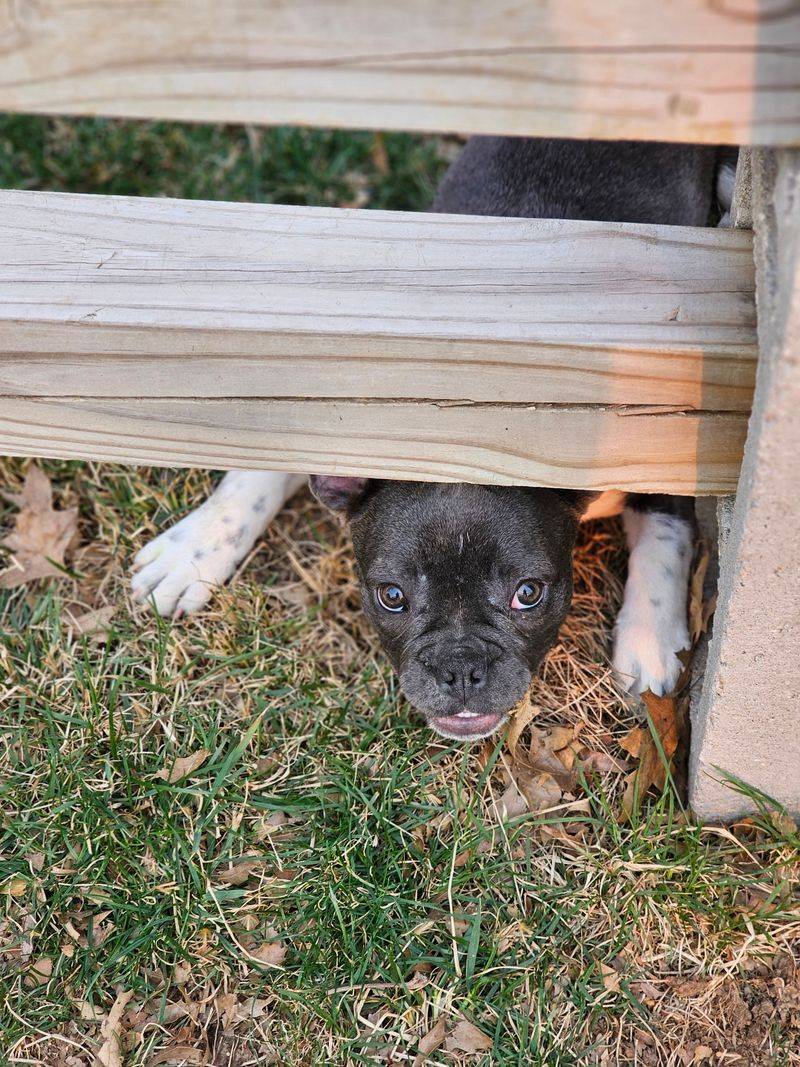
Puppies are tiny escape artists. A gap you barely notice can look like an open door to them.
Walk your whole fence line slowly. Look for washed-out soil, loose boards, and fresh digging.
North Carolina rainstorms often wear away dirt under fences.
Fill holes with soil or rocks. For diggers, bury chicken wire or hardware cloth about a foot deep along the base.
Recheck after heavy storms.
2. Upgrade Gates That Close on Their Own
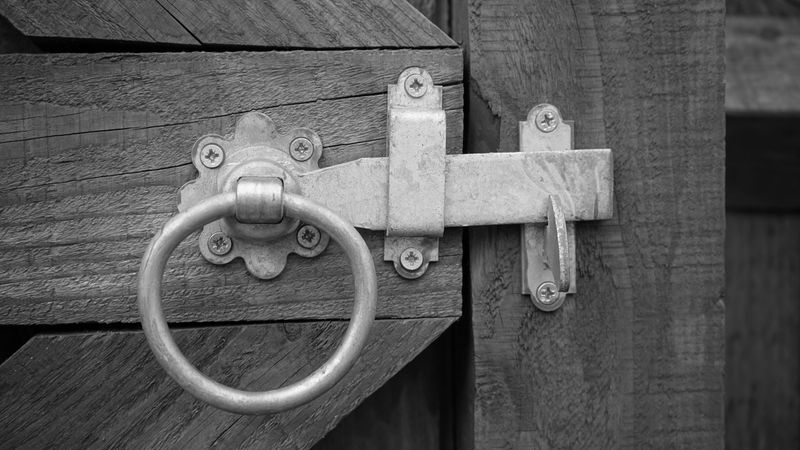
Gates get left open more often than anyone admits. Delivery drivers, neighbors, and kids all forget sometimes.
Self-closing hinges swing the gate shut automatically. Pair them with a latch that clicks firmly into place.
Placing the latch up high keeps clever paws from nudging it loose.
Test each gate a few times a week. Hinges loosen over time, and a quick tightening saves a lot of worry.
3. Rethink Your Landscaping Choices
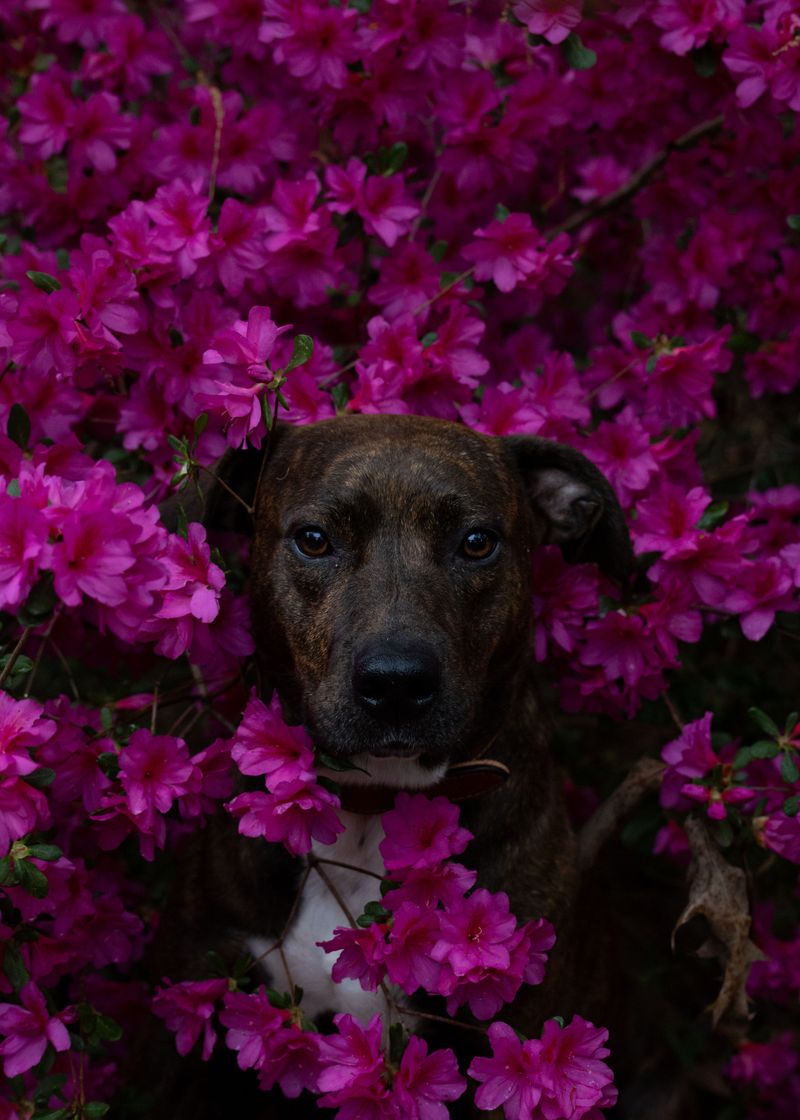
Southern gardens are lovely, but some favorites are not puppy friendly. Azaleas, rhododendrons, English ivy, nandina, sago palm, and yew are all common across North Carolina.
The ASPCA lists these as toxic to dogs. Yew and sago palm are especially concerning, even in small amounts.
Remove risky plants or fence them off. Check the ASPCA plant database, and call your vet if your puppy nibbles something unknown.
4. Build a Fence You Can Trust
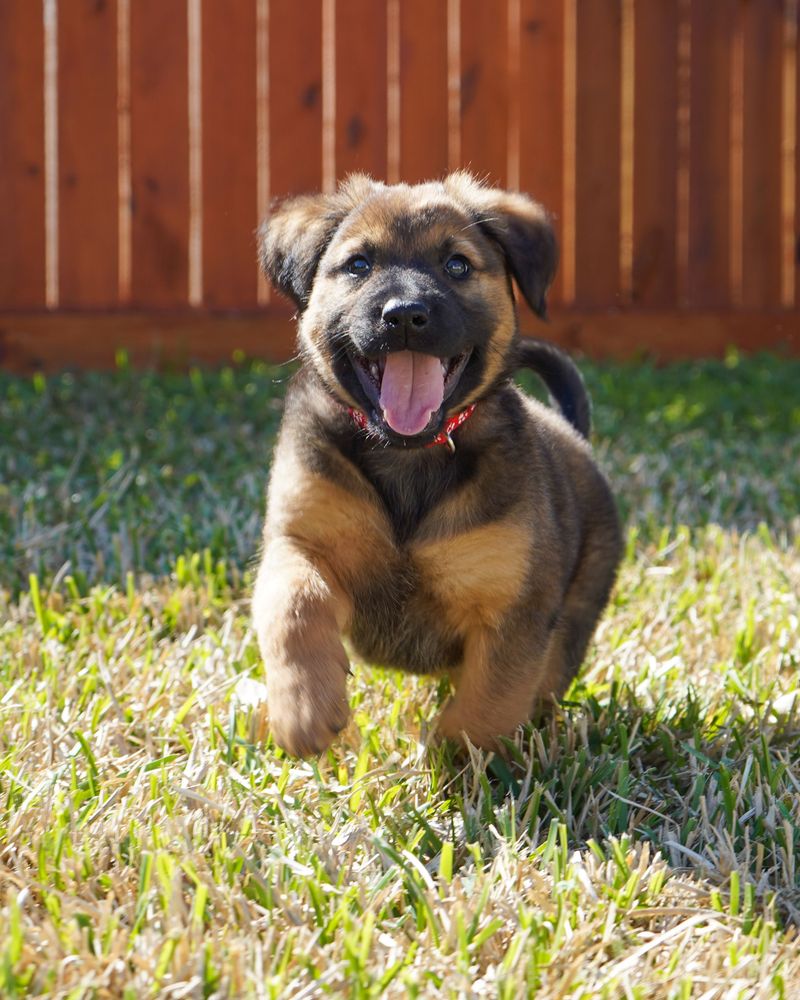
Picture your puppy chasing a squirrel at full speed. A solid fence is what keeps that chase inside your yard.
Many owners choose fences around five to six feet tall, especially for larger breeds. Wood, vinyl, and welded wire can all work well.
Avoid styles with wide gaps a small puppy could squeeze through.
Before building, check with your city, county, or HOA. Height limits and permit rules vary across North Carolina communities.
5. Lock Up Lawn and Garden Chemicals
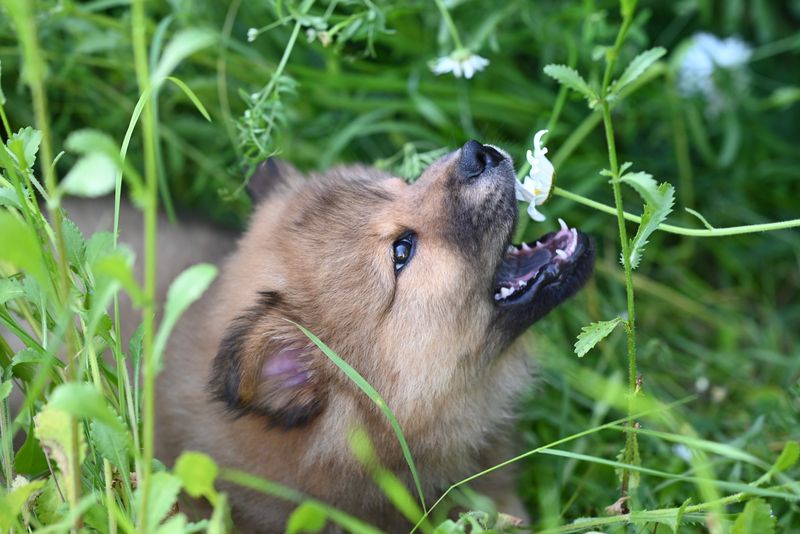
Garages and sheds often hide the biggest surprises. Fertilizers, weed-control products, and bug sprays can make a puppy sick if chewed, licked, or tracked on paws.
Store these products on high shelves or in a locked cabinet. Keep lids sealed tight.
After treating your lawn, follow the label about keeping pets off. Many families also try pet-friendly lawn products.
Keep the ASPCA Animal Poison Control number handy.
6. Sweep the Yard for Sharp Surprises
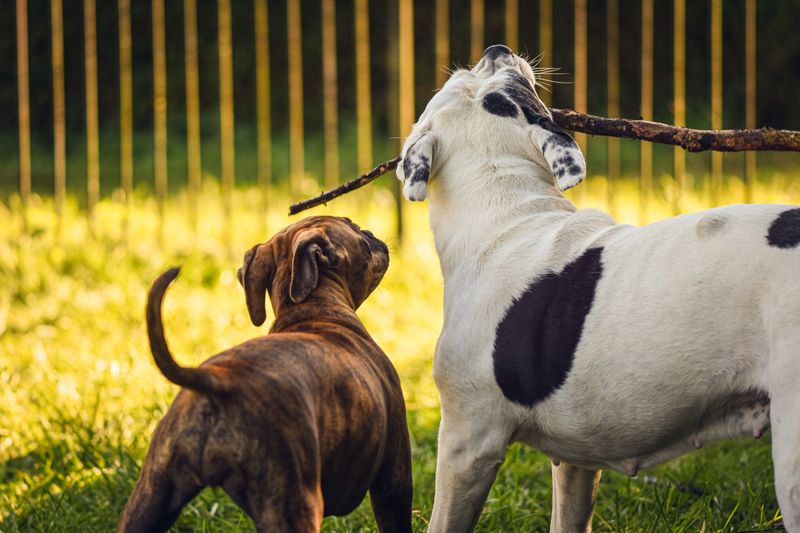
To a puppy, a rake handle looks like the best chew toy ever. Sharp tools and scattered debris can lead to cut paws or mouths.
Take a slow walk with a bucket. Pick up nails, broken pots, wire, glass, and leftover building scraps.
Hang tools on a wall or store them in a shed. Make this sweep a weekly habit, especially after storms or projects.
7. Close Off Crawl Spaces and Under-Porch Hideouts
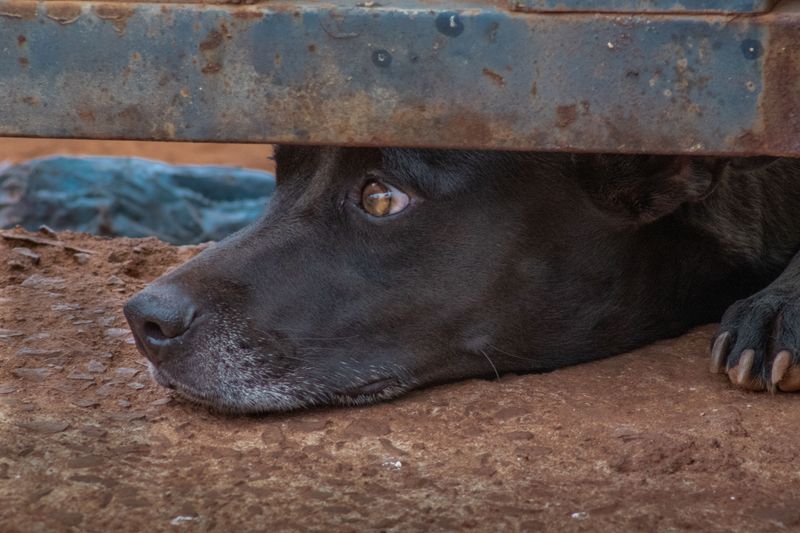
Dark, cool spaces call to curious pups. Under porches and crawl spaces are also where wildlife, sharp objects, and old insulation hide.
A puppy who wriggles in may struggle to get back out. Reaching them can be tricky for you too.
Install sturdy lattice, wire mesh, or skirting around openings. Secure it to the ground so it cannot be pushed aside.
Check vent covers on crawl spaces as well.
8. Guard the Top of Porch Stairs
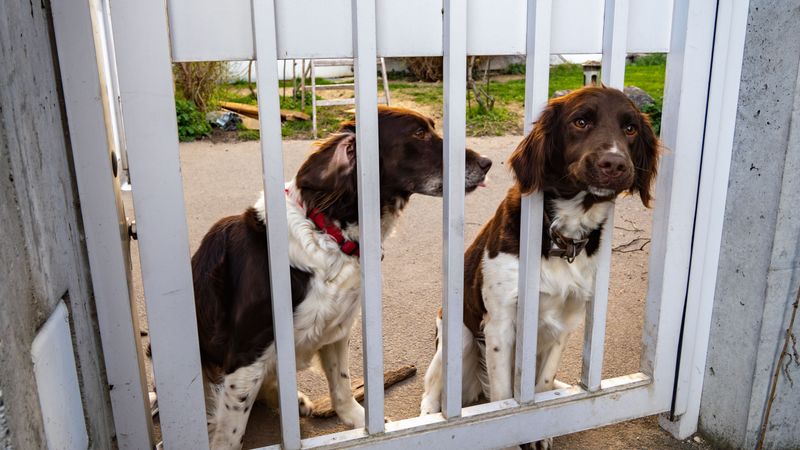
Young puppies are still learning how their legs work. Steep porch steps can lead to tumbles before coordination catches up.
An outdoor safety gate at the top of the stairs gives you control. Choose a hardware-mounted model, since pressure gates can shift at stair tops.
Teach stairs slowly with treats and patience. Many vets suggest limiting heavy stair use for young, large-breed puppies while joints develop.
9. Give Slick Steps Some Grip
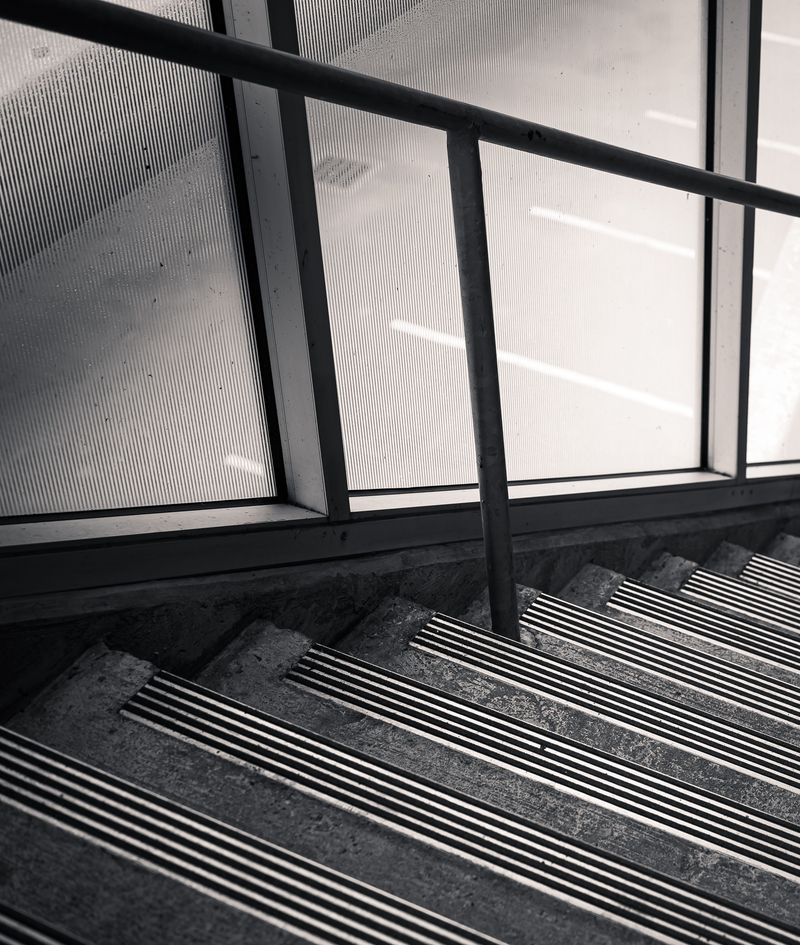
Painted wood plus a summer thunderstorm makes for slippery footing. Puppies slide easily on smooth, wet surfaces.
Outdoor grip tape is an easy weekend fix. Rubber stair treads and textured paint also add traction.
Morning dew and pollen season can make steps slick too. A quick sweep keeps the surface grippy.
Your own feet will thank you as well.
10. Plan for Southern Summer Heat
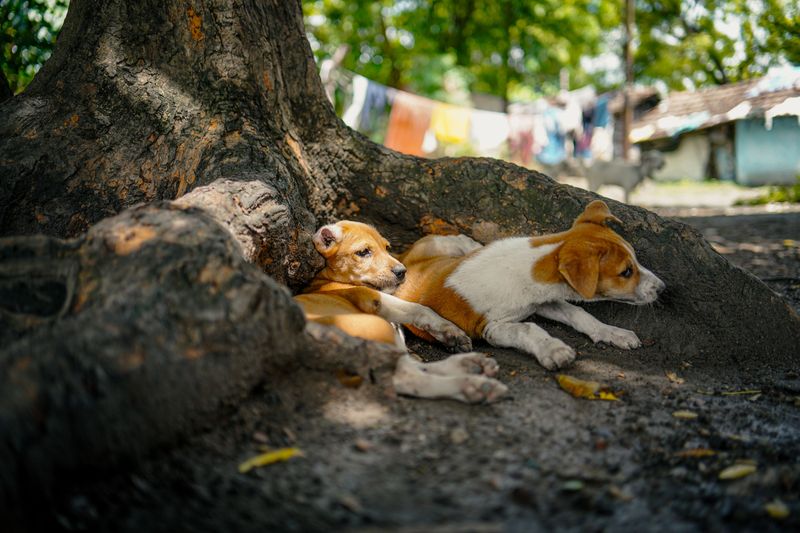
North Carolina summers bring thick humidity and long, hot afternoons. Puppies can overheat faster than adults, especially flat-faced breeds.
Create shade with trees, a patio umbrella, a shade sail, or a covered porch corner. An elevated cot lets air flow underneath.
Keep outdoor play to cooler mornings and evenings. Watch for heavy panting or sluggishness.
Bring your pup inside and call your vet if concerned.
11. Keep Fresh Water Within Reach
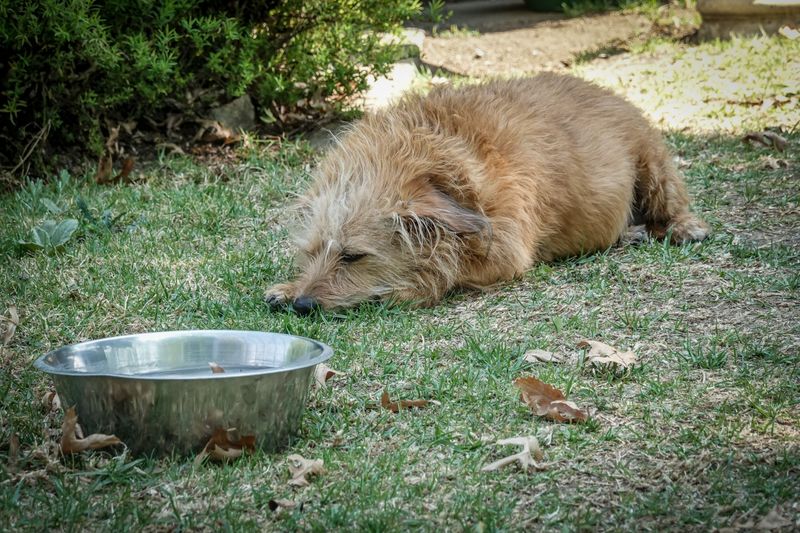
Playtime builds thirst quickly. Puppies need water close by, especially during warm months.
Place a heavy, tip-resistant bowl in a shady spot. Stainless steel stays cleaner than plastic and is harder to chew.
Refresh the water at least once a day. Scrub bowls often, since warm water grows slime fast.
A second bowl on the porch helps on busy days.
12. Tip Out Standing Water Weekly
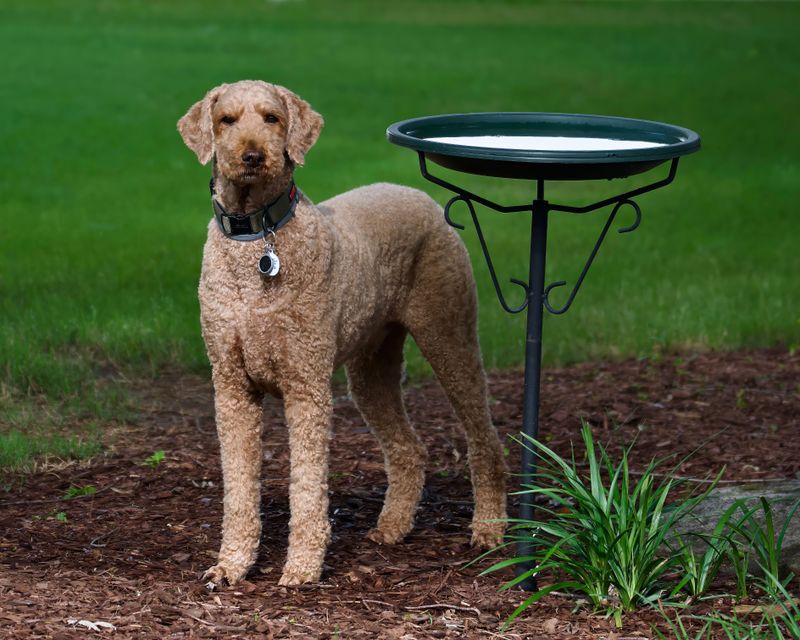
Mosquitoes love North Carolina, and they spread heartworm to dogs. They breed in even small amounts of still water.
Once a week, empty flowerpot saucers, buckets, toys, and kiddie pools. Clean clogged gutters and refresh birdbath water.
Yard care helps, but prevention matters most. Ask your vet when to start heartworm medicine.
Most puppies begin early and stay on it year-round here.
13. Trim Back Tall Grass and Brush
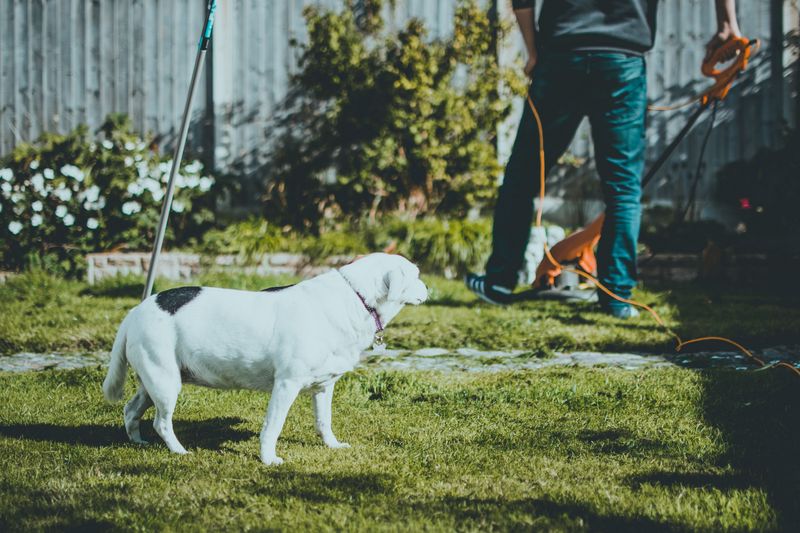
Ticks wait on tall grass, and snakes rest in brush piles. Both are common across North Carolina, from the coast to the mountains.
Keep grass mowed short. Clear leaf litter, woodpiles, and brush near play areas.
Check your puppy for ticks after outdoor time, especially around ears and toes. Ask your vet about safe tick prevention for young dogs.
Most snakes avoid open, tidy lawns.
14. Make Trash Cans Puppy-Proof
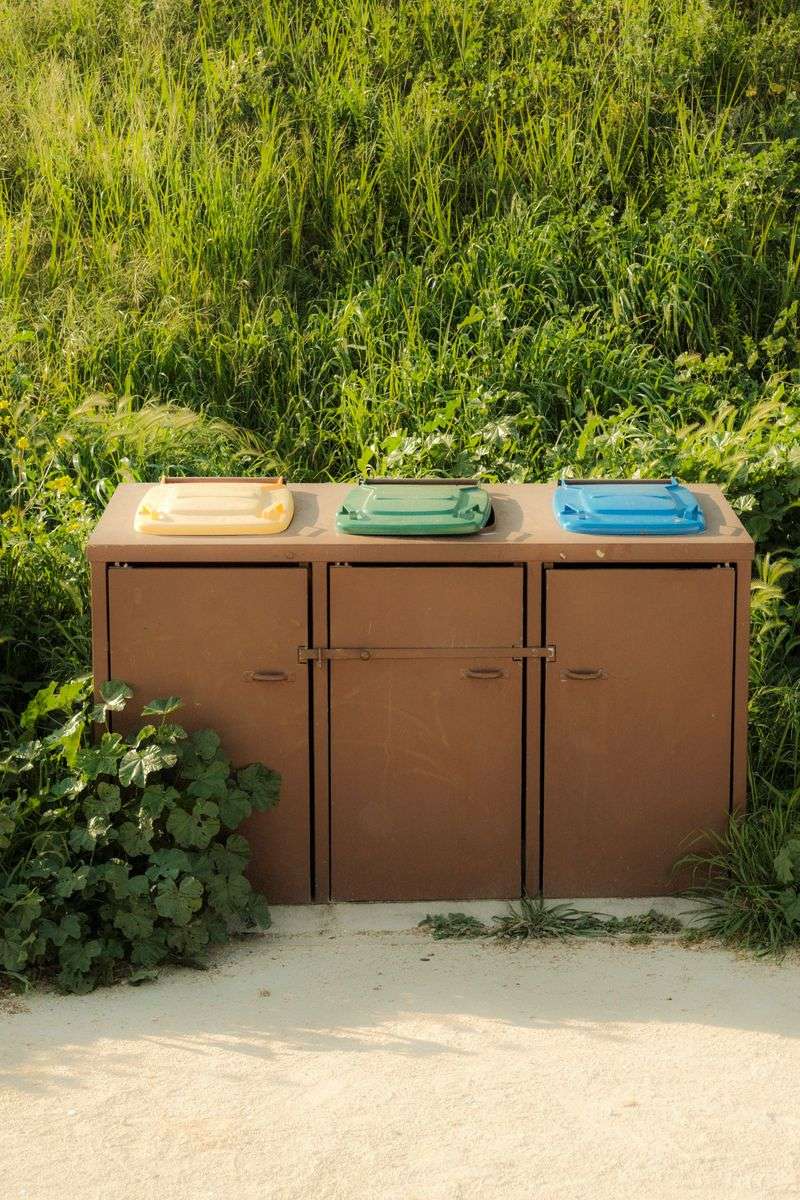
A trash can smells like a treasure chest to a puppy. Bones, wrappers, and spoiled scraps can upset little stomachs.
Use cans with locking lids or bungee straps. Store them in a garage or behind a fence when possible.
Remember pet food bins, grill drip trays, and compost piles too. Clean grills after cooking.
Raccoons will appreciate the challenge less as well.
15. Fence Off Pools and Ponds
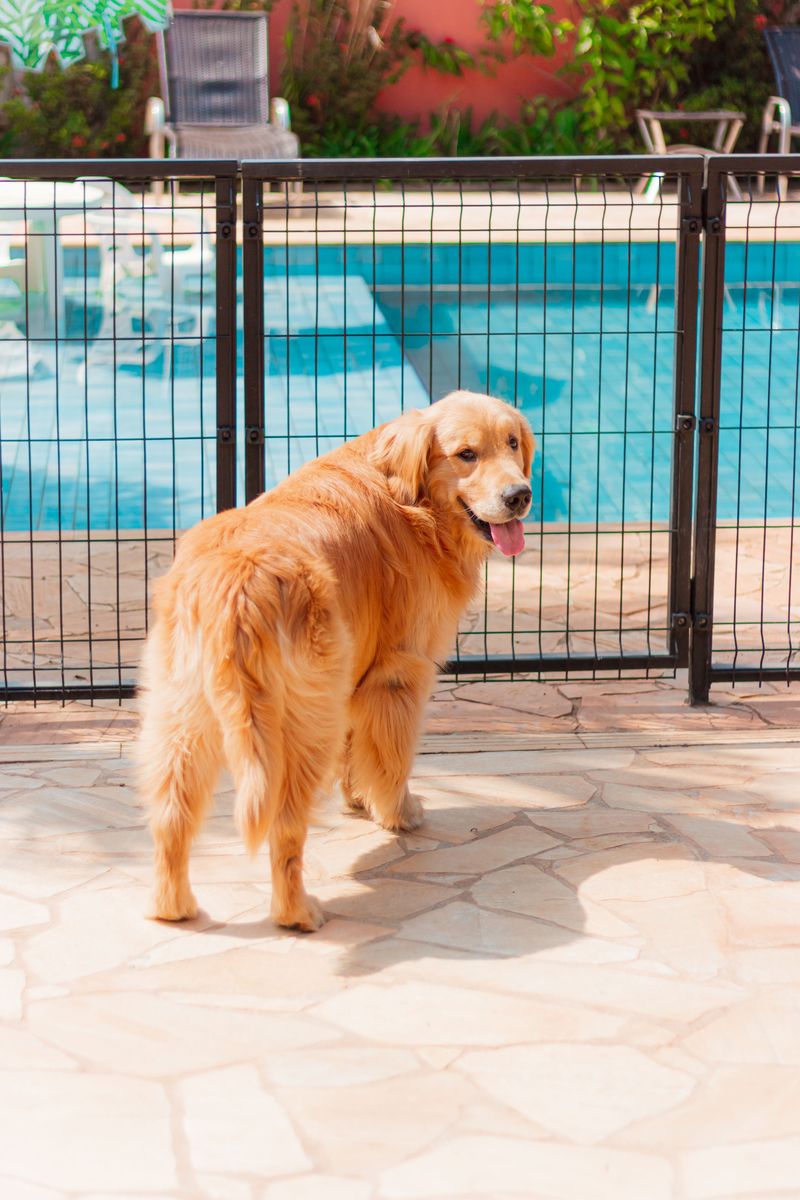
Not every dog is a natural swimmer, and puppies tire quickly in water. Steep pool walls can make climbing out hard.
Surround pools, ponds, and hot tubs with a secure fence or removable mesh barrier. Keep covers firmly in place.
Teach water skills slowly, using shallow steps and gentle guidance. A pet life jacket helps during lake trips.
Always supervise around water.
16. Pick One Spot for Potty Time
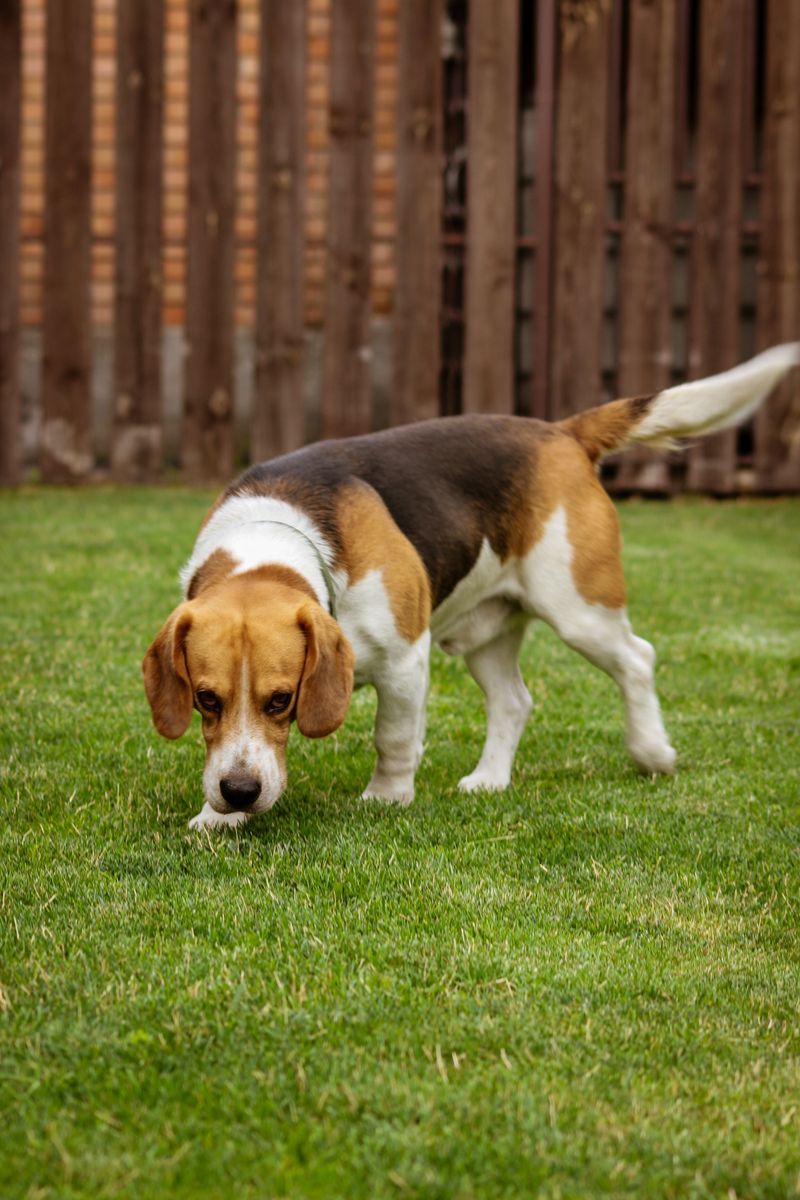
Consistency makes house training easier. Puppies learn faster when they visit the same spot every time.
Choose an area close to your door. Cover it with mulch, pea gravel, or artificial turf, or simply use grass.
Skip cocoa mulch, which can be harmful to dogs. Praise your puppy right after they go.
Scoop waste daily to keep things fresh and reduce parasites.
17. Stop Door Dashers Before They Start
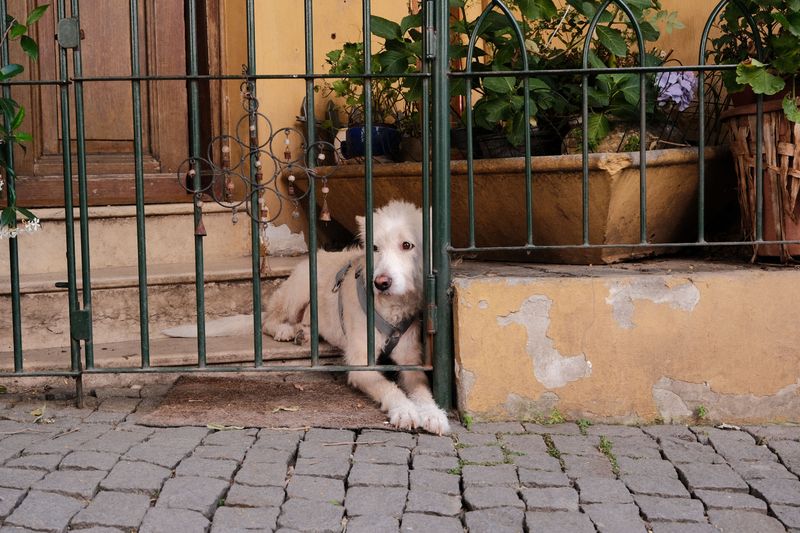
The doorbell rings, the door opens, and a puppy zooms out. It happens in a flash.
An indoor gate near the front door creates a buffer zone. Pressure-mounted or retractable gates work well in hallways.
Practice a calm sit before the door opens. Make sure your puppy wears an ID tag.
North Carolina rabies rules also require vaccination, so keep that tag current.
18. Create a Grab-and-Go Walk Station
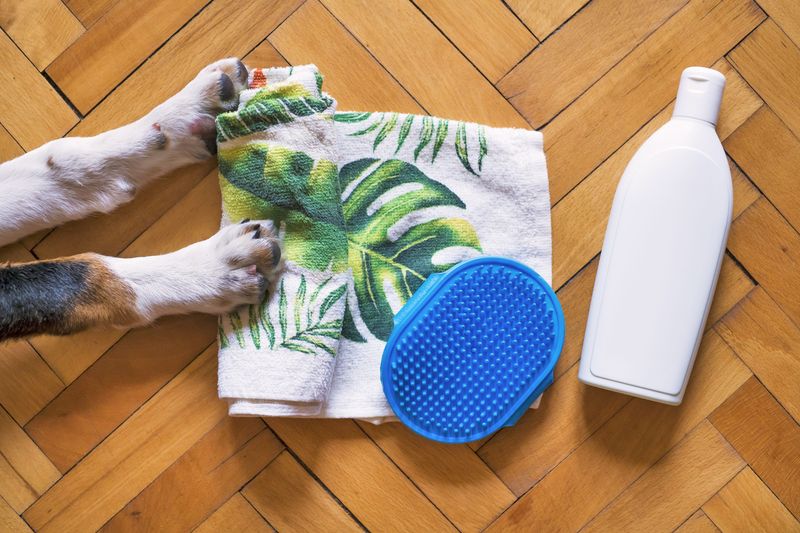
Hunting for a leash while a puppy wiggles is nobody’s favorite moment. A tidy station by the door fixes that.
Mount hooks for leashes and harnesses. Add a basket with waste bags, treats, and an old towel.
Include paw wipes or a small paw washer cup. Muddy red clay comes off easier when you clean right away.
Routines help puppies feel secure too.
19. Lay Down Mats That Love Mud
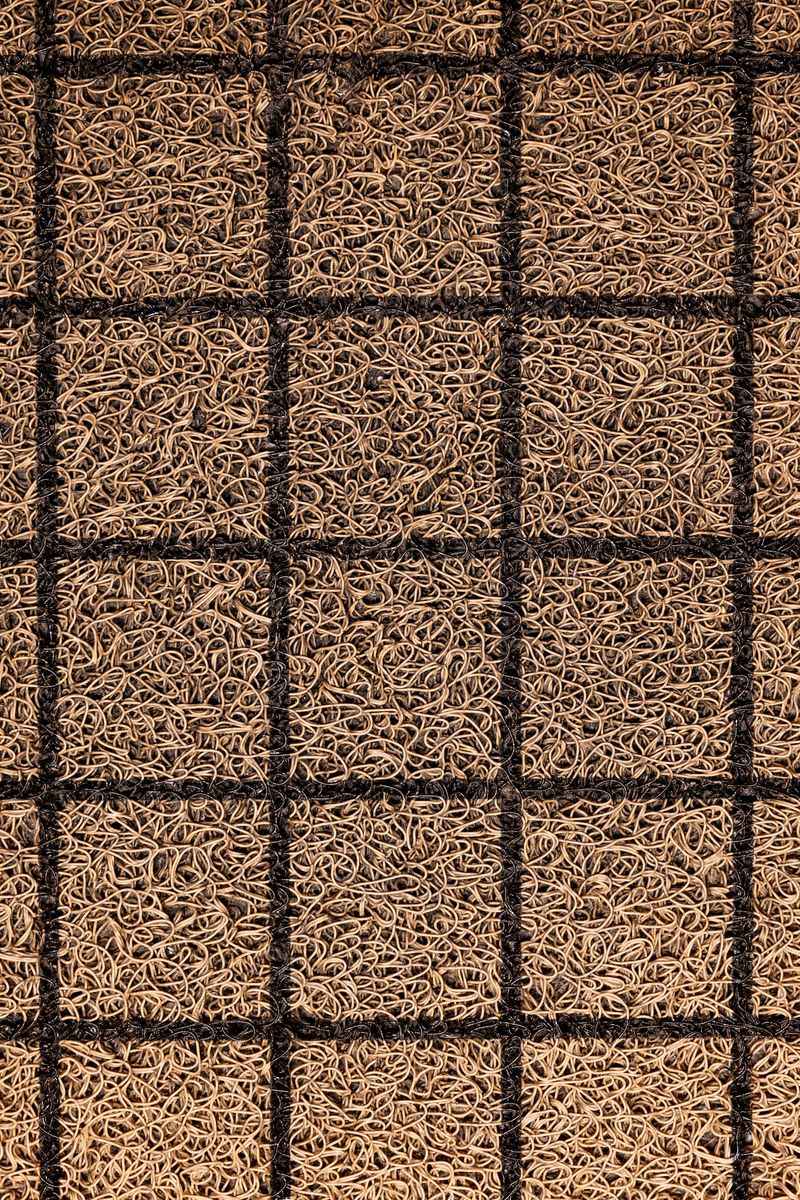
Rainy spring days and red clay can turn floors orange fast. A good mat catches most of it.
Look for absorbent mats with a rubber, nonslip back. That grip keeps the mat from sliding under running paws.
Machine-washable mats make cleanup simple. Keep a spare for wet weeks.
With these changes in place, you are ready. Now enjoy every playful, muddy, happy moment together.