How High Elevation Changes A Dog Hike Around Santa Fe And Northern New Mexico
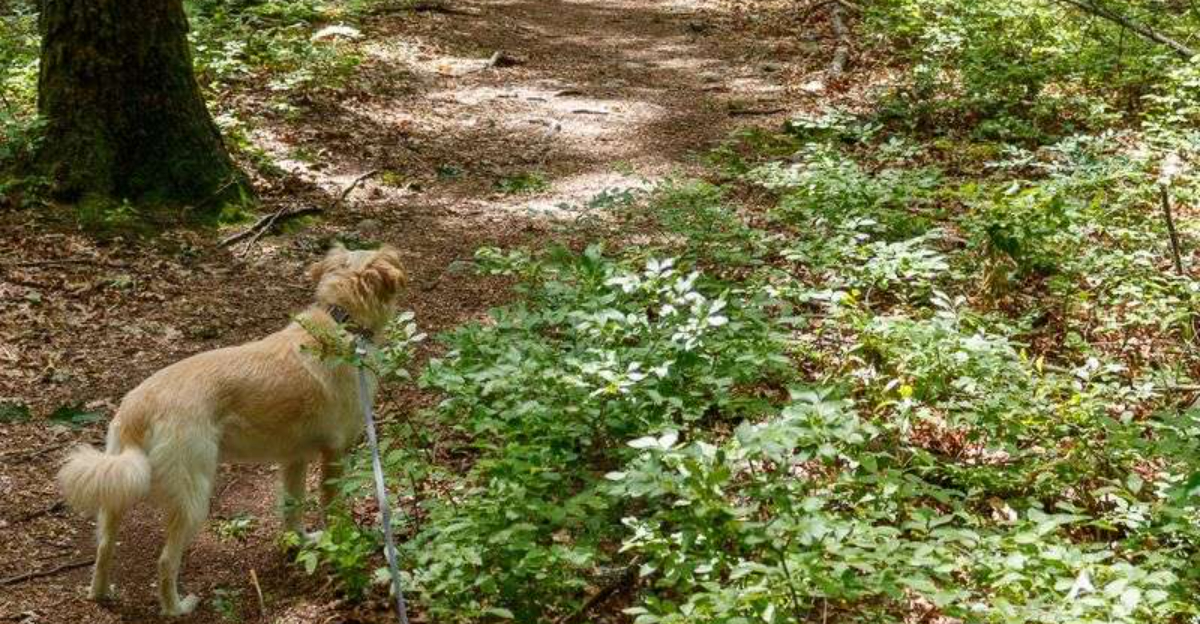
Hiking with a dog around Santa Fe is one of the best parts of living here. The catch is elevation.
Trails that start above 7,000 feet and climb past 10,000 ask far more from your dog than the mileage suggests. With a little planning, thin air becomes a manageable detail instead of a surprise.
Here is what local owners tend to learn the slow way about keeping mountain hikes safe, comfortable, and genuinely fun.
Why Santa Fe’s Elevation Matters for Dogs
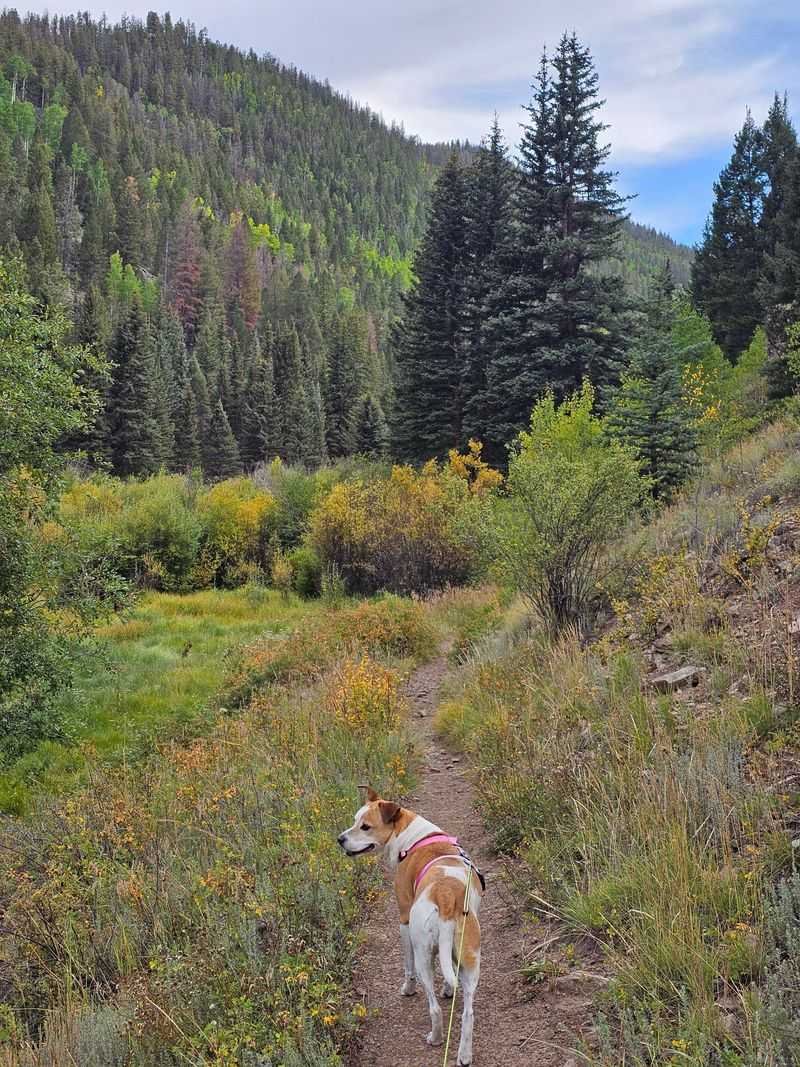
Santa Fe rests around 7,200 feet above sea level. Trails nearby climb well past 10,000 feet.
Thinner air holds less oxygen per breath, so your dog works harder for the same effort. Hearts and lungs quietly pick up the slack.
Most healthy dogs adjust well with a slower pace. Short-nosed breeds, senior dogs, and those with heart or lung conditions should be cleared by a veterinarian first.
Knowing that ahead of time makes planning much simpler.
Northern New Mexico Trails Can Feel Harder Than Expected
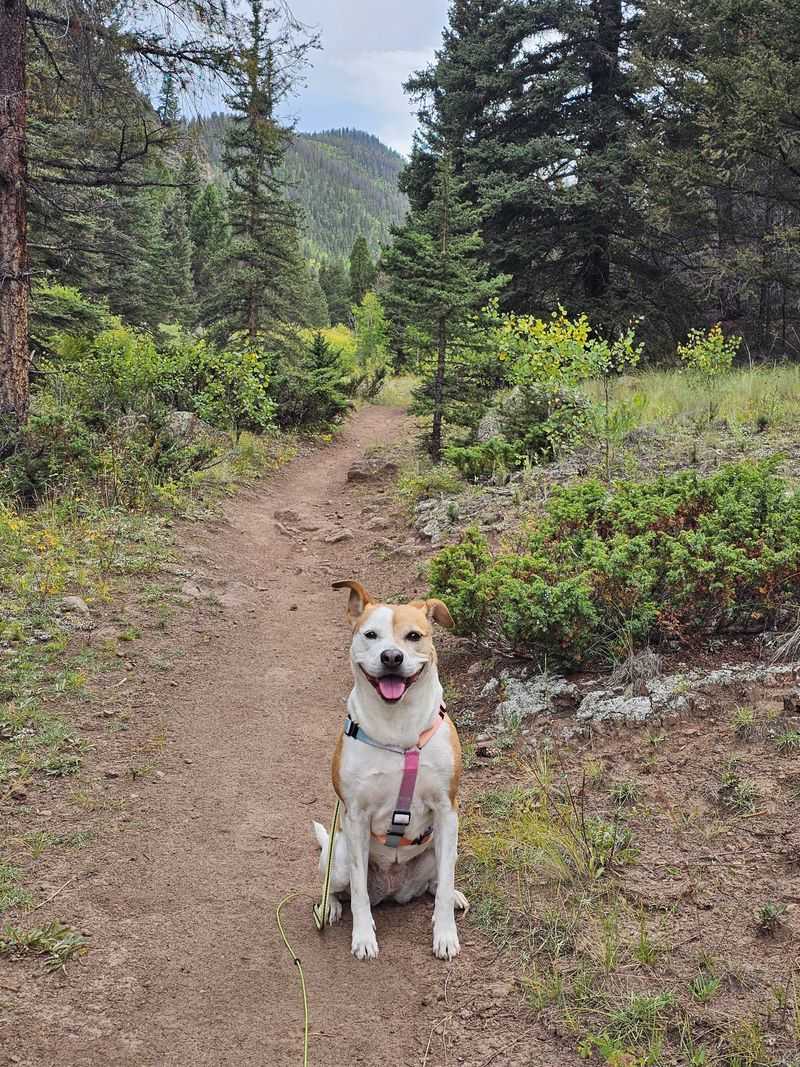
A three-mile loop here can feel like six somewhere lower.
Trailheads in the Sangre de Cristo range often begin above 8,000 feet. Grades are steep, shade is patchy, and footing shifts between sand and stone.
Distance alone is a poor measure of difficulty. Check the elevation gain before you go.
Local hikers often cut their usual mileage in half at first. Plan for slower miles, and your dog finishes the day content instead of flattened.
Give Your Dog Time to Adjust
Newly arrived dogs need a settling-in period, just like people do.
Dogs may need time to adjust to a higher elevation, so keep those first outings mellow and close to town. Increase activity gradually based on how your dog responds.
Flat routes along the Santa Fe River Trail or easy Dale Ball segments work nicely. Watch how your dog recovers overnight.
Bright eyes and a normal appetite the next morning are encouraging signs. Sluggishness means you back off and wait another day before adding effort.
Start With Shorter Hikes
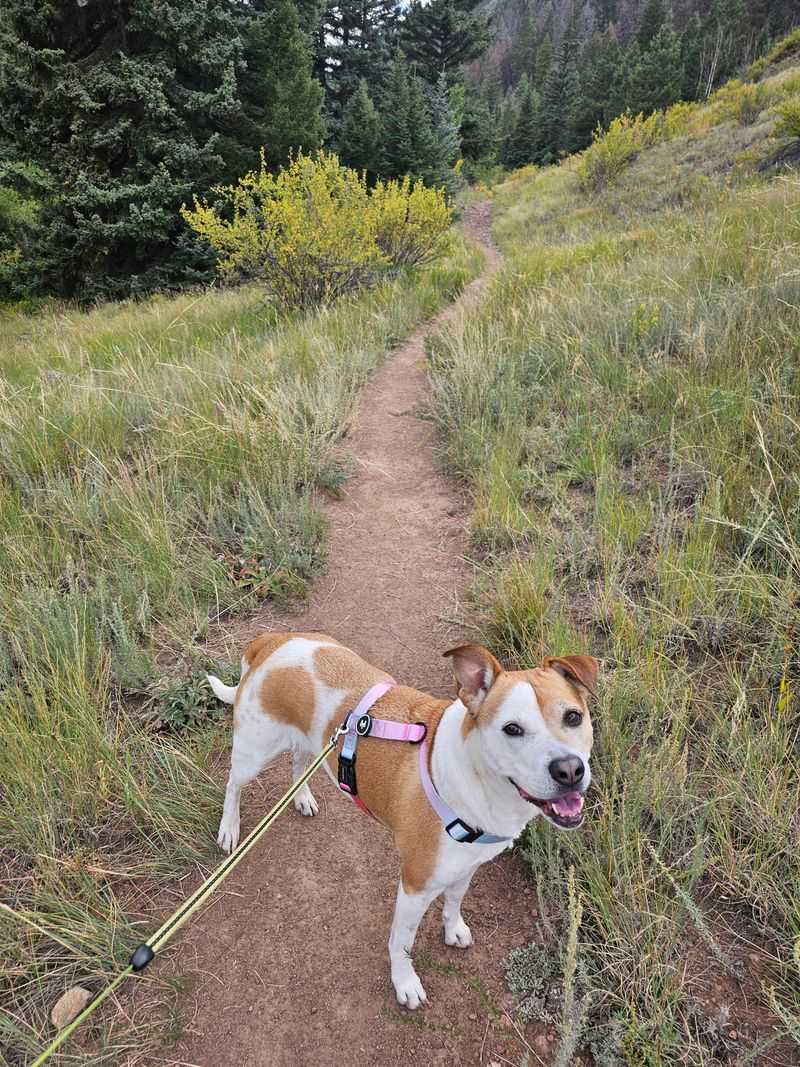
Ambition is the easiest thing to overpack.
Cut your usual distance roughly in half during the first week of mountain outings. Add a mile only after the previous hike felt easy.
Dogs rarely admit they are tired until the return trip. Every out-and-back has a second half.
Turning a comfortable two-mile walk into a confident four-mile hike takes patience. Steady progress beats one exhausting afternoon, and it keeps your dog eager for the next trailhead.
Watch for Faster Breathing
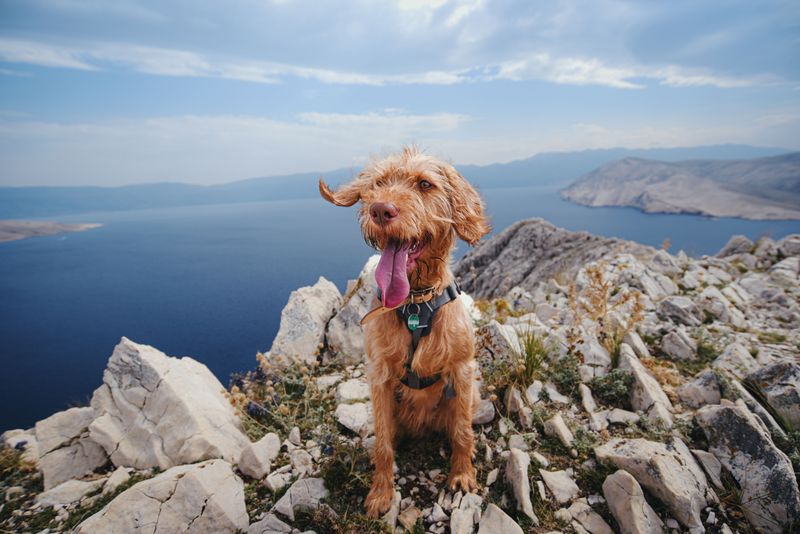
Panting is normal cooling behavior, not automatically a warning sign.
What matters is the pattern. Rapid, shallow breathing that does not settle during a rest stop deserves attention.
Learn your dog’s usual recovery time on familiar walks at home. On the trail, compare against that baseline.
Noisy effort, a wide stance, or unusually pale gums mean stop right away. Rest in shade and offer water.
Call your veterinarian if breathing stays labored after cooling down.
Pay Attention to Unusual Fatigue
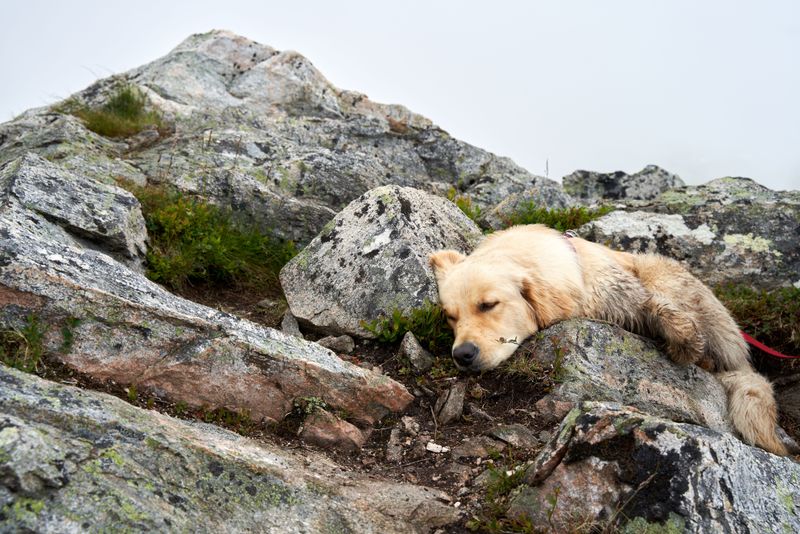
Trail dogs usually bounce ahead, circle back, and repeat all day.
When that engine quiets, take note. Lagging behind, sitting down uninvited, or ignoring favorite smells can signal the altitude is asking too much.
Wobbly footing, an upset stomach, or a dazed look mean the hike is finished.
Head downhill slowly, since lower elevation usually brings quick relief. Offer small sips of water along the way.
Mention any episode to your veterinarian afterward, because notes help spot patterns.
Keep Water Breaks Frequent
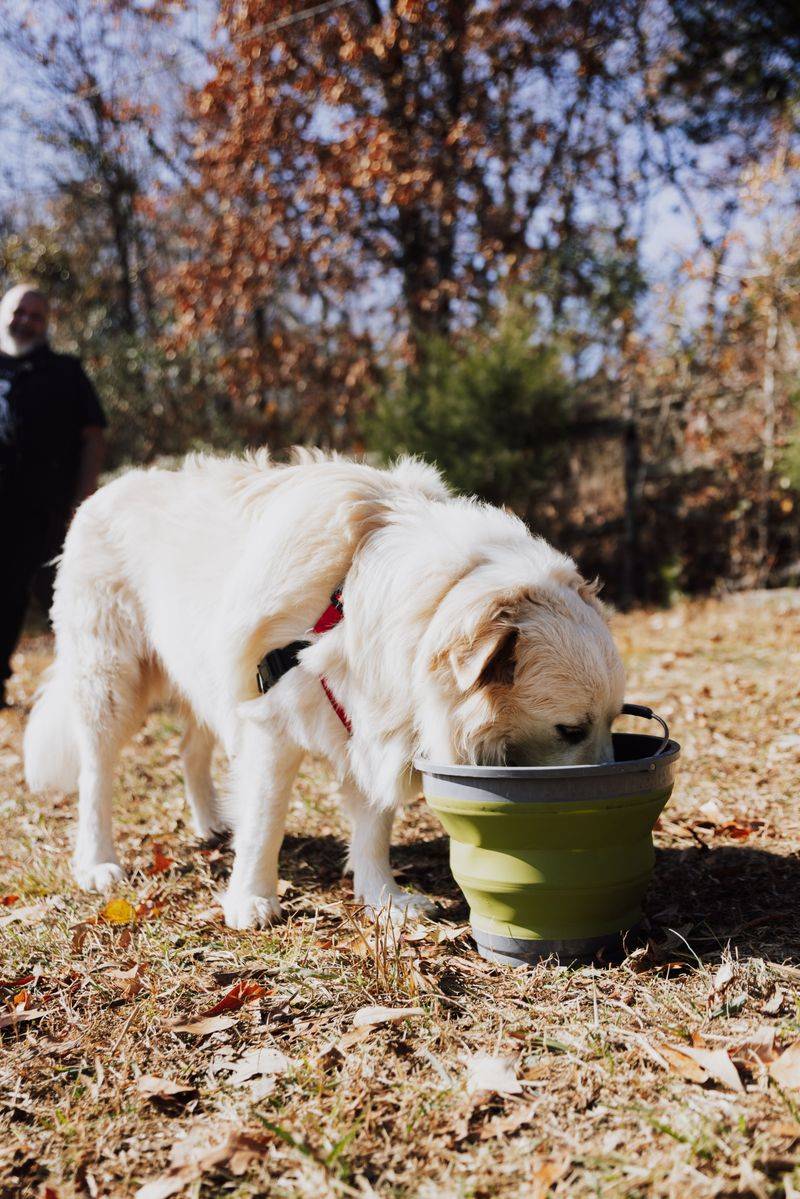
Waiting until your dog looks thirsty is waiting too long.
Offer water regularly during the hike, adjusting the frequency to the weather, terrain, intensity, and your dog’s needs. Carry enough water rather than relying on streams or other natural sources.
Many Northern New Mexico creeks run seasonally or not at all. Treat every stream as unreliable and carry your own supply.
A collapsible bowl weighs almost nothing. Skipping natural water sources also lowers the chance of stomach trouble from bacteria or runoff.
Dry Mountain Air Can Increase Water Needs
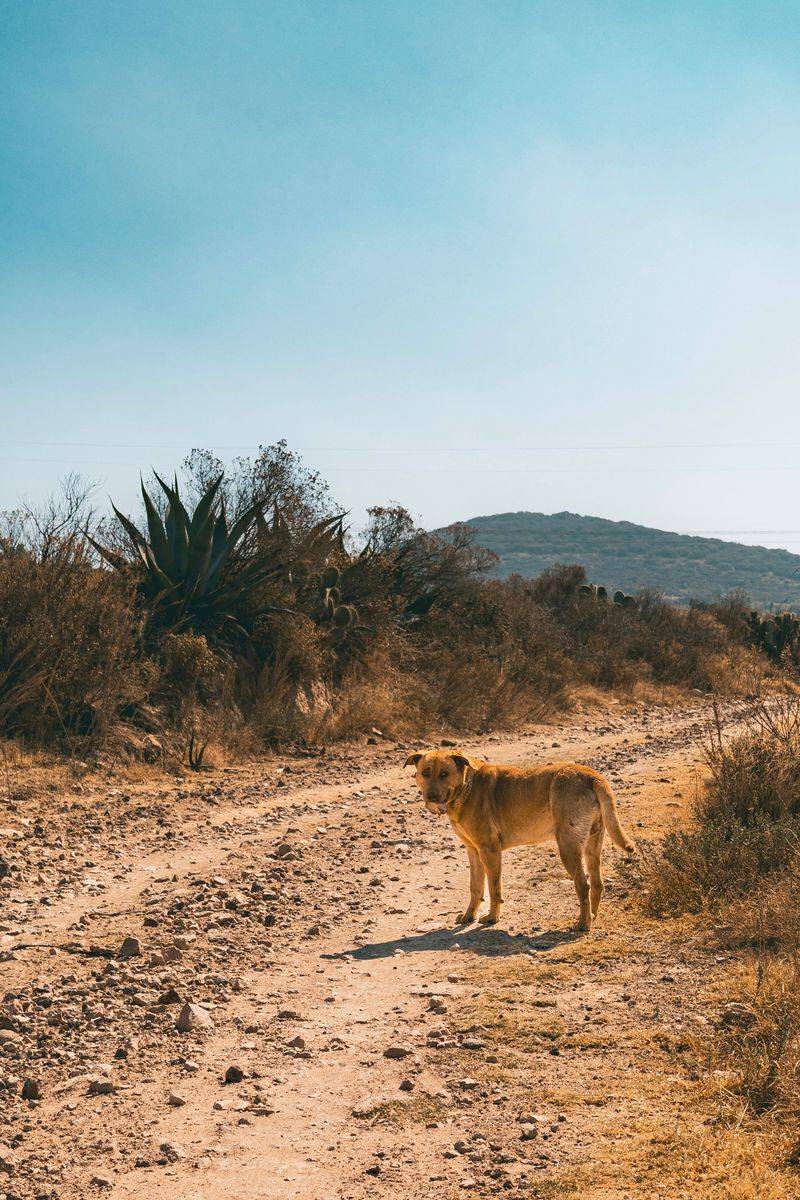
Humidity here often sits in single digits.
Moisture leaves the body with every breath, and at altitude dogs breathe more often. The loss happens quietly, without obvious sweat.
Pack more water than seems reasonable, then add extra. A common starting point is about one ounce per pound of body weight daily.
Active mountain days need more, so ask your veterinarian about your dog specifically. Tacky gums and thick saliva are early hints to slow down.
Protect Your Dog From Strong Sun
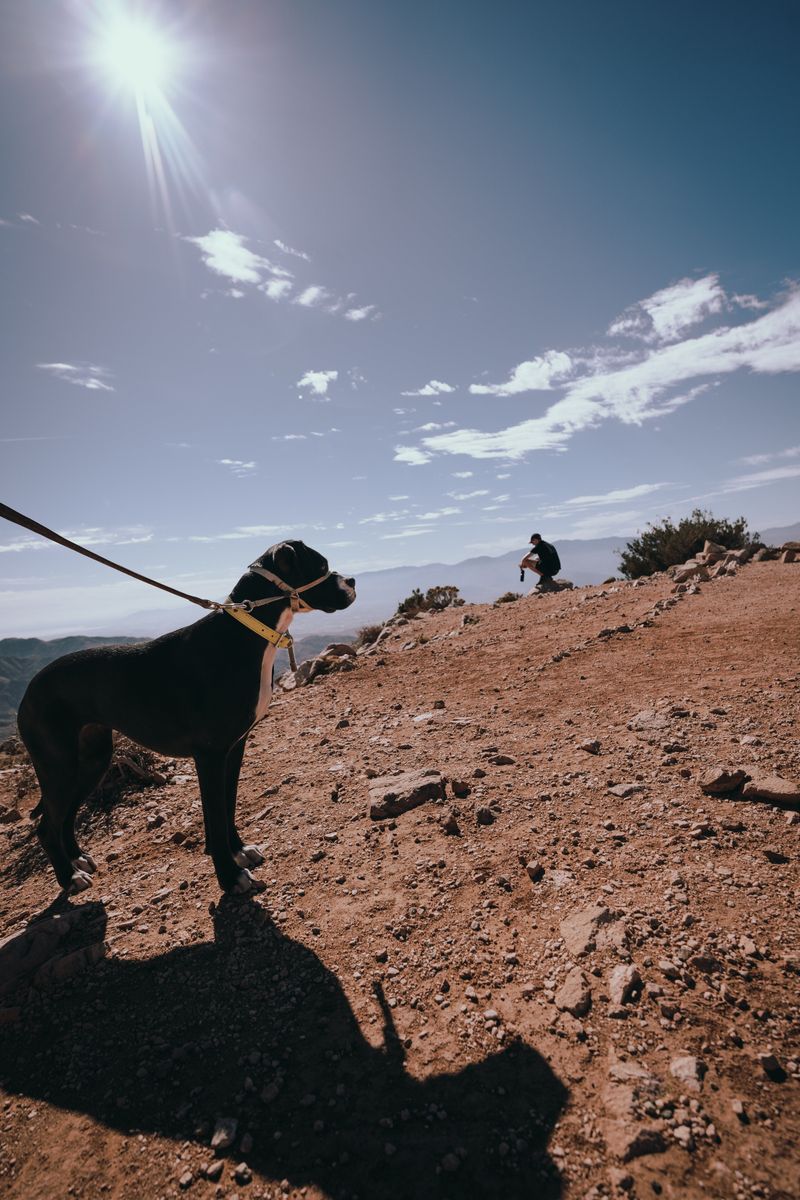
Ultraviolet exposure climbs noticeably with elevation, and Northern New Mexico skies are famously clear.
Thin-coated dogs, white dogs, and pink noses burn easily. Ask your veterinarian about a pet-safe sunscreen for the nose, ear tips, and belly.
Human products often contain zinc oxide, which is not appropriate for dogs.
Timing helps most of all. Start near sunrise, finish before midday, and rest under pinon or ponderosa whenever shade appears.
Shade breaks matter more than any gear.
Heat and Elevation Can Work Together
Summer afternoons in the foothills can climb into the eighties and nineties.
Add thin air and a dog’s limited cooling ability, and fatigue arrives faster. Dark rock and sand hold heat long after the sun passes.
Aim for early starts, higher forested trails, or shaded canyon routes during July and August.
Overheating shows up as heavy drooling, bright red gums, and confusion. Move to shade, wet the belly and paws, then contact a veterinarian.
Take It Easier on Steep Climbs
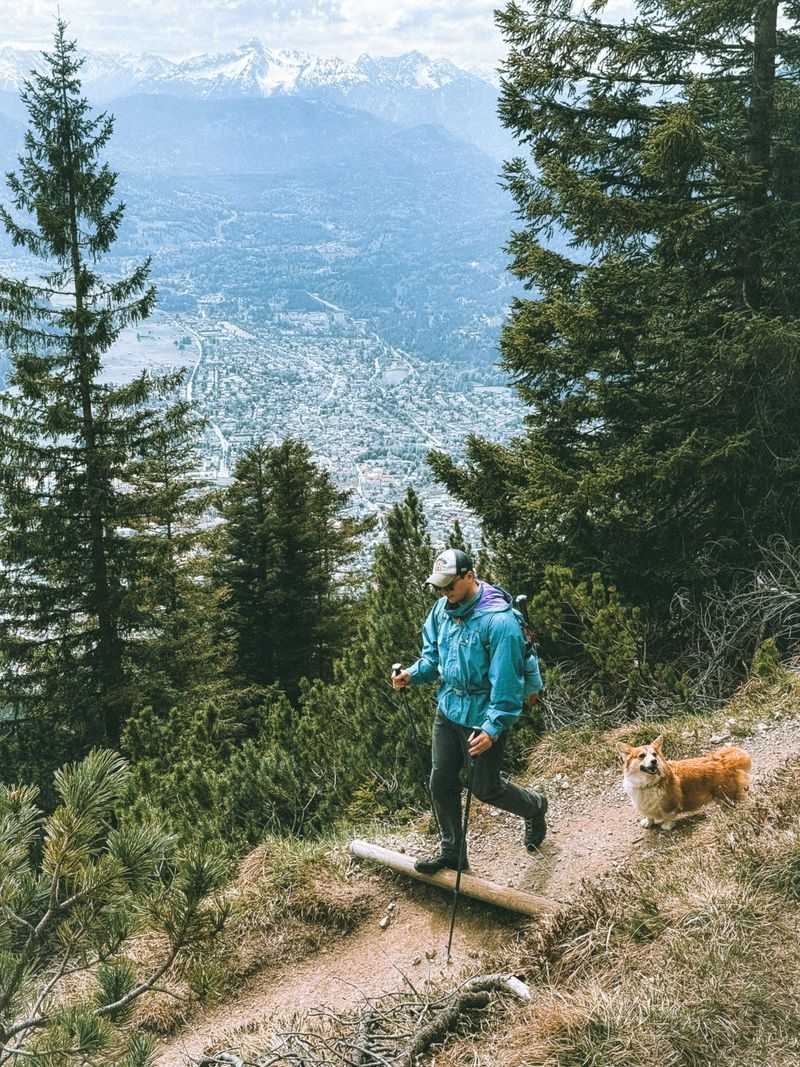
Grade matters more than mileage once you pass 9,000 feet.
Switchbacks toward Aspen Vista or along the Winsor Trail gain elevation steadily. Your dog feels every foot, especially while carrying a pack.
Build in short pauses at each bend rather than one long break. Let breathing settle before continuing upward.
Loaded packs should stay light, generally under ten percent of body weight for conditioned dogs. Downhill stretches deserve care too, since they strain joints and shoulders.
Rocky Terrain Adds Extra Strain
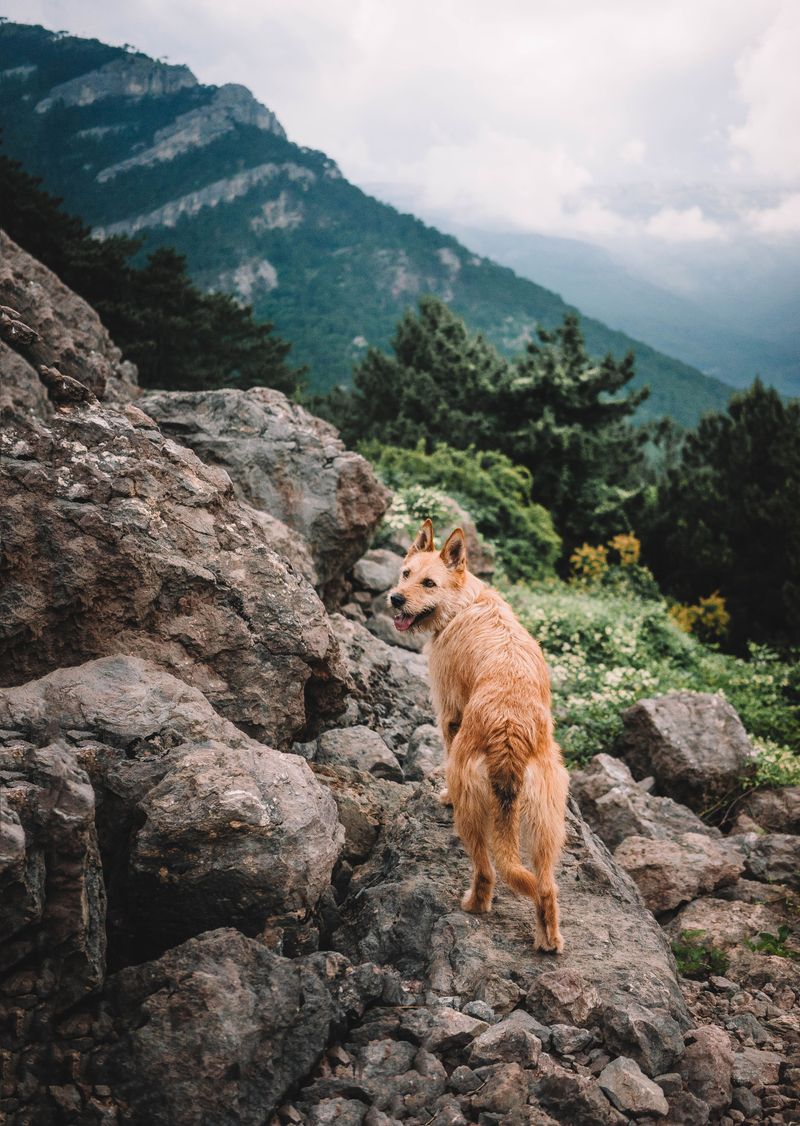
Volcanic rock, granite slabs, and loose scree define much of this landscape.
Constant balancing tires muscles that flat sidewalks never touch. Add altitude, and a rocky mile costs more energy than the map suggests.
Trim nails before big outings, since long nails change footing on stone.
Consider boots for dogs unused to abrasive surfaces, and let them practice at home first. Watch for limping, hesitation, or repeated stumbles.
Any of those means an easier route next time.
Check Your Dog’s Paws After the Hike

Post-hike paw checks take about a minute and prevent plenty of trouble.
Spread each set of toes and look for cracks, worn pads, embedded gravel, or cactus spines. Cholla and prickly pear grow near many lower trailheads.
Goatheads hide in gravel parking areas too.
Rinse dust away and dry between the toes. Rough or tender pads usually respond to rest and a paw balm.
A limp lasting beyond a day warrants a veterinary visit.
Turning Around Beats Chasing the Summit
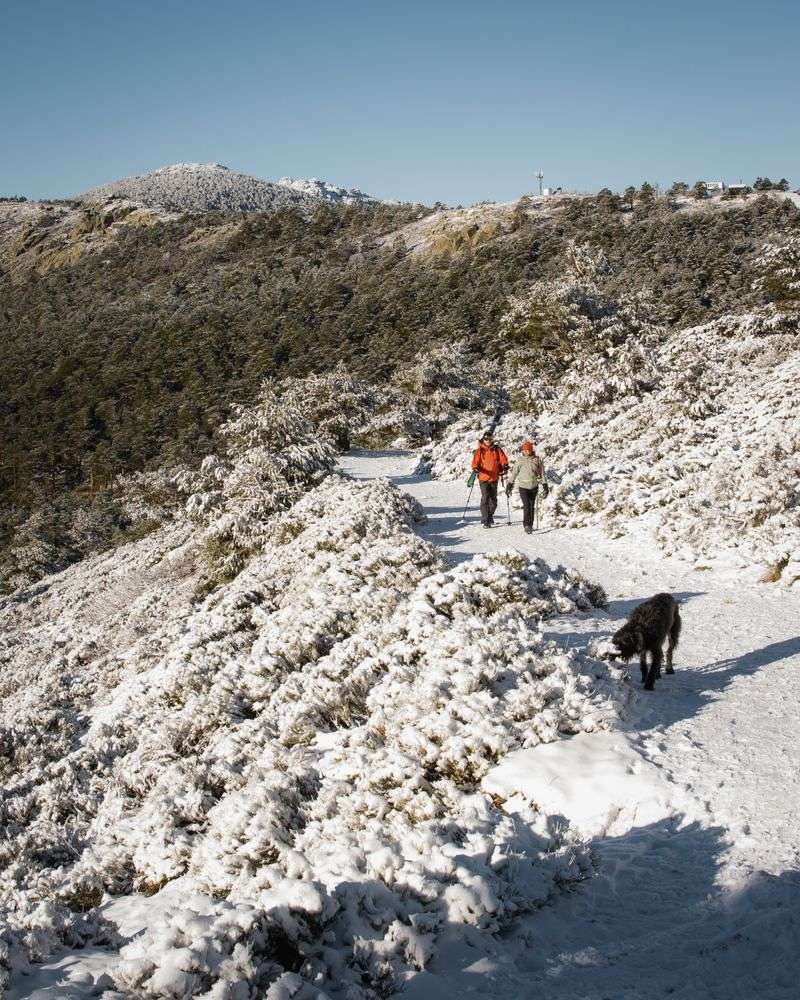
The best hikers keep a turnaround plan in their back pocket.
Set a time limit before starting, then honor it. Half your water gone means the same thing, head back.
Peaks like Santa Fe Baldy tempt people past their dog’s limits. Summits stay put, and your dog gets one good season at a time.
Repeated rest stops, refusing to move, or panting that will not settle are clear answers. Choosing early keeps hiking enjoyable.
Keep an Eye on Weather Changes
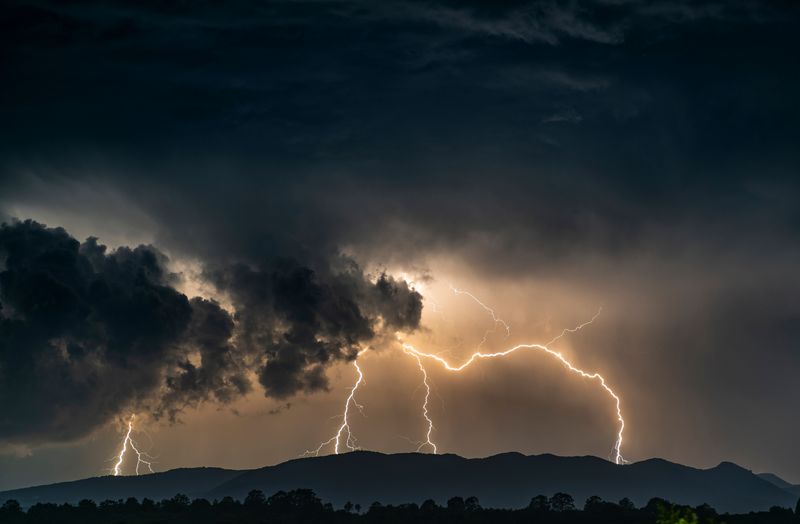
Monsoon season, roughly July through September, brings afternoon thunderstorms almost daily.
Storms build fast over the Sangre de Cristos, and exposed ridges are poor places to linger. Lightning, hail, and sudden downpours arrive with little warning.
Plan to be off high ground by early afternoon. Check the forecast the morning of, not the night before.
Dogs ignore weather entirely, so timing falls to you. Dry arroyos can fill quickly during heavy rain.
Be Ready for Colder Temperatures
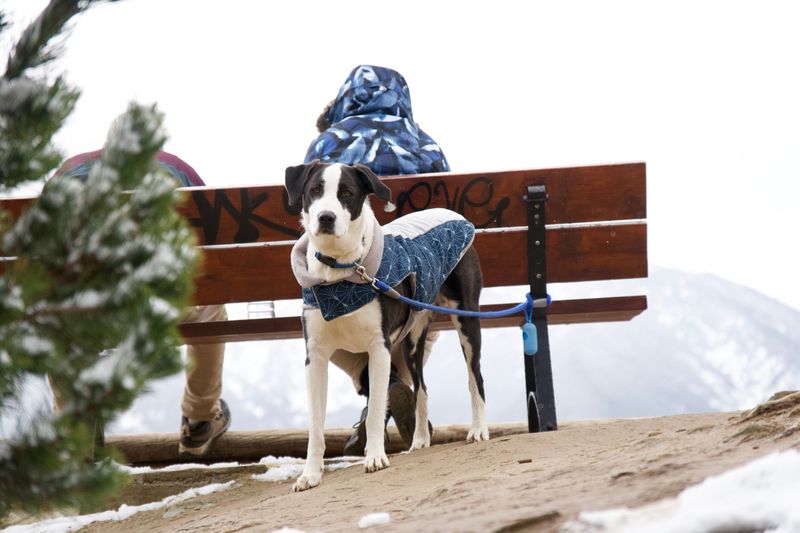
Temperature drops roughly three to five degrees for every thousand feet gained.
A pleasant sixty-degree morning in town can feel far chillier on a shaded north slope. Wind above treeline sharpens the effect.
Snow lingers on high trails into late spring, and nights cool quickly year round.
Short-coated dogs, puppies, and older dogs appreciate a jacket stashed in your pack. Shivering, tucked tails, and lifted paws mean head down.
Warm the car before driving home.
Carry Essentials for High-Elevation Adventures
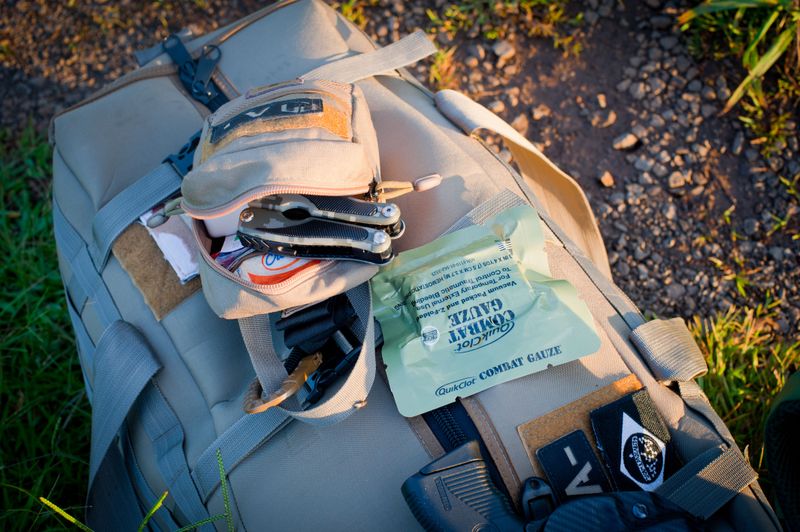
A well-packed daypack turns small problems into minor inconveniences.
Bring extra water, a collapsible bowl, high-value snacks, and a basic first aid kit. Tweezers help with cactus spines.
Add a spare leash, waste bags, and a towel.
Cell service disappears quickly in the canyons, so download maps beforehand. Tell someone your route.
Current ID tags and a registered microchip provide real peace of mind. Leash rules vary by trail system, so check the managing agency’s posted regulations.