Moving From A Pennsylvania Rowhouse To Rural Acreage Changes These 15 Dog-Owner Habits
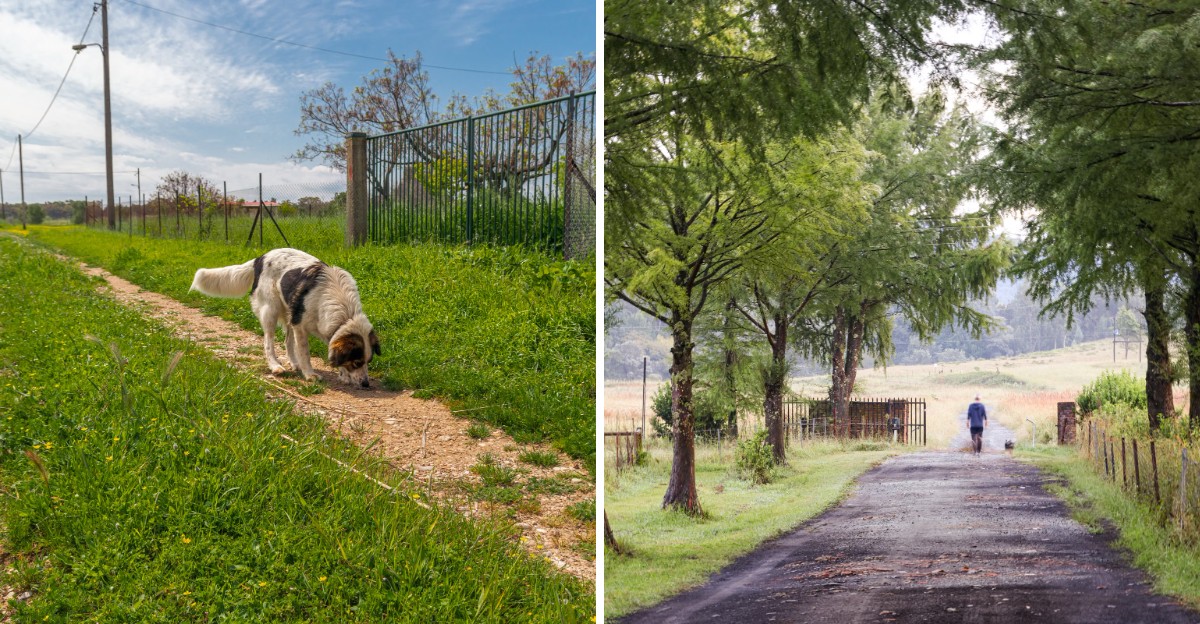
Trading a narrow Philadelphia block for open Pennsylvania farmland changes more than your commute. Your dog notices right away, and so will your daily routine.
Sidewalk potty trips become field walks, and neighbors are replaced by deer, tractors, and tall grass. None of it is hard, but the habits that worked in a rowhouse need a gentle rewrite.
Here is what experienced country dog owners wish they had known during that first season.
1. The Leash Comes Off Less Often Than You Think
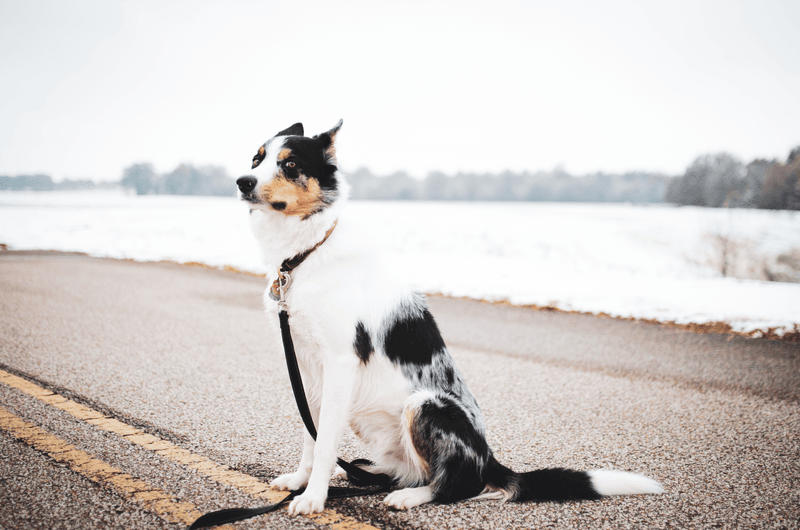
Secure acreage does let dogs move freely, and that freedom feels wonderful. Pennsylvania law still expects dogs to stay confined, restrained, or under reasonable control.
Many municipalities add stricter leash rules for public spaces, so confirm yours with the township office.
Keep the leash handy near roads, livestock, and wooded edges where wildlife travels. Fast traffic and startled farm animals leave no room for guesswork, and a clipped leash prevents most problems.
2. Fence Checks Join Your Regular Dog Care List
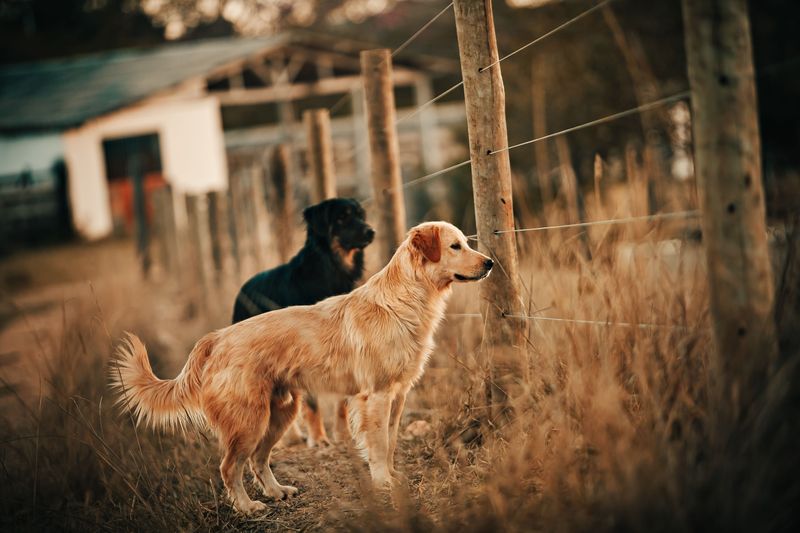
Nobody inspected a rowhouse fence weekly. Country fencing is different, because weather, frost, and curious animals loosen it over time.
Walk your perimeter on a set schedule, maybe Sunday mornings with coffee in hand. Look for sagging wire, gaps beneath gates, and dug-out low spots.
Bring a few zip ties or fence staples along for quick fixes. Small repairs made early are far easier than tracking a dog across two neighboring properties.
3. Daily Tick Searches Become Second Nature
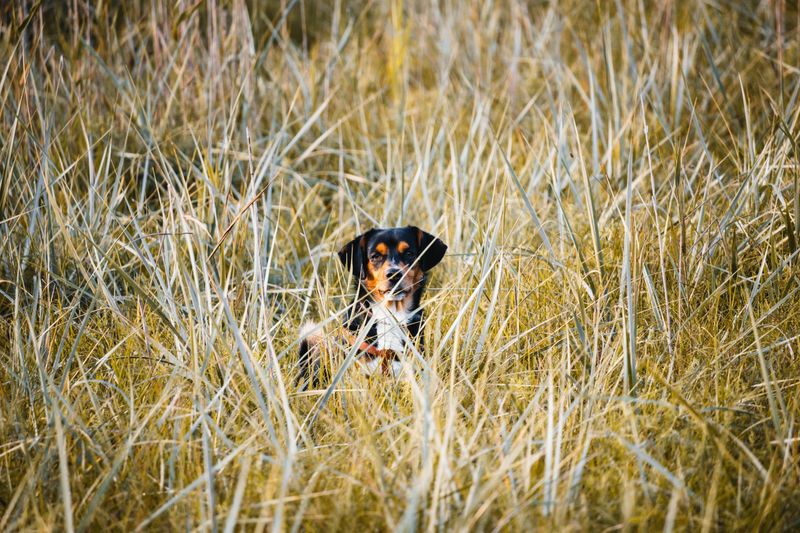
Tall grass, brush, and shaded woods are prime tick territory across Pennsylvania. Your dog will bring a few home, so daily checks pay off.
Run your hands over the whole body, feeling for small bumps. Pay extra attention to ears, between toes, under the tail, and around the chin and neck.
Finding and removing ticks early lowers disease risk considerably. Keep tweezers or a tick tool near the door so checks happen before your dog settles indoors.
4. Parasite Prevention Gets Serious In Warm Months
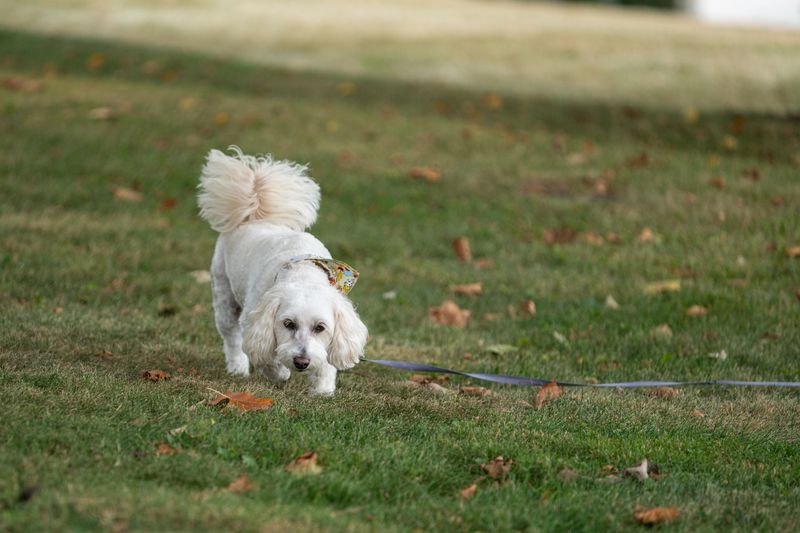
Pennsylvania tick activity usually runs from April into October or November. Ticks can stay active whenever temperatures climb above the mid-thirties.
Blacklegged deer ticks, American dog ticks, Lone Star ticks, and groundhog ticks all live here. They can spread Lyme disease, anaplasmosis, and other illnesses.
Most veterinarians recommend year-round prevention for rural dogs. Ask yours which product suits your dog’s weight, age, and health, then mark refill dates on the kitchen calendar.
5. Potty Breaks Move From Sidewalk Squares To Open Ground
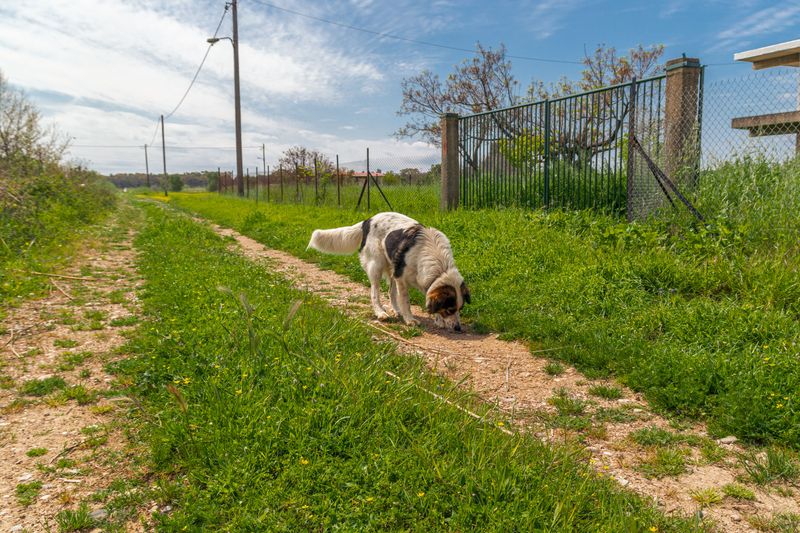
That old routine of clipping on a leash for a curbside stop disappears fast. On acreage, your dog gets real ground to sniff and circle before choosing a spot.
Supervision still matters, especially in the first weeks. Walk out with your dog, watch where the boundary sits, and learn their favorite corners.
Many owners pick one area near the house for nighttime breaks. It keeps things simple, reduces yard cleanup, and helps dogs settle into the new address quickly.
6. Walks Stretch Into Property Loops And Trail Circuits
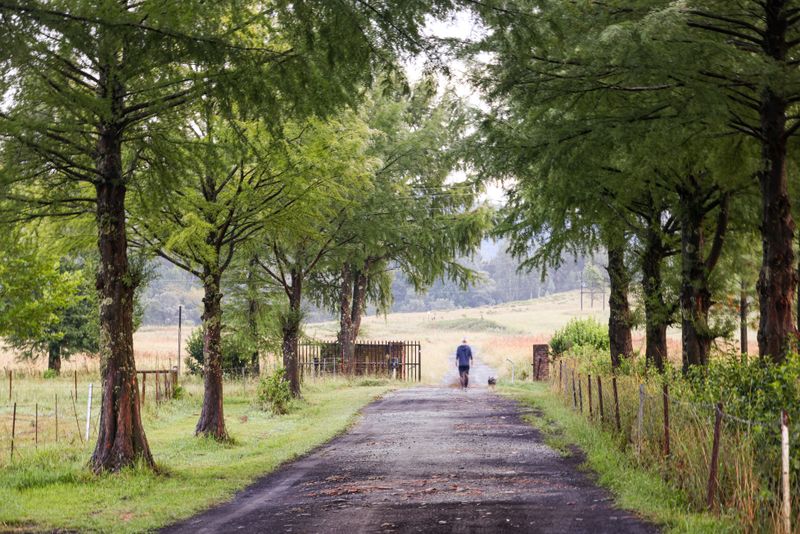
Short block walks give way to something better: long loops around your own land. Fence lines, treelines, and field edges become the new route.
Dogs get more sniffing, more terrain, and more mental work from these walks. That variety often means a calmer dog by evening.
Build distance gradually if your dog spent years on flat pavement. Uneven ground uses different muscles, so watch for limping or slowing down and adjust the loop length.
7. Paws And Coats Need More Frequent Once-Overs
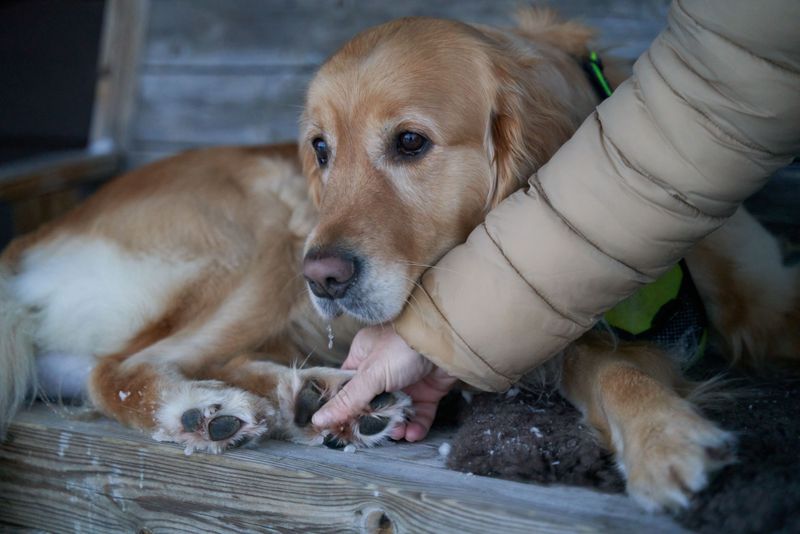
Burrs, seed heads, mud, and bits of hay cling to country dogs like magnets. Long coats collect the most, but no dog escapes entirely.
Check between the toes and pads after every field walk. Packed mud and stuck seeds cause limping and skin irritation if left alone.
A quick brush at the door solves most of it. Bonus: that same brushing session helps you spot ticks and small scrapes before they become bigger bothers.
8. Wildlife Neighbors Call For Closer Supervision
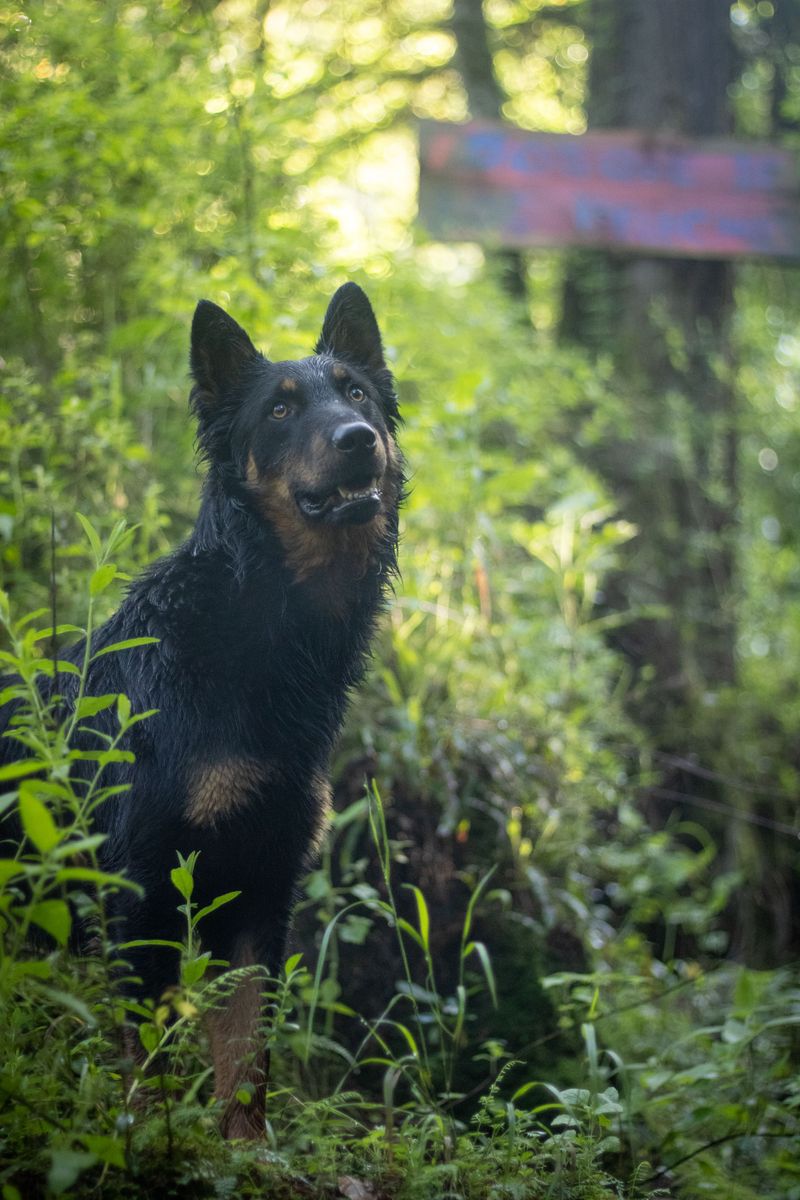
Deer at the treeline, raccoons in the barn, skunks under the porch: rural Pennsylvania is busy after dark.
Coyotes and porcupines also roam here, and curious dogs sometimes get too close. A cornered animal may defend itself, and quills or bites mean a vet visit.
Head outside with your dog at dawn and dusk, when wildlife moves most. A porch light, a quick scan, and a confident recall handle nearly every encounter.
9. Recall Training Moves To The Top Of The Priority List
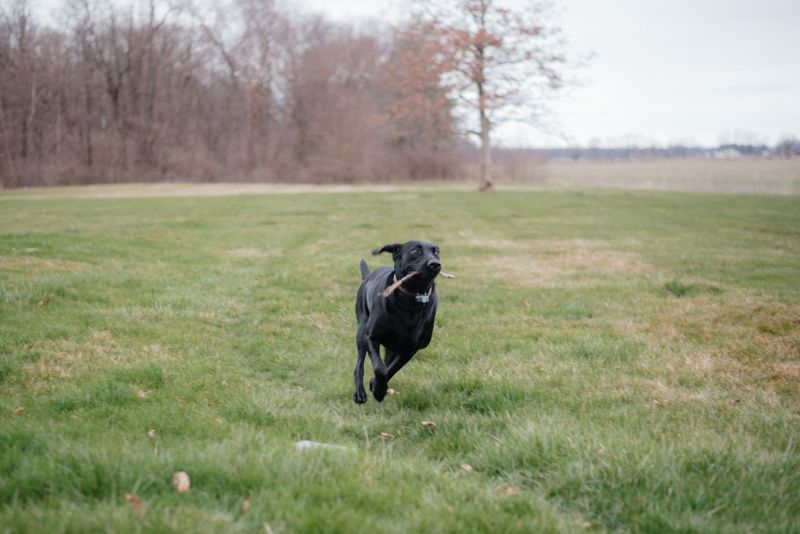
Twenty feet of sidewalk forgives a shaky recall. Twenty acres does not.
Start practice in quiet spots with high-value treats, then add distance and distractions slowly. A long training line keeps your dog safe while the skill grows.
Always reward the return, even when your dog took an extra moment. Punishing a slow recall teaches avoidance, while steady rewards build a dog who comes running through tall grass.
10. ID Tags And GPS Collars Earn Their Keep
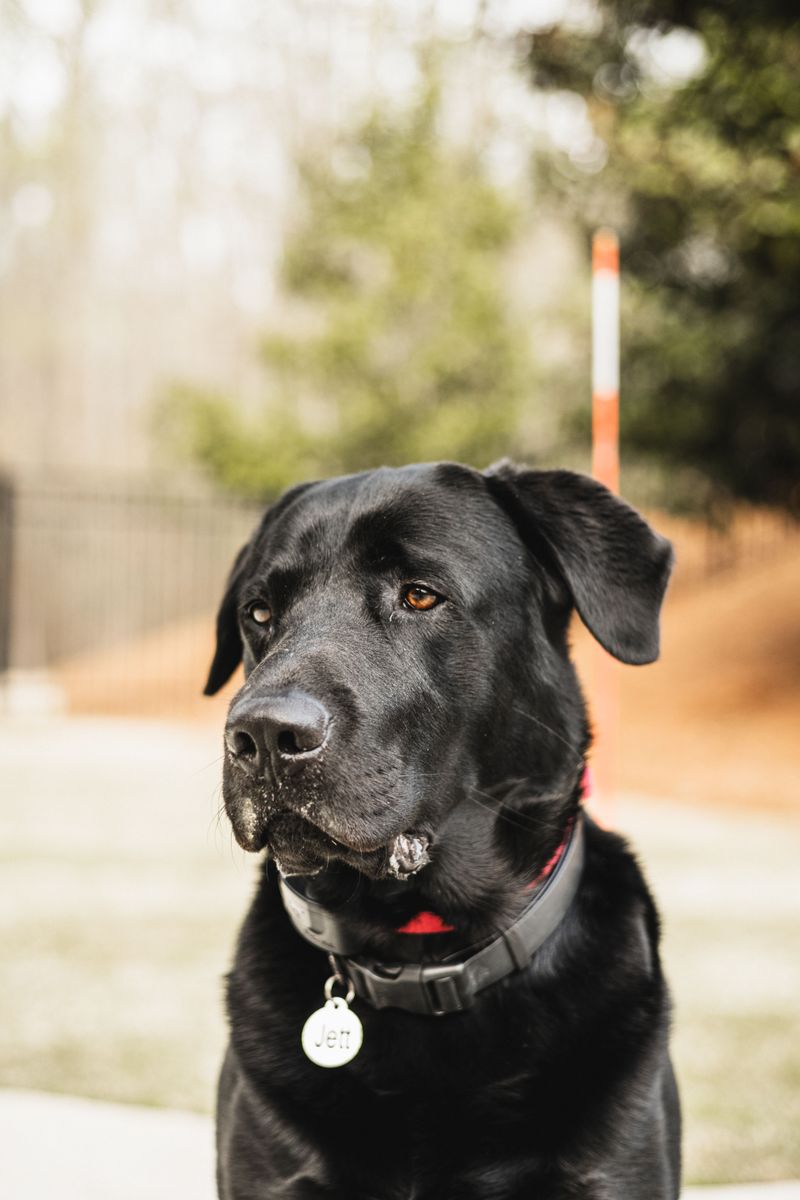
A loose dog in the city travels a few blocks. A loose dog in the country can cover miles.
Pennsylvania requires annual licensing for dogs three months and older, through your county. The tag must be worn on a sturdy collar or harness in most situations.
Lifetime licenses exist for microchipped or tattooed dogs with veterinary verification. GPS collars add location alerts, though they never replace a solid fence.
11. Feeding Portions Shift With All That Extra Activity
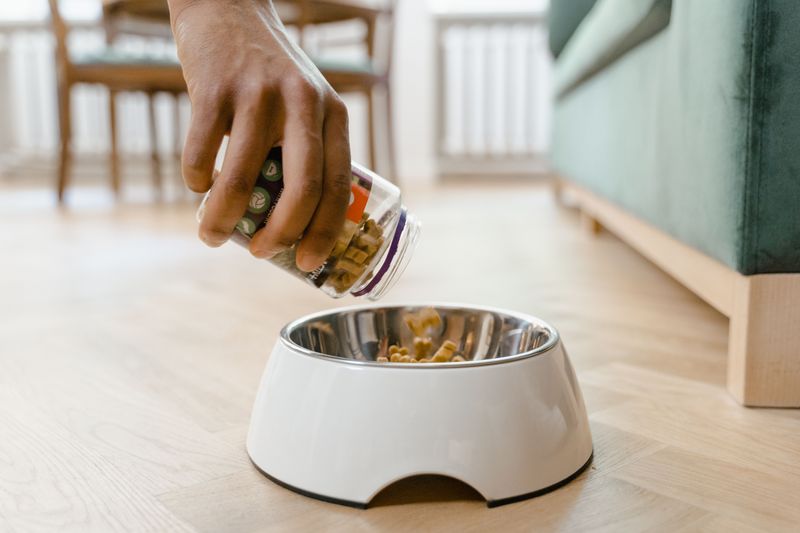
More running, more sniffing, more hills: country dogs often burn noticeably more energy.
Watch your dog’s waistline and ribs over the first couple of months. Some dogs need a modest increase in food, while others hold steady just fine.
Use a measuring cup instead of eyeballing scoops. If weight drops or climbs steadily, talk with your veterinarian before making large changes to portions or switching food brands.
12. Water Bowls Multiply Across The Property
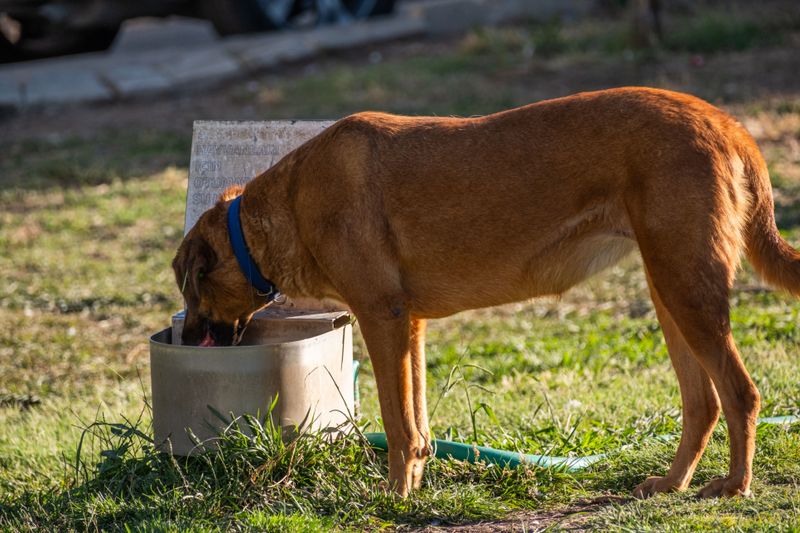
One kitchen bowl worked in a rowhouse. On acreage, your dog may be a long walk from it.
Place clean water near the barn, the workshop, and any shaded spot where your dog rests. Refresh each one daily, since bugs and debris collect quickly.
Toss a collapsible bowl and bottle into the truck too. Hot afternoons and longer property walks make easy hydration a small habit with a big payoff.
13. Gates, Holes, And Weak Spots Get Constant Attention
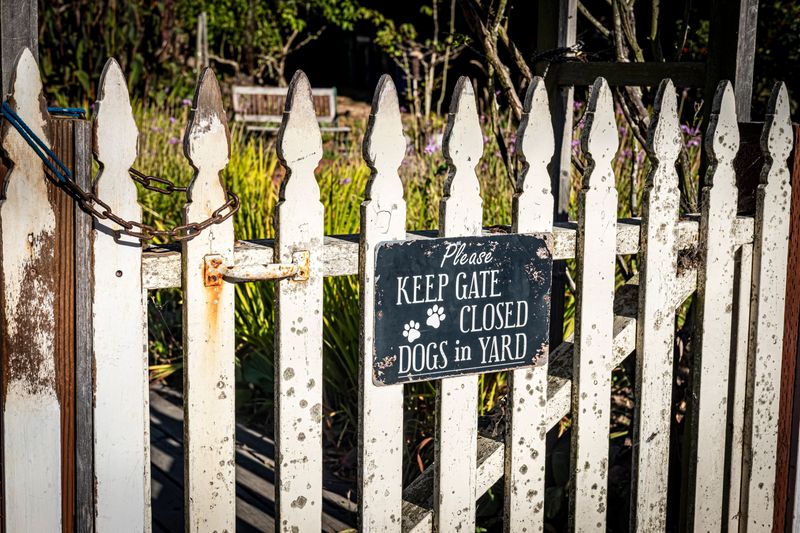
Ask any experienced rural owner about escapes, and gates come up first. Delivery drivers, guests, and helpers rarely latch them the way you would.
Post a friendly sign at each gate and mention the dog when visitors arrive. Fill fresh digging holes promptly, because dogs return to the same weak spot.
Add a habit of glancing at latches whenever you pass. Ten seconds of checking prevents an anxious hour of searching.
14. Livestock And Machinery Need Slow, Careful Introductions
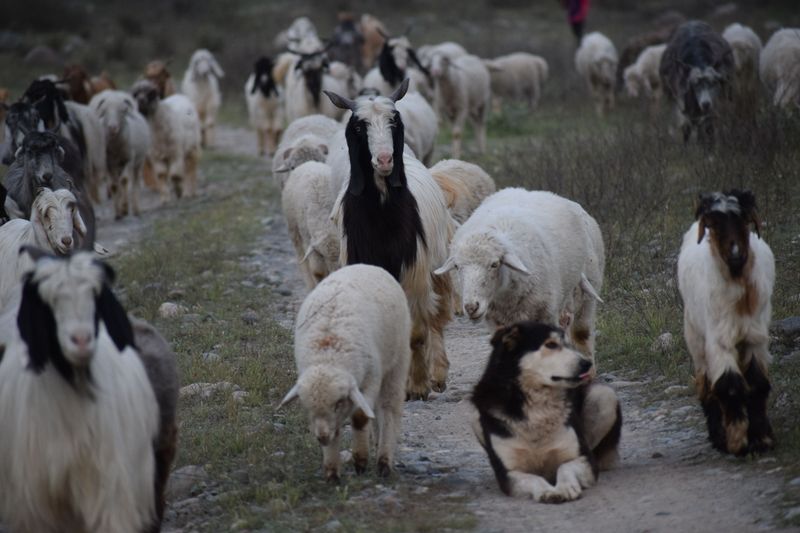
First meetings with cows, goats, or chickens should happen on leash and at a distance. Reward calm watching, then end the session before excitement builds.
Chasing or barking at livestock stresses the animals and risks injury for everyone involved. Practice patience across several short sessions instead of one long one.
Tractors and ATVs deserve the same approach. Teach your dog to stay clear of machinery, and make sure operators always know where the dog is.
15. Barking Changes From Complaint To Useful Signal
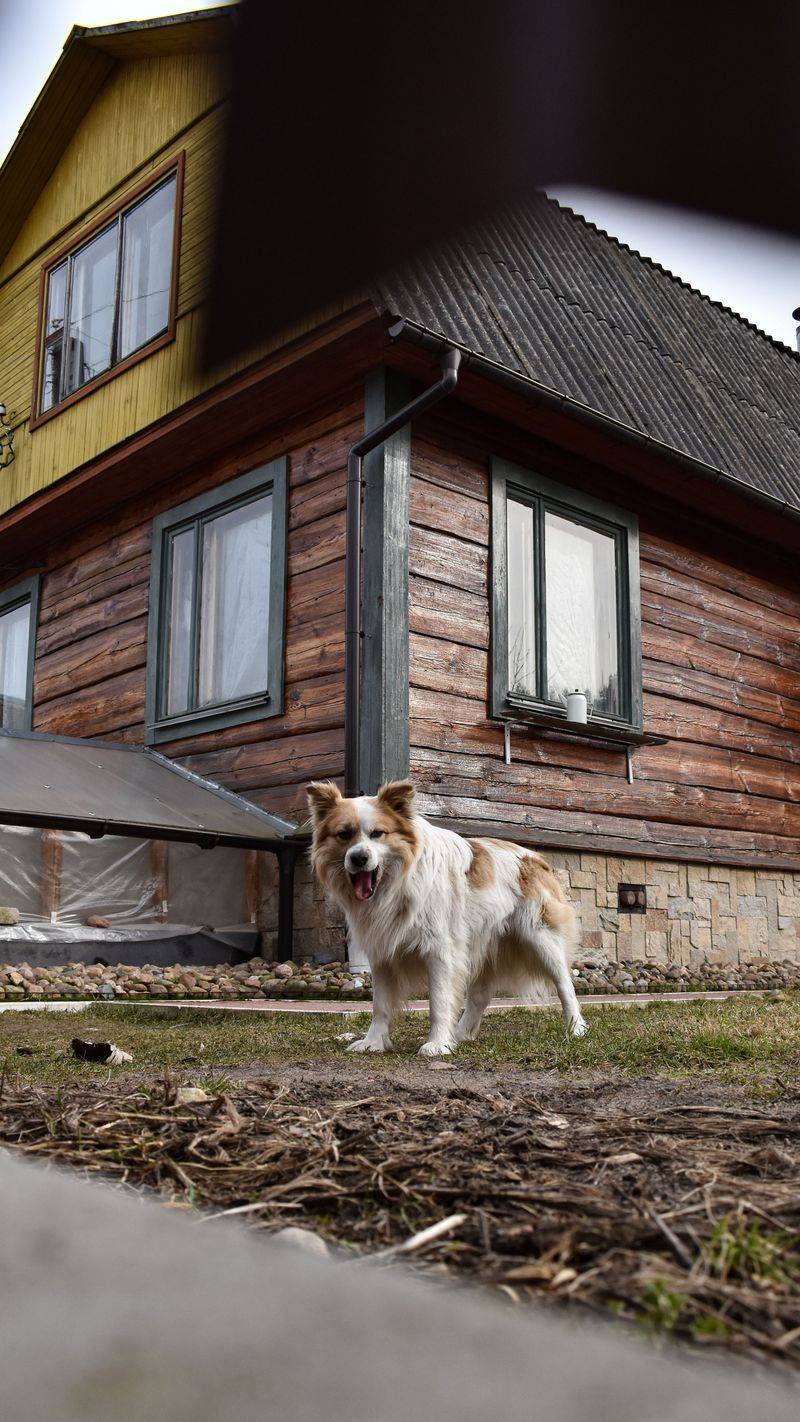
In a rowhouse, every bark risked a knock on the wall. Out here, that alert often means something worth checking.
Rural dogs announce deer at the fence, raccoons near the feed, or an unfamiliar truck in the lane. Learning your dog’s different barks becomes genuinely handy.
Tolerance is higher among country neighbors, though nonstop barking still wears thin. Reward quiet after you acknowledge the alert, and the habit stays helpful.