How High Elevation Changes A Dog’s Hike In Wyoming
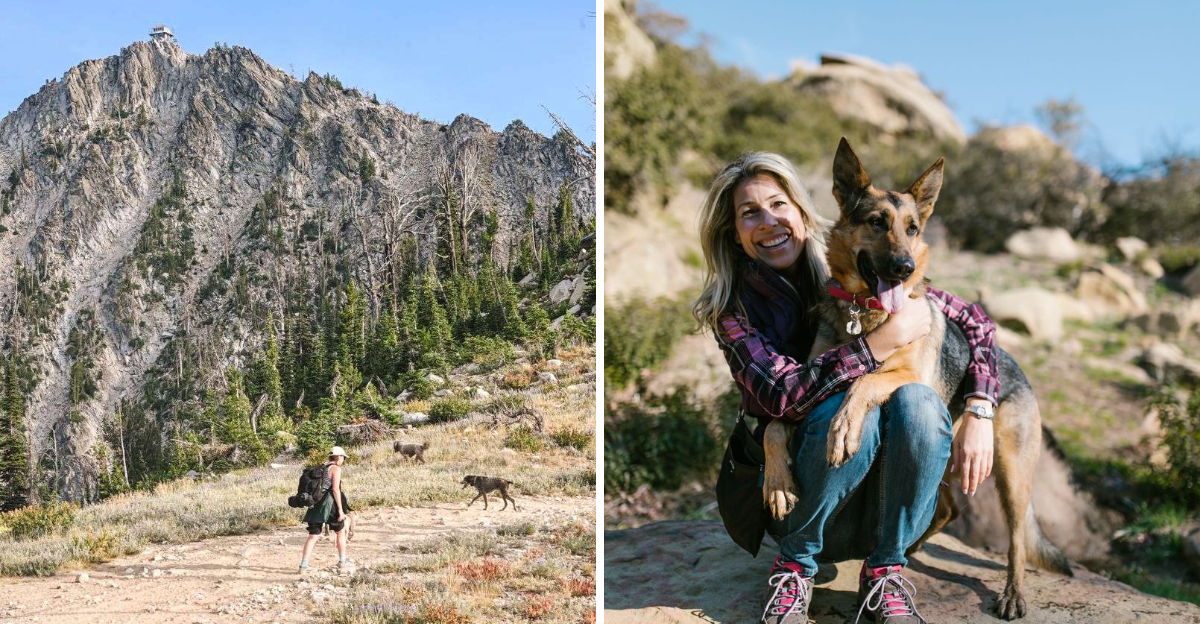
Wyoming trails have a way of climbing faster than you expect. One moment you are parked at a shady trailhead, and soon you are standing above 9,000 feet with thin, dry air all around you.
Your dog feels that change too, even if they never slow down enough to show it right away. Altitude quietly raises the cost of every step, every breath, and every mile you share together.
The good news is that most dogs do beautifully up high when their owners plan ahead. With a little preparation, Wyoming’s high country becomes one of the best places you and your dog will ever walk together.
Thinner Air Raises The Cost Of Every Step
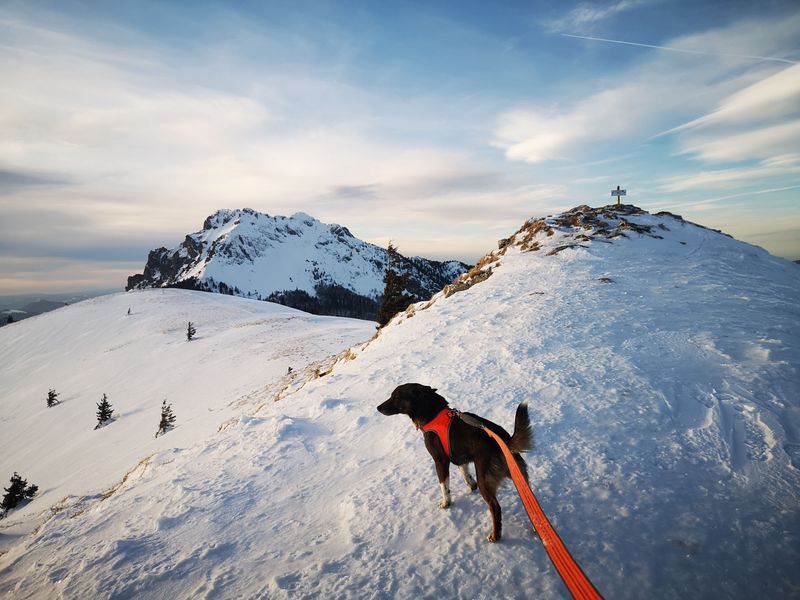
Air at altitude still holds the same percentage of oxygen. There is simply less of it packed into each breath.
Your dog’s muscles and heart notice that shortage quickly. A three mile loop that felt easy at home in Casper can feel like six miles at 9,500 feet.
Plan shorter distances for the first few outings. Let your dog set the pace, and treat a slower walk as smart pacing rather than a disappointment.
Heavier Panting Shows Up Sooner Than Usual
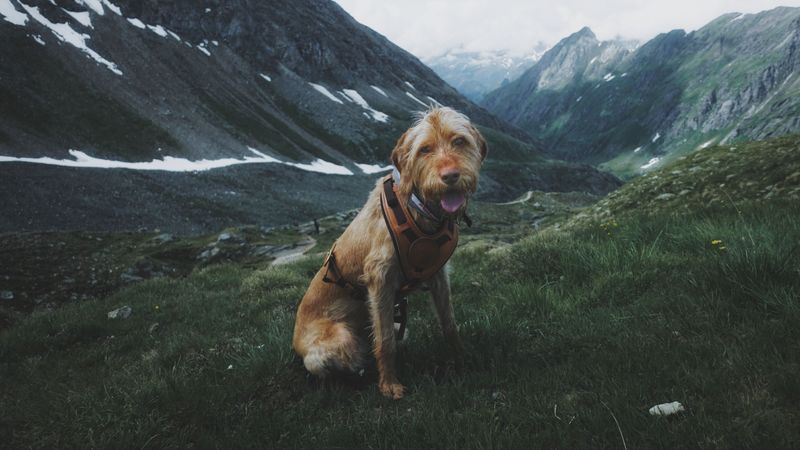
Panting is how dogs move air, shed heat, and grab more oxygen. Up high, that system works overtime.
You may notice fast, deep panting during rest stops, not just while climbing. Breathing that seems out of scale with the effort is worth watching.
Give your dog shade, water, and a few quiet minutes. Breathing should settle within several minutes of stopping.
If it does not, end the hike and head down.
Even Fit Dogs Run Out Of Gas Early
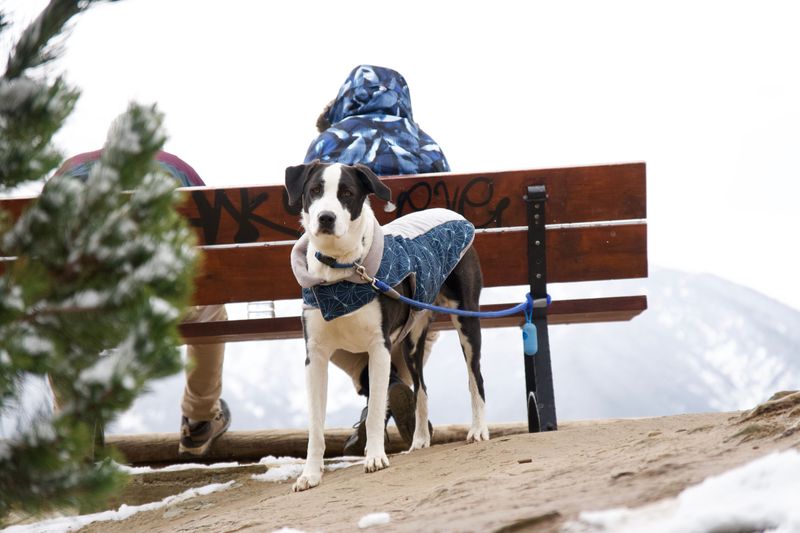
Ask anyone who hikes with a trail-hardened dog. Altitude humbles them too.
Fitness helps, but it does not replace oxygen. A dog used to running ten miles at 5,000 feet may fade after four at 10,000 feet.
Recovery also stretches out. Short bursts that once needed a minute of rest may need five.
Judge your dog by today’s energy, not last month’s. Fitness at low elevation predicts less than most owners assume.
Fast Climbs Hit Harder Than Slow Ones
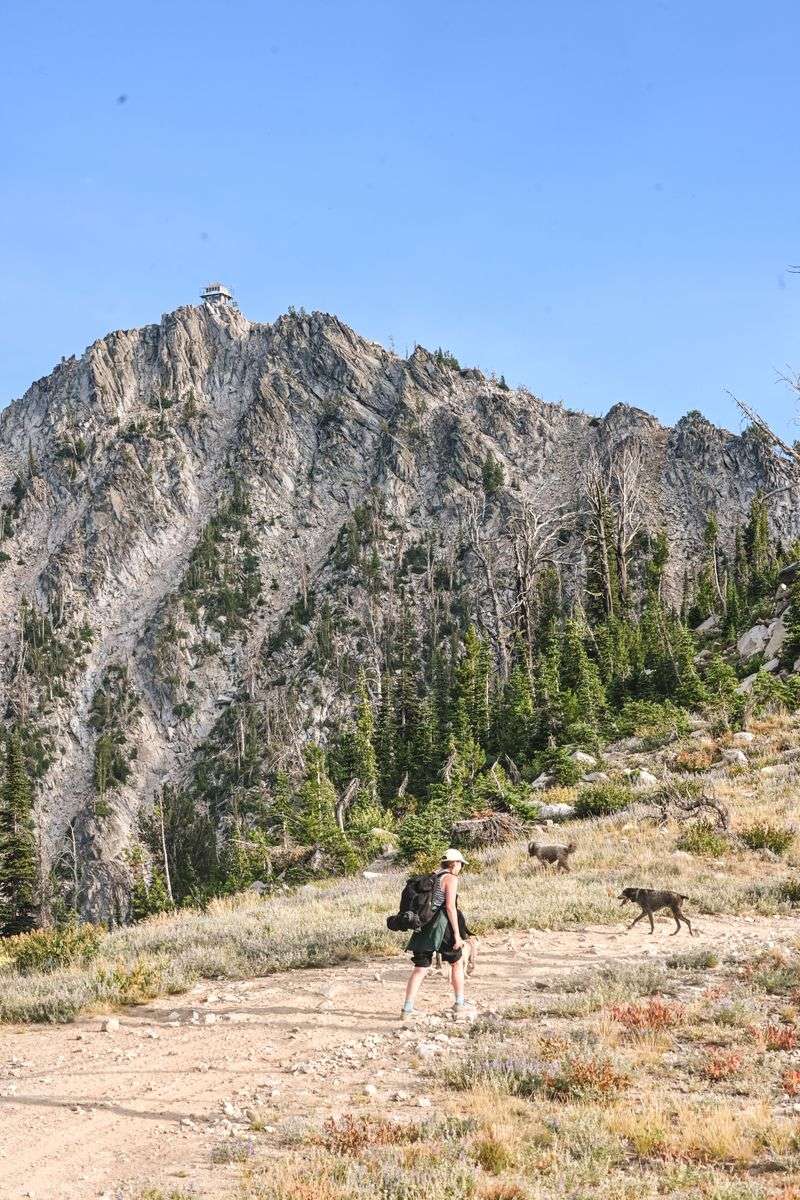
Driving from a low town straight to a 10,000 foot trailhead is common in Wyoming. Bodies hate the shortcut.
Rapid gain leaves no time to adjust. Gradual gain gives the blood and lungs a chance to catch up.
If you can, spend a night at a middle elevation before the big hike. Starting with an easy walk instead of a steep push also helps your dog settle in.
The 8,000 Foot Mark Deserves Extra Attention
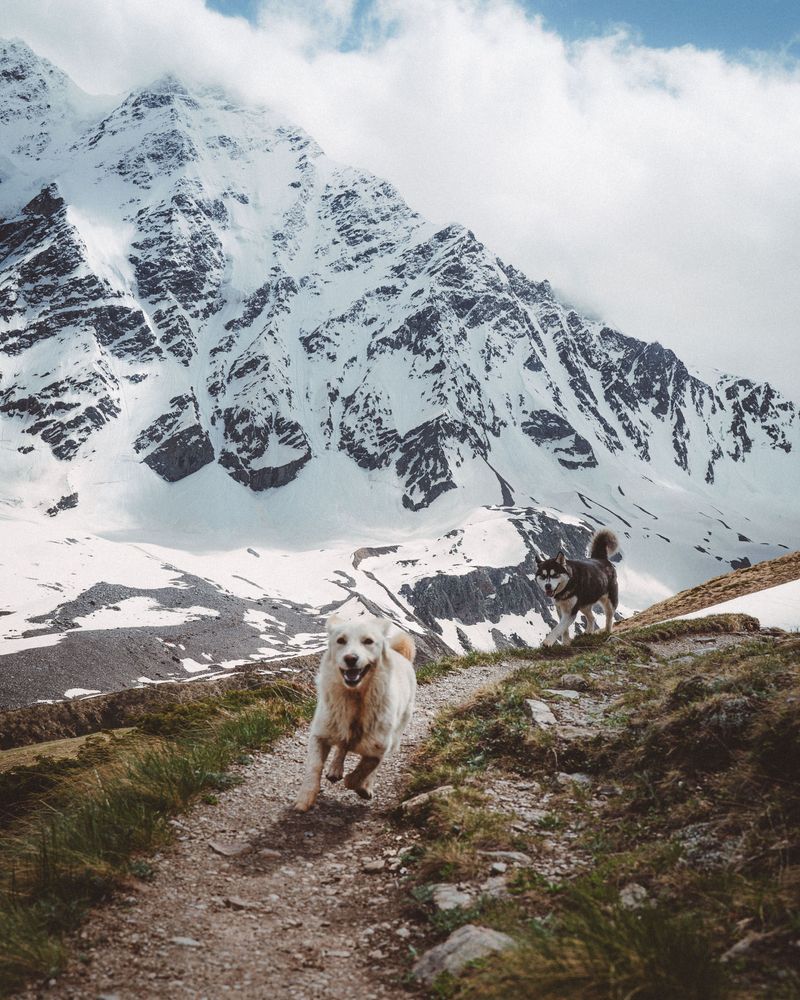
Veterinary guidance often points to roughly 8,000 feet as the elevation where altitude symptoms become more likely in dogs.
Treat that number as a checkpoint, not a wall. Some dogs feel fine much higher.
Others struggle lower.
Above that line, start scanning your dog more often: breathing, gait, interest in surroundings.
Plenty of Wyoming favorites, including the Snowy Range and Bighorn passes, sit well above it. Awareness matters more than avoidance.
Rest Stops Become Part Of The Plan
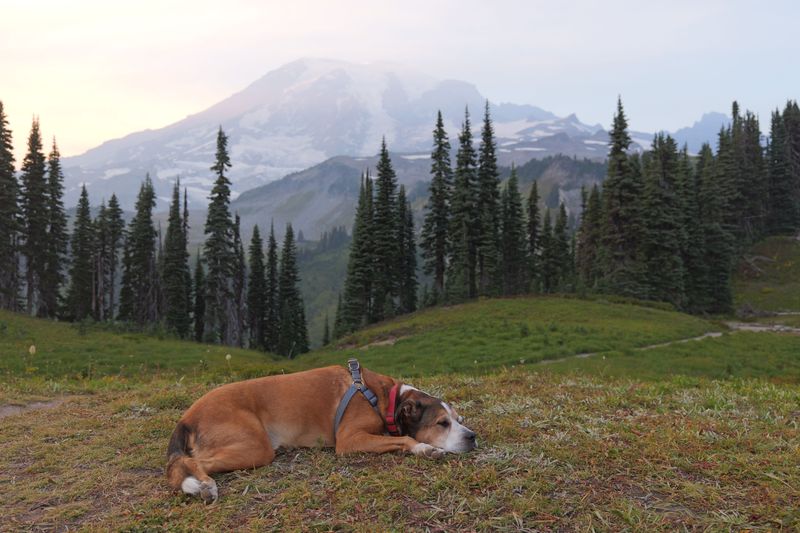
Build breaks into your schedule instead of squeezing them in when trouble appears.
Short, frequent pauses help far more than one long stop at the summit. Every ten or fifteen minutes works well for many dogs up high.
Use those minutes for water, shade, and a look at your dog’s face and posture.
A dog that flops down without being asked is telling you something honest. Listen the first time.
A Skipped Treat Can Mean Something
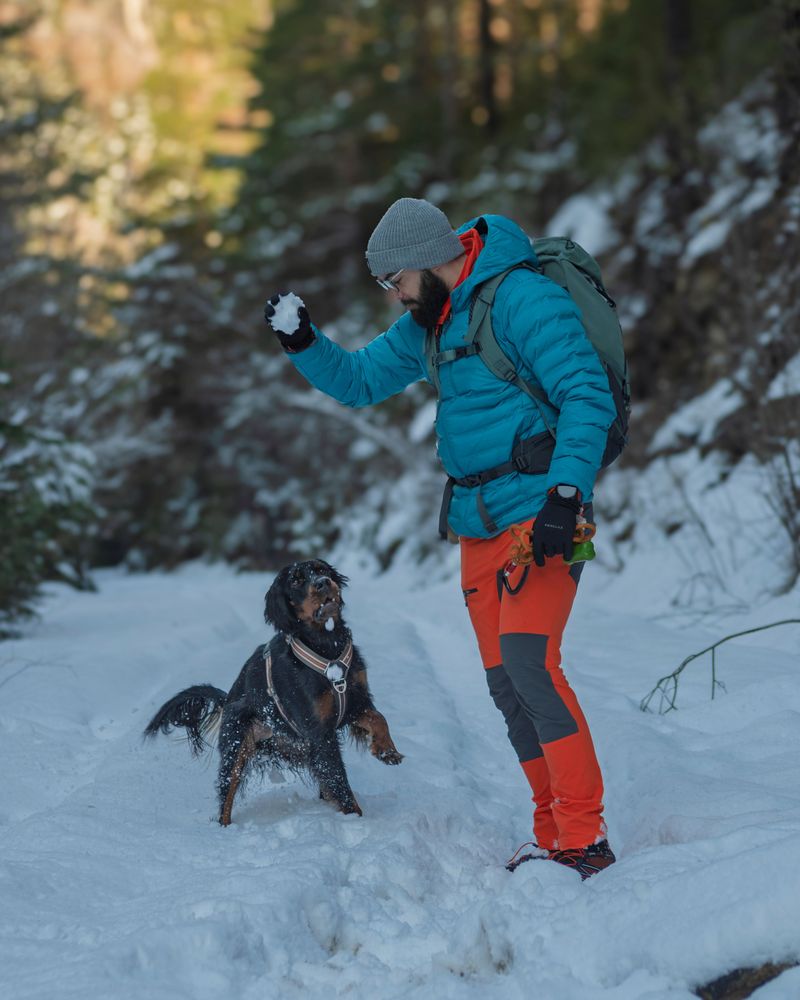
Here is a small test worth running on every high hike: offer a favorite treat.
Dogs who normally inhale snacks but suddenly turn away may be feeling the altitude. Reduced appetite is one of the earliest and quietest signals of trouble.
Nothing about one skipped biscuit is an emergency. Still, note it and watch closer.
If disinterest continues alongside heavy breathing or fatigue, losing elevation is the sensible response.
Vomiting Up High Is Never Just The Water
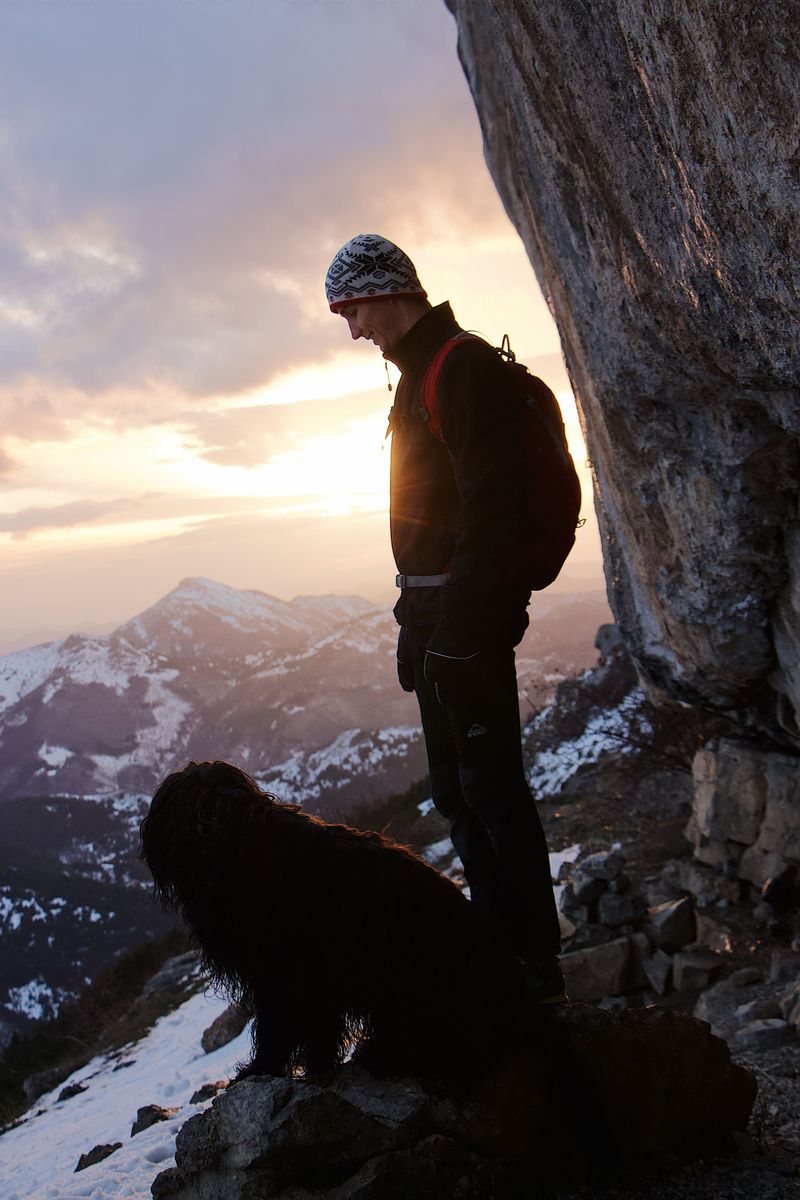
Owners often blame a strange puddle or a snatched stick. At elevation, that assumption can cost time.
Vomiting, sometimes with heavy drooling, ranks among the clearer signs of altitude sickness in dogs.
Stop climbing. Offer small sips of water rather than a full bowl, and begin moving downhill.
Descent is the most reliable remedy. If vomiting repeats or your dog seems weak, contact a veterinarian once you have service.
Unusual Weakness Is Not Ordinary Tiredness
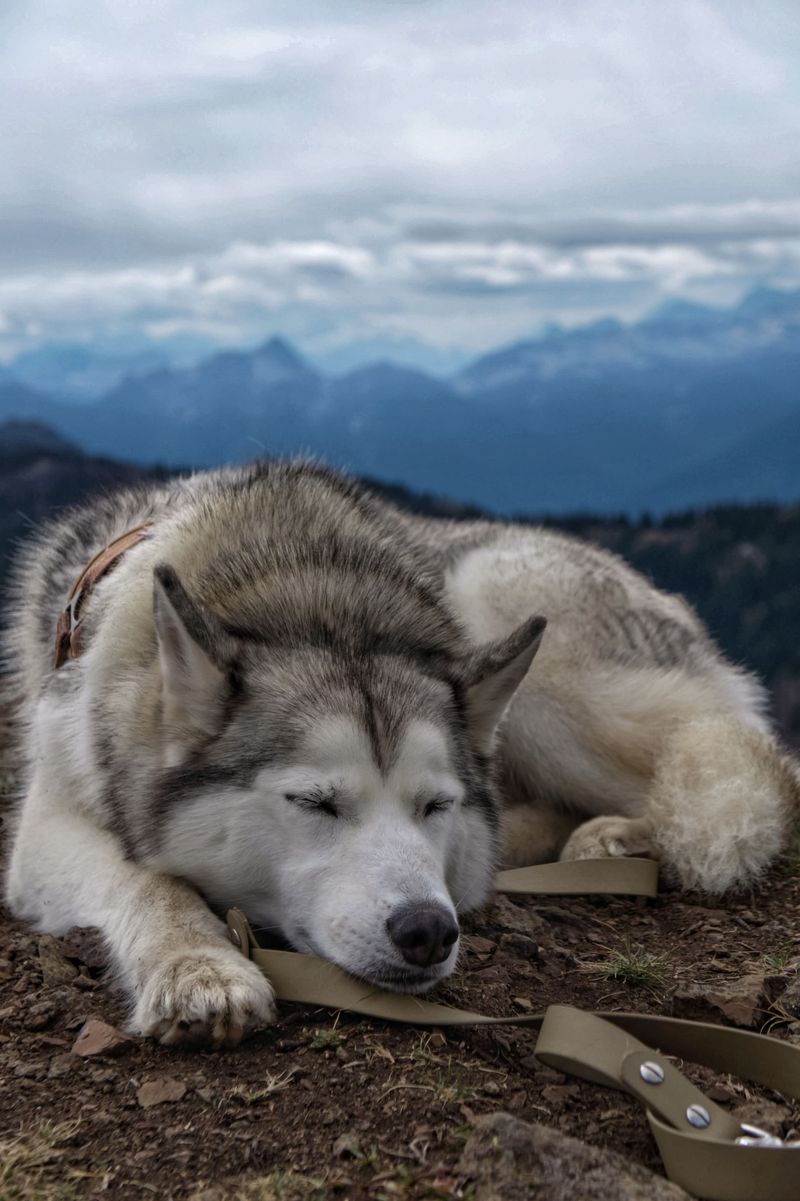
Tired looks like a dog who rests, then pops back up when the leash rattles.
Concerning looks different. Think of a dog who stays down, ignores squirrels, or seems dull and disconnected.
Persistent lethargy at elevation can be an early altitude symptom rather than simple fatigue.
Trust your knowledge of your own dog. You know their normal better than any chart does, and that instinct is genuinely useful here.
Wobbling Or Stumbling Means Turn Around Now
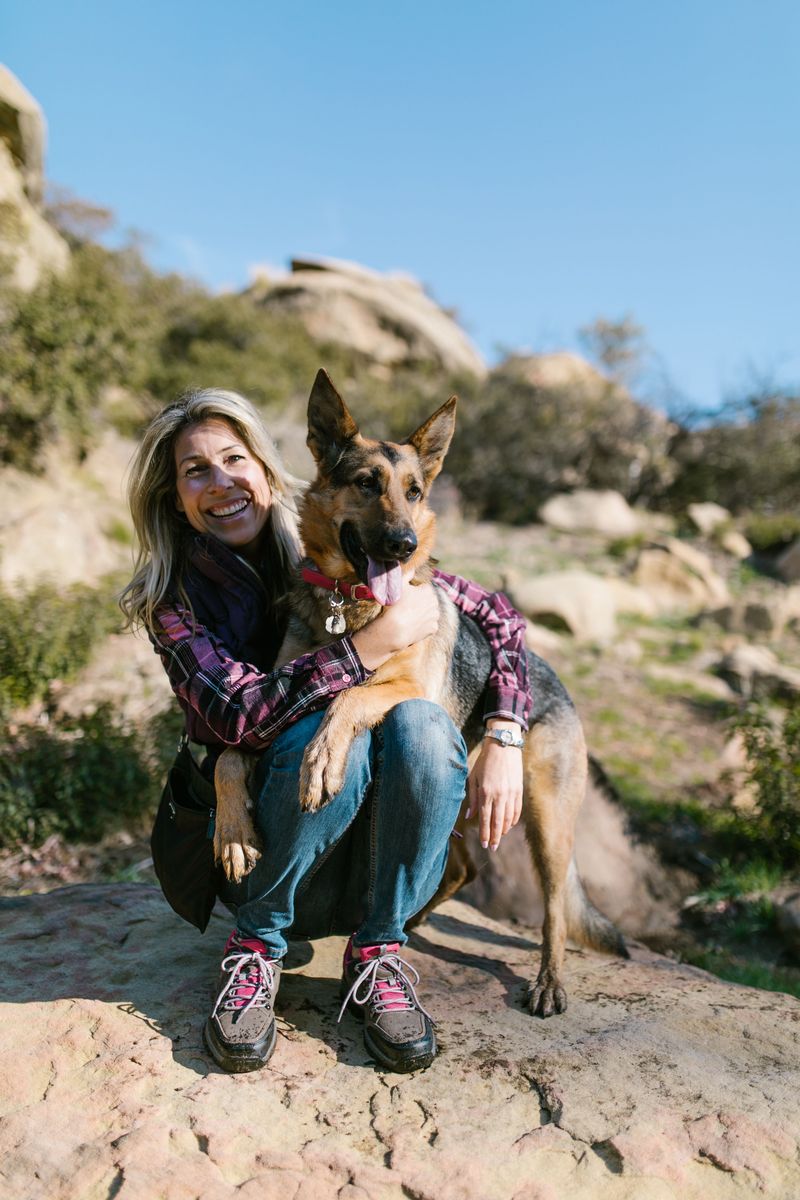
Balance problems sit further along the scale than tiredness.
Stumbling, swaying, drifting off the trail, or difficulty standing suggests the brain is not getting the oxygen it needs.
Do not push toward the summit or wait to see if it passes. Head downhill immediately, carrying smaller dogs if you safely can.
Losing even 1,000 feet often brings noticeable relief. Call a veterinarian afterward to describe exactly what you saw.
Coughing And Labored Breathing Rank Highest
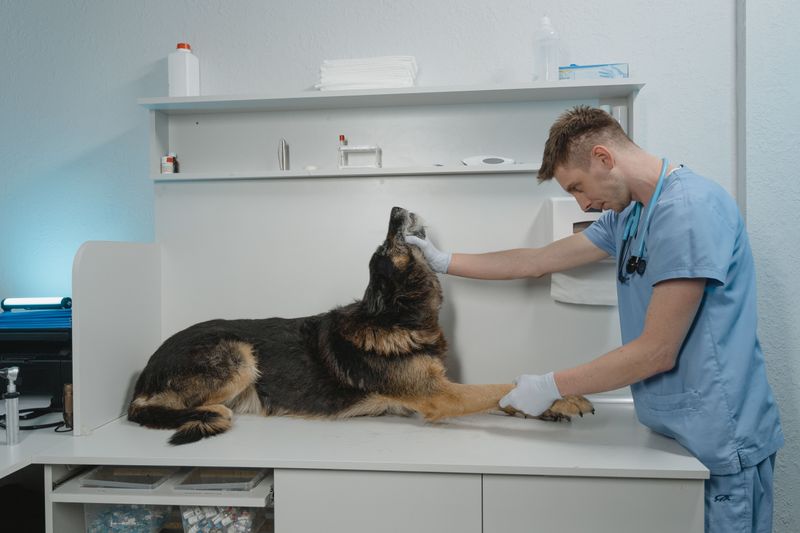
Among all the signals, breathing trouble carries the most weight.
Coughing, wheezing, gasping, or breathing that sounds wet can point to high altitude pulmonary edema, where fluid collects in the lungs.
Certain unusual respiratory symptoms require immediate veterinary attention. Pale, gray, or bluish gums indicate dangerously low oxygen.
Descend without delay and seek veterinary care. Learning your dog’s normal gum color at home makes this check far easier.
Heart Or Lung Conditions Shrink The Safety Margin
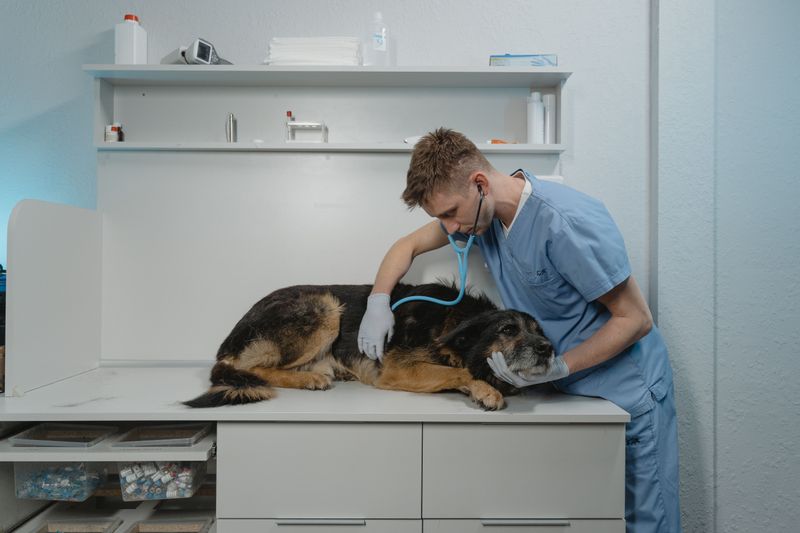
Dogs living with heart murmurs, asthma, collapsing trachea, chronic bronchitis, or pulmonary hypertension have less reserve to spare.
A modest drop in available oxygen can worsen symptoms that stay quiet at lower elevations.
Book a conversation with your veterinarian before planning any high country trip. Ask about safe elevation limits and warning signs specific to your dog.
Sometimes the kind answer is a valley walk instead. Those trails are lovely too.
Flat-Faced Breeds Need A Gentler Plan
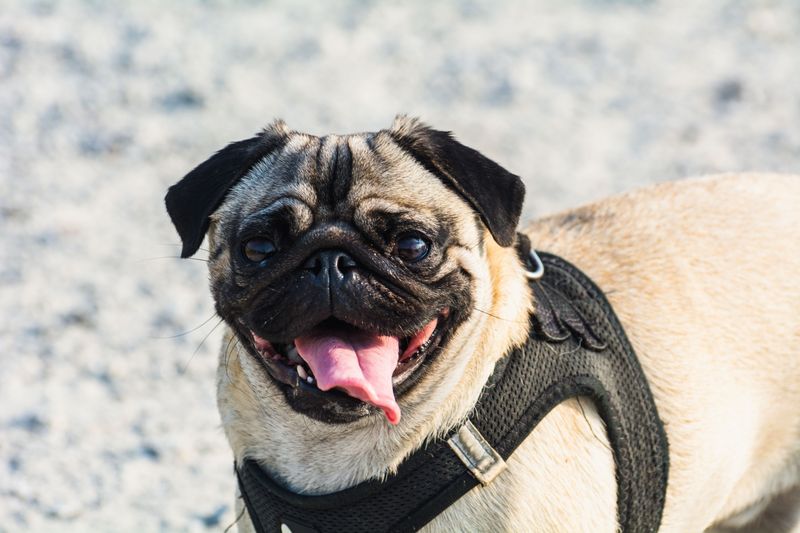
Pugs, Bulldogs, Boxers, Pekingese, and other short-nosed dogs already breathe through narrowed airways.
Add thin mountain air and the math gets tight fast. Problems can appear at moderate elevations near 6,000 to 7,000 feet.
Choose cooler hours, shorter routes, and lower trails for these companions. A harness beats a neck collar for easier breathing.
Many brachycephalic dogs enjoy Wyoming best from a shady riverside path rather than an alpine ridge.
Water Needs Climb Right Along With You
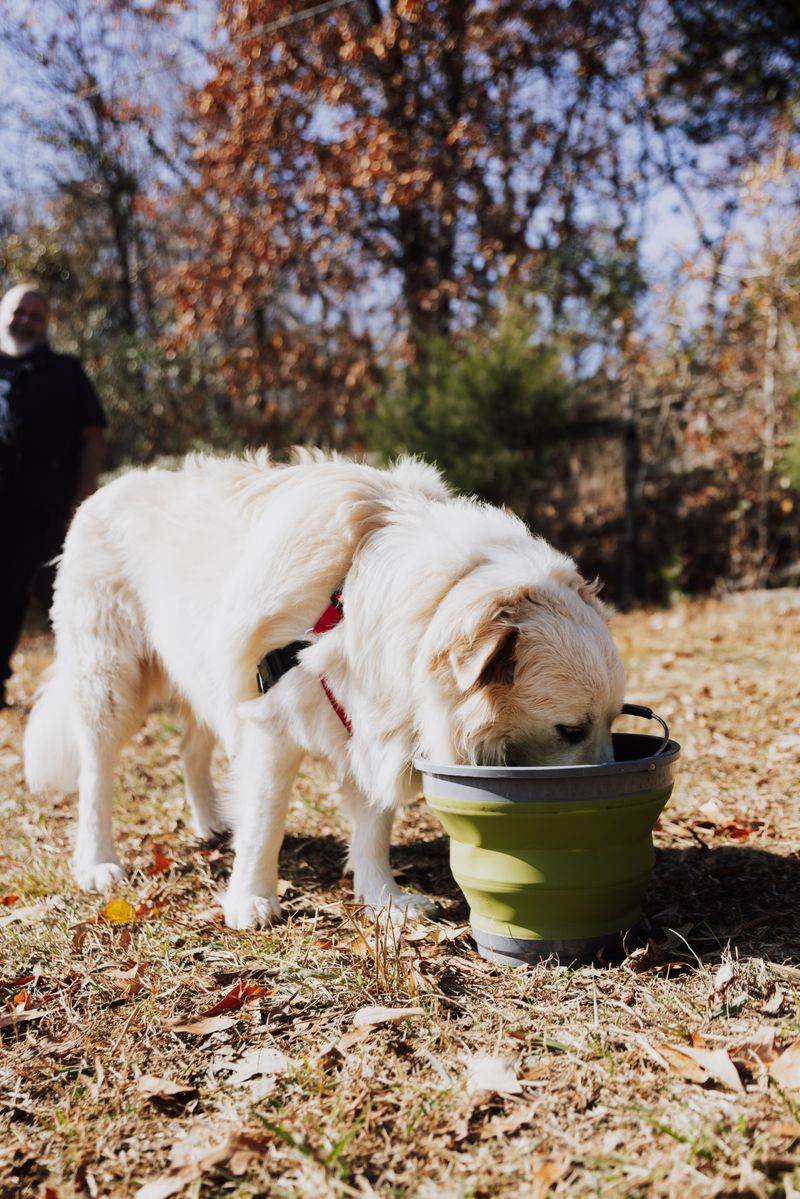
Dry mountain air pulls moisture out with every breath, and faster breathing multiplies the loss.
Dogs commonly need around one and a half times more water at altitude than at sea level.
Carry more than you think you need, plus a collapsible bowl. Offer water at every break, even when your dog seems uninterested.
Filter or treat stream water when possible. Wyoming creeks look pristine but still carry parasites.
Time At Altitude Builds Real Tolerance
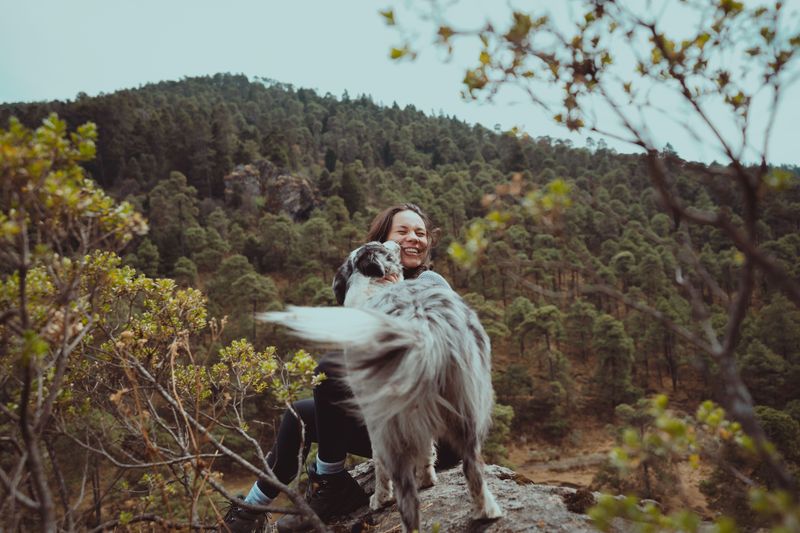
Bodies adapt when given the chance, and dogs are no exception.
Stack a few short outings at rising elevations across several days or weeks. Keep the early efforts easy, with light exercise rather than hard climbs.
Visiting from a lower state? Give your dog a couple of relaxed days before the ambitious hike.
Acclimatization reduces risk without removing it. Keep watching for symptoms even after your dog adjusts.
July Snowfields Are A Wyoming Tradition
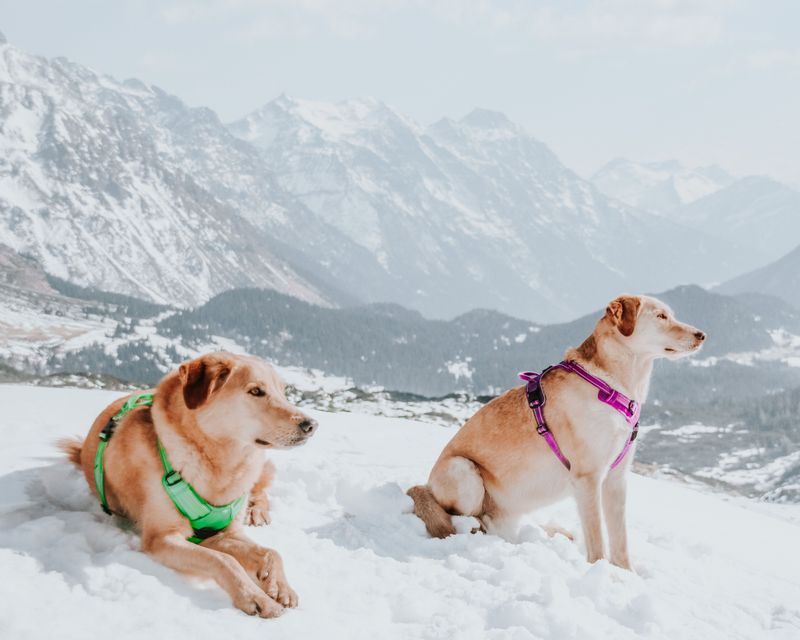
Pack shorts and sunscreen for a Snowy Range hike in July and you may still cross snow.
Above 9,000 to 11,000 feet, drifts linger deep into summer, and fresh flakes fall in any month.
Snow hides trail edges, chills paws, and packs into ice balls between toes.
Check paws often, consider booties, and remember that wet fur plus wind cools a dog quickly.
Weather Swings Belong In Your Packing List
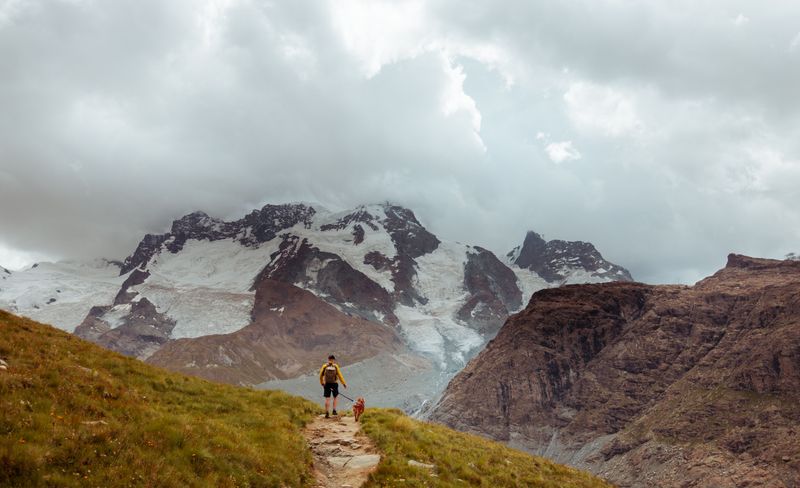
Mountain weather here changes on its own schedule.
Morning sun can bake an exposed ridge, while an afternoon storm drops temperatures thirty degrees and brings hail.
Overheating and chilling both become possible in a single hike. Thin-coated dogs feel the cold sooner, and dark-coated dogs absorb heat fast.
Pack a lightweight dog jacket, start early to beat lightning, and turn back when clouds stack up over the peaks.
Trail Access Rules Shift Sharply Across Wyoming
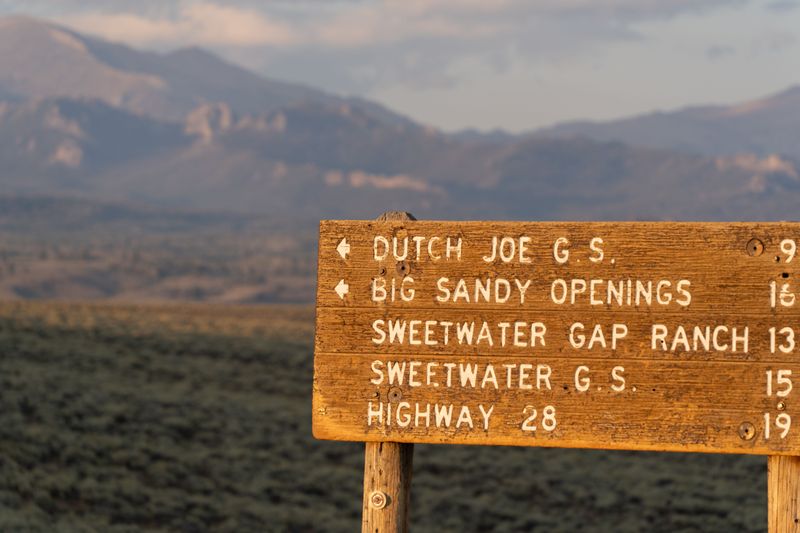
Here is the part that surprises visitors most.
Yellowstone and Grand Teton generally prohibit dogs on trails and in the backcountry. Dogs are usually limited to roads, campgrounds, picnic areas, and parking lots, on leash.
National forests including Bighorn, Bridger-Teton, Shoshone, and Medicine Bow are typically far more welcoming, as are many wilderness areas, BLM lands, and state parks.
Rules vary by unit, so confirm with the managing agency before you drive.