What Coastal Rhode Island Dog Owners Should Know About Ticks
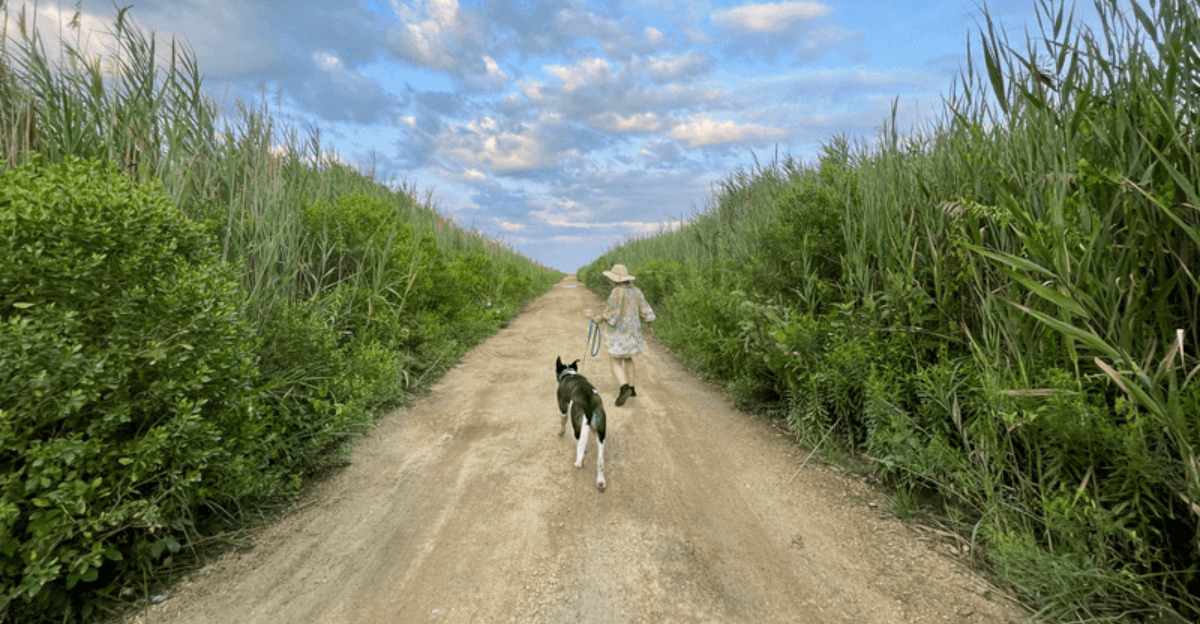
Living near the Rhode Island coast means more chances for muddy paws, trail walks, and salty air, but also more tick exposure. If you have a dog, knowing where ticks hide and what to do about them can make everyday outings much easier.
A few simple habits go a long way. With the right information, you can enjoy local beaches, paths, and backyards with a lot more confidence.
Why Coastal Rhode Island Is Tick Country

Ocean breezes do not keep ticks away. Coastal Rhode Island has woods, brush, damp ground, and plenty of wildlife, which help ticks thrive.
Mild winters can also stretch their active season.
Dogs pick them up in backyards, trail edges, and beach paths, not just deep forests. Knowing your local landscape helps you plan smarter walks, yard care, and regular tick checks without feeling nervous every time your dog heads outside for fresh air and play.
The Tick Species Rhode Island Dogs May Encounter
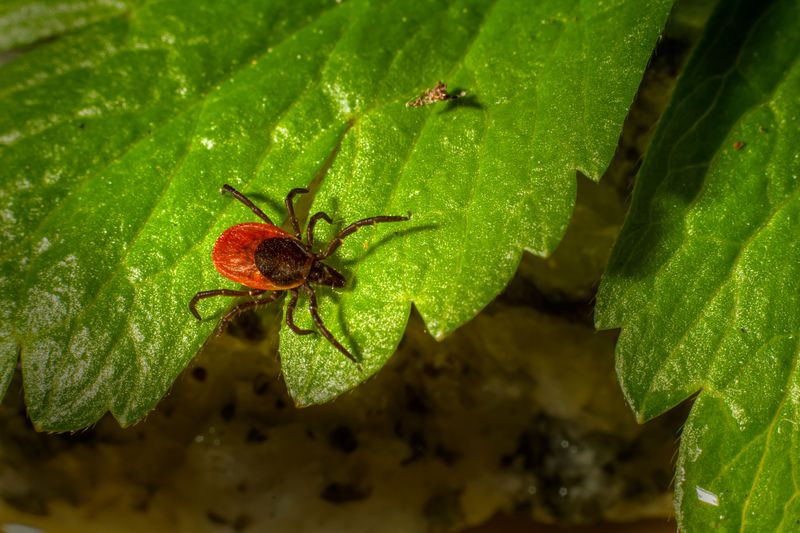
Not all ticks look alike, and that can surprise owners. Rhode Island dogs may meet blacklegged ticks, American dog ticks, and lone star ticks.
Each species can transmit different diseases and may be found in different habitats.
A quick photo can help your veterinarian identify what you found. You do not need to memorize every detail, but learning the common local species makes prevention, removal, and follow-up care much easier after any outdoor adventure with dogs.
Lyme Disease Is a Major Concern
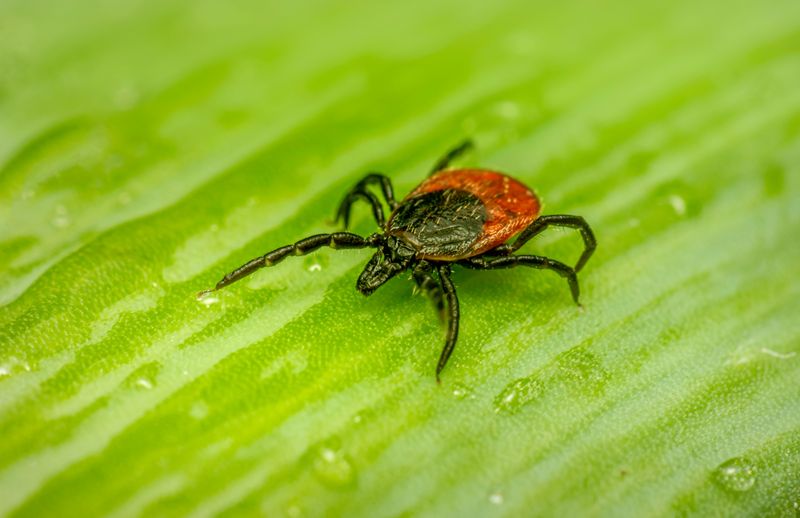
Lyme disease gets so much attention for a reason. It is a major concern in Rhode Island because blacklegged ticks are common here.
Dogs can be exposed even during routine neighborhood walks.
Some dogs never seem sick right away, which makes prevention even more valuable. Veterinarians may recommend year-round protection and regular testing based on your dog’s lifestyle.
Early conversations with your clinic help you choose a sensible plan for your area and habits today.
Check Your Dog After Every Outdoor Trip
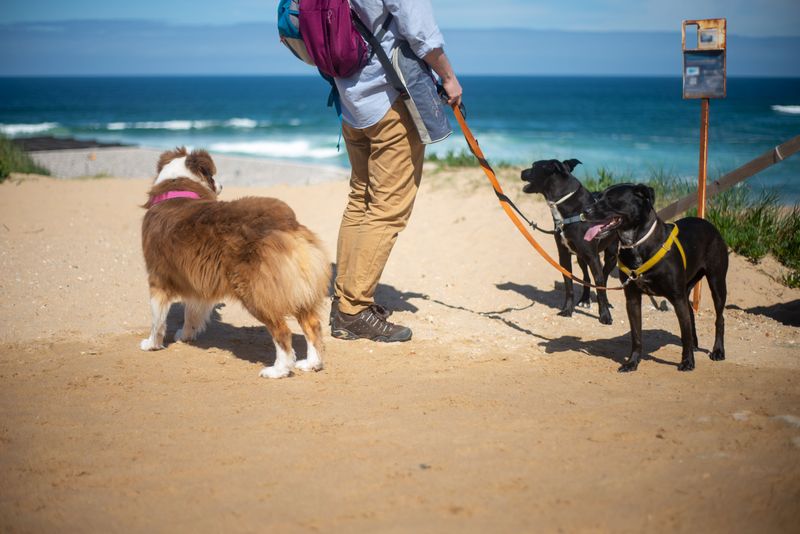
A fast tick check becomes second nature with practice. After every outdoor trip, run your hands over your dog’s body and look closely at the skin.
Ticks can feel like tiny bumps.
Start before your dog settles onto furniture or rugs. Good light helps, especially on dark coats or thick fur.
Pair the check with a treat or praise, and your dog will usually accept the routine more easily over time after each walk outside.
Pay Extra Attention to the Ears
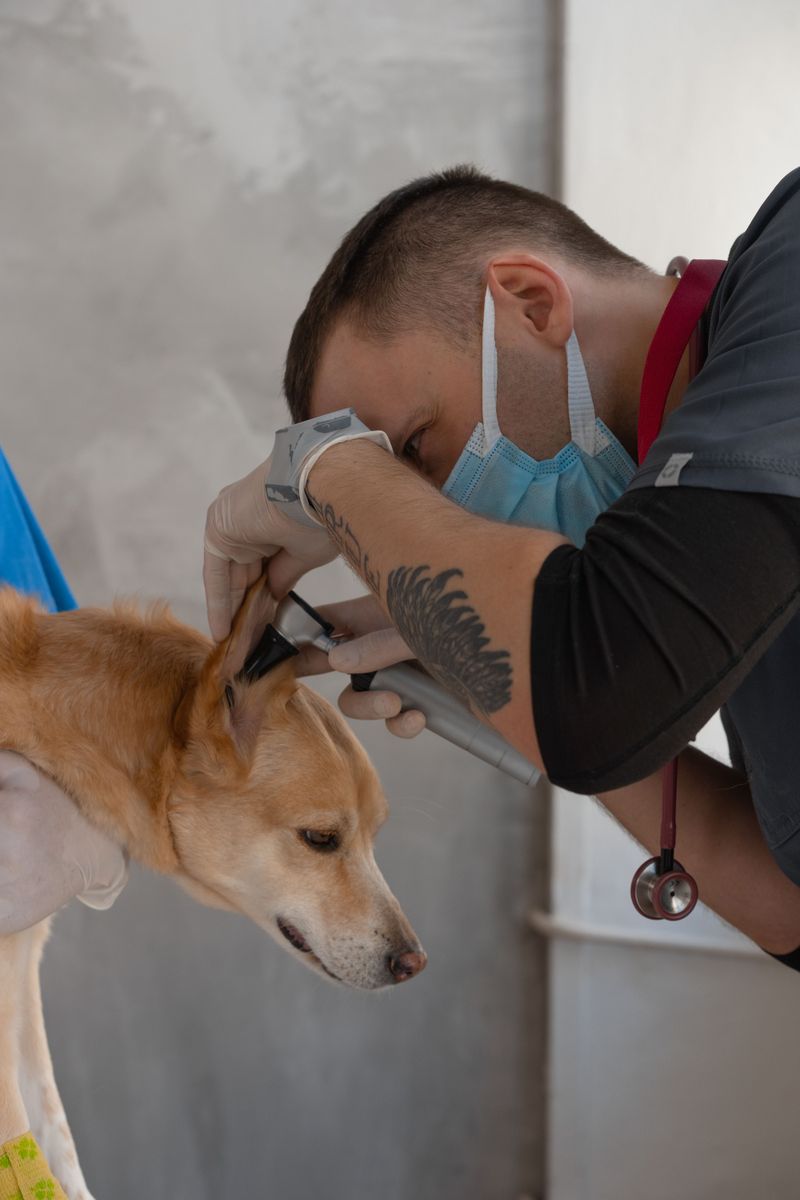
Floppy ears, furry ears, and upright ears all need attention. Ticks often hide around ear edges, inside folds, and where fur stays warm.
Many dogs barely notice one at first.
Use your fingers to part the hair and check both sides carefully. A small flashlight can make hidden spots easier to see.
If your dog dislikes ear handling, go slowly, stay calm, and ask your veterinarian or groomer to show you safe technique at home.
Do Not Forget Between the Toes

Between the toes is one of the easiest places to miss. Sand, mud, and thick paw fur can hide tiny ticks well.
Active dogs may keep walking as if nothing is there.
Spread each foot gently and look between every toe pad after walks. Check around the nails too, especially after brushy routes.
For long-haired dogs, trimmed paw fur can help you spot debris, seeds, and attached ticks much sooner during your regular evening check.
Coastal Trails Can Still Carry Tick Risks
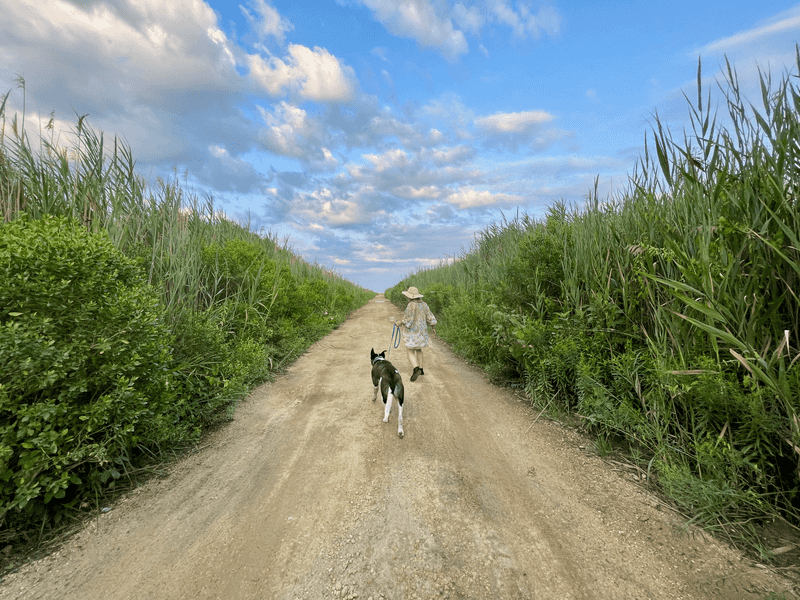
Many owners relax once they reach a pretty coastal trail. Yet edges near dunes, marsh paths, and shaded roadside pull-offs can still hold ticks.
Short grass does not always mean low risk.
Keeping your dog on a leash makes it easier to avoid brushy shoulders and animal tracks. Stay near the center of maintained paths when possible.
That simple habit lowers surprise detours into the kind of cover ticks prefer most during everyday walks nearby.
Tall Grass and Brush Deserve Extra Caution

Nothing invites a tick like a patch of tall grass and brush. As dogs squeeze past stems and low branches, ticks can grab onto fur quickly.
The risk rises where wildlife travels often.
Choose wider paths when you can, and steer around overgrown corners. Morning dew can make vegetation cling harder to coats and legs.
If your dog loves sniffing every edge, build in extra checking time once you get home from longer rambles outside.
Your Yard Can Be Part of the Problem

Backyards can look tidy and still support ticks. Leaf litter, woodpiles, stone walls, and fence lines give ticks shade and moisture.
Visiting deer, mice, and rabbits can quietly keep the cycle going.
Simple yard work helps more than many owners realize. Mow regularly, clear brush, and keep play areas away from thick borders.
If your property backs up to woods, ask local professionals about safe landscaping steps that may reduce tick habitat around your home.
Keep Tick Prevention Consistent

Tick prevention works best when it stays steady. Skipping doses or delaying refills can leave gaps, even if your dog seems mostly indoors.
Coastal dogs often move between yards, sidewalks, and natural areas in one day.
Your veterinarian can help choose a product that fits age, health, and routine. Follow label directions carefully, and mark reminders on your calendar.
Consistency is usually more protective than switching plans often without professional guidance for your pet daily.
Tick Prevention Is Not Just a Summer Issue
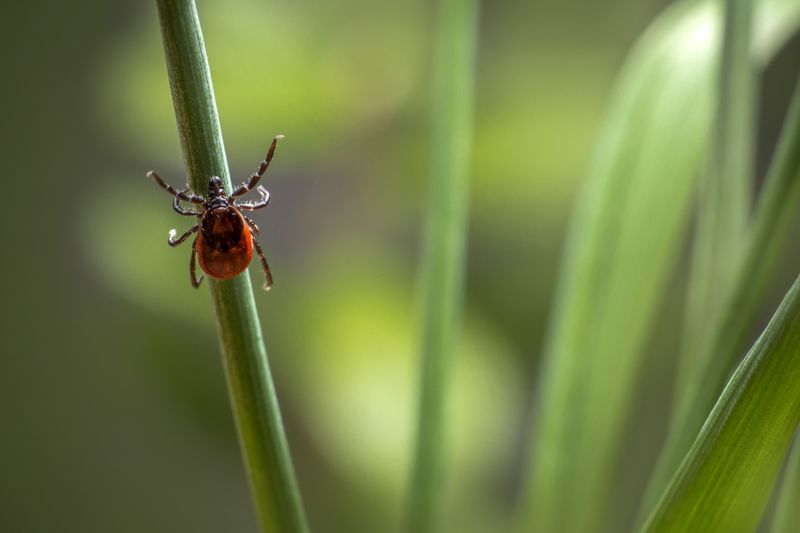
Warm weather gets the blame, but ticks do not read calendars. In Rhode Island, some remain active during cool months, especially on milder days.
Winter walks can still bring exposure.
That is why many veterinarians talk about year-round protection, not a summer-only plan. Seasonal changes may affect activity, yet they do not erase it.
Treat prevention as part of regular care, like heartworm reminders, nail trims, or monthly food planning for busy local dog owners.
Remove an Attached Tick Promptly

When you find an attached tick, calm action helps most. Use fine-tipped tweezers or a tick remover, grasp close to the skin, and pull straight upward.
Do not twist, crush, or cover it with home remedies.
Clean the area after removal, and wash your hands well. Save the tick in a sealed bag or container if your veterinarian advises it.
A note with the date and location can also be useful later for identification purposes.
Watch for Changes After a Tick Bite

Most tick bites do not lead to obvious illness, but it is smart to stay alert. Over the next days or weeks, watch for tiredness, limping, fever, poor appetite, or unusual soreness.
Skin irritation can happen too.
Changes may be mild at first, so trust your sense of what is normal. Keep notes if something seems off.
Sharing bite timing, symptoms, and recent travel helps your veterinarian decide the best next step for your dog.
Tick Testing and Veterinary Care Matter
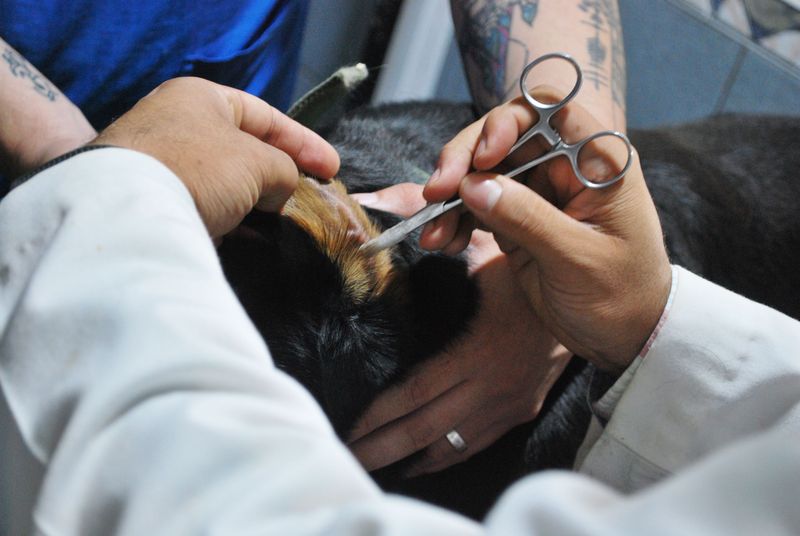
Testing questions can feel confusing, especially after a busy week. Veterinarians decide on tick testing based on symptoms, exposure, exam findings, and your dog’s preventive history.
The right choice depends on context.
Bring the tick if you saved it, and mention where your dog has been. Some clinics screen routinely during wellness visits in higher-risk areas.
Professional guidance matters because timing and follow-up plans can vary from dog to dog across different seasons and situations.
Dogs Can Bring Ticks Into the House

One overlooked hitchhiker can turn into a household hassle. Dogs may carry unattached ticks indoors on fur, collars, blankets, or harnesses after a walk.
That is why the check should not stop with your dog.
Look over your own clothes and skin, and inspect other pets too. Cats and smaller dogs can be easy to forget.
A quick routine at the door helps reduce surprise tick sightings later around beds and couches in busy homes.
Know When to Call the Vet
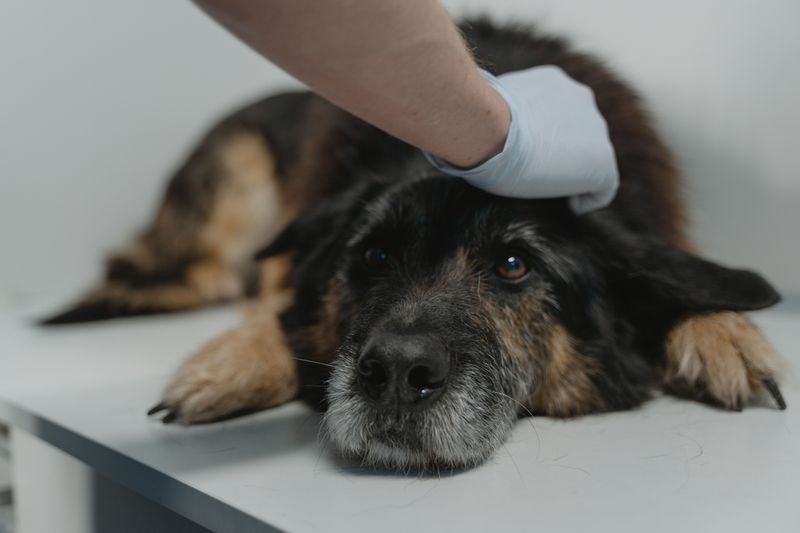
Sometimes the best move is simply making the call. Contact your veterinarian if a tick was hard to remove, mouthparts remain, the skin looks very irritated, or your dog seems unwell afterward.
Peace of mind matters too.
Puppies, seniors, and dogs with health conditions may need quicker advice. If you are unsure, ask.
A timely conversation can answer questions, guide next steps, and help you enjoy Rhode Island’s coast with more confidence and less worry.