How Hot Slickrock Changes Summer Hiking Plans For Utah Dogs
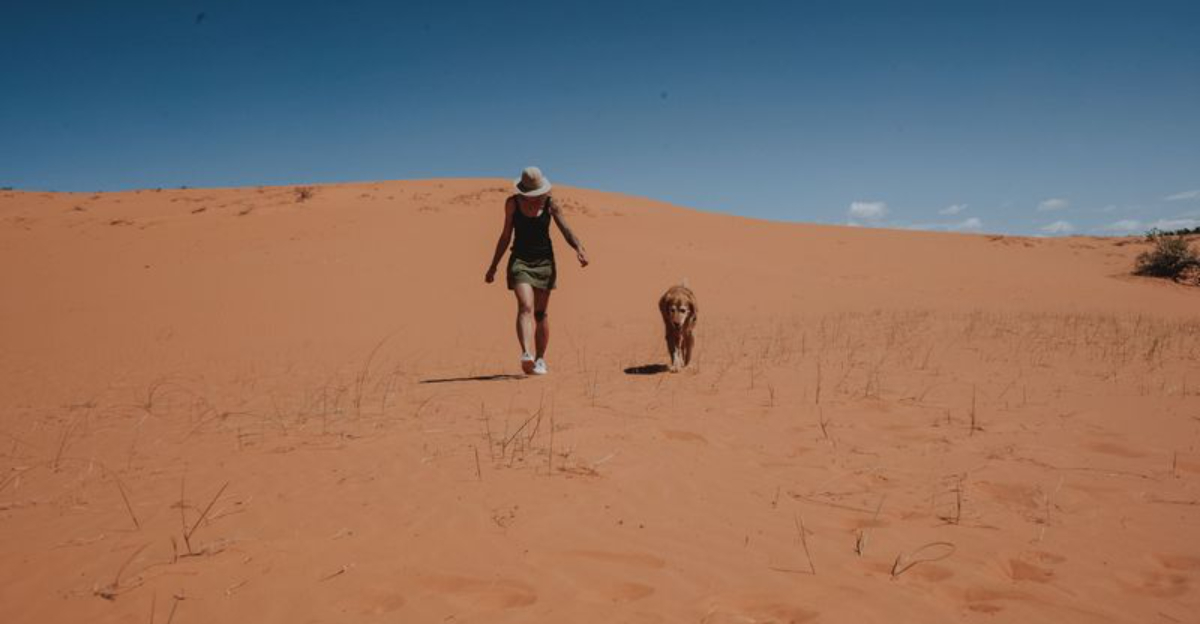
If you hike Utah’s red rock country with a dog, summer asks a little more of you. Slickrock soaks up sunshine all day and holds that heat long after the air starts to cool.
Paws feel it first, and dogs rarely complain until they are already uncomfortable. The good news is that a few smart habits solve most of the problem.
Here is what local owners learn quickly, so your warm weather adventures stay happy for both of you.
Know When Slickrock Is Too Hot for Paws
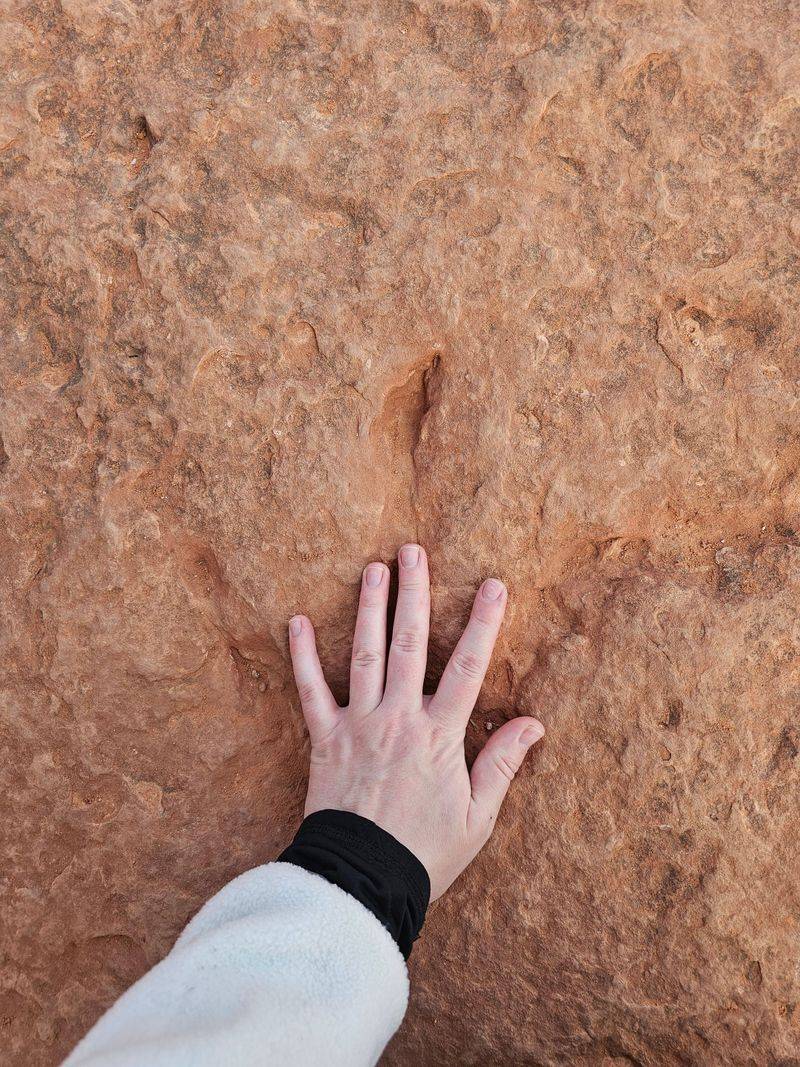
Sandstone acts like a stovetop under desert sun. Surface temperatures on exposed slickrock can climb far above the air temperature, especially under strong desert sun.
Paw pads are tough, but they are still skin. Once rock feels uncomfortable to your own hand, it is already too warm for steady walking.
Learning that threshold matters more than any calendar date. Some April afternoons bake hotter than shaded June mornings in narrow canyons.
Plan Hikes Around Cooler Hours
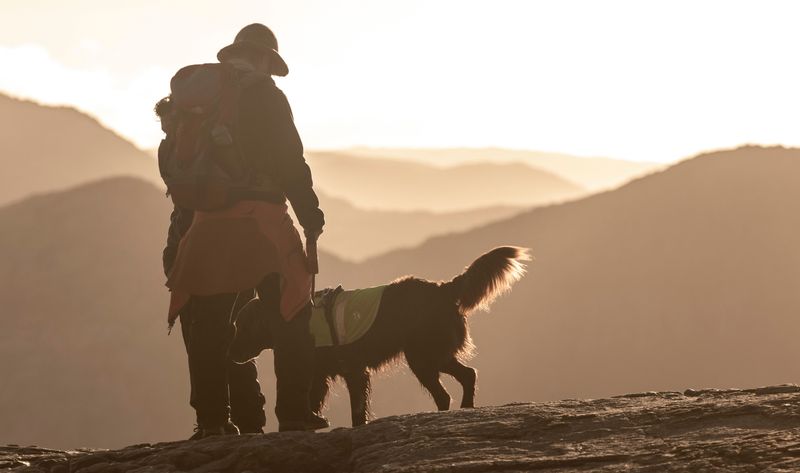
Sunrise is the desert’s gift to dog owners. Rock releases heat overnight, so the first two hours after dawn are usually the safest window of the whole day.
Evening feels cooler to people, but stone stays warm well past sunset. Air temperature drops faster than surface temperature does.
Shifting your start time by ninety minutes often changes everything. No gear purchase gives you that much protection.
Test the Rock Before You Start
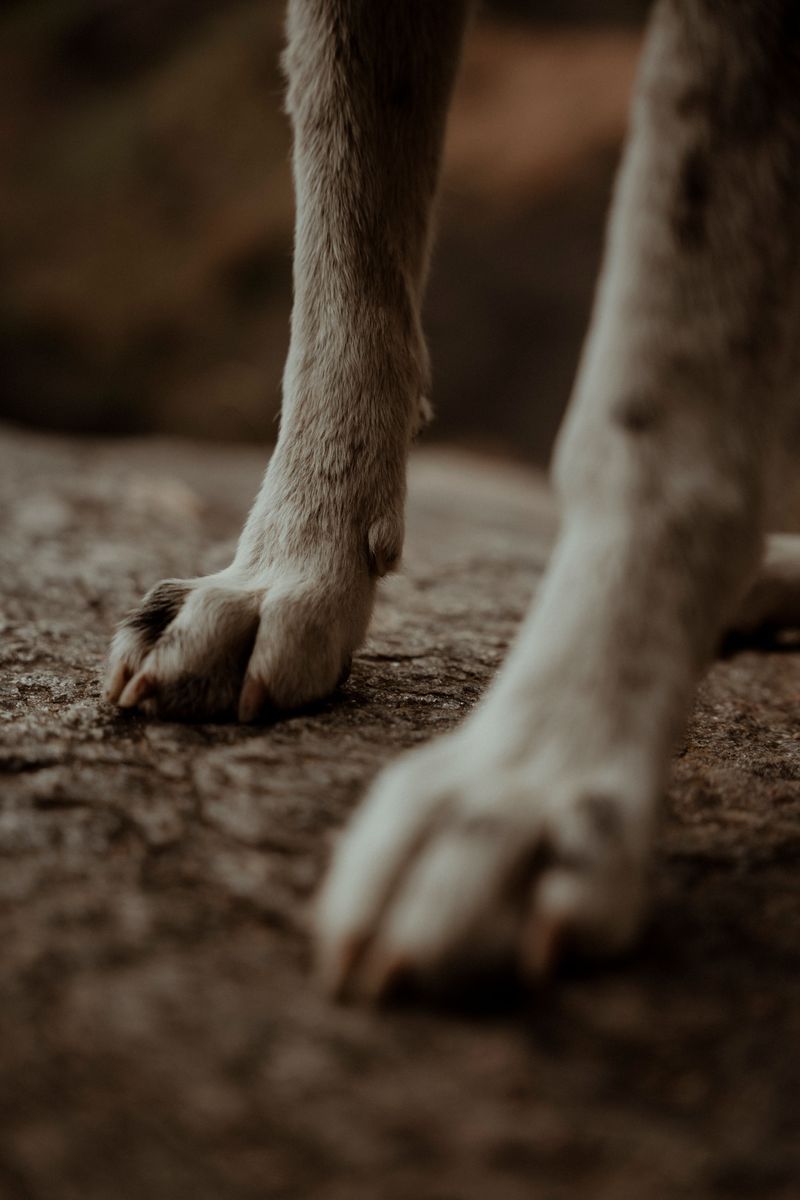
Here is a simple field check. Press the back of your hand against the rock briefly to judge whether the surface feels uncomfortably hot, and test several spots because shaded and sun-exposed rock can differ significantly.
If you want to pull away early, your dog would too. Try a few spots, since shaded stone and sunny stone differ sharply.
Repeat the check at the trailhead, not at home. Conditions change with elevation, cloud cover, and how long the sun has been up.
Watch for Signs of Burned Paw Pads
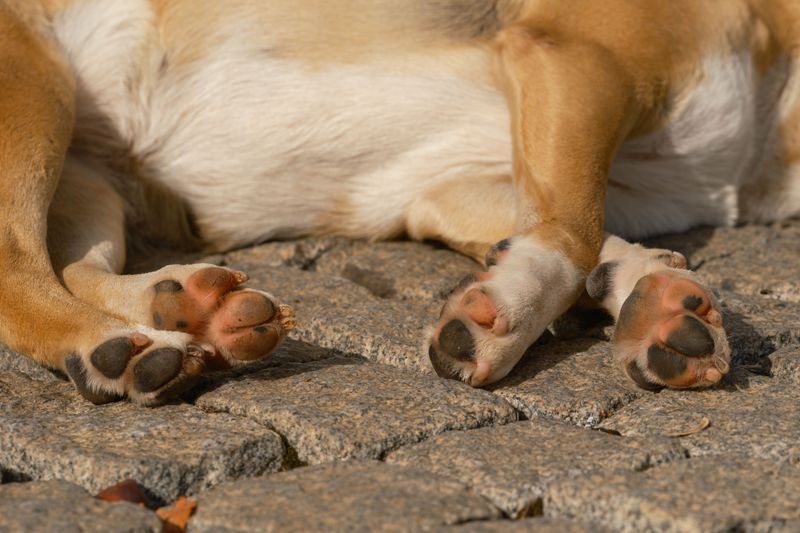
Sore pads announce themselves in small ways. Limping, licking, lifting one foot, or sudden refusal to walk are all worth taking seriously.
Pads may look red, dark, or slightly rough. Some dogs simply sit down and wait for help.
Move to shade, cool the feet with water, and carry smaller dogs if needed. Call your veterinarian when tenderness lingers or pads look damaged.
Carry More Water Than You Think You Need
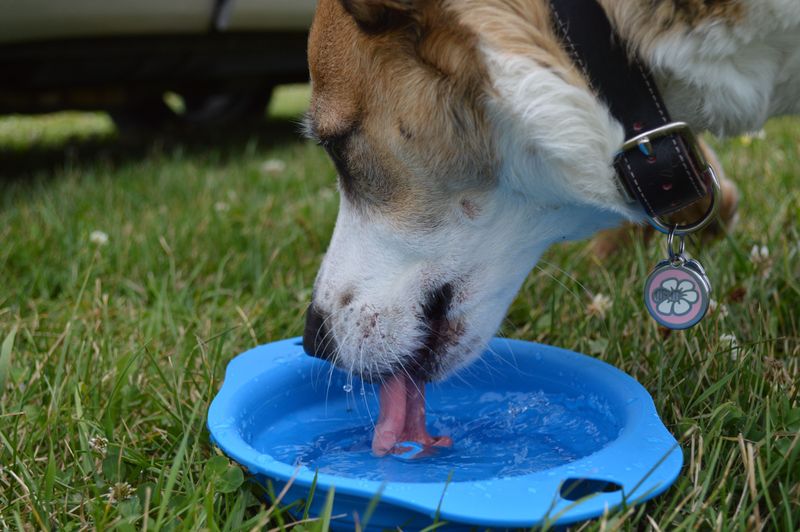
Desert heat increases water needs for both people and dogs. Bring plenty of water for the planned hike, plus extra in case the route takes longer than expected.
Springs and potholes are unreliable and sometimes unsafe. Treat every drop as something you packed in yourself.
Offer small amounts often instead of one big drink. Dogs sip more willingly from a familiar collapsible bowl.
Choose Shade Over Exposed Slickrock
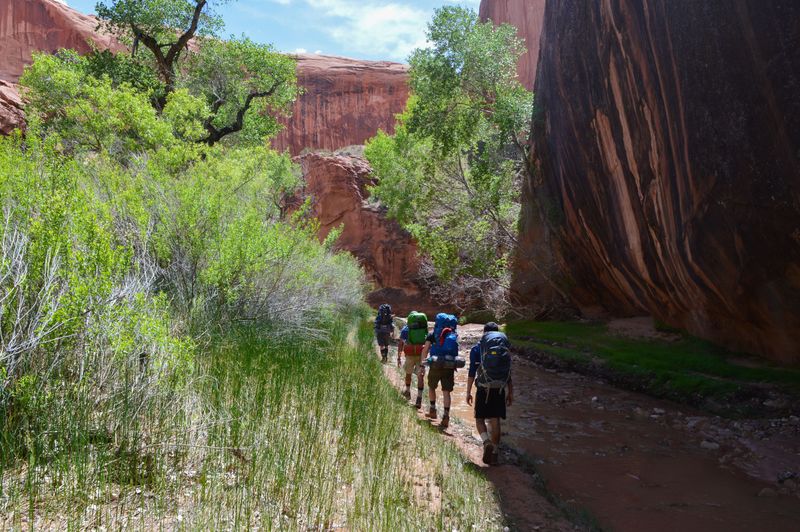
Sandy washes, cottonwood groves, and tall canyon walls change the math completely. Shaded ground can run dramatically cooler than open rock a few steps away.
Route choice becomes your main safety tool in July. Trade the panoramic overlook for the shady corridor without regret.
Scan your map for north facing slopes. They hold shade longest and often stay pleasant into late morning.
Shorten the Route on Extreme Heat Days
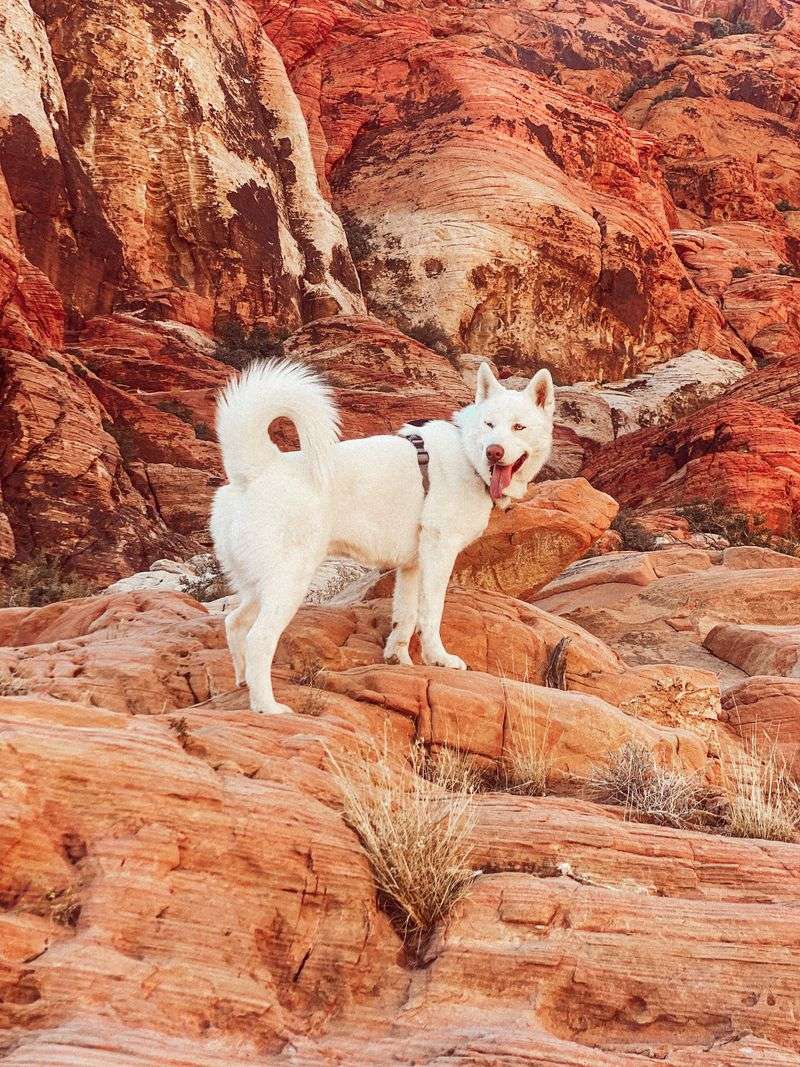
Ambition is the thing to leave in the car. Cutting a planned six mile loop down to two changes the day from risky to relaxed.
Out-and-back routes beat loops when heat builds. You can turn around at any moment without committing to more distance.
Dogs measure a good outing by smells and company, not mileage. Short trips still count as real adventures.
Consider a Morning Trail Instead of an Afternoon Adventure
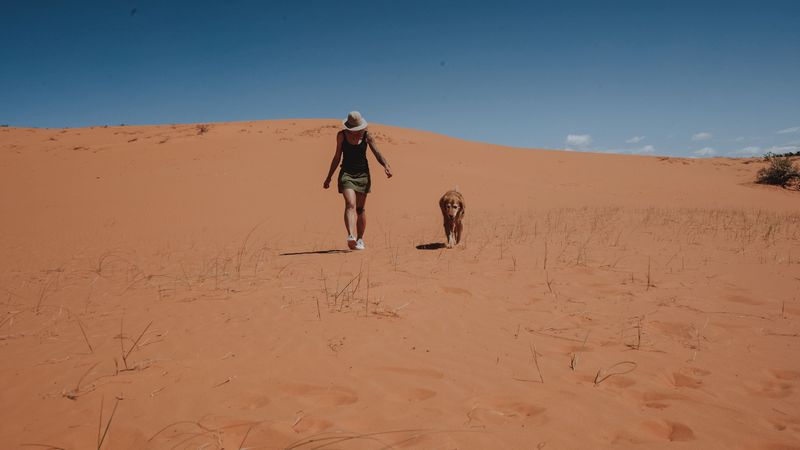
Afternoons in slickrock country belong to the sun. By two o’clock, stone has been absorbing radiation for eight straight hours.
Swap the plan rather than cancel it. Save big exposed routes for October, and give summer mornings to your dog.
Many Utah owners settle into a rhythm: dawn hikes with the dog, midday rest indoors, evening yard time. Simple, and it works.
Check Your Dog’s Paws During the Hike
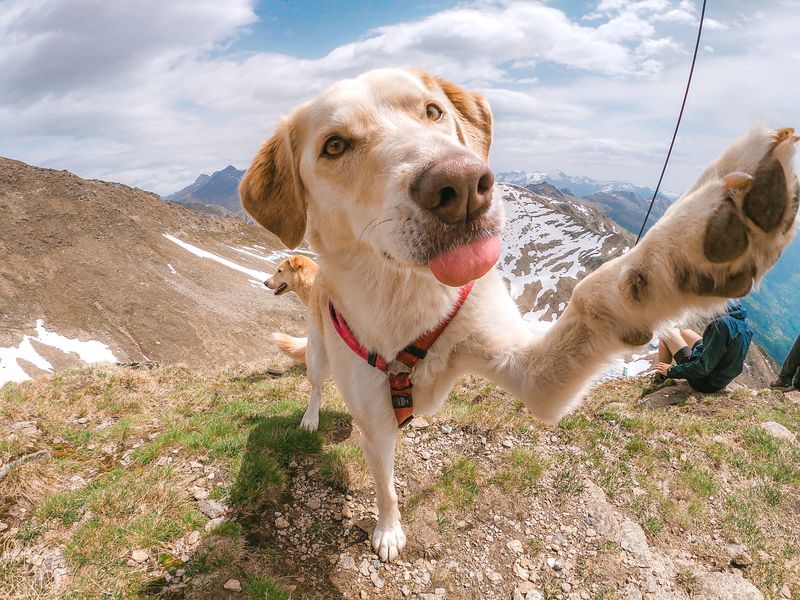
Build a habit of quick paw checks every twenty or thirty minutes. It takes fifteen seconds and catches trouble early.
Look between the toes for grit, and feel for unusual warmth. Compare all four feet, since dogs favor different paws.
Pair the check with a water break so it feels routine. Dogs learn the pattern fast and often offer a foot willingly.
Avoid Letting Dogs Run Across Hot Rock
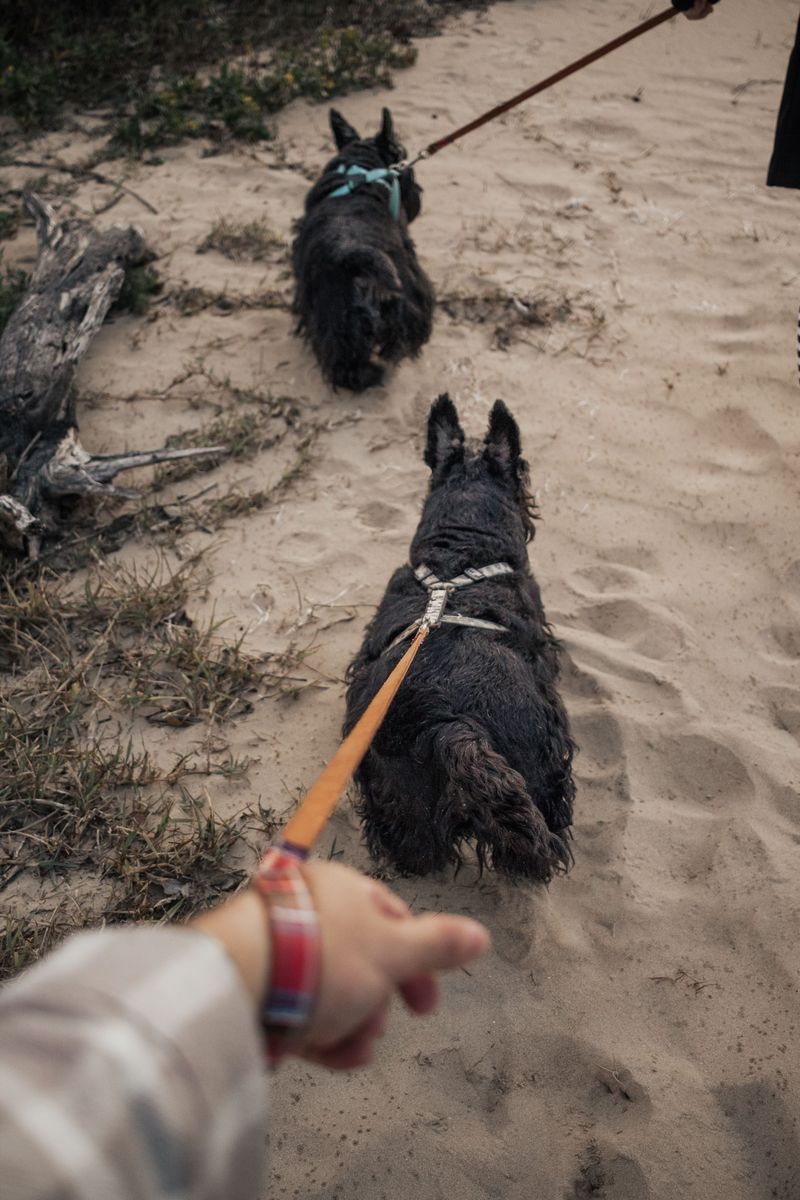
Running multiplies contact with hot stone and raises body temperature at the same time. A sprinting dog also skips the pause that would signal discomfort.
Keep the leash on across open expanses, even where regulations allow otherwise. Save the zoomies for shaded sand or grass.
Fetch games belong at home in summer. Enthusiasm often overrides a dog’s own sense of caution.
Use Booties Only If Your Dog Is Comfortable
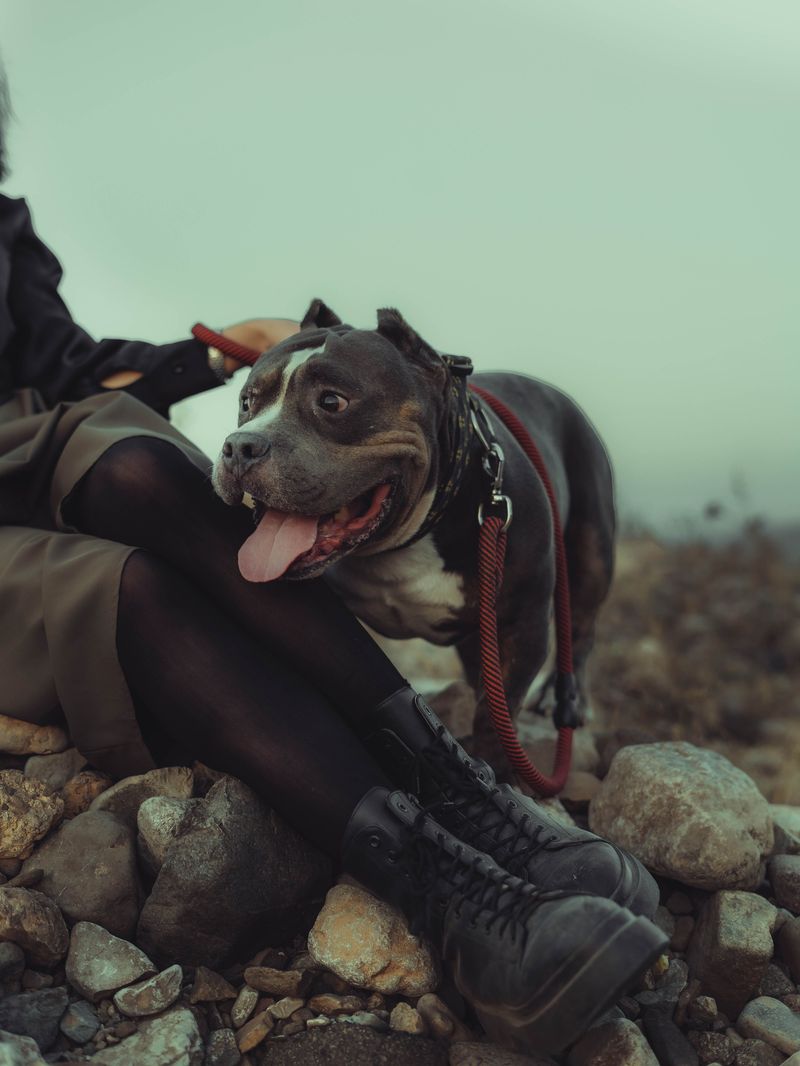
Boots help plenty of dogs, but only after practice. A first outing in stiff footwear usually ends with high stepping and frustration.
Introduce them indoors for short sessions across several weeks. Check fit carefully, since rubbing can cause sores on long hikes.
Some dogs simply refuse, and that is fine. Timing and shade protect paws better than any product does.
Give Dogs Frequent Cooling Breaks
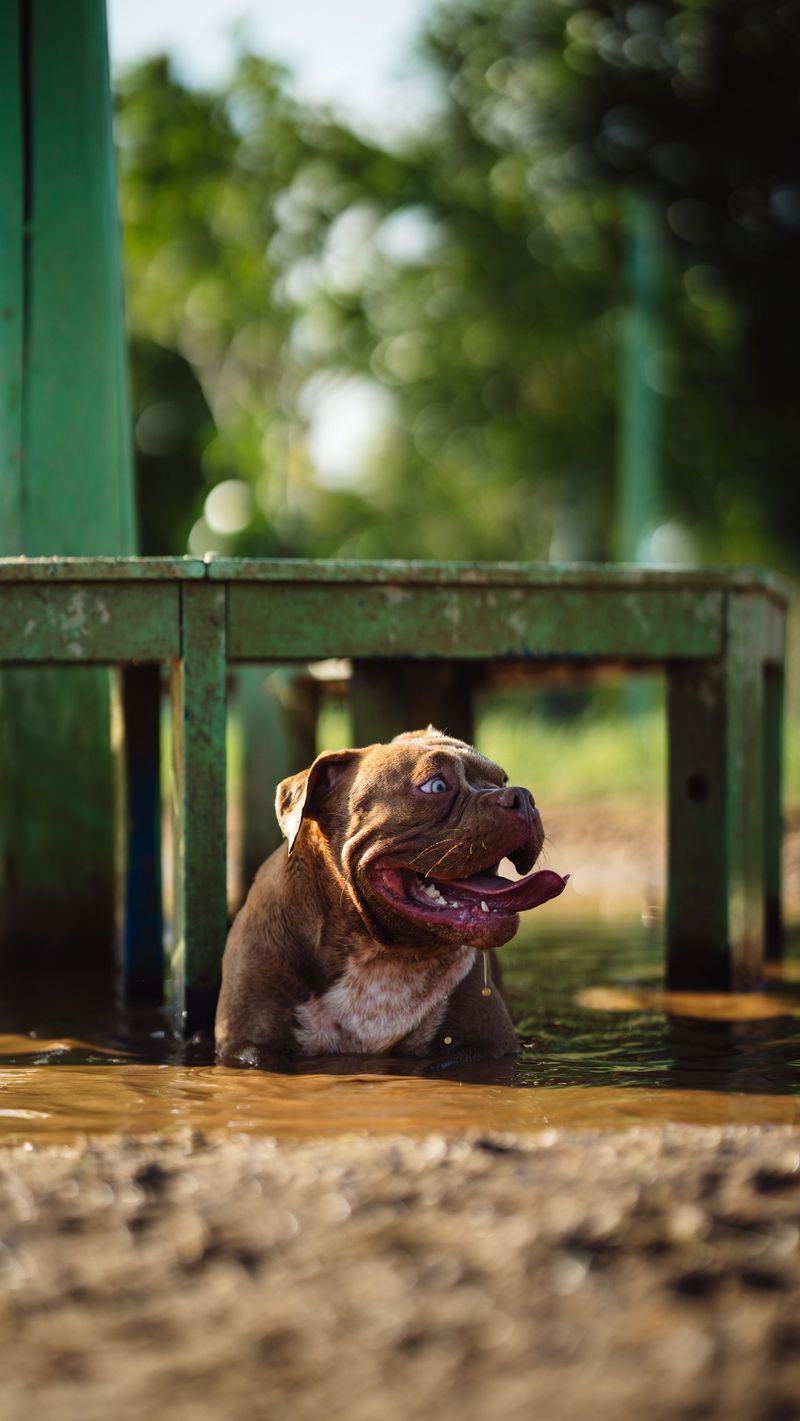
Rest stops do more than you might expect. Ten shaded minutes lets a panting dog reset before heat builds further.
Move your dog into shade and use cool water to help lower body temperature if it is overheating. Avoid relying on a single body area, and contact a veterinarian if your dog shows significant signs of heat stress.
Sit down with your dog instead of standing over the map. Both of you benefit from the pause.
Know That Air Temperature Does Not Tell the Whole Story
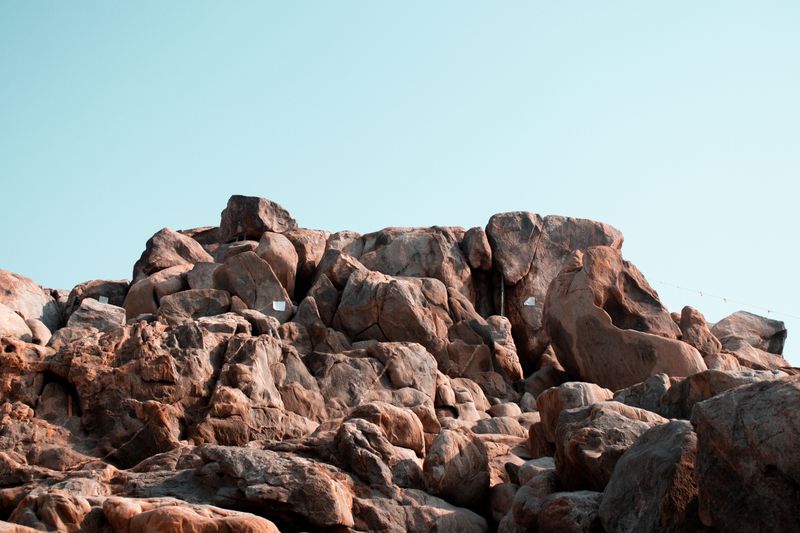
An 85-degree forecast can hide much hotter ground temperatures in direct desert sun. Dark stone, reflected light, and still air can add to the heat your dog experiences at ground level.
Sun angle, cloud cover, and wind matter as much as the number on your phone. Slickrock also radiates heat upward at your dog’s body.
Trust what you feel on the ground. Forecasts describe the air, not the trail.
Keep Summer Hikes Short Near Canyon Walls
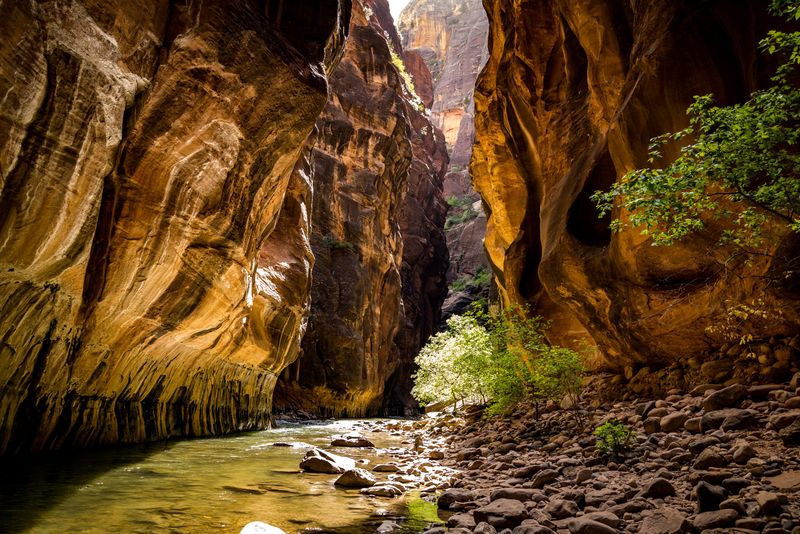
Canyons feel sheltered, and often they are. Still, sunlit walls bounce heat inward, and narrow corridors can trap warm, motionless air.
Shade there shifts hour by hour. A cool morning passage may turn into a warm oven by late morning.
Keep these outings brief and note where shade will be on your return. Local rangers can describe seasonal conditions accurately.
Skip the Slickrock When Conditions Are Severe
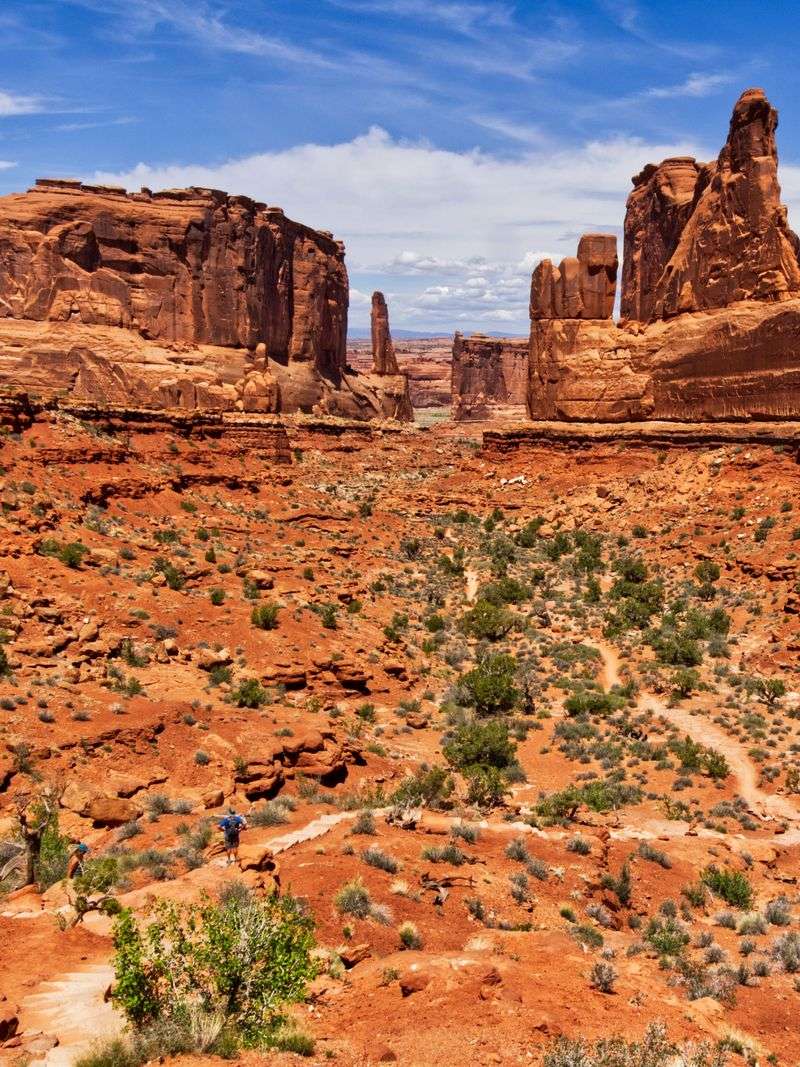
Some days the honest answer is no. During heat advisories, leaving your dog at home in air conditioning is good ownership, not defeat.
Several Utah parks post seasonal pet restrictions and trail warnings. Rules differ by park, county, and city, so confirm before you drive out.
Indoor games, frozen treats, or a shaded sprinkler fill the gap nicely. Adventures wait patiently for autumn.
Watch Your Dog Closely on the Return Trip
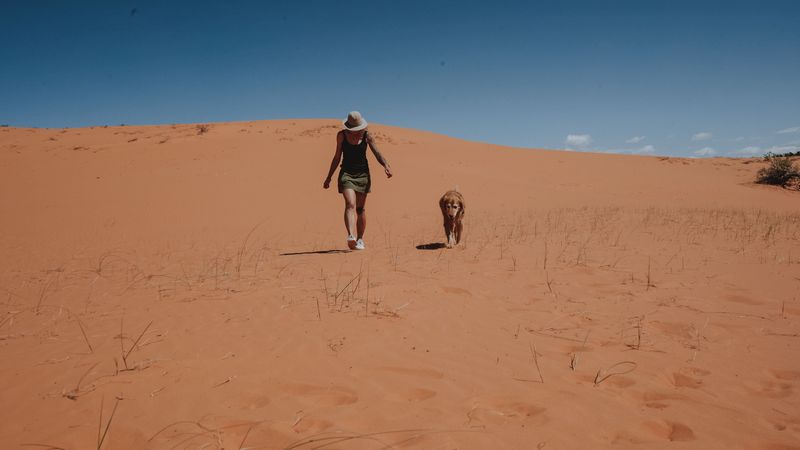
Return legs catch people off guard. Rock is hotter, water supplies are lower, and your dog has already spent energy.
Look for heavy panting, slowing pace, wide eyes, or a search for shade. Any of those means stop and cool down.
Plan your turnaround using time, not distance. Give the walk back the same hours you gave the walk out.