How Hurricane Evacuation Planning Changes For Dog Owners Along The South Carolina Coast
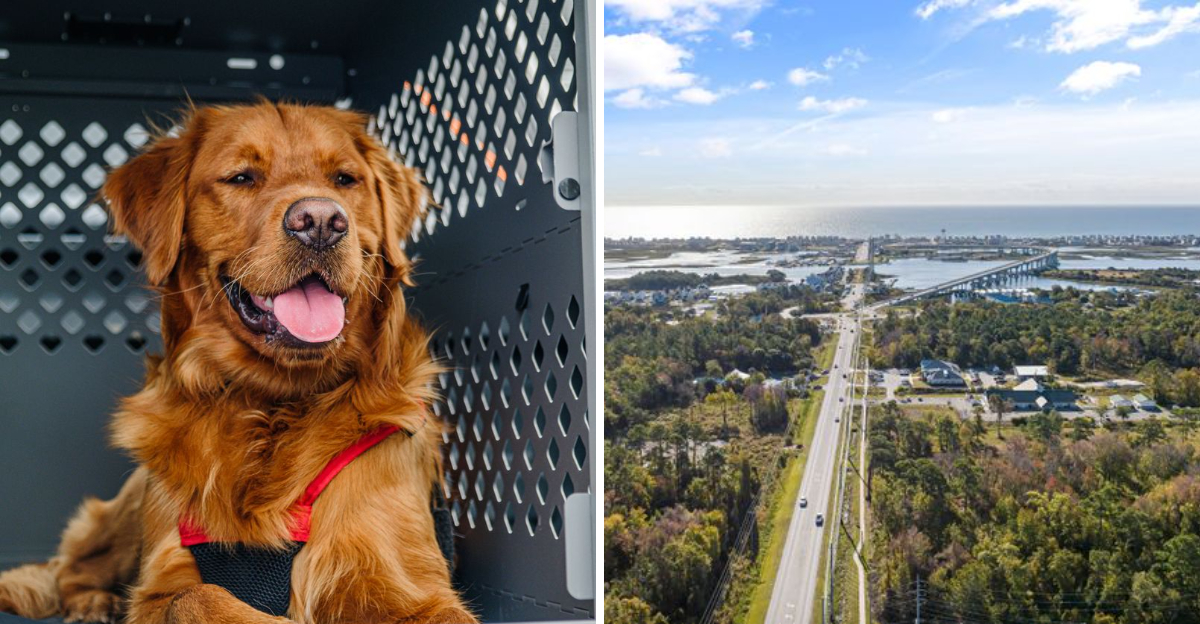
If you live near Charleston, Beaufort, Myrtle Beach, or anywhere along the South Carolina coast, hurricane season brings a familiar routine. Add a dog to the picture, and that routine shifts in small but meaningful ways.
Water bowls, vaccination records, and pet-friendly hotels suddenly matter as much as gas and batteries. The good news is that a little planning goes a long way.
Here is what coastal dog owners should sort out well before the first storm watch appears.
Know Your Evacuation Zone Before A Storm Threatens
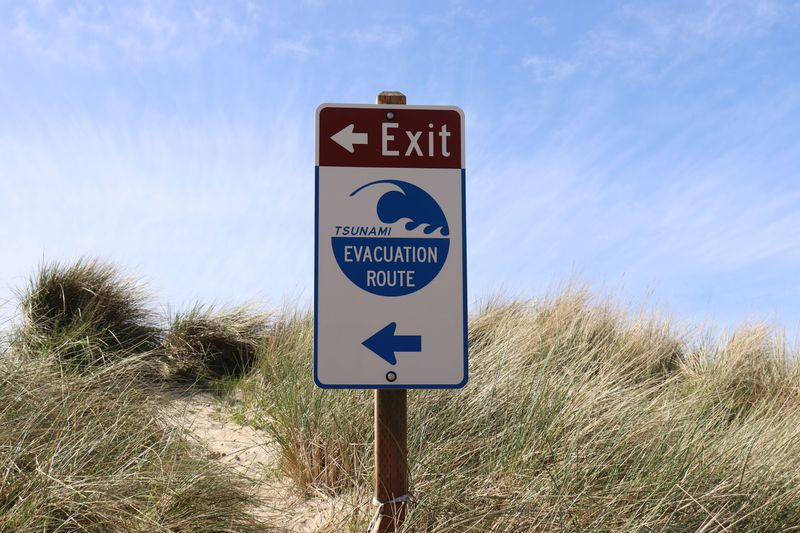
Coastal counties in South Carolina use designated evacuation zones, and local or state authorities announce evacuations by those zones. Check your address through the South Carolina Emergency Management Division’s Know Your Zone map, then review the recommended evacuation route for your area.
Dog owners have an extra step. Check whether places along that route can accommodate pets.
Knowing both your zone and your dog-friendly stops removes guesswork later.
Build A Pet Evacuation Plan Early
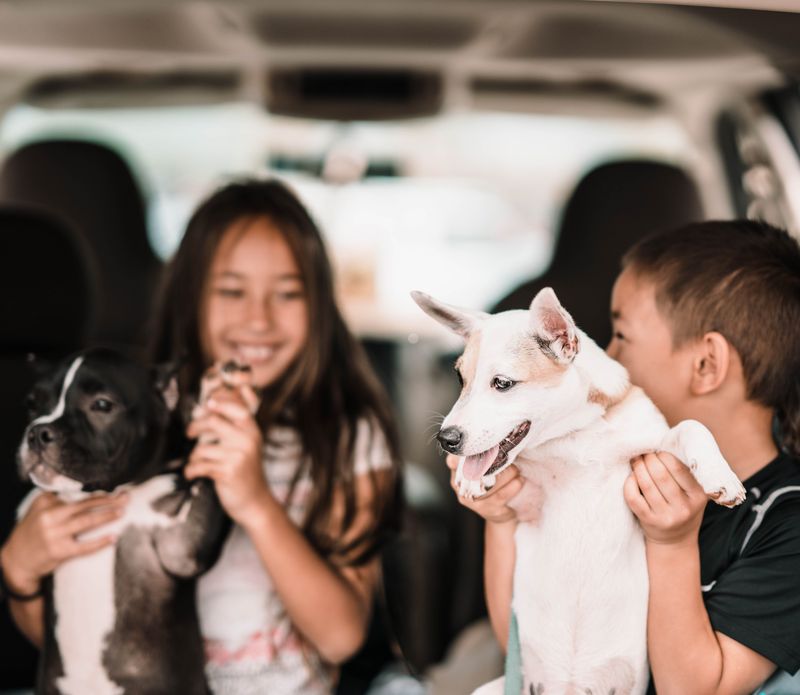
Plans made under pressure tend to have holes in them. Sketch yours out in June, not the night before landfall.
Write down three things: where you would go, how you would get there, and who could step in with your dog if something changed.
Share the plan with everyone in your household. A teenager who knows where the crate lives can save you fifteen minutes on a busy morning.
Keep Your Dog’s Emergency Kit Ready
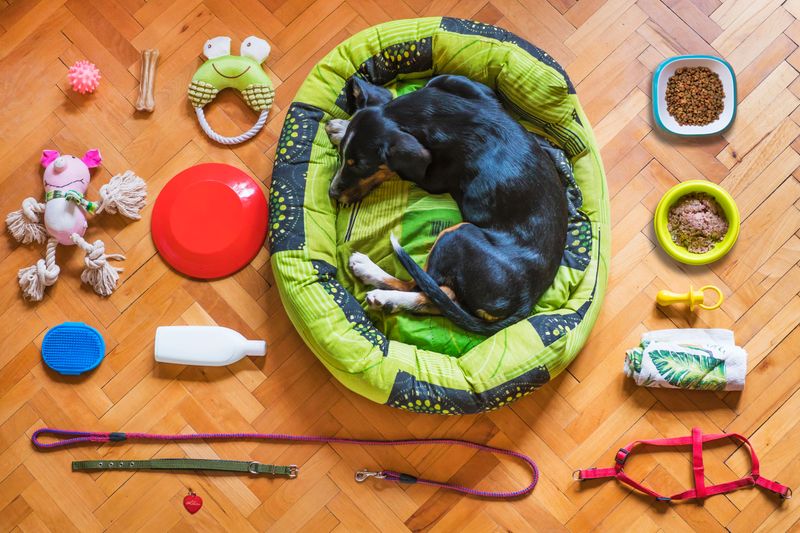
Think of it as a go-bag with paws in mind. One bin, one handle, everything inside.
Pack food, bottled water, medications, waste bags, a spare leash, collapsible bowls, and a towel. Slip in copies of vaccination records and a recent photo of your dog.
Store the bin near the door you use most. When the order comes, you grab it and go instead of hunting through closets.
Choose Pet-Friendly Shelters And Hotels

Not every emergency shelter takes animals, and policies differ by county. Some coastal counties open designated pet-friendly shelters, often with pre-registration or crate requirements.
Call ahead or check your county emergency management page for current details. Hotel rules change too, including weight limits and fees.
Keep a short list of confirmed options in your phone and on paper. Websites go down when everyone checks them at once.
Make Identification A Priority
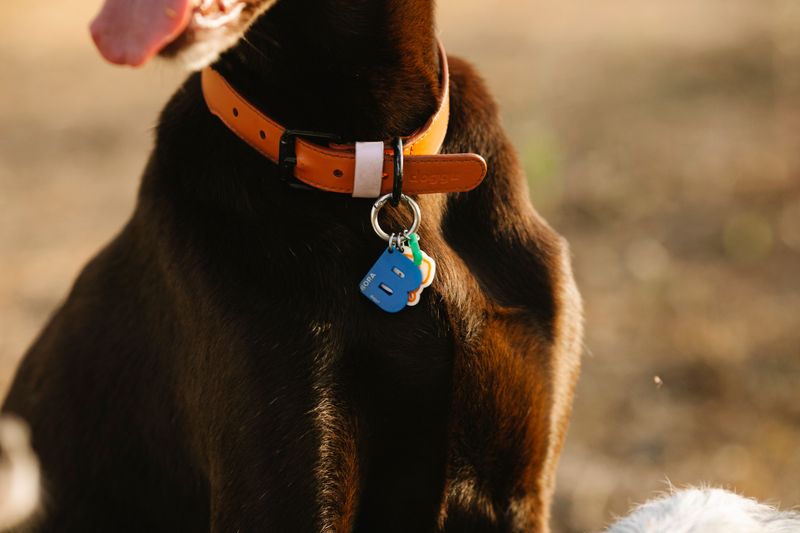
Separation happens most often in crowded, unfamiliar places. Good identification is your fastest path back together.
Check that the tag lists a current phone number, ideally a cell you carry. If your dog is microchipped, log into the registry and update your contact details.
Adding a temporary tag with your evacuation destination is a smart touch. Anyone who finds your dog inland will know where to call.
Practice Getting Your Dog Into The Car
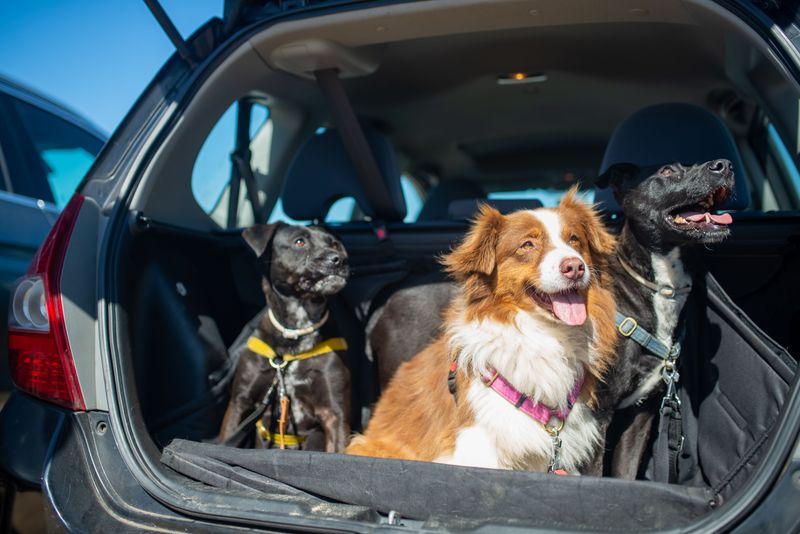
Ever tried loading a nervous eighty-pound dog while rain starts falling? Practice prevents that scene.
Take a few short drives before hurricane season peaks. Let your dog wear the travel harness, sit in the crate, and get a treat for cooperating.
Repetition turns the car into a normal place rather than a surprise. Calm loading also keeps your own stress down when timing matters.
Plan For South Carolina Traffic Delays

When coastal counties move inland at the same time, highways slow to a crawl. Trips that normally take two hours can stretch much longer.
Build that reality into your plan. Carry enough food, water, and waste bags for a full day on the road.
Bathroom breaks matter too. Map a few safe pull-off spots so your dog can stretch without stepping into traffic.
Pack More Water Than You Think You Need
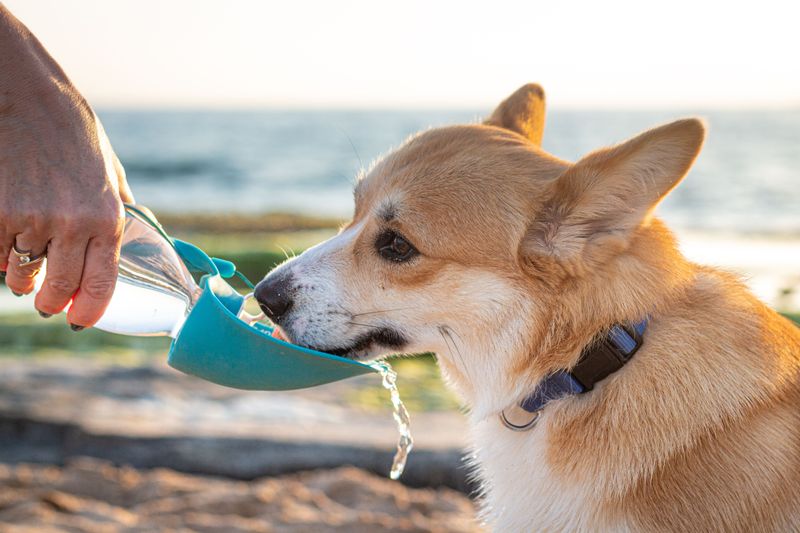
Gas stations run dry on supplies during an evacuation, and vending machines empty fast. Water is the one item worth overpacking.
Fill a few jugs from home. Familiar water is easier on sensitive stomachs than whatever you find on the road.
Toss in a collapsible bowl so you can offer drinks during stops. A well-hydrated dog handles heat and travel far better.
Keep Medications And Records Accessible
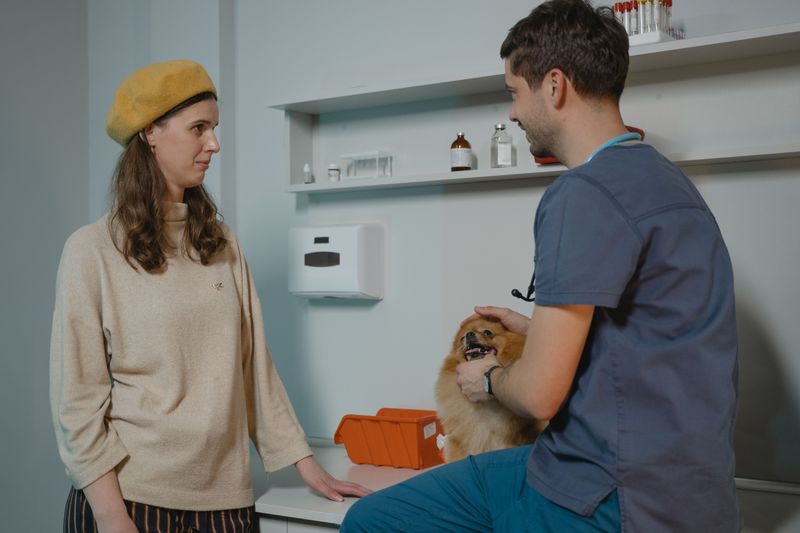
Buried medication is useless medication. Keep your dog’s prescriptions in a small pouch that rides up front with you.
Ask your veterinarian whether an extra refill is possible before hurricane season. Pharmacies inland may not have your dog’s exact prescription on hand.
Bring vaccination records too. Shelters, boarding facilities, and unfamiliar clinics often ask for proof before they can help.
Bring Familiar Comfort Items
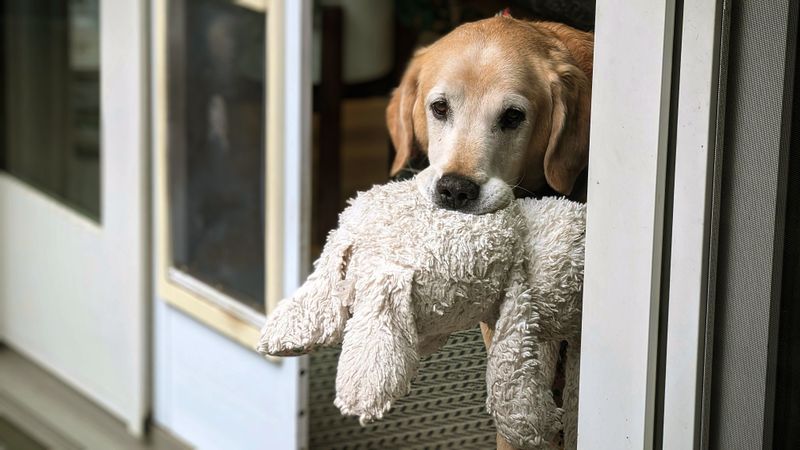
Dogs read the world through scent, and familiar smells settle nerves quickly. One old blanket can do more than any pep talk.
Pack the bed your dog already sleeps on, plus a chew toy that keeps busy paws occupied.
In a hotel or a relative’s spare room, those items mark out a personal spot. Sleep comes easier, and so does the rest of your stay.
Secure Your Dog During The Evacuation
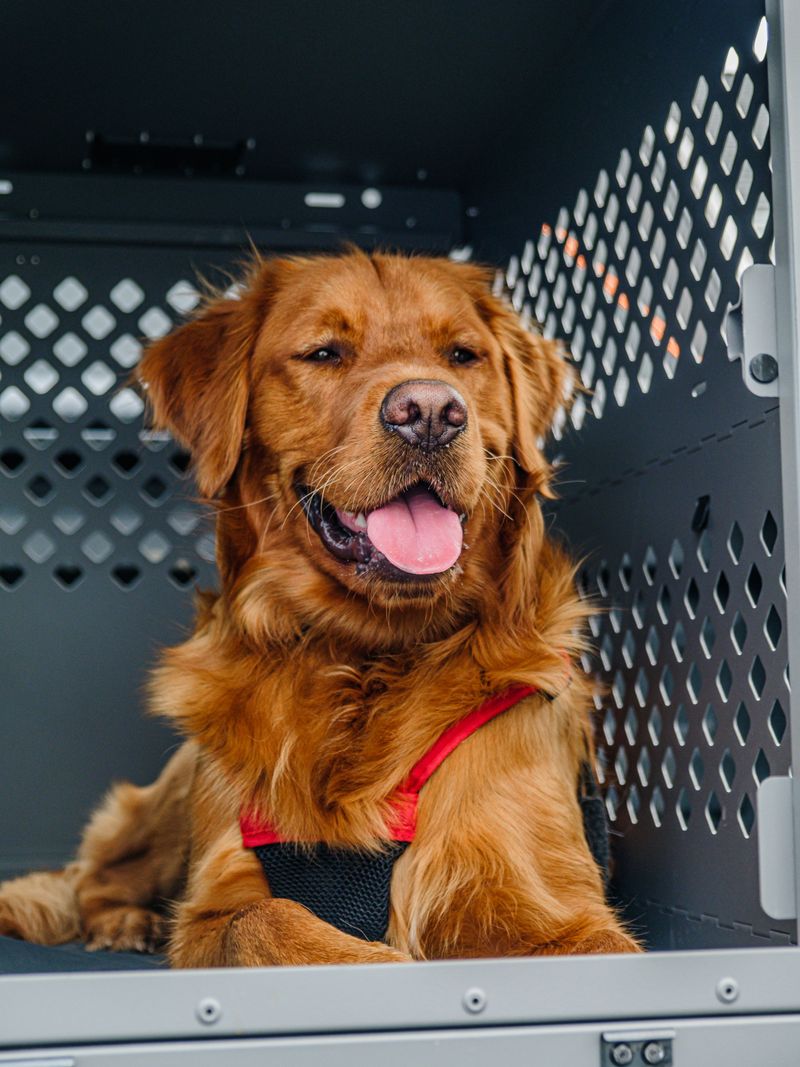
Open doors, unfamiliar parking lots, and stressful surroundings can startle even calm dogs. Keeping your dog properly secured can help prevent unexpected escapes during an evacuation.
Use a properly fitted collar or harness with a sturdy leash, and keep both within easy reach. Make sure the fit is secure without being uncomfortably tight.
If your dog travels in a crate or carrier, choose one appropriate for your dog and vehicle, and secure it properly according to the manufacturer’s guidance.
Prepare For Heat And Humidity
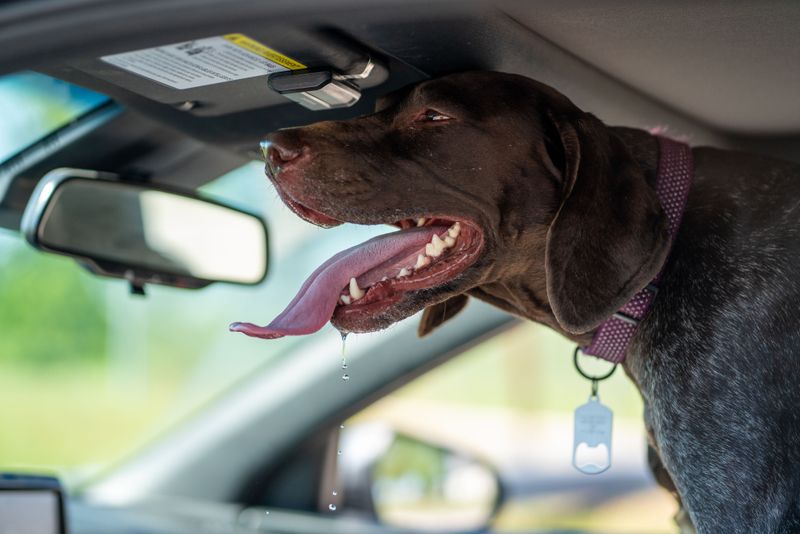
Hurricane season overlaps with the muggiest stretch of the Lowcountry calendar. Heat rises fast inside a parked car, so never leave your dog waiting there alone.
Choose shaded rest stops and walk on grass instead of hot asphalt. Press your hand to the pavement first for a quick check.
Watch for heavy panting or sluggishness. Offer water, find shade, and let your dog cool down slowly.
Have A Backup Destination Inland
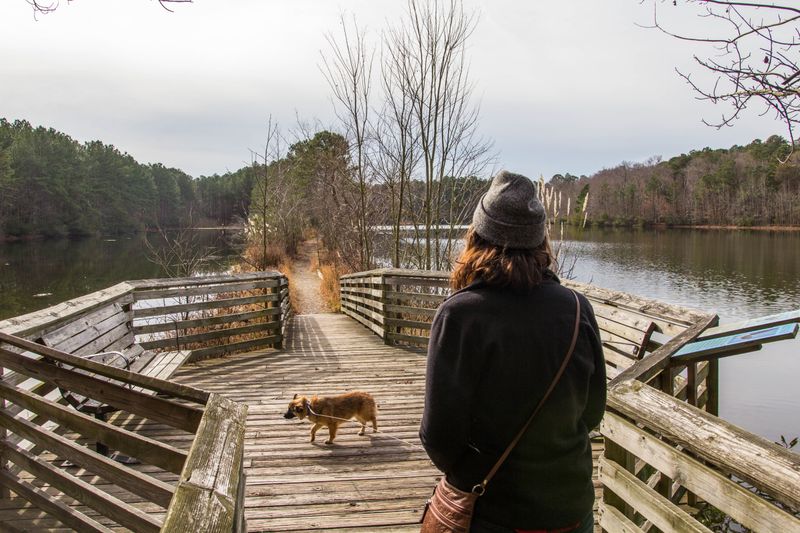
Storm tracks can change, and pet-friendly accommodations may become harder to find during an evacuation. One destination is a hope, not a plan.
Pick a second pet-friendly option inland and confirm that it can accommodate your dog before you leave. South Carolina officials advise evacuees to be prepared to travel at least 20 to 50 miles inland to find a safe place, depending on conditions.
Save the phone numbers and confirm pet policies for both destinations. Having a backup gives you another option if your first choice is unavailable.
Arrange A Backup Caregiver

Sometimes storms arrive while you are at work in another county. A trusted neighbor with a spare key solves that problem.
Give your chosen helper written instructions: feeding amounts, medication times, leash habits, and your veterinarian’s number.
Add your evacuation destination and a second contact. Clear notes let someone act quickly on your behalf without needing to reach you first.
Watch Official Evacuation Instructions And Plan Your Return
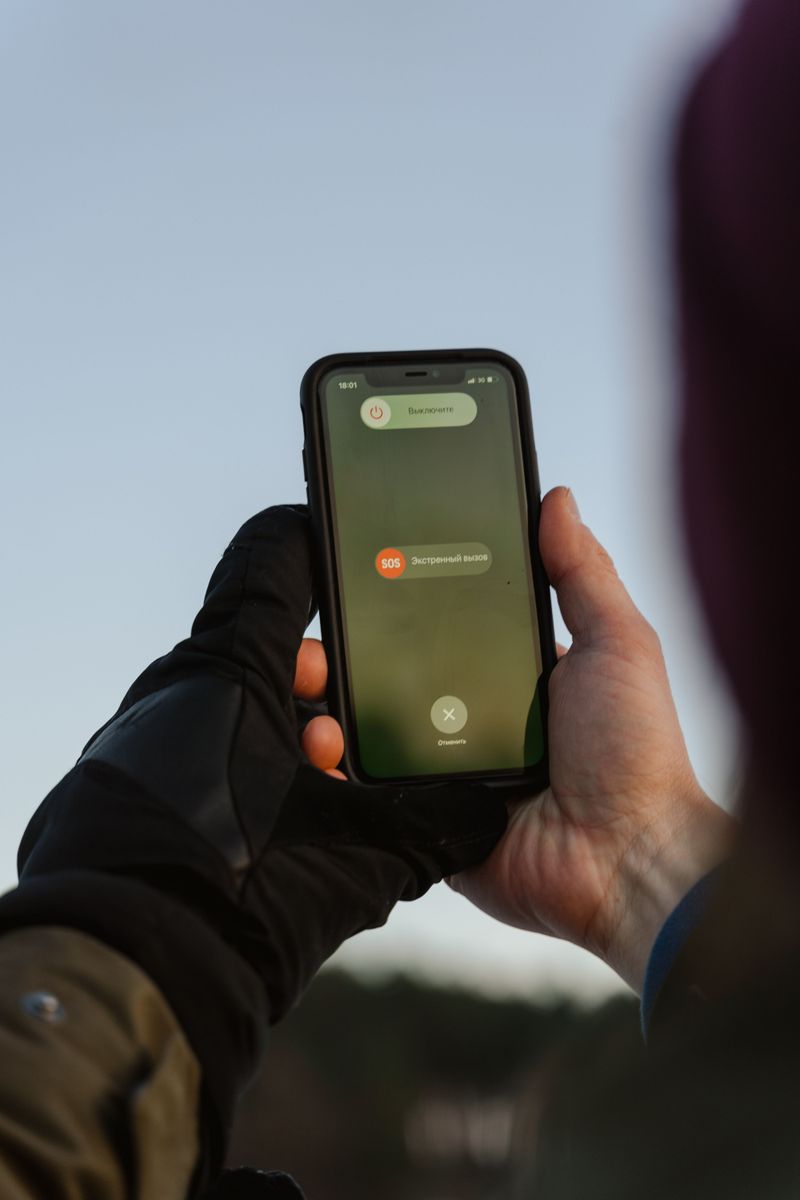
Official orders and route information come from county emergency management and the state emergency division. Follow those sources, not neighborhood chatter.
Leaving early gives dog owners the biggest advantage. Pet-friendly rooms disappear quickly once traffic builds.
Coming home takes patience too. Debris, power outages, and local restrictions can delay reentry, so wait for the all-clear.
Review your kit, contacts, and destinations every spring, and your dog will always be ready to travel.