How Oklahoma Tornado Season Changes Dog Emergency Planning
If you live in Oklahoma, spring skies come with a certain kind of alertness. You already know where you shelter and what you grab.
The question worth asking is whether your dog fits into that plan just as smoothly. Good news: a few small adjustments make a big difference, and none of them take much time.
Here is what local dog owners can set up now, calmly and simply, so storm season feels manageable instead of stressful.
1. Rehearse the Trip to Shelter, Treats Included
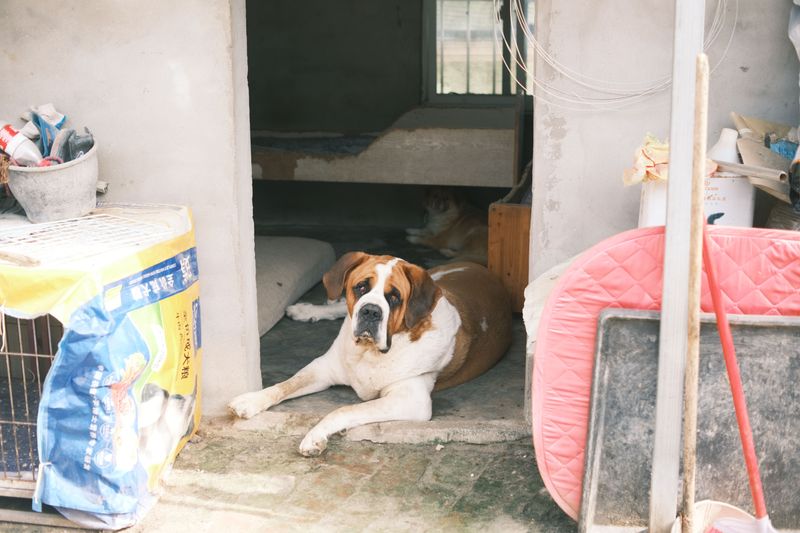
Dogs learn routines faster than we expect. A short drill, done a few times each spring, turns the shelter into familiar territory.
Clip the leash, walk down together, offer a high-value treat, then head back up. Some owners teach a cue like kennel up or shelter.
Repetition builds a positive association, so your dog moves willingly during a real warning instead of hesitating at the doorway.
2. Stack Your Alerts Instead of Trusting Sirens
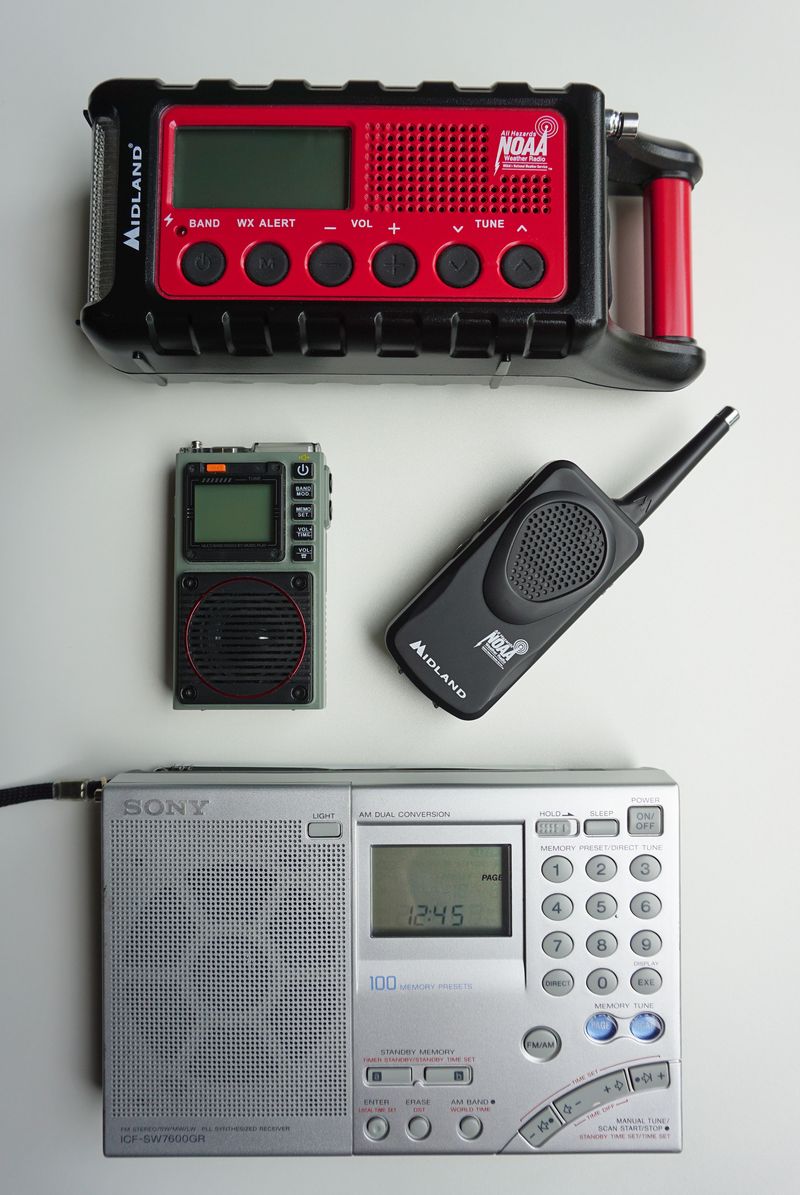
Outdoor sirens were designed for people outside, not for someone asleep with the air conditioner running. Layering alerts closes that gap.
A battery-backup weather radio, phone alerts, and a local broadcast app give you overlapping warnings.
Staying informed early is what buys you time to gather your dog calmly. Test your radio at the start of the season and keep spare batteries with your kit.
3. Choose the Safe Room With Your Dog in Mind
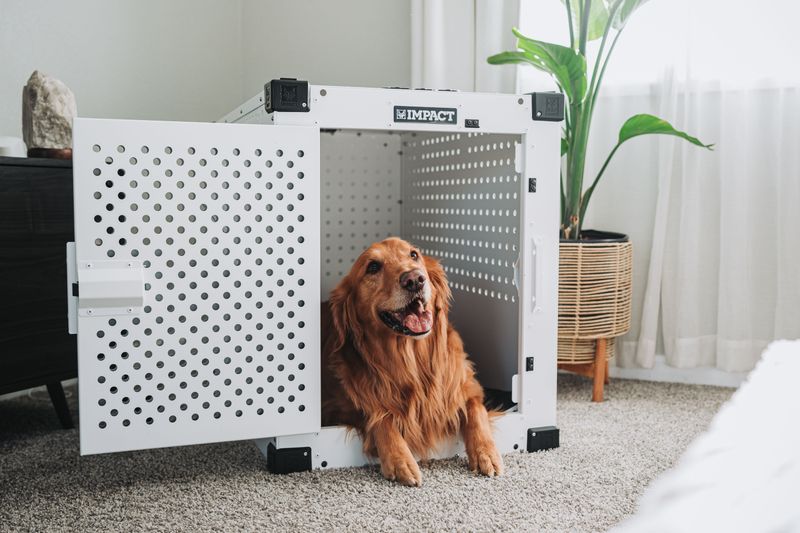
Every solid storm plan starts with one question: where do we go? Basements, storm cellars, and interior rooms on the lowest level with no windows are the recommended spots.
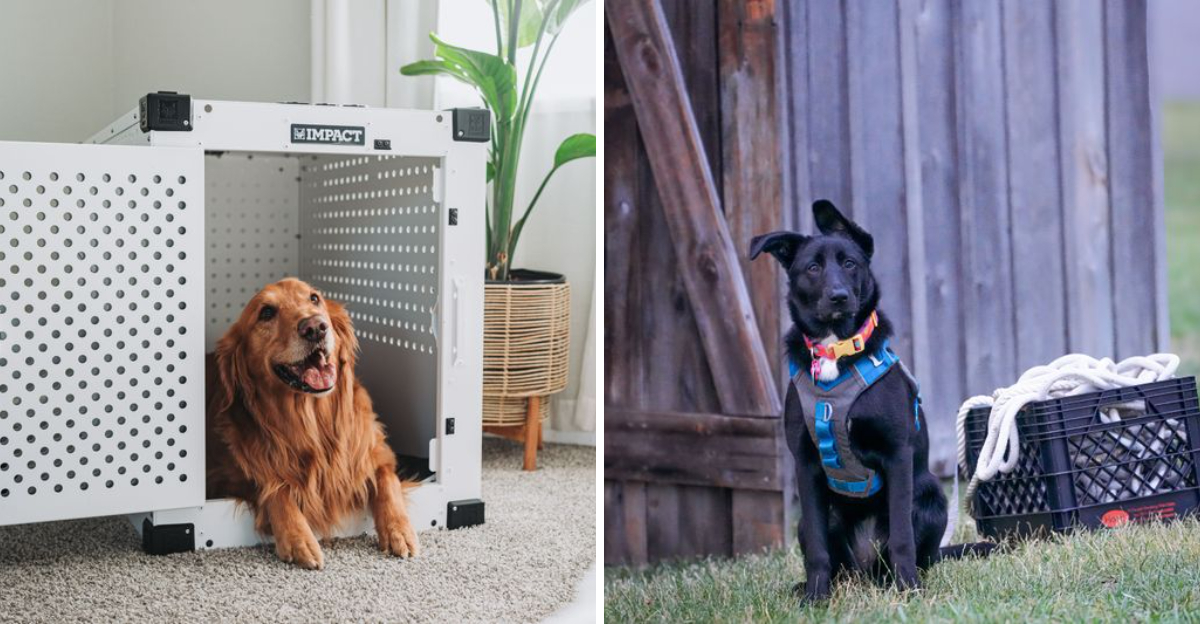
Look at that space and picture your dog in it. Is there floor room for a crate?
Above-ground safe rooms built with reinforced steel work too, and many avoid stairs entirely.
Pick the room once, then treat it as the family shelter, dog included.
4. Bring Your Dog In Before the Sky Turns
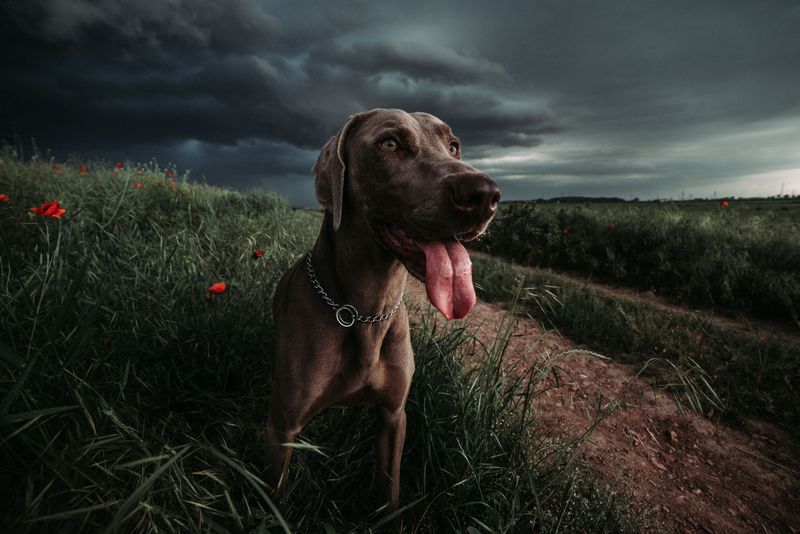
Backyard dogs become hard to catch once wind picks up and thunder starts rolling. That is why guidance says to bring pets indoors during a tornado watch.
Earlier is better. A dog already inside is a dog you are not chasing in the rain.
Never leave a pet chained or outside when severe weather is expected. Even a covered run offers little protection from strong storms.
5. Treat the Watch as Your Cue to Act
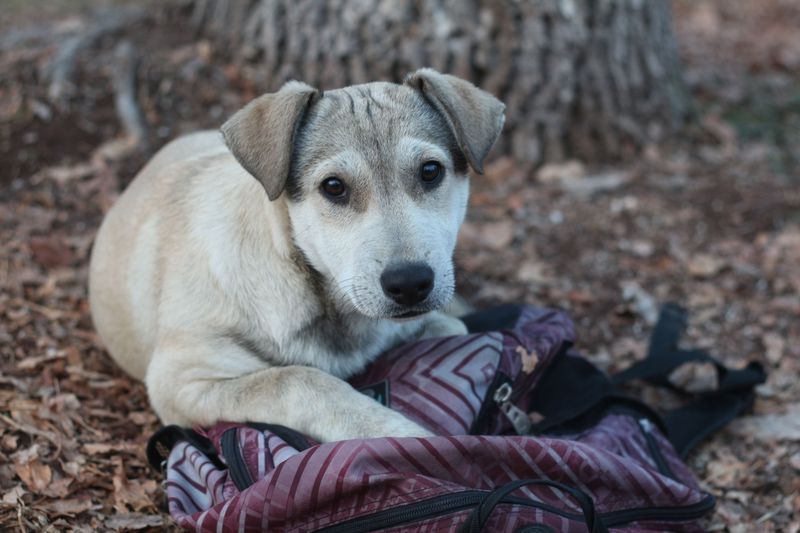
Warnings can arrive with very little lead time. Once one is issued, there is no window for packing bags or calling the dog in from the yard.
Handle those tasks during the watch stage instead. Supplies stay prepared in advance and easily accessible.
Think of a watch as a gentle nudge: gather the dog, check the kit, settle near your shelter. Then wait and see.
6. Collars and ID Tags Stay On All Season
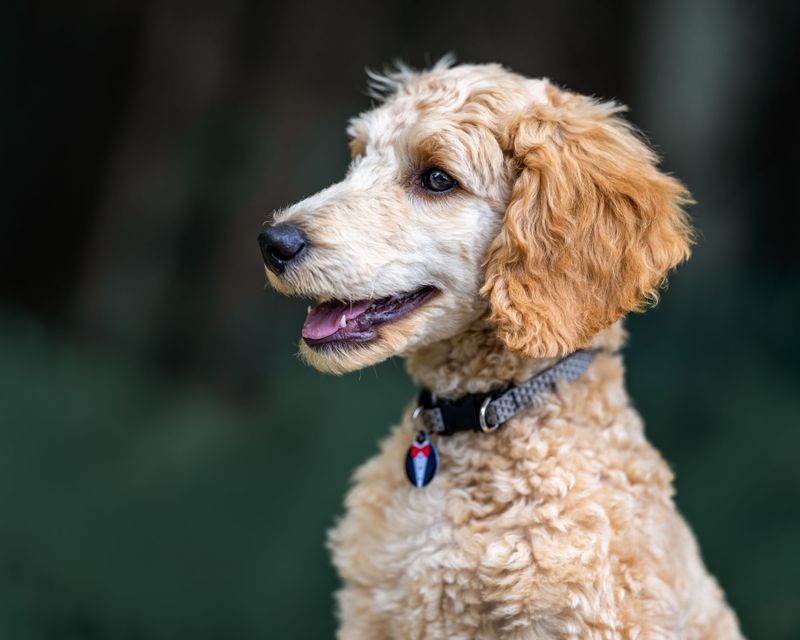
Storms open doors and flatten fence panels, and dogs slip out through gaps that did not exist an hour earlier.
A collar with a current tag remains the fastest way for a neighbor to reach you. Include your name and a working phone number.
Check the engraving in early spring. Worn tags happen quietly, and a smooth, unreadable disc helps nobody when it counts.
7. Park the Leash and Carrier Right Where You Shelter
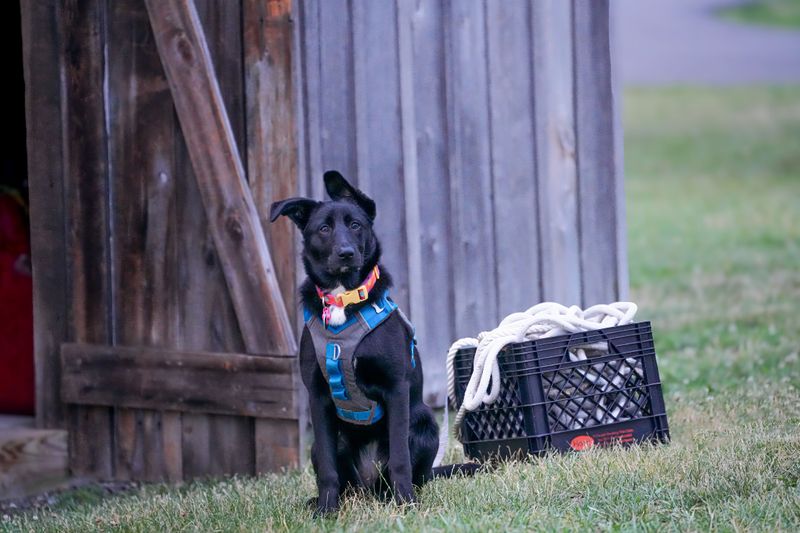
Scrambling for gear in the hallway wastes the minutes that matter most. Storing a leash and a carrier beside your shelter door solves that in one step.
Many Oklahoma families keep a dog go-bag in the same spot. When a watch is issued, everything is already within arm’s reach.
Hooks, a plastic bin, or a shelf all work fine. The goal is simply zero searching later.
8. Update the Microchip Registry, Not Just the Chip
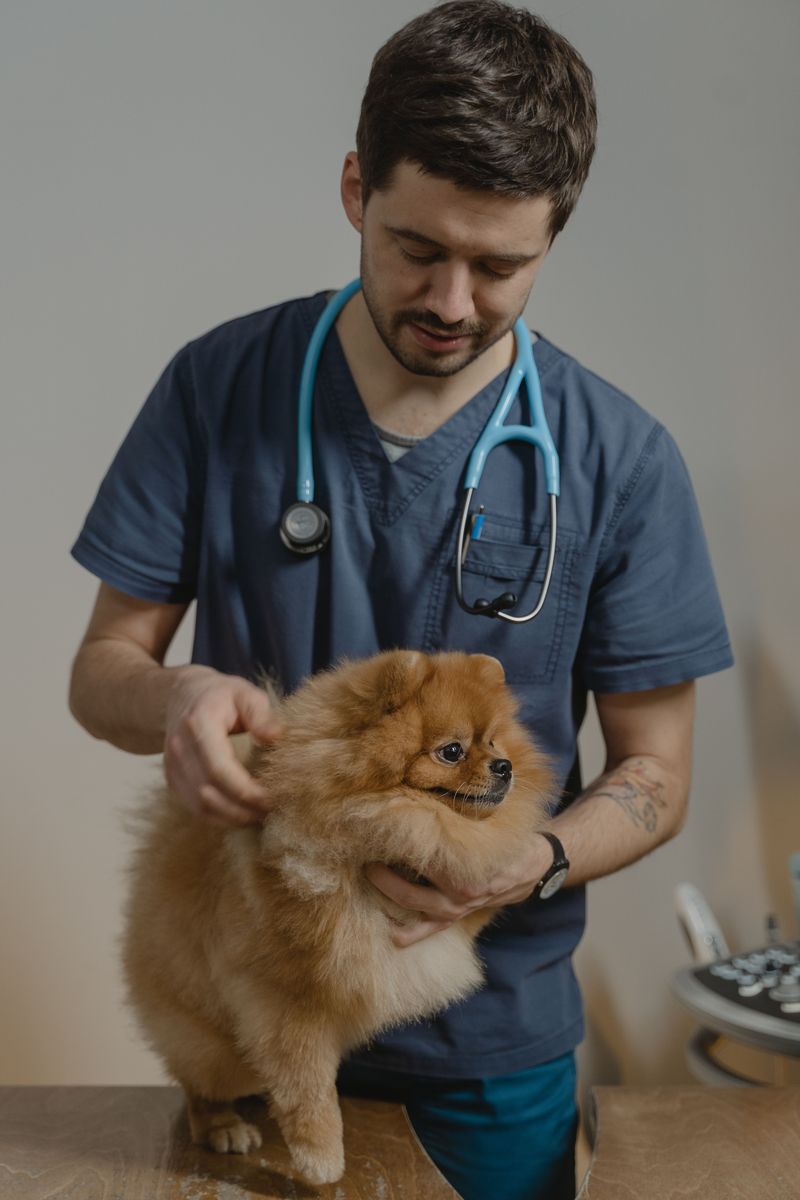
Collars can come off during extreme weather, which is exactly why microchips matter so much here.
A chip only helps if its registration lists your current phone number and address. Moved recently?
Changed carriers? Log in and fix it.
Registration is usually free to update online, and your veterinary clinic can look up the chip number if you have lost the paperwork.
9. Keep a Recent Photo Somewhere You Can Reach It
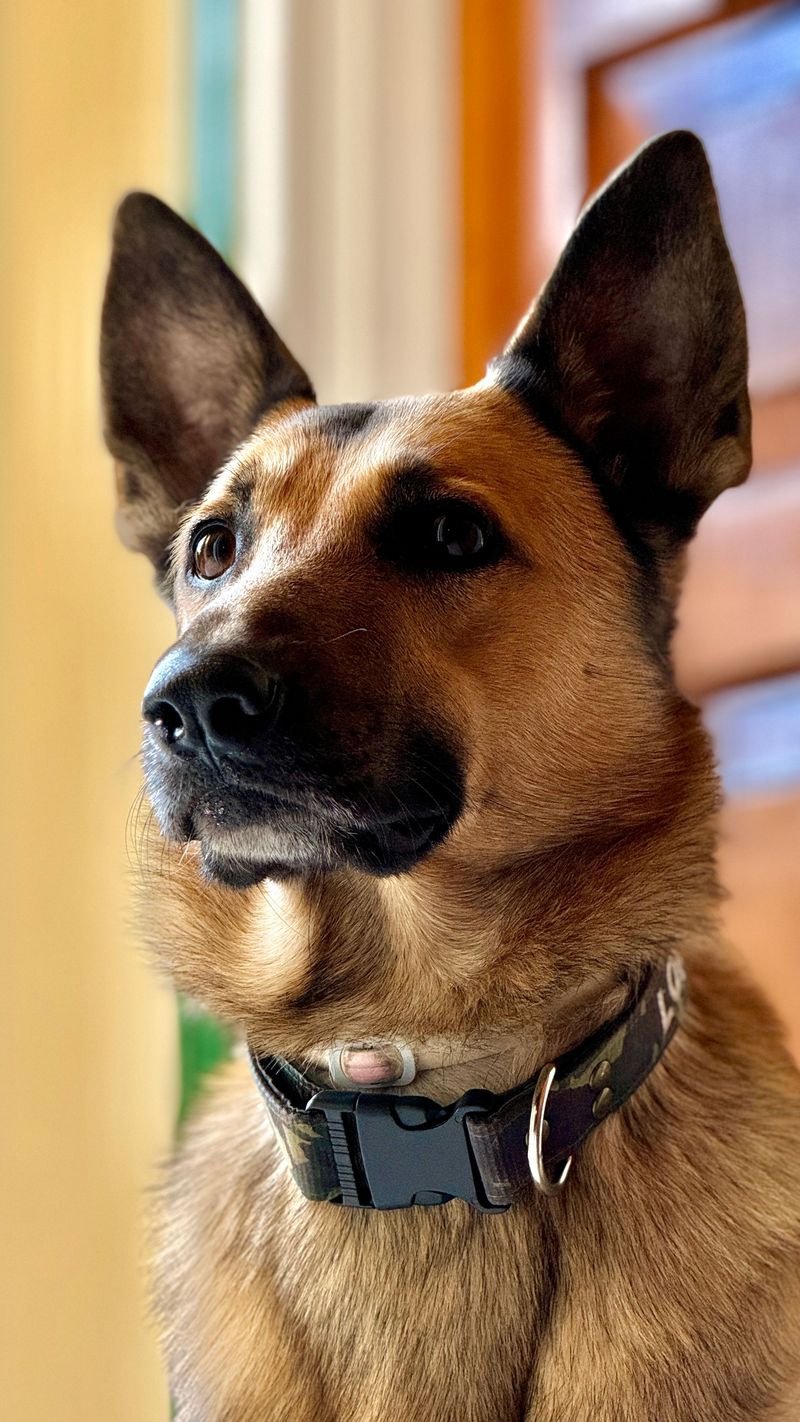
Plenty of dogs look alike, especially the brindle and black-and-white ones. A clear, current photo settles questions fast.
Save one on your phone and print a copy for your preparedness kit. Include a shot showing any unique markings.
Shelters and neighborhood groups move quickly after a storm, and a good picture helps your dog get matched to you rather than to someone else.
10. Pack the Basics: Food, Water, Bowls, Bags, Comfort
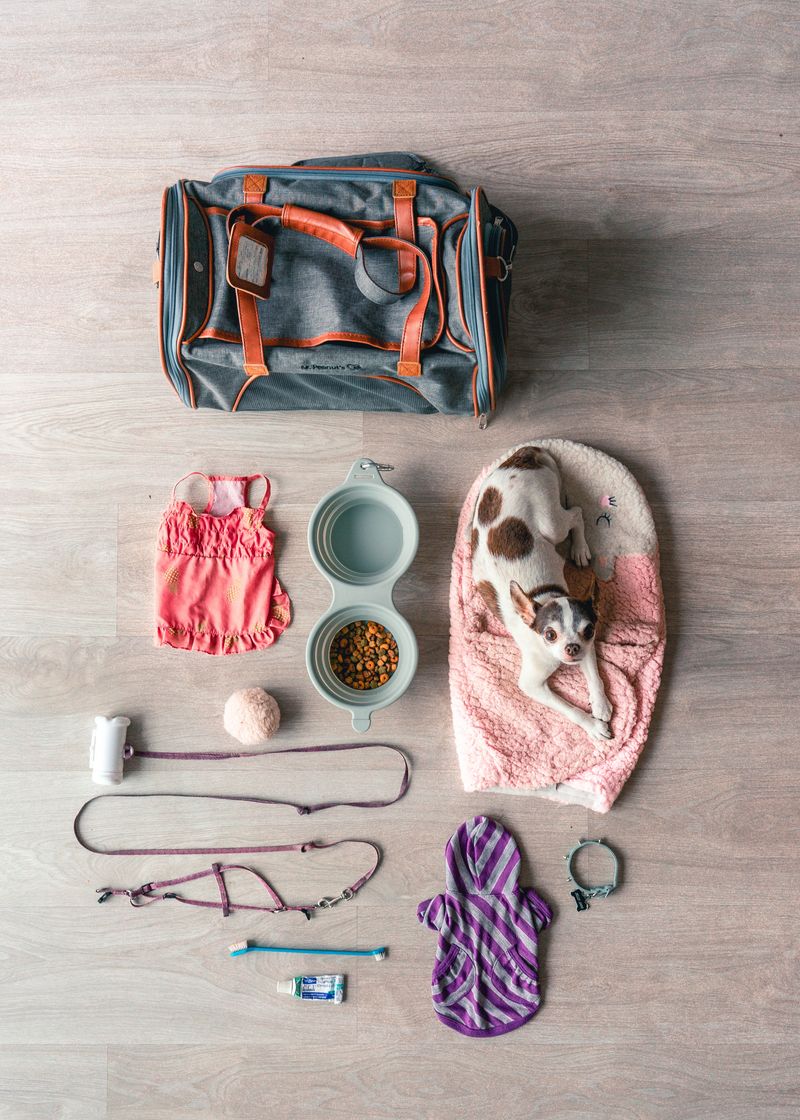
A well-built kit covers one to two weeks of your dog’s usual food, plus bottled water and collapsible bowls.
Waste bags belong in there too. Cleanup matters even more when you are sharing space with other families.
Then add something soft and familiar: a favorite toy or a blanket that smells like home. Familiar scents genuinely help an anxious dog settle down.
11. Medications and First-Aid Deserve Their Own Pouch

Prescriptions are easy to forget in a hurry, so build them into the kit ahead of time.
Aim for about a week’s supply of anything your dog takes daily, stored with clear labels and dosing notes from your veterinarian.
Add a basic pet first-aid kit: gauze, self-adhesive wrap, tape, tweezers. Check expiration dates when you refresh the rest of your supplies.
12. Waterproof the Paperwork

Rain, leaks, and damp shelter floors are unkind to paper. A sealed pouch keeps your dog’s records readable.
Include vaccination proof, medical history, your clinic’s phone number, and a note about any conditions.
Here is a practical reason it matters: some pet-friendly relief centers ask for vaccination proof before letting a dog stay. Having it ready saves you a difficult conversation at the door.
13. A Strong Leash, and a Muzzle Only If Already Familiar
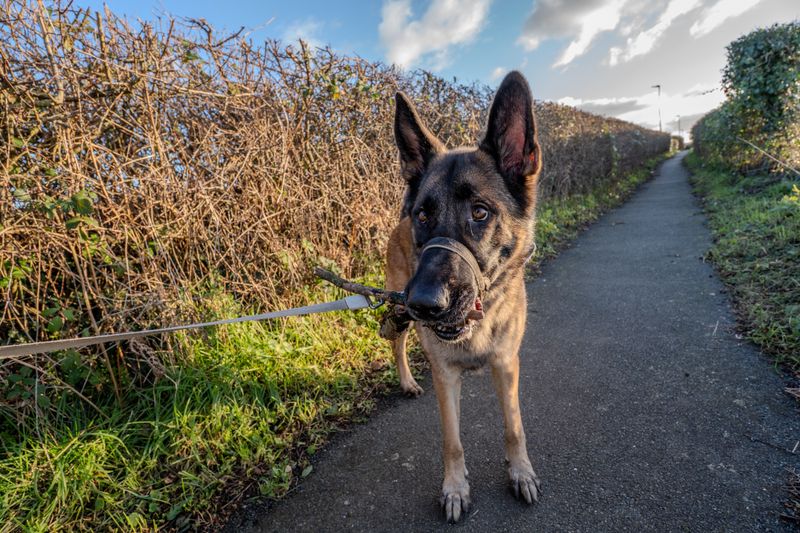
Control is everything in a crowded or unfamiliar space. A sturdy leash and well-fitted collar handle most of that job.
Frightened dogs sometimes react in ways they normally would not, so a muzzle is often recommended for stressful situations.
One caveat: only pack one your dog already wears comfortably. Introducing a muzzle mid-emergency adds stress rather than removing it.
Practice on calm days instead.
14. Line Up Pet-Friendly Lodging Before You Need It
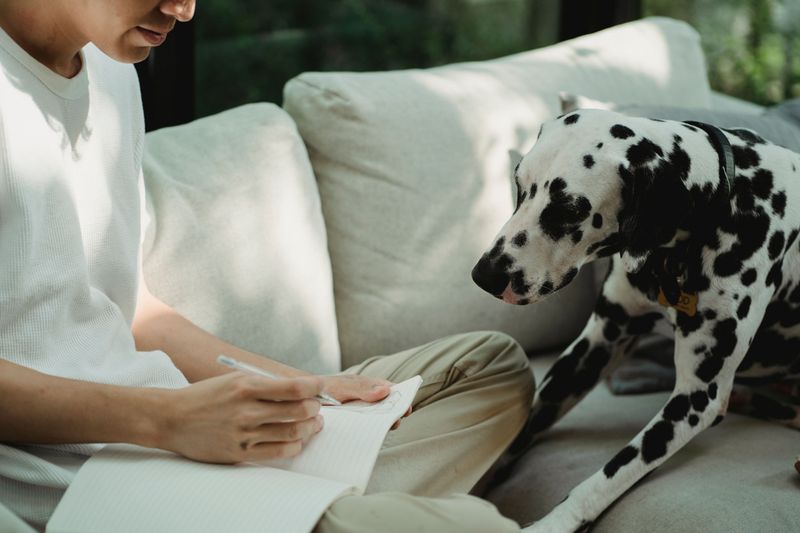
Phone lines and booking sites get busy after a storm sweeps through a community. Research beats reacting.
Make a short list now: pet-friendly hotels, boarding facilities, and homes of trusted friends outside your immediate area.
Write the numbers on paper and keep them in your kit. Confirm pet policies directly, since rules and size limits vary widely from one property to the next.
15. Public Shelters and Pets: Check, Do Not Assume
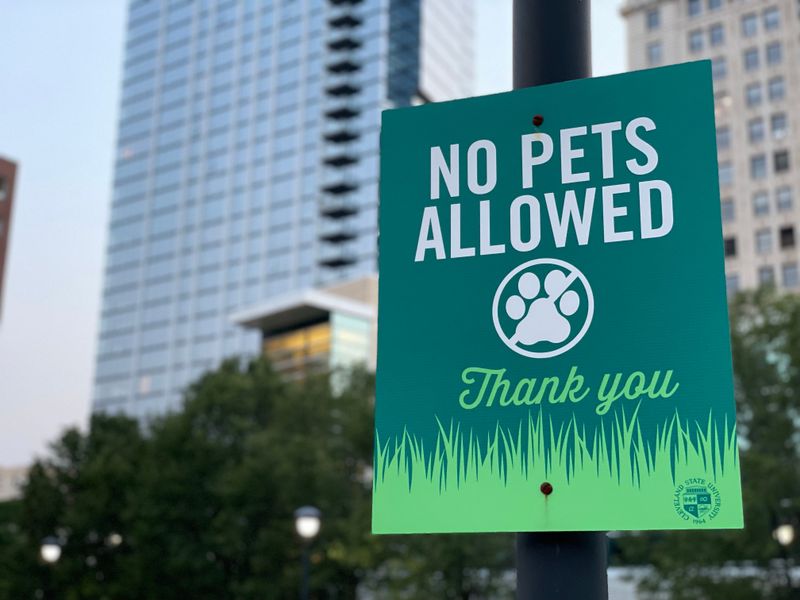
A common surprise for first-time evacuees: Red Cross disaster shelters generally do not accept pets. Service animals assisting people with disabilities are the exception.
Some communities open separate pet sheltering options, though availability differs by city and county.
Call your local emergency management office or animal control this spring and ask directly. Knowing the answer beforehand means your backup plan is already in place.
16. Set Up a Buddy System for Workday Storms

Oklahoma storms rarely check your work schedule. Someone nearby needs the ability to step in.
Choose a trusted neighbor, relative, or friend who can reach your home and care for your dog if you cannot.
Give that person a key, show them where your dog hides, and point out the emergency kit and vet records. A second contact outside your area adds another layer.
17. Mobile Home Living Calls for an Earlier Exit
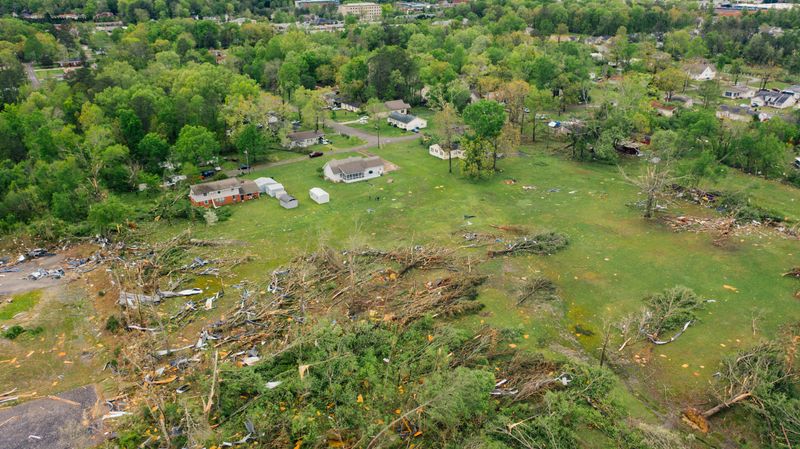
Manufactured homes offer limited protection from strong winds, which changes the timing of your plan entirely.
Identify a sturdier nearby building or community shelter well in advance, and confirm whether it allows pets.
Drive the route once so it feels routine. Leave during the watch stage rather than the warning, and take your dog with you.
Never leave a pet behind in a mobile home.
18. When the Warning Sounds, Your Dog Comes Along
Move the moment a warning is issued, without waiting to see what the sky does.
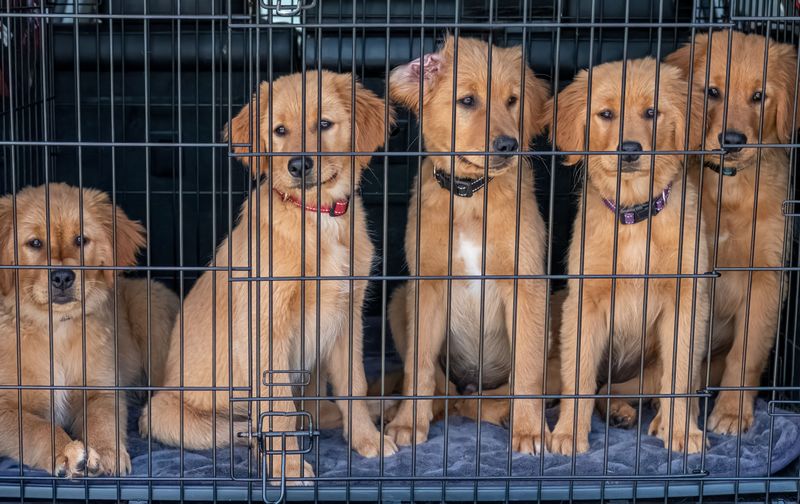
Take your dog into the safe room with you if it is safe to do so, leashed or crated for control.
Securing pets in crates or carriers inside the shelter keeps everyone calmer and prevents a startled dash toward the door. Then stay put until officials give the all clear.
19. Leash Up for Every Trip Outside Afterward
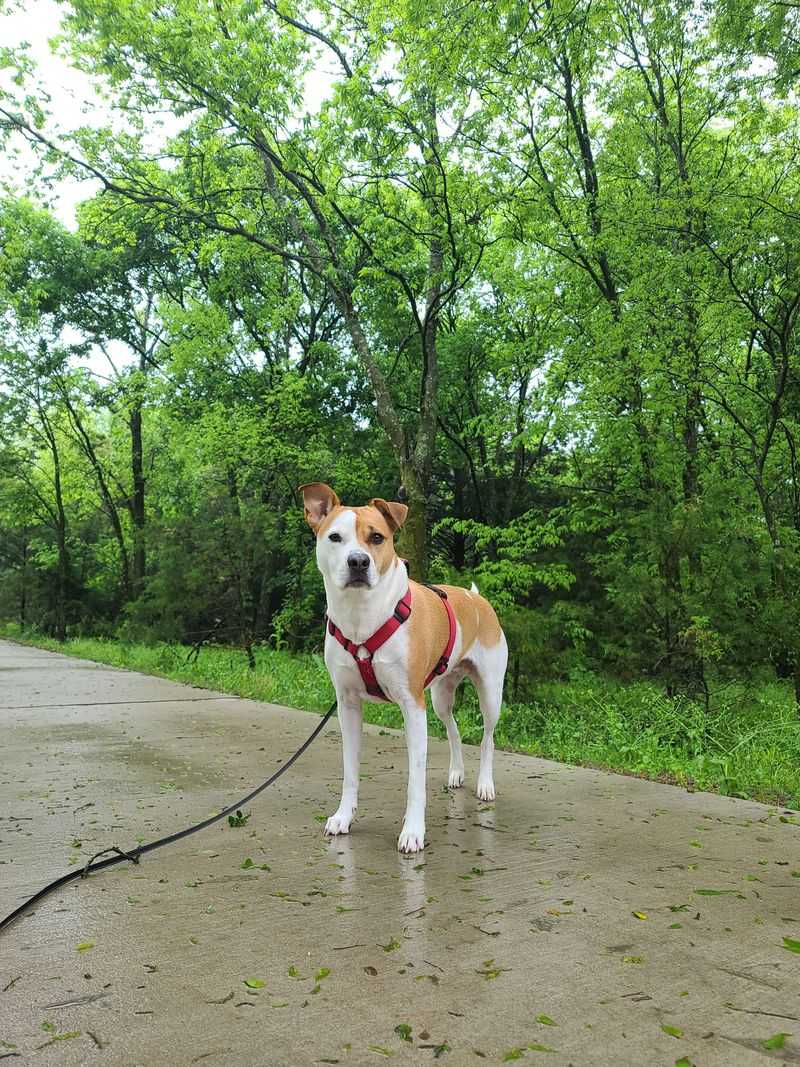
The yard your dog knew may look and smell completely different once a storm passes.
Scattered debris, downed power lines, broken fence panels, and contaminated puddles all create fresh hazards.
Keep your dog leashed or contained outdoors, even in a familiar space. Missing landmarks and altered scents leave many dogs disoriented, which is how pets wander off after the weather has already cleared.
20. Refresh the Kit Twice a Year and Relax
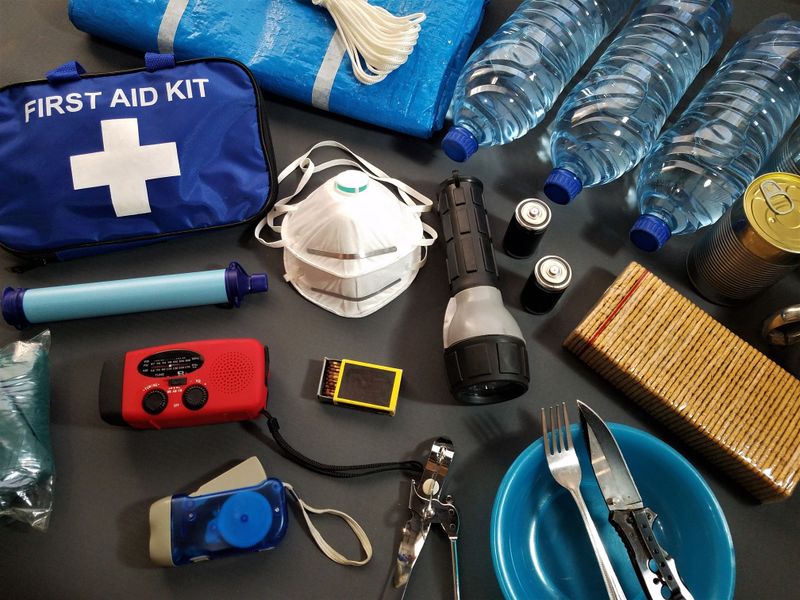
A kit assembled once and forgotten slowly stops being useful. Twice-yearly checkups keep it dependable.
Swap out food and bottled water every six months. Check medication and ointment expiration dates, and update vaccination records and contact numbers.
Pick two easy dates, like the start of spring and the first cool week of fall. Preparation done ahead of time is what lets you watch the radar calmly.