15 Working Dog Breeds For Washington Orchards And Rural Properties
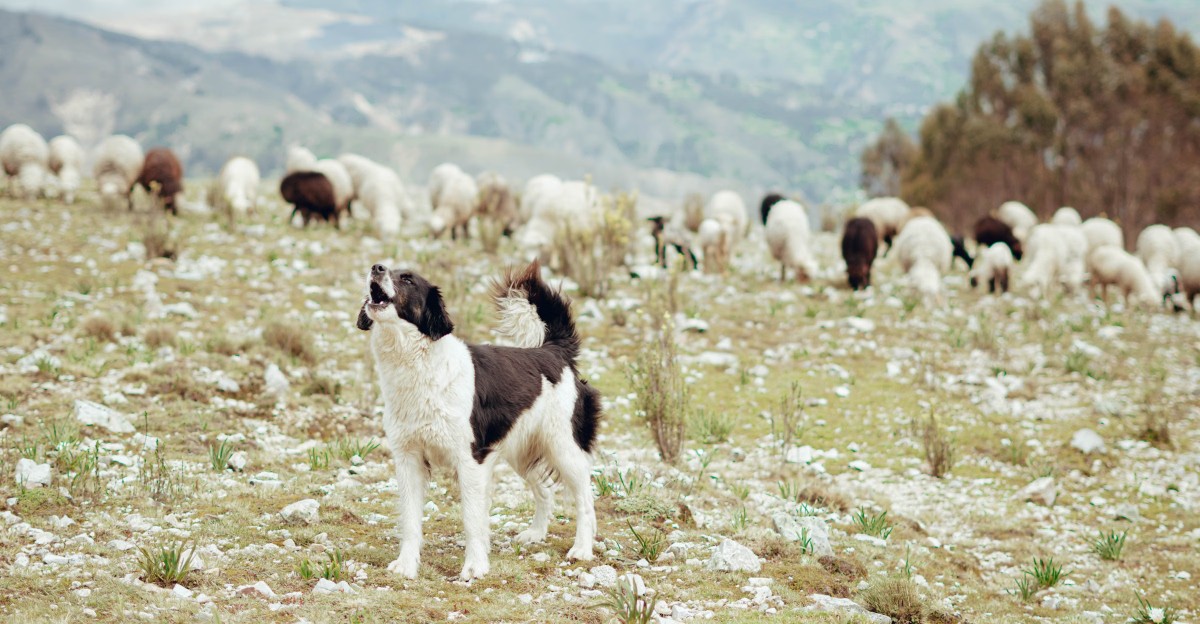
Apple rows, muddy gates, and wandering sheep can make a Washington property feel like a busy little world. The right dog can help manage livestock, join daily chores, or bring cheerful company to long outdoor days.
But a skilled herder needs different work than a livestock guardian, and neither belongs loose near orchard equipment. Match the dog to your real routine, and those muddy paw prints may become your favorite part of farm life.
1. Australian Cattle Dog: A Busy Partner For Livestock Chores
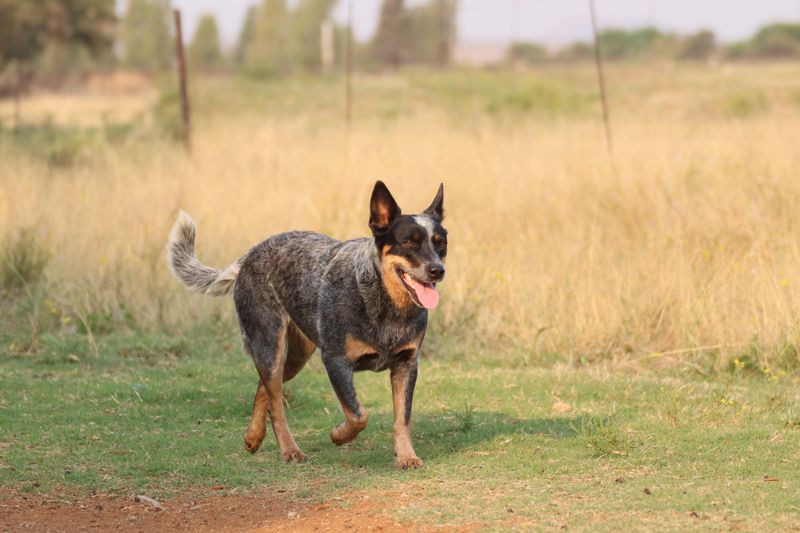
A moving herd gives this bright, sturdy dog something worth thinking about. Developed to move cattle, the breed brings stamina and quick decisions to rural chores.
Those talents need training, especially around children who might trigger heel nipping.
Offer daily exercise, clear rules, and supervised livestock practice with an experienced trainer. Washington summers call for water breaks and shaded rest.
Secure fencing matters, because a bored cattle dog often invents its own very busy schedule.
2. Border Collie: Precision Between Pasture Gates
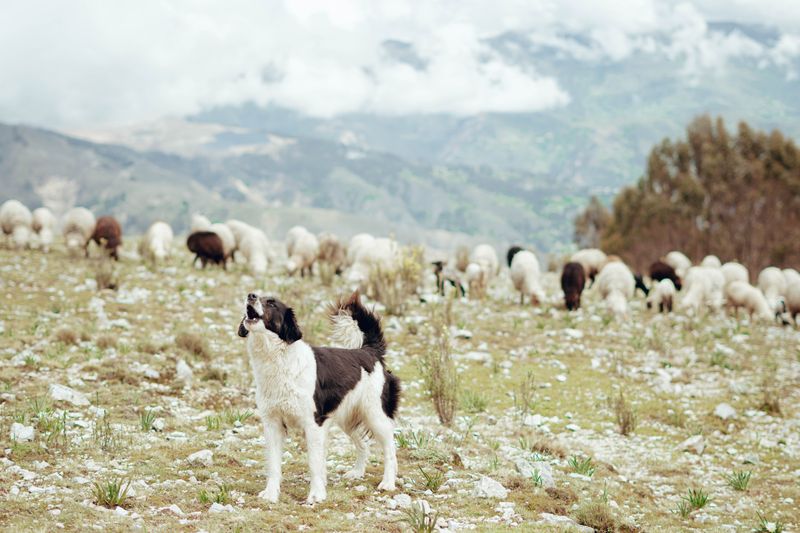
Watch those eyes follow sheep, and the appeal becomes clear. Few dogs bring such focus to carefully guided herding work.
On properties with livestock, that focus can help move animals through gates without unnecessary fuss.
Plan training that exercises the brain, not just the legs. Orchard walks alone rarely satisfy this energetic worker.
Teach a reliable stop cue, prevent chasing vehicles, and provide quiet downtime. Choose breeders who prioritize sound health and suitable working temperaments.
3. Australian Shepherd: The Versatile Chore Buddy
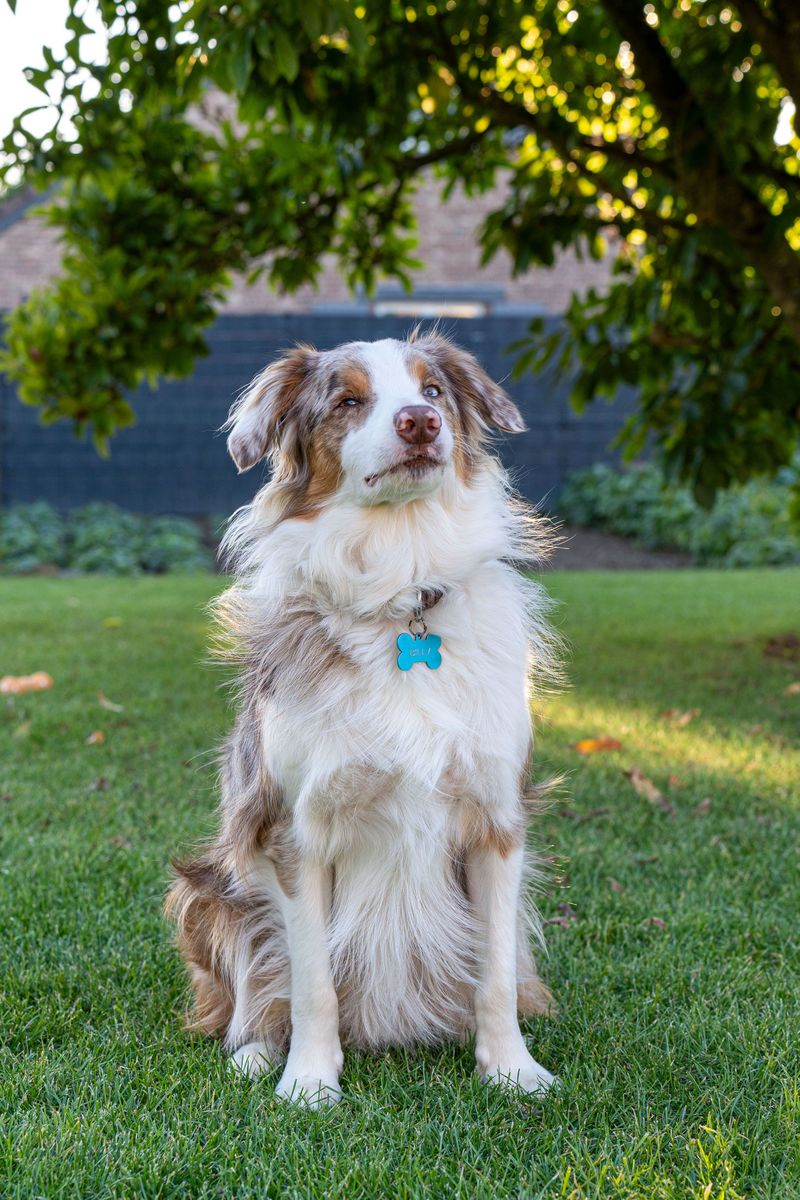
Morning chores feel livelier with an eager helper watching every move. Despite its name, this herding breed developed largely in the United States.
Many enjoy livestock work, structured games, and staying closely connected with their people.
Give an Aussie useful tasks rather than endless freedom among orchard rows. Practice calm greetings when visitors arrive, and brush the coat regularly.
Ask about hip and eye screening before choosing a puppy. Enthusiasm works best with patient direction.
4. Great Pyrenees: A Watchful Presence With The Flock
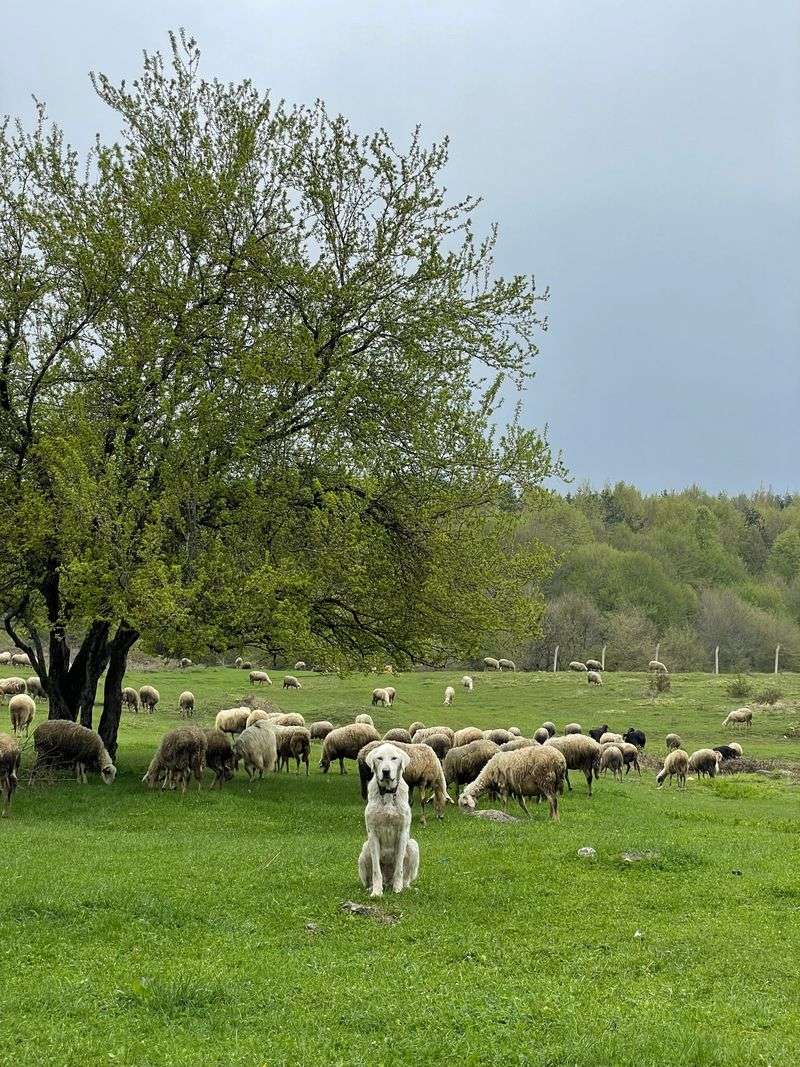
A white shape resting near sheep may be working, not loafing. Bred as livestock guardians, these dogs watch their surroundings and make independent decisions.
Their job differs sharply from moving animals on command.
Start with livestock bonding and guidance from someone experienced with guardian dogs. Expect barking, especially at night, and discuss nearby neighbors before bringing one home.
Strong fencing helps limit wandering. Provide summer shade, fresh water, and regular brushing for that thick coat.
5. Anatolian Shepherd: An Independent Pasture Guardian
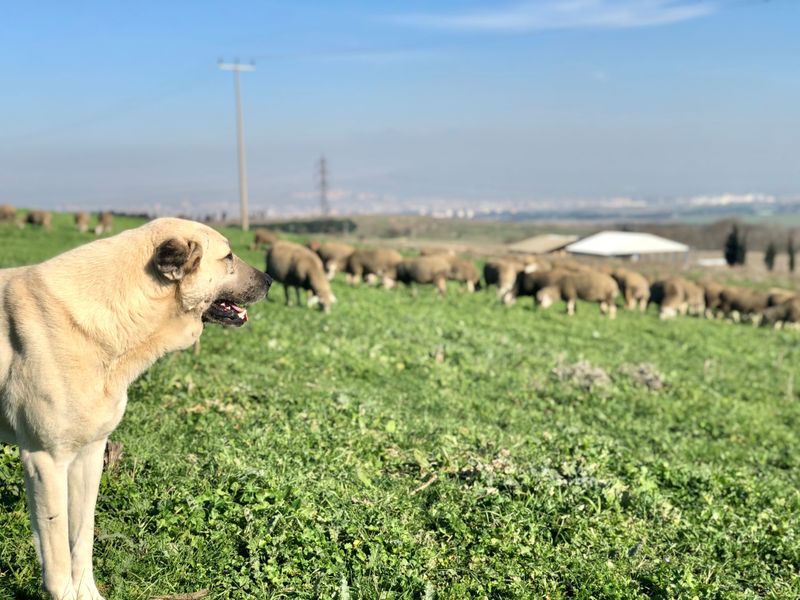
Quiet confidence suits a dog bred to watch livestock across open country. With roots in Turkey, the Anatolian Shepherd brings size, awareness, and independence.
That independence means obedience may look different from a retriever’s eager cooperation.
Choose this breed for genuine guardian work, not casual orchard patrols. Secure boundaries and thoughtful introductions to workers are essential.
Find experienced support for livestock placement and training. Monitor growing puppies carefully, because full physical and behavioral maturity takes time.
6. Maremma Sheepdog: Steady Company For Sheep And Goats
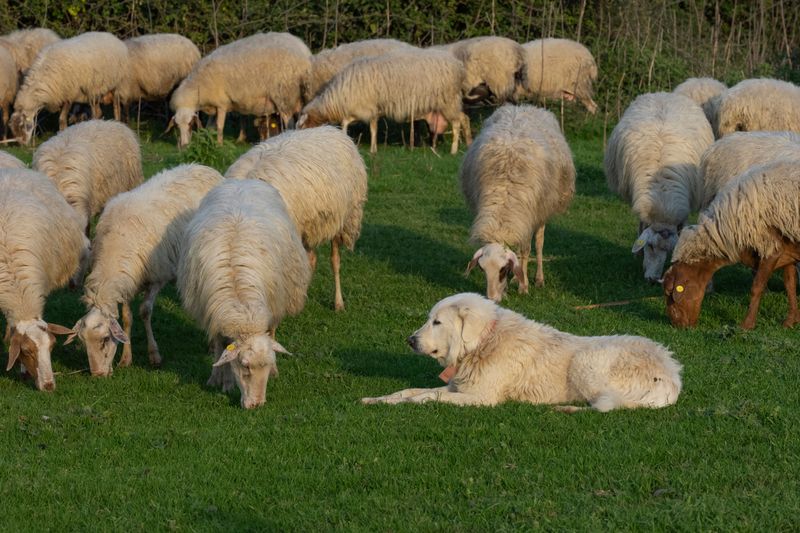
Staying close to the flock is the assignment here. This Italian livestock guardian often forms strong bonds with the animals it lives beside.
Its white coat and calm appearance should not hide the need for skilled management.
Introduce young dogs to livestock gradually, with supervision and safe retreat spaces. Poultry requires special care, since guardian instincts do not guarantee safe behavior.
Maintain secure fencing and accept nighttime barking. A working placement needs planning beyond puppyhood.
7. German Shepherd: A Capable Partner With Clear Rules
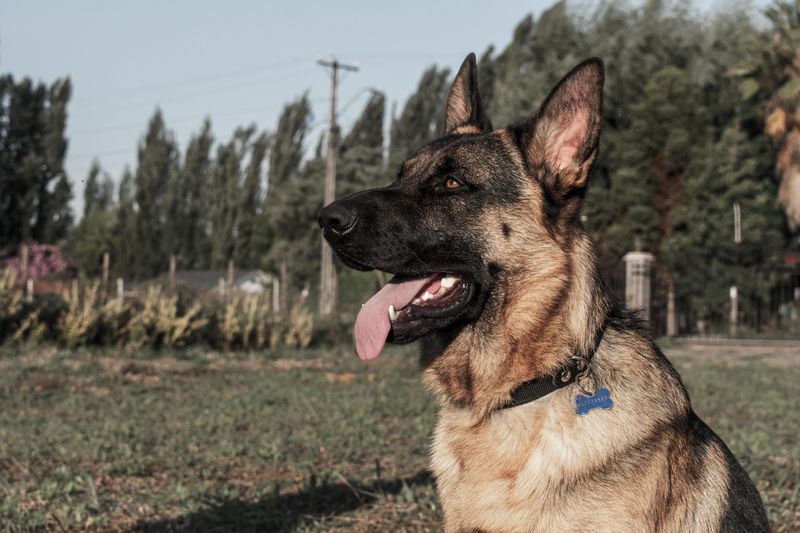
Clear instructions bring out the best in this capable learner. Originally developed for herding, German Shepherds now serve in many trained roles.
Rural owners can channel that versatility into obedience, scent games, and supervised chore companionship.
Teach calm behavior around delivery drivers, livestock, and moving equipment. Avoid encouraging suspicion or letting the dog make decisions about visitors.
Ask breeders about hip and elbow testing. Daily exercise, steady socialization, and rest support a balanced farm partner.
8. Belgian Malinois: For Owners Who Love Serious Training
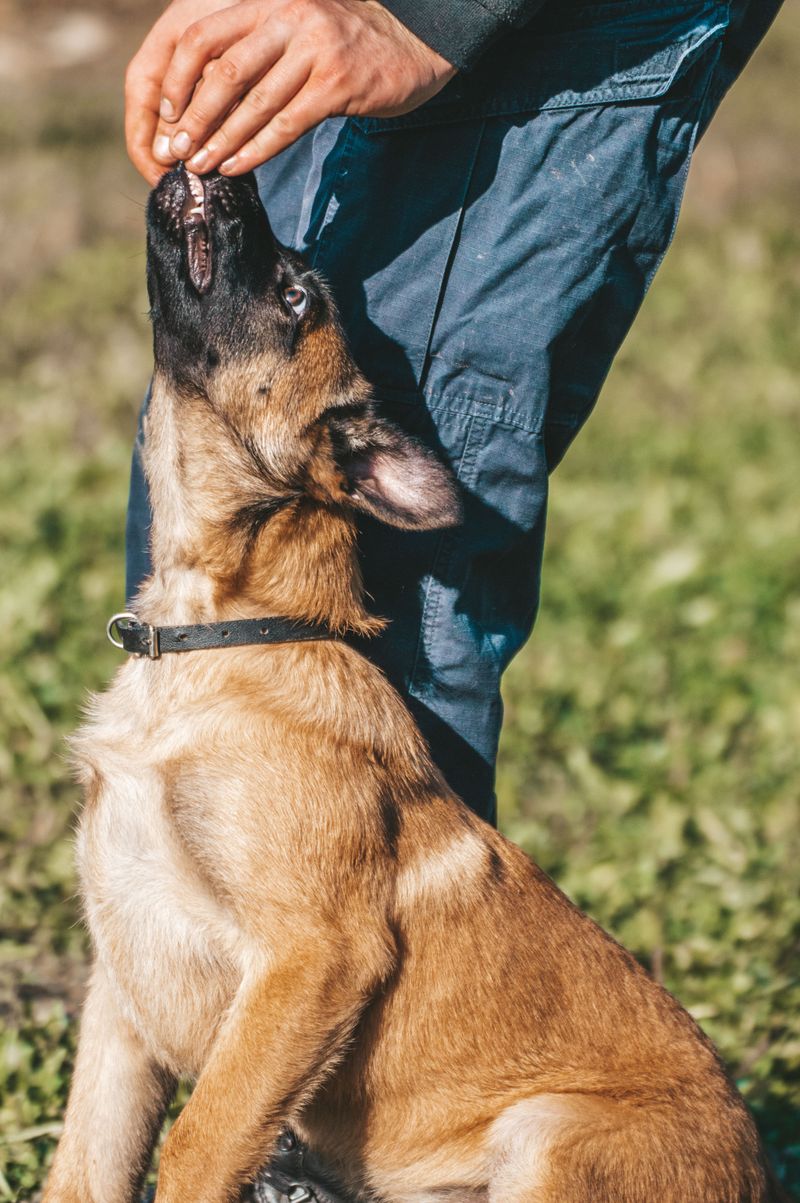
Energy arrives early and usually asks for another assignment. This athletic Belgian herding breed thrives with experienced handlers and demanding, structured training.
A large yard alone cannot meet its needs.
Consider a Malinois only if daily training already fits your lifestyle. Practice recall, settling, and controlled movement before adding farm distractions.
Keep sessions away from livestock until skills are dependable. For many orchard households, a less intense breed will make everyday life easier and calmer.
9. Rottweiler: Strength Guided By Good Manners
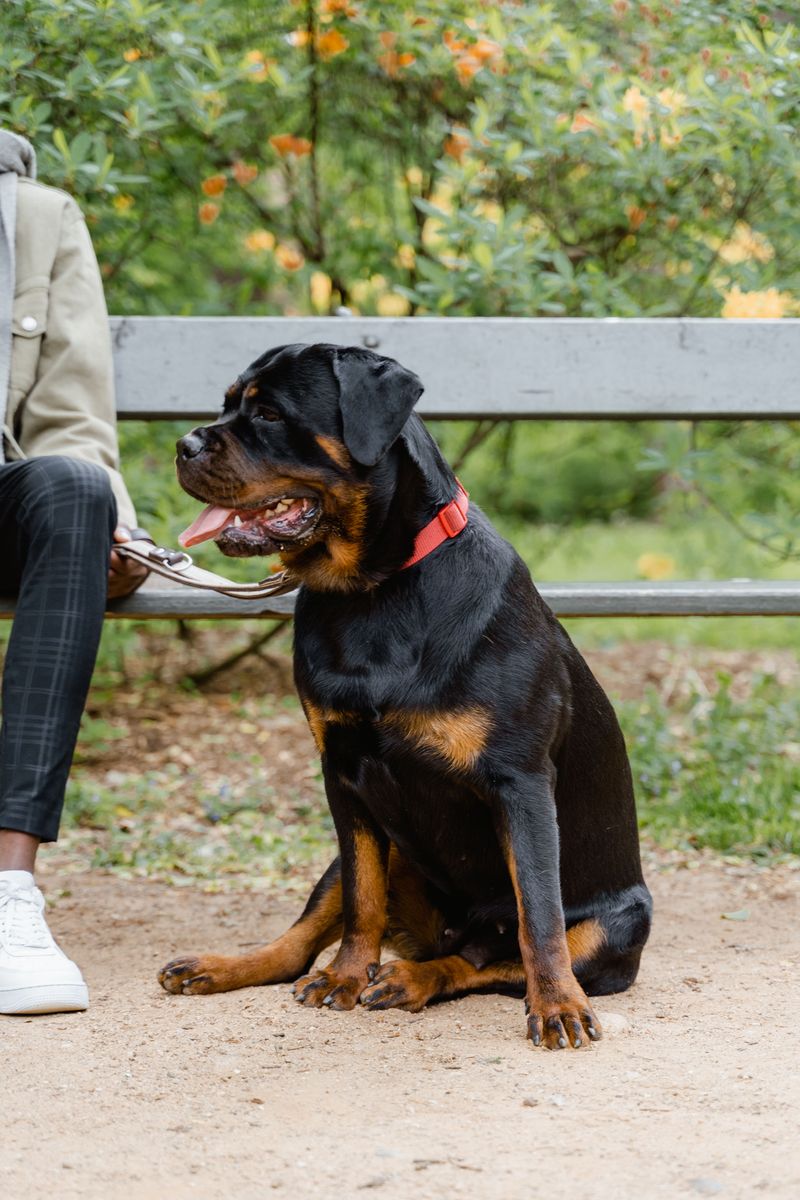
Broad shoulders tell only part of this farm dog’s story. Historically used to drive cattle and pull carts, Rottweilers can enjoy purposeful activity.
Modern rural life still demands manners more than muscle.
Build loose leash walking and polite greetings while your puppy is manageable. Supervise meetings with livestock and visiting children, regardless of training progress.
Avoid heavy pulling during growth, and discuss suitable exercise with your veterinarian. Consistent routines help this strong companion become dependable.
10. Doberman Pinscher: An Alert Companion For Daily Rounds
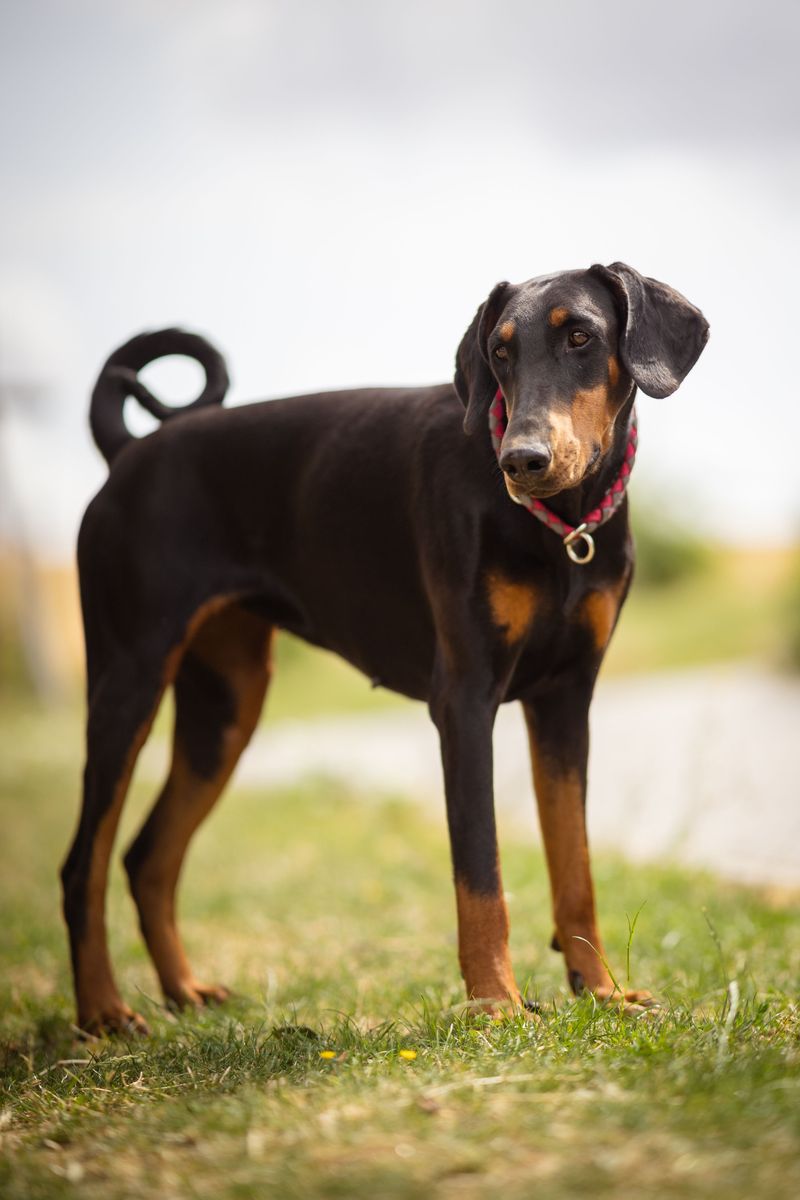
Long legs and sharp attention make property walks feel purposeful. Dobermans often bond closely with their families and enjoy learning alongside them.
They are companions needing human contact, not outdoor fixtures.
Provide a warm indoor sleeping space during chilly Washington weather. Teach relaxed responses to visitors, passing vehicles, and unexpected sounds.
Ask about heart screening and other recommended health tests when selecting a breeder. Reward steady behavior rather than encouraging alarm at every new arrival.
11. Black and Tan Coonhound: A Nose With Its Own Agenda
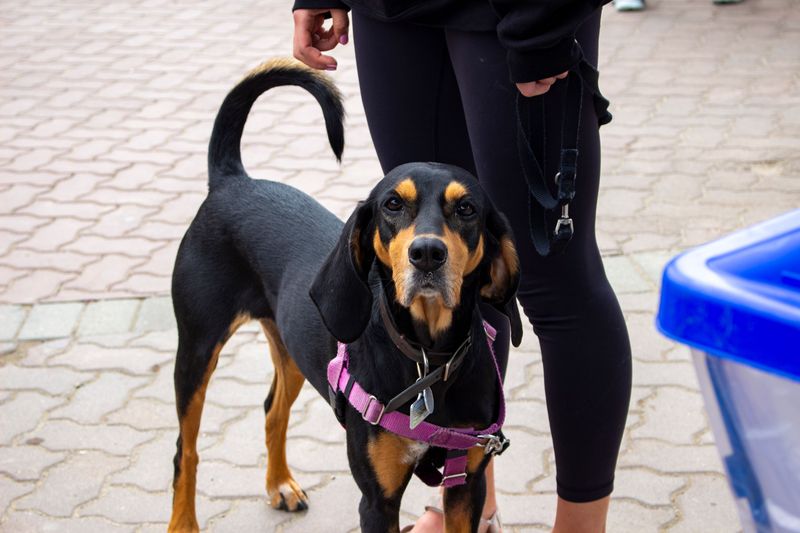
One interesting scent can rewrite the whole afternoon’s plan. Developed for tracking raccoons, this American hound follows its nose with remarkable dedication.
That skill suits scent games better than unsupervised orchard wandering.
Use secure fencing and a long line when practicing recall. Expect a carrying voice, and consider how close your neighbors live.
Check long ears regularly and ask your veterinarian about cleaning. Never encourage wildlife chasing.
Safe sniffing outings give that talented nose useful work.
12. Labrador Retriever: A Cheerful Helper Around The Homestead
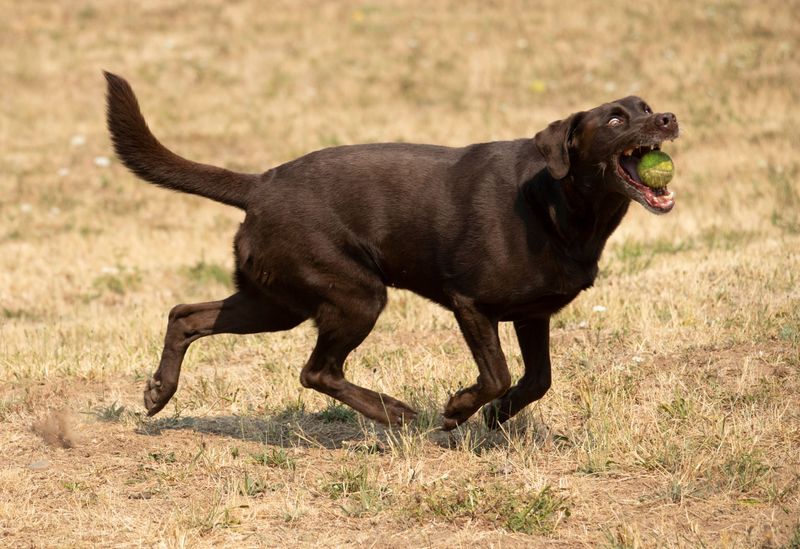
A carried glove might become today’s proudest little achievement. Labradors were developed for retrieving, and many enjoy learning practical carrying tasks.
Their sociable style can suit busy properties with regular visitors.
Train a reliable drop cue before offering objects to fetch. Keep fertilizer, pesticides, fallen fruit, and small tools out of reach.
Watch food portions, since extra weight makes activity harder. Provide daily exercise and supervised water play, never assuming every pond is safe for swimming.
13. Golden Retriever: Friendly Energy For Family Chores
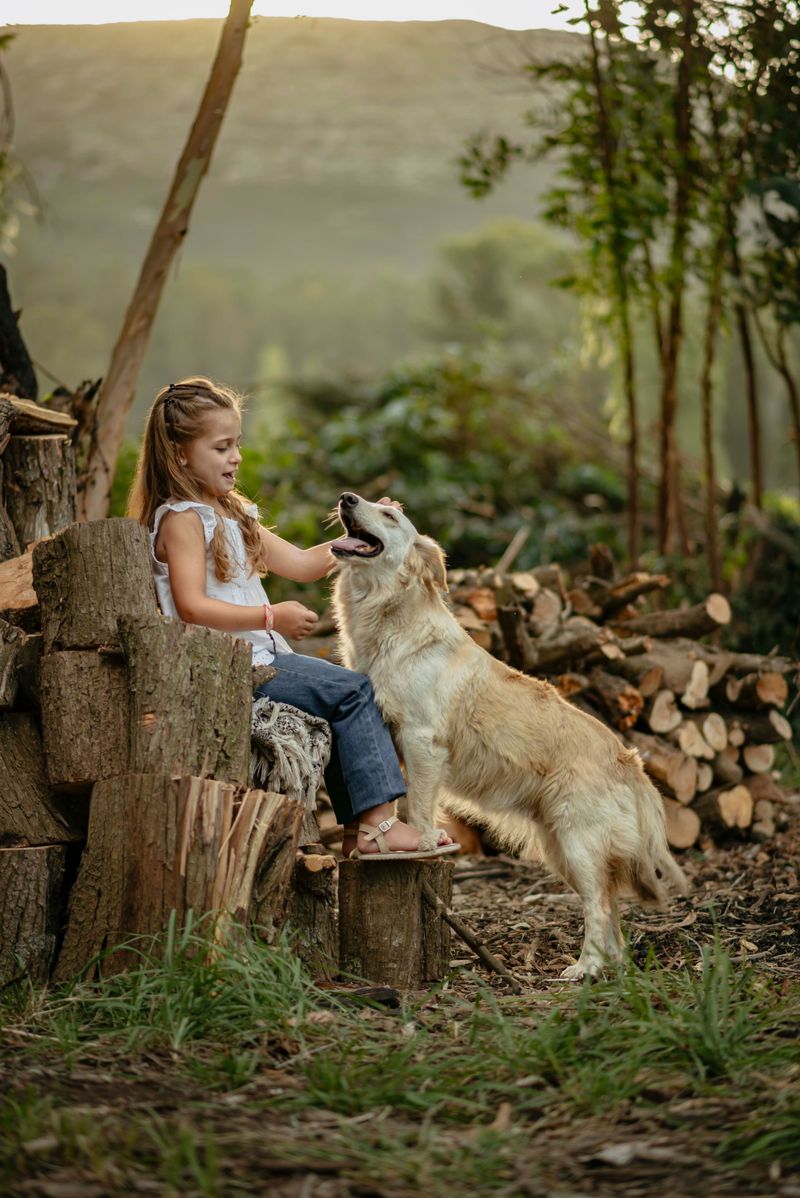
Some helpers excel at making the workday feel friendlier. Goldens bring retrieving instincts and an often sociable outlook to active rural households.
They generally fit companionship roles better than independent livestock guarding.
Practice calm greetings so enthusiasm does not become jumping on guests. Brush feathered legs and check for burrs after orchard walks.
Choose breeders who screen hips, elbows, eyes, and hearts. Balance fetch with sniffing and rest, particularly during warm afternoons in eastern Washington summers.
14. English Springer Spaniel: A Lively Nose For Outdoor Tasks
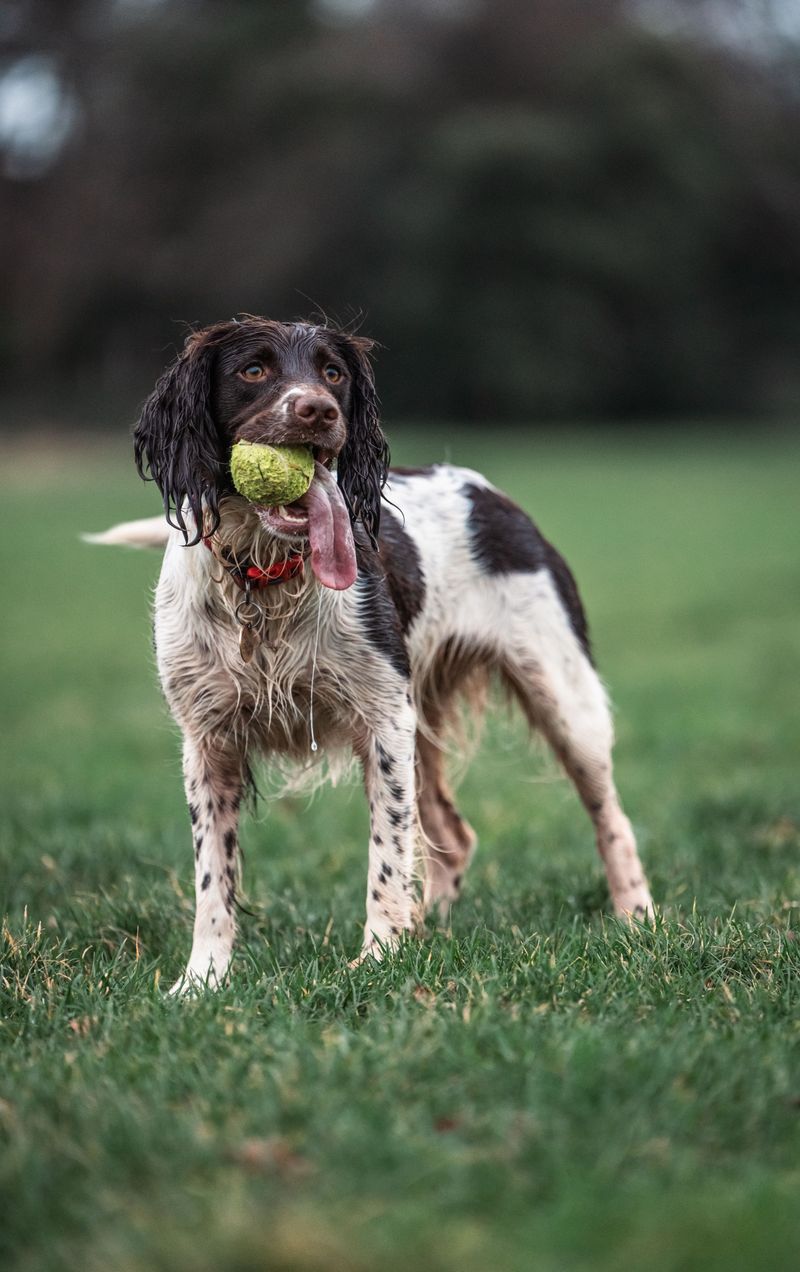
Rustling grass can turn an ordinary walk into a fascinating investigation. Bred to flush and retrieve game, springers often love searching activities.
Working lines may need considerably more exercise than owners expect.
Offer supervised scent games and teach recall before exploring larger areas. Keep poultry separated unless careful training establishes safe behavior.
Inspect ears, paws, and feathering for seeds after outings. Washington’s wet months also mean towel duty.
A clean, dry resting spot keeps comfort simple.
15. Jack Russell Terrier: Small Paws, Big Farm Opinions
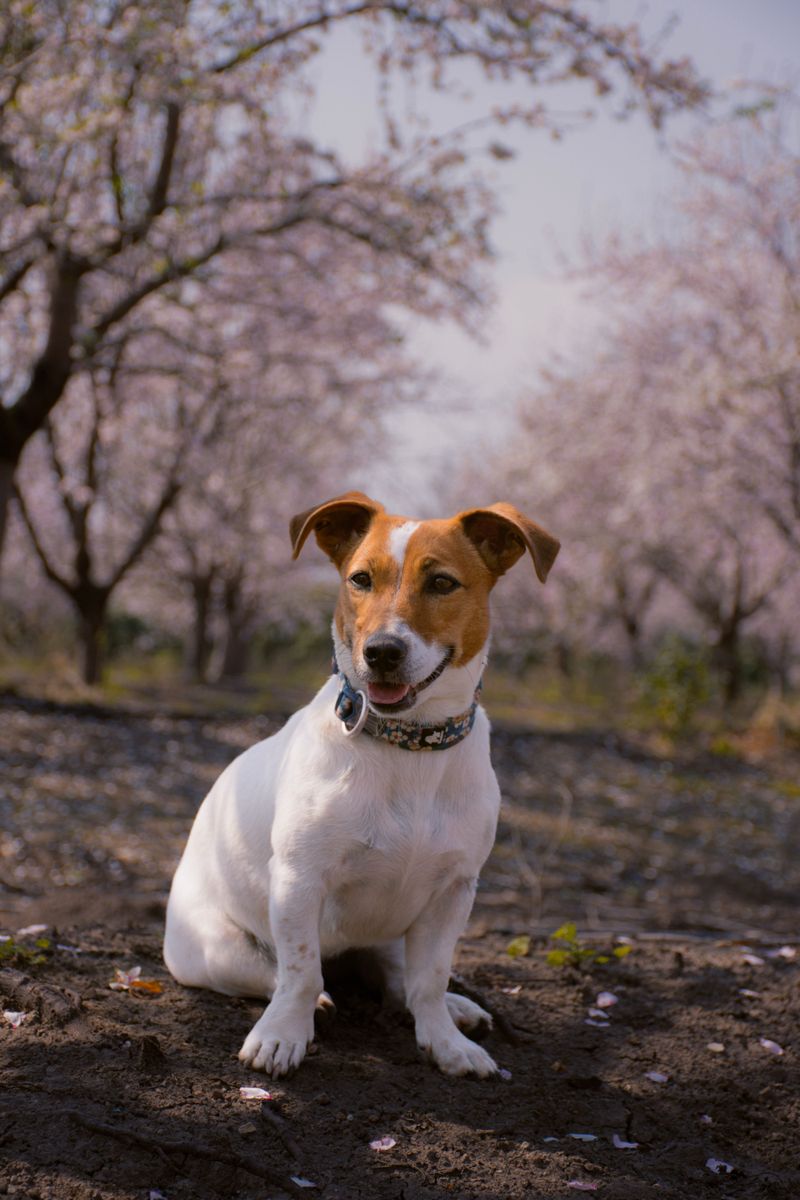
Small paws do not mean a small need for action. Developed for fox hunting, Jack Russells bring curiosity, speed, and determined digging habits.
Their size makes secure fencing especially important around rural outbuildings.
Never rely on a terrier alone for rodent management or allow access to poisons. Protect poultry, supervise wildlife encounters, and reward coming when called.
Offer digging outlets and puzzle games. Choose the right job, clip the leash, and let good farm days begin.