North Carolina Dog IDs And Microchip Records Need A Hurricane-Season Check
Hurricane season in North Carolina brings wind, rain, and sometimes quick evacuations. Even calm, well-trained dogs can slip away when storms rattle the house.
A clear ID tag and an updated microchip record are the fastest ways back home. Think of this list as a friendly checkup you can finish in one relaxed afternoon, long before any storm shows up on the radar.
1. Your Mobile Number Comes First
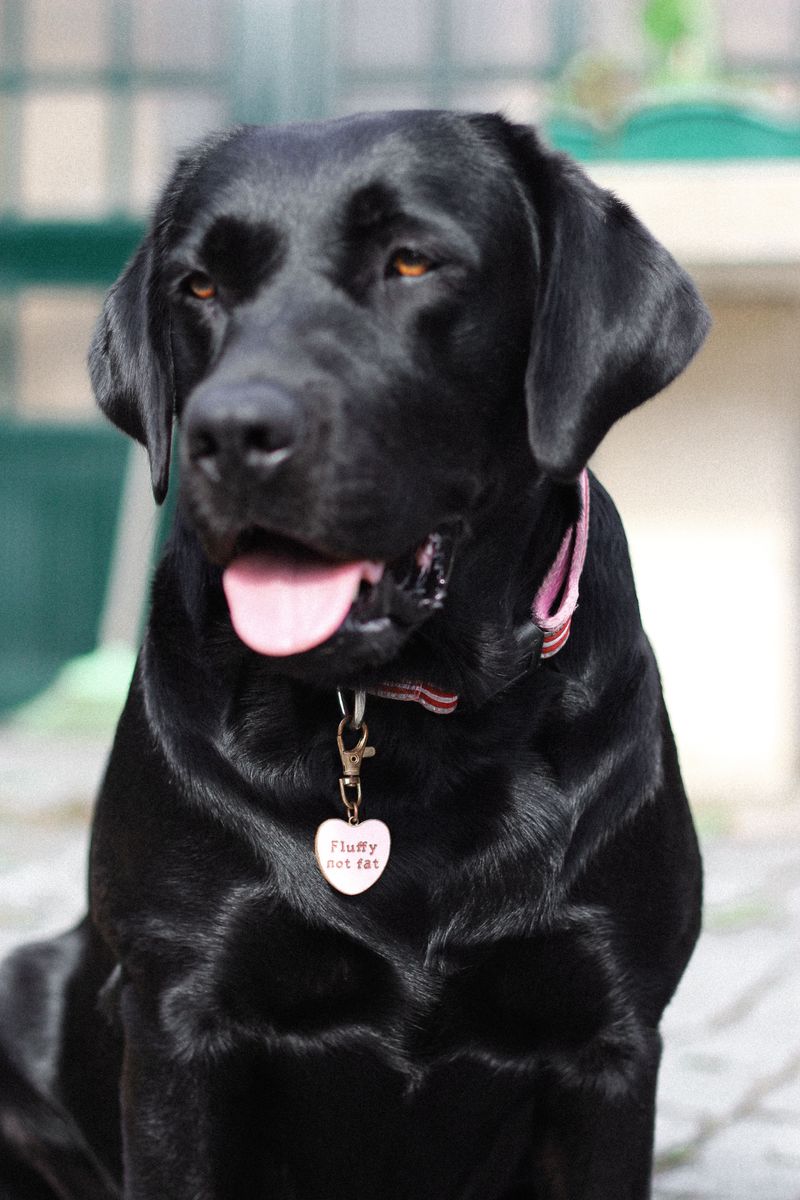
Picture a neighbor finding your dog during a power outage. They will not search online.
They will simply call the number on the tag.
Make sure that number is your current cell phone, not an old landline. Landlines often stop working when storms knock out service.
Choose large, deep engraving so the digits stay readable. Read them aloud yourself to catch any small mistakes.
2. Double-Check Your Home Address
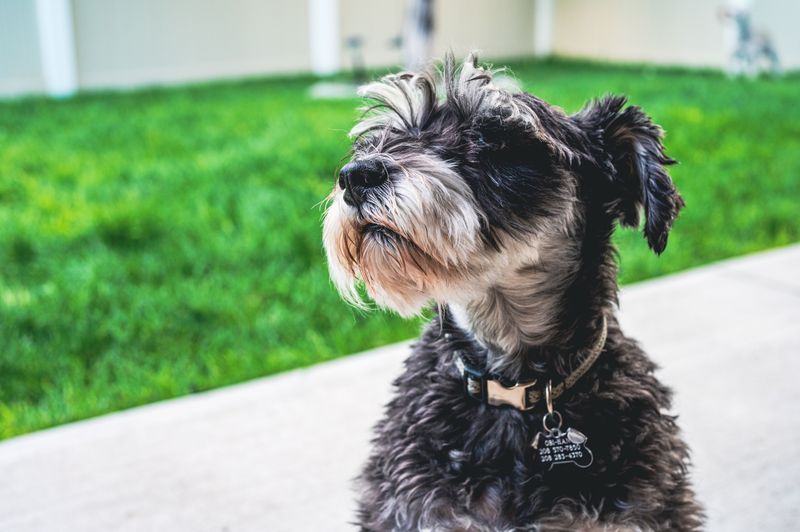
Moved recently? Many families update their mail but forget the little metal tag jingling on the collar.
An outdated address can send a kind finder to the wrong house. If you prefer privacy, a street name and town can still help.
After a storm, phones may be spotty. A clear address gives local helpers a way to walk your dog home, even without a call going through.
3. Make Sure Tags Stay Put
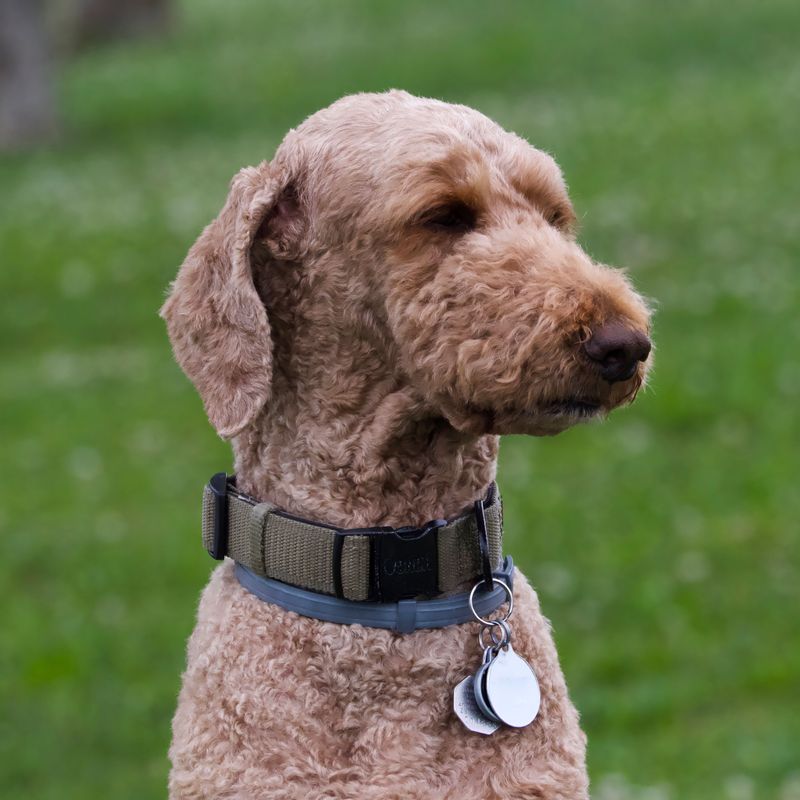
Thin S-hooks can bend open after months of scratching and running. One snag on a fence, and the tag disappears.
Give each tag a gentle tug. A strong split ring or a slide-on tag that sits flat on the collar holds more securely.
Some owners also like riveted collars with the phone number stitched or engraved right on the band. That way, nothing dangles to lose.
4. Start With Your Dog’s Name
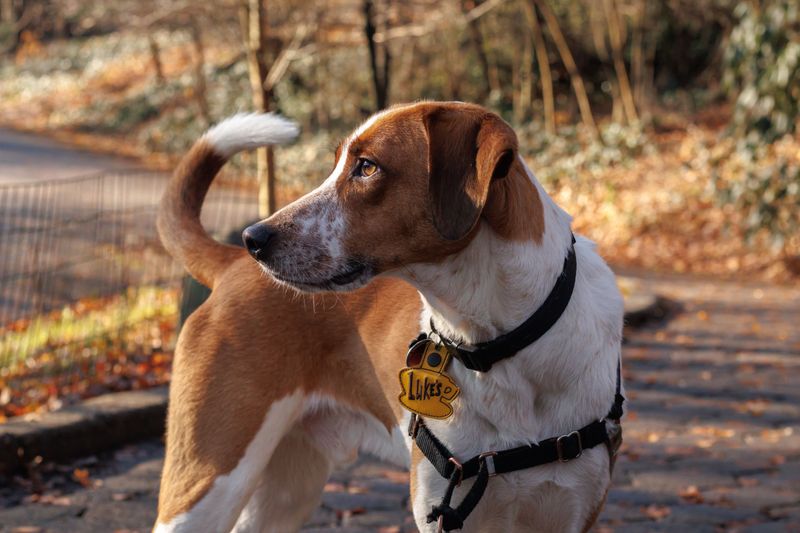
A finder’s first move is usually reading the tag out loud. Hearing a familiar name can help a nervous dog relax and come closer.
Check that the spelling is correct and easy to read. Nicknames are fine if your dog truly answers to them.
Some owners skip the name for privacy reasons. That choice is personal, but most rescuers find a name helpful when calming a scared, wet pup after a storm.
5. Test The Two-Finger Rule
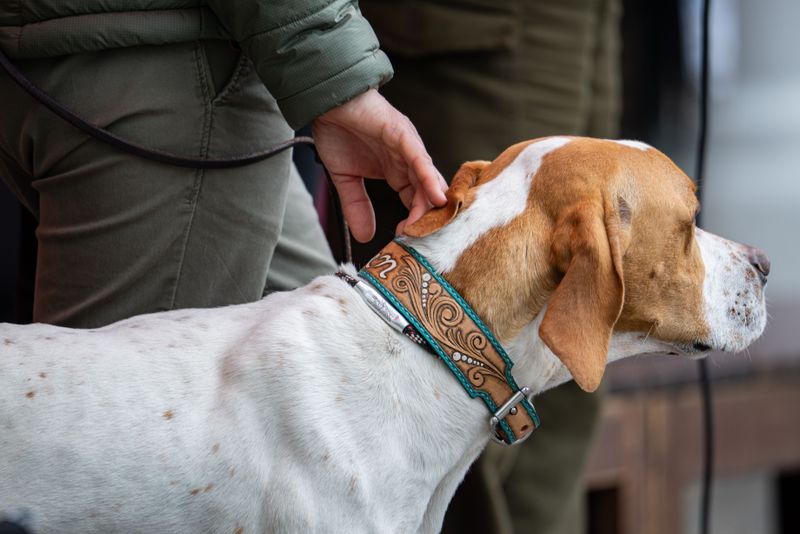
Here is a quick trick most vets recommend. You should fit about two fingers between the collar and your dog’s neck.
Too loose, and a frightened dog may back right out. Too tight, and it becomes uncomfortable.
Dogs gain or lose weight, and nylon stretches when wet. For escape artists, a martingale collar or a well-fitted harness adds extra peace of mind during evacuations.
6. Keep The Rabies Tag Current
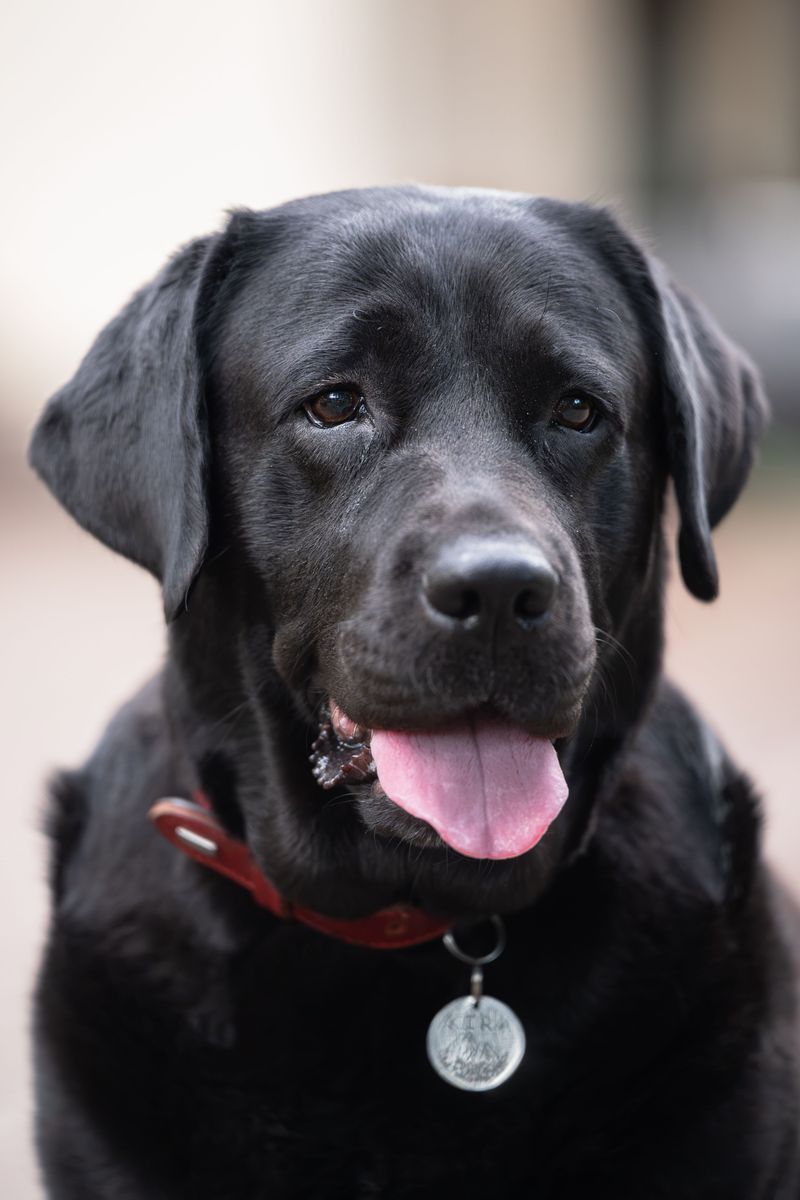
North Carolina law requires dogs four months and older to be currently vaccinated against rabies. Dogs must wear a current rabies tag.
Shelters and pet-friendly evacuation sites often ask for proof. Keep the vaccination certificate handy along with the tag.
Check the expiration date on your paperwork. If a booster is due soon, schedule it before peak storm months arrive in late summer.
7. Look Up Local Licensing Rules
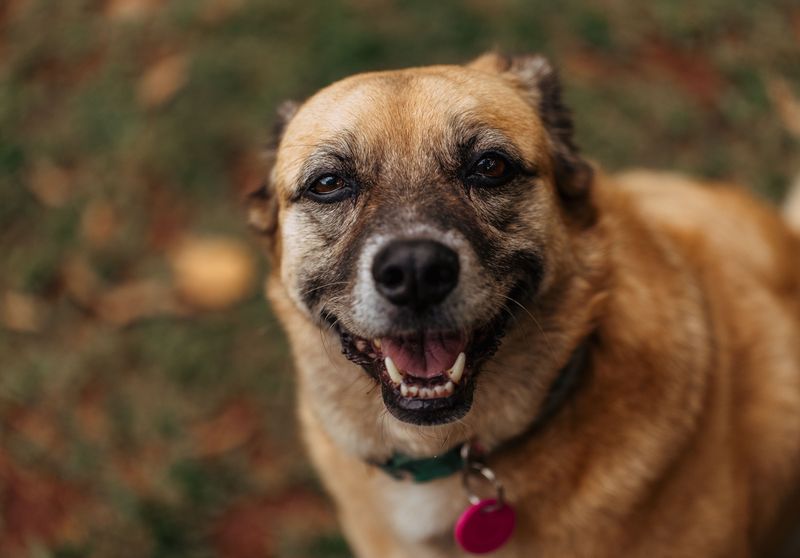
Licensing in North Carolina is not the same everywhere. Each county or city sets its own rules.
For example, Charlotte-Mecklenburg and Dare County have required dog licenses tied to rabies vaccination. Forsyth, Orange, and Cumberland counties have dropped general pet licensing fees.
Rules can change, so call your local animal services office. If a license applies to you, make sure it is current and attached.
8. Ask For A Quick Chip Scan
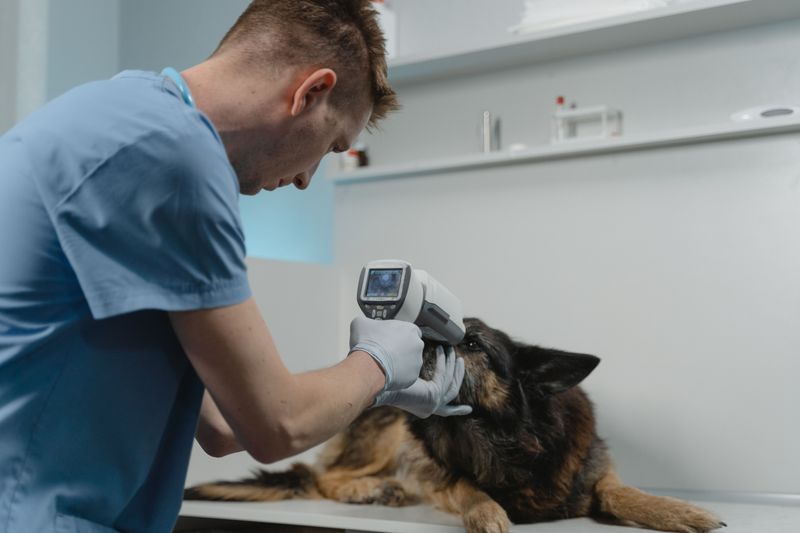
Microchips are tiny, about the size of a rice grain. Most last for years, but they can occasionally shift or fail.
At your next checkup, ask the vet to scan your dog. It takes seconds and costs little or nothing at many clinics.
Many experts suggest a yearly scan. If the scanner finds the chip easily, you can relax knowing that part of your plan works.
9. Write Down That Chip Number

Without the chip number, updating a registry or proving ownership gets harder. Yet many owners have no idea where theirs is written.
Look at adoption papers, vet records, or ask your clinic. The number is usually 9, 10, or 15 digits.
Copy it carefully in more than one place. A note in your phone and one in your emergency binder works well.
10. Confirm The Chip Is Registered
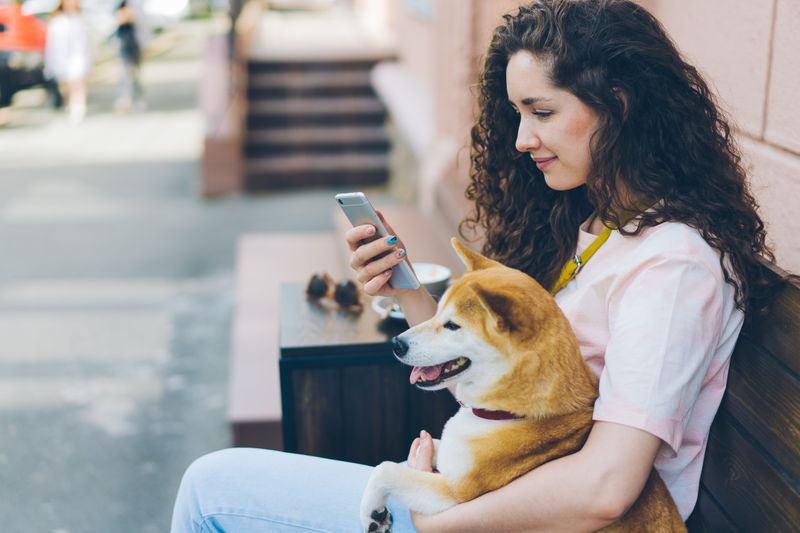
A surprising fact: a chip only helps if it is registered. Without that step, the scan leads to a dead end.
Use the free AAHA Universal Pet Microchip Lookup tool online. Enter your number to see which registry holds it.
If nothing appears, contact the chip maker or your vet. Registering usually takes just a few minutes, and some registries offer it free.
11. Verify Your Name And Main Number

Shelters call the number in the registry, not the number on your tag. So both need to match your life today.
Log in and read your contact details slowly. Typos happen more often than you might think.
If the chip was registered by a breeder or rescue, the account may still list them. Ask them to transfer it into your name.
12. Refresh Email And Home Address
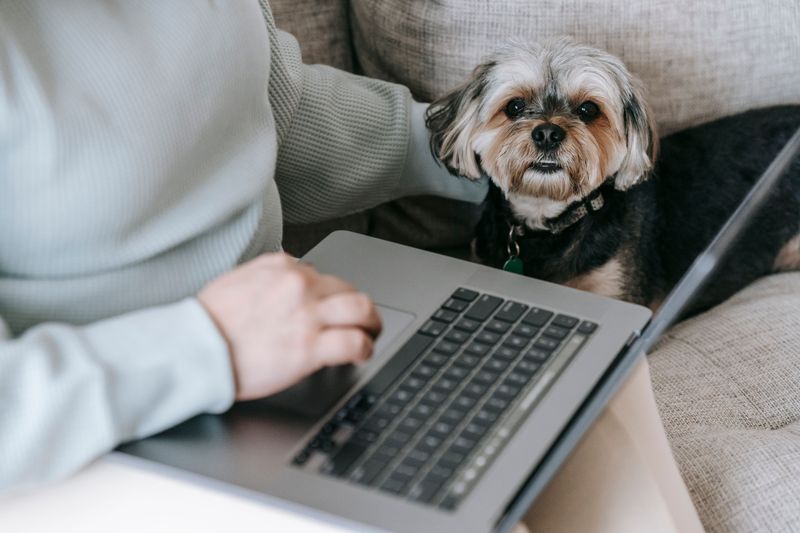
Emails get abandoned. Families move across town or across the state.
Registries rarely know unless you tell them.
Update both your email and street address after any change. An old address can slow a happy reunion by days.
Email matters too. Some registries send alerts when a chip is scanned, and you want those messages reaching an inbox you check daily.
13. Pick A Contact Far From The Coast
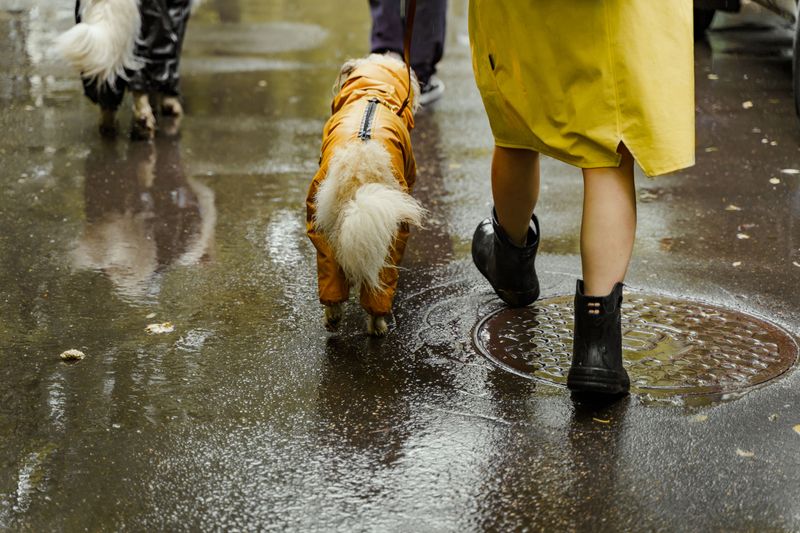
When a hurricane hits the coast, your neighbors may be evacuating too. A local backup contact could be just as hard to reach.
Choose someone living inland or even out of state. A relative in the mountains or another region works nicely.
Most registries allow a secondary contact. You can look up your evacuation zone through your county or the ReadyNC website.
14. List A Number You Can Reach On The Road
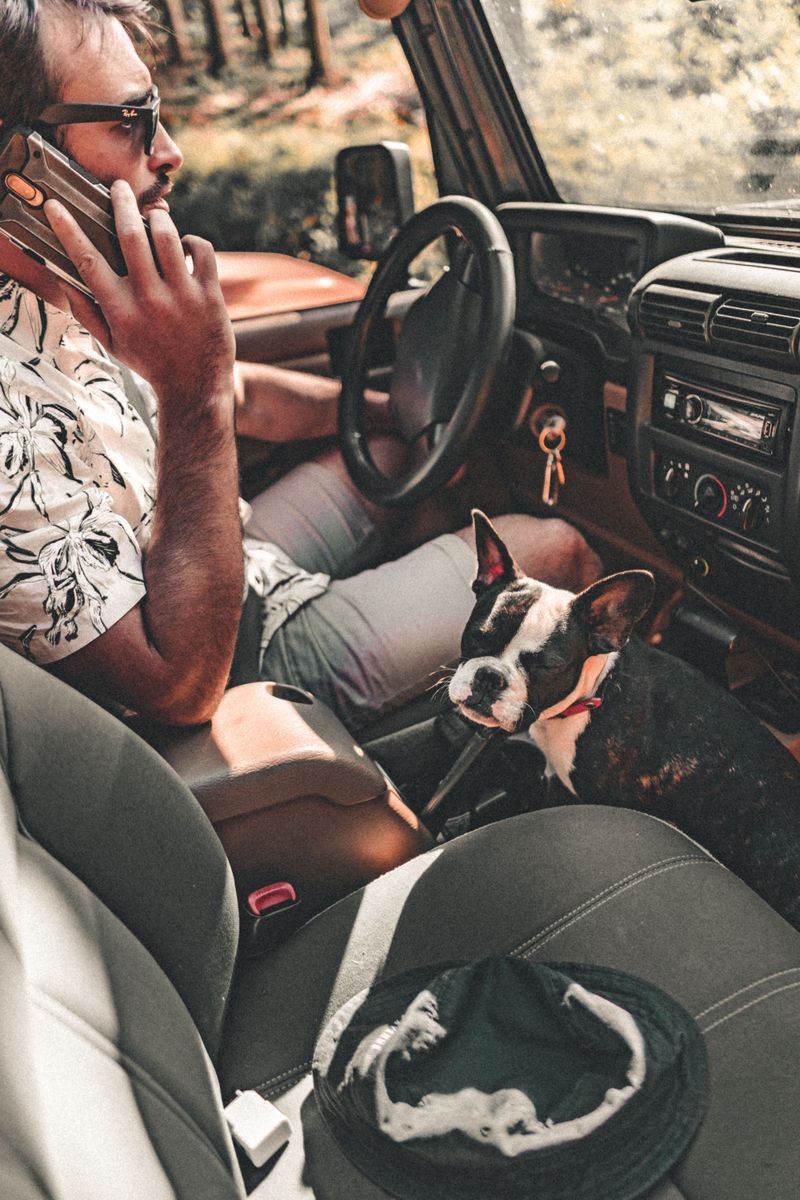
Evacuation days get busy. Your work line or home phone may sit unused miles away.
Add an alternative number you will truly have with you. A spouse’s cell or a spare prepaid phone are good options.
Keep a car charger and power bank in your go-bag. A reachable phone is only useful if it stays charged during long drives.
15. Describe Your Dog Accurately
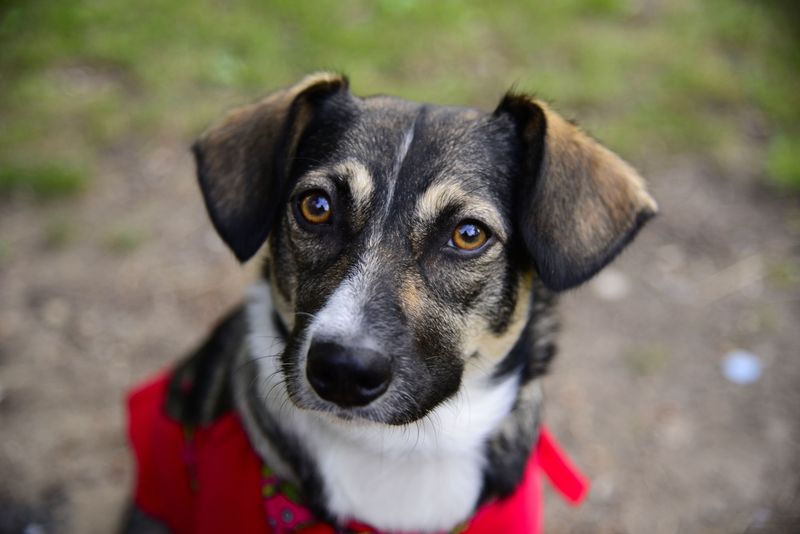
Shelters after big storms can fill with dogs that look alike. Small details help staff match the right pup to the right family.
Check the registry for correct breed, age, color, and sex. Add markings like a white chest patch or a crooked ear.
Upload a clear, recent photo if allowed. Puppies change quickly, so a picture from two years ago may not help much.
16. Practice Logging In From Anywhere

Try this today: log into your registry from your phone, away from home. Can you get in without hunting for a password?
Save your login in a password manager or a secure note. Download the registry’s app if one exists.
During an evacuation, you may need to report a missing dog fast. Easy remote access turns a stressful moment into a quick task.
17. Keep Paper And Digital Copies
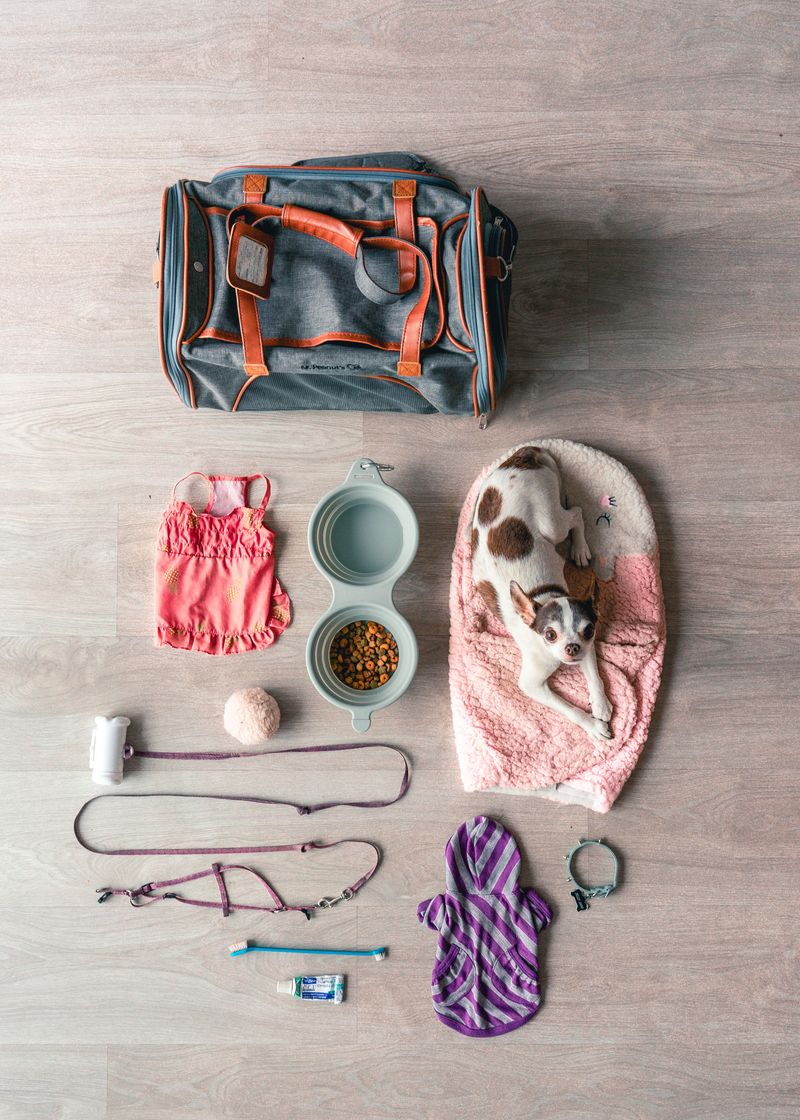
Paper survives dead batteries. Digital files survive soggy basements.
Having both covers you either way.
Store printed records in a waterproof pouch inside your pet go-kit. Include the chip number, rabies certificate, and vet contact.
Save scans to cloud storage too. ReadyNC also suggests a current photo of you with your dog, which can help prove ownership if you become separated.
18. Check Every Dog Before June 1
Atlantic hurricane season officially starts on June 1 and runs through November 30. Late spring is a perfect time for a full review.
Go through this whole list for each dog in your home. Multi-dog homes often update one pet and forget another.
Set a yearly calendar reminder. With every tag readable and every record current, you can face storm season feeling calm and ready.