How To Handle A Coyote Sighting In Your Texas Yard
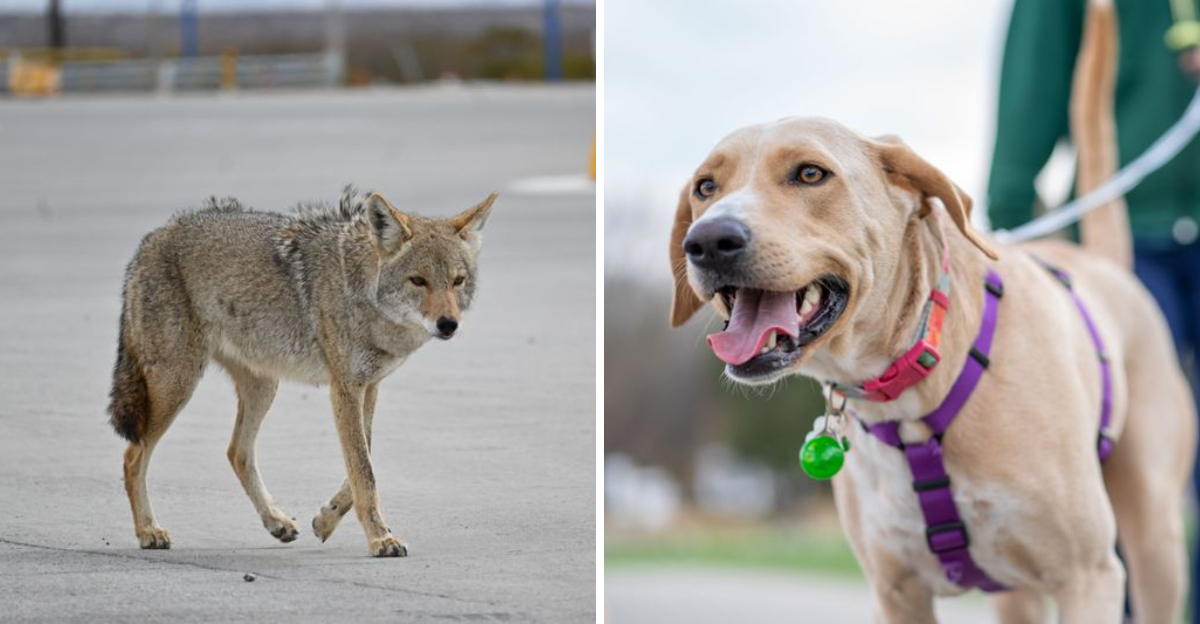
If you own a dog in Texas, odds are good that a coyote has crossed your yard at some point.
Most sightings end with the coyote simply moving along. Still, a little knowledge goes a long way.
Knowing how to respond in the moment, and how to make your yard less interesting to wildlife, keeps your pets safer and your nerves calmer.
We will walk through what to do the second you see a coyote, how to haze it safely, which yard habits quietly invite them back, and when a sighting is worth reporting. No panic required.
1. Bring Pets Indoors Immediately
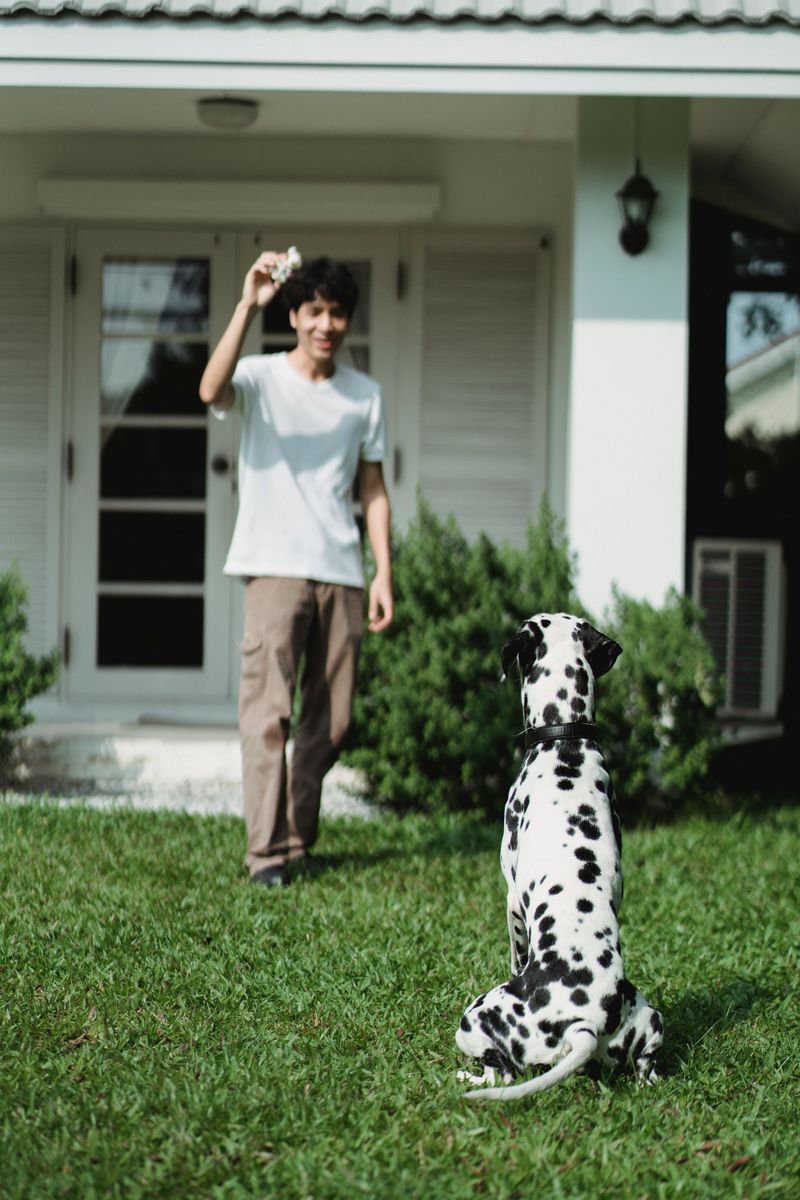
The very first move belongs to your pets. Before you grab a whistle or start shouting, open the door and call your dog or cat inside.
Coyotes see small animals as opportunity, and a loose pet turns a calm sighting into a risky one. Do not chase your dog across the yard.
Use a familiar cue, a treat shake, or a leash if needed.
Once everyone is safely inside, you can handle the coyote without splitting your attention.
2. Keep Children Close and Inside
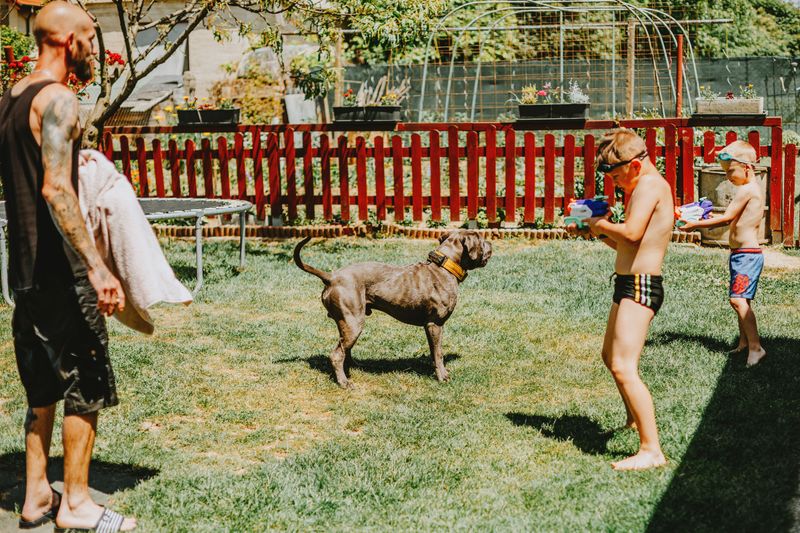
Kids often react to wildlife with curiosity instead of caution. Guide them indoors calmly, without shouting warnings that frighten them.
Afterward, use the moment to teach. Explain that coyotes are wild, not pets, and that they should never approach or follow one.
Tell an adult right away is the rule worth repeating.
Supervise outdoor play near greenbelts, creek beds, or wooded lots. Those edges are common coyote travel routes across many Texas neighborhoods.
3. Do Not Approach or Corner the Coyote
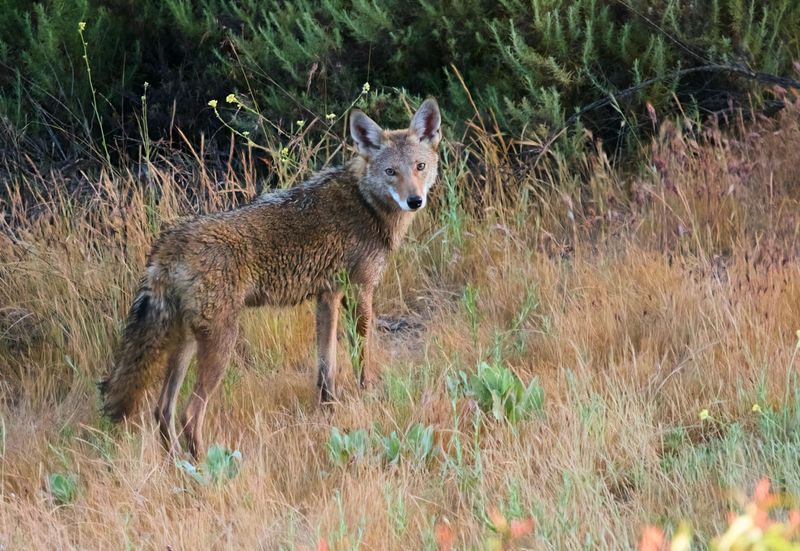
Space is your best friend here. An animal with a clear exit almost always takes it.
Walking toward a coyote, or blocking the only gap in your fence, removes that option. A cornered animal may act defensively, and nobody wants that outcome.
Also resist the urge to run. Running can trigger a chase response, so stand your ground and back away slowly if you need to reposition.
Let the coyote choose the exit while you stay put.
4. Make Yourself Look Large

Body language does a lot of the talking. Stand up straight, lift your arms high, and open your jacket if you are wearing one.
Stomping your feet adds vibration and sound that reinforces the message. The goal is simple: look bigger and less appealing than whatever brought the coyote here.
Wildlife experts call this hazing, and it works because coyotes naturally avoid confident humans.
Height and motion together read as trouble worth avoiding.
5. Yell and Make Loud Noises

Noise is the second half of hazing, and it does not require a fancy tool.
Shout in a firm, authoritative voice. Clap sharply, blow a whistle, or bang two pots together.
An air horn works well if you already own one.
Many Texas cities suggest keeping a noisemaker near the back door for exactly this reason.
Avoid a high, panicked scream. A low, commanding tone carries more weight with wildlife.
6. Continue Hazing Until It Leaves
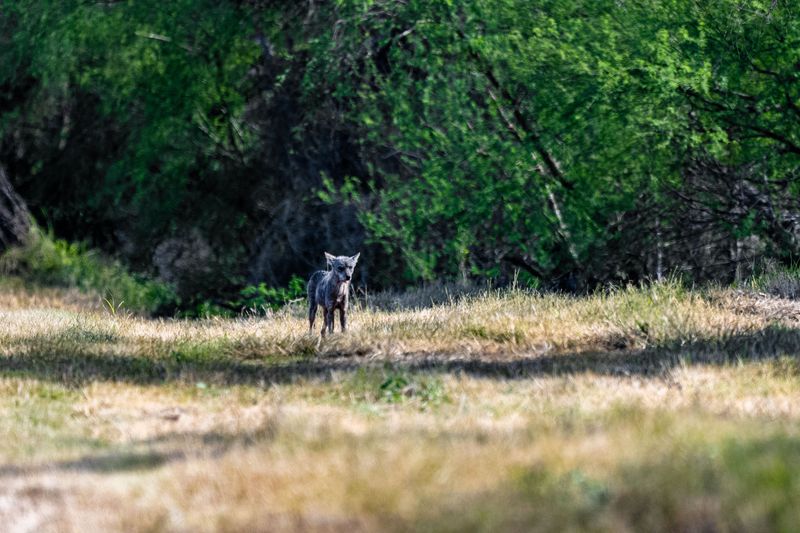
Half-finished hazing teaches the wrong lesson. If you stop while the coyote is still sitting there, it learns that waiting you out works.
Keep the noise and movement going until the animal fully leaves your property and disappears from view.
Consistency matters neighborhood-wide too. When several households haze the same coyote, it starts avoiding the whole block.
A minute or two of persistence now saves repeat visits later.
7. Spray It With a Garden Hose if Necessary
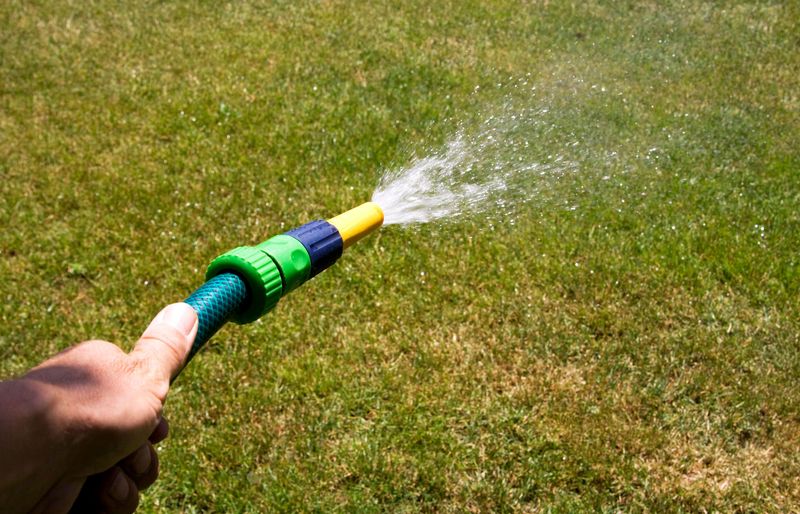
Water is a surprisingly effective persuader. A blast from the garden hose or a squirt gun startles without causing harm.
Some guidance suggests adding vinegar to a squirt bottle for extra unpleasantness. The point is discomfort, never injury.
You can also toss small sticks, pebbles, or tennis balls toward the ground near the coyote. Aim beside it, not at it.
Scaring is the goal, and a wet coyote rarely comes back for seconds.
8. Never Feed Coyotes
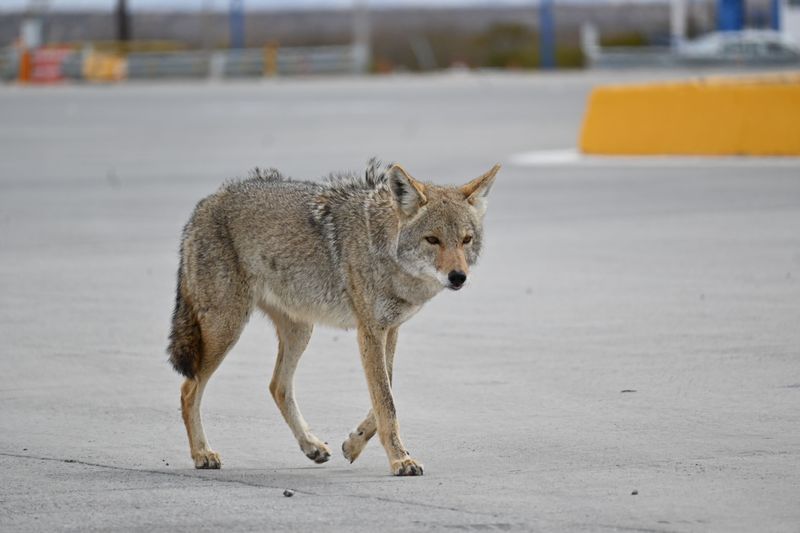
Kindness backfires badly here. A coyote that associates people with meals loses its natural wariness, and bold behavior follows.
Intentional feeding is prohibited in numerous Texas cities, and violations can bring fines. Rules vary by municipality, so check your local ordinance if you are unsure.
Unintentional feeding counts too. Scraps tossed over the fence for birds or strays end up on a coyote’s menu.
Fed wildlife becomes problem wildlife, every single time.
9. Remove Outdoor Pet Food and Water Bowls
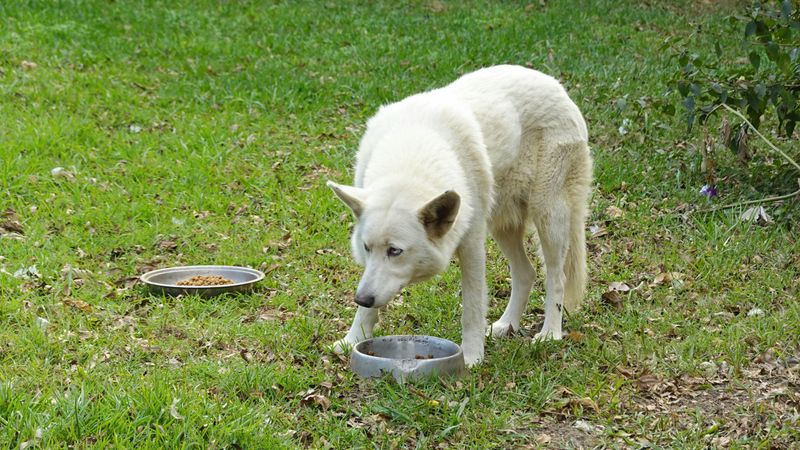
That bowl of kibble on the porch is basically an open invitation. Coyotes have excellent noses and long memories for reliable food spots.
Feed pets indoors whenever possible. If outdoor feeding is unavoidable, set a timer and collect the bowls as soon as your dog finishes.
Rinse the area occasionally, since dried food smells linger in Texas heat.
Water bowls attract wildlife too, especially during dry summer stretches when natural sources shrink.
10. Secure Garbage Tightly
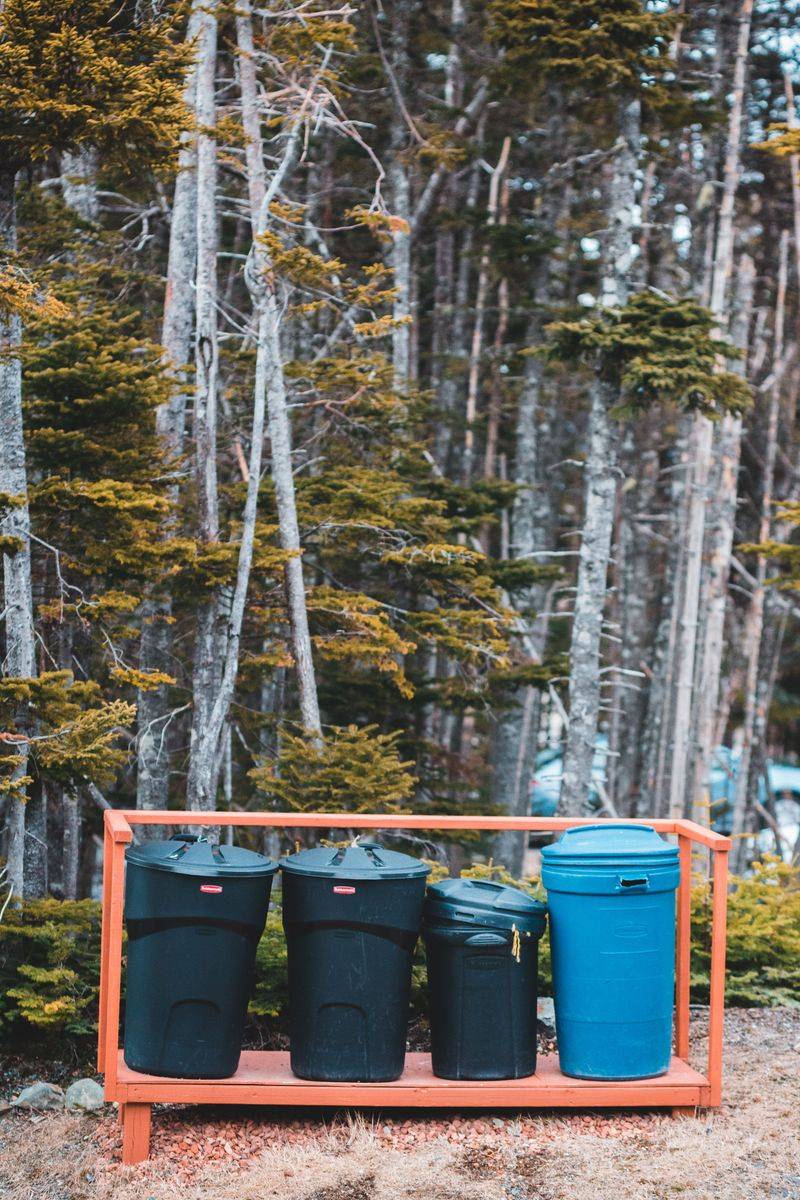
Trash night is a coyote’s favorite night. Loose lids and thin bags make an easy meal for anything passing through.
Choose sturdy containers with lids that latch or clamp. Store cans in the garage or a closed shed between pickups.
Roll them to the curb the morning of collection rather than the evening before. That single habit change removes hours of overnight access.
Bungee cords help on windy Texas nights.
11. Secure Compost Piles
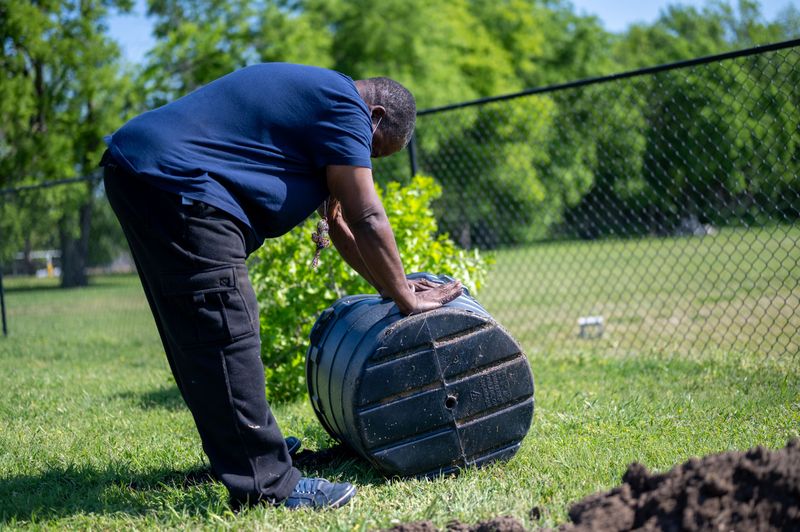
Composting is great for the garden and occasionally great for coyotes. Open piles broadcast smells across the whole block.
Skip meat, bones, fish, dairy, and greasy leftovers entirely. Those items are the biggest wildlife magnets.
Cover fresh scraps with a layer of soil or lime to cut odor. Better yet, switch to a fully enclosed bin or a rotating tumbler.
Sealed systems compost just as well and stay quietly uninteresting to passing wildlife.
12. Pick Up Fallen Fruit

Here is a detail that surprises people: coyotes eat fruit. They are omnivores, and a peach tree dropping ripe fruit counts as a buffet.
Walk your yard every few days during fruiting season and collect windfall. Figs, plums, persimmons, and pecans all qualify.
Fallen fruit also draws rodents and insects, which draw coyotes for a second reason.
A quick evening sweep keeps the whole food chain from setting up shop.
13. Clean Up Spilled Birdseed
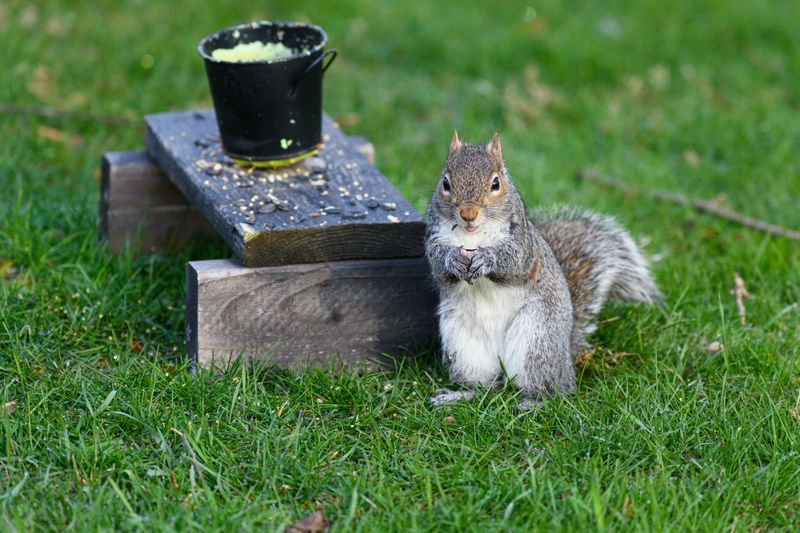
Bird feeders create a chain reaction. Spilled seed feeds rodents, rodents attract coyotes, and suddenly your hobby has consequences.
Sweep or rake beneath feeders regularly. Feeders with built-in trays catch most of the mess before it hits the ground.
Hang them high and away from fences or low branches that offer cover.
You can absolutely keep feeding cardinals and finches. Just tidy up underneath, and the arrangement stays a bird-only affair.
14. Trim Dense Vegetation and Tall Grass
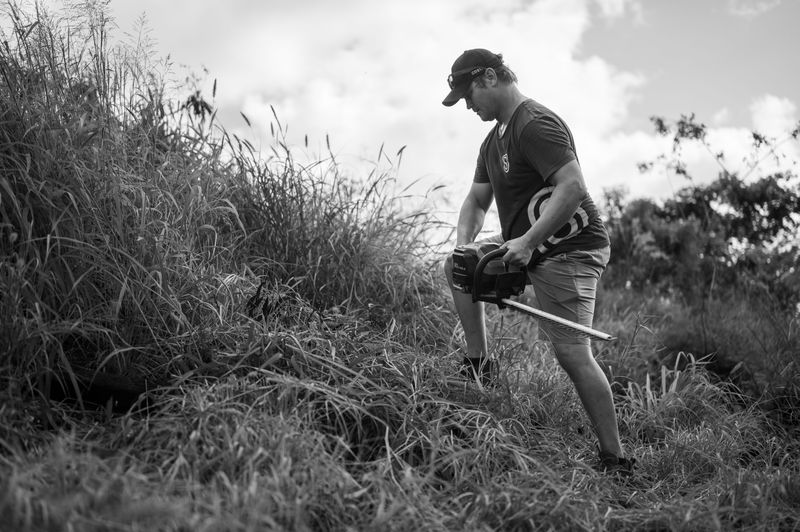
Coyotes prefer cover. Thick brush, overgrown shrubs, and tall grass give them places to rest, hide, and watch.
Clear vegetation along fence lines and around the foundation of your house. Thin out dense shrub clusters near patios and play areas.
Open, visible ground makes a coyote feel exposed, and exposed animals move on.
Bonus: the same trimming reduces snake and rodent habitat, which is always welcome in a Texas yard.
15. Supervise Dogs Outdoors
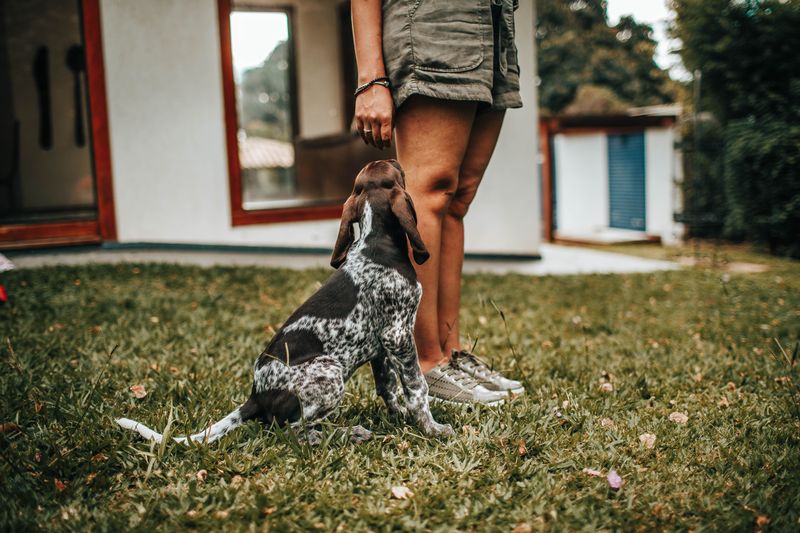
A fence is helpful, not foolproof. Coyotes climb, dig, and slip through gaps that look impossibly small.
Go outside with small dogs rather than sending them out alone, particularly around dawn and dusk. Your presence alone discourages most wildlife.
Turn on exterior lights for nighttime potty breaks and scan the yard first.
I know it feels like overkill on a quiet street. It takes two minutes and removes nearly all the risk.
16. Walk Dogs on a Short Leash

Leash length matters more than most owners realize. A standard six-foot leash keeps your dog within arm’s reach and under your control.
Retractable leashes are discouraged for this exact reason. Twenty feet of slack puts your dog far outside your protection.
Stay alert on greenbelt trails, park paths, and creek crossings where coyotes travel.
If one appears, shorten the leash, face the animal, and haze while walking away calmly.
17. Keep Cats Indoors, Especially at Night
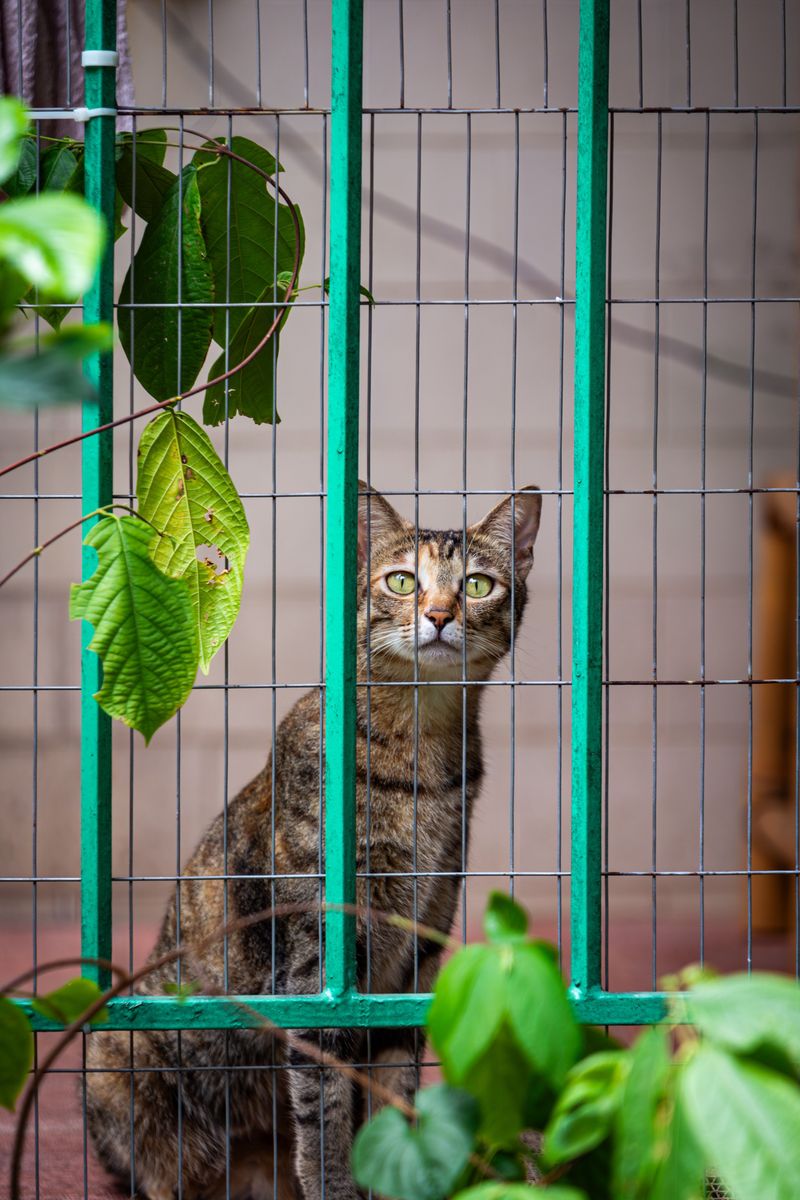
Cat owners hear this advice often, and there is good reason behind it. Free-roaming cats face the highest risk from dusk through dawn.
Indoor living solves the coyote problem and several others, including traffic and disease.
If your cat craves fresh air, consider a screened porch or a secure outdoor enclosure. Some folks build simple catios from wire panels.
Window perches and evening play sessions go a long way toward keeping an indoor cat happy.
18. Report Unusually Bold or Aggressive Behavior
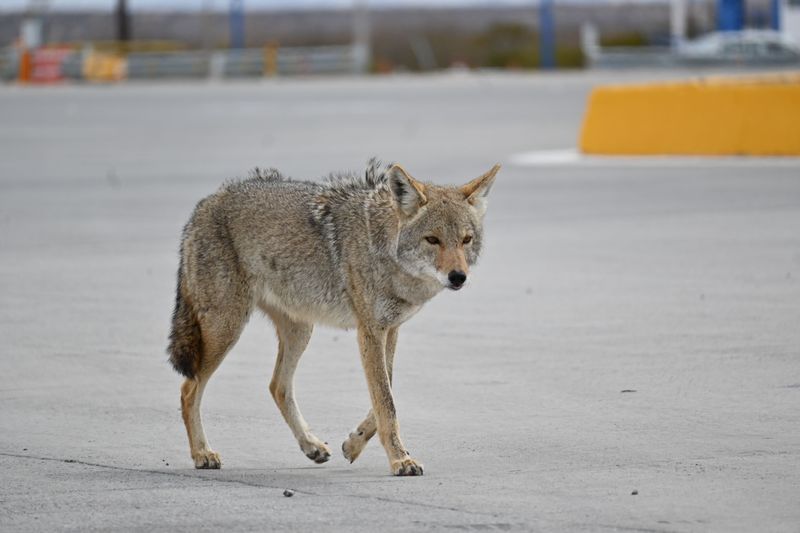
Routine sightings rarely need a phone call. Bold behavior does.
Texas Parks and Wildlife flags warning signs like midday visits near playgrounds, coyotes following joggers, or animals approaching leashed pets. Contact your city’s animal control or TPWD in those cases.
Note the date, time, location, distance, and how the animal reacted to you.
Call 911 if a coyote appears sick, injured, or actively aggressive. Reporting procedures differ by city, so confirm locally.