What Kentucky Dog Owners Should Know About Copperheads Near Creeks And Woodpiles
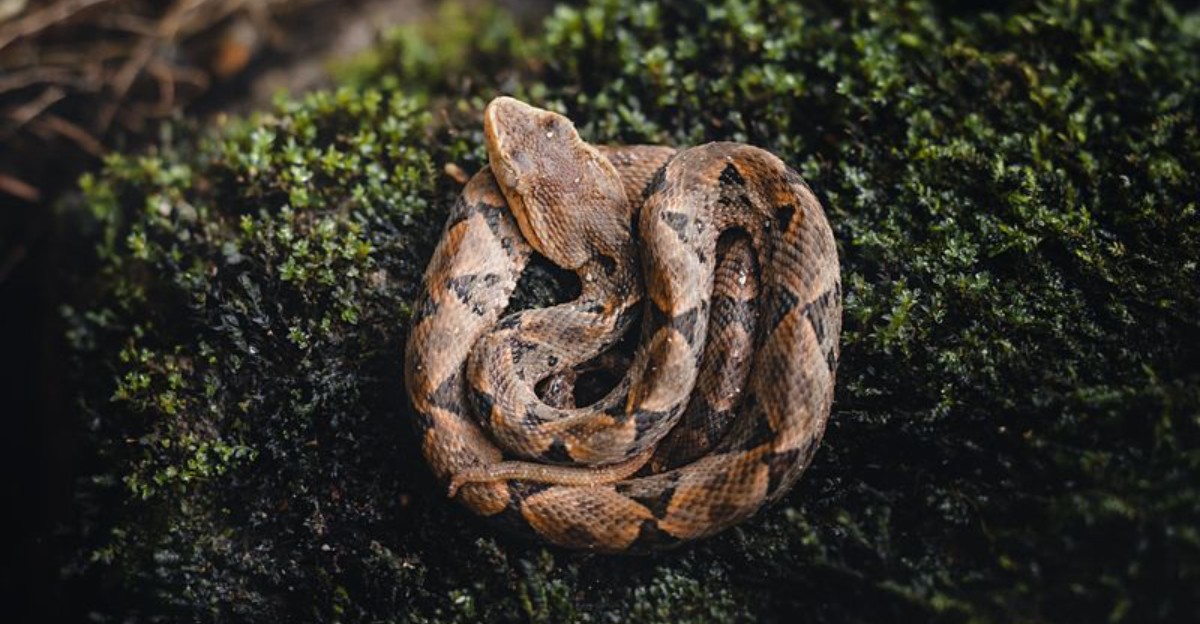
If your dog loves splashing in a creek or nosing around the firewood stack, you already share space with copperheads. Kentucky has plenty of them, though encounters are far less common than the stories suggest.
A few simple habits, some yard cleanup, and a clear plan can keep walks relaxed and safe. Here is what local dog owners find genuinely useful to know.
1. Why Copperheads Show Up Near Creeks
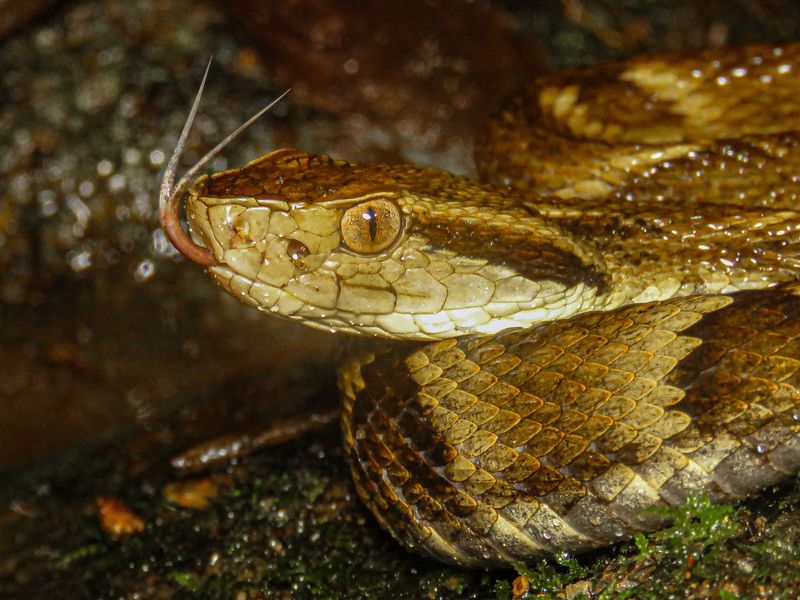
Cool water and shady banks draw plenty of wildlife, copperheads included. Though they are not true water snakes, they swim well.
Kentucky creeks give them cool spots during hot stretches of summer.
Rocky hillsides and wooded stream banks also hide frogs, mice, and insects they hunt. Your dog’s favorite splash zone can double as a snake’s pantry.
Most stay hidden and prefer to be left alone.
Knowing that overlap helps you plan calmer, safer walks along the water.
2. Why Woodpiles Can Hide Copperheads
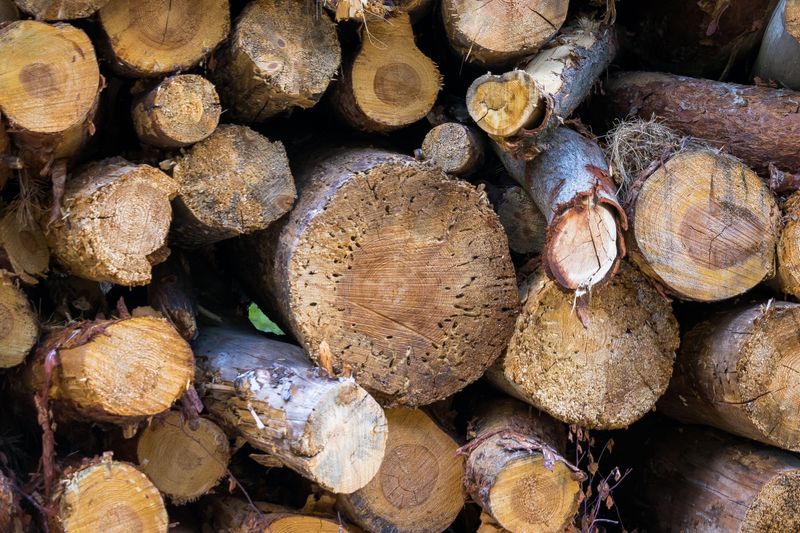
Stacked firewood offers everything a copperhead wants: shade, damp air, and cover. Mice move in first, and snakes follow the food.
Brush piles, rotting logs, mulch heaps, and the space under decks work the same way. A resting snake can sit inches from your hand or your dog’s nose without being seen.
Treat any wood stack as a spot to approach slowly, with your dog waiting somewhere else. Gloves and a rake beat bare hands every time.
3. Keep Your Dog Close Near Water
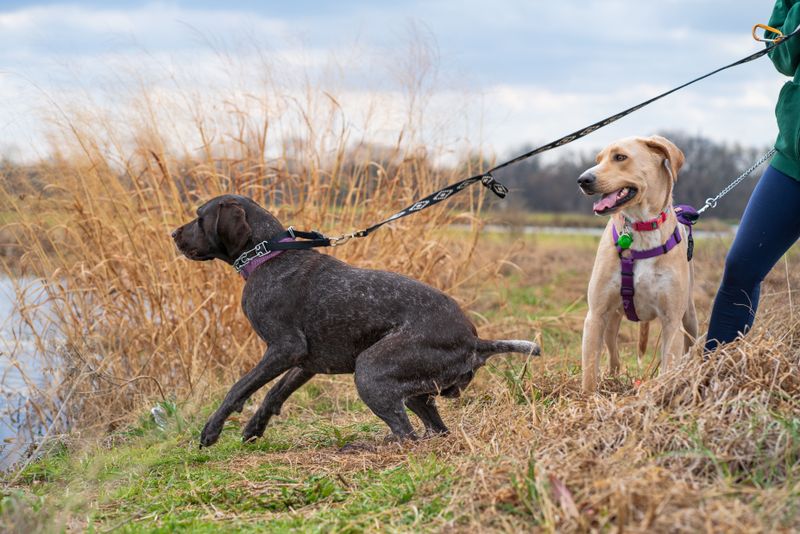
A leash is one of the simplest snake-safety tools you have. Near creeks, keep it clipped on, even if your dog usually sticks close.
Tall grass, weedy banks, and root tangles can provide cover for copperheads. A shorter leash gives you better control around places where visibility is limited.
Toss a spare in the car so creek stops are never a judgment call. Control now saves worry later.
4. Watch Where Your Dog Sniffs
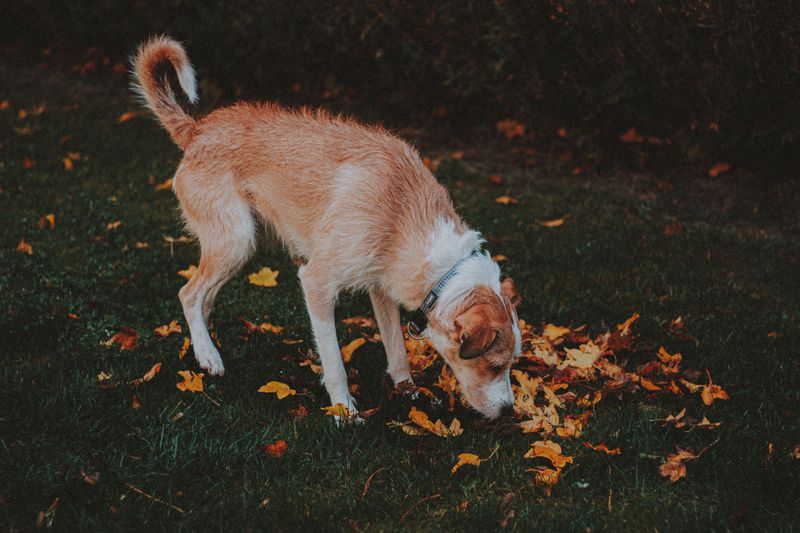
Noses lead the way on almost every walk, which can bring dogs close to places where snakes are hiding. Copperheads rely heavily on camouflage and may remain still when approached.
A dog pushing into leaf litter may not notice one at all.
Steer sniffing sessions toward open ground, packed trails, and short grass. Redirect gently with a treat rather than a tug.
Your dog learns fast when good choices pay off.
5. Be Extra Careful Around Fallen Logs
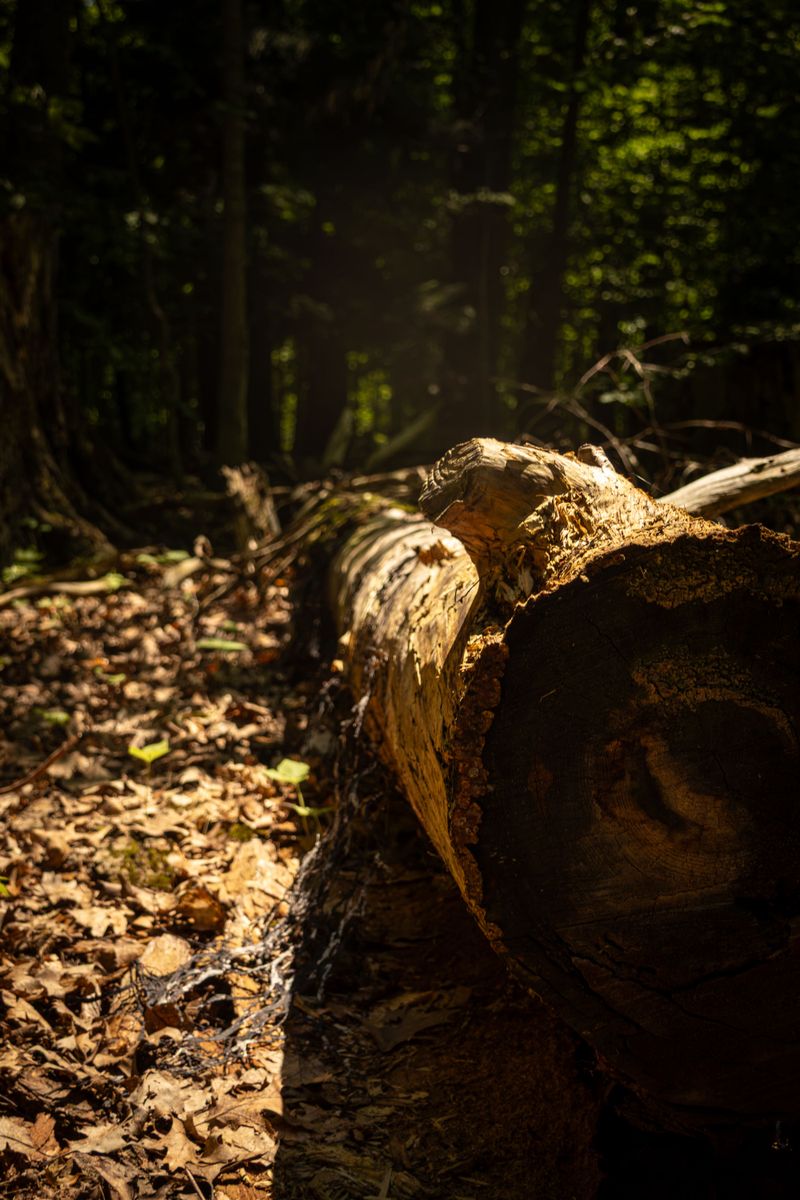
Ask any Kentucky hiker about copperhead hotspots and fallen logs come up quickly. Rotting wood holds warmth, moisture, and small prey.
A snake may rest on top to soak up sun, or tuck underneath for shade. Both positions blend into bark and leaves beautifully.
Guide your dog around logs instead of over them, and never let paws dig at soft, crumbling wood. Stepping onto a log lets you see the far side first.
A short detour costs you nothing.
6. Clear Woodpiles Away From Dog Areas
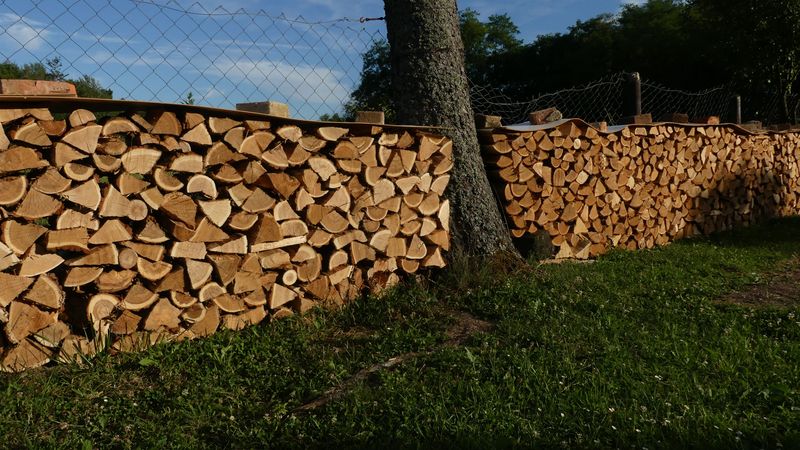
Yard layout matters more than most owners realize. Move firewood well away from the play area, patio, and back door.
Store it off the ground on a rack, and keep the surrounding grass trimmed short. Thin out mulch beds, rake up leaf litter, and haul off brush piles.
Walk the wood storage zone now and then, looking before you reach. Sealing gaps in fences and sheds helps too.
Fewer hiding spots simply mean fewer surprise visitors.
7. Know What Copperheads Look Like
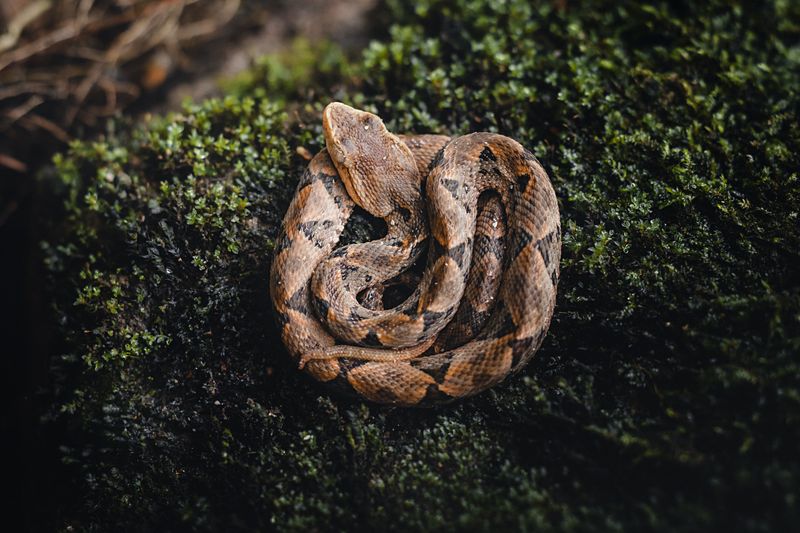
Picture an hourglass laid on its side, and you have the classic pattern. Copperheads have chestnut-colored crossbands that are wider along the sides and narrower across the back, creating the familiar hourglass or bow-tie pattern.
The head looks broad and triangular, and copperheads have vertical pupils. Young ones have a distinctive yellowish tail tip that fades as they mature.
Copperheads can reach several feet in length, so size alone is not a reliable way to identify one. Identify from a comfortable distance, never up close.
8. Do Not Let Your Dog Chase a Snake
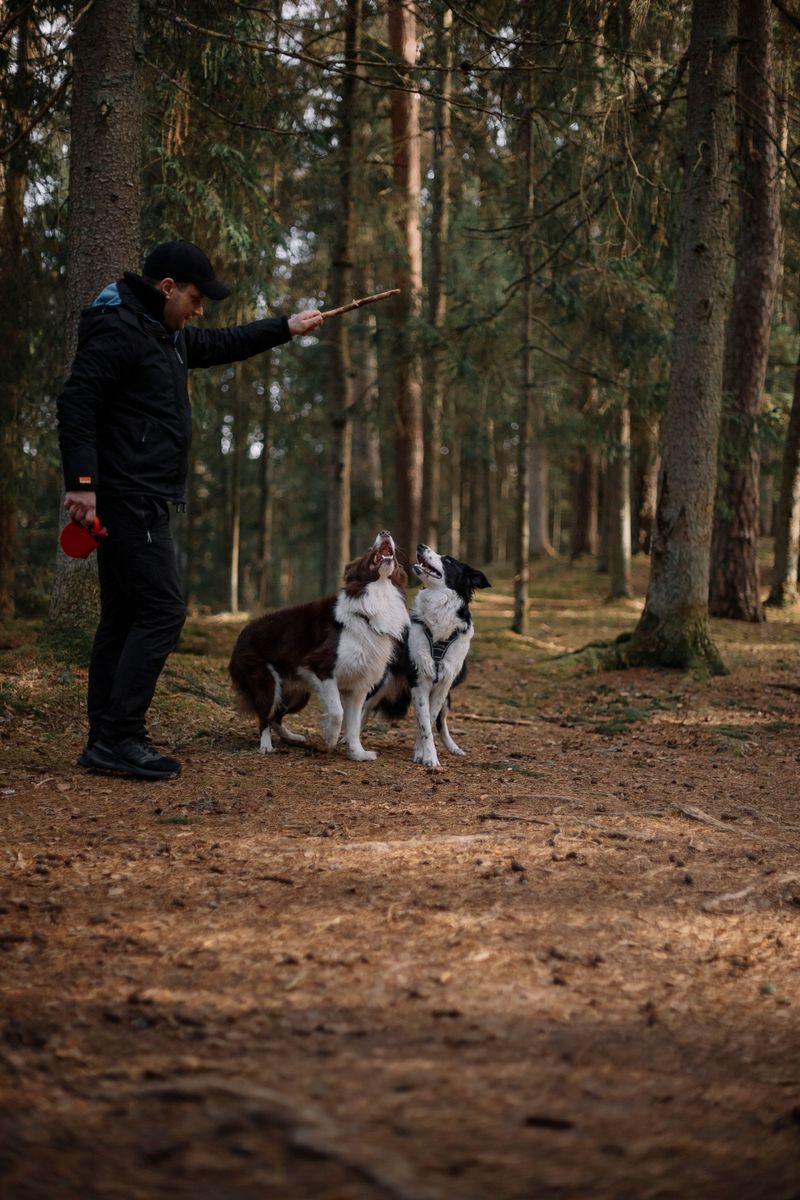
Prey drive is a wonderful thing, except when a snake is involved. Barking, pawing, and lunging read as threats, and a copperhead may respond defensively.
Call your dog away calmly and leash up before backing out of the area. Avoid shouting or grabbing at the snake yourself.
Snake avoidance classes are offered by some trainers in Kentucky, and they suit high drive dogs especially well. Ask your vet or local club for a referral.
Practice pays off.
9. Give Snakes an Escape Route
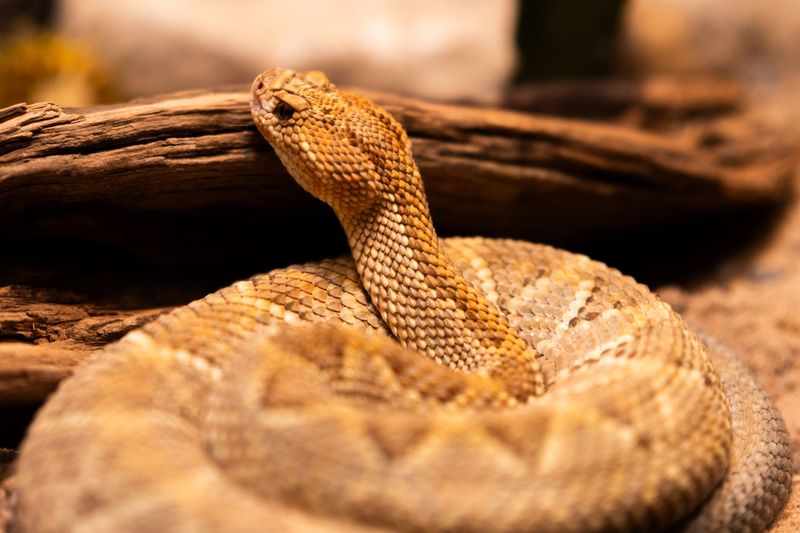
Here is a detail that surprises people: copperheads would rather leave than confront anyone. Camouflage is their first defense, so they often hold still and wait.
Crowding one removes its options. Step back, take your dog with you, and open a clear path.
Keeping areas around wood storage and dense vegetation tidy can reduce places where snakes may seek cover. If you encounter a copperhead, give it plenty of space and allow it to move away without approaching or cornering it.
Patience beats panic nearly every time.
10. Check the Yard Around Wood Storage
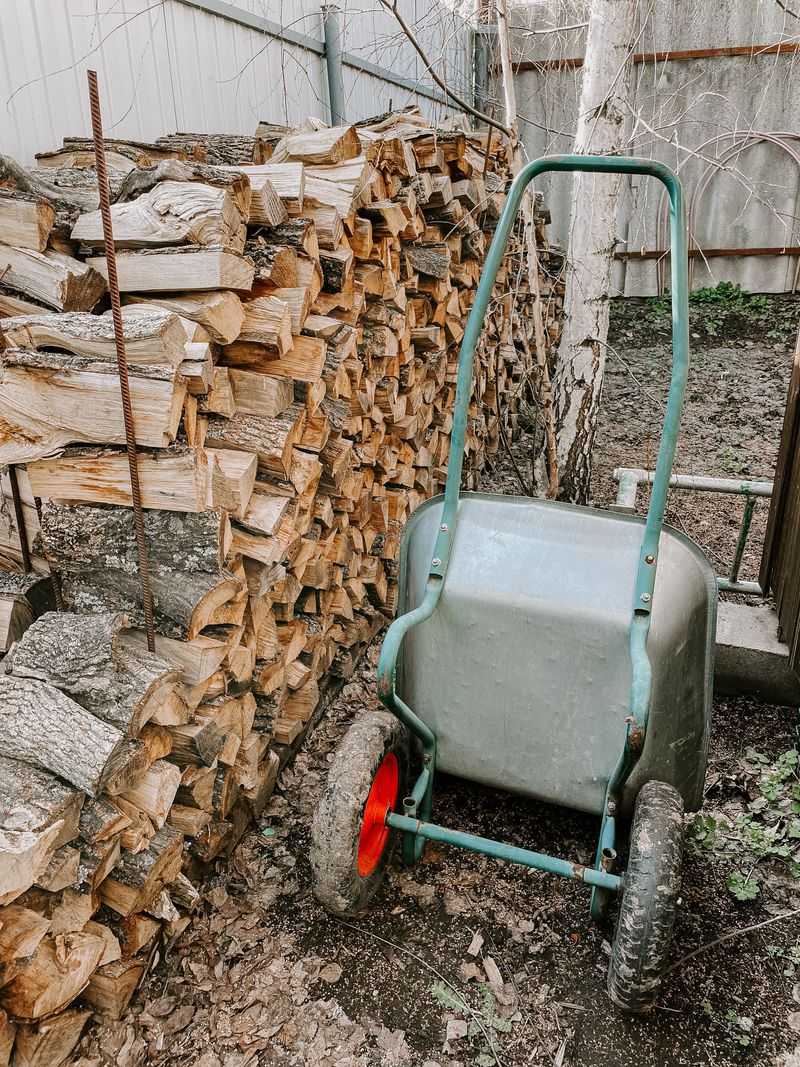
Routine checks around stored wood pay off more than any gadget. Copperheads settle under stacks, pallets, tarps, and the debris that collects behind them.
Look before reaching, wear gloves, and use a rake or long tool to shift pieces. Keep your dog indoors while you work.
Sweep out corners, flatten cardboard, and remove old lumber leaning against the shed. Clear, open storage areas hold far less appeal for a snake looking to hide.
11. Be Cautious During Warm Weather
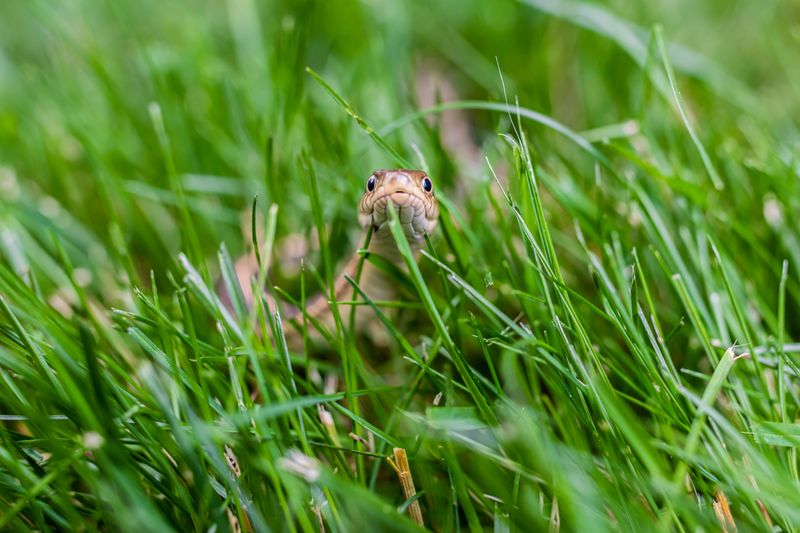
Copperheads are active during Kentucky’s warmer months, and sightings can increase during spring, summer, and early fall. Activity patterns can vary with temperature and conditions.
Summer heat may shift some activity toward cooler parts of the day, while shaded areas such as mulch beds and spaces around decks can provide cover. Young copperheads are born in late summer or early fall and are capable of delivering venomous bites.
Plan yard time and walks with a leash, and use a flashlight when visibility is poor. Cooler weather generally reduces snake activity.
12. Teach a Reliable Come Command
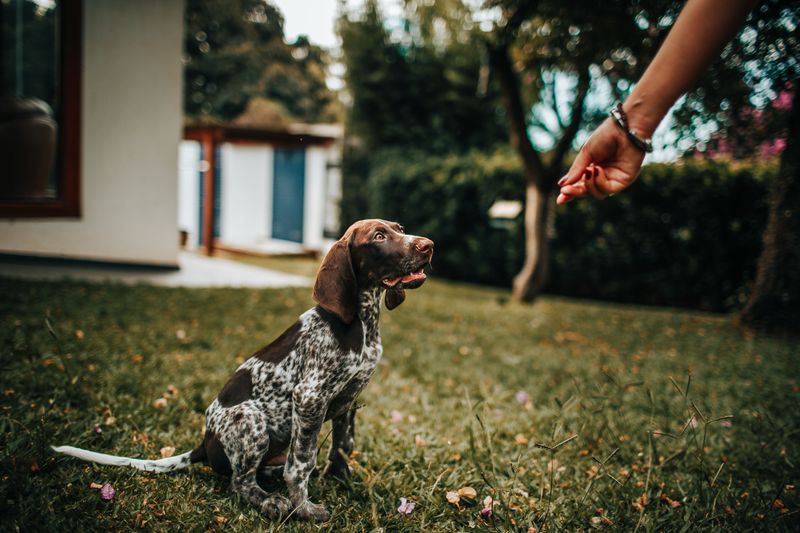
Recall might be the best snake protection your dog ever gets. One clear word can pull a curious nose away from a woodpile in seconds.
Practice indoors first, then in the yard, then with mild distractions nearby. Pay generously every single time, so coming back always feels worth it.
Never call your dog for something unpleasant. Off leash freedom near creeks should depend on that recall holding up under pressure.
13. Know the Signs of a Possible Snakebite
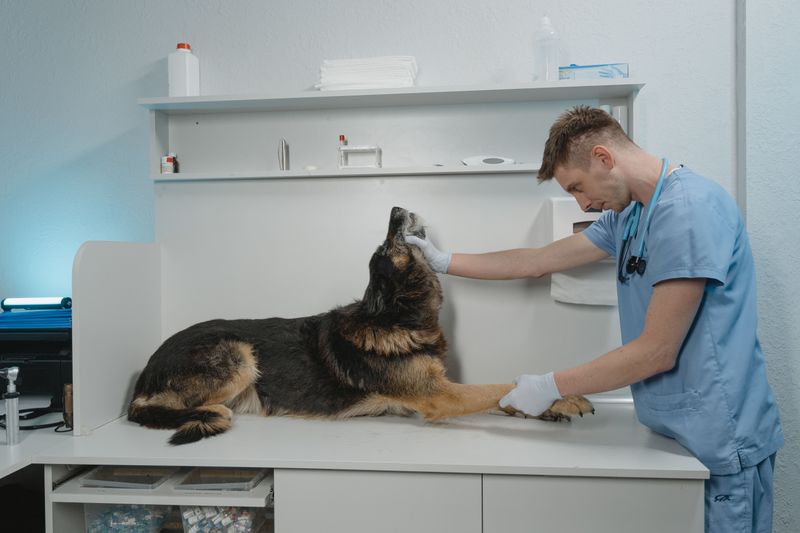
Sudden yelping, limping, or a startled jump can be your first clue. Swelling often follows fast, and it is usually lopsided: one paw, one cheek, one side of the muzzle.
Look for bruising or a small trickle of blood, though puncture marks hide easily in fur. Weakness, drooling, trembling, vomiting, or wobbly legs may appear within minutes.
Signs can vary depending on the bite and amount of venom injected, so do not rely on a specific waiting period before seeking care. Contact your veterinarian promptly if a venomous snakebite is suspected.
14. Treat a Suspected Bite as an Emergency
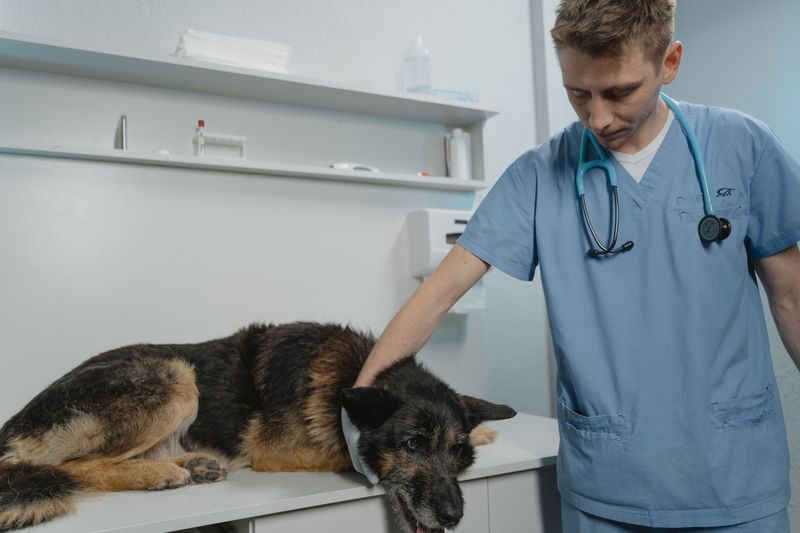
Every suspected venomous snakebite should be treated as a veterinary emergency. Do not wait for symptoms to worsen before contacting a veterinarian.
Move your dog away from the snake, remove the collar or harness if swelling could make it constrictive, and keep your dog as calm and inactive as possible while heading to veterinary care. If possible, carry your dog rather than allowing it to walk.
Snap a photo only if it is safe to do so from a distance. Never try to catch or handle the snake.
Call ahead so the clinic can prepare and, if necessary, direct you to a facility equipped to manage a venomous snakebite.
15. Do Not Try Home Remedies for a Snakebite
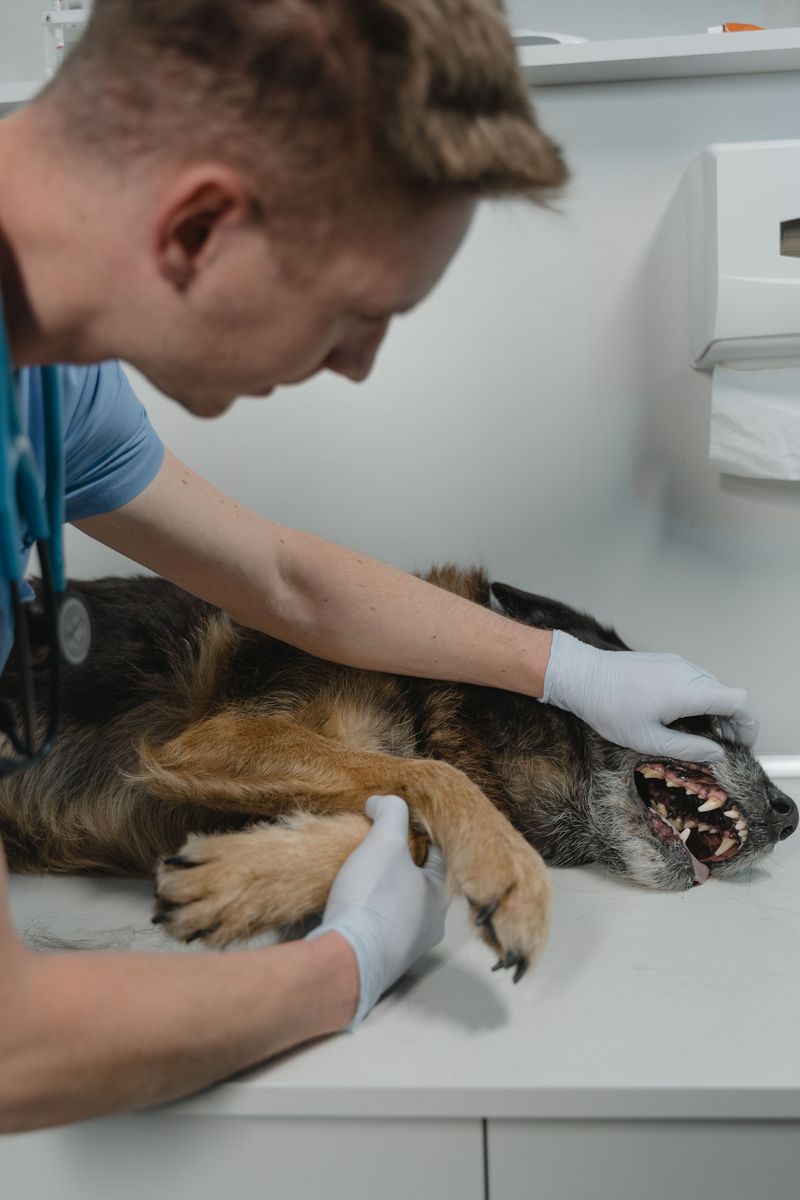
Old advice about snakebites can make things worse, so let it go. Skip ice packs, which can cause additional tissue injury.
Do not apply tourniquets or tight wraps, since they can restrict blood flow and cause additional damage. Do not cut the wound or attempt to remove venom by suction.
Do not give medications such as antihistamines, antibiotics, pain relievers, or steroids unless a veterinarian directs you. Veterinary treatment may include antivenom when appropriate, along with supportive care based on the dog’s condition.
Antivenom is the only treatment that directly neutralizes snake venom, but supportive veterinary care is also an important part of treatment.
Getting your dog to a veterinarian promptly is the most important step.
16. Inspect Your Dog After Outdoor Adventures
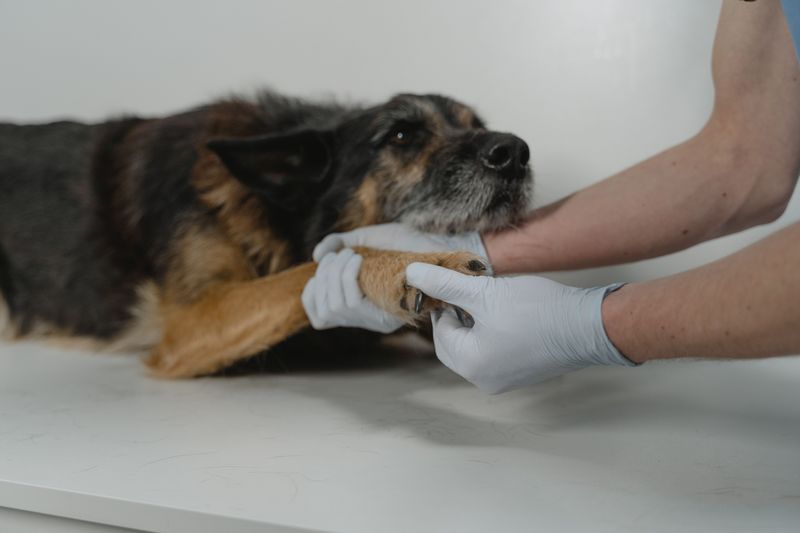
Post walk check ins take about two minutes and catch a lot. Run your hands over the muzzle, chest, legs, and paws.
Part thick fur and feel for warm spots, puffiness, or tenderness. Punctures from a copperhead can be tiny and easy to miss.
Note anything new, including unusual quietness or reluctance to eat. Trust your read on your own dog, and call the clinic if something feels off.
Most checks end with nothing but a happy, tired pup.


