How Tornado Warnings Change Emergency Planning For Indiana Dog Owners
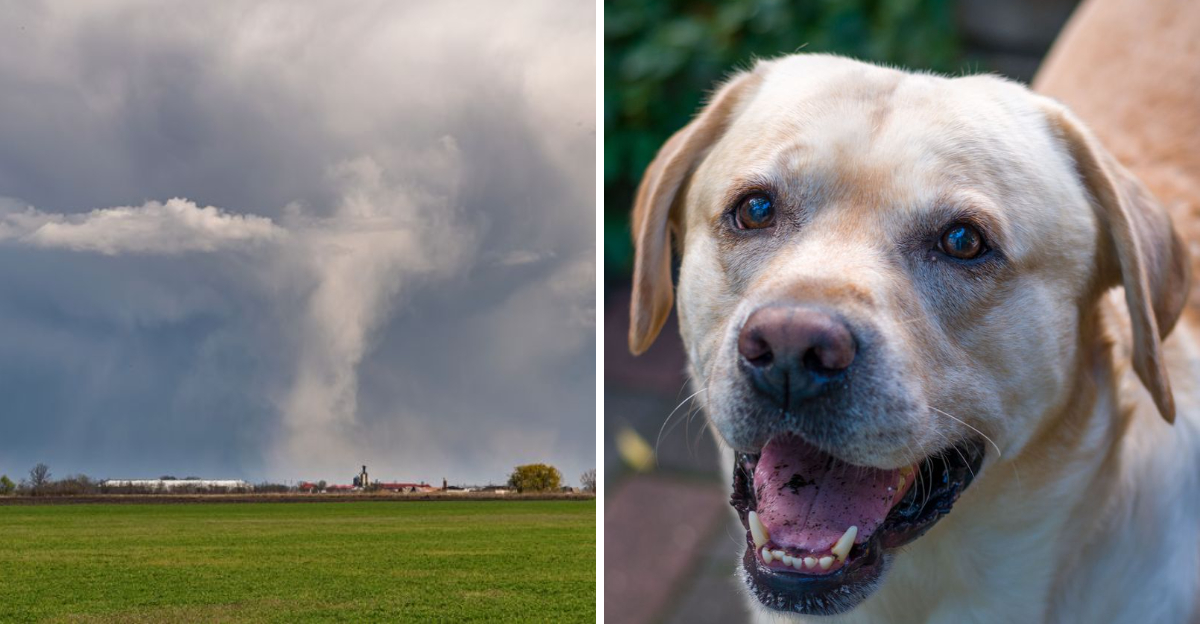
If you live in Indiana, you already know how quickly a calm spring afternoon can turn gray and gusty. Sirens sound, phones buzz, and suddenly everyone in the house is moving toward the basement.
For dog owners, that moment brings an extra layer of thinking. Where is the leash?
Is the dog already inside? Does the crate fit in the safe room?
None of that should be figured out while the wind is picking up.
This guide walks through the practical changes a tornado warning brings for Hoosier households with dogs.
1. A Warning Means Your Dog Heads to Shelter Right Now
Watches and warnings are not the same thing. A warning means a tornado has been spotted or picked up on radar near you.
At that point, there is no gathering time left. Your dog goes with you to the safe area immediately, leashed or crated.
Leaving a dog outside during a warning is never the answer. Make the rule simple for everyone in your household: warning sounds, dog moves, no debate, no delay.
2. Bring Him Inside While It Is Still Just a Watch
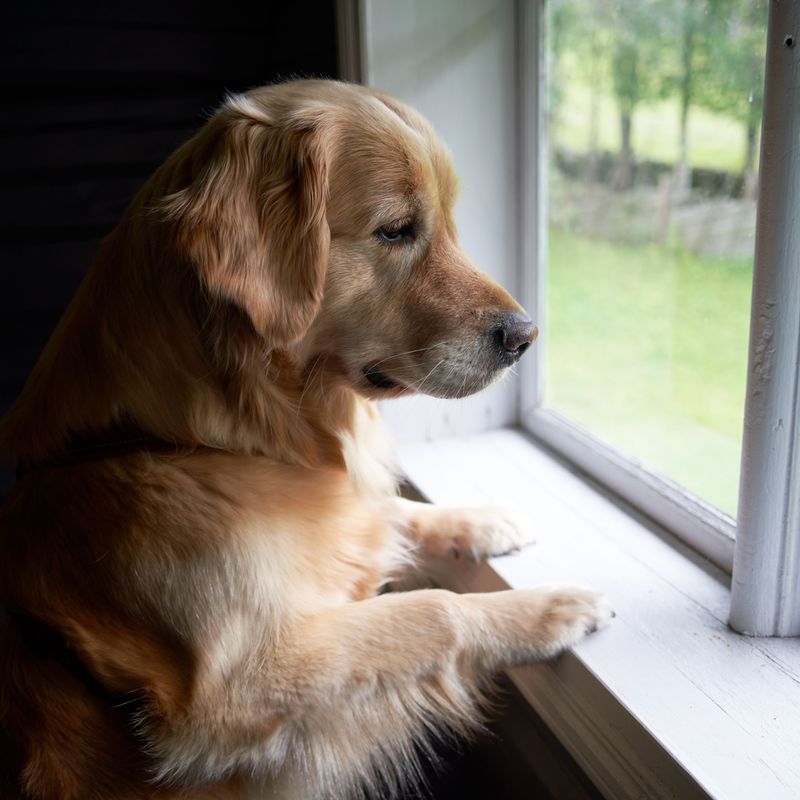
Smart owners act at the watch stage, not the warning stage. A watch means conditions favor tornado development somewhere nearby.
Getting your dog indoors early prevents the frantic backyard chase later. Wind and thunder unsettle many dogs, and unsettled dogs look for escape routes.
Once he is in, close gates and doors behind you. Being indoors ahead of time turns a stressful scramble into an ordinary afternoon with the radar on.
3. Dog Houses Offer Comfort, Not Storm Protection
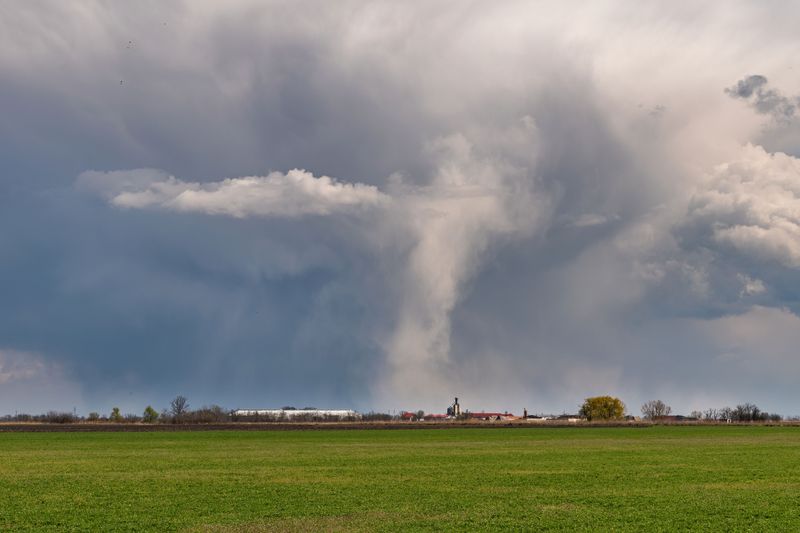
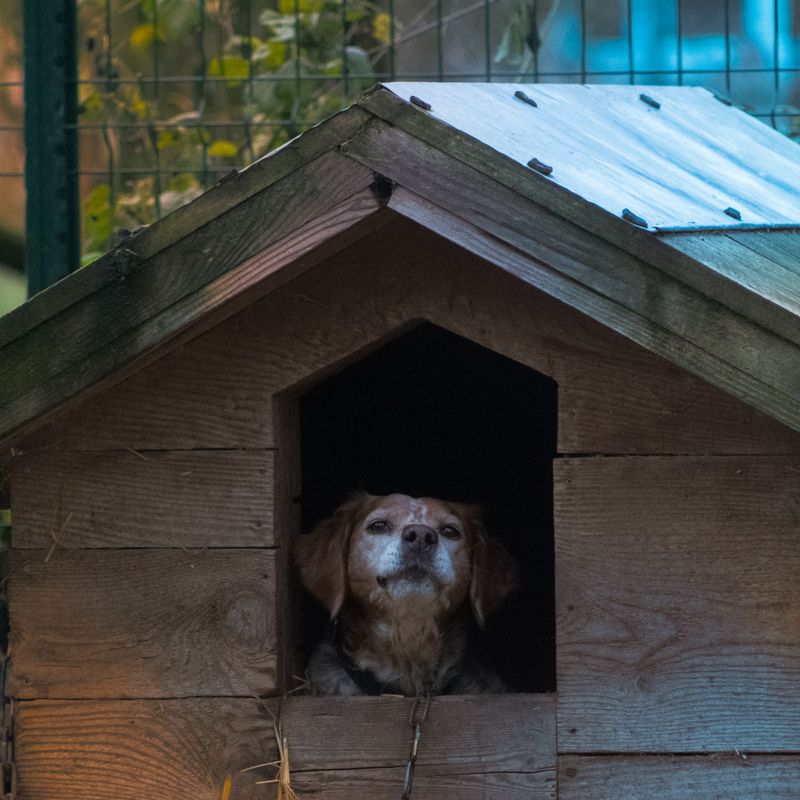
Plenty of well-built dog houses handle rain and cold beautifully. Tornado winds are a different story entirely.
Outdoor kennels, hutches, and backyard enclosures are not rated shelter. Neither are sheds, carports, or covered patios.
The guiding rule is easy to remember: if a space is not safe for people, it is not safe for your dog either. Save the dog house for sunny naps and bring him indoors when storms threaten.
4. Give Your Dog an Assigned Spot in the Safe Room
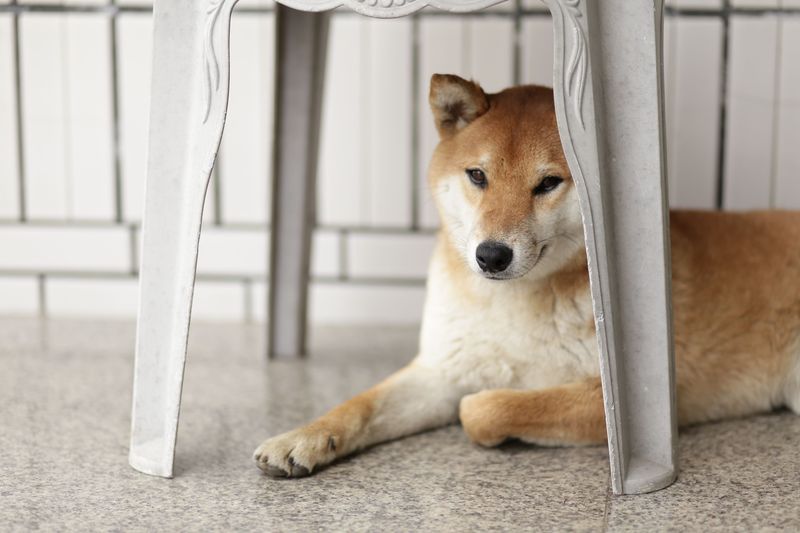
Your safe area should hold everyone, tail included. Most Indiana homes use a basement or an interior room on the lowest floor without windows.
Closets and first-floor bathrooms work when there is no basement. Look at the space and decide exactly where the dog sits.
Clear out cleaning supplies, tools, and anything he might chew while nervous. Knowing his corner in advance keeps the room orderly when the whole family piles in.
5. Keep a Leash Hanging Inside the Shelter Space

Ever notice how leashes vanish exactly when you need them? A spare one stored in the safe room solves that problem permanently.
Guidance from pet safety groups is consistent: during a warning, dogs should be leashed or contained. A frightened dog can bolt through an open door in seconds.
Hang an extra leash and collar on a hook near your shelter entrance. It costs a few dollars and saves precious minutes.
6. Fold the Crate Into Your Storm Setup
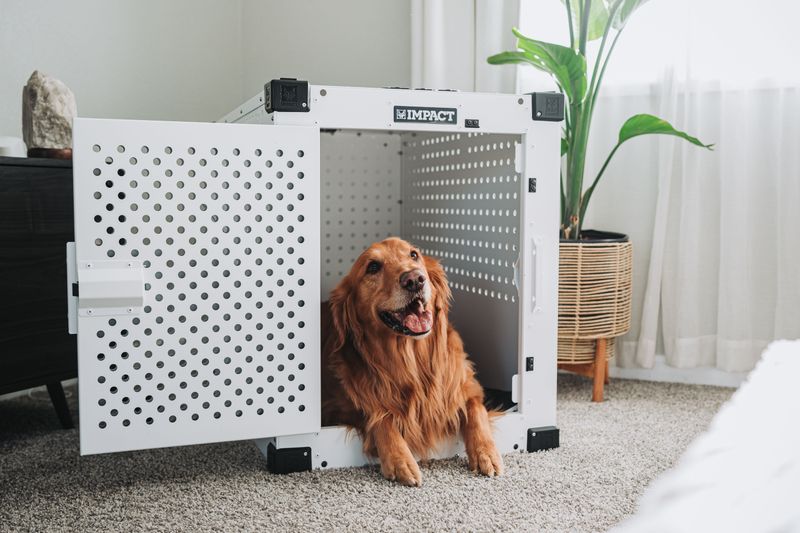
Crate-trained dogs already have a portable comfort zone, and that helps enormously during storms.
Place the crate inside the safe room, ideally tucked under a sturdy workbench or heavy table. Extra structure overhead adds protection from flying debris.
Contained dogs also cannot dart out when a door opens. If your dog is not crate trained yet, start now with short, cheerful sessions and plenty of treats.
7. Pack the Emergency Bag Long Before Storm Day
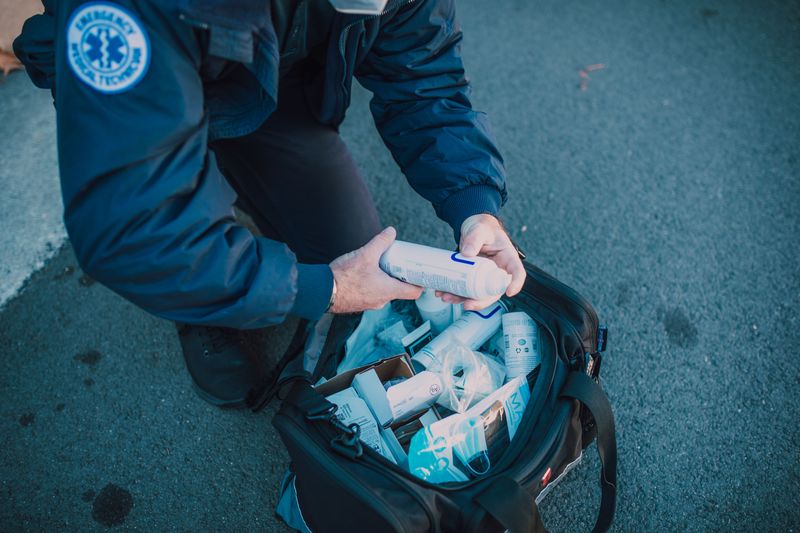
March is a fine time to assemble a dog emergency kit, well ahead of Indiana’s busiest severe weather stretch.
Use a sturdy tote or backpack you can grab with one hand. Inside go food, water, bowls, a spare leash, waste bags, and copies of records.
Store it in the safe room or right beside the basement door. Check it twice a year and swap anything that has expired.
8. Medication Rides Along With the Tornado Supplies
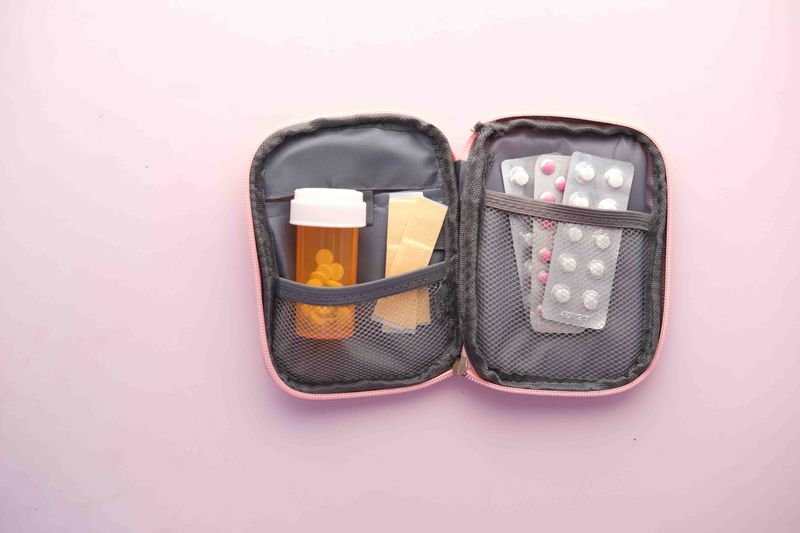
Dogs on heart, seizure, or allergy medication need those doses no matter what the weather does.
Pet emergency guidance commonly recommends about a two-week supply stored in a waterproof container. Add photocopies of prescriptions and medical records.
Rotate stock so nothing expires quietly in the back of the bag. Ask your veterinarian how to store your dog’s specific medications, since some require refrigeration and need a cooler plan instead.
9. Stock Several Days of Food and Bottled Water
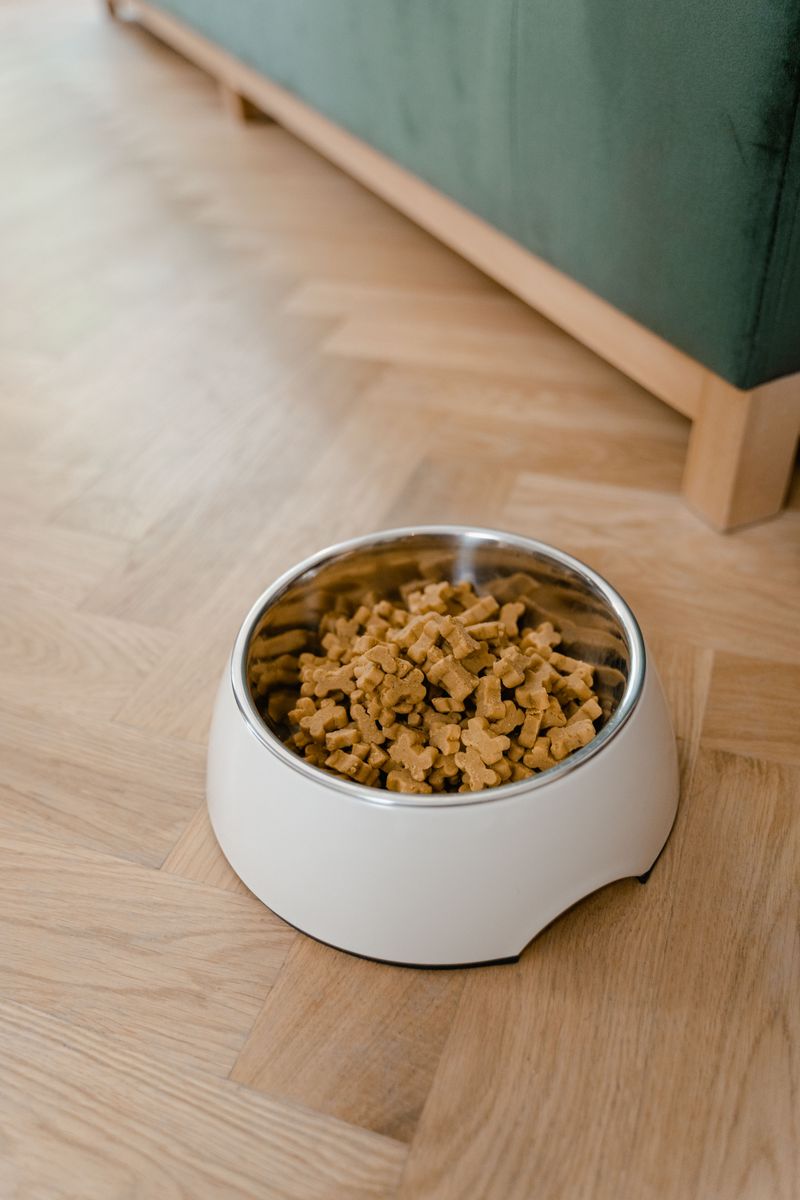
Three days of food and water is the common minimum, and many groups suggest stretching that to seven.
Dry kibble stores best in a sealed, waterproof container. Canned food needs a manual can opener tucked in beside it.
Toss in collapsible bowls, since they take almost no room. Power outages after Indiana storms sometimes last a while, so having your dog’s meals already handled removes one worry from a long day.
10. Identification Carries Extra Weight in Severe Weather
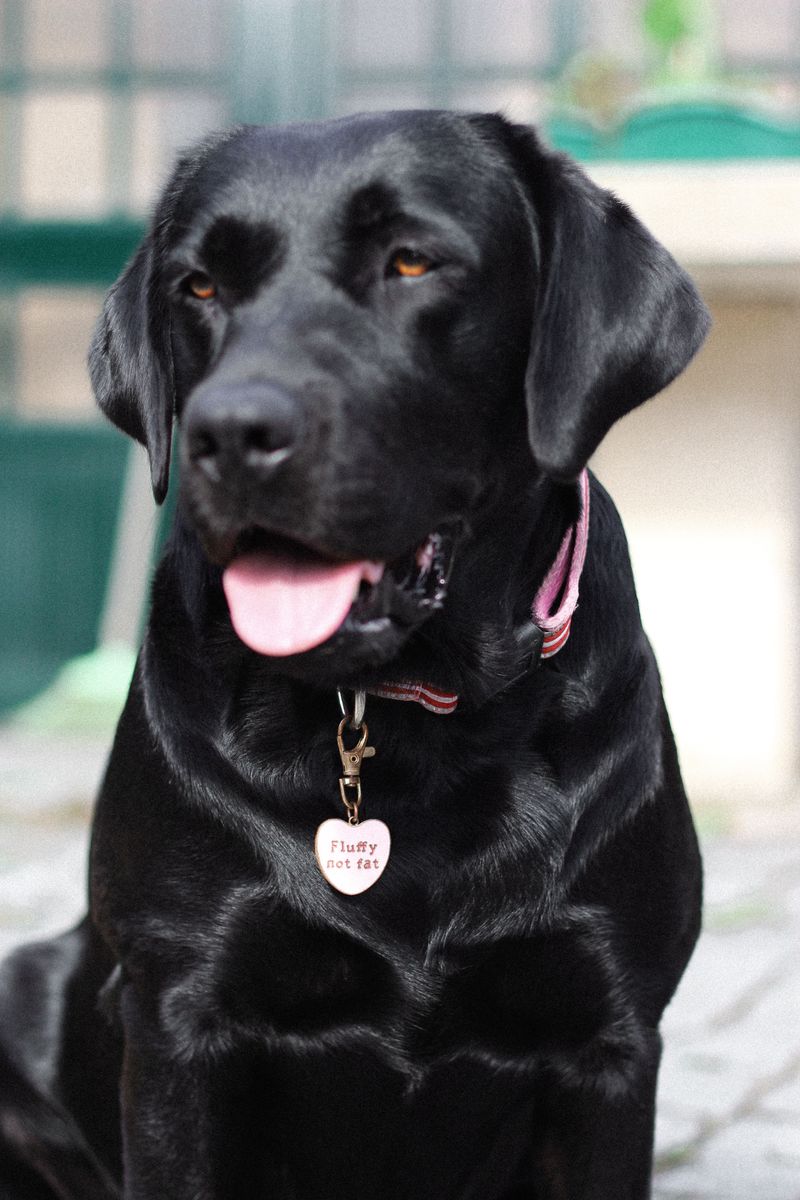
Storms shuffle fences, gates, and open doors, and dogs slip out more often than owners expect.
A microchip is the most reliable form of identification because it cannot fall off. Registration details must stay current, so update your phone number whenever it changes.
Pair the chip with a collar tag listing your number and any urgent medical need. Two layers of ID greatly improve the odds of a quick reunion.
11. Tuck a Recent Photo Into the Plan
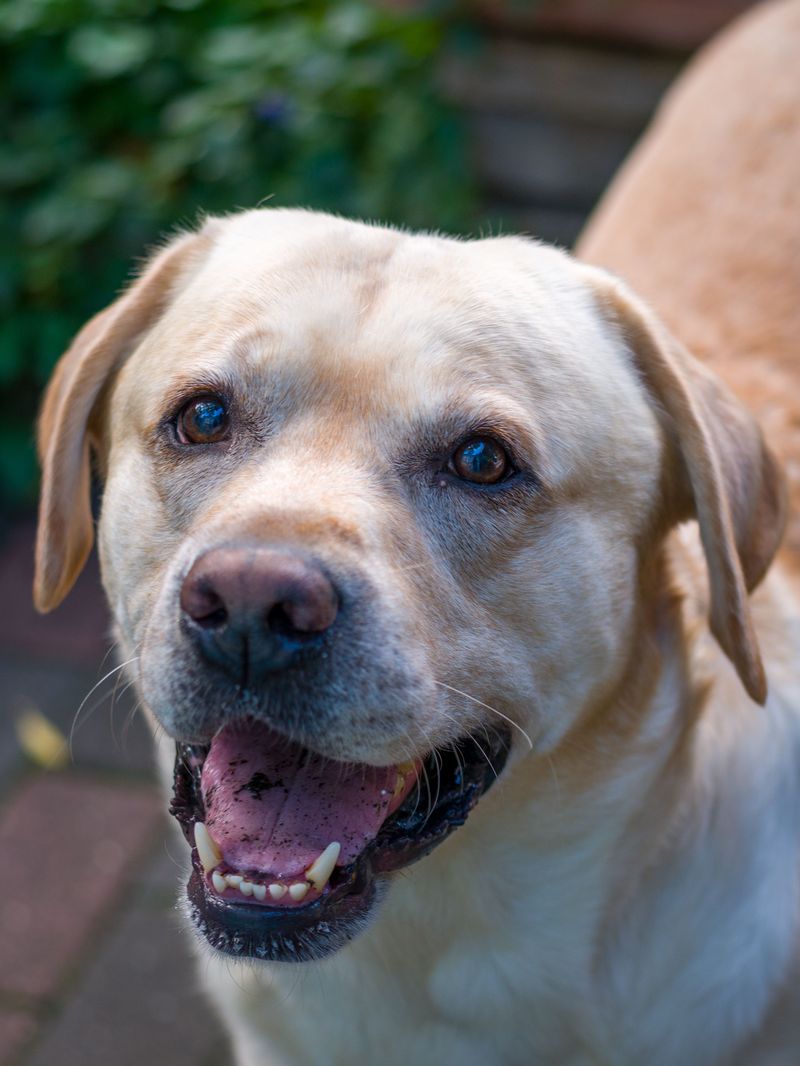
A clear, recent picture of your dog does real work if he goes missing after a storm.
Print one showing his face and any distinctive markings, then store it with your kit. Keep a copy on your phone too.
Add vaccination records or adoption paperwork as proof of ownership. Shelters fill quickly after severe weather, and a good photo helps staff match a found dog to the right family faster.
12. Sirens Are a Backup, Not Your Main Alert
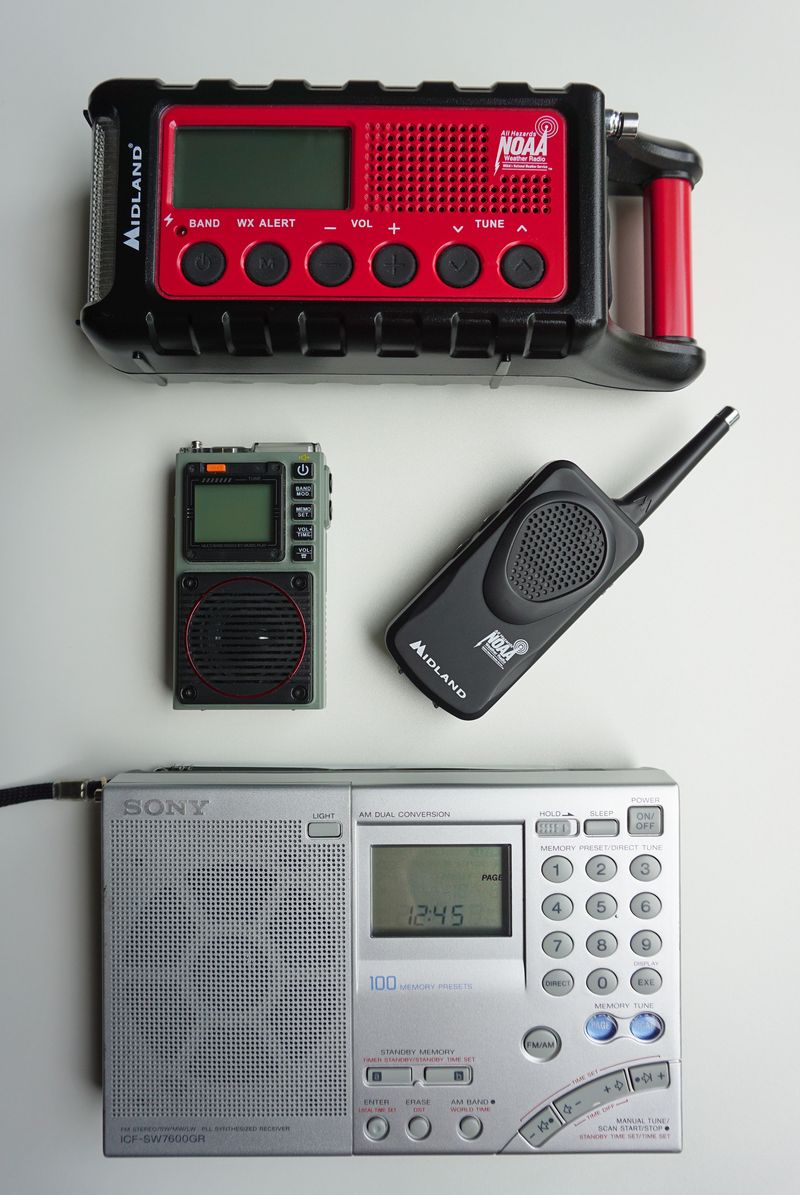
Outdoor sirens were designed to reach people outside, not people asleep behind closed windows.
Rely instead on layers: a NOAA weather radio, county alert texts, a weather app with push notifications, and local broadcasts.
Multiple sources let you act during the watch, when there is still time to gather your dog calmly. Check with your county emergency management office about signing up for local notifications.
13. Build a Nighttime Routine for Overnight Warnings
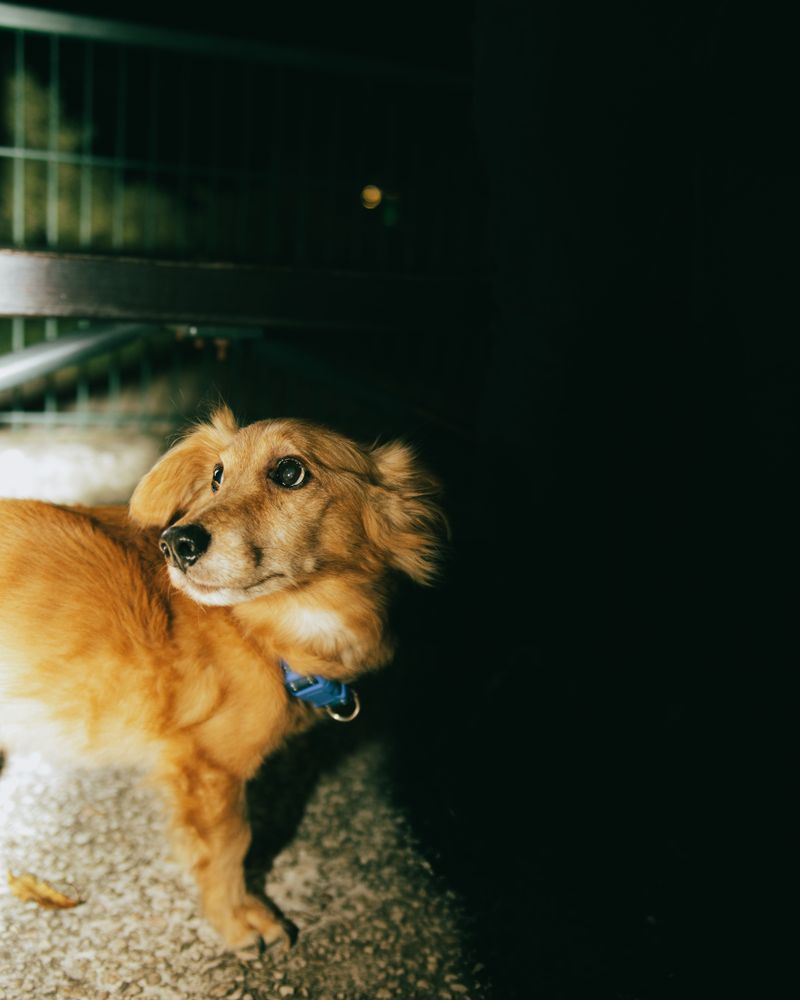
Some of Indiana’s warnings arrive after bedtime, when everyone is groggy and the lights are off.
Decide now where your dog sleeps and how you will reach him in the dark. Keep shoes, a flashlight, and a leash within arm’s reach.
Practice the path once with the lights low so it feels familiar. Your steady voice matters here, because dogs read our tone long before they understand the situation.
14. Rehearse the Shelter Trip Before Spring Peaks
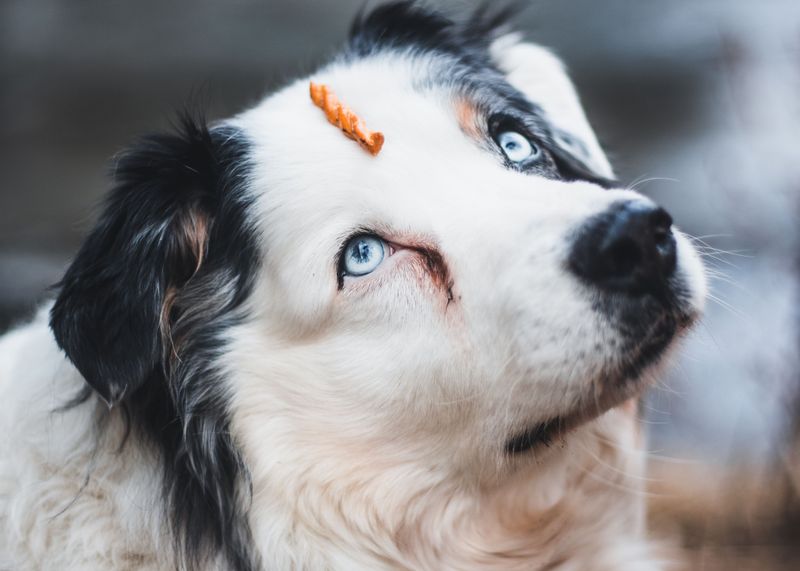
Drills are not just for schools. Walking your dog through the shelter route a few times makes the real thing far smoother.
Bring treats, offer praise, and let him sniff around the space. Positive associations turn the basement into a normal place rather than a strange one.
Time yourself getting him leashed or crated. Two or three short practices in late winter usually do the trick.
15. Mobile Home Residents Should Leave Earlier
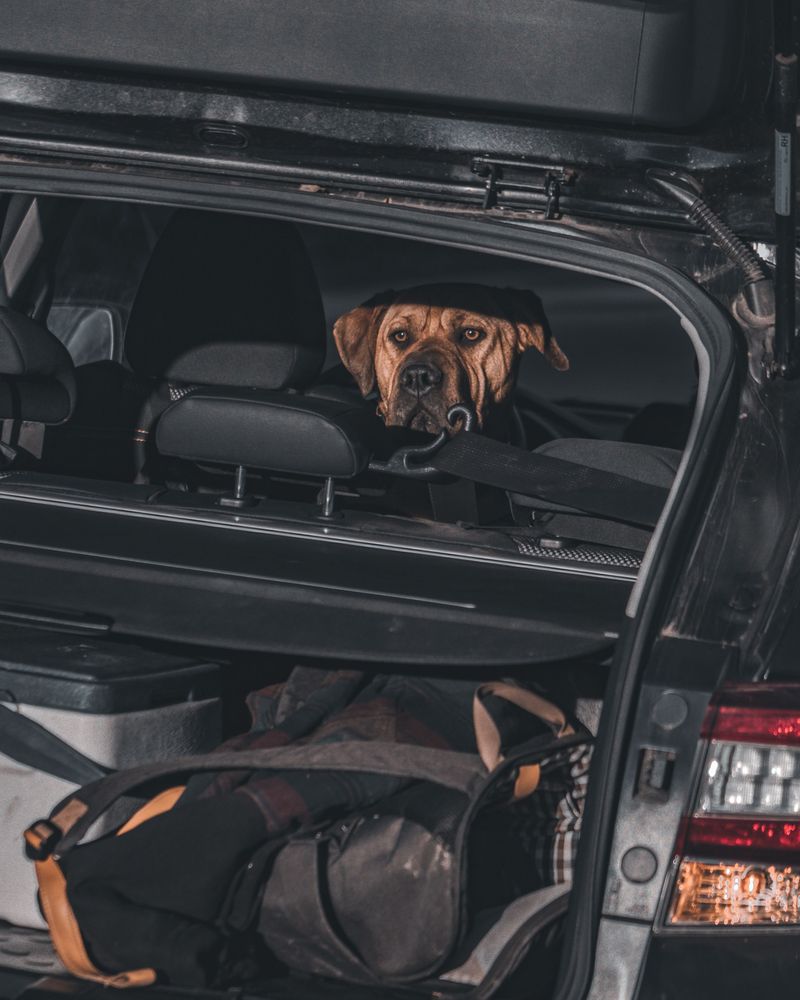
Manufactured and mobile homes simply do not stand up well to tornado winds, no matter how well they are anchored.
If that is your home, plan to relocate at the watch stage, not the warning stage. Identify the nearest sturdy shelter and confirm whether pets are allowed.
Pack the dog’s bag in the car early. Never leave him behind, and ask your park management or county office about the closest approved shelter.
16. Wrap Up Walks and Yard Time Ahead of the Storm
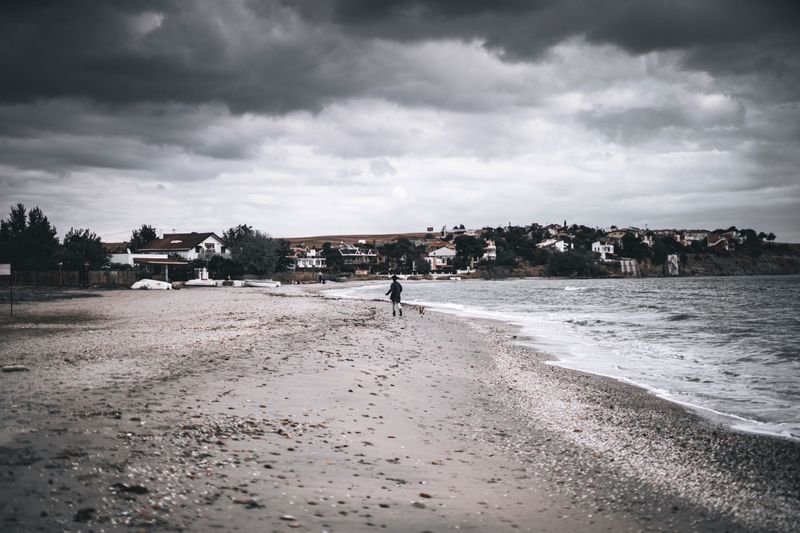
Squeezing in one more quick walk is tempting when rain has not started yet. Skip it.
Once severe weather is in the forecast or a watch is posted, potty breaks should be short, leashed, and finished early.
Sudden thunder and gusts can disorient even a steady dog, and fence lines fail in strong wind. Feed and exercise him a little earlier that day so he settles indoors comfortably.
17. Line Up Pet-Friendly Lodging for Afterward
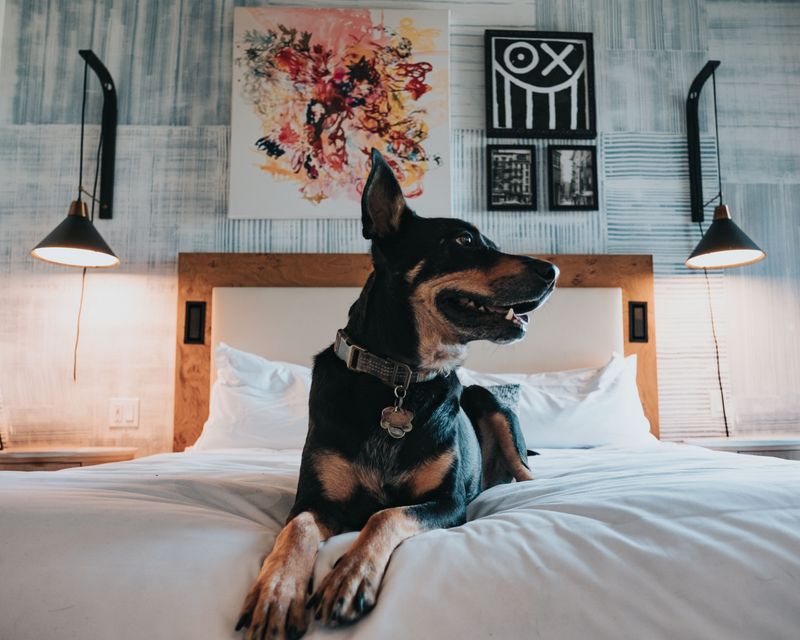
Recovery plans matter as much as shelter plans, because homes sometimes need repairs before anyone moves back in.
Research pet-friendly hotels outside your immediate area and save the numbers now. Ask your veterinarian for boarding kennel recommendations too.
Local animal shelters may know about emergency pet care options in your county. Public emergency shelters vary in their pet policies, so never assume yours accepts animals.
Confirm ahead of time.
18. Stay in Control Once the All Clear Sounds
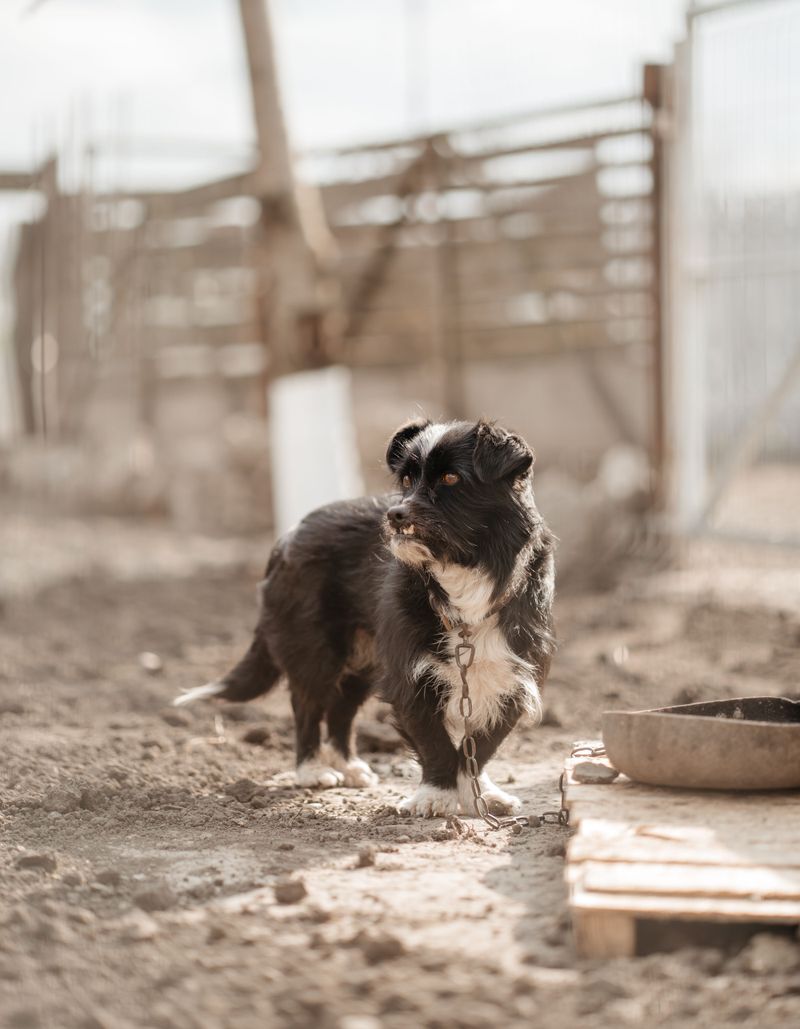
The yard after a storm looks and smells nothing like the yard your dog knew that morning.
Keep him leashed while you check for downed power lines, broken glass, nails, and scattered branches. Report any fallen lines to your utility and stay well back.
Watch for shaking, panting, or limping, and call your veterinarian with concerns. Returning to normal meals and walks helps him settle quickly.
Preparation is what makes calm possible.